The Arkansas Wildflower That Spreads On Its Own And Leaves Your Lawn Looking Surprisingly Good
Most Arkansas homeowners spend years fighting what grows naturally in their lawn. This one is worth letting win. A native wildflower is spreading quietly through yards across the state, and the results are hard to argue with.
It asks for almost nothing, handles Arkansas summers without flinching, and fills in the dull patches that grass seed never quite fixes. It is just a plant that knows what it is doing.
Homeowners who stopped pulling it up are watching their lawns transform into something that looks intentional. Delicate blooms, low growth, and a habit of spreading on its own terms, this wildflower earns its place without being asked twice.
If your lawn has ever felt like it was missing something, you might have just been pulling out the answer.
The Low-Growing Bloomer That Belongs Right In Your Grass
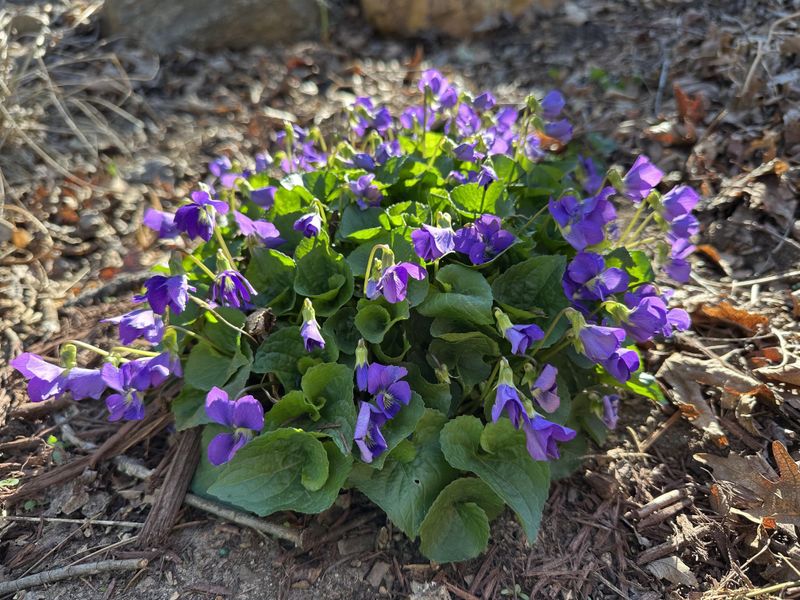
Wild violets are the Arkansas wildflower spreading quietly through lawns and winning hearts along the way. These low-growing plants sit right at grass height, which means your mower mostly passes right over them.
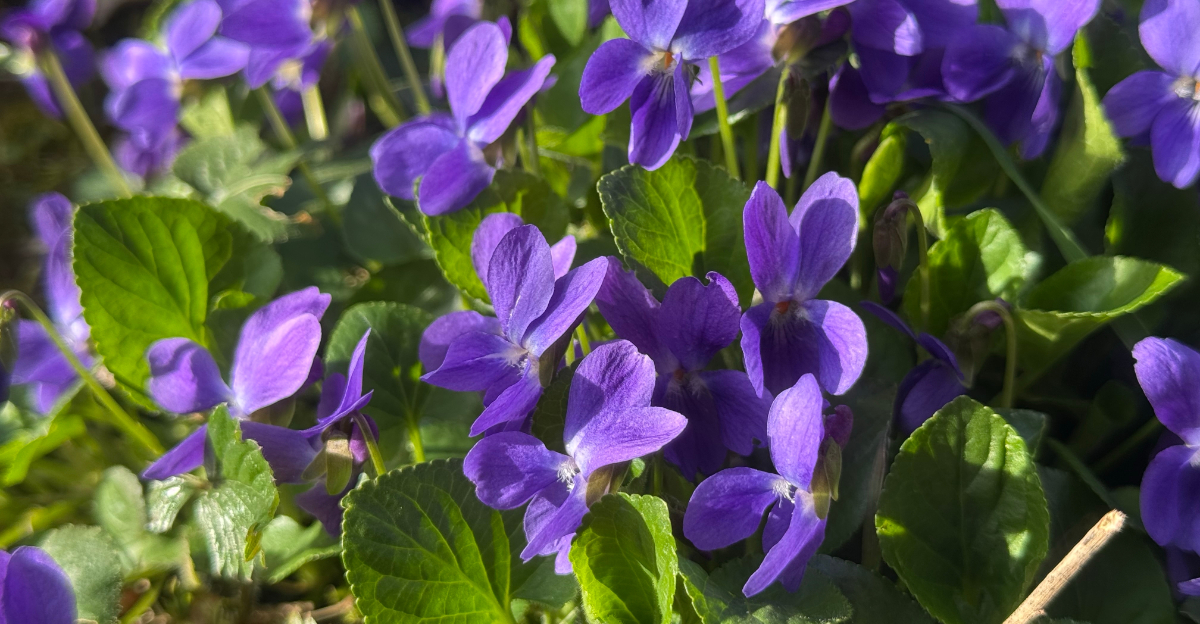
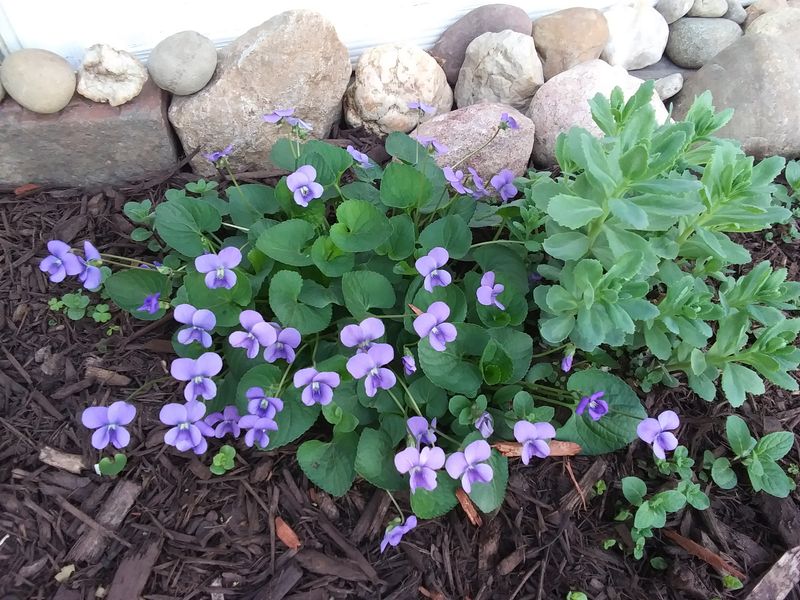
They blend in beautifully until spring, when tiny purple and white blooms appear scattered across your yard each spring. They often first appear along shaded edges near trees or fence lines.
Before long, a small patch becomes a full carpet of color that nobody planted on purpose.
That surprise factor is part of what makes wild violets so charming and so talked about. The leaves stay green well into fall, giving your lawn texture even after blooms fade.
They are heart-shaped and glossy, adding visual interest without any extra effort from you. Fertilizer, watering schedules, and soil prep are not part of the deal with this plant.
Wild violets also attract early pollinators like bumblebees and small butterflies searching for spring nectar. Letting them grow means you are supporting local ecosystems without lifting a finger.
That is a win most homeowners did not see coming. They thrive in partial shade but can handle sunny spots too, depending on moisture.
Moist, slightly acidic soil is their sweet spot, which describes a huge portion of Arkansas yards. Once established, they ask for almost nothing and give back plenty.
For anyone tired of fighting weeds that offer no reward, wild violets flip the script entirely. Your lawn gets color, texture, and life without a single trip to the garden center.
Why This Wildflower Thrives In Arkansas Lawns
Arkansas has a climate that feels almost tailor-made for wild violets. Hot summers, mild winters, and plenty of spring rain create conditions these plants genuinely love.
They are native to the region, which means they evolved right alongside the soil and weather patterns found here. Native plants have a built-in advantage that imported species simply cannot match.
They do not need coaxing because the environment already speaks their language. Wild violets know exactly when to bloom, when to rest, and when to push new growth.
The state’s clay-heavy soils, common across central and northern regions, hold moisture well. Wild violets benefit from that retained water during dry spells that would stress other plants.
Your Arkansas Garden Changes Every Week. Your Plan Should Too.
Gardening in Arkansas changes quickly throughout the season. Every Friday you’ll receive a simple weekly plan showing exactly what to plant, prune, fertilize, harvest, and protect so you never miss the right timing.
They root shallowly but efficiently, pulling what they need without much drama. Arkansas also experiences a long growing window compared to northern states.
Wild violets take full advantage of that extended season, spreading through both seed and underground runners called rhizomes. Two growth methods mean faster coverage and stronger establishment over time.
Humidity helps wild violets stay hydrated between rain events, reducing stress on warm days.
Gardeners in drier climates spend real effort trying to recreate what Arkansas gets naturally. Local wildlife also plays a role in helping these plants thrive.
Ants carry violet seeds short distances, spreading the plant naturally across your property. Nature handles the planting, and you handle nothing at all.
How It Spreads Without Any Help From You
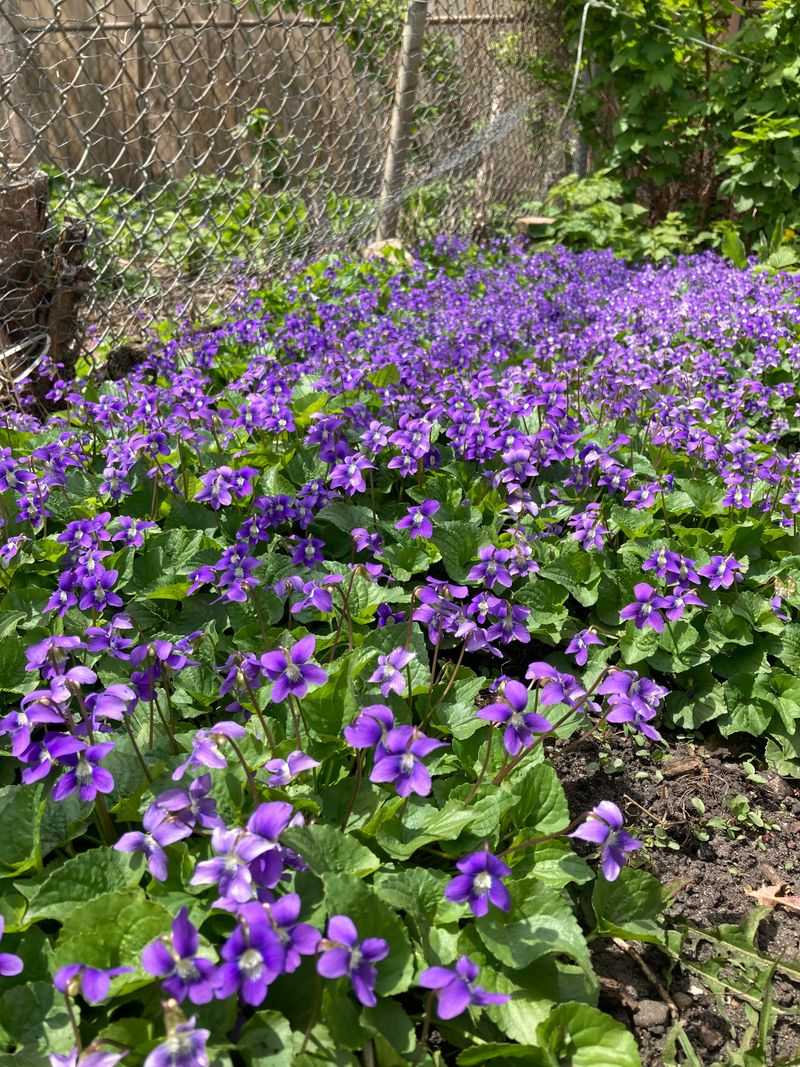
Wild violets have cracked the code on spreading without needing a gardener’s help. They use two completely separate strategies to multiply, which makes them remarkably effective at filling in bare or thin lawn areas.
Most plants rely on one method, but violets doubled down. The first strategy involves cleistogamous flowers, which are self-fertilizing blooms that never even open.
These hidden flowers form close to the soil and produce seeds entirely on their own. It does not need pollinators or wind to get the job done. The spreading happens quietly, mostly underground.
Those seeds get launched short distances when the seed pod dries and splits open suddenly. The explosive release sends seeds several inches in every direction.
Over a single season, one plant can seed a considerable area entirely on its own. Ants take over from there, carrying seeds further across the yard in a process called myrmecochory.
Each seed has a fatty attachment that ants find irresistible. They haul seeds back toward their nests, dropping some along the way and creating new planting sites.
The second strategy uses rhizomes, which are underground stems that creep outward and sprout new plants. Rhizomes make wild violets nearly impossible to fully remove once established.
Cut the top off and the roots simply send up fresh growth nearby. Together, seeds and rhizomes create a self-sustaining spread cycle that works year after year.
Your lawn becomes a self-managing wildflower system with no input from you.
The Best Spots In Your Yard To Let It Grow
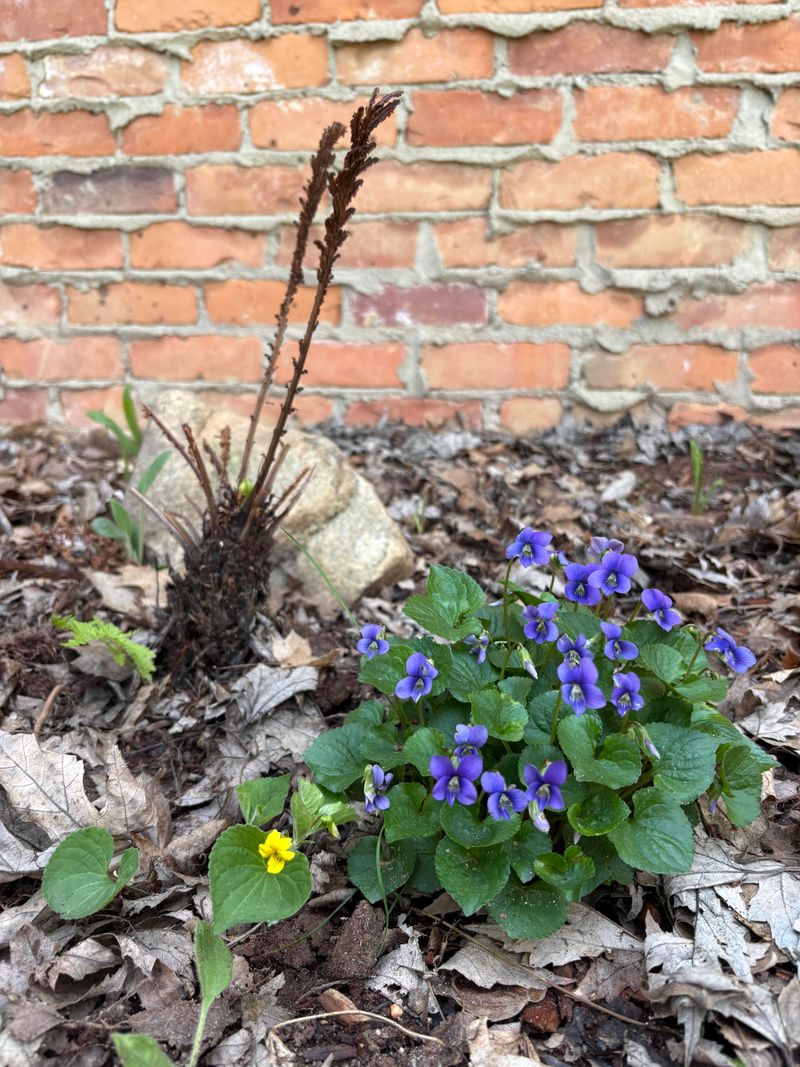
Not every corner of your yard will suit wild violets equally, but most Arkansas properties have at least one perfect spot. Shaded areas under trees are the classic starting point for these plants.
The filtered light and consistent moisture under a canopy match their preferred conditions almost perfectly. North-facing slopes and shaded fence lines are also excellent candidates.
These spots stay cooler and retain moisture longer than open sunny areas. Wild violets planted or encouraged here will establish quickly and spread outward on their own timeline.
Transitional zones between lawn and garden beds are another underrated location. Wild violets soften hard edges naturally, creating a blended, organic look that feels intentional.
That blended, organic look is one most gardeners actively try to recreate. Low spots in the yard where water collects after rain are prime territory too.
Many common lawn grasses struggle in soggy areas, but wild violets handle wet feet without complaint. Turning a problem drainage zone into a wildflower patch is a genuinely satisfying solution.
Areas around mailboxes, along walkways, or near front steps work surprisingly well for curb appeal. Passersby notice the delicate blooms and often stop to ask what you planted.
Telling them it planted itself is always a great conversation starter. Avoid placing them in high-traffic areas where foot traffic would flatten growth repeatedly.
They are tough but not indestructible under constant pressure. Give them a spot where they can do their thing undisturbed and they will reward you every spring.
What To Do Once It Gets Established
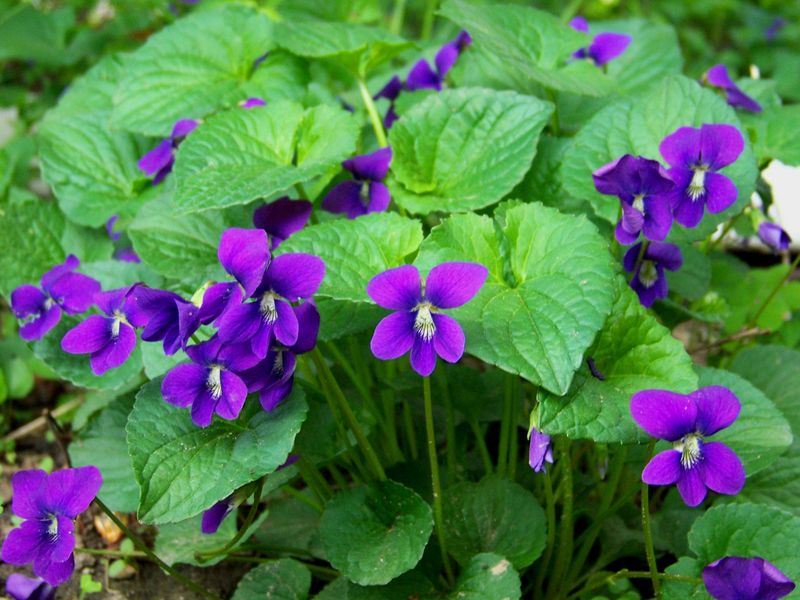
Once wild violets are established, your main job is mostly stepping back and letting them work. Resist the urge to mow too low during blooming season in early spring.
Keeping mower height at three inches or above protects flowers and gives pollinators a chance to visit. Watering is rarely necessary once roots are settled in, especially across most of central Arkansas.
Natural rainfall handles hydration through the cooler months when violets are most active. If a dry spell hits in summer, a light soak once a week keeps them from going dormant early.
Avoid applying broadleaf herbicides in areas where you want violets to thrive. Many common lawn treatments specifically target broadleaf plants, which includes wild violets.
Read product labels carefully before spraying anything near established patches. Fertilizing the surrounding lawn with heavy nitrogen products can actually work against violets.
Too much nitrogen pushes aggressive grass growth that crowds out low-growing wildflowers. A lighter fertilizer approach benefits both your grass and your violet patches equally.
Thinning out patches occasionally keeps plants healthy and prevents overcrowding in tight spaces. Simply pull a few plants by hand and compost them if a patch gets too dense.
The remaining plants respond with stronger growth and more blooms the following season. Watching wild violets self-manage over time is genuinely satisfying for low-effort gardeners.
They ask for little and deliver a lot, season after season. That kind of return on no investment is hard to argue with.
Simple Ways To Encourage More Blooms Each Season
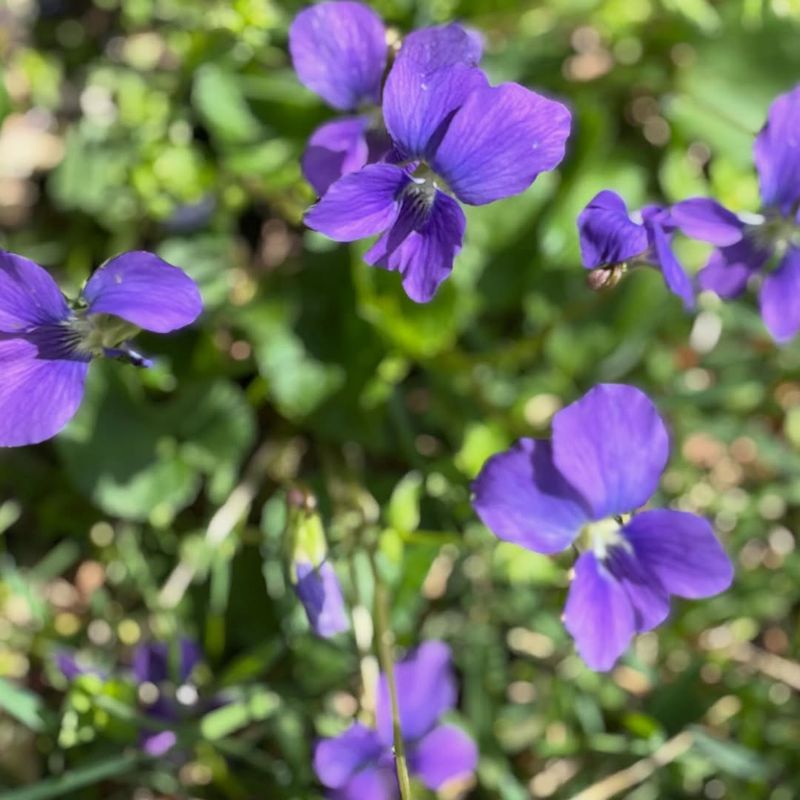
Getting more blooms from your wild violets does not require a complicated plan or expensive products. A few simple adjustments to how you manage your lawn can make a noticeable difference by the following spring.
Small changes add up to big floral payoffs over time. Raising your mower deck height is the single easiest adjustment you can make right now.
Cutting grass higher shades the soil, retains moisture, and protects low-growing wildflowers from blade damage. Most lawn experts recommend three inches minimum for healthy turf and wildflower coexistence.
Leaving fallen leaves in place over winter acts as natural mulch around violet plants. Decomposing leaves feed soil microbes, improve soil structure, and insulate roots during cold snaps.
Spring cleanup can still happen, but waiting until late March protects overwintering insects too. Reducing or eliminating synthetic lawn treatments in violet zones encourages stronger natural growth.
Chemical runoff affects soil biology in ways that slow down native plant establishment. Switching to organic alternatives keeps your soil ecosystem balanced and productive.
Allowing a section of lawn to go unmowed for the first six weeks of spring gives blooms a full cycle. Violets flower, set seed, and spread during that window before summer heat arrives.
Even a small unmowed patch can seed a surprisingly large area by fall. Celebrating what grows naturally in your yard shifts your entire perspective on lawn care.
Wild violets reward patience and minimal interference with generous seasonal color. Let nature lead and your lawn will surprise you every single year.