Florida Mulch Choices That Make Rat Problems Worse (And What To Use Instead)
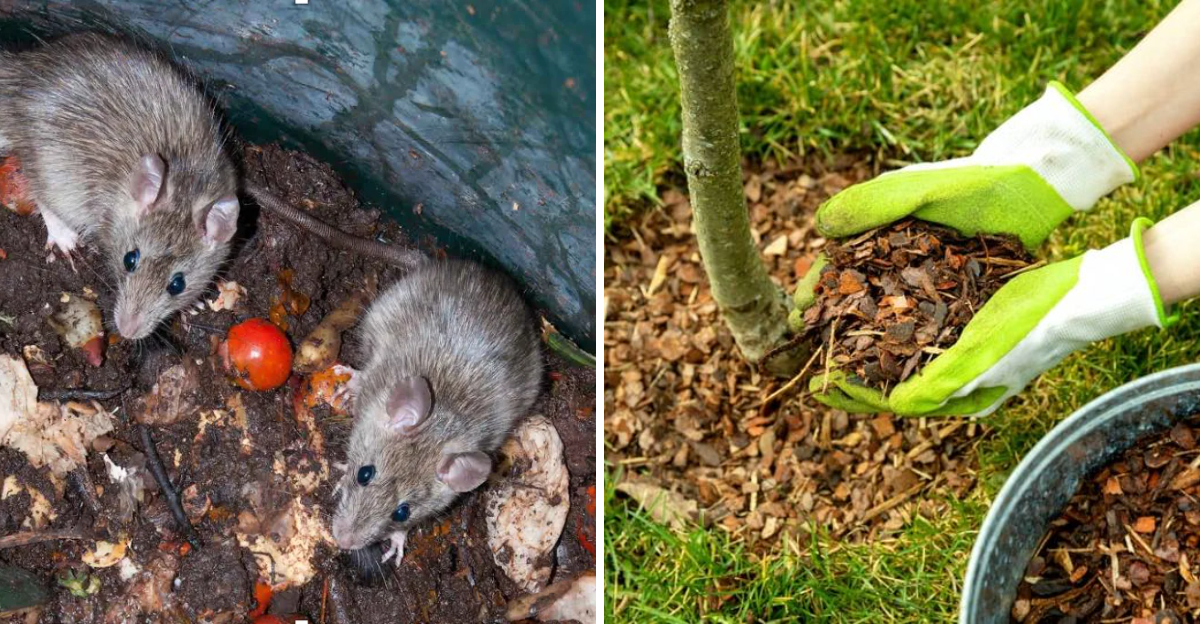
Mulch is supposed to be one of the easier decisions in a Florida garden. Pick something, lay it down, move on.
Most homeowners never consider that what they spread across their beds could be quietly making a rat problem significantly worse. Rats are not just looking for food.
They need cover, nesting material, and the kind of insulated ground-level environment that certain mulch types create almost perfectly.
Florida’s warm climate means rats stay active year round, and a mulch choice that attracts them in January is attracting them in July too.
Some of the most popular mulch options in Florida yards land on the wrong side of that equation. They look fine, they do the moisture and weed job adequately, and they hand rats exactly what they were looking for at ground level.
The switch to a less rat-friendly option is straightforward once you know what the difference actually is.
1. Thick Mulch Gives Rats Hidden Travel Paths
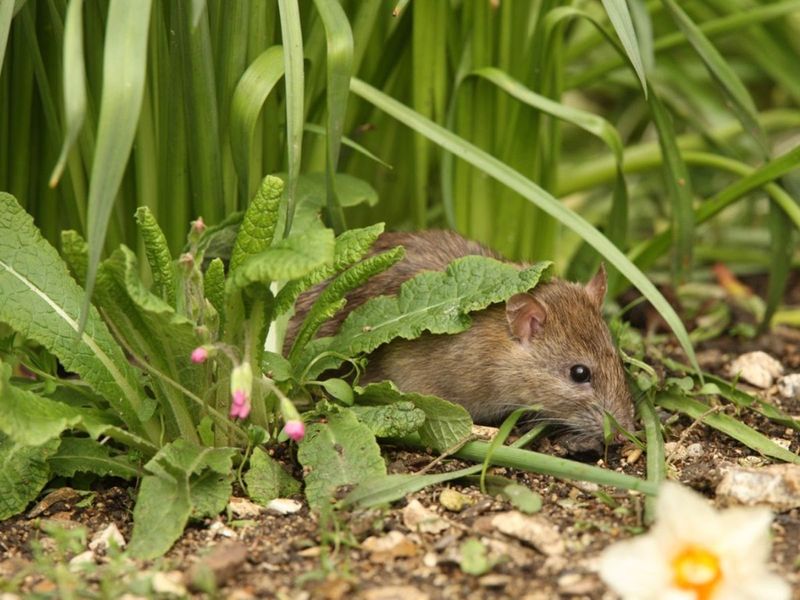
A mulch layer that feels generous in the morning can quietly become a hidden highway by the time the rainy season settles in. Mulch is genuinely useful for controlling moisture, reducing weeds, and protecting soil in warm, sandy conditions.
The trouble starts when that layer keeps building up year after year without anyone raking it back.
UF/IFAS recommends keeping organic mulch at about two to three inches deep for most landscape beds. Anything much deeper creates cooler, darker zones underneath where movement, droppings, and disturbed soil are harder to notice.
Near fences, walls, sheds, and foundation edges, that extra depth can act like a covered trail that rats use with very little exposure.
Refreshing mulch lightly each season is smarter than piling on a fresh thick layer over old material. Pull back existing mulch, check the soil surface for any signs of digging or tunneling, and add only what is needed to bring the depth back to a reasonable level.
Keep the edges near structures raked back so you have a clear inspection strip. Pair good depth habits with regular checks along fence lines and foundation plantings.
Catching early signs of activity is much easier when the mulch layer stays moderate and the bed edges stay open and visible.
2. Loose Straw Mulch Can Turn Beds Into Cover
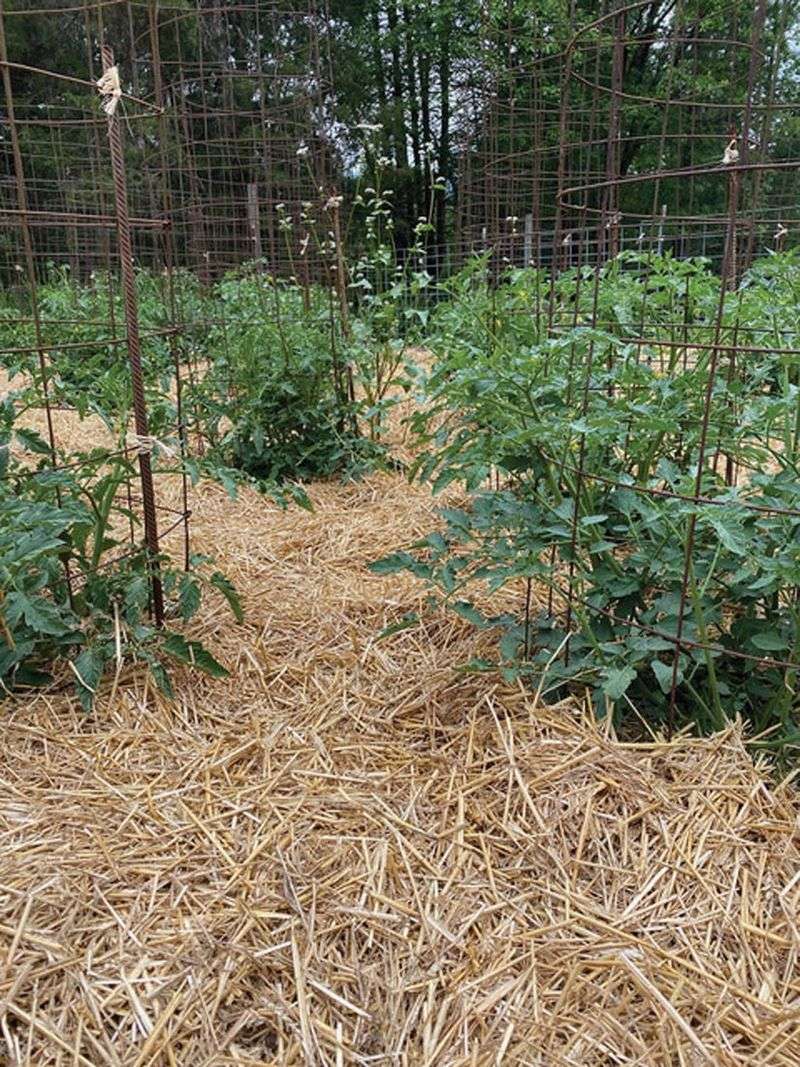
Fluffy straw has a certain old-fashioned appeal in vegetable beds, and plenty of gardeners use it without any rodent issues at all. The concern is not that straw automatically draws rats in.
The concern is that loose, airy mulch creates a lot of small pockets and spaces that are genuinely hard to inspect.
Unlike denser bark mulch, loose straw sits lightly on the soil surface and moves easily. That means droppings, tunnels, and disturbed areas can stay hidden longer before anyone notices them.
Near a shed, a compost area, a patio, or a vegetable bed, food scraps or dropped produce might land nearby. That extra cover can make a difference in how quickly activity goes undetected.
In areas where rats have already been spotted or where food attractants are nearby, switching to a tidier, less fluffy mulch is a practical adjustment.
Your Florida Garden Changes Every Week. Your Plan Should Too.
Gardening in Florida changes quickly throughout the season. Every Friday you’ll receive a simple weekly plan showing exactly what to plant, prune, fertilize, harvest, and protect so you never miss the right timing.
Pine bark mini-nuggets or a thin layer of finer bark mulch lays flatter and gives you a cleaner surface to scan during routine yard checks.
If you prefer straw in vegetable beds, keep the layer light, rake it back regularly, and clean up any fallen fruit or food scraps right away. Pairing any mulch with consistent sanitation habits matters far more than the mulch material alone.
3. Piled Mulch Against Walls Creates Shelter

A shaded foundation bed can look tidy from the street. When mulch is piled right against the wall, it can quietly create one of the most sheltered spots in the whole yard.
Mulch pressed against exterior walls, deck bases, AC pads, crawlspace vents, and fence posts gives rats a covered edge to move along without being exposed.
The issue is not just the mulch itself. Hard vertical surfaces combined with soft organic material create a snug, sheltered channel.
Gaps in siding, vent screens, and foundation edges that might otherwise be visible become buried and easy to miss during a quick walkthrough.
UF/IFAS and Florida-Friendly Landscaping guidance both recommend keeping mulch pulled back from structures to protect the building and keep inspection clear.
Pull mulch back at least a few inches from walls, foundation edges, steps, and fence bases. That gap gives you a visible strip where you can check for droppings, fresh digging, gnaw marks, and entry points.
Check crawlspace vents and weep screeds regularly for damage or gaps. Exclusion work, meaning sealing actual openings in a structure, matters more than any mulch adjustment on its own.
Mulch placement is just one part of making a foundation bed easier to monitor and less comfortable as a travel lane.
4. Wet Mulch Keeps Hidden Areas Too Comfortable
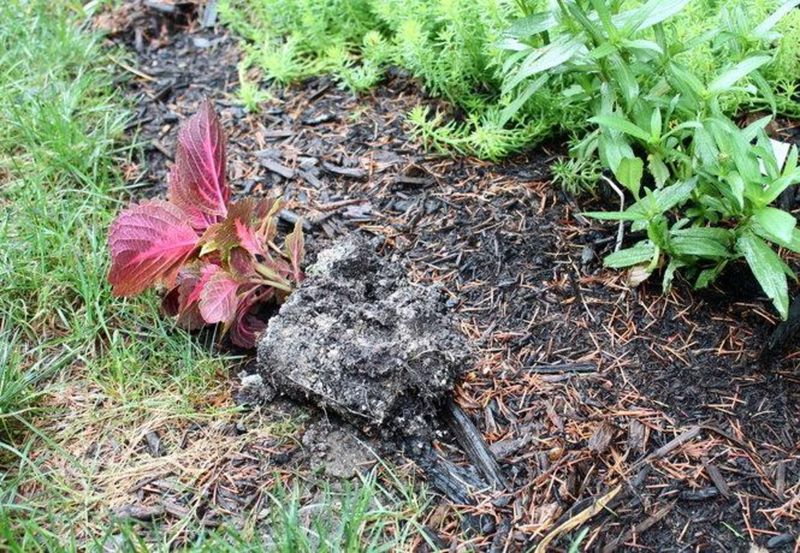
Soggy mulch in a shaded corner of the yard is one of those problems that sneaks up on you during rainy season. Florida’s summer rainfall, combined with irrigation overspray and poor drainage in low-lying beds, can keep mulch consistently wet for weeks at a time.
That kind of persistent moisture softens the soil, keeps temperatures cooler underneath, and creates conditions that are more comfortable for a range of pests.
Rats do not need standing water to thrive, but they do seek out areas where conditions feel stable and sheltered. A bed that stays cool, damp, and undisturbed under a thick layer of compacted mulch checks several of those boxes.
Compacted mulch also blocks airflow and can contribute to root rot and fungal issues in plants, so fixing moisture problems benefits the whole bed.
Check irrigation heads near foundation beds and adjust any that are spraying directly onto mulched areas. Improve drainage in low spots by adding organic matter to sandy soil or regrading slightly where water collects.
Rake compacted mulch to break it up and restore some airflow. Use lighter layers in shaded, low-drainage beds rather than thick ones.
Keeping mulch from staying constantly saturated helps your plants and makes those beds easier to check during routine yard walkthroughs. Pair drainage fixes with regular inspection along bed edges.
5. Food-Soiled Mulch Turns Beds Into A Feeding Zone
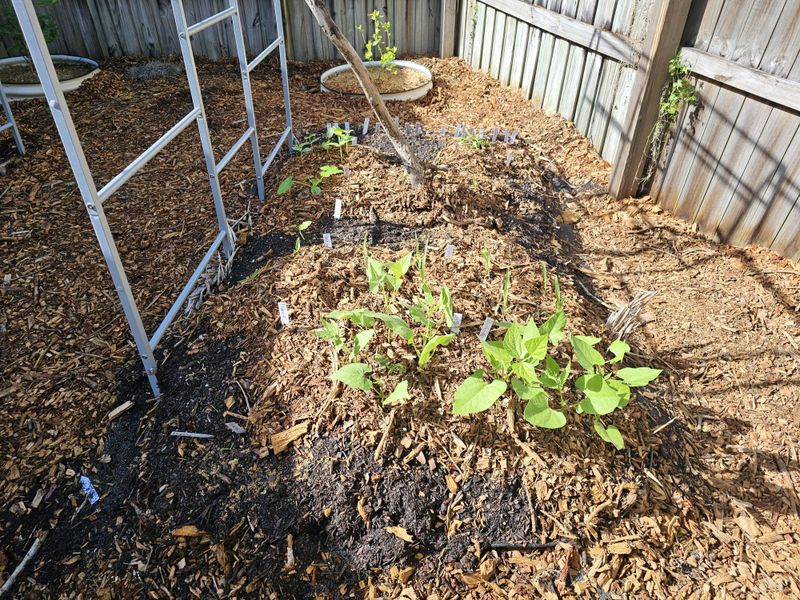
Fallen mangoes, dropped citrus, scattered birdseed, and outdoor grill scraps can collect in a mulched bed. Together, they can turn that ordinary bed into something that smells like a meal.
Rats have a strong sense of smell, and food odors in a bed give them a reason to investigate, dig around, and return regularly. The mulch itself is not the attractant.
The food mixed into or dropped onto it is.
This is one of the most common situations where mulched beds get blamed unfairly. A bird feeder positioned over a mulched area drops seed constantly.
A citrus tree drops fruit weekly during peak season. A grill sits on a patio edge right next to a landscape bed.
All of those food sources land on or near the mulch and create a feeding area that happens to also have cover.
Move bird feeders away from foundation beds or areas where rats have been active. Clean up fallen fruit as soon as possible, ideally every day or two during heavy drop seasons.
Keep pet food bowls indoors or pick them up after each feeding. Wipe down grill surfaces and check for grease drips near landscape edges.
None of these steps involve changing your mulch at all. Removing the food source is what actually reduces the attraction, and that habit works regardless of what mulch you are using.
6. Deep Wood Chips Can Hide Burrows Near Plants
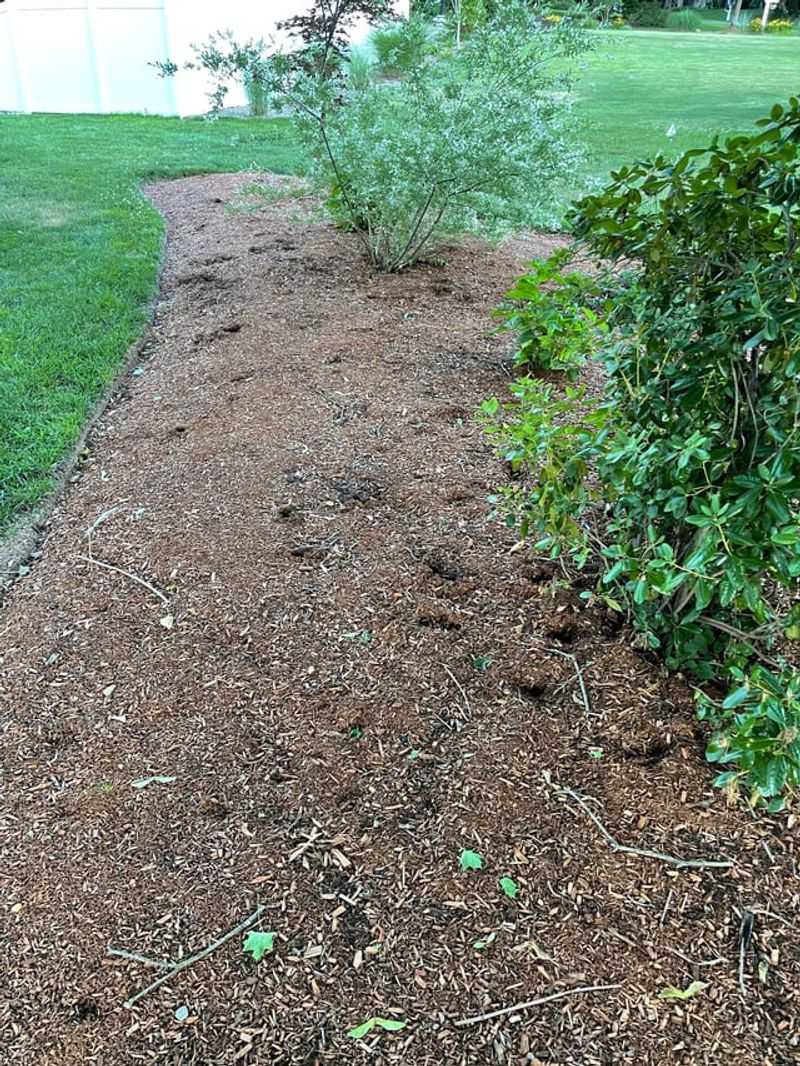
A pile of chunky wood chips looks natural and rustic in a landscape bed, and used correctly, wood chips can be a solid mulch choice for many Florida plants.
The concern shows up when those chips get piled too deeply or used as a kind of permanent fill around the base of shrubs, fences, or quiet corners near sheds and walls.
Deep, chunky wood chips create a lot of air space between pieces. That loose structure can hide disturbed soil, burrow openings, and gnaw damage on roots or stems without any obvious surface sign.
Unlike finer bark mulch, chunky chips do not compact into a readable surface that makes fresh digging easy to spot. Beds that go months without being raked or inspected can develop activity that stays hidden until it becomes a bigger issue.
Keep wood chips at a moderate depth, roughly two to three inches, and stay consistent about raking them back to check the soil surface every few weeks.
Pull chips away from plant trunks, shrub crowns, and stems, since direct contact can cause moisture buildup and bark damage.
Check under dense shrubs and along fence bases where chips tend to collect and deepen over time. Pairing good chip depth habits with regular inspection makes these beds far easier to manage.
Contact your local Extension office if you notice signs of burrowing.
7. Open Compost Mulch Needs Better Containment
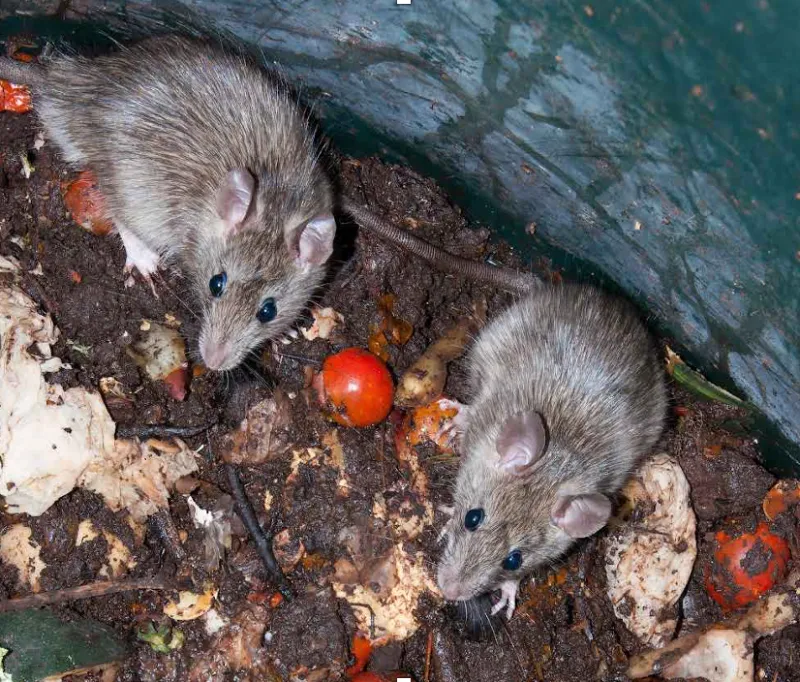
A compost corner that smells rich and active is doing exactly what it should, but that same odor is a strong signal to rats looking for food. Unfinished compost may contain kitchen scraps, fruit peels, vegetable trimmings, or cooked food residue.
That material can produce enough food-related scent to draw in rodents from a surprising distance. Spreading that material as mulch in landscape beds before it is fully finished makes the problem worse.
Finished compost, meaning fully broken-down, dark, and earthy-smelling material, is a different story. Used at a moderate depth, finished compost can improve soil health without creating the same food odor that attracts pests.
The issue is unfinished or food-rich material being used too casually as a bed topper or left in open piles near the house.
Keep active compost in a sturdy, secure bin with a lid that closes properly. Avoid adding cooked food, meat, dairy, or greasy scraps to any outdoor pile.
If you compost plant material only, bury additions under existing material and turn the pile regularly to speed up decomposition. Do not spread partially finished compost in landscape beds near the foundation or vegetable garden.
Use only fully cured compost as a soil amendment, and apply it in thin layers. Keeping compost well contained and properly managed is one of the most practical steps for reducing food-related attractants around the yard.
8. Thin Pine Bark Makes Beds Easier To Inspect
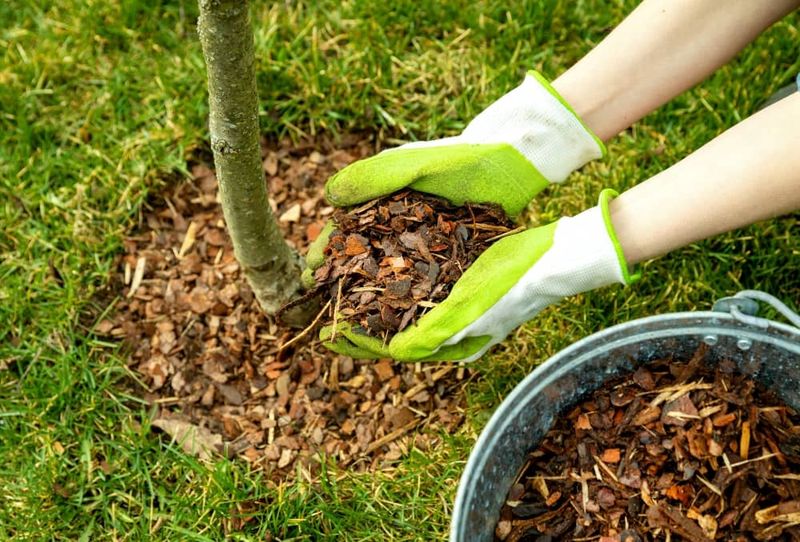
After running through what to avoid, it helps to look at what tends to work better in rat-prone areas.
A thin, even layer of pine bark nuggets or pine bark mini-nuggets is one of the cleaner choices for foundation beds, patios edges, and any area where inspection matters.
The material lays fairly flat and compacts lightly over time. It gives you a readable surface that shows fresh digging, droppings, or disturbed spots more clearly than fluffy or deep alternatives.
Pine bark is widely available across this state and is recommended by UF/IFAS for use in Florida landscapes. It breaks down gradually, adds organic matter to sandy soil, and works well around a range of ornamental plants.
Used at two to three inches deep and kept pulled back from walls and stems, it supports plant health. It does that without creating the dense, hidden zones that come with overly deep or loose materials.
No mulch choice repels rats or prevents them from entering a yard. The advantage of pine bark in problem areas is practical: it is tidier, easier to rake, and gives you a cleaner surface to check regularly.
Combine it with sanitation habits, exclusion repairs, fruit cleanup, secure trash, and removal of pet food and birdseed. If rat activity continues despite those steps, contact a licensed pest management professional.
You can also reach out to your county Extension office for guidance specific to your situation.