Your North Carolina Yard May Be Offering More To Foxes Than You Realize
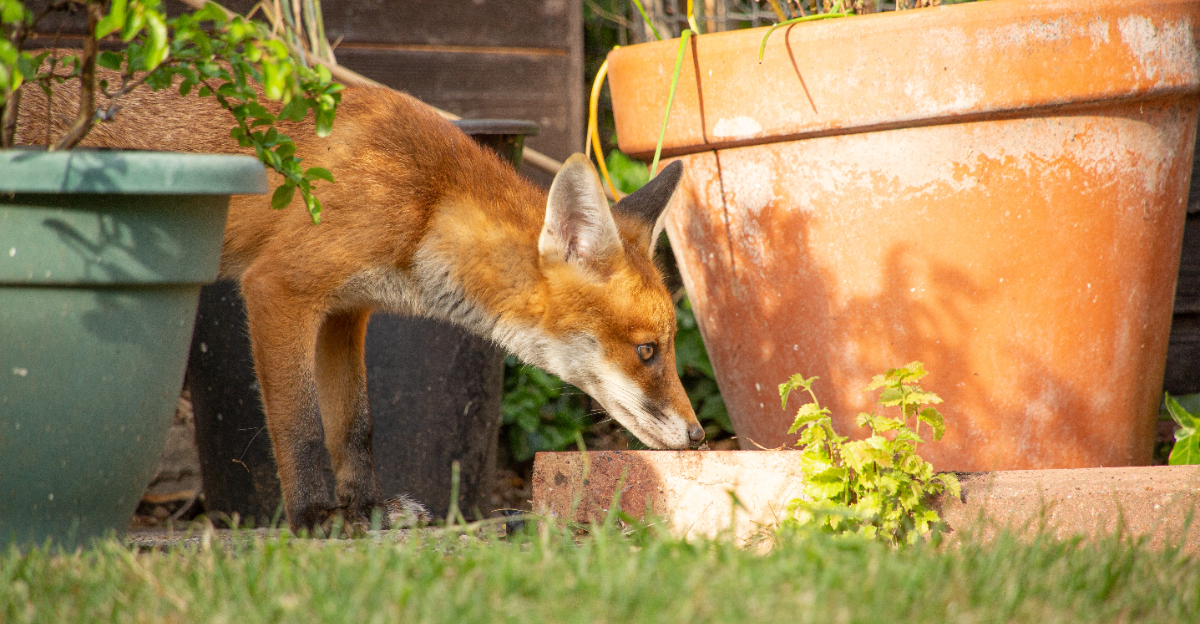
It was probably at dusk. A flash of russet fur at the edge of the yard, gone before you could be sure you saw it.
Or maybe it was early morning, a set of small prints in the mud near the garden bed, and no explanation for how they got there.
Foxes are everywhere in North Carolina. Red foxes, gray foxes, suburban yards, rural edges, wooded neighborhoods in the Piedmont.
They are adaptable, smart, and very good at finding what they need close to where people live.
The question is not really whether foxes are around. The question is why yours keeps coming back to the same yard.
The answer is almost never random. Foxes are efficient animals. They return to places that reliably offer something worth having, and your yard may be offering more than you realize.
Some of it is obvious once you know what to look for. Some of it is genuinely surprising. All of it is fixable. Want to know what is pulling them in?
1. Pet Food Left Outdoors
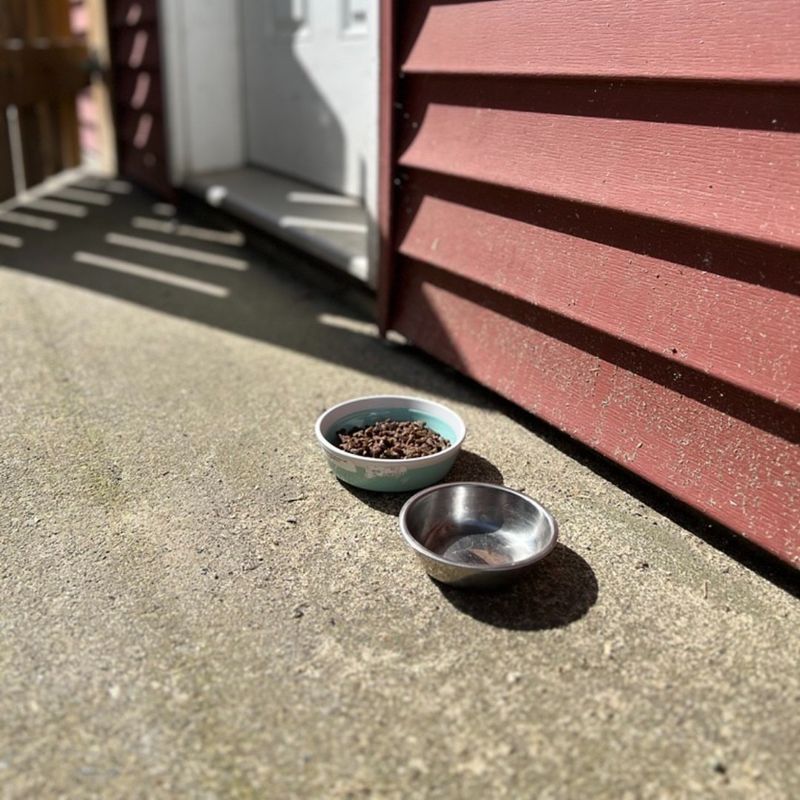
A bowl of dog food on the back porch seems harmless enough. To a fox passing through your yard at dusk, it looks like a free meal that requires zero effort.
Foxes have sharp noses and can detect food odors from a surprising distance, and once they find a reliable source, they will return to that exact spot night after night with complete confidence.
Pet food left outside is one of the most common reasons foxes repeatedly visit residential yards across North Carolina.
Repeated access to easy food reduces their natural wariness of people over time, which is not good for the fox or for anyone in the household. A fox that loses its caution around humans is a fox heading toward a conflict nobody wants.
Cat food tends to be even more aromatic than dog food, making it especially attractive to passing wildlife.
Raccoons, opossums, and rats often show up first, and where small scavengers gather consistently, foxes follow. The pattern is predictable once you see it.
The fix is straightforward: bring all pet food indoors before sundown. Wash the bowls too, since the smell lingers long after the food is gone.
Timed feeding stations that close automatically at dusk are another practical option for outdoor cats or dogs that eat on a schedule.
Removing this one food source sends a clear message to the neighborhood fox population. Your yard stops being worth the visit.
It is not dramatic wildlife management. It is just putting the bowl inside. Start there.
2. Birdseed Under Feeders
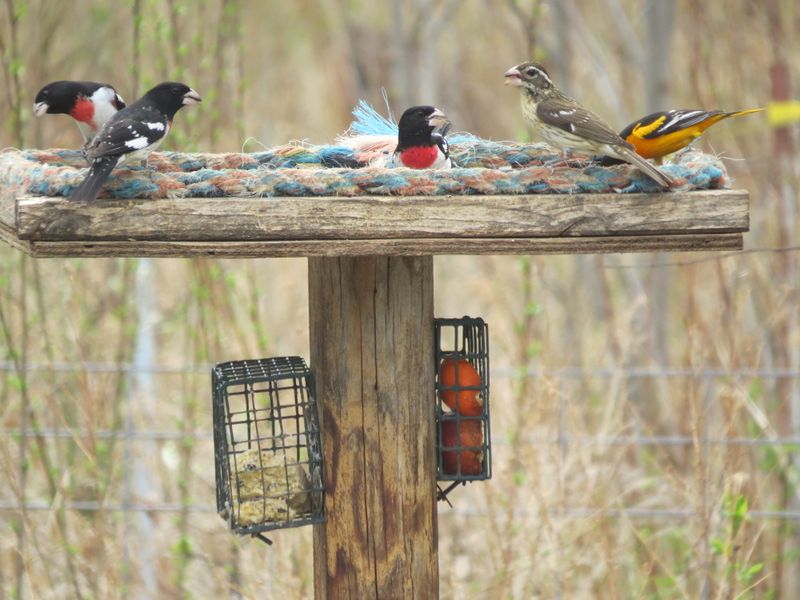
Scattered birdseed on the ground attracts more than birds.
Sparrows, doves, and finches drop a surprising amount of seed while feeding, and that spilled seed quietly pulls in mice, voles, and squirrels.
Once small rodents show up consistently beneath your feeder, a fox will notice. It usually does not take long.
Foxes are opportunistic hunters. They do not need a forest to find a meal. A suburban yard with a reliable population of seed-eating rodents is essentially a well-stocked hunting ground, and a fox that finds it once will be back.
Your North Carolina Garden Changes Every Week. Your Plan Should Too.
Gardening in North Carolina changes quickly throughout the season. Every Friday you’ll receive a simple weekly plan showing exactly what to plant, prune, fertilize, harvest, and protect so you never miss the right timing.
Bird feeders, when not properly maintained, can create a chain reaction that draws in larger predators without the homeowner ever connecting the two things.
Cleaning up spilled seed regularly breaks that chain before it gets started. Rake beneath your feeders every couple of days.
Switching to a no-waste bird food mix, which contains seeds birds are more likely to eat completely rather than toss aside, reduces scatter at the source. Tube feeders with catch trays are another practical upgrade.
Placing feeders on poles with baffles helps prevent squirrel access, which also reduces seed scatter below.
If fox activity in your yard is already high, consider temporarily removing feeders for a few weeks to reset the pattern before reintroducing them with better maintenance habits.
Birding is a genuinely rewarding hobby. A few small adjustments let you enjoy it without accidentally running a wildlife buffet out of your backyard.
The birds will not mind the cleaner setup. The foxes will mind quite a bit, which is exactly the point.
3. Easy, Small Prey

Before assuming a fox in your yard is a problem, consider what it might actually be doing there.
Foxes are natural predators of mice, voles, moles, rats, rabbits, and large insects. A yard with an active rodent population is not just attracting a fox, it is essentially advertising for one.
North Carolina yards, especially those with garden beds, compost areas, leaf piles, or overgrown borders, tend to support healthy populations of small mammals year-round.
Foxes are expert hunters. They use a technique called mousing, leaping into the air and landing with their front paws to pin prey in tall grass.
Watching it happen is genuinely impressive, and the work they are doing benefits your garden more than most people realize.
That said, if fewer fox visits is the goal, the most effective approach is reducing the prey population rather than focusing on the fox.
Seal gaps in sheds and crawl spaces where rodents nest. Store firewood away from the foundation. Keep grass mowed and garden edges tidy so small animals have fewer places to hide.
Remove ground-level brush that provides rodent cover. These steps reduce the food supply that draws foxes in the first place.
A well-maintained yard simply gives them fewer reasons to treat your property as prime hunting ground.
Foxes follow their instincts toward the easiest available meal. Make the meal harder to find, and the instinct points somewhere else.
Less brush, fewer mice, fewer foxes. The logic is pretty clean once you follow it all the way through.
4. Brushy Covers Near The Yard
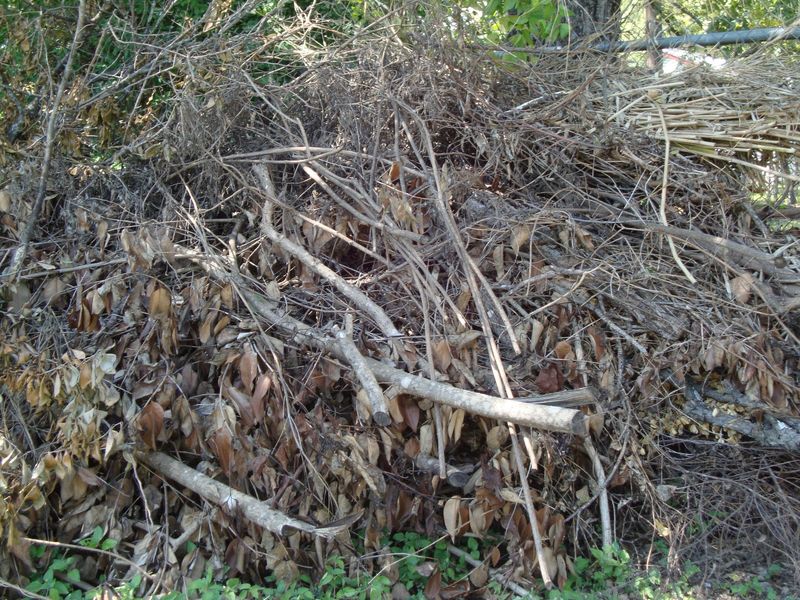
Foxes rarely sprint across open ground without a reason.
They are cautious animals that prefer to travel along edges, using hedgerows, fence lines, brush piles, and overgrown areas as cover while moving between food sources and resting spots.
If your yard borders dense vegetation, you may be sitting right on a regular fox route without knowing it.
Gray foxes, common in the wooded parts of North Carolina, are especially skilled at using brushy cover. Unlike red foxes, gray foxes can even climb trees.
Both species rely on dense vegetation near yards as shelter corridors that connect the places they need to be.
Habitat edges, where yards meet natural areas, are prime zones for fox activity precisely because they offer both access and concealment at the same time.
Strategic trimming can help without turning the yard into a bare lawn. Cut back overgrown areas directly adjacent to the house, especially around sheds, decks, and fence lines.
A clear buffer of mowed grass near the structure reduces the cover foxes use to approach undetected.
Relocate brush piles away from the home’s perimeter. Thin dense plantings along fence lines. Defined garden edges and maintained borders simply give foxes fewer hidden travel routes.
Foxes are creatures of habit and efficiency. Disrupt the route and they find a different one. You do not need to clear everything, just make your yard the less convenient option on the block.
5. Quiet Denning Spots Nearby
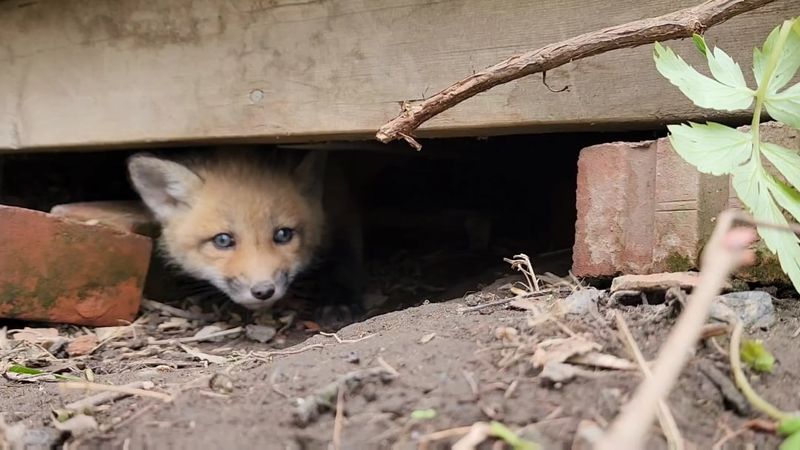
Spotting a fox near your yard repeatedly, especially in spring, might mean more than a passing visit.
Foxes look for quiet, sheltered spots to raise their young, and residential yards often offer exactly the kind of low-disturbance environment they are searching for.
Spaces under decks, porches, sheds, and crawl spaces are consistently among the top choices.
In North Carolina, red foxes typically den from February through May. Gray foxes may den slightly later. A female fox will scout multiple potential sites before committing to one, and once she does, she may stay for several weeks.
Signs of denning include freshly dug soil near a low structure, scattered fur, small bones, or the sound of high-pitched yipping that seems to be coming from under something solid.
If a fox has not yet moved in, act now. Install hardware cloth or wire mesh around the base of decks and sheds, burying it several inches underground to prevent digging.
Make sure all crawl space vents are securely covered. Remove debris piles near structures that could function as den cover.
If a fox is already denning beneath your home, contact a licensed North Carolina wildlife removal professional before doing anything else.
Disturbing an active den during kit season is not recommended. Proper exclusion work done outside of denning season is the most effective long-term approach.
Prevention is significantly easier than eviction in this situation. Check the potential spots now, before spring arrives with a family already installed underneath your deck. Future you will appreciate the foresight considerably.
6. Compost And Garbage Odors

A fox’s sense of smell is estimated to be roughly 40 times more powerful than a human’s.
Your compost pile, to a fox passing two houses away, is not a quiet corner of the garden. It is a loud, detailed announcement about exactly what food is available and where.
Vegetable scraps, fruit peels, and especially any meat or dairy products broadcast that signal over a surprisingly large area.
Garbage cans with loose-fitting lids are equally inviting. A knocked-over trash bin with food scraps scattered across the yard is an easy meal for any passing fox, raccoon, or opossum.
Beyond the immediate mess, repeated access to human food waste makes foxes bolder around homes over time. That increased boldness tends to escalate, not level off.
Switching to a compost bin with a locking lid or a fully enclosed tumbler-style composter significantly reduces odor escape.
Avoid adding meat, fish, dairy, or cooked foods to outdoor compost since these items produce the strongest and most attractive smells.
Sprinkling baking soda or adding a dry carbon layer like leaves over fresh scraps helps neutralize odor between collections.
Store garbage cans in a garage or shed until collection day if possible. If outdoor storage is unavoidable, use cans with bungee cord locks or wildlife-resistant locking lids.
These small upgrades make a real difference in the scent trail that currently leads foxes straight to your yard.
A fox following its nose to your compost is not being bold or aggressive. It is just doing exactly what 40 times better smell than yours would naturally lead it to do. Remove the signal and the fox stops receiving the message.
7. Water Sources Near Cover

During dry stretches, which are common across North Carolina summers, a reliable water source can be just as attractive to a fox as food.
Birdbaths, decorative ponds, pet water bowls, and puddles that collect near downspouts all serve as hydration stops that foxes learn to visit on a regular rotation.
The issue is not the water itself. It is where the water sits in relation to everything else. A birdbath placed near dense shrubs, a fence line, or a brush pile creates a perfect combination of easy hydration and quick escape cover.
Foxes are cautious drinkers. They prefer spots where they can retreat into cover fast if something startles them. Open, exposed water sources feel riskier to them, which is exactly the effect you want to create.
Moving the birdbath to a more central, open area of the yard away from dense plantings is a simple adjustment with a real impact.
Motion-activated lighting around a decorative pond perimeter is another effective option. Emptying and refilling birdbaths daily also removes the standing water that insects breed in, cutting off another food source foxes might be visiting for.
Bringing in pet water bowls at night follows the same logic as securing pet food. The overnight hours are when foxes are most active, and removing easy access during those hours consistently shifts the pattern over time.
Small, consistent changes in how water is managed add up faster than most people expect.
The fox is not attached to your yard specifically. It is attached to the resources your yard offers. Adjust the resources and the attachment follows.