Delaware Has Declared These Ornamental Grasses Invasive, And Some Come With Legal Restrictions
Ornamental grasses have a reputation for being low-maintenance and visually striking. Some of the most popular varieties sold at Delaware nurseries, however, come with a hidden cost.
They look well-behaved in a garden bed. Step beyond that boundary, and the story changes entirely.
Several of them have already made it onto Delaware’s official invasive species list. The state has documented their spread, quiet, persistent, and often invisible until it is too late.
Two are subject to legal restrictions, making their sale and distribution a regulated matter. These are not obscure roadside weeds, they are grasses that have appeared in countless Delaware yards for decades.
The list might surprise you. So might the reasons state officials consider them a threat to local ecosystems.
1. Japanese Stiltgrass (Microstegium Vimineum)
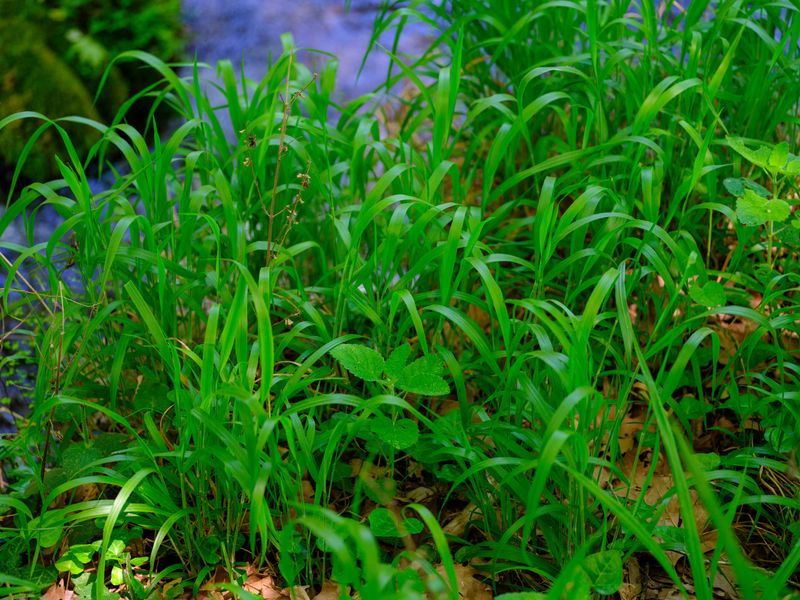
Walk through almost any shaded trail in the mid-Atlantic and you will likely crunch through a carpet of Japanese stiltgrass. This sneaky annual grass arrived in the U.S. as packing material from Asia in the early 1900s.
It thrives in low light, poor soil, and disturbed ground. Many native plants struggle to compete with its fast-spreading habit.
Delaware lists it as a prohibited invasive plant under state law, meaning it poses a significant ecological threat.
One plant can produce up to 1,000 seeds per season. Those seeds hitch rides on shoes, tires, and animal fur with surprising ease.
The grass forms thick mats that block sunlight from reaching native wildflowers and tree seedlings. In favorable conditions, it can spread across large areas within a few growing seasons.
Hand-pulling works best when done before seeds set in late summer. Pulling after a rain makes root removal much easier and more satisfying.
Mowing repeatedly can help manage large patches, but timing matters. Cut too late and you have already helped it spread further across your property.
Herbicide treatments are effective in fall when stiltgrass is still green. Always check Delaware-approved product lists before applying anything near wetlands or streams.
The ornamental grasses issue in Delaware is serious, and stiltgrass is a prime example of why. Staying on top of it early makes all the difference.
2. European Reed / Phragmites (Phragmites Australis)
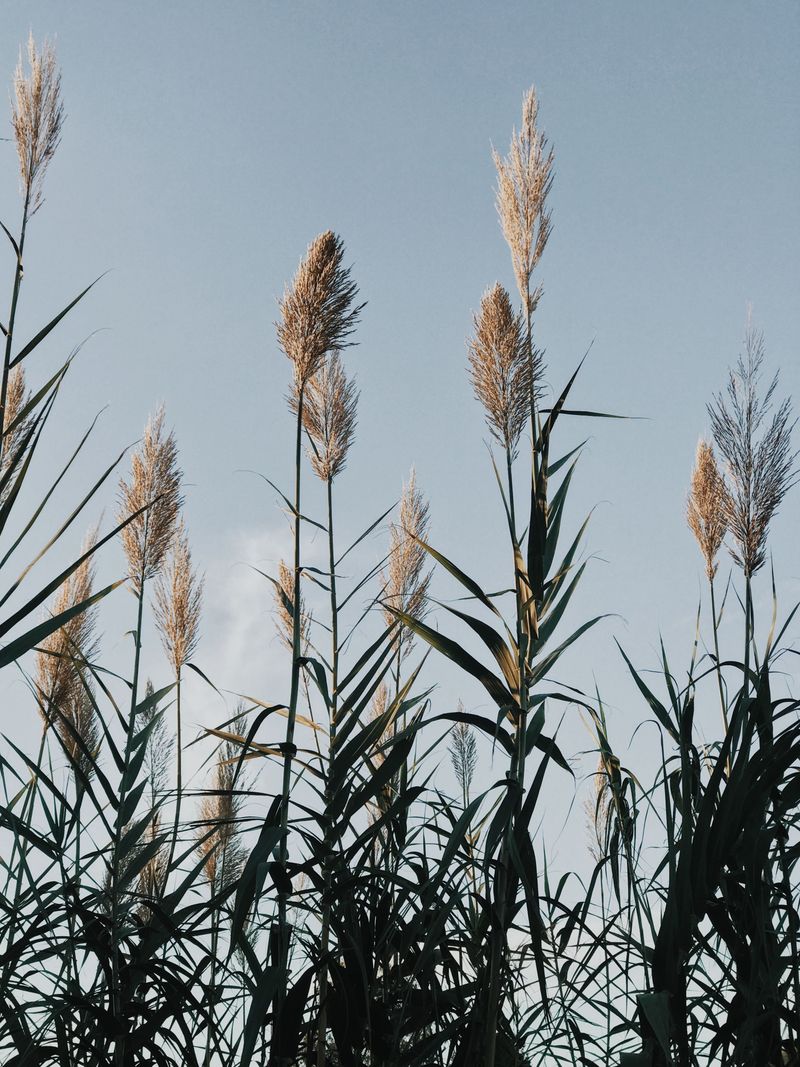
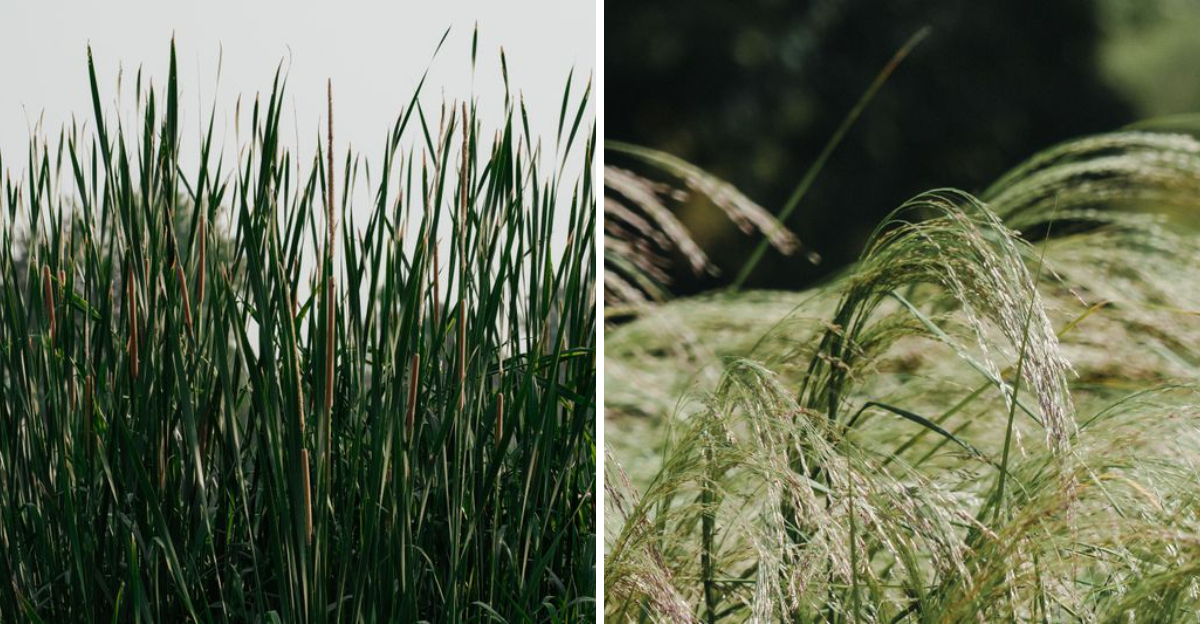
Stand near any Delaware marsh and you will almost certainly spot Phragmites towering above everything else. This giant reed can grow over 15 feet tall, forming walls so dense that wildlife struggle to move through.
The non-native strain from Europe is the problematic one. It outcompetes native Phragmites and destroys the biodiversity of coastal wetlands.
Delaware has placed legal restrictions on planting the non-native strain. Homeowners near wetlands should be especially cautious about what grows along their property edges.
Phragmites spreads through underground rhizomes that stretch dozens of feet in a single season. Cutting it down without treating the roots only makes it grow back thicker.
Waterfowl lose nesting habitat when Phragmites takes over. Fish populations decline as the reed eliminates the vegetation and habitat they depend on.
Identifying the invasive strain versus the native one takes a trained eye. The non-native version has dull tan stems and gray-green leaves, with feathery seed heads that persist through winter.
Your Delaware Garden Changes Every Week. Your Plan Should Too.
Gardening in Delaware changes quickly throughout the season. Every Friday you’ll receive a simple weekly plan showing exactly what to plant, prune, fertilize, harvest, and protect so you never miss the right timing.
Removal often requires a combination of cutting, flooding, and targeted herbicide. Restoration projects can cost thousands of dollars per acre once Phragmites fully establishes itself.
If you spot it creeping into your yard from a nearby wetland, report it to Delaware’s Division of Fish and Wildlife. Early action prevents a minor nuisance from becoming a major ecological disaster.
Among invasive ornamental grasses in Delaware, Phragmites ranks among the most damaging. Its size alone makes it one of the hardest to control.
3. Miscanthus / Chinese Silvergrass (Miscanthus Sinensis)
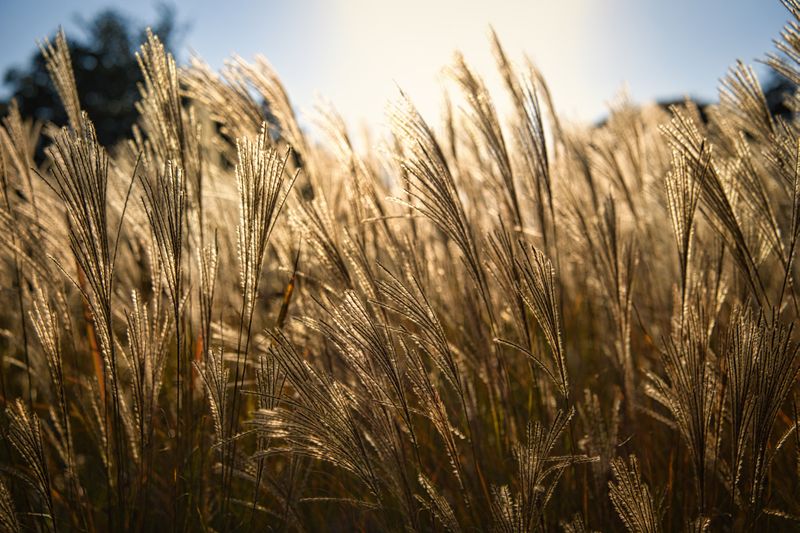
Miscanthus sinensis looks absolutely stunning in a fall garden, and that is exactly the problem. Its gorgeous silver plumes produce thousands of seeds that float into natural areas far beyond your yard.
Nurseries sold it for decades as a low-maintenance ornamental. Now Delaware recognizes it as a serious threat to native meadows and open woodlands.
Each plant can release thousands of seeds per year on the wind. Those seeds establish quickly in disturbed soils, roadsides, and stream banks.
Once a Miscanthus colony takes hold outside a garden, removal becomes a major project. The root systems are tough and require repeated cutting or chemical treatment to eliminate.
Delaware recommends removing existing plants and replacing them with native alternatives. Switchgrass and little bluestem offer similar visual appeal without the ecological baggage.
Some sterile cultivars are available, but experts caution that no cultivar is completely seed-free. Even low seed production multiplied across thousands of gardens adds up fast.
The grass also poses a wildfire risk in dry conditions. Its tall dry stems ignite easily and can carry flames across large areas during late-summer droughts.
Gardeners who love the look of ornamental grasses have plenty of safe choices. Native species provide food and shelter for local birds and insects that Miscanthus simply cannot match.
Swapping out Chinese silvergrass is one of the more effective choices a Delaware gardener can make. Your yard can still look stunning without causing harm.
4. Chinese Fountaingrass (Cenchrus Purpurascens)
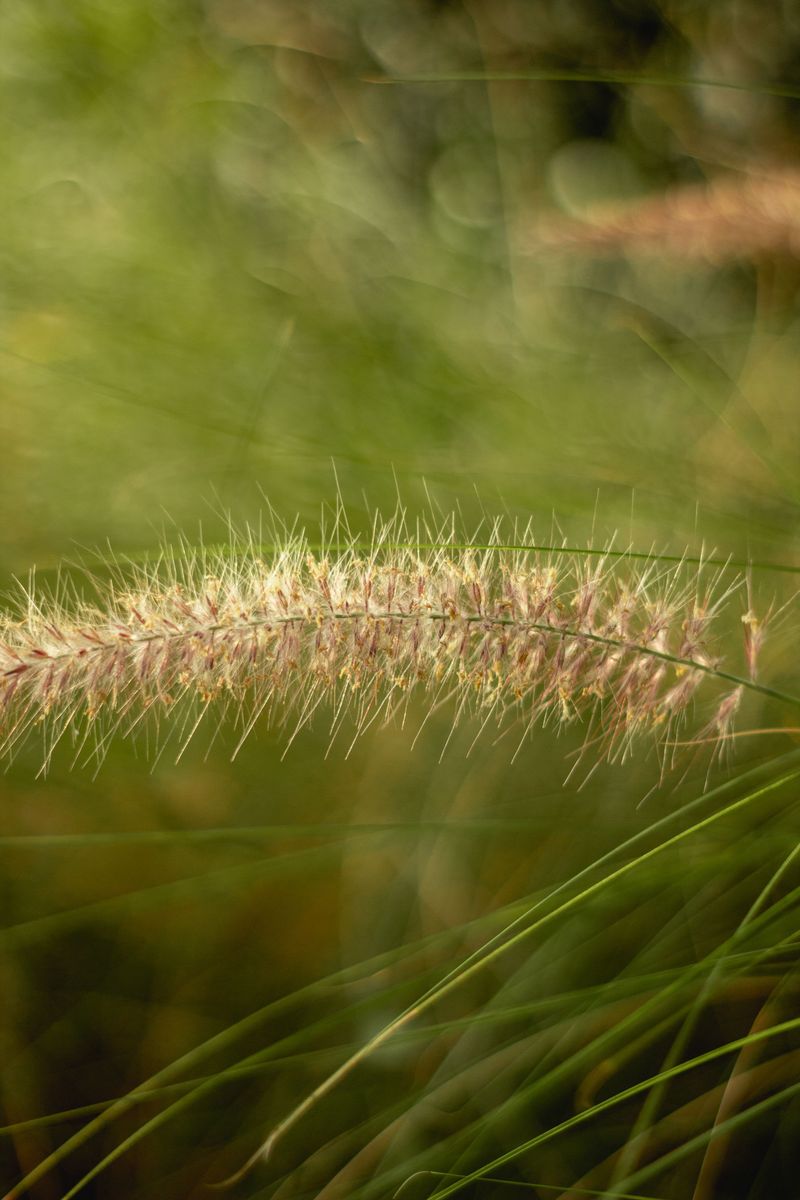
Chinese fountaingrass is one of those plants that looks like it belongs on a magazine cover. The deep burgundy foliage and bottlebrush seed heads make it a landscaping favorite across the country.
Unfortunately, its good looks come with a serious downside. Delaware has flagged it as invasive because of its aggressive self-seeding and drought-tolerant spread.
The grass thrives in poor, dry soils where most native plants struggle. That makes it especially problematic along roadsides, sandy areas, and disturbed open lands.
Birds eat the seeds and deposit them far from the original planting. A single garden clump can seed new colonies across a wide radius within just a few seasons.
Delaware encourages gardeners to remove existing plants before seed heads form. Bagging the seed heads before disposal prevents accidental spread during transport.
Replacing it with native bunch grasses like prairie dropseed or sideoats grama offers a similar textural effect. These natives support pollinators and songbirds in ways that Chinese fountaingrass never could.
The plant is also a fire hazard in hot, dry summers. Its dense dry clumps hold heat and ignite quickly, posing risks in suburban areas near open fields.
Some states have outright banned its sale, and Delaware is watching its spread closely. Checking with local nurseries about native substitutes is always a smart first step.
Choosing plants that work with local ecosystems rather than against them pays off long-term. Your garden becomes part of the solution instead of the problem.
5. Ravenna Grass (Tripidium Ravennae)
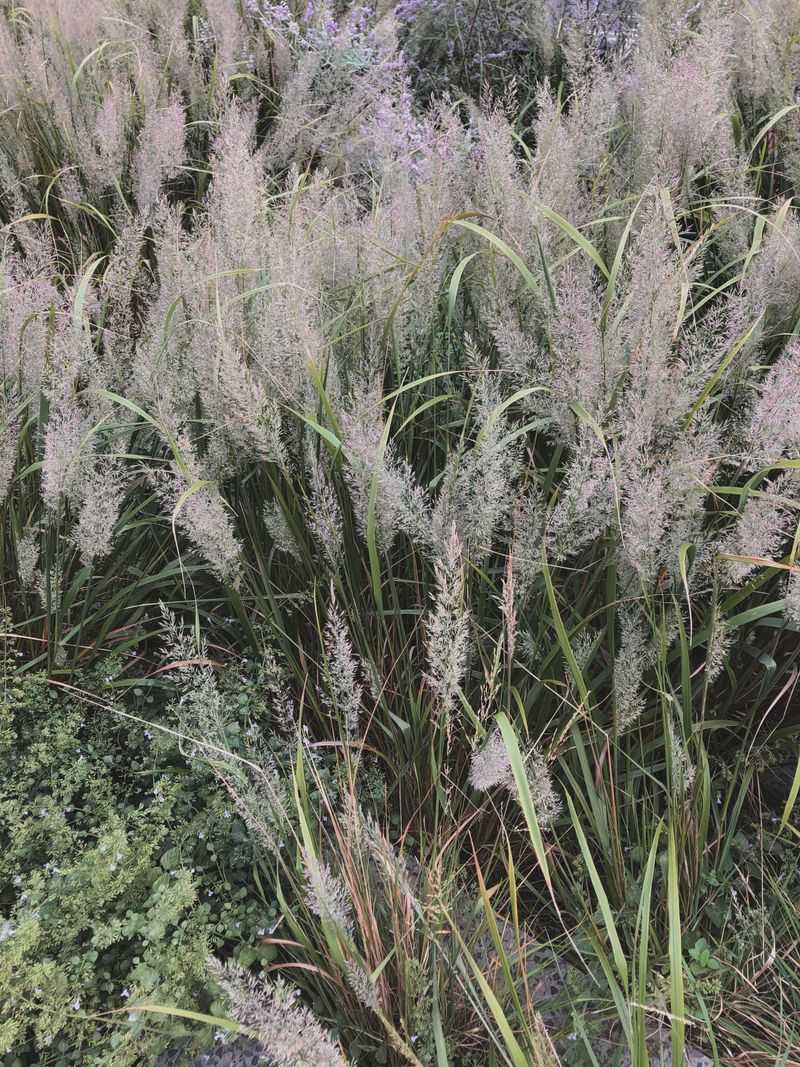
Ravenna grass makes a bold statement wherever it grows, capable of reaching 14 feet at maturity. Gardeners love it for dramatic backdrops and privacy screens along property lines.
What many do not know is that it spreads aggressively beyond garden borders. Delaware has flagged it as invasive because of its ability to colonize disturbed soils and natural areas.
The plant originates from the Mediterranean and thrives in the mid-Atlantic climate. Warm summers and mild winters in Delaware give it ideal growing conditions year after year.
Its massive seed plumes release thousands of seeds on the wind each fall. Stream banks, roadsides, and open fields near planted specimens often show new colonies within a few seasons.
Removing a mature Ravenna grass clump is not a weekend project for the faint of heart. The root crowns are dense and woody, often requiring heavy tools or professional help.
Delaware recommends replacing it with native alternatives like giant wild rye or eastern gamagrass. Both offer impressive height and texture without the invasive spread.
If you already have Ravenna grass, cutting it back before seed heads open is the most important step. Consistent removal over several seasons can prevent further spread across your property.
Neighbors and nearby natural areas benefit when homeowners take these steps seriously. Invasive ornamental grasses in Delaware do not respect property lines, and Ravenna grass proves that point dramatically.
Big plants can still be beautiful and responsible. Choosing wisely is all it takes.
6. Reed Canary-Grass (Phalaris Arundinacea)
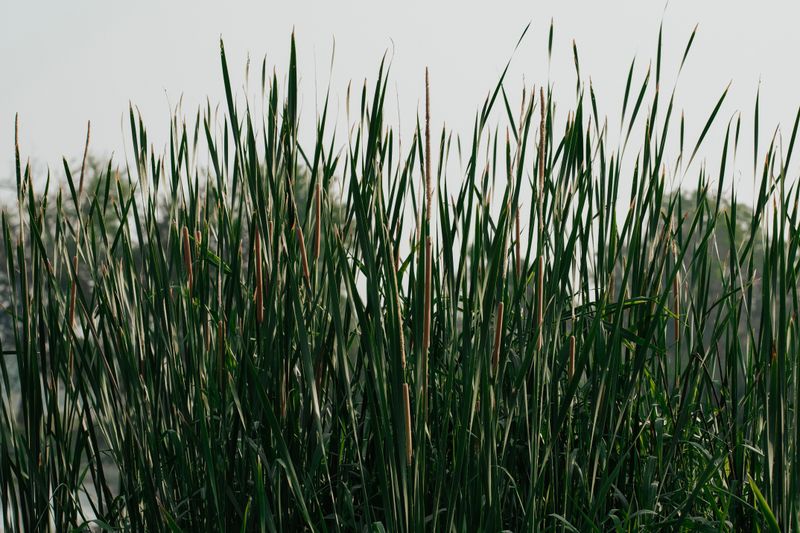
Image Credit: © Yash Rai / Pexels
Reed canary-grass might be the most underestimated invasive on this list. It looks ordinary, almost forgettable, yet it has reshaped wetlands across the entire mid-Atlantic region.
This cool-season perennial loves wet soils, stream banks, and poorly drained fields. Once it moves in, native sedges and wildflowers are significantly reduced.
Delaware lists it as a significant ecological threat, particularly near waterways. Its dense stands eliminate the plant diversity that fish, frogs, and nesting birds depend on.
The grass spreads through both seeds and creeping rhizomes, covering ground quickly. A small patch along a stream edge can become an acre-wide monoculture within a few years.
Variegated forms sold as ornamentals are just as invasive as the plain green variety. That striped foliage may look harmless in a pot, but it reverts and spreads in the ground.
Controlling it requires persistence over multiple seasons. Cutting alone encourages regrowth, so most experts recommend combining physical removal with strategic herbicide applications.
Restoring a wetland taken over by reed canary-grass takes years of effort and expense. Prevention is always cheaper and far less frustrating than restoration after the fact.
Delaware homeowners near streams or low-lying areas should inspect their property edges regularly. Catching this grass early is the single best thing you can do to protect local water quality.
Invasive ornamental grasses in Delaware affect far more than just your backyard. Wetland health depends on the choices made in gardens and along property lines.
7. Weeping Lovegrass (Eragrostis Curvula)
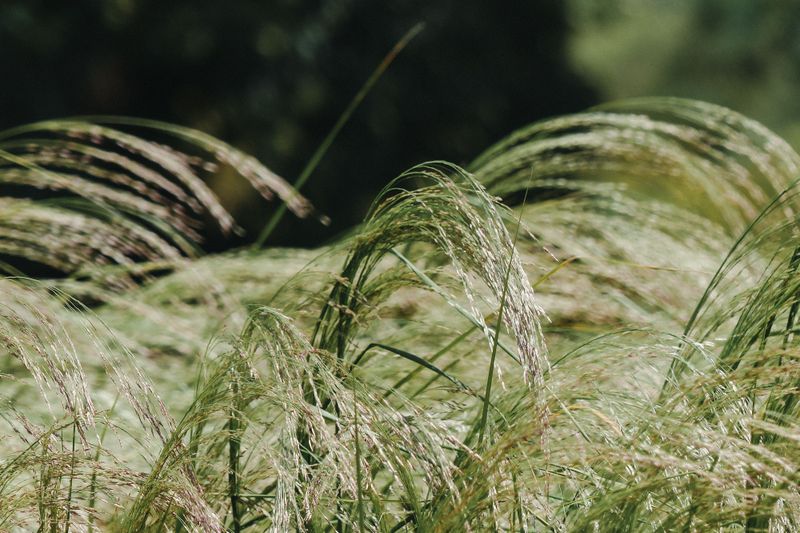
Image Credit: © Atypeek Dgn / Pexels
Weeping lovegrass has a name that sounds poetic, and its cascading form looks effortlessly graceful in a landscape bed. Introduced from Africa for erosion control, it seemed like a smart solution at the time.
Decades later, land managers across the eastern U.S. are dealing with the consequences. Delaware has recognized it as an invasive species that pushes out native grasses in dry, open habitats.
The grass thrives in sandy, well-drained soils that many native plants also prefer. That puts it in direct competition with native species in meadows, barrens, and roadsides.
Its fine seeds travel easily on the wind and germinate in a wide range of conditions. A single clump can produce thousands of seeds in one growing season.
Pollinators and ground-nesting birds that depend on native grasses find little value in weeping lovegrass. It fills space without offering the ecological services that native bunch grasses provide.
Removing established clumps is labor-intensive but manageable with the right tools. Digging out the root crown completely prevents regrowth from remnant root pieces left in the soil.
Native alternatives like little bluestem and poverty oatgrass handle dry, sandy conditions just as well. They also attract native bees and provide seed for songbirds through the winter months.
Gardeners who planted weeping lovegrass for its looks can still achieve that airy, flowing aesthetic. Swapping to native species is a choice that benefits the entire local ecosystem for years ahead.
8. Golden Bamboo (Phyllostachys Aurea)
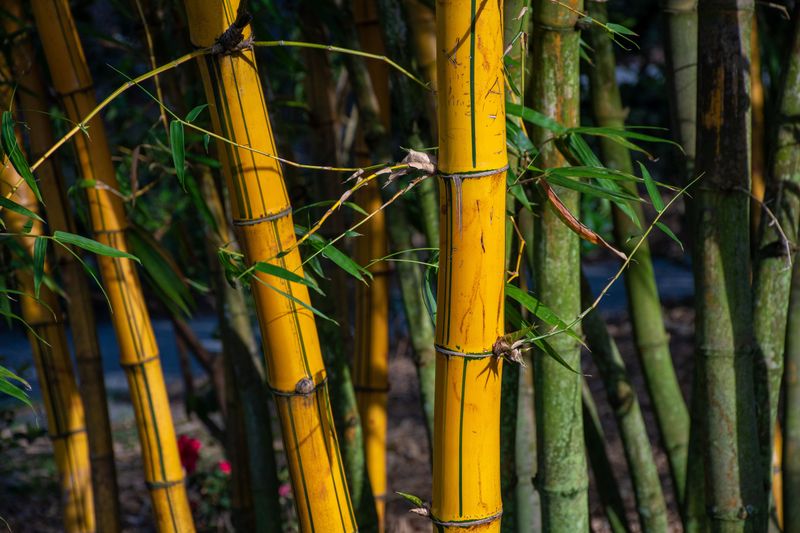
Golden bamboo is the one on this list that draws the most serious concern from state authorities. Delaware has officially recognized it as an invasive species because of how destructively it spreads.
Technically a grass, golden bamboo sends out underground rhizomes that travel up to 15 feet from the parent plant each year. It breaks through pavement, invades neighbors’ yards, and topples fences without hesitation.
Homeowners who plant it for privacy screens often regret the decision within just a few seasons. What starts as a tidy border quickly becomes a battle that feels nearly impossible to win.
Removing golden bamboo is one of the most labor-intensive landscaping jobs imaginable. Rhizomes must be dug out completely, and even small fragments left behind will sprout new shoots.
Professional removal can cost thousands of dollars depending on how far the colony has spread. Many contractors recommend rhizome barriers installed before planting, but those barriers fail over time without maintenance.
Delaware officially recognizes golden bamboo as invasive, and state authorities actively monitor its spread. Checking current guidelines before purchasing or planting it is strongly recommended.
Clumping bamboo varieties are a safer choice if you love the look. They stay in place, grow in tight clumps, and do not send runners across your property or your neighbor’s.
Among all the invasive ornamental grasses in Delaware, golden bamboo demands the most immediate attention from homeowners. If it is already in your yard, start planning its removal today.