Why Your Delaware Plants Keep Wilting And What The Heat Has To Do With It
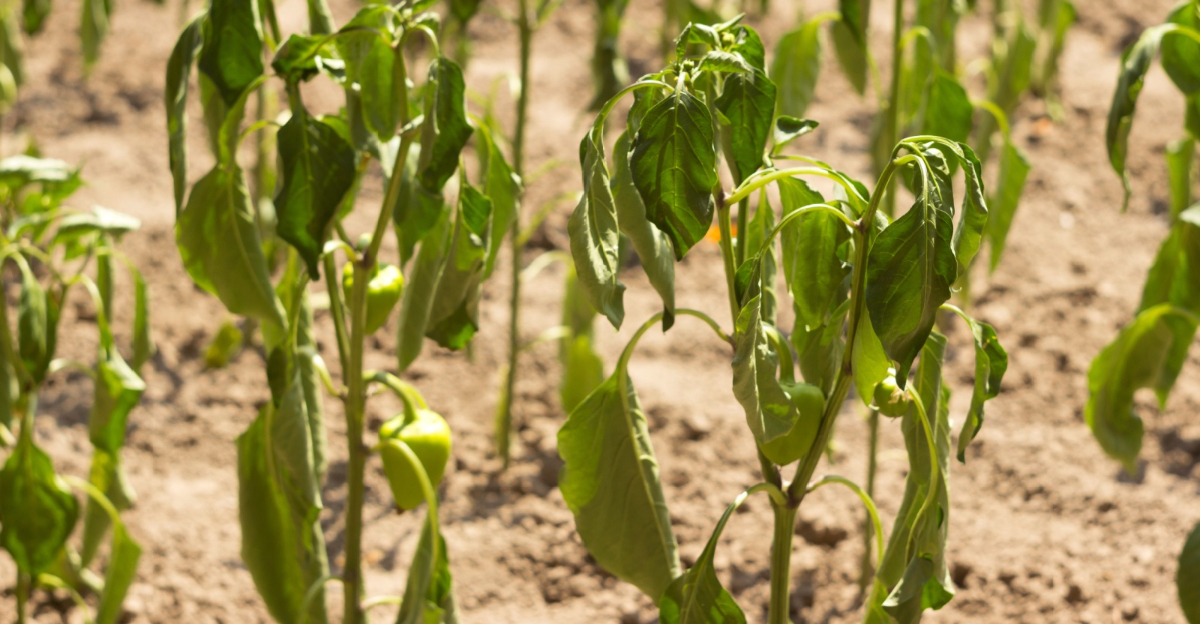
This morning they looked fine. By noon, they collapsed, soft and defeated, leaning into each other like they had already surrendered to the day.
Delaware summers are not just hot, they are deceptive: the humidity tricks you into thinking your plants are getting enough, while the heat slowly cooks them from the inside out. You water.
You mulch. You drag pots across the patio chasing that one strip of afternoon shade. And every single day, same result. What looks like thirst is often something else entirely.
Waterlogged soil suffocates roots just as surely as drought does. Evaporation strips leaves faster than roots can compensate.
Sometimes the culprit is the air itself, that thick, pressurized Mid-Atlantic air that sits on everything in Delaware in July and refuses to move. Plants register all of this before you even check the forecast.
Roots Are Suffocating From Compacted, Waterlogged Soil
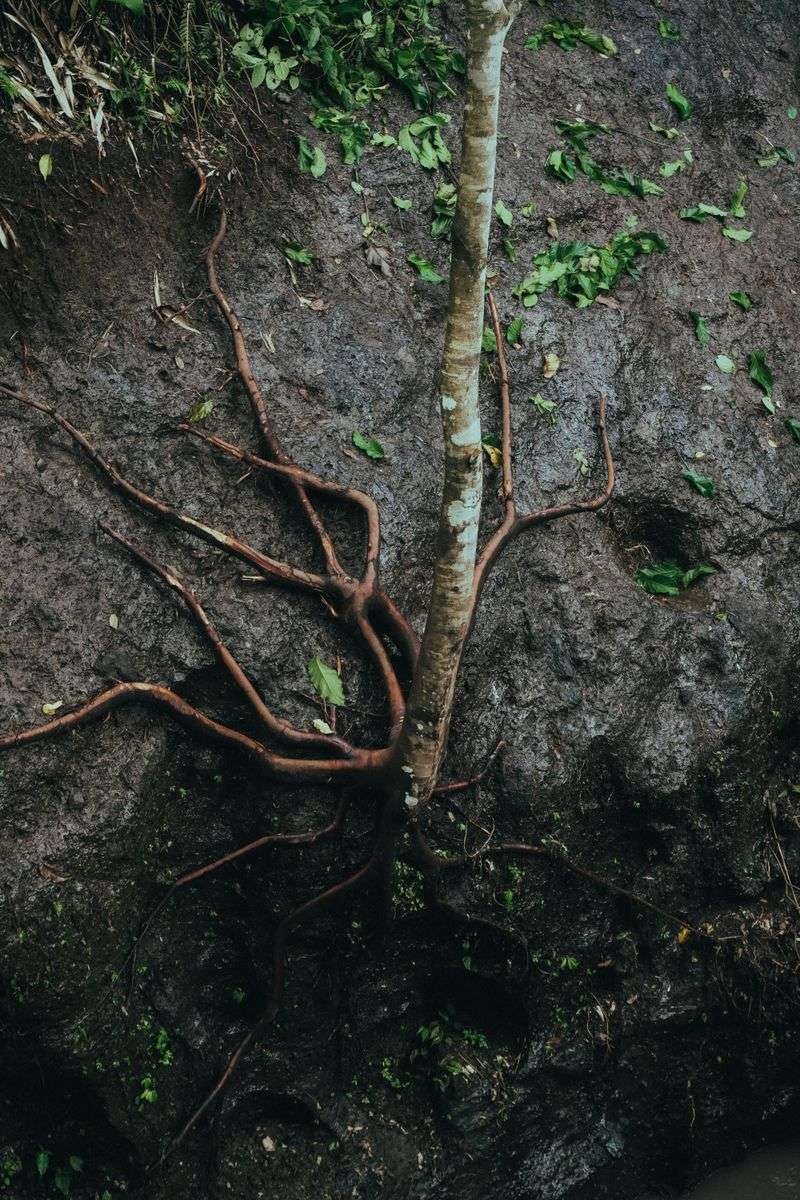
Squeeze a handful of your garden soil. If it clumps like wet clay and barely crumbles, your roots are working without adequate oxygen.
Compacted soil crushes the tiny air pockets that roots need to breathe. Without those pockets, oxygen levels drop fast and roots struggle to function.
Here is the sneaky part: waterlogged soil looks moist, so gardeners assume the plant is fine. But roots sitting in stagnant water actually suffocate, even when surrounded by liquid.
Delaware summers bring sudden heavy rains followed by brutal heat. That combo packs soil down over time, especially in beds that get foot traffic or heavy mulch.
Your plants keep wilting because the root system cannot do its job. Water and nutrients cannot move upward through a root that is essentially drowning in airless mud.
Breaking up compacted soil with a garden fork helps immediately. Work the fork gently around the root zone without slicing through the main roots.
Adding organic compost improves structure over time. Compost creates channels for air and water to move freely through the soil profile.
Raised beds are a smart long-term solution for heavy clay areas. They give you control over soil composition from the start.
Check drainage by digging a small hole and filling it with water. If water sits for more than an hour, your drainage is poor and roots are at serious risk.
Healthy soil should feel crumbly, smell earthy, and drain within minutes. Fix the foundation first, and your plants will reward you quickly.
Watering During Peak Sun Causes Rapid Evaporation Before Absorption
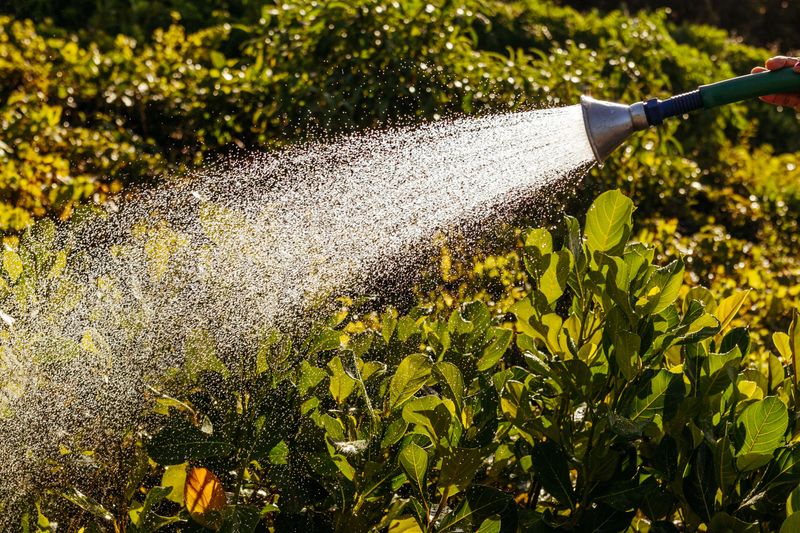
Watering at noon on a hot Delaware day is basically pouring money into thin air. The sun and heat pull moisture off the soil surface before roots ever get a sip.
Evaporation rates spike dramatically when temperatures climb above 85 degrees. Water hits hot soil and vanishes within minutes, leaving roots completely dry.
There is also a leaf scorch issue that many gardeners overlook. Repeated wetting and drying of leaf surfaces during intense heat can stress tissue, particularly on plants with thin or delicate leaves.
Morning watering, ideally before 9 a.m., gives moisture time to soak deep into the root zone. Cooler soil temperatures allow slower, more thorough absorption.
Your Delaware Garden Changes Every Week. Your Plan Should Too.
Gardening in Delaware changes quickly throughout the season. Every Friday you’ll receive a simple weekly plan showing exactly what to plant, prune, fertilize, harvest, and protect so you never miss the right timing.
Evening watering is the second-best option if mornings are impossible. Just make sure leaves dry before nightfall to prevent fungal issues from setting in.
Drip irrigation is a game-changer for Delaware gardeners dealing with heat stress. It delivers water directly to the root zone without wasting a drop to evaporation.
Soaker hoses work similarly and cost far less than a full drip system. Lay them under mulch to slow evaporation even further.
Mulching after watering locks in that soil moisture for hours longer. A two-to-three inch layer of organic mulch cuts evaporation loss significantly.
Your plants keep wilting not because you are neglecting them but because timing is off. Shift your watering schedule by just a few hours and the difference will surprise you.
Small adjustments in routine create big results when summer heat peaks. Your plants will thank you with perky leaves by afternoon.
Shallow Root Systems Can’t Access Deeper Moisture Reserves
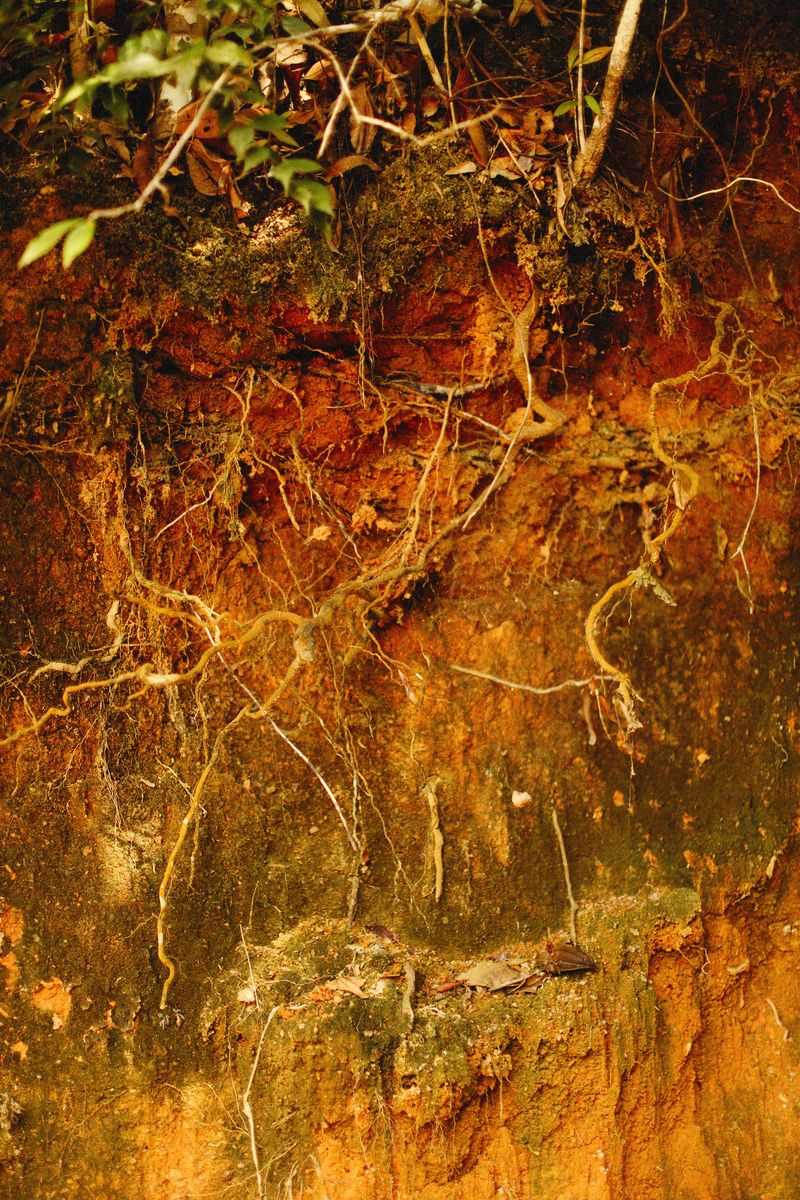
Picture your plant’s root system like a drinking straw that only reaches halfway down the glass. When the top of the glass dries out, the straw comes up empty.
Shallow roots form when plants get frequent light watering instead of deep, infrequent soaking. Roots follow moisture, so they stay near the surface where water is always delivered.
Delaware’s clay-heavy soils make this worse because roots hit resistance and stop growing downward. The path of least resistance keeps them circling just below the mulch layer.
During a heat wave, the top few inches of soil dry out within hours. Shallow-rooted plants have no backup supply to draw from when surface moisture disappears.
Training roots to grow deep requires a watering method change. Instead of light daily watering, switch to deep soaking two or three times per week.
Deep watering means applying enough water to penetrate at least six to eight inches into the soil. Use a moisture meter or simply push a finger deep into the earth to check.
Established trees and shrubs handle heat better than annuals because their roots reach far deeper. That depth acts as a buffer during extreme temperature swings.
New transplants are the most vulnerable because their root systems are still developing. Extra attention during their first summer helps them establish strong, deep anchors fast.
Consistent deep watering builds resilience over one full growing season. Plants that develop deep roots essentially create their own drought insurance for next summer.
Your plants keep wilting because the roots never learned to dig deep. Give them a reason to go down, and they will thrive through any heat wave.
Fungal Root Rot Prevents Water Uptake Even When Soil Is Wet
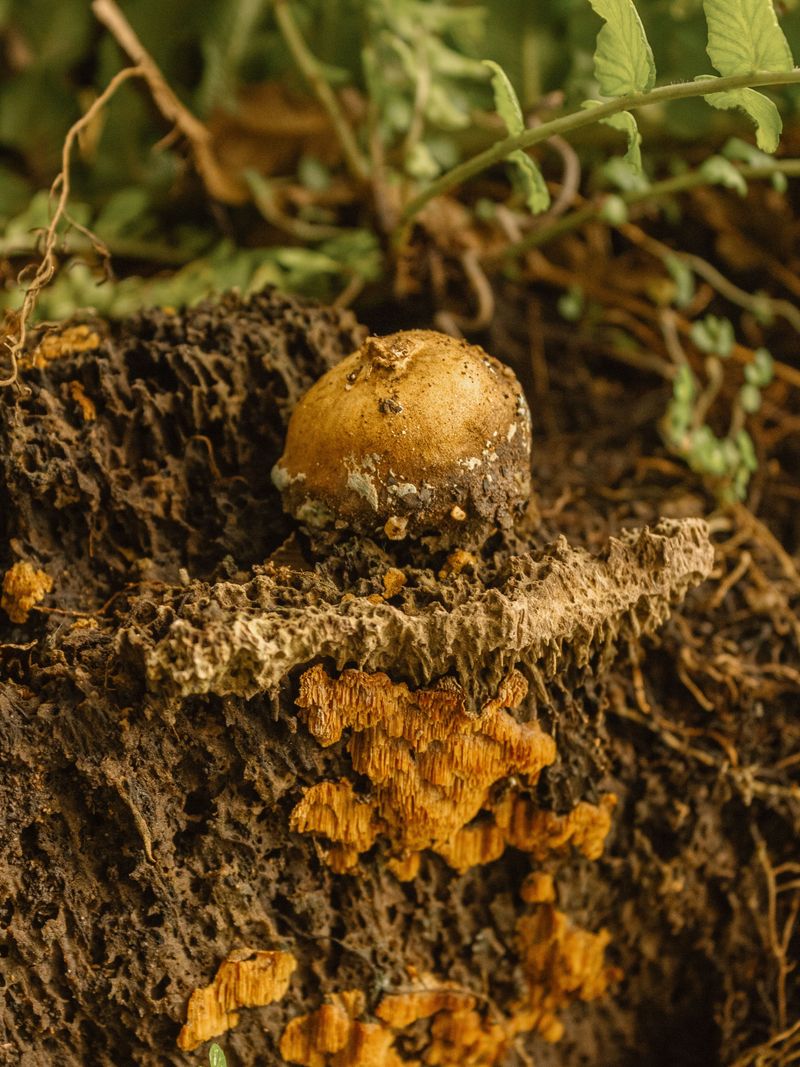
Here is one of the cruelest tricks nature plays on gardeners: wet soil that still starves a plant. Fungal root rot destroys the very tissue responsible for absorbing water.
Root rot is caused by soil-dwelling fungi like Phytophthora and Pythium. These organisms thrive in warm, soggy conditions, which Delaware summers deliver in abundance.
Infected roots turn brown, mushy, and hollow. Healthy roots should be white or tan and firm to the touch.
The plant above ground shows classic wilt symptoms even though the soil is clearly moist. Gardeners often respond by watering more, which makes the problem significantly worse.
Root rot spreads fast in compacted soils with poor drainage. Standing water creates the perfect warm, oxygen-deprived environment for fungal growth.
Prevention starts with soil structure. Raised beds, amended soil, and proper drainage reduce the chances of fungal outbreaks dramatically.
Avoid overwatering during humid stretches when the soil barely dries between waterings. Letting the top inch dry out before watering again protects root health.
Copper-based fungicides offer some protection when applied early. Biological treatments containing Trichoderma also help suppress harmful fungi in the root zone.
If you suspect rot, gently pull the plant and inspect the roots directly. Remove all mushy sections with clean scissors and treat the remaining roots before replanting.
Your plants keep wilting because the damage is underground where you cannot easily see it. Catching root rot early saves the plant and prevents spread to neighboring beds.
Excessive Heat Causes Stomata To Close, Halting Water Movement
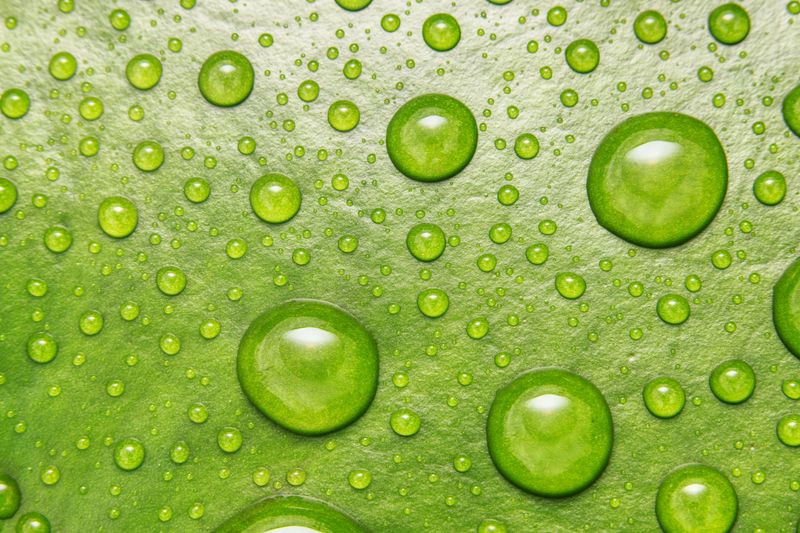
Plants breathe through tiny pores on their leaves called stomata. When temperatures spike, those pores slam shut like storm shutters on a beach house.
Stomata closing is actually a survival response. The plant is trying to stop moisture from escaping through the leaf surface during extreme heat.
But here is the problem: closed stomata also halt photosynthesis and slow the flow of water through the entire plant. The system essentially pauses itself.
This is why plants wilt at peak afternoon heat even when the soil is still moist. The issue is not a lack of water but a breakdown in water movement.
Delaware summers regularly push past 90 degrees with high humidity. That combination is particularly rough because humidity tricks plants into thinking conditions are cooler than they are.
Shade cloth installed during the hottest part of the day gives stomata a chance to reopen. Even a few hours of afternoon shade reduces heat stress significantly.
Grouping plants together creates a microclimate with slightly lower temperatures. Leaf canopies shade the soil and reduce the air temperature around each plant naturally.
Misting the air around plants in early morning can lower leaf surface temperature. Do not mist during peak sun hours because evaporation will be near-instant.
Choosing heat-tolerant varieties for summer planting also helps. Native Delaware plants and warm-season species have already adapted to local temperature swings.
Your plants keep wilting because the heat is winning a biological battle. Help them cool down and water movement will resume on its own.
Container Pots Overheat And Stress The Root System
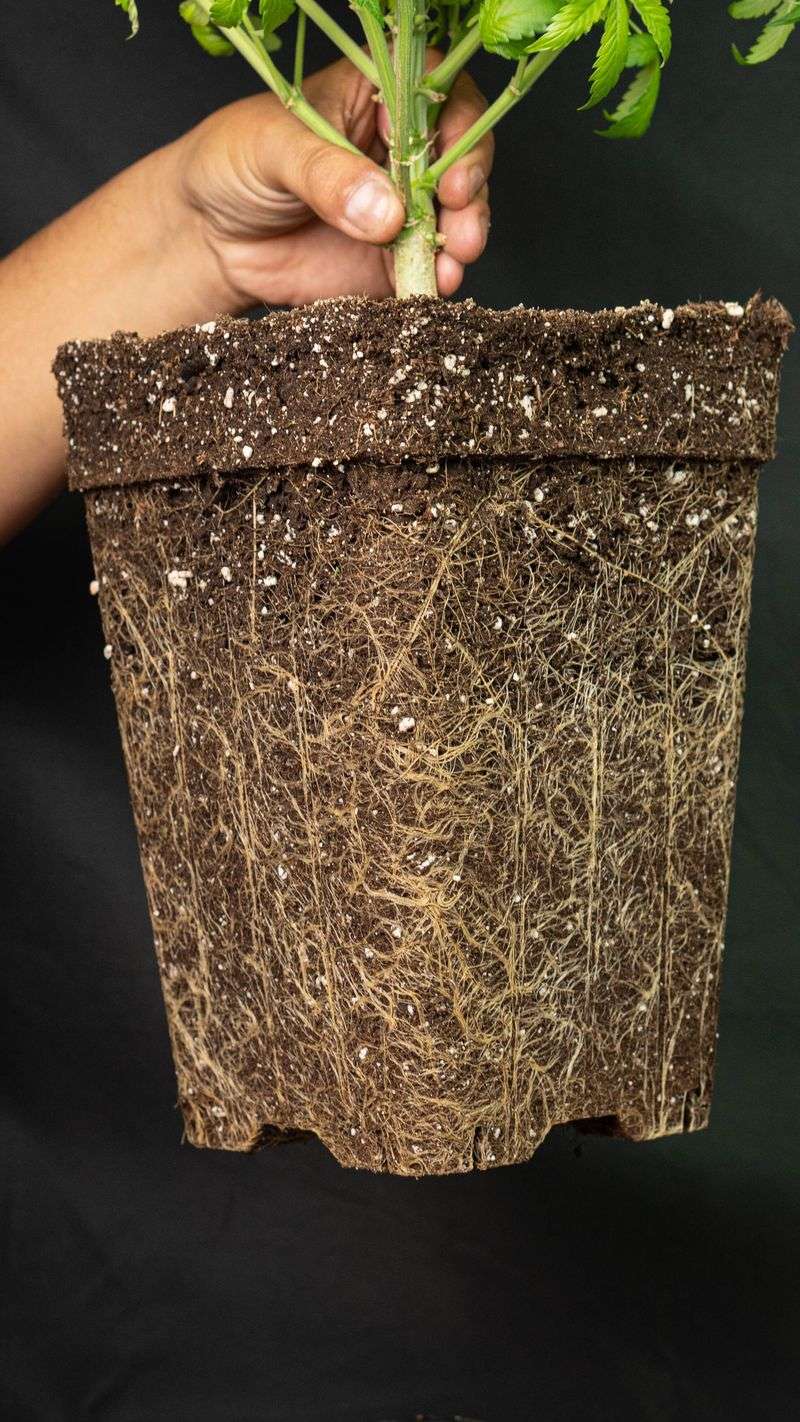
Black plastic nursery pots sitting in full Delaware sun can reach well above 120 degrees inside, depending on pot size and air circulation.
That is not warm. That is hot enough to damage root tissue and shut down water uptake entirely. Container roots have no escape route.
Unlike in-ground plants, they cannot extend downward to find cooler, deeper soil layers when surface temps spike. Dark-colored pots absorb the most solar radiation.
Swapping them for white, cream, or terracotta containers can meaningfully lower interior soil temperatures, sometimes by 15 degrees or more depending on conditions.
Terracotta is especially helpful because it breathes through its porous walls. That airflow cools the soil slightly and prevents the suffocating heat buildup of plastic.
Double-potting is another smart trick. Place the growing pot inside a larger decorative pot with air space between them for insulation.
Elevating pots off hot concrete surfaces also helps. A simple wooden platform or pot feet allow air to circulate underneath and reduce heat transfer from the ground.
Afternoon shade is critical for containers during peak summer. Moving pots to a shaded spot between noon and four p.m. protects roots during the hottest window.
Container soil dries out much faster than garden beds. During a heat wave, some containers may need watering twice a day to keep roots from drying out completely.
Self-watering containers with built-in reservoirs are worth the investment for Delaware summers. They maintain consistent moisture without the risk of both overwatering and underwatering.
Your plants keep wilting because their home is overheating. Give those roots a cooler environment and most plants will show visible improvement within a few days.
Sandy Or Clay-Heavy Soil Drains Too Fast Or Holds Water Poorly
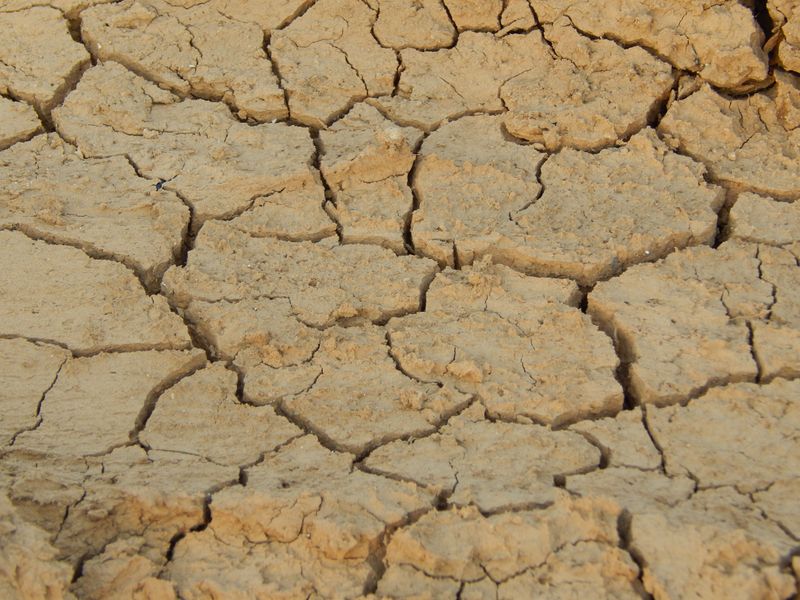
Delaware soil is a tale of two extremes. The eastern shore leans sandy, the western counties run heavy with clay, and both cause wilting for completely opposite reasons.
Sandy soil drains so fast that water passes through the root zone before roots can absorb it. You water generously and the plant is thirsty again within hours.
Clay soil does the opposite. It holds water so tightly in its dense particles that roots cannot extract it efficiently.
Both types fail plants during summer heat, just through different mechanisms. Sandy soil starves roots of moisture while clay soil starves them of oxygen.
The fix for both starts with organic matter. Compost improves sandy soil by increasing water retention and improves clay soil by opening up its dense structure.
Adding aged compost to a depth of six inches before planting transforms problem soil over one or two seasons. It is the single best investment a Delaware gardener can make.
Biochar is another amendment worth exploring. It improves water retention in sandy soils and adds long-term carbon structure to clay-heavy beds.
Mulch helps both soil types by reducing surface evaporation and moderating soil temperature extremes. Apply it generously but keep it away from plant stems to prevent rot.
Testing your soil before amending it saves time and money. A basic test from your county extension office reveals pH, texture, and nutrient gaps in one affordable report.
Your plants keep wilting because the ground beneath them was never set up for summer success. Fix the soil and you fix the foundation of everything growing in it.
Transpiration Loss Outpaces The Plant’s Ability To Absorb Water
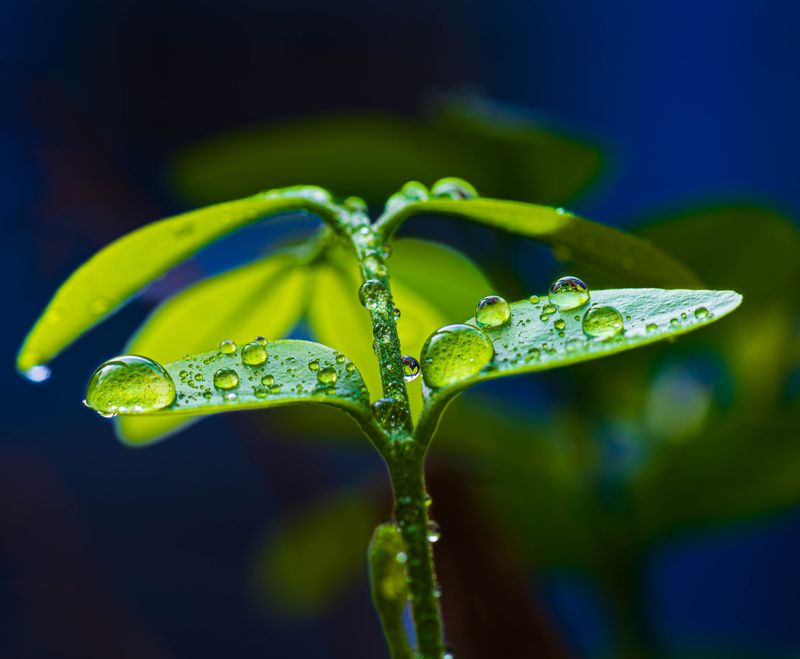
Imagine trying to fill a bathtub while the drain is wide open. That is exactly what happens to a heat-stressed plant losing water faster than it can absorb it.
Transpiration is the process where plants release water vapor through their leaves. On a hot, dry, windy day, this loss can exceed what roots supply by a wide margin.
Delaware’s summer combination of heat, humidity shifts, and afternoon wind creates perfect conditions for runaway transpiration.
Large shrubs and established perennials can lose significant amounts of water through leaves on a single hot afternoon, more than most gardeners expect.
Wilting is the plant’s distress signal when this balance tips too far. Leaves curl inward or droop to reduce the surface area exposed to sun and wind.
Anti-transpirant sprays create a thin protective film on leaf surfaces. They reduce water loss without blocking photosynthesis and are safe for most ornamentals and vegetables.
Windbreaks made from fencing, hedges, or fabric barriers significantly reduce transpiration rates. Wind strips moisture from leaves faster than most gardeners realize.
Keeping plants well-hydrated going into a heat wave builds a buffer. A deeply watered plant enters stress conditions with more reserves than one that was already dry.
Smaller, newer leaves transpire less efficiently than mature ones. Pinching back leggy growth during heat waves reduces the total leaf surface losing water.
Selecting low-transpiration plants for exposed areas also helps long-term. Succulents, ornamental grasses, and native perennials lose far less water per leaf than tropical species.
Your plants keep wilting because the heat is draining them faster than the soil can refill them. Balance that equation and you will finally win this summer battle.