The 8 Best Fruits To Grow In 5 Gallon Buckets In Arizona
There is something satisfying about harvesting fruit from a plant growing just a few steps from the back door. You do not need a huge garden or rows of raised beds to make it happen.
Many gardeners are discovering that a simple container can provide a surprising amount of food during the growing season.
Large pots and buckets have become especially popular because they fit into patios, small yards, and sunny corners that might otherwise go unused. They are easier to manage, simpler to water, and can be moved when conditions change.
That flexibility matters in Arizona, where summer weather can be tough on plants growing in the ground. The good news is that several fruit crops adapt remarkably well to 5 gallon buckets when given the right care.
Some even thrive in containers and reward gardeners with productive harvests despite the challenging desert climate.
1. Strawberries Are One Of The Easiest Fruits To Grow In Buckets
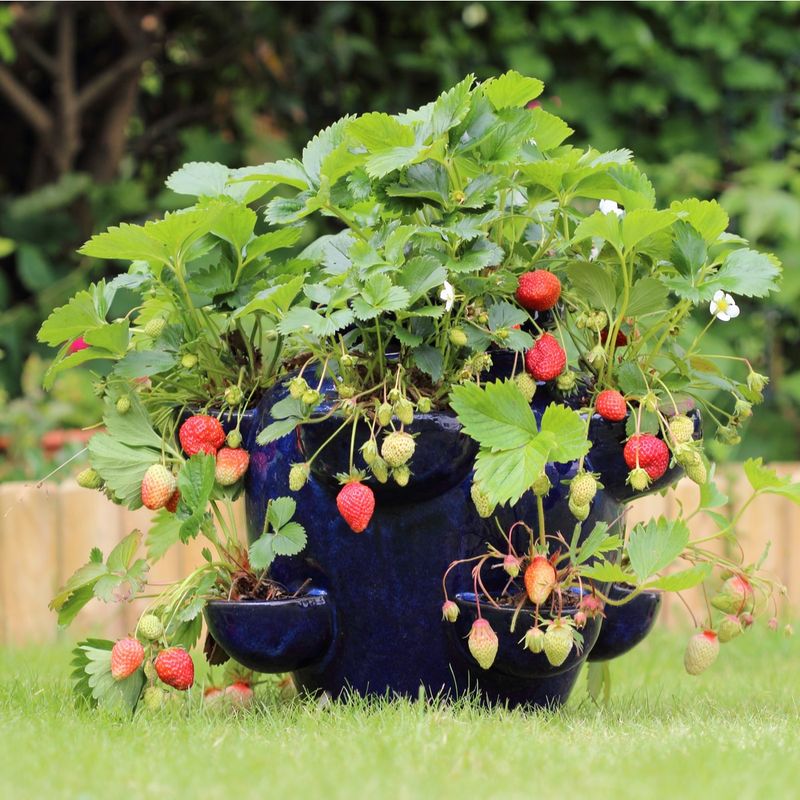
Strawberries are probably the most beginner-friendly fruit you can grow in a container. Compact roots, low water needs once established, and a quick harvest cycle make them a natural fit for bucket gardening.
Choose everbearing varieties like Seascape or Albion. These types produce fruit across a longer season instead of all at once, which means more strawberries over time.
Plant in a well-draining mix and add perlite to keep roots from sitting in soggy soil. Buckets heat up fast in warm climates, so light-colored containers help keep root temps down.
Water consistently but avoid overwatering. Strawberries are sensitive to root rot, especially in warm weather.
Check the top inch of soil before watering again.
Feed every two weeks with a balanced liquid fertilizer once flowering starts. Too much nitrogen early on pushes leaf growth instead of fruit.
Place your bucket where it gets at least six hours of direct sun daily. Morning sun with some afternoon shade works well during the hottest months.
Runners will appear as the plant matures. Clip them off to keep energy focused on fruit production rather than spreading.
Strawberries in containers tend to produce for one to two seasons before slowing down. Replanting with fresh crowns every couple of years keeps yields strong and consistent.
2. Ground Cherries Fit Perfectly In A Five Gallon Container
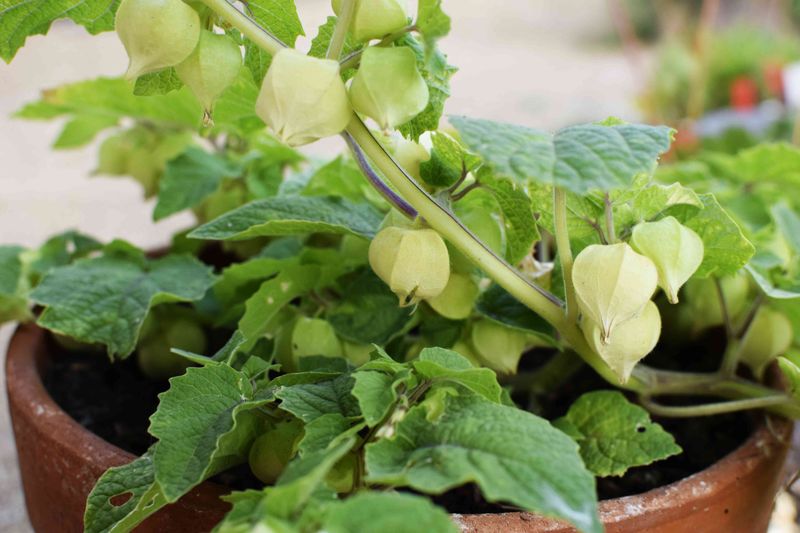
Not many people have heard of ground cherries, but once you grow them, it is hard to stop. Each fruit comes wrapped in a papery husk, like a tiny tomatillo, and tastes like a mix of vanilla and pineapple.
Ground cherries belong to the nightshade family and grow similarly to tomatoes. They handle heat well, which makes them a practical pick for warm-climate container gardening.
Start seeds indoors about six to eight weeks before your last frost date. Transplant into a 5 gallon bucket once nighttime temps stay consistently above 50 degrees Fahrenheit.
Use a rich, well-draining potting mix. Add compost to give the plant a strong nutritional base without relying heavily on synthetic fertilizers throughout the season.
Water deeply but let the top layer of soil dry out between sessions. Ground cherries are fairly drought-tolerant once established and do not respond well to soggy roots.
Your Arizona Garden Changes Every Week. Your Plan Should Too.
Gardening in Arizona changes quickly throughout the season. Every Friday you’ll receive a simple weekly plan showing exactly what to plant, prune, fertilize, harvest, and protect so you never miss the right timing.
Stake the plant loosely as it grows. Stems can get heavy with fruit and may flop over without some basic support tied to the bucket handle or a small cage.
Harvest when the husks turn tan and papery and the fruit inside feels firm. Ripe ground cherries often fall on their own, so check the base of the plant regularly.
One healthy plant per bucket is plenty. Crowding limits airflow and can slow fruit development significantly.
3. Prickly Pear Thrives In Arizona Heat With Little Fuss
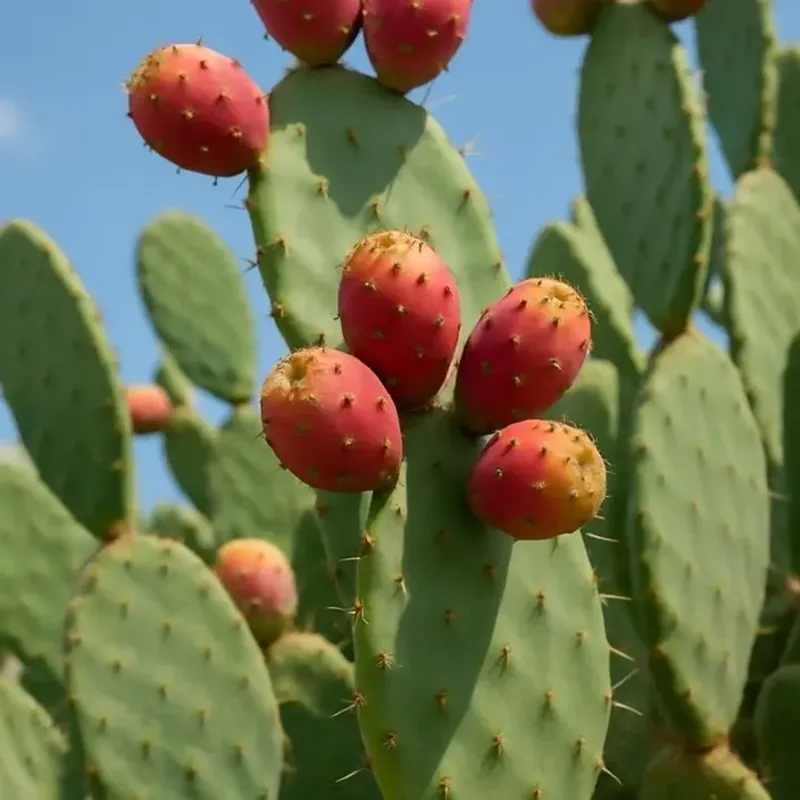
Prickly pear is practically built for hot, dry conditions. Few fruits handle neglect as gracefully or look as stunning while doing it.
Native to the Sonoran Desert region, this cactus produces edible pads and sweet, colorful fruit called tunas. Both have culinary uses, from fresh eating to syrups and jams.
Plant a single pad cutting in a bucket filled with sandy, fast-draining mix. Bury about one-third of the pad and let it sit for a week before watering to allow the cut end to callous over.
Water sparingly. Overwatering is the fastest way to cause root problems with prickly pear.
Once established, rainfall and occasional watering is usually sufficient during warmer months.
Full sun all day is ideal. Place the bucket in the hottest, brightest spot on your patio and the plant will reward you with minimal effort required.
Fertilizing is optional. A light dose of low-nitrogen cactus fertilizer in spring can support pad and fruit development, but heavy feeding is unnecessary and can cause soft, weak growth.
Fruit typically appears in late summer to early fall. Tunas ripen from green to deep red or purple and should feel slightly soft when ready to harvest.
Wear thick gloves when handling. Tiny hair-like spines called glochids are harder to remove than the larger thorns and can irritate skin significantly.
4. Dwarf Pomegranates Are A Smart Choice For Small Spaces
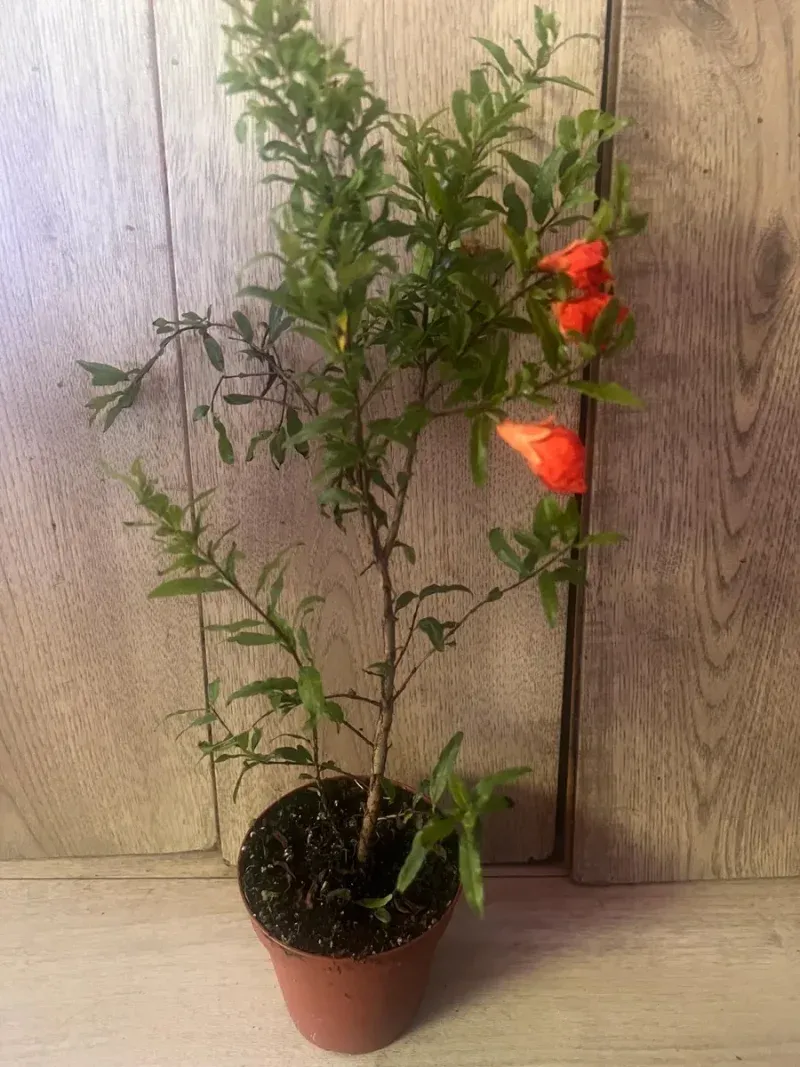
Pomegranates have been grown in hot, arid climates for thousands of years. Dwarf varieties bring all that history into a container that fits neatly on a balcony or back porch.
Varieties like Nana or State Fair stay compact, usually under three feet tall in a bucket. Despite the smaller size, they still produce real, edible fruit with that classic jewel-toned seed interior.
Plant in a well-draining potting mix and choose a bucket with drainage holes at the bottom. Sitting water causes root issues fast, especially in warmer months when temperatures climb.
Water deeply once or twice a week during the growing season. Cut back significantly in winter when the plant goes semi-dormant and water needs drop considerably.
Feed with a balanced fertilizer in spring when new growth starts to appear. A second light feeding in midsummer helps support fruit development without pushing excessive leafy growth.
Pomegranates need full sun to flower and fruit well. At least six to eight hours of direct sunlight is the baseline for consistent production each season.
Blooms appear in late spring and are bright orange-red. Pollination usually happens naturally outdoors, though gently shaking the plant can help when growing in a sheltered spot.
Fruit ripens in fall. Tap the side of the pomegranate lightly.
A metallic sound means it is ready. Crack it open and enjoy fresh or pressed into juice.
5. Natal Plum Adapts Well To Container Growing
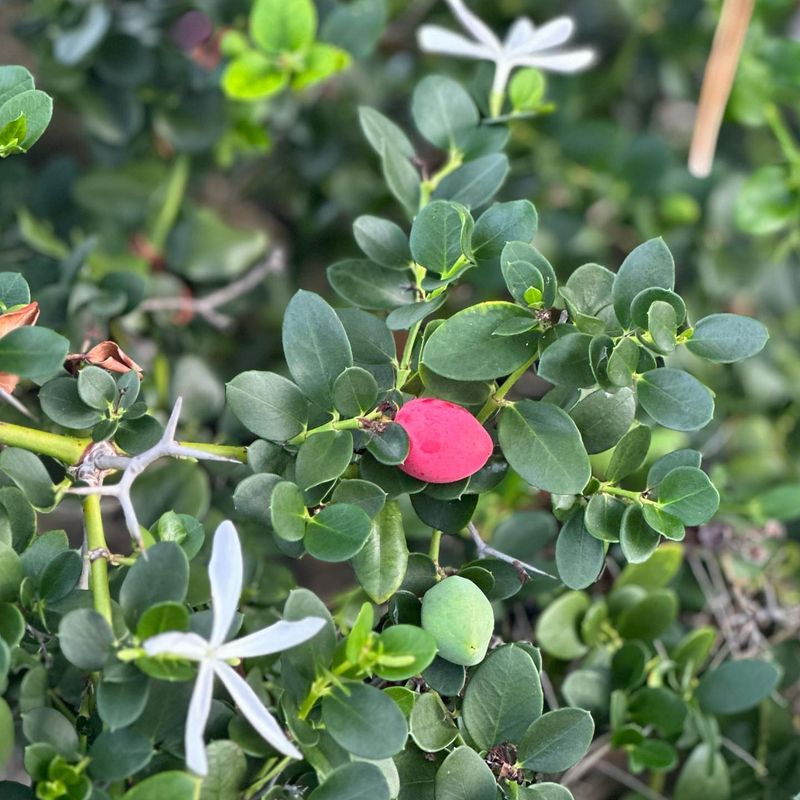
Natal plum is one of those plants that surprises people. It looks ornamental, smells wonderful when flowering, and actually produces edible fruit most gardeners never think to harvest.
Originally from South Africa, this shrub handles heat, salt, and drought with remarkable ease. Warm, dry climates suit it well, and container growing keeps it manageable in size.
Use a well-draining potting mix with added sand or perlite. Good drainage is critical because Natal plum does not tolerate waterlogged roots and will show stress quickly in overly wet conditions.
Water moderately during the growing season. Once established, it becomes fairly drought-tolerant and only needs consistent moisture during active growth and fruiting periods.
Full sun to partial shade works. Plants grown in full sun tend to fruit more reliably, though some afternoon shade can help during peak summer heat without reducing production dramatically.
Fertilize lightly in spring with a balanced slow-release fertilizer. Heavy feeding encourages excessive growth and can actually reduce flowering and fruit set if nitrogen levels get too high.
Fruit looks like small red plums and tastes mildly sweet with a cranberry-like edge. It is used in jams, jellies, and sauces, and can be eaten fresh when fully ripe.
Worth noting: all parts of the plant except the ripe fruit are toxic. Keep that in mind if children or pets have access to your container garden area.
6. Barbados Cherry Handles Hot Summers With Ease
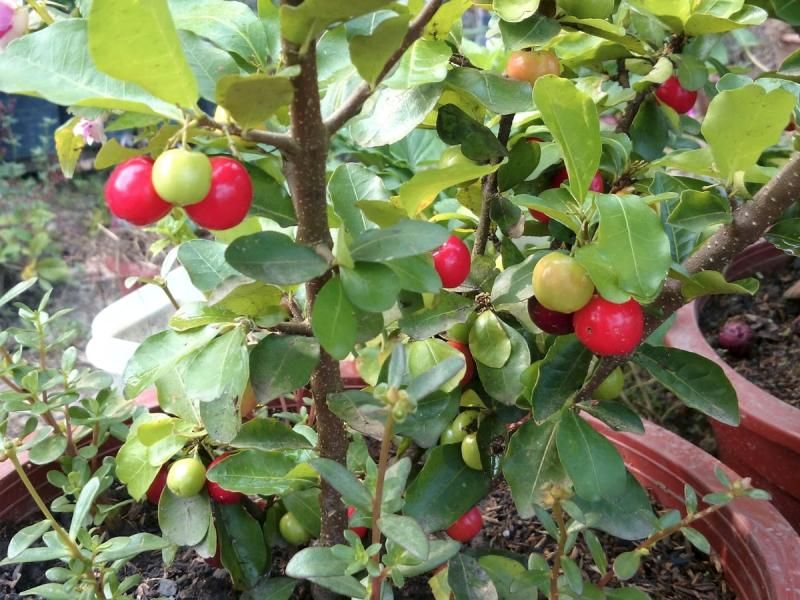
Barbados cherry might be the most nutritionally impressive fruit on this list. It contains more vitamin C per serving than almost any other fruit, including oranges by a significant margin.
Also called acerola, this tropical shrub thrives in heat and handles full sun without complaint. Warm-climate container gardeners often find it one of the most rewarding plants to maintain year after year.
Plant in rich, well-draining potting soil. A slightly acidic mix with a pH between 5.5 and 6.5 tends to produce the healthiest plants and strongest fruit set each season.
Water regularly during warm months, but allow the soil to partially dry between waterings. Consistent moisture without waterlogging keeps roots healthy and encourages repeat fruiting cycles.
Feed monthly with a balanced fertilizer during the growing season. Barbados cherry is a moderate feeder and benefits from regular nutrition to support its fast growth rate and prolific fruiting habit.
Multiple fruiting cycles per year are possible in warm climates. Some well-maintained plants produce three or more flushes of fruit annually, making them exceptionally productive for container-grown shrubs.
Fruit ripens quickly once it starts turning red. Pick it as soon as it reaches deep red color because overripe fruit softens and loses quality within just a couple of days.
Prune lightly after each fruiting cycle. Trimming back a few inches encourages fresh branching and helps keep the plant a manageable size within its 5 gallon home.
7. Goji Berries Grow Well In Containers With Full Sun
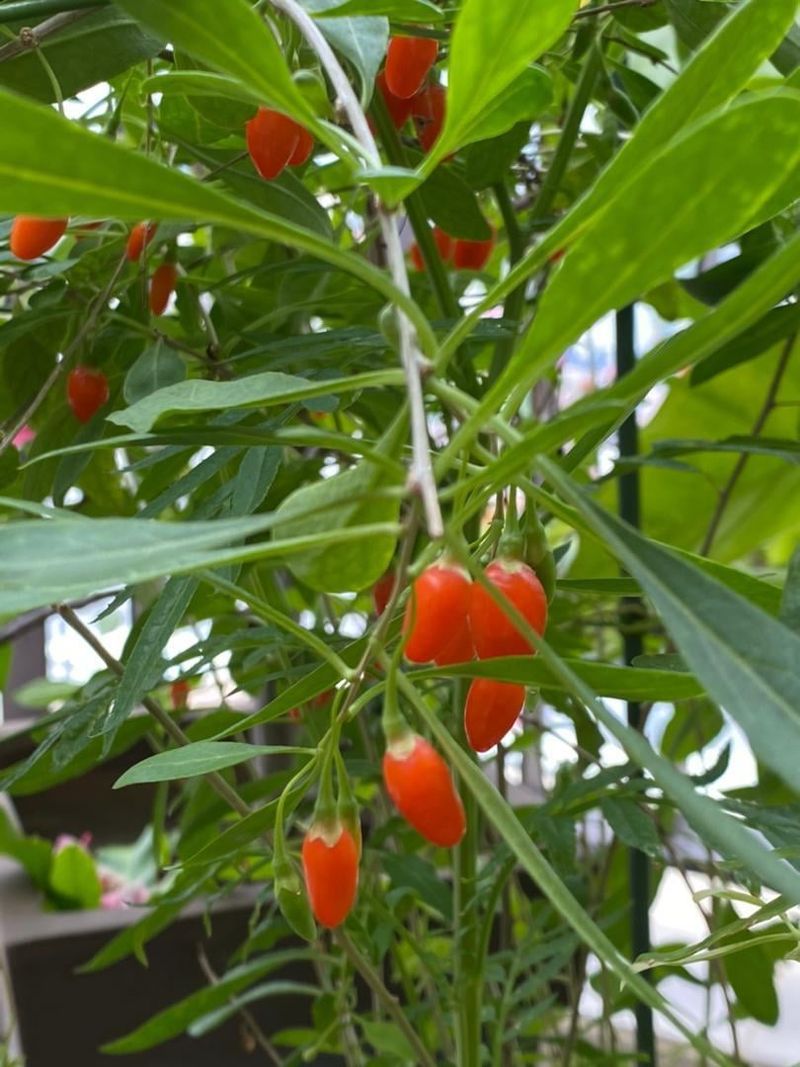
Goji berries have a reputation as a superfood, but they are also surprisingly practical to grow at home. Most people do not realize how well this plant performs in containers with minimal fuss.
Plants stay compact when grown in a bucket, usually reaching two to four feet with some light pruning. That manageable size makes them a realistic option for patios, decks, or small outdoor spaces.
Plant in well-draining, slightly alkaline soil. A pH between 6.5 and 8.0 suits goji berries well, which aligns naturally with the alkaline soil conditions common in many dry desert regions.
Full sun is non-negotiable. Goji berries need at least eight hours of direct sunlight daily to produce a meaningful harvest.
Shade causes weak stems and poor fruit development.
Water deeply once or twice a week during the growing season. Let the soil dry slightly between waterings.
Goji plants are fairly drought-tolerant once roots are established in the container.
Fertilize in early spring with a balanced fertilizer. Avoid high-nitrogen products because they push leafy growth at the expense of flowers and fruit production later in the season.
Berries ripen in late summer and should be bright orange-red when ready. Let them fully color before harvesting because underripe fruit is noticeably bitter and unpleasant to eat.
Expect the first significant harvest in the second year. First-year plants focus on root and stem development, so patience pays off with a stronger, more productive plant long-term.
8. Alpine Strawberries Stay Productive In Compact Spaces
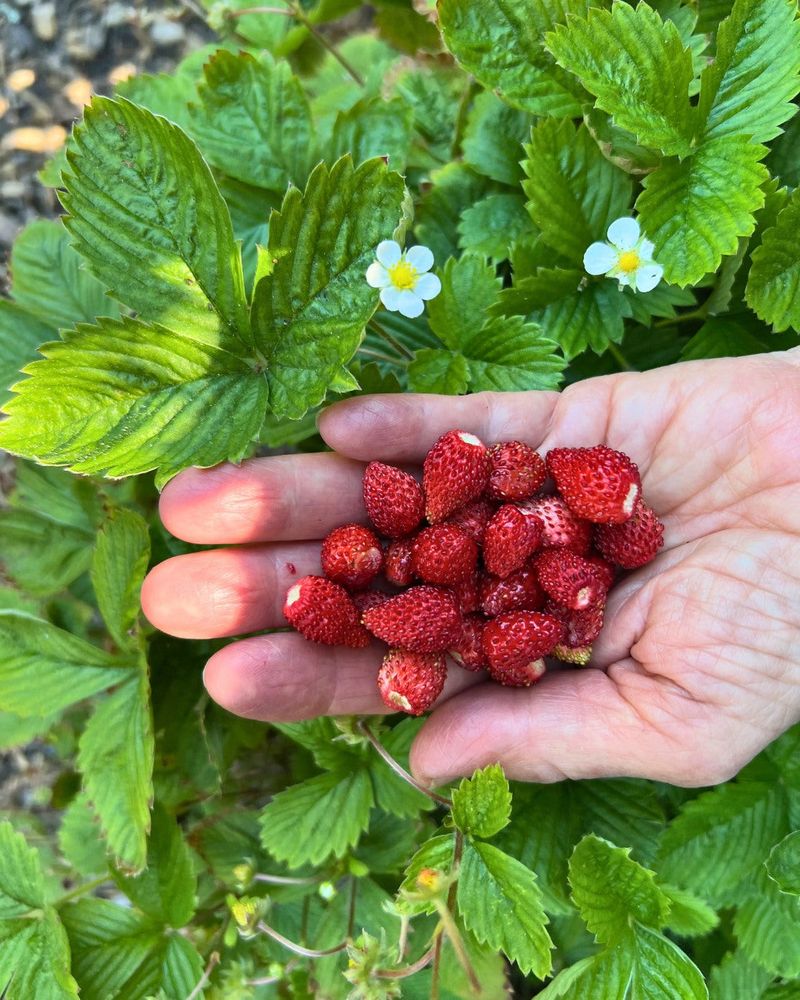
Alpine strawberries are a different experience from regular strawberries. Smaller in size but packed with an intense, almost wild berry flavor, they are a genuine treat for anyone who grows them.
Unlike standard varieties, alpine strawberries do not send out runners. All the plant’s energy stays focused on producing fruit, which makes them exceptionally efficient in a container setting.
They also tolerate partial shade better than most fruiting plants. In hot climates, afternoon shade actually benefits alpine strawberries and helps extend the fruiting season well into warmer months.
Plant in rich, moisture-retentive potting mix. Unlike prickly pear or goji berries, alpine strawberries prefer consistent moisture and do not respond well to extended dry periods between waterings.
Start from seed or transplants. Seeds take longer but give you more variety options.
Transplants get you to harvest faster and are widely available at nurseries during spring planting season.
Feed every two weeks with a balanced liquid fertilizer once plants begin flowering. Consistent feeding supports the continuous fruiting cycle that makes alpine strawberries so productive across a long season.
Fruit is small but appears in steady waves throughout the growing season. One bucket can produce enough berries for regular snacking without overwhelming you with a single large harvest all at once.
Replace plants every two to three years to maintain strong production. Older plants slow down noticeably, and fresh transplants bring renewed vigor and better yields back to your container garden.