These Native North Carolina Groundcovers Help Eliminate Shady Damp Spots Where Ticks Thrive
Shady, damp areas in North Carolina yards are among the most difficult spaces to manage and the most likely to harbor ticks through the entire active season.
Conventional lawn grass fails in these spots, bare mulch stays moist and inviting, and most ornamental groundcovers from outside the region struggle with the combination of low light and inconsistent drainage that these areas typically present.
Native groundcovers solve multiple problems at once in these spaces, outcompeting the weedy growth that ticks prefer to shelter in while modifying the moisture and air circulation conditions that make those spots so hospitable to tick activity in the first place.
Several North Carolina natives are exceptionally well suited to exactly these challenging conditions and establish quickly enough to make a visible difference within a single growing season.
1. Foamflower
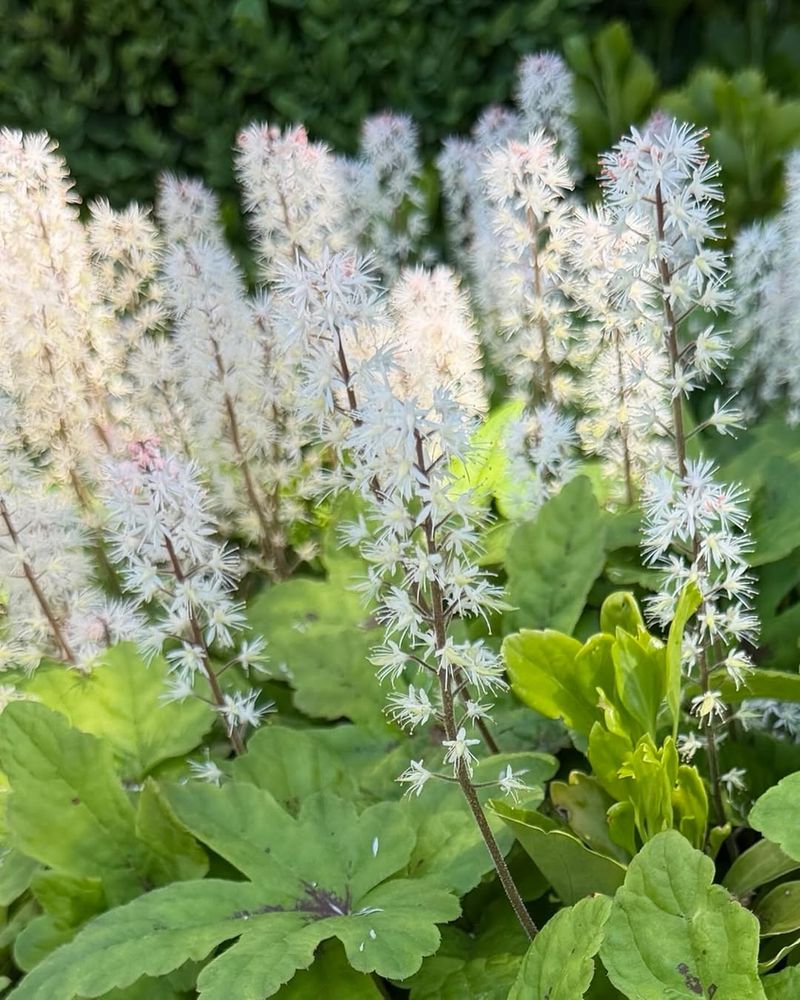
Foamflower is one of those plants that makes you stop and look twice.
Its frothy white blooms rise above a carpet of deeply lobed, heart-shaped leaves in spring, turning a plain woodland edge into something that looks purposefully designed.
Native to North Carolina, it naturally grows in moist coves, rocky outcrops, and well-drained bottomland forests, so it already knows how to handle the conditions most gardeners struggle with.
What makes foamflower so useful along shady yard edges is how it replaces bare soil, scattered leaf piles, and weedy corners with a dense, low mat of foliage.
Bare ground and leaf debris are exactly the kinds of spots that create comfortable hiding places for ticks.
Covering those areas with a tidy native planting is one piece of a smarter yard-management plan.
To get the most from foamflower, pair it with good habits like removing excess leaf litter from paths, keeping brush cleared near seating areas, and checking yourself after working outdoors.
It grows best in partial to full shade with moist but well-drained soil rich in organic matter. Spacing plants about 12 inches apart gives them room to spread naturally over time.
Once established, foamflower forms a reliable, weed-suppressing mat that looks polished through spring and into summer, making those previously messy corners a highlight of your native garden.
2. Canadian Wild Ginger
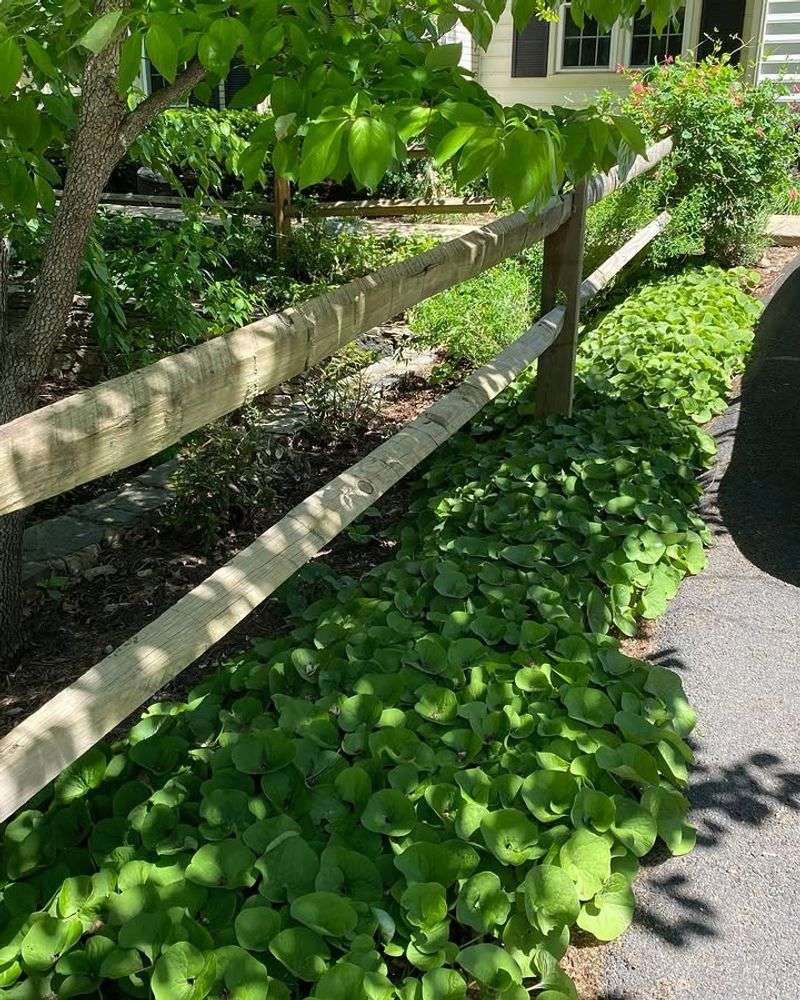
There is something quietly impressive about a plant that can carpet an entire shaded forest floor without any fuss.
Canadian wild ginger does exactly that, spreading slowly and steadily under trees and along woodland borders where most plants refuse to grow.
It thrives in humus-rich soil that stays consistently moist but never waterlogged, making it a natural fit for those tricky shaded areas in North Carolina yards that always seem damp.
Gardeners love it for its large, rounded, heart-shaped leaves that form a low, leafy blanket through the growing season.
It works beautifully under mature trees, along shaded rain garden edges, and beside woodland borders where you want coverage instead of bare, cluttered ground.
Replacing loose leaf piles and weedy patches with a planted groundcover like this removes one of the conditions that make those spots feel uninviting and harder to manage.
Canadian wild ginger is deciduous, meaning it will fade back in winter, so pairing it with an evergreen companion plant can keep the area looking tidy year-round.
Your North Carolina Garden Changes Every Week. Your Plan Should Too.
Gardening in North Carolina changes quickly throughout the season. Every Friday you’ll receive a simple weekly plan showing exactly what to plant, prune, fertilize, harvest, and protect so you never miss the right timing.
It naturalizes slowly, so patience pays off. Avoid planting it where water pools for extended periods, as it prefers evenly moist but draining conditions.
As part of a broader yard routine that includes clearing brush and keeping paths open, this native groundcover helps transform shaded corners into intentional, attractive plantings that feel much easier to care for.
3. Partridgeberry
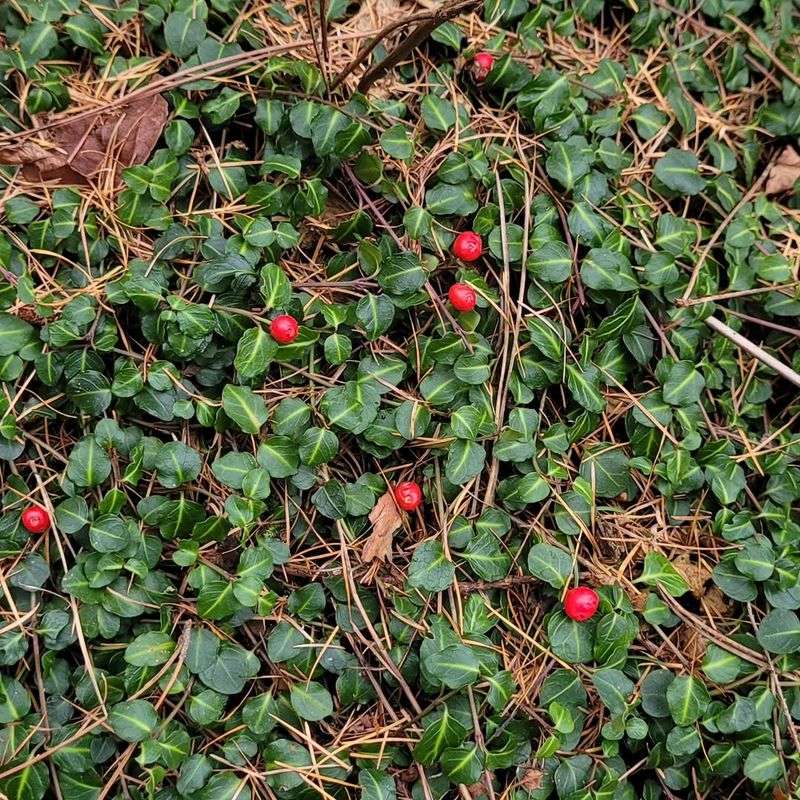
Few native plants carry as much charm in such a small package as partridgeberry.
This delicate, creeping evergreen stays low to the ground, weaving its way through shaded spots with tiny paired leaves and bright red berries that last well into winter.
It grows naturally in North Carolina woodlands, under trees, along part-shade border fronts, in rock gardens, and near small ponds, making it a versatile choice for gardeners who want something polished in a tight space.
Partridgeberry works best in small, detailed areas where you want a refined native look rather than aggressive coverage.
It is not the fastest spreader, so it is not the right pick if you need to cover a large problem area quickly.
Think of it as an accent groundcover, one that fills gaps between stepping stones, softens the base of trees, or adds evergreen texture to a shaded garden edge that already has some structure.
Its value in a tick-reduction yard plan comes from its ability to replace bare, debris-filled patches with a clean, living surface.
Combined with removing excess leaf litter and keeping nearby brush trimmed back, a tidy planting of partridgeberry makes a noticeable difference in how orderly a shaded corner looks and feels.
Plant it in well-drained, acidic, humus-rich soil and give it consistent moisture. It is slow but rewarding, and its evergreen charm makes every season feel intentional in the garden.
4. Green And Gold
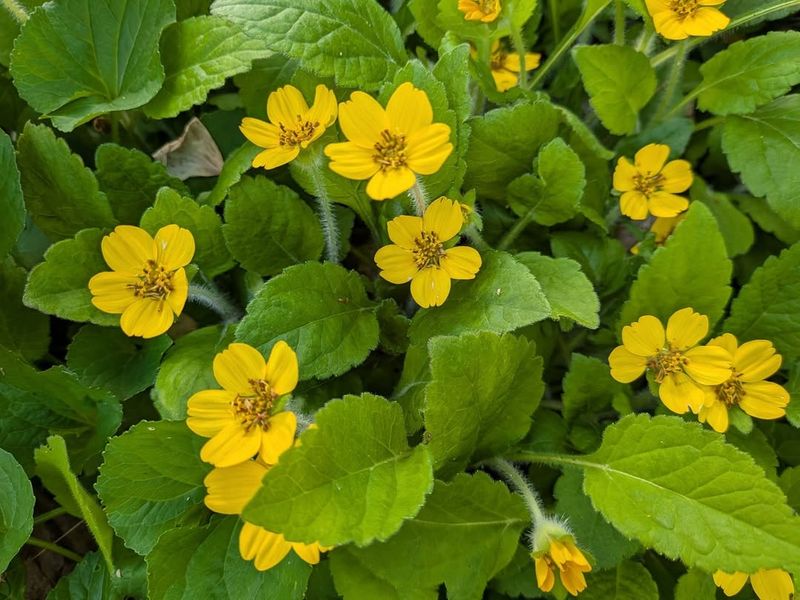
Bright yellow flowers on a groundcover that stays green through winter sounds almost too good to be true, but green and gold delivers exactly that.
Chrysogonum virginianum is a cheerful, low-growing native that thrives in shady North Carolina borders with well-drained soil, blooming from spring into early summer and often again in fall.
Its sunny flowers make damp, shaded edges look intentional and lively rather than forgotten.
Gardeners use it in woodland gardens, native plant beds, naturalized areas, shaded border fronts, and along woodland paths where they want reliable low coverage without a lot of upkeep.
One thing worth knowing is that green and gold needs decent drainage to perform its best.
It is not the right plant for soggy, poorly drained spots, so if your shaded corner tends to hold standing water, address the drainage first before planting.
In a broader yard-management routine, replacing bare weedy patches with a planted mat of green and gold removes the loose, cluttered ground conditions that make shaded edges harder to maintain.
Pair it with regular brush clearing, leaf litter removal from paths, and keeping nearby vegetation trimmed to make the whole area feel open and cared for. Space plants about 12 to 18 inches apart and water consistently until established.
Once settled in, green and gold spreads at a satisfying pace, filling borders with reliable color and texture that makes every shaded corner shine.
5. Golden Ragwort
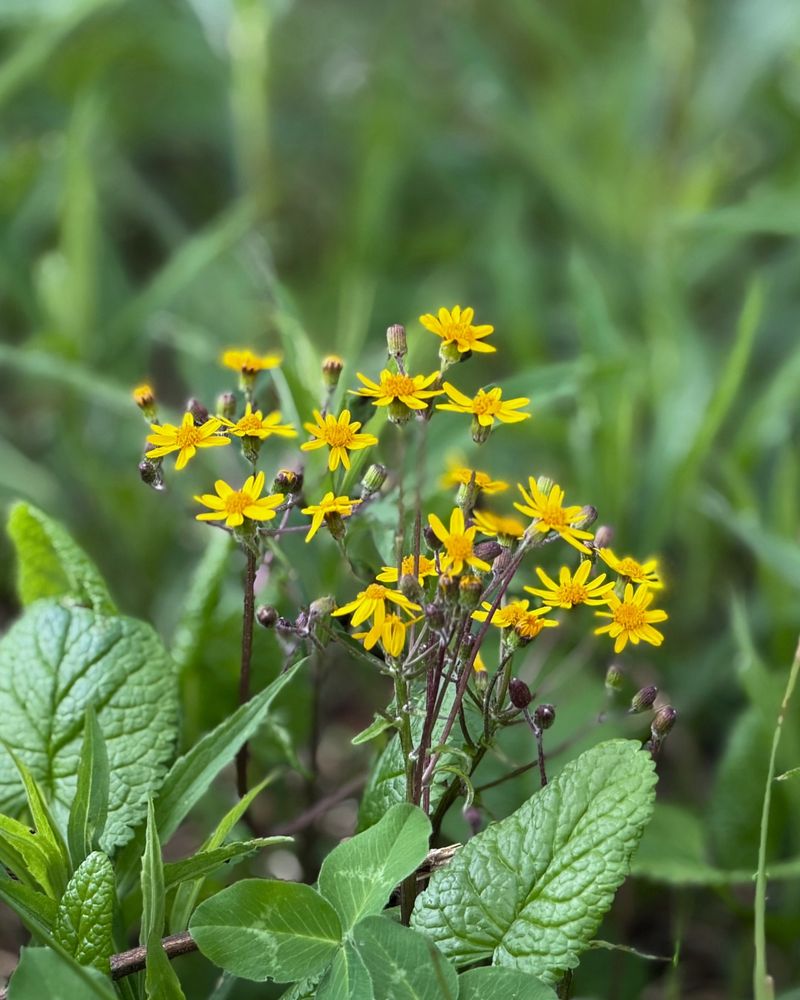
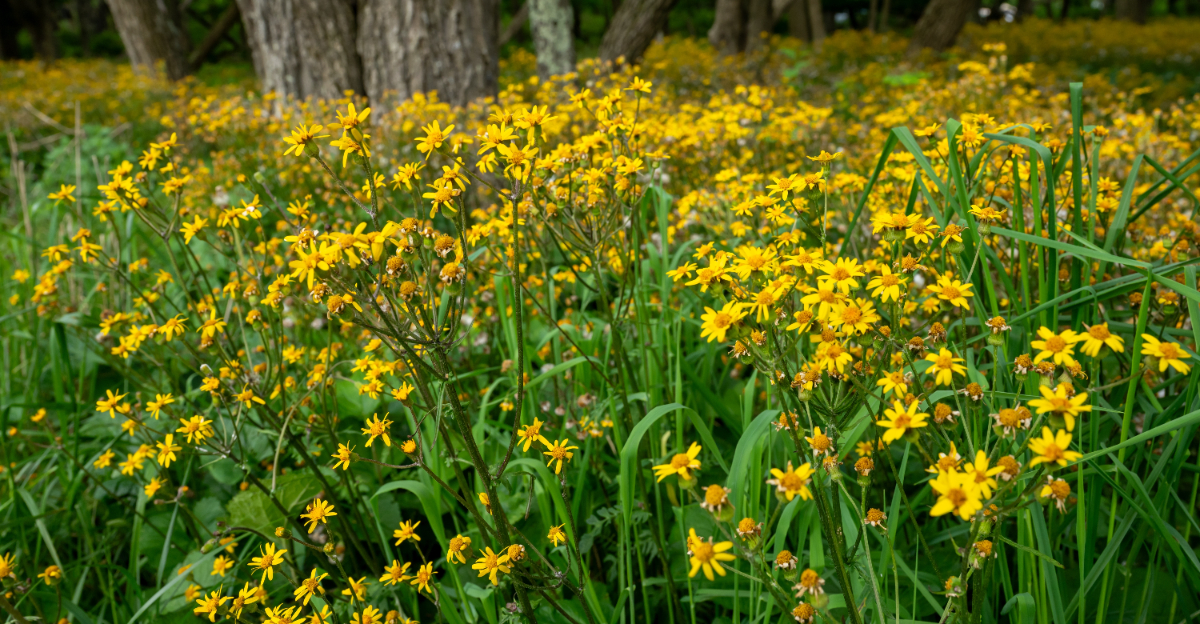
Golden ragwort is one of the most reliable native plants for damp, partially shaded spots in North Carolina, and it earns that reputation every spring.
Clusters of cheerful yellow, daisy-like flowers burst open above a mat of deep green, heart-shaped leaves, turning soggy borders into something genuinely pretty.
It grows in average to wet soils that should not fully dry out, which makes it perfectly suited for those consistently moist areas near woodland edges, drainage swales, or low-lying borders.
What sets golden ragwort apart from many other groundcovers is its ability to self-seed and colonize over time.
If you have a larger damp edge where you want a native plant to take charge and cover ground, this one will do it without much encouragement.
That spreading habit makes it especially useful for filling wide, shaded patches that would otherwise stay bare or weedy, which are exactly the kinds of spots that benefit most from a planted, managed surface.
Incorporating golden ragwort into a broader yard plan means pairing it with smart habits like removing excess leaf litter, trimming back overgrown brush, and keeping open paths clear.
It blooms even in fairly shady sites, adding seasonal interest when little else is flowering. Plant it in moist, organically rich soil and give it room to spread naturally.
Over a few seasons, a well-placed drift of golden ragwort can transform a neglected, damp corner into one of the most eye-catching spots in the yard.
6. Creeping Phlox
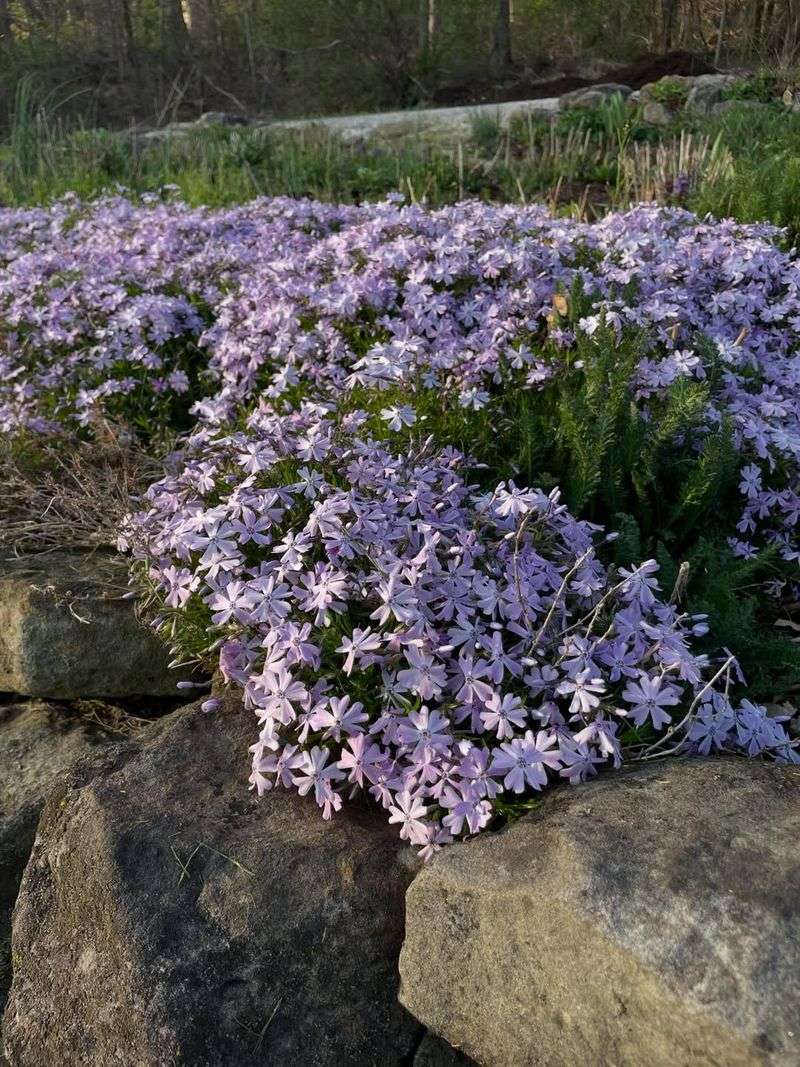
When creeping phlox blooms in spring, it is one of the most dramatic sights in a North Carolina garden.
A well-established mat absolutely covers itself in flowers, creating waves of pink, lavender, or white that spill over garden edges and along borders.
Beyond the beauty, creeping phlox is a practical groundcover that earns its place by forming a tight, weed-suppressing mat that keeps bare soil covered and tidy through the growing season.
It performs best in full sun to partial shade with moist, well-drained, slightly acidic soil. That last detail matters, because creeping phlox is not the right choice for deep shade or soggy ground.
If your shaded edge still catches some filtered light and drains reasonably well, though, it can thrive beautifully.
It spreads by leafy stems that root at the nodes, gradually building a solid mat over several seasons without becoming aggressive or hard to manage.
Using creeping phlox as part of a thoughtful yard plan means pairing it with regular maintenance like clearing tall grass, removing loose leaf piles, and keeping brush trimmed back from paths and seating areas.
Replacing messy bare patches with a planted mat removes the kind of cluttered, overgrown conditions that make shaded yard edges harder to enjoy.
Plant in well-prepared, slightly acidic soil and water consistently during the first season.
After that, creeping phlox is wonderfully low-maintenance, rewarding you each spring with a show that makes the whole yard feel well cared for.
7. Woodland Phlox
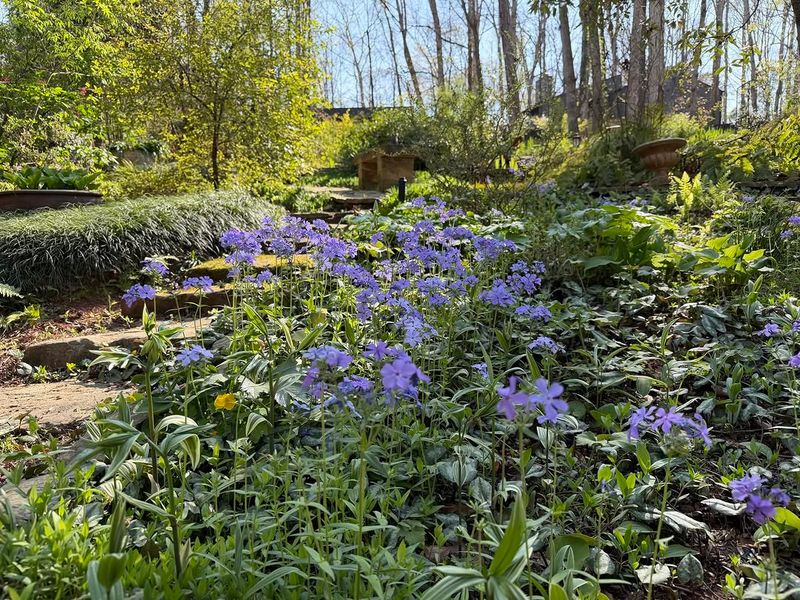
Soft lavender-blue flowers floating above a carpet of low green foliage, that is what woodland phlox brings to a shaded North Carolina border in spring.
Unlike its sun-loving cousin creeping phlox, this one genuinely prefers partial to full shade and moist, organic, well-drained soil, which makes it a natural fit for the kind of damp, tree-shaded edges that can be tricky to plant well.
It is a native wildflower that doubles as a groundcover, giving you seasonal flower interest along with reliable coverage.
Woodland phlox spreads gradually by creeping stems, slowly filling in gaps between larger plants and softening the look of shaded borders.
It pairs well with ferns, wild ginger, and foamflower in layered woodland plantings where you want a mix of textures and bloom times.
Gardeners who want a shaded edge to look planted and intentional rather than wild and overgrown will find woodland phlox earns its spot quickly.
Keeping the surrounding area tidy is just as important as the planting itself.
Removing excess leaf debris, trimming back encroaching brush, and maintaining clear paths are all part of a smarter yard routine.
Woodland phlox thrives in rich, humus-amended soil with consistent moisture, so adding compost at planting time gives it a strong start.
Once settled, it returns reliably each year, offering a beautiful flush of color that makes even the shadiest corner of your yard feel like a destination worth visiting.
8. Allegheny Spurge
Most North Carolina gardeners are familiar with Japanese pachysandra, the nonnative groundcover that shows up in practically every shaded bed in the neighborhood.
What many do not realize is that there is a native alternative with just as much evergreen appeal and far better ecological value.
Allegheny spurge, Pachysandra procumbens, is that plant, and it belongs in rich, woodland-style shade gardens across the state.
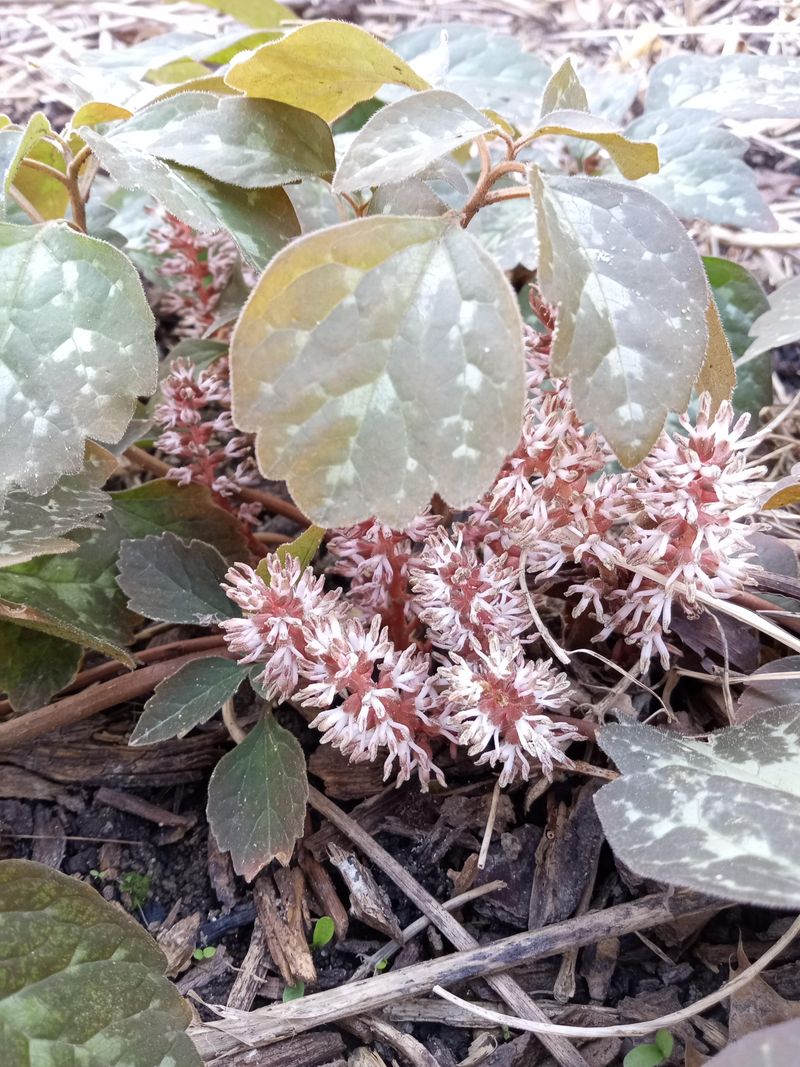
Its broad, mottled leaves create a low, attractive mat that looks right at home under mature trees and along shaded borders.
Unlike its nonnative counterpart, Allegheny spurge is not considered invasive, so you can plant it without worrying about it escaping into natural areas. There is one important note, though.
This plant is rare or even endangered in some parts of North Carolina, which means you should only buy nursery-propagated plants from reputable native plant sources.
Never collect it from the wild, and always ask where your plants were grown before purchasing.
In a well-managed yard, replacing nonnative or weedy groundcovers with Allegheny spurge is a meaningful upgrade.
Pair it with regular removal of leaf litter buildup, brush clearing near pathways, and consistent checks after outdoor time.
It thrives in moist, humus-rich, well-drained soil and appreciates a shaded spot with some protection from harsh afternoon sun.
Given the right conditions and a little patience, it builds into a refined, native planting that makes shaded corners feel both polished and ecologically purposeful.
9. Mountain Stonecrop
Stonecrops usually bring sun-drenched rock gardens to mind, but mountain stonecrop breaks that mold entirely.
Sedum ternatum is a shade-tolerant native that grows naturally in moist North Carolina forests, wooded ravines, coves, shaded rock outcrops, and along river banks.
It thrives in exactly the kind of cool, filtered-light conditions where most other stonecrops would struggle.
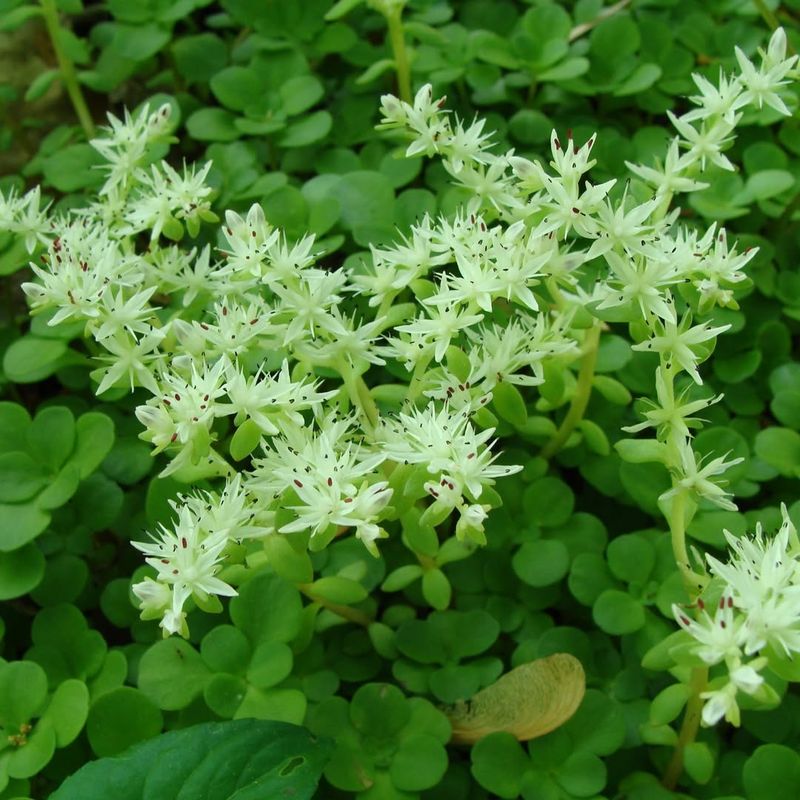
Its small, rounded leaves and delicate white spring flowers give it a quiet charm that suits woodland gardens beautifully.
What makes it particularly useful for shady, damp yard edges is its tolerance for both shade and consistent moisture, as long as the soil drains well.
It should not be planted where water sits for extended periods, because like most stonecrops it still needs air around its roots.
In spots that stay moist but drain after rain, though, it fills in nicely, covering ground that might otherwise stay bare or weedy.
Replacing bare, cluttered patches with a planted mat of mountain stonecrop is one part of a smarter overall approach to yard maintenance.
Combine it with clearing leaf debris from paths, trimming back overgrown vegetation near sitting areas, and staying consistent with outdoor checks after spending time in the garden.
Plant mountain stonecrop in well-drained, rocky or gritty soil amended with organic matter, and give it filtered to full shade.
It spreads at a gentle pace, eventually building a soft, layered mat that makes shaded corners look intentional, cared for, and genuinely native to the landscape.
10. Walter’s Violet
Violets have a way of making a garden feel both wild and welcoming at the same time.
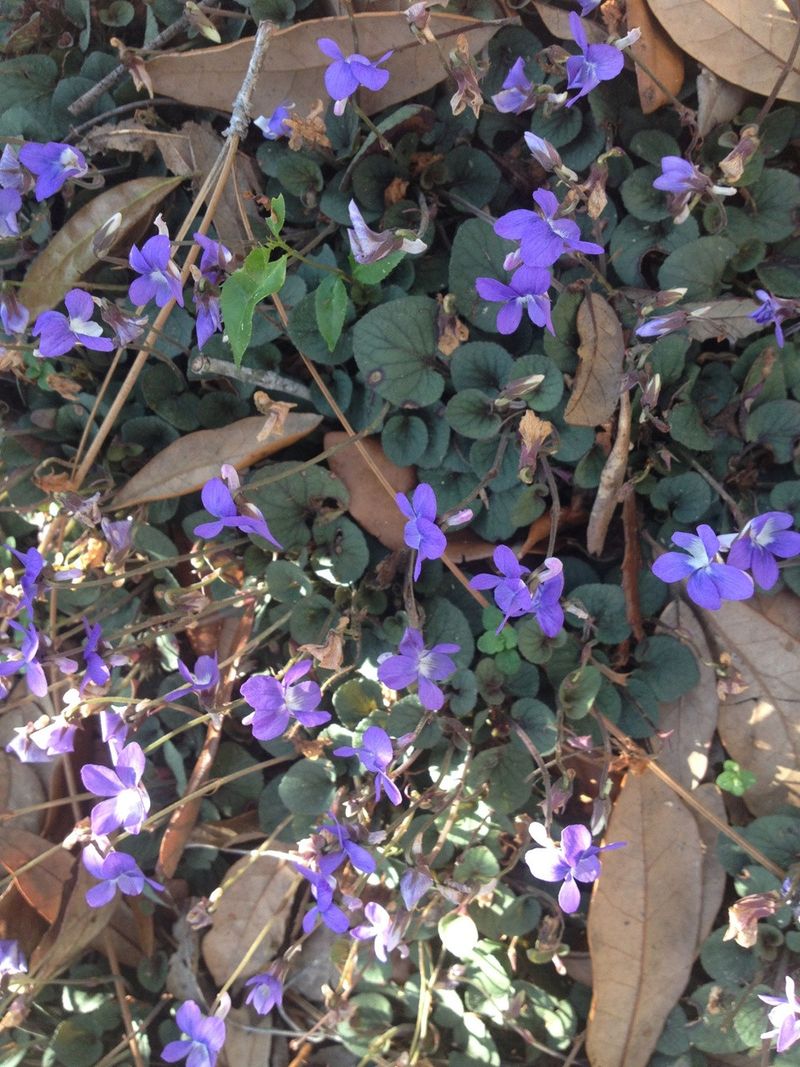
Walter’s violet, Viola walteri, is a low-growing native that brings that same relaxed charm to shaded North Carolina borders, spreading quietly by rhizomes and above-ground stems when conditions stay favorably moist.
It grows naturally in woodland settings and works beautifully as a gap-filler between larger plants, softening borders with its small, rounded leaves and delicate purple spring flowers.
One thing to keep in mind is that Walter’s violet is suited for moist, well-drained soil, not soggy or waterlogged ground.
It appreciates consistent moisture and shade but needs air around its roots just like most native woodland plants.
Planting it in spots that drain well after rain will keep it healthy and spreading steadily rather than struggling in overly wet conditions.
Its real value in a thoughtful yard plan is how it fills in the bare, weedy gaps along shaded borders that are otherwise difficult to manage.
Bare patches and loose debris are conditions worth addressing through a combination of planted groundcovers and regular maintenance habits.
Clearing brush near paths, removing excess leaf litter, and keeping the yard edges trimmed all work together with a planting like Walter’s violet to make shaded areas feel less neglected.
Plant it in humus-rich, slightly acidic soil with consistent shade, give it a season to establish, and it will quietly weave itself into a soft, lovely mat that makes every shaded corner look like it belongs there.