Do These 7 Things The Moment Your Michigan Eggplant Starts Setting Fruit
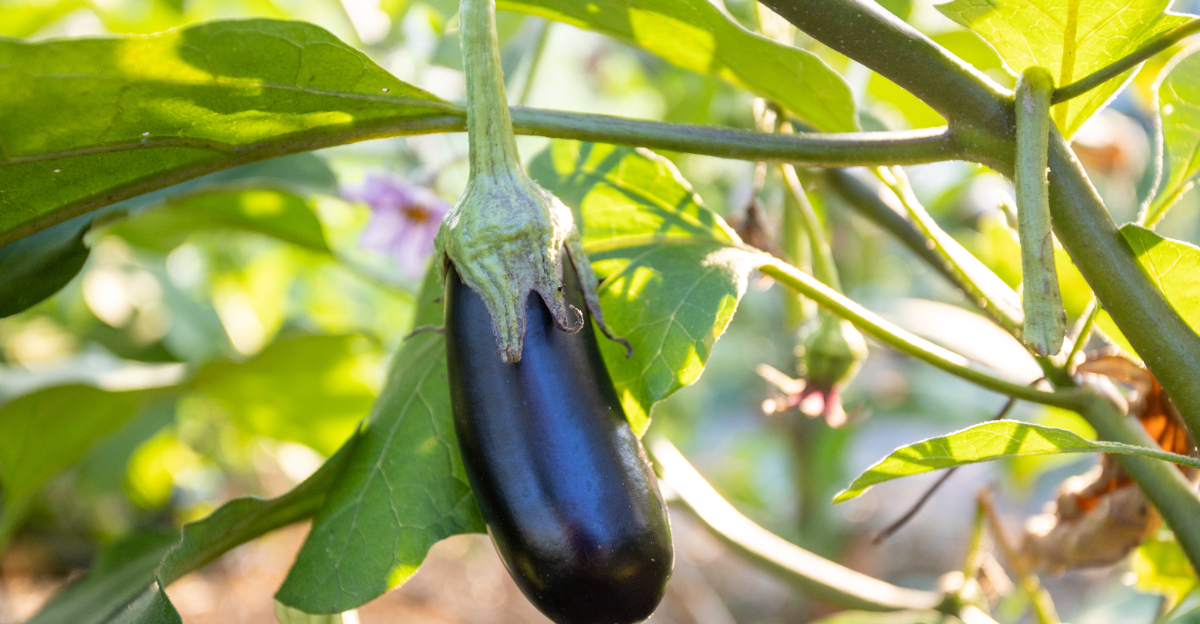
Eggplant is one of the more demanding crops in a Michigan garden, and the moment it transitions from flowering into active fruit set is when that demand becomes most critical to meet.
The warm season in Michigan is short enough that every week of productive fruiting matters, and what happens in the days immediately after fruit set begins determines how much of that window the plant actually uses effectively.
Eggplant is sensitive to inconsistency in ways that more forgiving vegetables simply are not, and the stress responses it shows during fruit development can shut down production quickly if the right conditions are not maintained.
Seven specific actions taken at this exact stage address the most common points of failure and give Michigan eggplant the best possible foundation for carrying a full and productive harvest through to the end of the season.
1. Keep The Plant Warm Through Cool Michigan Nights
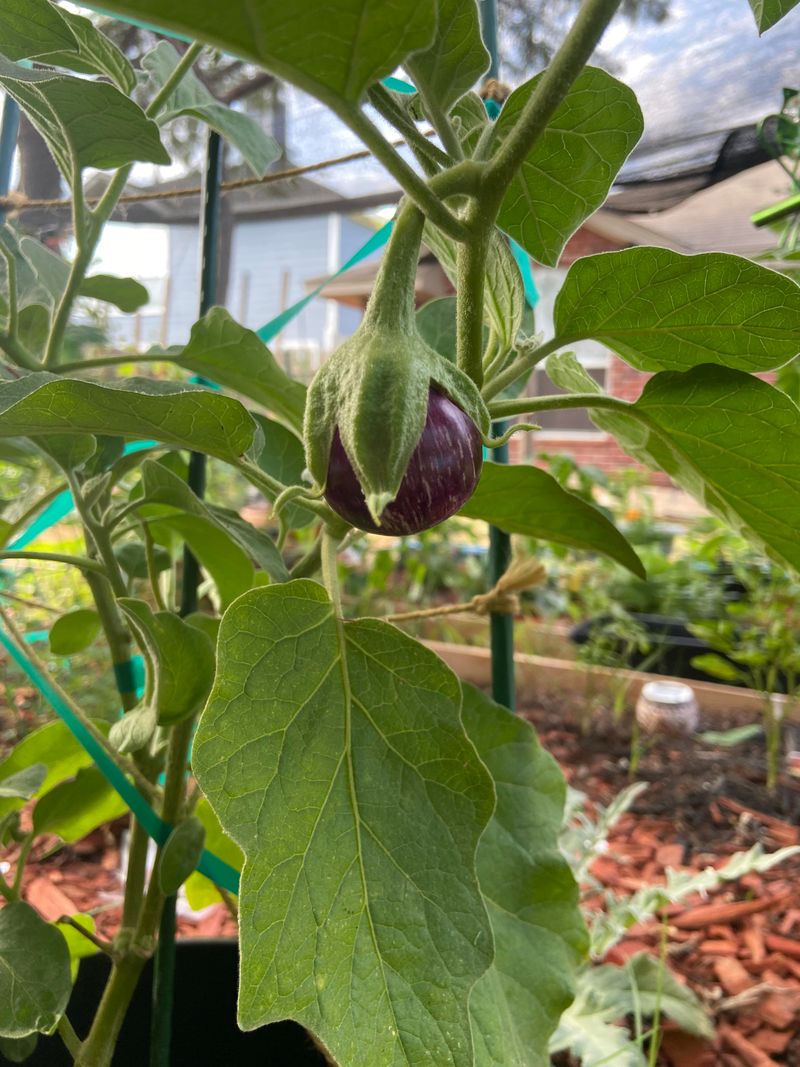
Anyone who has grown eggplant in Michigan knows the struggle of a chilly night undoing a whole week of warm-weather progress.
Eggplant is a heat-loving crop that truly thrives when temperatures stay consistently warm, and even a few cool nights can slow fruit development or cause flowers to drop before fruit fully sets.
Once your plant starts forming fruit, protecting that warmth becomes one of your top priorities.
A lightweight row cover draped over the plant on nights when temperatures dip below 55 degrees Fahrenheit works really well.
You want to remove or open it during the day so the plant does not overheat and so pollinators can still reach the flowers.
If your eggplant is in a container, moving it close to a south-facing wall can make a noticeable difference since walls absorb heat during the day and release it slowly at night.
Wind is another factor worth watching in Michigan gardens.
Cold wind pulls warmth away from plants much faster than still air does, so placing a simple windbreak made of burlap or garden fabric on the windward side helps a lot.
Raised beds also tend to stay warmer than in-ground beds because the soil heats up faster.
Keeping your fruiting eggplant in the warmest microclimate available in your yard is one of the simplest and most effective things you can do to support a strong harvest before the season winds down.
2. Switch To Deep Soil-Level Watering
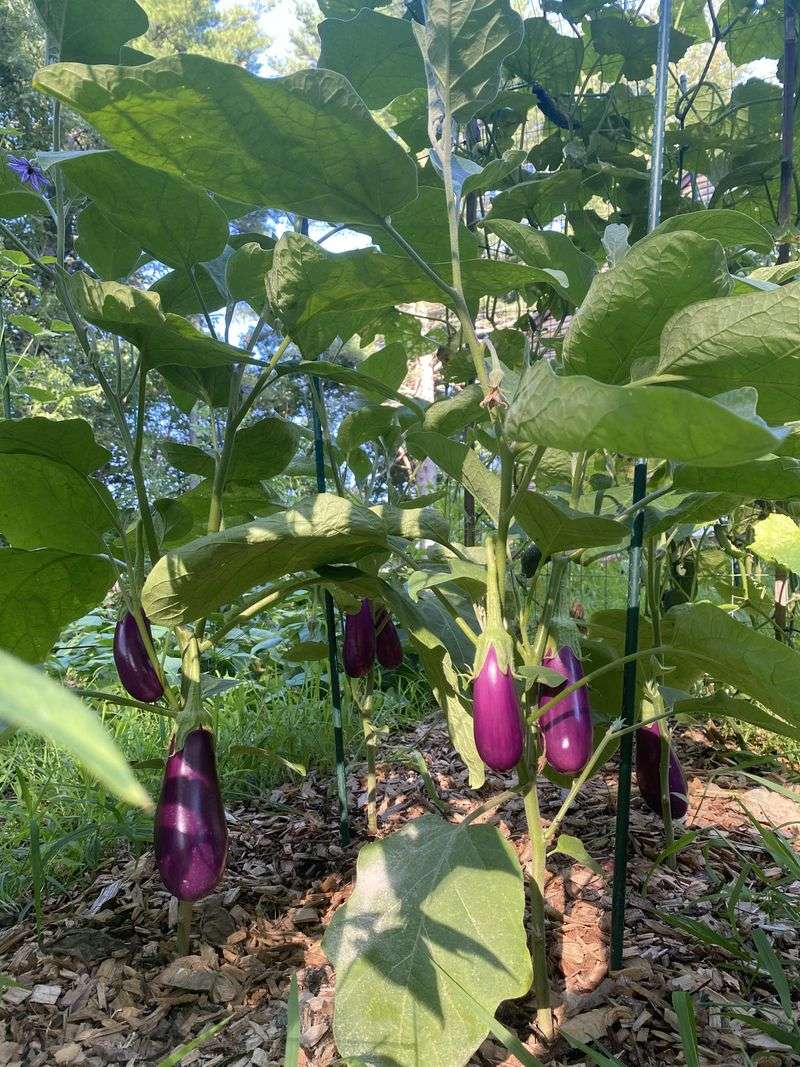
Water is everything once eggplant starts setting fruit, but how you water matters just as much as how often.
Shallow or overhead watering leaves the deeper root zone dry, and that inconsistency shows up fast in the quality of the fruit.
Eggplant that experiences uneven moisture can produce fruit with tough skin, poor texture, or a bitter aftertaste that no recipe can fix.
Drip irrigation is the gold standard for fruiting eggplant because it delivers water slowly and directly to the root zone without wetting the leaves.
Wet foliage invites fungal problems, especially in Michigan where humidity can already be high during midsummer.
A soaker hose looped around the base of the plant works just as well and costs very little to set up.
Your Michigan Garden Changes Every Week. Your Plan Should Too.
Gardening in Michigan changes quickly throughout the season. Every Friday you’ll receive a simple weekly plan showing exactly what to plant, prune, fertilize, harvest, and protect so you never miss the right timing.
If you are watering by hand, use a watering wand and aim right at the soil, keeping the stream slow and steady so water soaks in rather than runs off.
Aim to keep the soil evenly moist about six to eight inches deep. A simple way to check is to push your finger into the soil near the plant base. If it feels dry two inches down, it is time to water.
Most fruiting eggplants in Michigan need about one to two inches of water per week, more during hot and dry stretches.
Consistent moisture at the root zone directly supports better fruit size, smoother skin, and continued flower production all the way through the season.
3. Add Mulch To Hold Warmth And Moisture
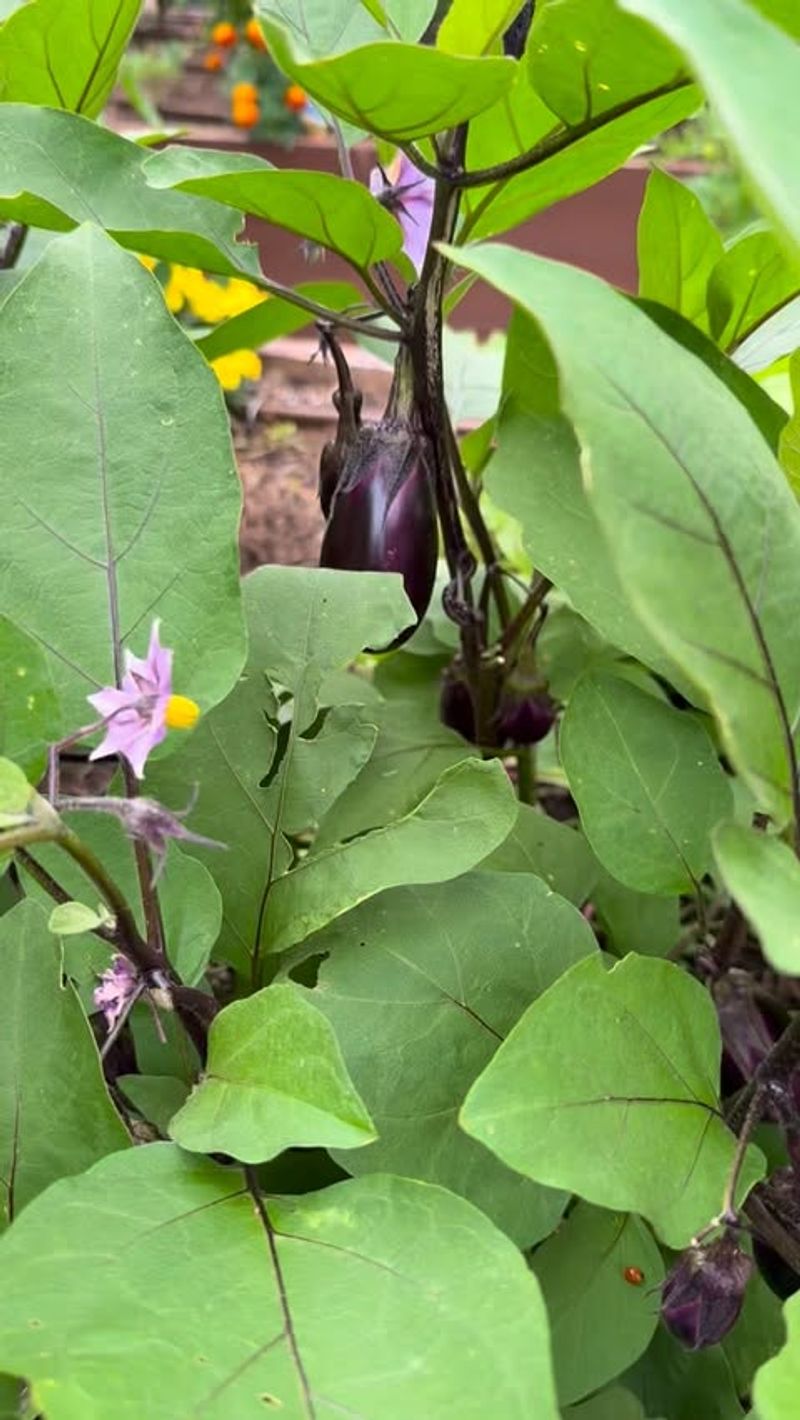
Mulch is one of those garden tools that quietly does a lot of heavy lifting, and fruiting eggplant is one of the crops that benefits from it the most.
In Michigan, where soil temperatures can swing between warm days and cool nights, a good layer of mulch acts like a blanket that keeps the root zone stable and comfortable.
Stable roots mean a more stable plant, and a more stable plant keeps setting fruit without interruption.
If you used black plastic mulch earlier in the season, that was a smart move because it helped warm the soil quickly in spring when eggplant needs every degree it can get.
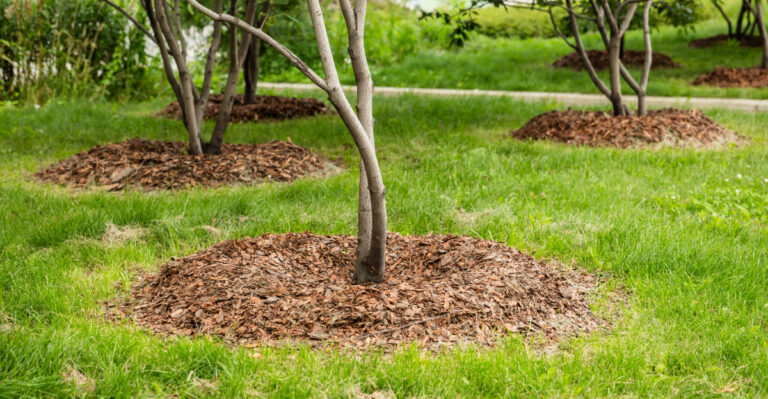
Once midsummer arrives and the soil is already warm, organic options like straw or shredded leaves work beautifully.
Apply a layer about two to three inches thick, keeping it a few inches away from the main stem so moisture does not build up against the base and cause rot.
Beyond temperature, mulch also cuts down on weeds that compete with your eggplant for water and nutrients.
Fewer weeds mean less stress on the plant, and a less stressed plant puts its energy into growing fruit rather than fighting for resources.
Mulch also reduces how often you need to water because it slows evaporation from the soil surface significantly.
For Michigan gardeners working through a short growing season, every advantage counts, and mulching at the right time is one of the easiest wins you can give your eggplant.
4. Support Heavy Stems Before Fruit Gets Bigger
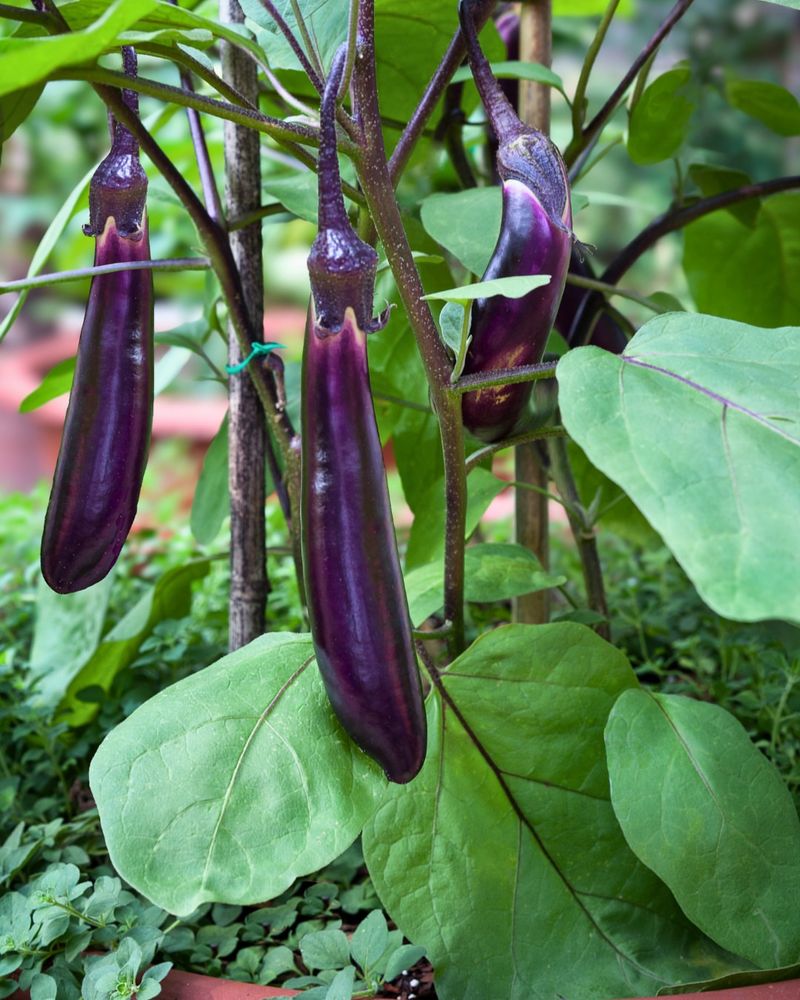
Here is something that catches a lot of new eggplant growers off guard: those stems look sturdy until they are not.
Once fruit starts developing and gaining weight, even a healthy-looking stem can begin to lean, bend, or crack under the pressure.
Getting support in place early, before the fruit grows heavy, is one of the best ways to protect both the plant and the harvest you have been working toward all season.
A simple wooden stake pushed firmly into the soil about four to six inches from the main stem works well for most varieties.
Tie the stem loosely to the stake using soft plant ties, strips of old cotton fabric, or even strips cut from pantyhose. The tie should hold the stem gently without cutting into it as the plant grows.
For larger or multi-stemmed varieties, a small tomato cage placed around the plant early on gives support from multiple directions without requiring constant adjustment. Container gardeners should not skip this step either.
Pots on patios or decks are often in windier spots, which adds extra stress to stems that are already carrying developing fruit.
A stake pushed down into the container soil works just fine, and it keeps the whole plant from tipping over on a breezy Michigan afternoon.
Checking your ties every week or so is a good habit because stems grow fast during fruiting season.
Loose ties can be snugged up gently, and any branches that are starting to lean can be redirected before they become a problem.
5. Feed Carefully Without Pushing Too Much Leaf Growth
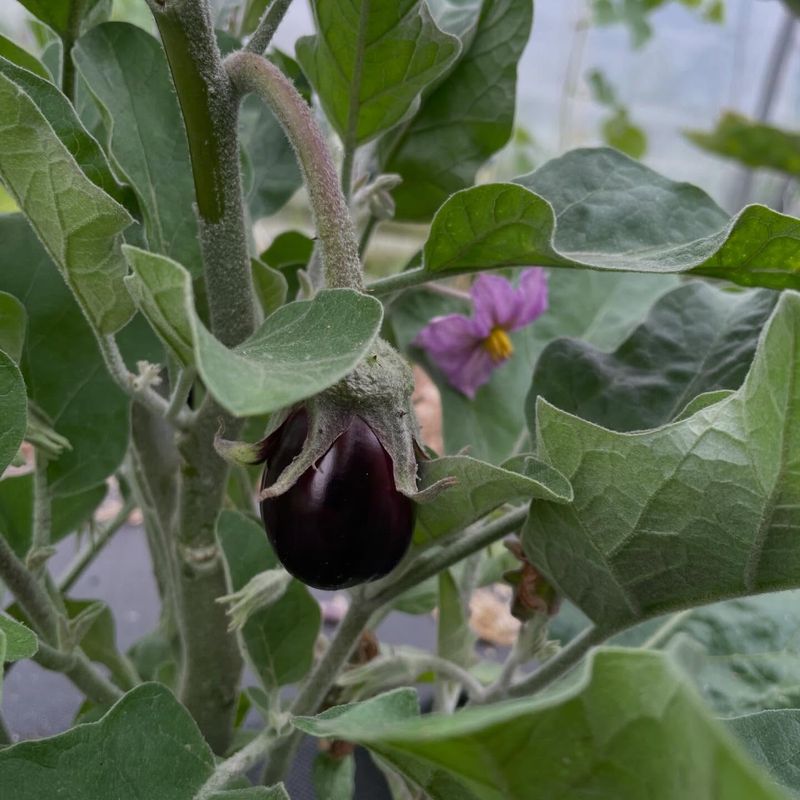
Feeding your eggplant at the right time with the right product can make a real difference in how many fruits you end up harvesting, but getting it wrong can send your plant in the wrong direction fast.
The tricky part is that eggplant does need nutrients to support developing fruit, but too much of the wrong kind can push the plant into producing a big flush of leafy growth instead of focusing its energy on the fruit already forming.
Nitrogen is the nutrient most likely to cause that leafy overgrowth problem. When plants get too much nitrogen during the fruiting stage, they respond by pumping out new leaves and shoots rather than maturing the fruit already on the plant.
A balanced vegetable fertilizer with roughly equal numbers for nitrogen, phosphorus, and potassium is a much better choice at this stage than a high-nitrogen product.
Compost worked gently into the soil around the plant is another excellent option because it releases nutrients slowly and steadily rather than all at once.
If you grow eggplant in containers, raised beds, or sandy Michigan soil, feeding becomes especially important because nutrients leach out of those growing environments faster than they do in heavier garden soil.
A soil test from your local Michigan State University Extension office can take the guesswork out of what your soil actually needs.
Feeding every two to three weeks with a balanced product during the fruiting period, rather than applying large amounts at once, gives your eggplant a steady supply without the risk of overdoing it.
6. Scout For Flea Beetles And Leaf Feeding Marks
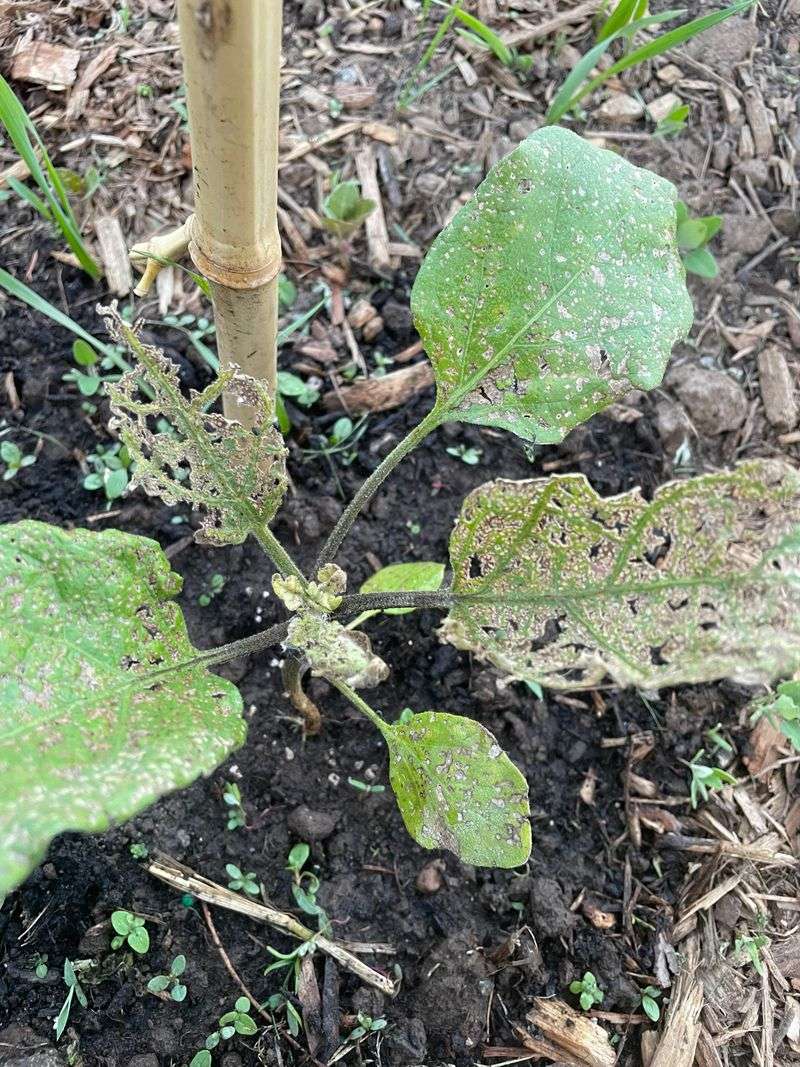
Flea beetles are one of the most common pest problems Michigan eggplant growers face, and they do not slow down just because your plant has started setting fruit.
These tiny, fast-jumping insects chew small round or irregular holes through the leaves, and while a few holes here and there might not seem like a big deal, heavy feeding can seriously weaken the plant and reduce fruit production.
Catching the problem early gives you the best chance to manage it before real damage is done.
Get into the habit of flipping leaves over and looking closely at both the top and underside every few days once fruiting begins.
You are looking for the beetles themselves, which are very small and dark and jump quickly when disturbed, as well as the characteristic shotgun-hole pattern of feeding damage.
Weak or stunted new growth is another sign that flea beetles are present in higher numbers than the plant can handle comfortably.
The good news is that healthy, well-watered plants can tolerate moderate flea beetle feeding without losing significant fruit production.
Keeping the area around your eggplant free of weeds removes hiding spots and egg-laying sites that flea beetles prefer.
Row cover can also protect young plants, though you will need to remove it once flowers appear for pollination.
If damage becomes severe and you decide a product is necessary, always read the label carefully and follow directions completely.
Choosing the right timing and product protects your harvest while also protecting the beneficial insects that help your garden thrive.
7. Harvest Glossy Fruit While It Is Still Tender
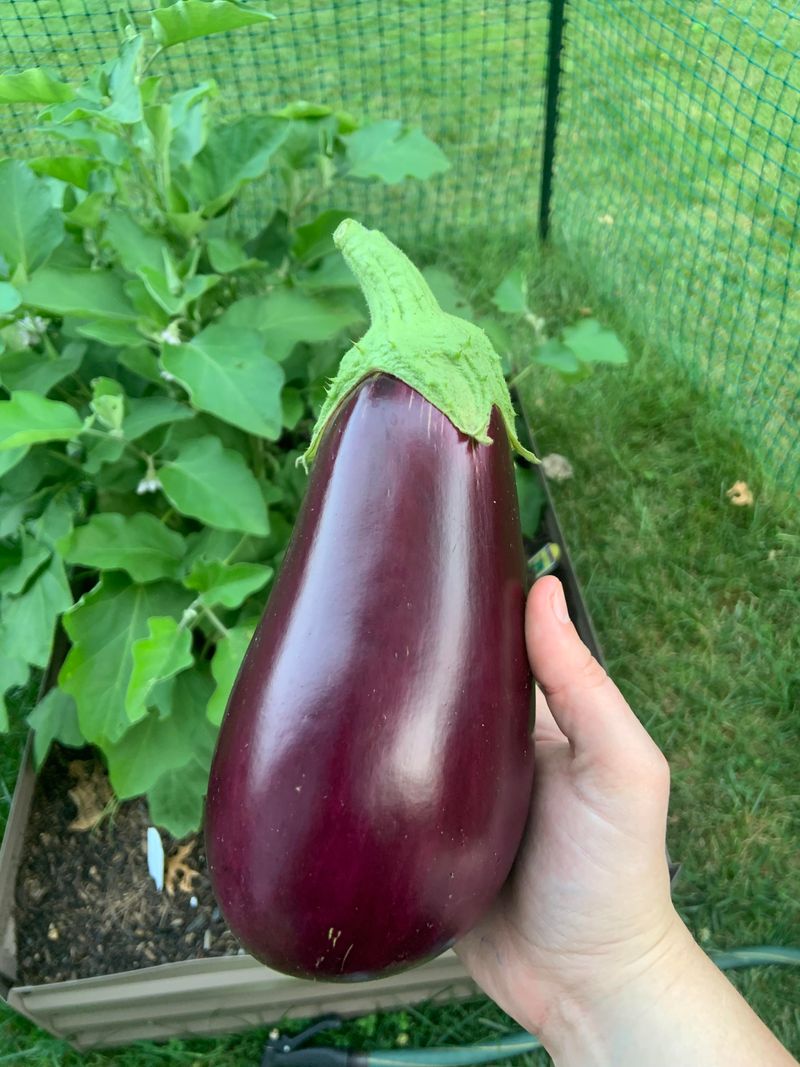
Picking your eggplant at exactly the right moment is one of the most satisfying parts of growing this crop, and it is also one of the most important steps for keeping the plant productive all season long.
The biggest clue that an eggplant is ready is the skin. When the fruit is glossy, smooth, and deeply colored, it is at its peak.
Once the skin starts to look dull or the color begins to fade, the fruit has passed its best window and the seeds inside will be harder and more bitter.
Press the fruit gently with your thumb. If the skin springs back, the eggplant is ready to pick. If it stays dented, it has gone a little past its prime.
Most Michigan varieties are best harvested when they are about two-thirds to three-quarters of their expected full size rather than waiting for them to grow as large as possible.
Smaller, younger fruit tends to be more tender, less seedy, and much better tasting than fruit left on the plant too long.
Always use clean pruners or a sharp harvest knife rather than pulling or twisting the fruit off the stem.
Eggplant stems are surprisingly tough and woody, and forcing the fruit off by hand can damage nearby branches or loosen the whole plant in the soil.
Cutting clean and close to the stem is the right approach every time.
Regular harvesting signals the plant to keep producing new flowers and fruit, which means the more often you pick, the more you get throughout the rest of the Michigan growing season.