Florida Nurseries That Carry Native Edible Plants Most Garden Centers Never Stock
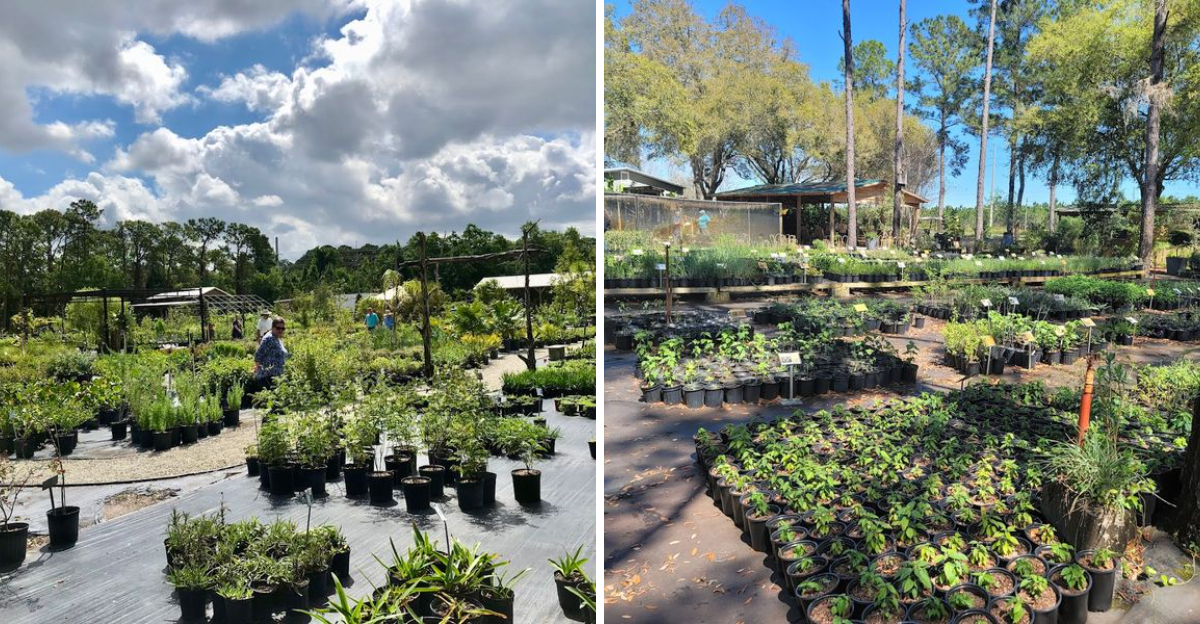
Most garden centers carry the same edible plants in the same rotation. Tomatoes, peppers, basil, a few herbs, and whatever fruit trees moved well last season.
Walk in knowing what you are looking for and walk out with something that belongs in any yard anywhere in the country. Nothing specific to our state.
Nothing that actually belongs here. The nurseries worth seeking out operate differently.
They stock native edibles that most Florida gardeners have never seen offered for sale.
These plants have a long history in this landscape but disappeared from the mainstream market decades ago and never quite made it back.
Finding these nurseries used to mean knowing the right people. That circle has widened, and a handful of Florida operations have built real reputations around stocking what nobody else carries.
For gardeners who want to grow food that actually belongs in a Florida yard, this is where that search starts.
1. Florida Native Plants Nursery Carries Native Edibles Most Garden Centers Skip
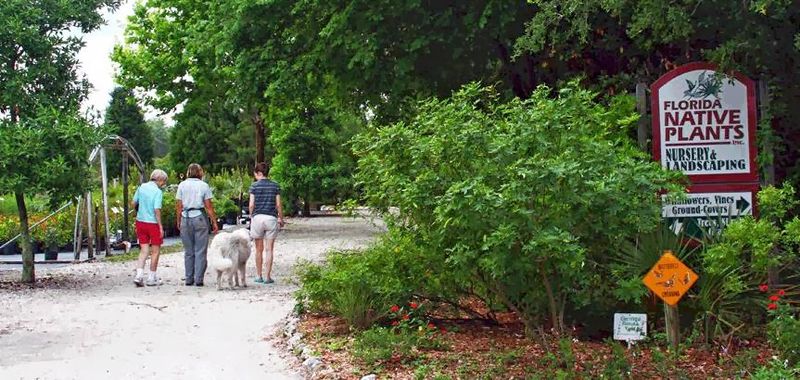
A shopper tired of browsing the same citrus trees and boxed herbs at big-box stores might find a refreshing change at Florida Native Plants Nursery in Sarasota.
Located at 730 Myakka Road, this nursery focuses on native, Florida-friendly, and edible plants suited to local conditions.
It is known for growing plants from organic seeds and avoiding synthetic fertilizers, pesticides, and herbicides in edible areas. That matters to gardeners who want clean, responsibly grown stock.
Native edible options worth asking about include plants like native beautyberry, wild lime, and other region-appropriate species. Availability shifts with the season and propagation cycle.
Always ask for the scientific name of any plant labeled as edible. Confirm which parts are safe to use and check with UF/IFAS Extension or another reliable source before consuming anything from a new plant.
Call ahead before making the drive from anywhere outside the immediate Sarasota area. Ask what native edibles are currently in stock, what sun and soil conditions each plant needs, and whether the species suits your specific yard.
This nursery can be a strong lead for gardeners who want edible native plants that go well beyond what most standard garden centers ever carry. Bring a plant list and questions ready when you visit.
2. Edible Landscapes Is Worth Checking For Native Food-Garden Plants
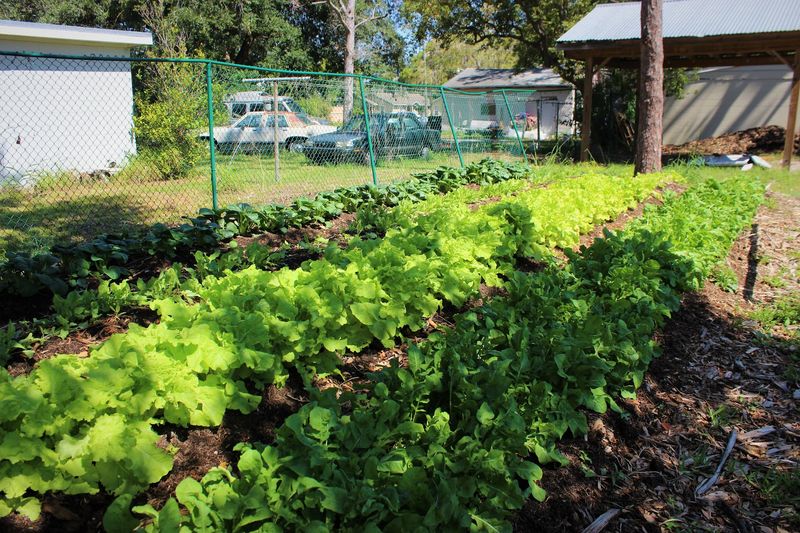
Not every great source for native edibles looks like a traditional retail nursery. Edible Landscapes at 1030 Kaley Ave, Orlando, FL 32805, operates with a different model.
It focuses on edible landscaping education, food-forest thinking, and plant access that may include native edible options. Shoppers interested in building a home food garden with native plants should reach out before visiting.
Hours, plant-sale access, and current inventory must be confirmed directly with the operation.
This source may be especially rewarding for gardeners who want more than just a plant. Learning how edible landscapes work can make a visit here more useful than a standard nursery trip.
You can also ask which natives fit a food-forest layer and which plants serve both wildlife and people. Ask specifically which plants are native to this state and which are non-native edibles, since the two categories are not the same thing.
Your Florida Garden Changes Every Week. Your Plan Should Too.
Gardening in Florida changes quickly throughout the season. Every Friday you’ll receive a simple weekly plan showing exactly what to plant, prune, fertilize, harvest, and protect so you never miss the right timing.
Before heading out, call or message ahead to confirm whether plant sales are currently available. Also ask what appointment or scheduling requirements apply, and what native edibles may be on hand.
Ask for scientific names on anything labeled native or edible. Verify edible use and plant safety through UF/IFAS or county Extension resources before eating any plant part.
This source is worth checking for gardeners who want unusual food plants and a more layered approach to edible yard design.
3. GreenDreams Blends Edible, Medicinal, And Native Plant Offerings
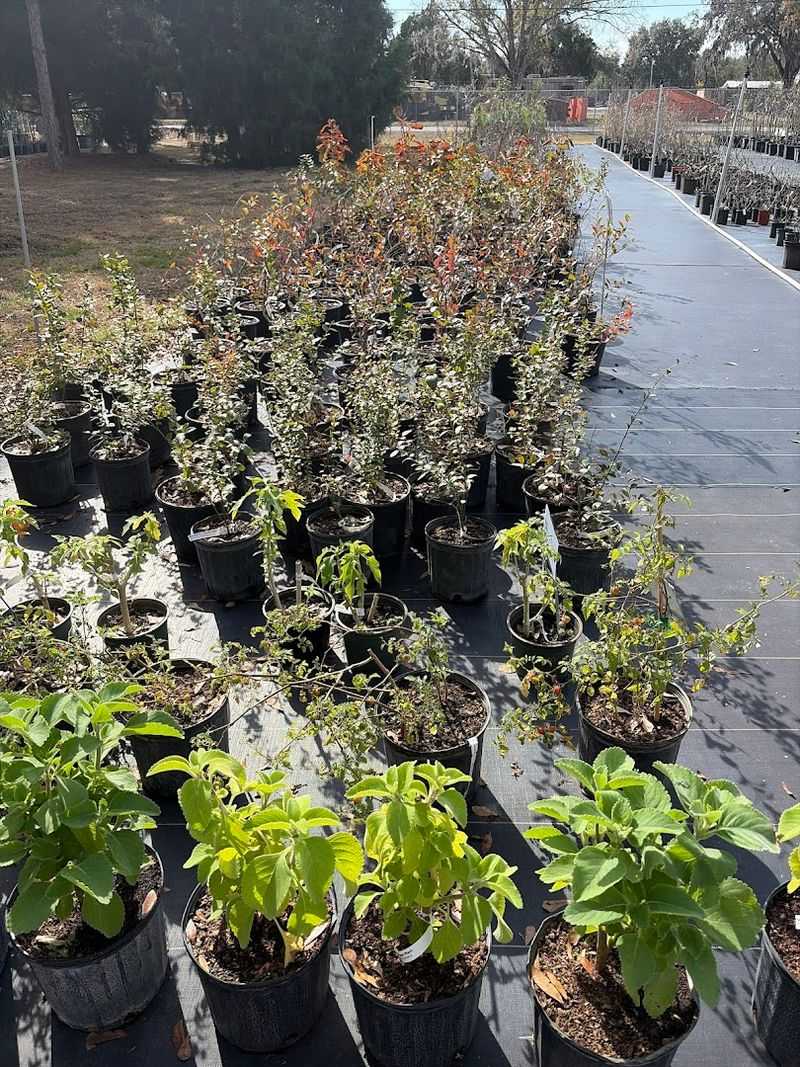
Walking into GreenDreams in Spring Hill feels like stepping into a layered food forest in progress. Located at 18709 US Hwy 41, this nursery blends edible, medicinal, permaculture, and native plant interests under one roof.
That combination makes it worth a visit for gardeners who want more than a basic edible plant selection. It also means shoppers need to ask careful questions to separate native plants from non-native edibles.
Not every edible plant at GreenDreams is native to this state, and not every native plant there is edible for people. Ask specifically for native edible plants, and always request the scientific name before buying.
Cross-check edible use and safety with UF/IFAS Extension or another reliable botanical source. Some plants sold at nurseries with edible or medicinal labels may have only certain safe parts, require preparation, or be better suited for wildlife than for human use.
GreenDreams offers nationwide shipping, which can be useful for gardeners who cannot make the drive to Spring Hill. For those who can visit in person, it can be a rewarding stop on a native plant road trip through central regions.
Call ahead for current native edible stock, confirm which plants suit your region and site conditions, and bring a prepared list of species you are searching for. Inventory shifts with season and propagation cycles, so timing matters.
4. Green Isle Gardens Is Worth Calling For Upland Native Edibles
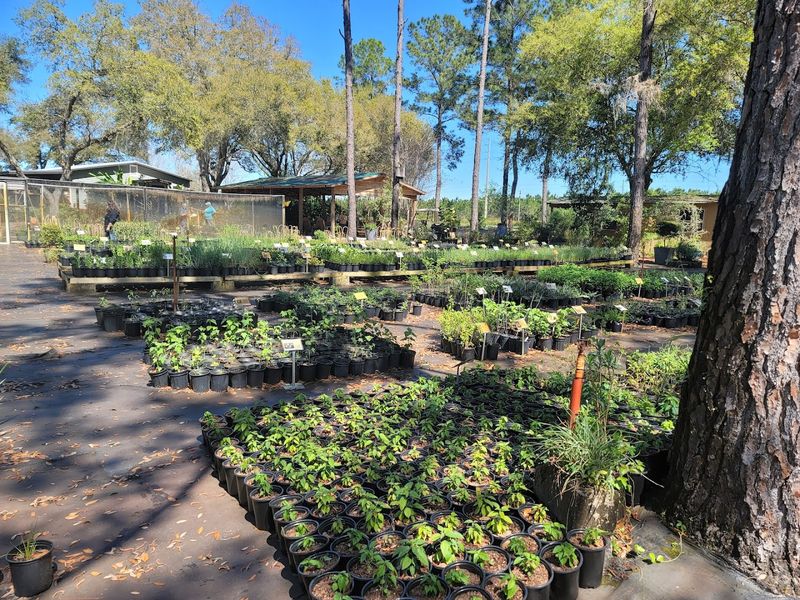
Gardeners searching for upland native plants in central regions have a reason to put Green Isle Gardens on their call list. Located at 11303 Florida 33 in Groveland, this nursery focuses on native plants suited to local habitats and conditions.
For shoppers specifically hunting native edibles, it is worth calling to ask what may be available. This is a native plant nursery rather than a dedicated edible-native specialist.
Species worth asking about include native blueberries, gopher apple, wild lime, pawpaw, and prickly pear. Only request plants that are appropriate for your specific region and site.
Native blueberries, for example, include several species with different soil and habitat needs, and not all of them suit every yard.
Always ask for the scientific name, confirm regional suitability, and check whether the plant fits your sun exposure and soil type before purchasing.
Availability at native plant nurseries like this one changes with propagation cycles and seasons. A plant that was in stock last spring may not be available this fall.
Calling ahead saves time and helps you plan a more productive trip. Ask about mature plant size, wildlife value, and which parts are considered edible by reliable sources.
Verify any edible use through UF/IFAS or county Extension before consuming any plant part from a newly purchased species.
5. Chiappini Farm Native Nursery Gives Northern Gardeners A Deep Native Bench
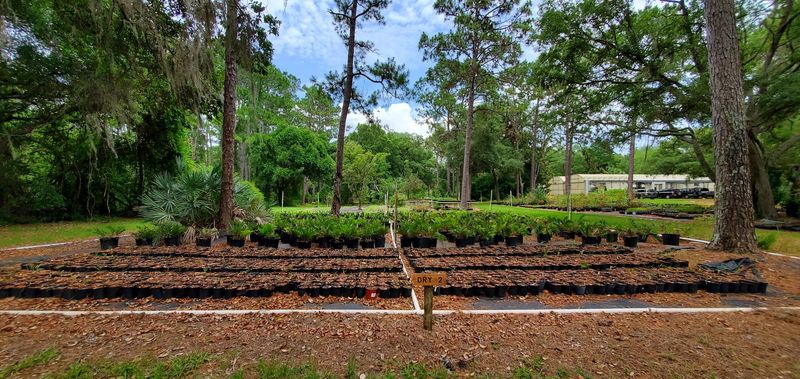
For gardeners in the northern regions of this state, finding a nursery with a broad native plant selection can feel like striking gold. Chiappini Farm Native Nursery in Hawthorne is located at 150 Chiappini Farm Road.
It offers a wide native plant bench that may include edible native options depending on the season. Northern-region gardeners often need different native edible species than shoppers in warmer coastal or southern areas.
Regional fit matters here more than anywhere else.
Plants suited to northern regions may include species like native blueberries, pawpaw, and other cold-tolerant native edibles. Availability is not guaranteed at any given time.
Call before making the drive, and ask specifically which native edibles are currently propagated and available.
Request scientific names for every plant labeled edible, and confirm that the species is native to this part of the state rather than another region entirely.
Propagation cycles and seasonal demand shape inventory at native nurseries like this one. A species that was plentiful in spring may be sold out by summer.
Chiappini Farm can be a strong resource for gardeners building habitat gardens, food forests, or wildlife-friendly yards in the northern regions. Verify edible parts and safe use through UF/IFAS Extension before consuming anything new.
Bring a plant wish list and a flexible mindset when you visit.
6. Wilcox Nursery Helps Tampa Bay Gardeners Track Down Native Edibles
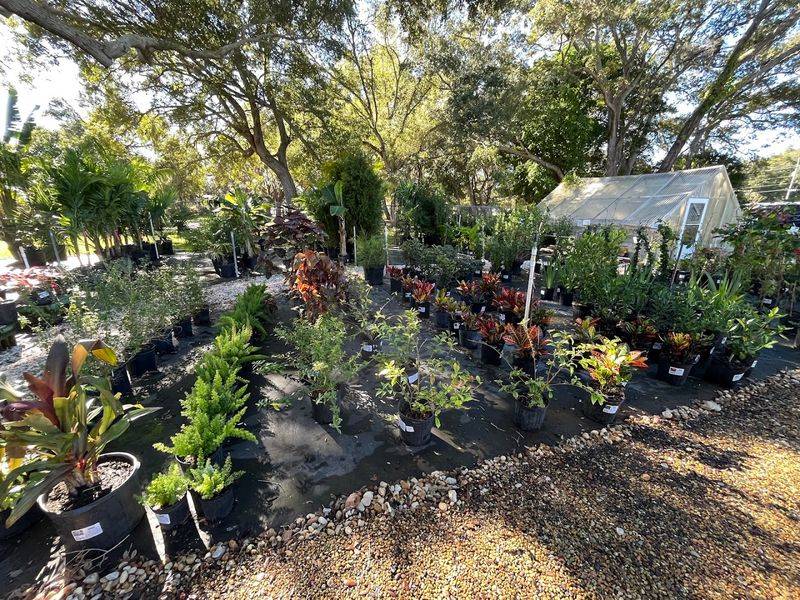
Tampa Bay gardeners who have struck out at standard garden centers looking for native edibles have a solid reason to check Wilcox Nursery in Largo.
Located at 12501 Indian Rocks Road, this nursery carries native plants and less common species that go well beyond the usual garden-center fare.
For shoppers specifically searching for native edibles, calling ahead for current stock is the smartest first step before making the trip across the bay.
One thing a knowledgeable native nursery can help with is avoiding a common mistake: confusing native edible plants with non-native edible ornamentals.
Both may appear on the same table at some retailers, but they are very different in terms of regional value, habitat support, and ecological fit.
Asking for the scientific name before buying any plant labeled as native or edible is a habit worth building every time you shop.
Wilcox Nursery has a reputation for helpful staff who know their inventory, which makes it easier to ask the right questions. Find out whether a plant is native to this specific region and what site conditions it needs.
Also ask how large it grows at maturity and which parts are considered edible by reliable sources. Verify safe use through UF/IFAS or county Extension resources.
Inventory changes with the season, so a quick call before visiting saves time and keeps expectations realistic.
7. Sweet Bay Nursery Is Worth Checking For Wildlife-Friendly Native Edibles
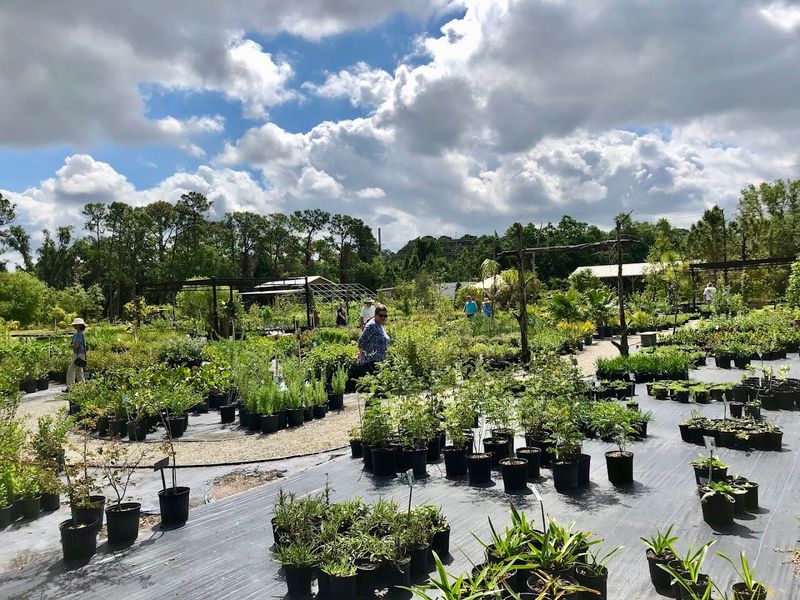
Some of the most interesting native edibles for home landscapes are also the ones that birds and wildlife love most. Sweet Bay Nursery in Parrish is located at 10824 Erie Road in Manatee County.
It is known for native and wildlife-friendly plantings, which naturally overlaps with native edible plants that benefit both people and wildlife.
That overlap makes it worth checking for gardeners who want a yard that feeds both the household and the local ecosystem.
Before assuming a bird-friendly fruiting plant is also safe for people, ask the nursery directly. Some native plants with berries or fruits are valuable wildlife food but are not recommended for human consumption, or may have only specific edible parts.
Ask which plants are edible for people, which are primarily wildlife plants, and which parts are considered safe to use. Always verify through UF/IFAS Extension or a reliable botanical source before eating any plant part.
Call Sweet Bay Nursery ahead of your visit to check current native edible inventory, since stock changes with season and availability. Ask for scientific names on any plant you plan to use as food.
Confirm mature plant size, sun and soil requirements, and whether the species suits your specific yard conditions.
This nursery can be a rewarding stop for Manatee and Sarasota area gardeners who want native plants with real ecological and edible value in the home landscape.
8. Native Choice Helps Southern Gardeners Find Regional Native Edibles
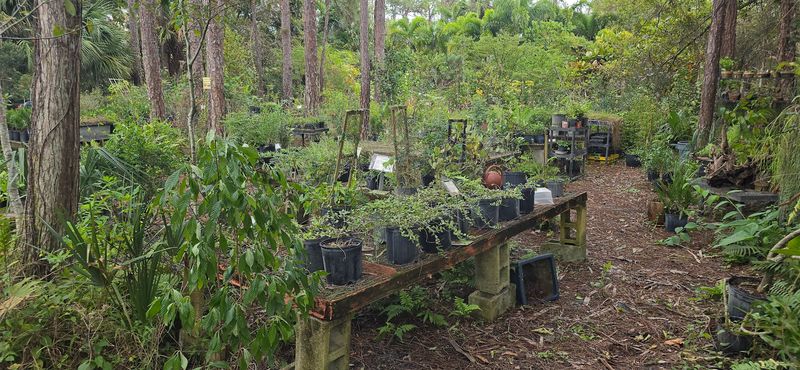
Southern-region gardeners face a unique challenge when searching for native edibles. Plants that suit warm coastal climates, sandy soils, and high humidity are often completely different from what works in central or northern regions.
Native Choice in Loxahatchee Groves is located at 1162 Hyde Park Road. It is a regional option worth checking for shoppers in Palm Beach and surrounding counties who want native plants suited to warm southern conditions.
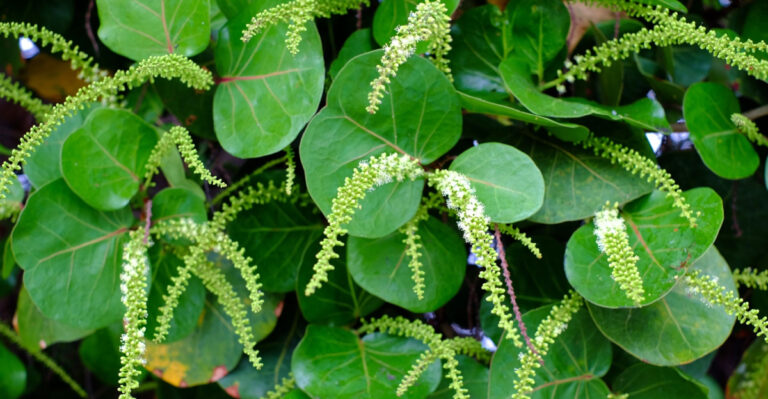
Species worth asking about may include cocoplum, Simpson’s stopper, seagrape, and wild lime. All are native to southern regions and offer edible or wildlife value.
Cocoplum fruits are edible and enjoyed by both people and wildlife. Seagrape produces clusters of fruit used in jellies.
Simpson’s stopper offers small edible berries valued by birds. Always ask for the scientific name, confirm native status for your specific region, and verify edible use through UF/IFAS Extension before consuming any plant part.
Cold sensitivity is a real consideration for some southern-region native edibles, especially in yards that occasionally see unusual cold snaps. Ask the nursery about cold tolerance, mature plant size, and site requirements before purchasing.
Call ahead to confirm current native edible inventory, since availability shifts with propagation cycles and season. Native Choice can be a strong regional lead for southern gardeners building food forests or coastal edible landscapes.
It also suits wildlife-friendly yards with native plants at the center.