The Toxic Shrub Growing In Florida Yards That Most Homeowners Mistake For A Hedge
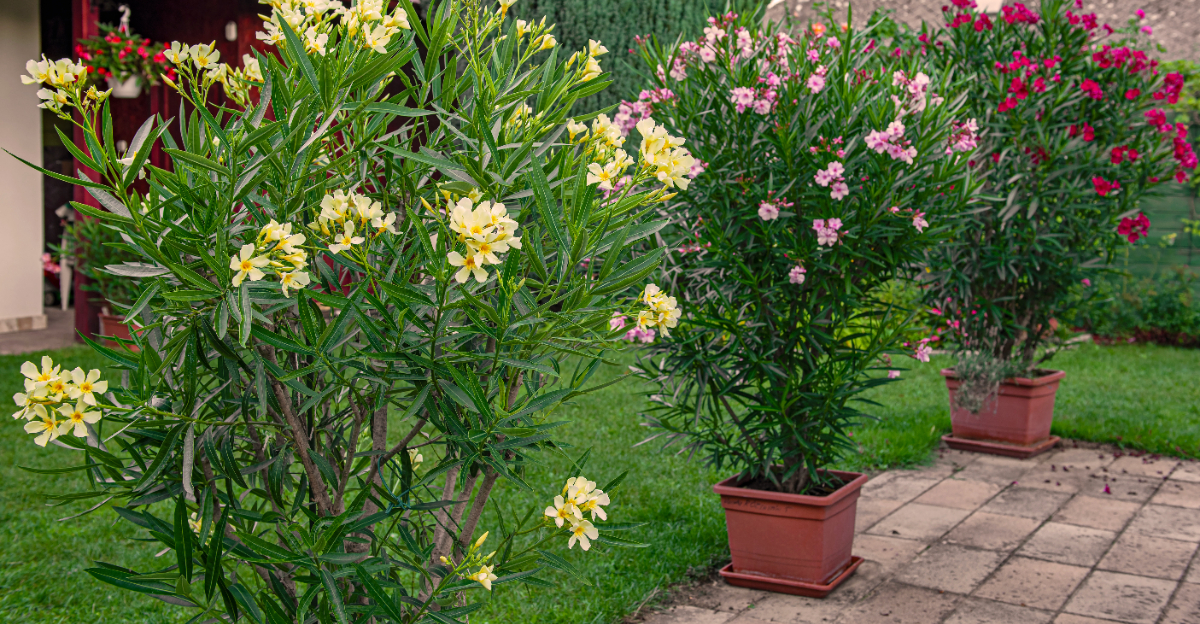
It lines driveways, borders pools, frames entryways, and shows up in Florida landscapes so consistently that most people assume it must be completely safe. It blooms beautifully.
It tolerates heat, salt, and drought without complaint. From a distance it looks like exactly the kind of low-maintenance hedge a Florida yard needs.
Up close, the story is different. Every part of this shrub is toxic.
Not mildly irritating, not something to keep away from small children as a precaution. It is seriously toxic to people, pets, and livestock.
That makes its widespread presence in residential Florida yards a genuine concern that does not get nearly enough attention. Most homeowners who have it never knew what they were actually planting.
It came with the house, or a landscaper put it in, or it looked right at the nursery without anyone mentioning what it actually is. That changes right now.
1. Oleander Looks Like A Regular Hedge Until You Know The Risk
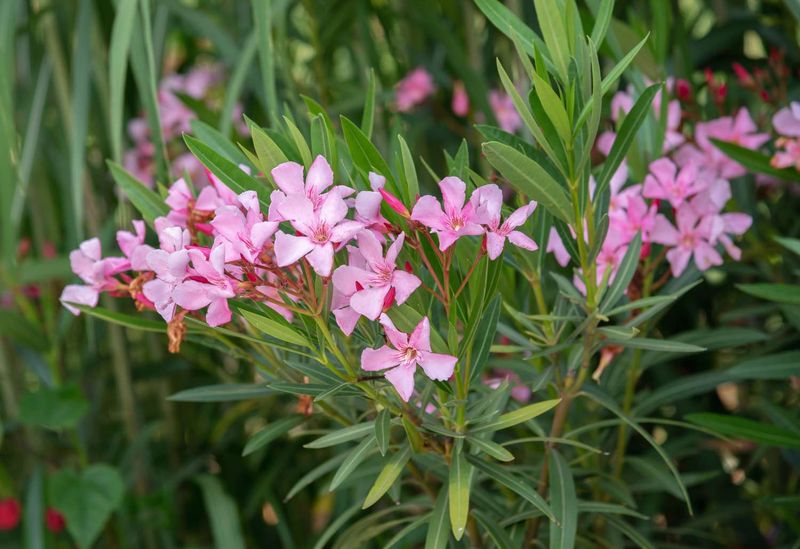
A pink-flowering hedge along a Florida neighborhood fence can look completely harmless on a sunny afternoon. Oleander pulls off that look very convincingly.
It grows upright, fills in thickly, and holds its dark green leaves year-round. That makes it a natural choice for homeowners who want a dense privacy screen without much fuss.
Nerium oleander is the full scientific name. It is a Mediterranean native that has been widely planted across warm regions for generations.
Flower colors include pink, white, red, and yellow, depending on the variety. The blooms are showy and the foliage stays lush even through summer heat, which explains why so many people reach for it when planning a screen or border.
Its hedge-like shape is exactly what makes it easy to overlook. When a shrub looks familiar and grows the way you expect a hedge to grow, it is natural to treat it like one.
Routine trimming, bare hands, and clippings left on the ground can all become avoidable problems. Branches near a patio or pet area can also create concern once you know what you are working with.
Recognizing oleander is the first step. Look for long, narrow, leathery leaves arranged in groups of three along the stem.
The showy clusters of five-petaled flowers appear at the branch tips. Once you know those features, spotting it in a yard or along a roadside becomes straightforward.
2. Every Part Of Oleander Carries A Toxic Warning
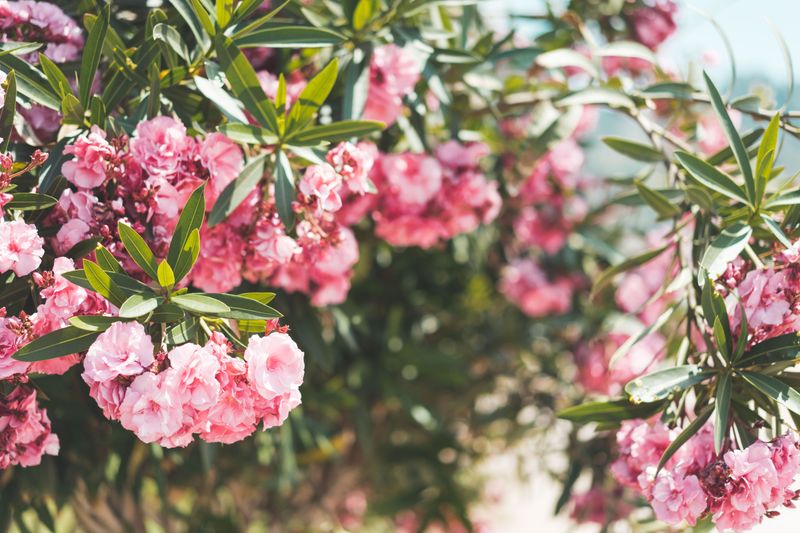
Reaching into an oleander to pull a withered branch sounds like a quick Saturday chore. But oleander is not an ordinary shrub, and handling it without protection is a mistake worth avoiding.
Every part of the plant, including the leaves, stems, flowers, sap, and seeds, is considered toxic to people and animals, according to Poison Control and veterinary toxicology sources.
That applies to fresh growth and to dried clippings. Sap can irritate skin and eyes on contact.
Fallen leaves and flowers do not become safe once they hit the ground. Clippings left in a pile near a walkway, pet run, or play area can still pose a risk to curious children or animals that come across them.
Your Florida Garden Changes Every Week. Your Plan Should Too.
Gardening in Florida changes quickly throughout the season. Every Friday you’ll receive a simple weekly plan showing exactly what to plant, prune, fertilize, harvest, and protect so you never miss the right timing.
If you suspect that a person or animal has ingested any part of oleander, do not wait and watch. Contact Poison Control at 1-800-222-1222 for people, or reach a veterinarian or emergency animal clinic right away for pets.
Do not try to treat exposure at home.
Keeping the plant does not mean accepting unnecessary risk. It means understanding what you are working with and taking the right precautions every time you handle it.
Wearing gloves, long sleeves, and eye protection during any contact with the plant is a basic step that makes a real difference. Wash hands and tools thoroughly after any work near oleander.
3. Pink Flowers Can Hide A Serious Landscape Problem
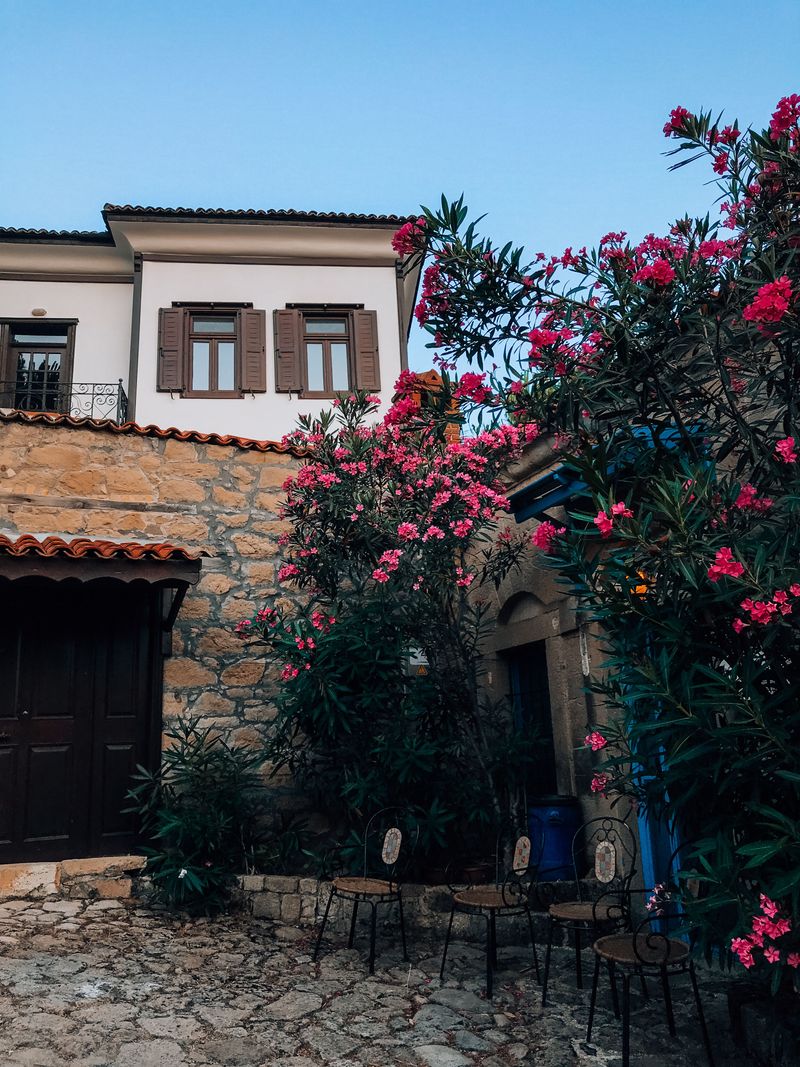
A blooming oleander near the pool can look like a landscape designer made all the right choices. The color pops, the plant fills its space, and the flowers keep coming through the hottest months.
Visual appeal is a real reason people keep oleander, and that appeal is not imaginary.
But showy blooms do not change what the plant is. A flowering hedge beside a busy patio, a play area, or a pet enclosure deserves a second look when that hedge happens to be oleander.
Fallen petals and leaves collect near seating areas, pool decks, and grassy spots where children and pets spend time.
Placement matters more than most homeowners realize. A specimen growing along a back fence, away from foot traffic and play zones, represents a different level of concern than one trimmed tight against a patio wall or set beside a dog run.
The plant itself does not change, but the opportunity for unintended contact does.
Before keeping an oleander in a high-traffic spot purely for its looks, weigh the visual reward against the practical situation in your yard. Consider who uses the space, how often, and whether fallen flowers or leaves could end up where children play or pets roam.
Beauty is worth something in a landscape, but it works best when the full picture is considered. A stunning plant in the right spot is a smart plant.
4. Pruning Oleander Needs More Care Than Most Shrubs
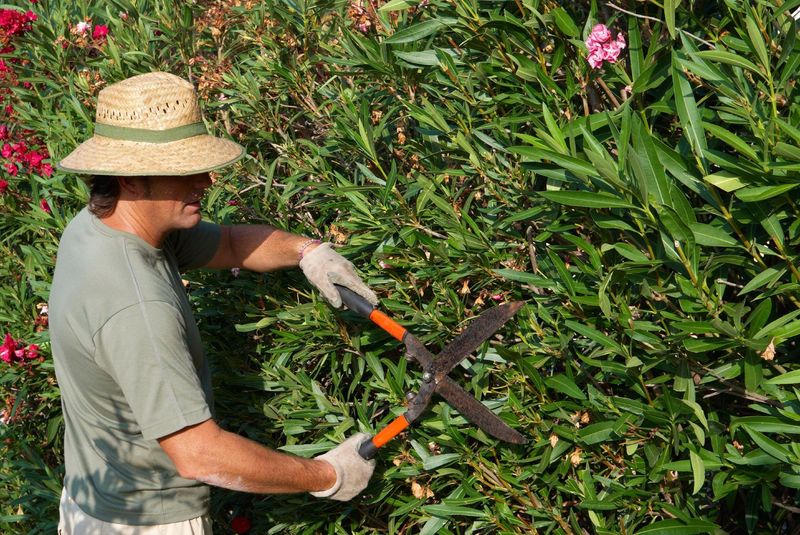
A homeowner trimming an oleander with bare hands and a pair of loppers is a common sight in warm-climate neighborhoods. It looks routine.
But oleander pruning carries real risks that a little preparation can easily reduce. Sap released during cutting can irritate skin and eyes, so protection matters from the first cut.
Wear chemical-resistant or heavy garden gloves, not thin cloth ones. Long sleeves help keep sap off your arms.
Eye protection is worth putting on, especially when cutting branches at or above shoulder height where sap can drip or spray. Keep your hands away from your face throughout the job.
Clean your cutting tools before putting them away. Wipe blades with a damp cloth and wash with soap and water.
Bag all clippings securely before moving them. Do not leave a pile of oleander trimmings sitting near a walkway, play area, or fence line where children or pets could reach them.
Check with your local county Extension office or waste management service for guidance on how to dispose of oleander clippings in your area. Rules vary by location, and some areas have specific guidance for yard waste that includes toxic plants.
Following local disposal guidance is the simplest way to avoid creating a secondary hazard after the pruning work is done. Wash hands and forearms with soap and water when finished, even if you wore gloves.
5. Burning Oleander Clippings Is A Dangerous Mistake
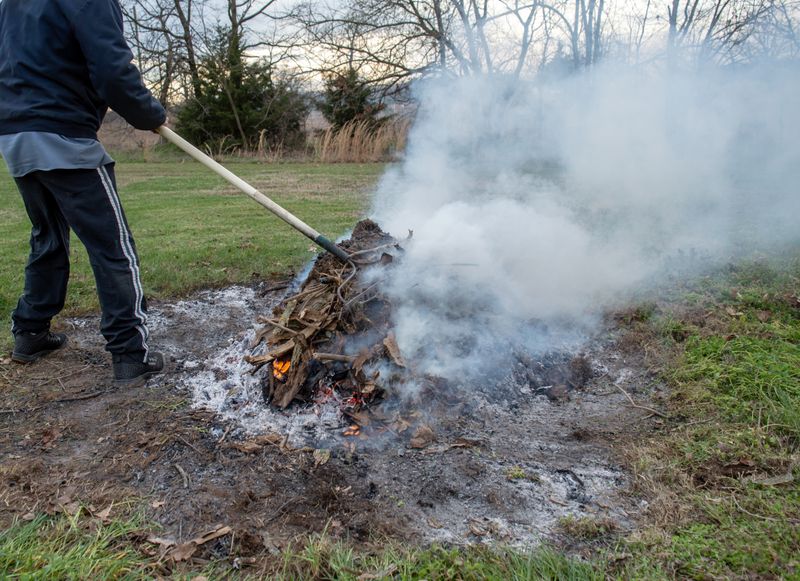
After a pruning session, a burn pile can seem like the fastest way to deal with a heap of clippings. For oleander, that approach creates a hazard that goes beyond the plant itself.
Burning oleander releases smoke and fumes that are considered hazardous, according to Poison Control and reliable horticultural sources. That warning applies to fire pits, burn barrels, backyard bonfires, campfires, and grills.
Even a small amount of oleander in a fire can produce smoke that irritates the eyes, nose, and respiratory system. Bystanders nearby, including children and pets, are exposed along with the person tending the fire.
There is no safe way to burn oleander clippings at home.
Yard waste bags and curbside green-waste pickup are much better options. Contact your local waste management provider or county Extension office to ask how oleander trimmings should be handled in your area.
Some counties have drop-off sites for yard waste, and many offer curbside pickup on a regular schedule.
Do not toss clippings into a neighbor’s burn pile or a shared community fire either. The risk does not shrink just because the fire is somewhere else.
Seal clippings in sturdy yard waste bags, label them clearly if local rules suggest it, and set them out according to your area’s pickup schedule.
A little extra planning at disposal time keeps a manageable pruning job from becoming a bigger problem for your household and your neighbors.
6. Pets And Children Make Placement Even More Important
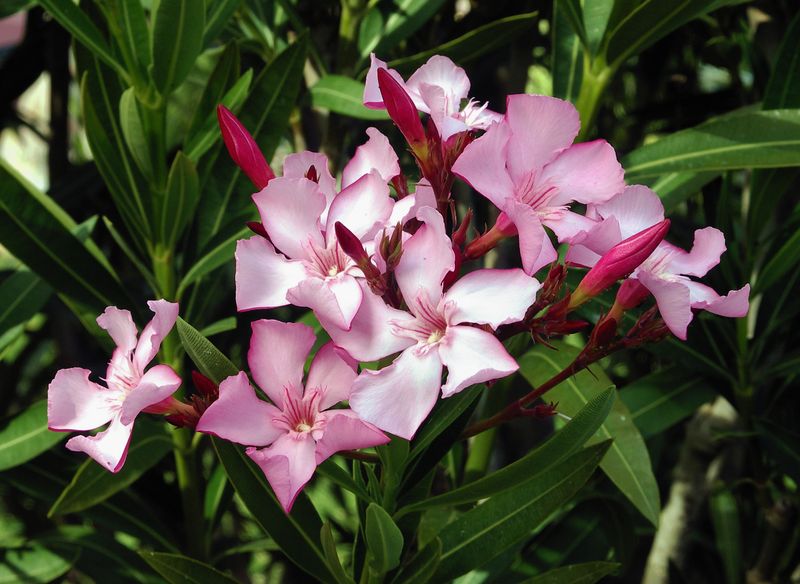
A dog nosing through fallen leaves near the back fence, a toddler picking up a flower from the ground near the patio, a cat chewing on a leaf out of boredom. These are ordinary moments in a yard with curious pets and young children.
Near an oleander, those moments become worth thinking about.
According to the ASPCA and veterinary toxicology sources, oleander is toxic to dogs, cats, and horses. Fallen leaves, flowers, and pruning scraps left on the ground can attract animals that chew or mouth whatever they find.
Children are similarly curious, and a bright flower or interesting seed pod can draw attention quickly.
The risk is not equal in every yard. A plant growing along a back fence in a yard without children or pets represents one situation.
One trimmed close to a patio where a family spends weekend afternoons represents another. Proximity to high-activity areas is the key variable.
The closer oleander grows to where people and animals spend time, the more carefully its placement deserves to be considered.
Practical steps include keeping the area under and around oleander clear of fallen debris, especially after wind or pruning. Do not let clippings sit where animals or children roam.
If a pet shows signs of illness after spending time near the plant, contact a veterinarian right away. Do not wait to see if symptoms resolve on their own.
Quick action matters in any suspected plant exposure situation.
7. Safer Screening Choices Belong Near Busy Yard Spaces
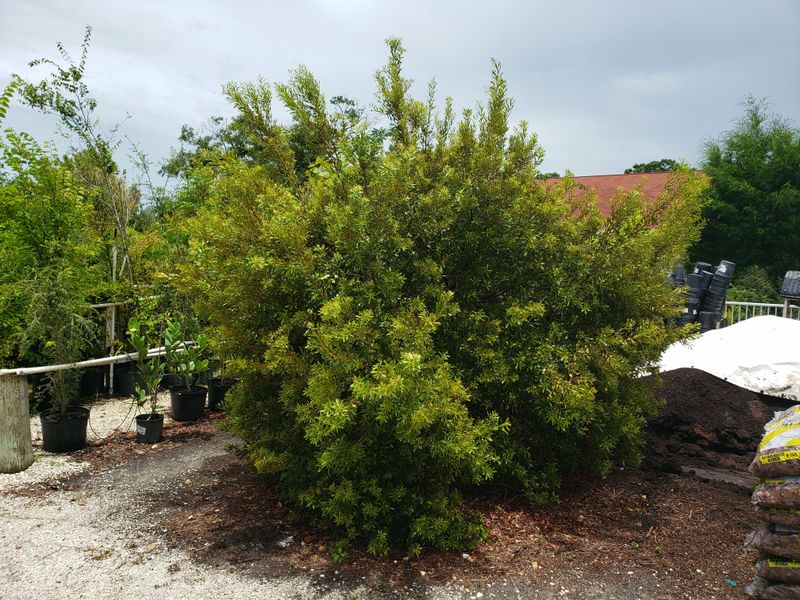
Not every yard needs oleander to get a dense, attractive privacy screen. Homeowners who want a hedge near a patio, doorway, play area, or pet enclosure have several solid alternatives worth considering.
The right choice depends on your site conditions, available space, and how much maintenance you are willing to do.
UF/IFAS and Florida-friendly landscaping resources point to several native and regionally appropriate screening plants. Simpson’s stopper (Myrcianthes fragrans) is a native evergreen with fragrant flowers and small berries that attract birds.
Walter’s viburnum (Viburnum obovatum) is a compact native that works well as a hedge in sun to part shade. Wax myrtle (Morella cerifera) grows quickly and tolerates a range of soil conditions across much of the state.
Yaupon holly (Ilex vomitoria) is a tough, native evergreen that handles heat, drought, and coastal conditions.
No screening plant is completely without nuance. Yaupon holly and Simpson’s stopper produce berries that can attract wildlife and may require some cleanup.
Wax myrtle can grow large if not managed. Marlberry (Ardisia escallonioides) is another native option, though it is best suited to southern regions.
Check with your local Extension office for guidance on mature size, light needs, and soil fit before planting.
Matching the plant to the actual site conditions gives you a screen that performs well without creating extra concern. A well-chosen alternative near a busy yard space is a practical upgrade, not just a compromise.
8. Oleander Can Stay Only When Homeowners Manage It Carefully
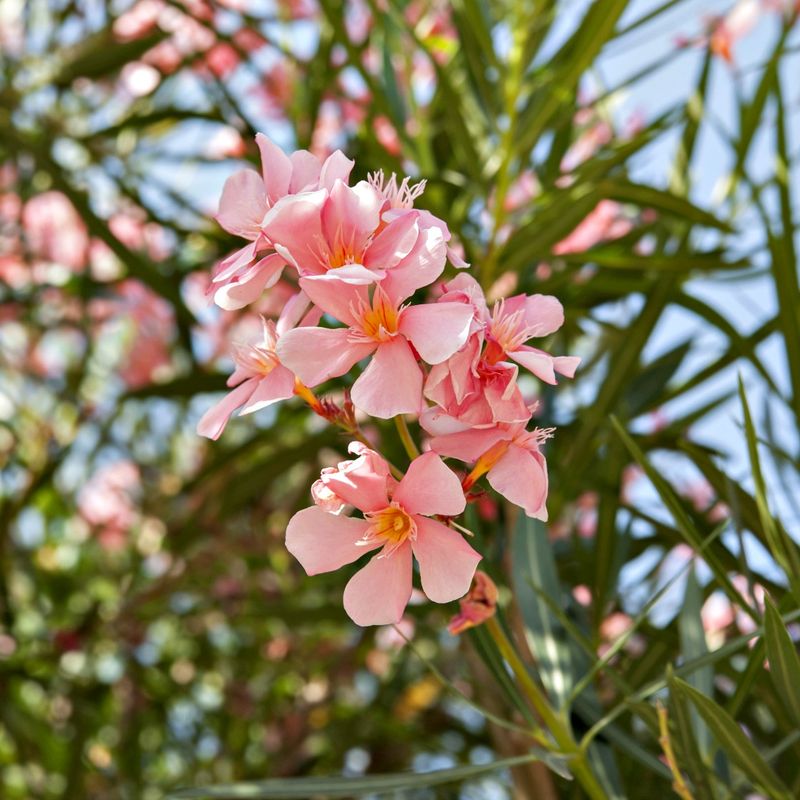
Pulling out every oleander in the state is not the point of this article. Plenty of homeowners have oleander growing along a back fence or distant border, handle it carefully, and never experience a problem.
The plant can stay in a yard when the homeowner understands the risks and manages it with intention.
Managing oleander well means a few consistent habits. Keep it placed away from high-activity areas.
Prune it with proper protection every time, not just sometimes. Dispose of clippings through yard waste pickup rather than burning or leaving them on the ground.
Keep the area under the plant clear of fallen debris, especially when children or pets use the yard.
When those habits are realistic for your household, oleander can be a workable landscape plant. When those habits are not realistic, removal or replacement becomes a reasonable choice worth considering.
The same is true when young children, pets, or frequent visitors make the situation harder to manage.
If you are unsure about what is growing in your yard, contact your local UF/IFAS Extension office. Master Gardener volunteers can help with plant identification at no cost.
If exposure or ingestion is ever suspected, contact Poison Control at 1-800-222-1222 for people, or reach a veterinarian immediately for animals.
A landscape professional familiar with warm-climate plants can also help you plan a replacement that fits your yard, your household, and your comfort level.
Knowing your plants is always a good starting point.