What Fireflies In Your Nebraska Yard Are Actually Telling You
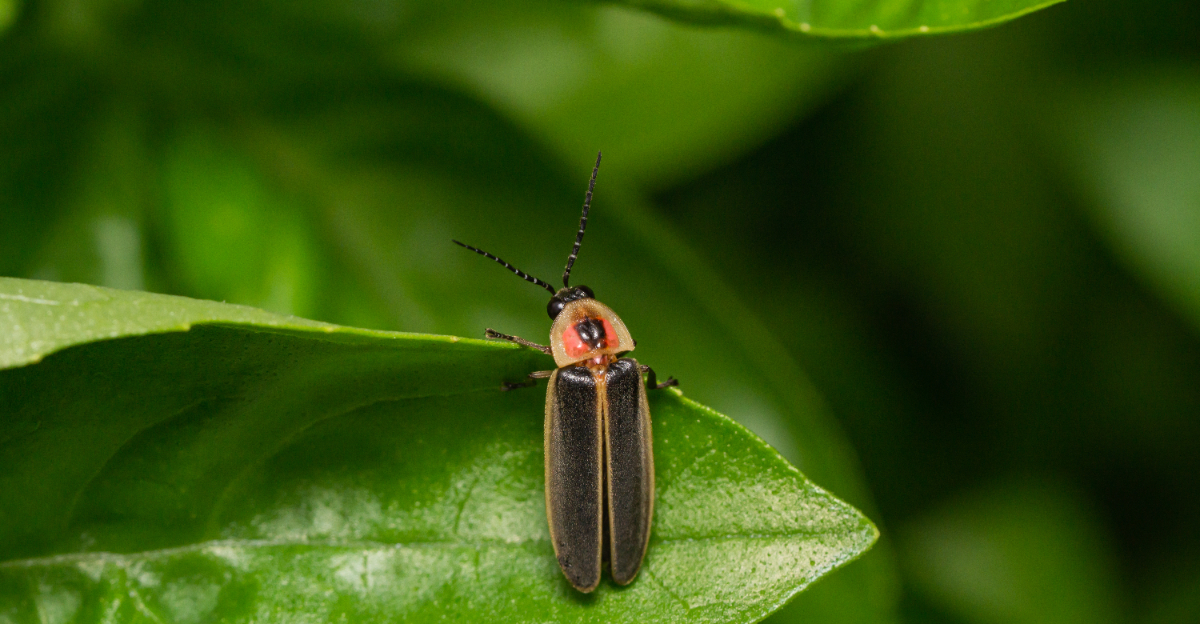
Something is blinking at you from the grass. It happens fast, a flash, then dark, then another flash a few feet over. Most Nebraska homeowners walk past it without a second thought. That is a mistake.
Fireflies do not show up just anywhere. They are picky about where they land, where they lay eggs, and where they spend the next two years of their life underground.
If they chose your yard, that choice was not random. Your soil, your moisture levels, your grass, something out there passed a test most Nebraska lawns quietly fail.
Keep reading to find out what your yard passed, why Nebraska fireflies are rarer than most people realize, and what you can do to keep them coming back.
Your Yard Has What Fireflies Are Looking For
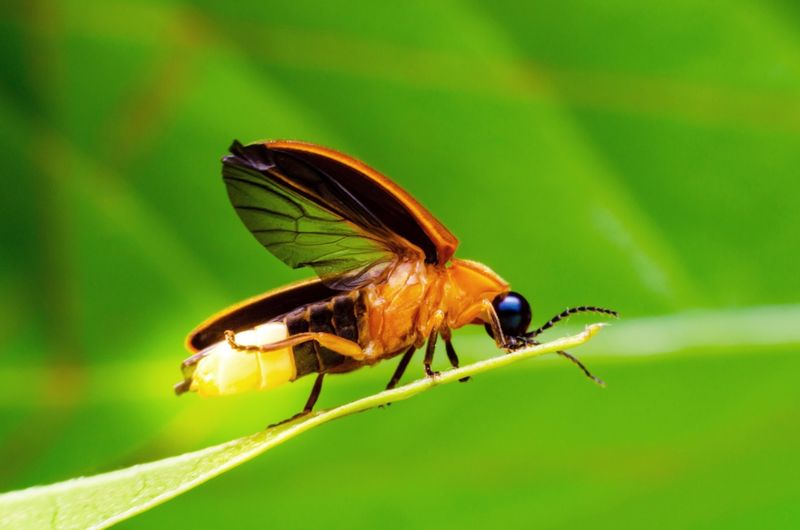
Fireflies do not show up just anywhere. When they blink across your lawn on a warm Nebraska night, they are giving your yard a quiet stamp of approval.
These beetles need specific conditions to survive and breed. Moist soil, leaf litter, and long grass patches are the big three they look for first.
If fireflies are visiting your space, you likely have decent ground moisture. Your lawn probably has a few wild, untrimmed edges they love to hide in during the day.
Fireflies in your Nebraska yard are also telling you that your soil has enough organic material. Larvae live underground and feed on earthworms and snails, so rich soil matters a lot.
A yard that gets mowed to the scalp every week is less attractive to them. Letting a section grow a little taller can make a real difference fast.
Think of fireflies as tiny inspectors walking through your property. They only stay where the conditions meet their checklist.
Standing water nearby, like a pond or even a low wet spot, is a big bonus. Moisture draws them in like a neon sign in the dark.
If you are already seeing fireflies, do not change too much. Your yard is doing something right, and small habits are keeping these glowing visitors happy.
The Species Blinking In Your Yard Each Night
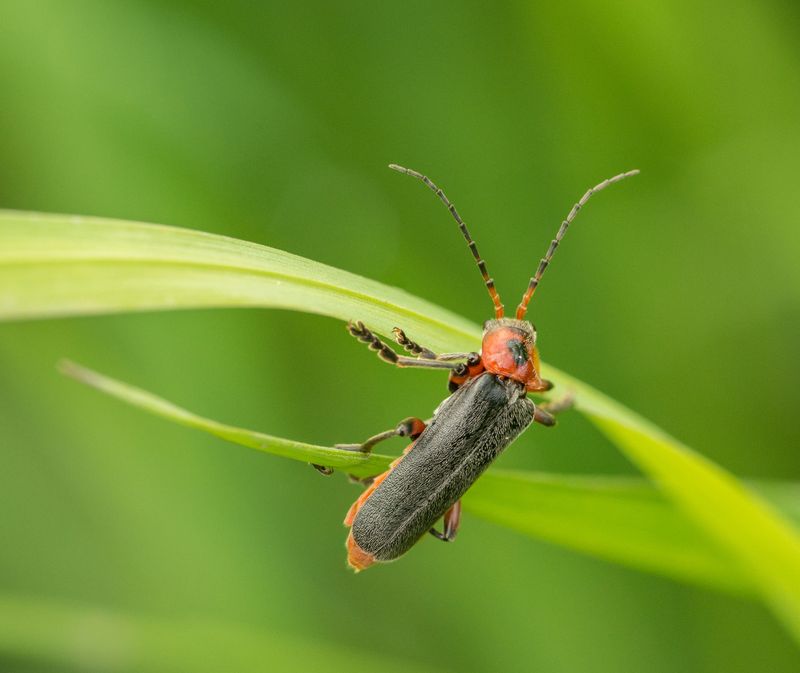
Not all fireflies flash the same way, and Nebraska is home to more than one species. Learning to tell them apart adds a whole new layer to summer evenings outside.
The most common species across the eastern half of the state is Photinus pyralis, also called the big dipper firefly. Its flash pattern traces a distinctive J-shaped arc in the air.
Pyractomena species are another group you might spot, typically flying higher and flashing in longer, slower arcs compared to Photinus. They tend to favor areas near trees and shrubs rather than open lawn.
Photuris species are trickier because females of some can mimic the flash patterns of other species. They use this trick to lure unsuspecting males, making them the con artists of the firefly world.
Each species has a slightly different preferred habitat within a yard. Some favor open lawns, while others stick close to wooded edges or dense shrubs.
Your Nebraska Garden Changes Every Week. Your Plan Should Too.
Gardening in Nebraska changes quickly throughout the season. Every Friday you’ll receive a simple weekly plan showing exactly what to plant, prune, fertilize, harvest, and protect so you never miss the right timing.
Watching for flash pattern differences is a genuinely fun citizen science activity. Apps like iNaturalist let you log sightings and contribute to real population data for researchers.
The more species you can support, the healthier your overall yard ecosystem tends to be. Diverse firefly populations signal a diverse and balanced environment overall.
Fireflies in your Nebraska yard are actually telling you which microhabitats your property supports. Each distinct flash pattern is a clue about where your land is thriving most.
Pesticides Are Silencing Them Underground

You might not see the damage right away, but pesticides are one of the fastest ways to empty a yard of fireflies. The harm happens underground, where larvae spend most of their lives.
Broad-spectrum insecticides do not discriminate between pests and beneficial insects. Firefly larvae living in your soil are just as vulnerable as the mosquitoes you were targeting above ground.
Systemic pesticides are especially problematic because they move through soil and water. A product applied to one area can spread to surrounding zones and affect a much wider patch of ground.
Lawn treatments for grubs are a particularly common culprit. Grub-control products target beetle larvae in the soil, and firefly larvae are beetles too, so the overlap is hard to avoid.
Herbicides can also play a role by stripping away the plant diversity that supports firefly prey. Fewer plants means fewer snails and worms, which means less food for larvae trying to grow.
Switching to targeted, organic pest control methods protects the soil food web. Beneficial nematodes, for example, can handle specific pests without wiping out the broader underground community.
Spot-treating problem areas instead of blanket-spraying the whole lawn is a smarter approach. Less chemical coverage means more larvae survive to become the adults that light up your evenings.
Every firefly you see this summer started as a larva in your soil last year. Protecting that underground life is how you protect the light show above it.
How Fireflies Use Their Glow To Communicate
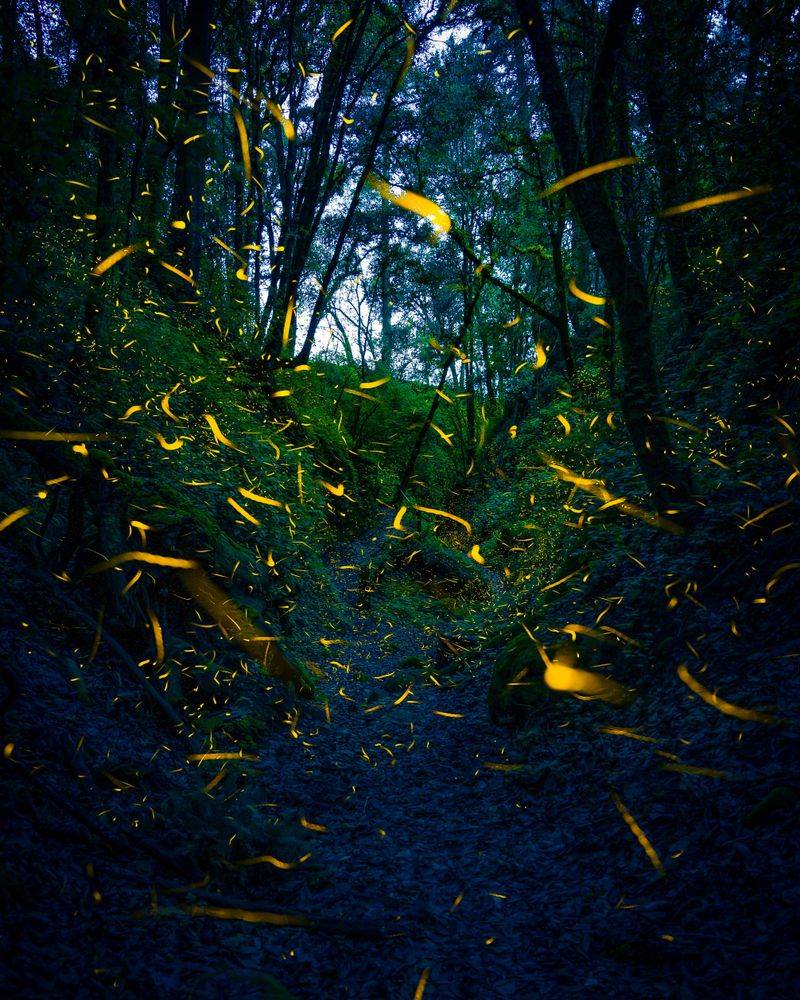
Every flash you see in your yard is a conversation happening in real time. Fireflies are not glowing for fun — they are flirting at full speed.
Males fly through the air and flash a specific pattern unique to their species. Females wait on grass blades or leaves below and flash back if they are interested.
The timing and rhythm of each flash is like a secret code. One species might flash twice in quick succession, while another does a slow, single pulse.
Nebraska hosts several firefly species, and each one has its own signal style. If you watch carefully, you can start to tell them apart by their patterns.
Temperature affects how fast they flash. Warmer nights speed up the blink rate, and cooler nights slow it down noticeably.
The glow itself comes from a chemical reaction inside the firefly’s abdomen. It involves a molecule called luciferin reacting with oxygen in the presence of an enzyme called luciferase, and the result is cold light.
Cold light means almost no heat is released in the process. Scientists actually study this reaction because it is incredibly energy efficient.
When you see a cluster of flashes near your garden, you are watching a full mating event unfold. Your yard has become a stage for one of nature’s most fascinating light shows.
What Fireflies Need To Keep Coming Back

Fireflies are loyal to places that treat them well. Once they find a yard that checks their boxes, they tend to return season after season.
Moisture is the single most important factor in their survival. Larvae need damp soil to hunt and grow through the fall and winter months underground.
Leaf litter is another must-have that most homeowners accidentally destroy. Raking everything clean removes the shelter and food sources that baby fireflies depend on completely.
Tall grass and native plants give adult fireflies a place to rest during daylight hours. Low-cut lawns leave them exposed and vulnerable to heat and predators.
Outdoor lighting is a sneaky problem that disrupts mating. Switching porch lights to motion sensors or warm amber bulbs can make a big difference for your local population.
Avoiding chemical pesticides is one of the most powerful steps you can take. Even products labeled safe for humans can wreck the soil ecosystem fireflies need to thrive.
A small water feature like a garden pond or even a shallow birdbath adds extra humidity. Fireflies are drawn to areas where the air stays a little wetter at ground level.
Fireflies in your Nebraska yard are telling you they need consistency. Keep the conditions stable and they will keep showing up every warm evening like clockwork.
Why Nebraska Fireflies Are Rarer Than You Realize
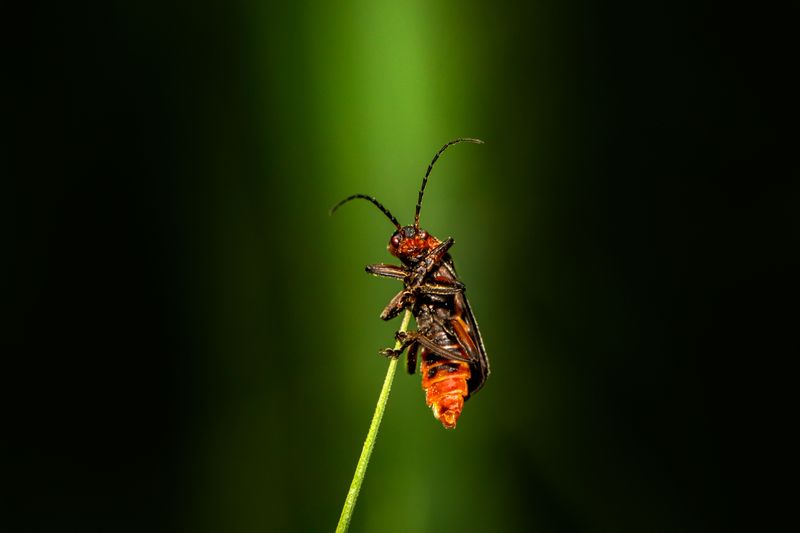
Nebraska sits in an uncomfortable middle ground for fireflies. It is not the humid, lush east where lightning bugs are practically guaranteed every summer, and it is not quite the arid west where they barely exist at all.
The state simply does not hold moisture the way fireflies need. Drier summers, open plains, and limited tree cover across much of Nebraska make it genuinely tough terrain for a beetle that depends on damp soil to survive its first two years of life.
Populations are mostly concentrated in the eastern part of the state, near river corridors like the Platte and Niobrara. Head further west and sightings become scattered, unreliable, and in some areas nearly nonexistent.
Even a single dry summer can quietly erase a local population. Larvae in the soil have nowhere to go if the ground dries out, and adults cannot replenish numbers fast enough to recover in just one season.
Light pollution adds another layer of difficulty. Nebraska’s growing suburban sprawl means more artificial light bleeding into yards at night, which disrupts mating signals and pushes fireflies away from areas they might otherwise settle in.
This is why seeing fireflies in your Nebraska yard actually means something. They did not just wander over from the next block. They found conditions rare enough in this state that your yard stood out from everything around it.