How Oregon Growers Get Snake Plants To Produce Pups Everywhere
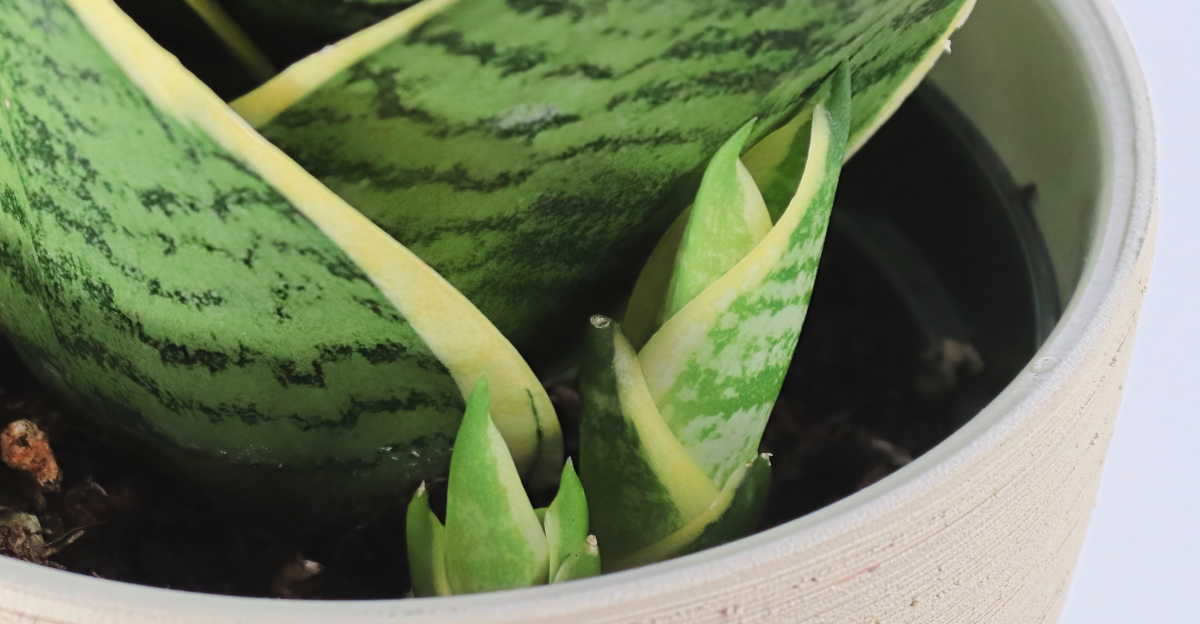
Snake plants may look slow and serious, but they can surprise Oregon growers with fresh pups when conditions are right. Those little shoots do not appear by luck alone.
They usually show up when the plant has enough light, steady warmth, and a pot that feels just snug enough. Too much attention can actually slow things down, especially if watering gets heavy during cooler months.
The secret is giving the plant a setup that encourages strong roots without making it sit in damp soil. Once the roots are happy, new growth can start pushing up around the base.
A few simple changes can turn one quiet snake plant into a fuller pot with babies popping up where you least expect them.
1. Start With A Mature Plant
A strong foundation makes all the difference. Oregon growers know that pup production almost always starts with a healthy, fully grown snake plant.
Young plants are still building their own energy, so they rarely have enough left over to create babies.
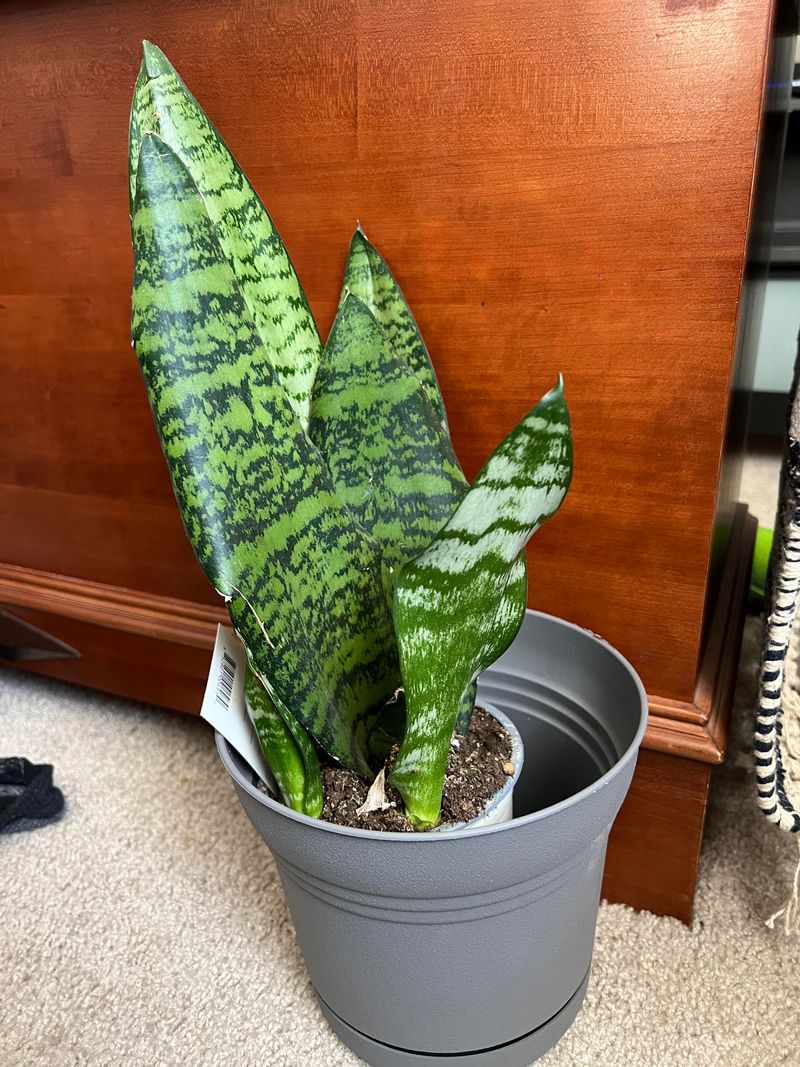
A mature snake plant usually has several tall, firm leaves and a well-established root system.
When the roots are strong and the plant has been growing for at least one to two years, it becomes ready to reproduce.
Think of it like a tree that needs time before it can bear fruit. Patience matters here, because trying to force pups from a weak plant usually leads to disappointment.
Choosing the right starting plant matters a lot. Look for one with upright, unblemished leaves and no signs of soft spots or yellowing at the base.
A healthy plant from a local nursery is often your best bet. Check that the soil smells fresh and drains well, since poor roots can slow everything down.
Once you have a mature plant in your care, the other steps become much easier to follow. The plant already has the energy stored up to push out new growth.
Your job is simply to give it the right conditions to do what it naturally wants to do, which is spread and multiply.
2. Give The Plant Bright Light
Light is fuel. Without enough of it, a snake plant will survive just fine, but it will not put much energy into making new pups.
Many Oregon growers have learned that bright, indirect light for at least six hours a day is the sweet spot for encouraging reproduction.
Placing the plant near an east or west-facing window works really well. The light is strong enough to power growth without scorching the leaves.
South-facing windows can also work, especially during the shorter winter days when sunlight is limited across the state. If the sun feels too sharp in summer, use a sheer curtain to soften it.
Low-light corners are tempting spots for snake plants because they can handle it. But if you want pups, move the plant somewhere brighter.
Even shifting it a few feet closer to a window can make a noticeable difference over several weeks. Rotate the pot every week or two so all sides receive even light and growth stays balanced.
Your Oregon Garden Changes Every Week. Your Plan Should Too.
Gardening in Oregon changes quickly throughout the season. Every Friday you’ll receive a simple weekly plan showing exactly what to plant, prune, fertilize, harvest, and protect so you never miss the right timing.
Oregon’s overcast winters can reduce natural light significantly. During those months, a simple grow light placed nearby for a few extra hours each day can keep the plant active and ready to produce.
Keep the light close enough to help, but not so close that it warms the leaves too much. Bright light signals the plant that conditions are good, and that encourages it to grow and spread rather than just maintain itself.
3. Use A Tight Pot
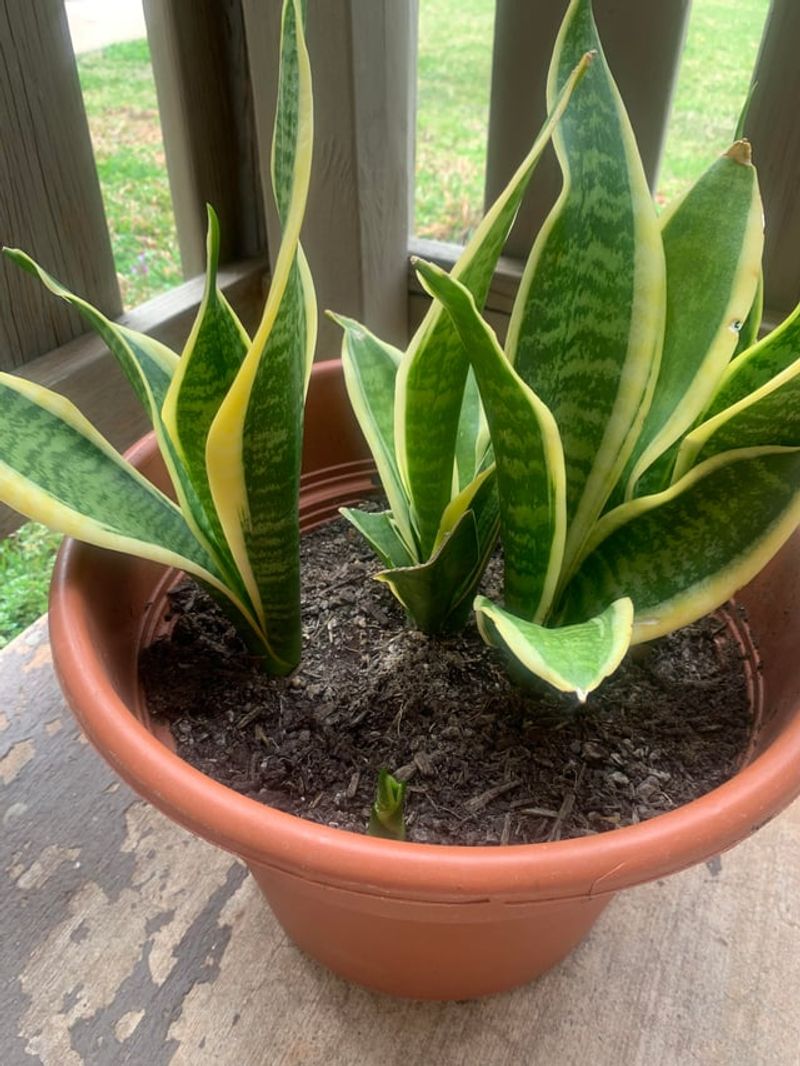
Believe it or not, a cramped pot is actually a good thing for snake plants. Oregon growers have discovered that when a snake plant feels a little squeezed, it responds by pushing out pups.
The slight pressure on the roots sends a signal that it is time to reproduce and expand. Choosing a pot that is only one to two inches wider than the root ball is the key.
Going too big gives the roots too much room, and the plant focuses its energy on filling that space rather than making babies.
A snug fit keeps the plant focused on reproduction.
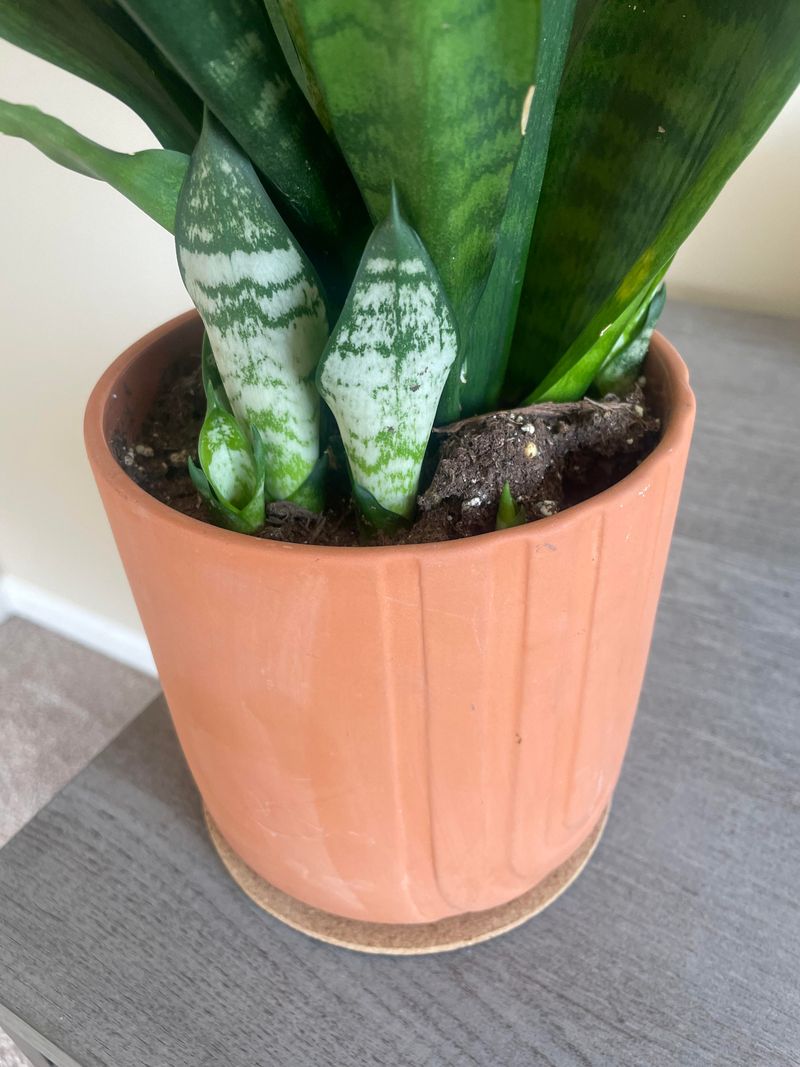
Terracotta pots are a favorite among Oregon growers because they breathe well and help prevent overwatering.
The natural material pulls moisture away from the soil slightly faster, which also supports healthier root conditions overall.
It is especially helpful in cooler homes where soil can stay damp longer than expected.
Resist the urge to repot too often. Many growers make the mistake of moving their snake plant into a bigger container the moment it looks full.
Instead, let it get a little crowded first. Watch for firm leaves and steady growth as signs that the plant is still comfortable.
That mild stress is often exactly what triggers a wave of new pup growth around the base of the plant.
4. Let The Soil Dry Between Watering
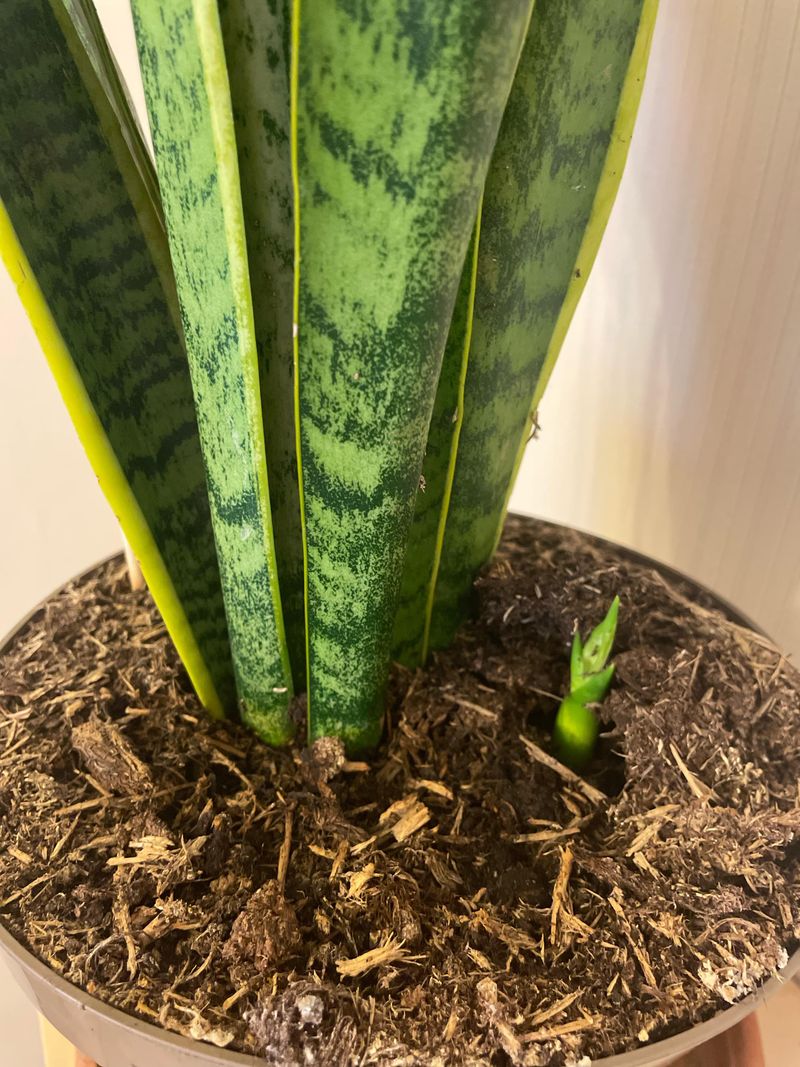
Watering less is often the secret nobody tells you. Experienced growers treat their snake plants like desert dwellers, because that is essentially what they are.
These plants store water in their thick leaves and roots, so they do not need frequent watering to stay healthy.
Letting the soil dry out completely between waterings is one of the most important habits for encouraging pup production.
When the soil stays moist for too long, the roots can begin to struggle, and the plant shifts its energy toward survival rather than reproduction.
A simple trick is to stick your finger about two inches into the soil. If it feels dry all the way down, it is time to water.
If there is still any moisture, wait a few more days. During Oregon’s wet and cool winters, you may only need to water once a month.
Bright indoor light and warmer rooms may change that timing slightly, so always check the soil instead of following a strict schedule.
When you do water, soak the soil thoroughly and let the excess drain out completely. Never let the pot sit in standing water.
Use a pot with drainage holes and empty the saucer after watering. This deep-and-dry approach mimics the natural rainfall patterns of the snake plant’s native habitat and keeps roots in the best condition to support new pup growth.
5. Feed Lightly In Spring And Summer
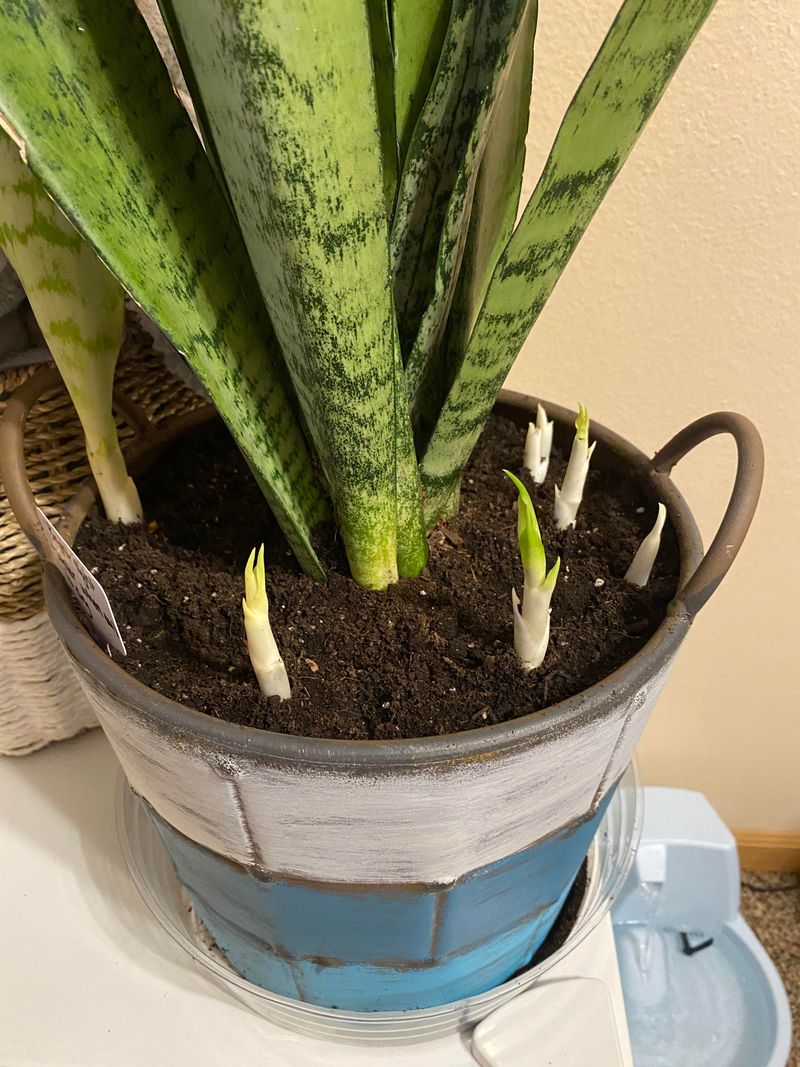
Feeding your snake plant is kind of like seasoning food. A little goes a long way, and too much can actually cause problems.
Oregon growers stick to a light fertilizing routine during the spring and summer months when the plant is actively growing and most likely to produce pups.
A balanced, low-nitrogen fertilizer works best. High-nitrogen options push the plant to grow lots of leaves, but that comes at the cost of pup development.
A diluted balanced fertilizer, applied once in spring and once in early summer, gives the plant just enough of a boost without overdoing it.
Always dilute the fertilizer to half the recommended strength. Snake plants are sensitive to salt buildup in the soil, and too much fertilizer can actually slow down pup production instead of helping it.
Less really is more with these plants. Water lightly before feeding so the fertilizer does not hit dry roots too harshly.
Good drainage also helps flush away extra salts before they build up.
Stop feeding completely in fall and winter. Oregon winters are cool and cloudy, and the plant naturally slows down during that time.
Fertilizing during the rest period can confuse the plant and disrupt its natural growth cycle. Letting it rest properly sets it up for a strong burst of pup production when warm spring weather returns to Oregon.
6. Keep Roots Slightly Crowded
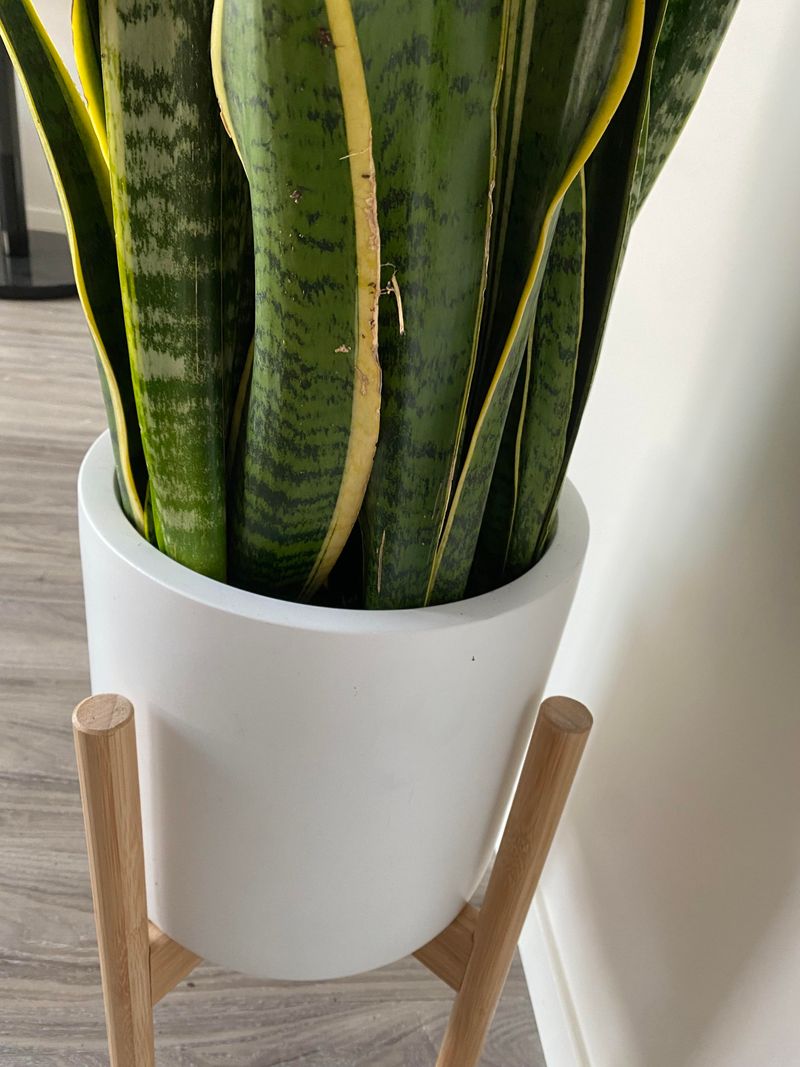
Root crowding might sound like a problem, but for snake plants, it is actually a powerful trigger.
Oregon growers purposely hold off on repotting until the roots are visibly pushing against the sides of the pot or poking out of the drainage holes. That tight squeeze is what gets pups moving.
When roots run out of room to expand, the plant shifts its focus. Instead of growing deeper and wider, it starts producing offshoots.
Those offshoots are the pups you are hoping for. It is a natural survival response that growers have learned to use to their advantage.
The trick is finding the balance between healthy crowding and actual stress. If the pot is cracking or the plant is tipping over from top-heaviness, it has gone too far.
A gentle squeeze, where roots fill the pot but are not bursting out everywhere, is the ideal condition. You also want the leaves to stay firm and upright.
Soft leaves or sour-smelling soil are signs that the plant needs attention, not more crowding.
Check the roots every spring by gently lifting the plant out of its pot. If the roots form a tight ball that holds the shape of the container, you are in the perfect zone for pup production.
Do not rush to size up the pot unless the plant truly needs it. Moving into a much larger container can slow pup production because the roots start exploring again.
Oregon growers call this the sweet spot, and it consistently delivers results season after season.
7. Divide And Replant Healthy Rhizomes
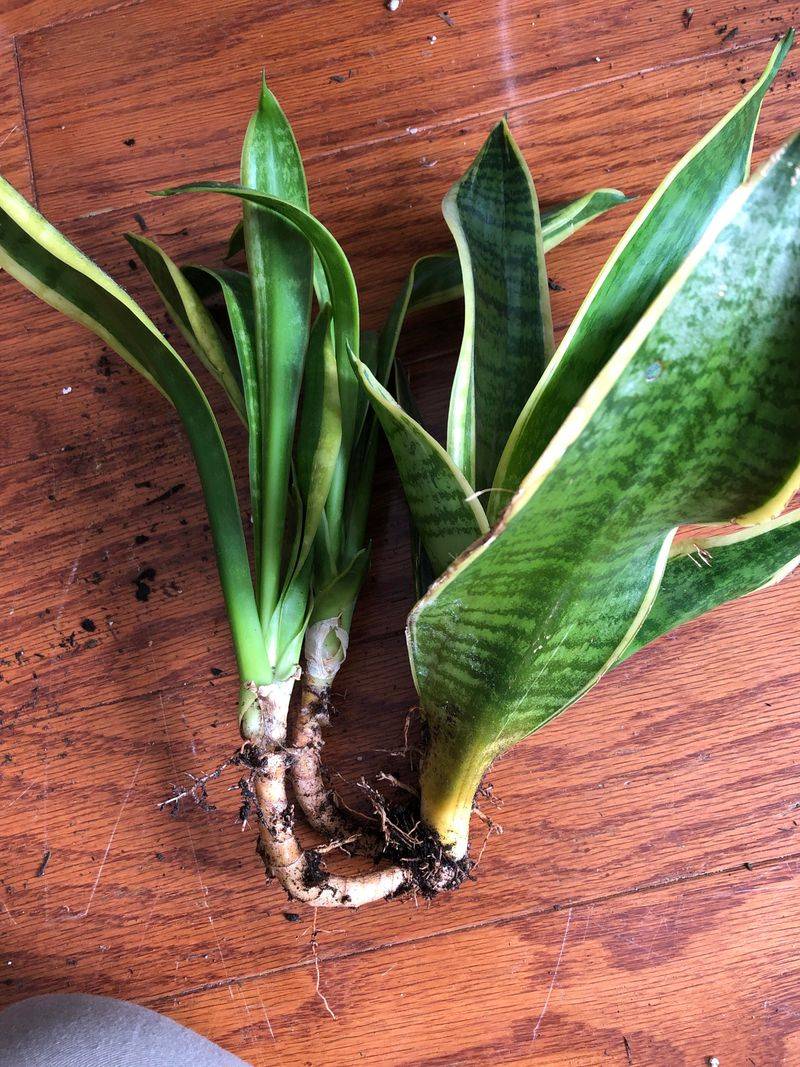
Once pups appear, the fun really begins. Oregon growers get even more plants by carefully dividing and replanting the rhizomes, which are the thick underground stems that connect the mother plant to its pups.
This process is simple, rewarding, and a great way to grow your collection fast.
Start by gently removing the entire plant from its pot. Shake off the loose soil so you can see the rhizomes clearly.
Each pup will be attached to the mother plant by one of these thick, horizontal stems. Use a clean, sharp knife to cut the rhizome, making sure each pup has at least a few roots attached.
Take your time here, because rushing can snap healthy roots or bruise the new shoot. If the soil is packed tight, loosen it with your fingers instead of pulling hard.
Let the cut ends dry out for a day or two before planting. This helps prevent any moisture from causing issues at the cut site.
Once dry, pot each pup in fresh, well-draining soil in its own snug container. Keep the soil lightly moist at first, but do not soak it.
Snake plants settle in best when their roots have air around them.
Do this division in early spring, just as the growing season kicks off. The warm months ahead give each new plant plenty of time to establish itself before winter.
Place the new pots in bright, indirect light while they adjust. Hold off on fertilizer until you see signs of new growth.
With the right care, each divided pup will grow into a full, healthy plant ready to produce its own pups the following season.