This Underrated Pennsylvania Native Tree Helps Discourage Ticks While Feeding Wildlife All Season
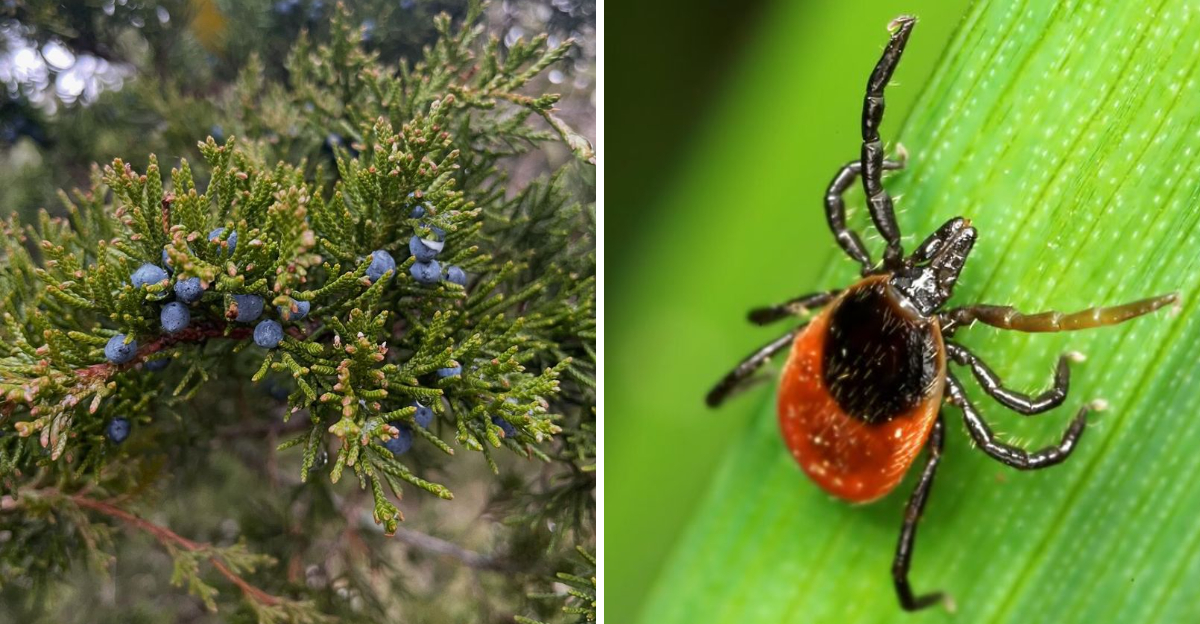
Pennsylvania has no shortage of native trees, but there is one that manages to accomplish something most others do not, providing meaningful support to local wildlife through every season while also creating conditions that ticks find genuinely less hospitable.
That combination rarely appears in the same plant, and it makes this tree one of the more strategically valuable additions a Pennsylvania homeowner can make to their yard.
It feeds birds through fall and winter with reliable fruit production, supports pollinators during its bloom period, and offers nesting cover that several native species depend on.
The tick-deterring quality comes from compounds the tree produces naturally, and when it is positioned thoughtfully in the yard, the surrounding area becomes a less appealing environment for tick activity.
Most Pennsylvania gardeners know this tree exists without fully appreciating what it does across the entire year, and it deserves considerably more attention than it typically receives in conversations about functional native landscaping.
Meet Eastern Red Cedar
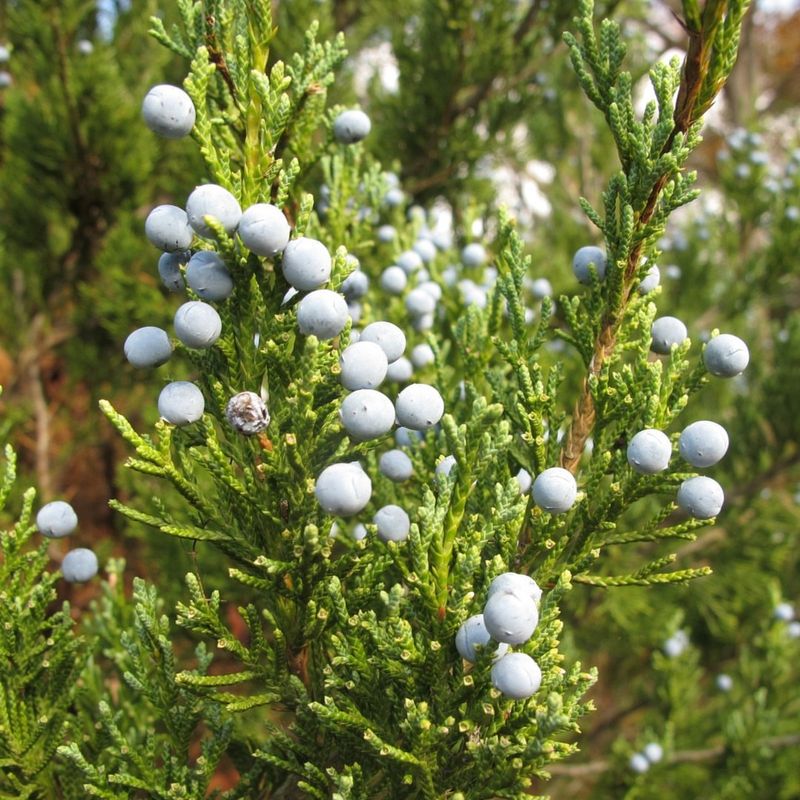
Not every hero looks flashy, and the Eastern Red Cedar is a perfect example of that. Juniperus virginiana is a native evergreen tree that has been growing across Pennsylvania for thousands of years.
It is not a true cedar at all. It actually belongs to the juniper family, which makes it even more interesting.
What sets this tree apart right away is its dense, layered foliage. The needles are scale-like and deep green, staying full and lush even during the coldest Pennsylvania winters.
That year-round greenery makes it a standout in any landscape, especially when most other trees have dropped their leaves.
Eastern Red Cedar is also incredibly tough. It handles drought without complaint, grows in rocky or sandy soil, and does not need fertilizer or much attention to look good.
Homeowners who want a low-fuss tree that still delivers real results often fall in love with this one fast.
The tree can grow anywhere from 20 to 40 feet tall depending on conditions, with a naturally columnar or pyramidal shape.
Some specimens are more spread out and bushy, which makes them excellent for privacy screens or windbreaks. The reddish-brown, shredding bark adds texture and visual interest even in winter.
Native bees, butterflies, and other beneficial insects also use this tree for shelter and food. It plays a quiet but important role in Pennsylvania ecosystems.
If you want a tree that earns its place in your yard every single season, Eastern Red Cedar is hard to beat. It is dependable, native, and genuinely good for the environment around it.
Tick-Deterring Qualities
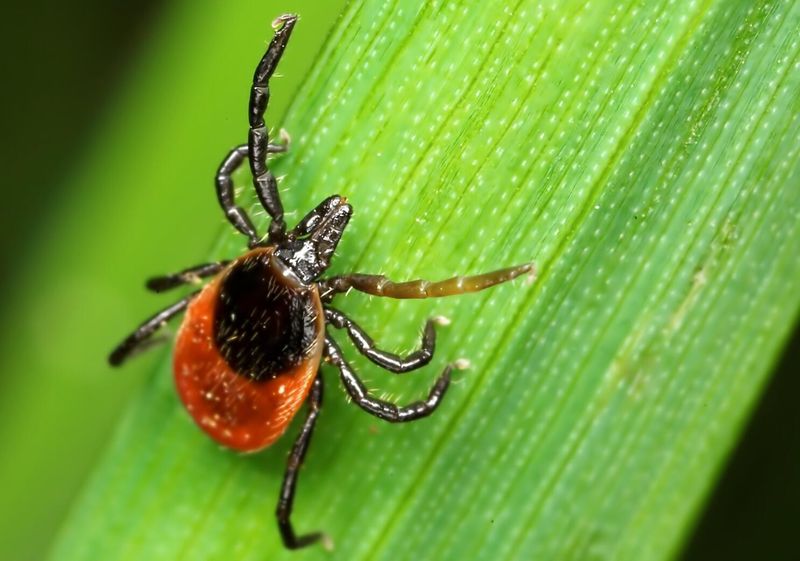
Ticks love moisture. They thrive in damp, shady areas with tall grass and leaf litter, which is exactly what makes a lot of Pennsylvania yards so welcoming to them.
Eastern Red Cedar works against that in a really practical way. Its dense canopy creates a dry microclimate underneath, making the ground far less hospitable to ticks looking for a moist hiding spot.
The tree also drops a natural layer of aromatic leaf litter that has mild pest-deterring properties. Cedarwood oil, which comes from this very species, has long been used as a natural repellent for insects, including certain tick species.
Your Pennsylvania Garden Changes Every Week. Your Plan Should Too.
Gardening in Pennsylvania changes quickly throughout the season. Every Friday you’ll receive a simple weekly plan showing exactly what to plant, prune, fertilize, harvest, and protect so you never miss the right timing.
Having the real tree growing in your yard means you get that benefit passively, without spraying anything.
Planting Eastern Red Cedar along fence lines or at the edges of play areas can help create a natural buffer zone.
The dry, aromatic environment under and around the tree is simply not where ticks prefer to hang out. Over time, a row of these trees can shift the conditions in your yard in a meaningful way.
It is worth pairing this strategy with other tick-smart habits, like keeping grass trimmed and removing leaf piles.
But having Eastern Red Cedar as part of your yard design gives you a passive, year-round layer of protection that requires no chemicals and no ongoing effort. That is a big deal for families with children or pets who spend time outside.
You do not need to overhaul your entire yard to see a difference. Even two or three well-placed trees can help change the moisture and habitat conditions that ticks depend on to survive and spread.
Year-Round Wildlife Benefits
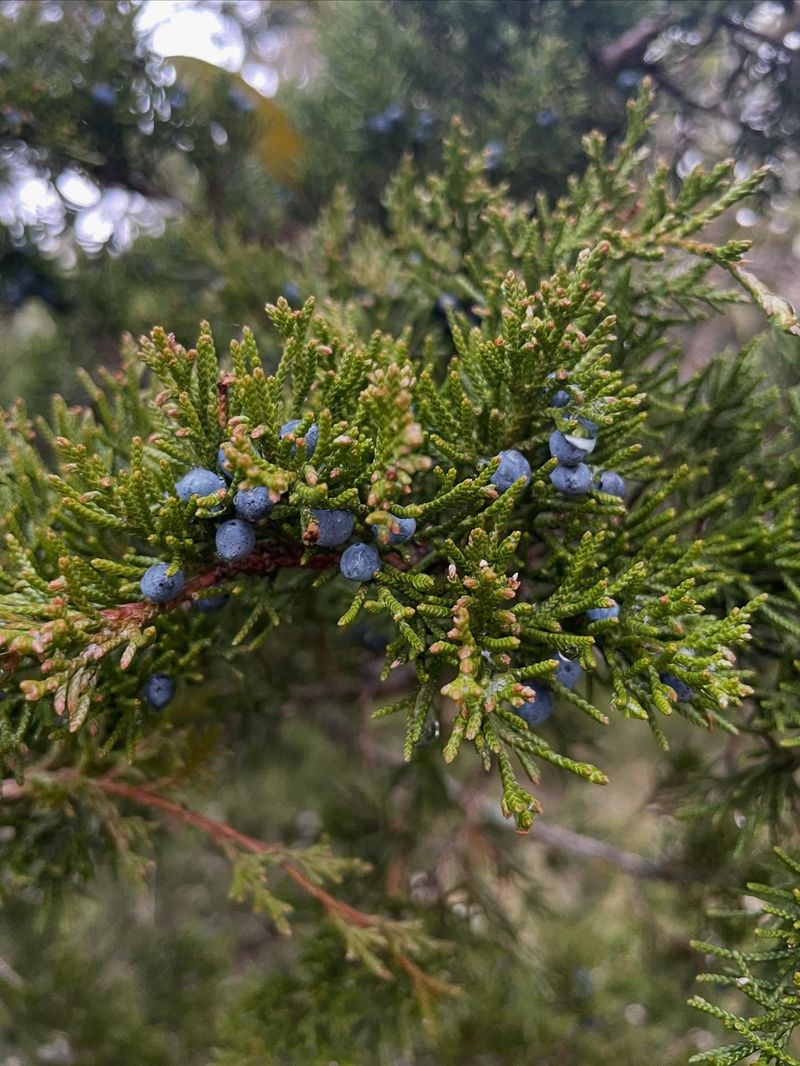
Few native trees can match the Eastern Red Cedar when it comes to feeding and sheltering wildlife across every single season. From spring through fall, its dense branches offer safe nesting spots for birds like robins, mockingbirds, and yellow-rumped warblers.
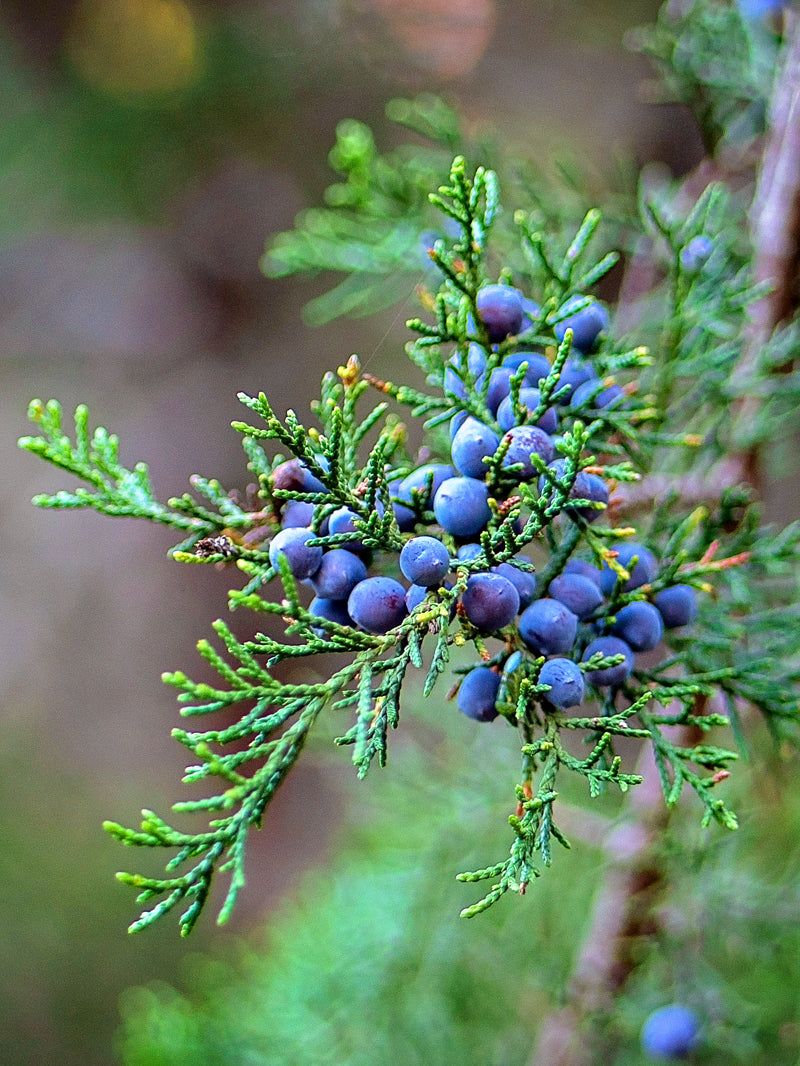
The thick foliage hides nests well and protects eggs from predators and harsh weather. Come late fall and winter, the female trees produce small, bluish-gray berry-like cones. These are not true berries, but they look and act like them.
Cedar waxwings, bluebirds, and dozens of other bird species flock to Eastern Red Cedar specifically for these fruits. For wildlife watchers, planting this tree is like setting up a free bird feeder that never runs out.
Small mammals also benefit from the tree. White-footed mice, raccoons, and even foxes have been observed sheltering near Eastern Red Cedar groves during cold months.
The tree offers wind protection and cover that many animals rely on when temperatures drop.
Pollinators are not left out either. In early spring, the tree produces small pollen cones that release clouds of yellow pollen.
Native bees and other insects use this as an early-season food source before many other plants have bloomed. That makes Eastern Red Cedar an important bridge plant in the spring wildlife calendar.
The biodiversity value of this one tree is genuinely impressive. It supports birds, mammals, insects, and even amphibians that shelter nearby.
If you want your yard to feel alive with natural activity all year long, planting a few Eastern Red Cedars is one of the most effective steps you can take. Nature will notice quickly.
Low-Maintenance Landscaping
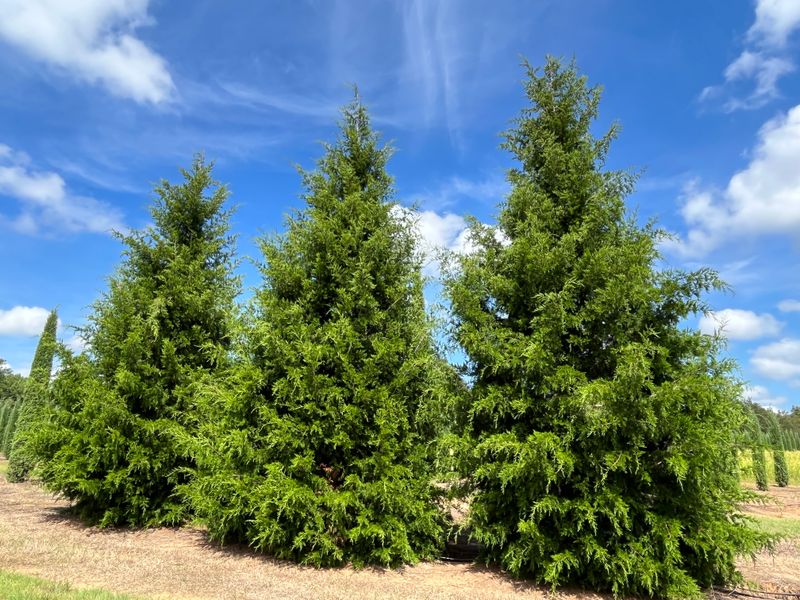
Honestly, not everyone has the time or energy to fuss over their trees. Eastern Red Cedar was practically built for people like that.
Once it is established in your yard, which usually takes one to two growing seasons, it asks for almost nothing in return. No regular watering, no special fertilizer, no pest sprays needed.
The tree thrives in a wide range of soil types. Clay soil, sandy soil, rocky hillsides, or dry slopes that other plants refuse to touch are all fair game for Eastern Red Cedar.
It handles heat waves without wilting and pushes through cold Pennsylvania winters without any protection. That kind of toughness is rare in a tree this attractive.
Drought tolerance is one of its biggest selling points for homeowners in areas with unpredictable rainfall. Once the roots are established, the tree taps into deep moisture reserves that keep it looking green and full even during dry summers.
You will not be dragging out a hose every few days to keep it alive. The natural shape of Eastern Red Cedar also reduces the need for heavy pruning. It tends to maintain a clean, upright form on its own.
An occasional light trim can help if you want a more formal look or need to keep it away from structures, but that is completely optional.
For busy families, first-time homeowners, or anyone who wants a beautiful and functional yard without a steep maintenance learning curve, this tree is an excellent starting point. It rewards patience and benign neglect in equal measure.
Planting it is genuinely one of the easiest landscaping decisions you can make for long-term results.
Ideal Planting Locations
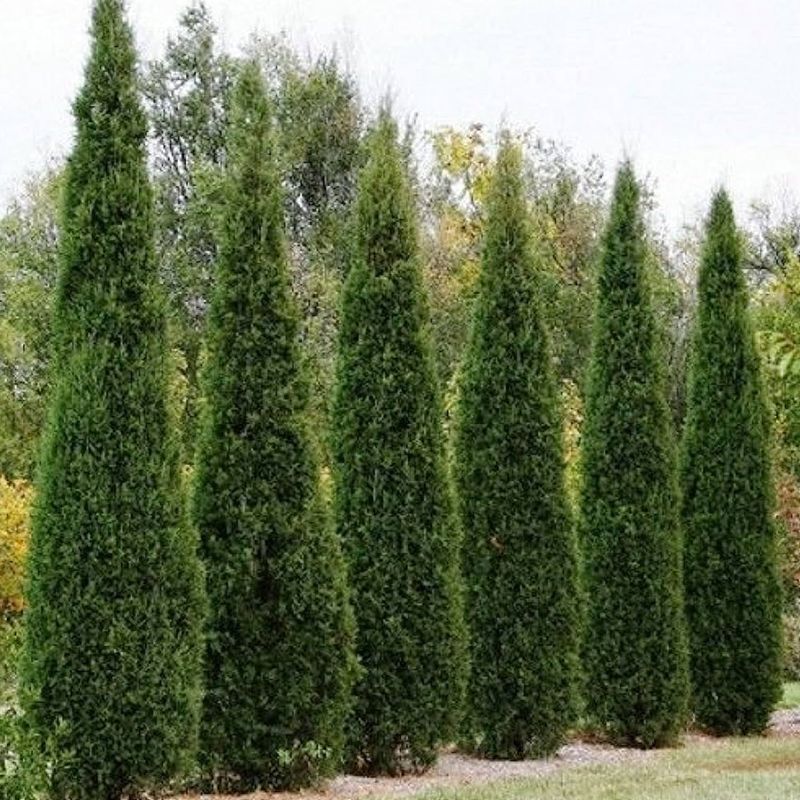
Placement matters a lot when you are adding a new tree to your yard, and Eastern Red Cedar gives you plenty of options to work with. One of the most popular uses is as a windbreak or privacy screen along property edges.
Planted in a row, these trees fill in quickly and create a dense, year-round green wall that blocks wind, noise, and unwanted views.
Fence lines are another natural fit. The tree grows upright and does not spread aggressively, so it stays well-behaved along boundaries without crowding neighboring plants or structures.
It also adds real curb appeal when planted in a neat line along a driveway or the front edge of a property.
If you have a slope or an erosion-prone area on your property, Eastern Red Cedar is a smart solution.
Its deep root system holds soil in place effectively, which is especially valuable after heavy Pennsylvania rain events. It handles those tough spots that most other trees struggle with.
Pairing Eastern Red Cedar with native understory plants takes the planting to another level. Low-growing native shrubs like spicebush or native grasses like little bluestem planted at the base create a layered habitat that supports even more wildlife.
The combination looks natural, requires minimal upkeep, and dramatically increases the ecological value of your yard.
Full sun is where this tree truly shines. Choose a spot that gets at least six hours of direct sunlight daily for the best growth and density.
Avoid planting too close to apple trees or hawthorns, as Eastern Red Cedar can host a fungal condition called cedar-apple rust that affects those species. A little planning goes a long way here.
Seasonal Care Tips
Eastern Red Cedar is about as close to a set-it-and-forget-it tree as you will find in Pennsylvania landscaping. Still, a little seasonal attention goes a long way toward keeping it looking its best and performing at full capacity for wildlife and tick reduction alike.
Early spring is the best time for any pruning you want to do. Wait until the coldest part of winter has passed but before new growth begins pushing out.
Use clean, sharp shears to remove any dry or crossing branches. Keep cuts clean and avoid removing more than one-third of the tree at once. Light shaping helps maintain density without stressing the tree.
Watch for cedar-apple rust during wet springs. This fungal condition shows up as bright orange, gelatinous growths on branches and is more of a cosmetic issue than a serious threat to the tree itself.
Removing affected branches and keeping apple or crabapple trees at a distance helps prevent it from spreading.
Bagworms are the most common pest concern for Eastern Red Cedar in Pennsylvania. These caterpillars build small, spindle-shaped bags from foliage and can defoliate branches if left unchecked.
Hand-picking bags in late fall or winter removes overwintering eggs before they hatch in spring. For larger infestations, a targeted organic spray in late spring works well.
Combining Eastern Red Cedar with native shrubs like buttonbush or native grasses like switchgrass around its base creates a layered habitat zone.
This combination maximizes wildlife support, keeps the soil around the roots healthy, and builds a natural buffer that further discourages ticks from settling in your yard. Small seasonal efforts add up to big long-term rewards with this tree.