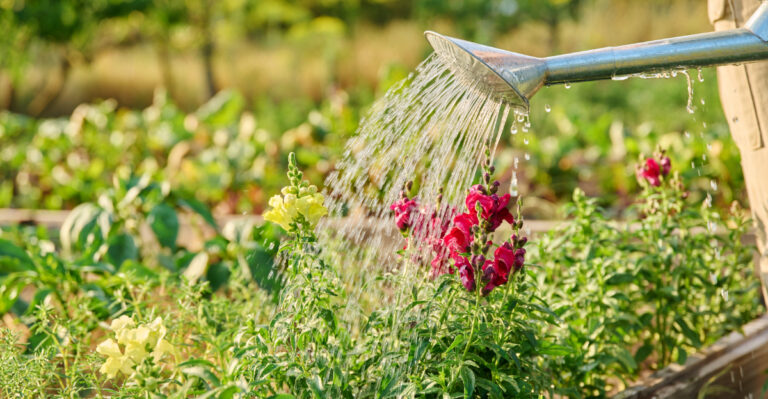
The Plants California Gardeners Should Move Out Of Full Sun Before Heat Peaks
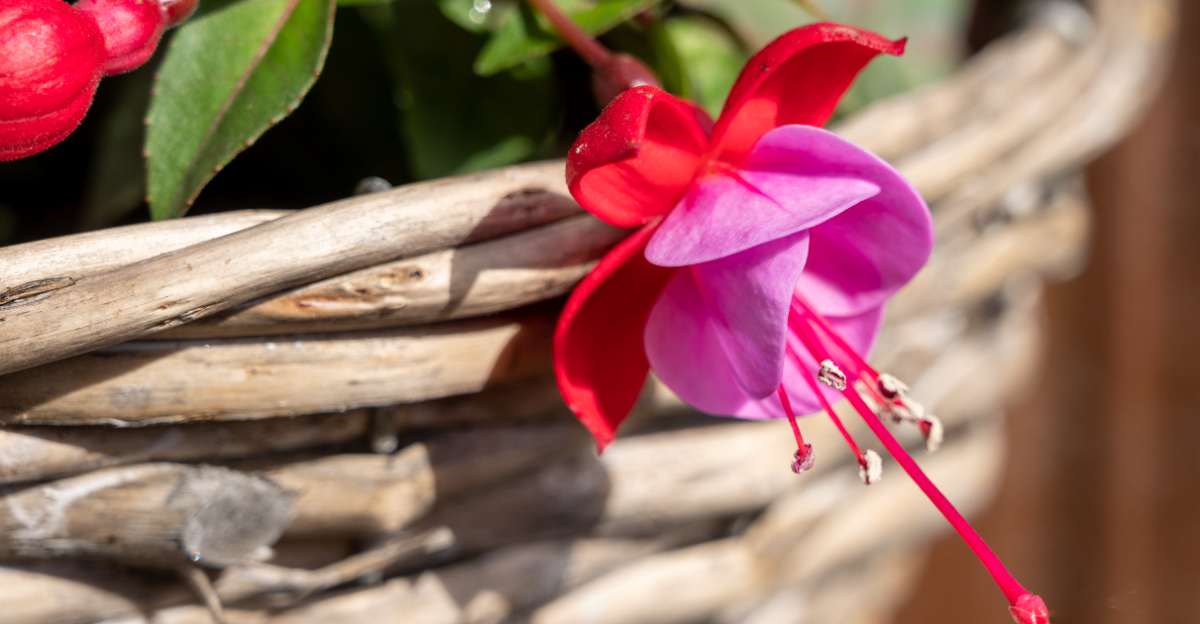
Full sun can seem friendly early in the season, then become too intense once California heat reaches its peak.
Plants that looked fresh a short time ago may start curling, fading, or slowing down when long afternoons turn harsh.
A move to brighter shade can make a big difference before that stress builds. This is especially true for container plants and young transplants.
Leafy favorites can also lose moisture fast when the sun hits them for hours. The goal is not to hide every plant from the light.
Many still need plenty of sun to grow well and bloom properly. The key is knowing which ones benefit from a break during the hottest part of the day.
A patio corner, shade cloth, or spot with morning sun can offer relief without stopping growth. Watch for leaves that look dull, edges that crisp, or soil that dries out too quickly.
Those clues can tell you it is time to act. Shift the right plants before they struggle, and your California garden can stay greener, calmer, and much easier to manage through the hottest stretch of summer.
1. Hydrangeas Need Relief From Afternoon Sun
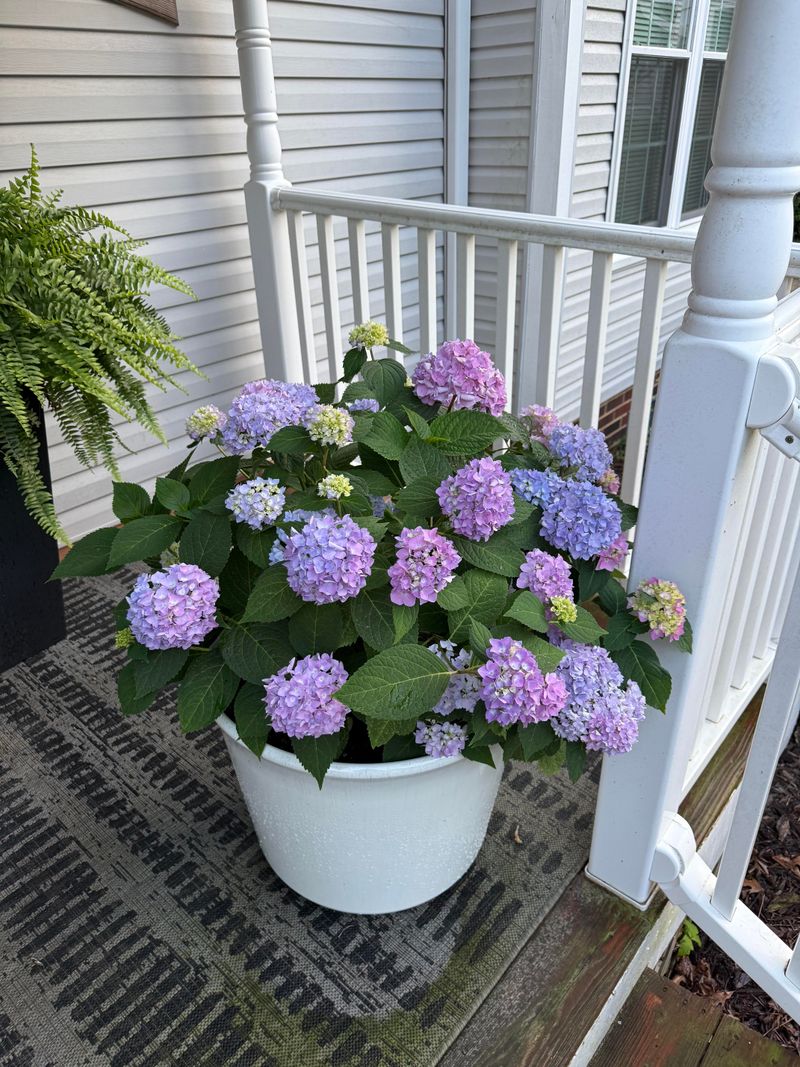
Few plants put on a show quite like hydrangeas. Those big, fluffy blooms in shades of blue, pink, purple, and white make them one of the most beloved plants in any yard.
But here is the thing: hydrangeas are surprisingly sensitive to intense afternoon sun, especially during summer in our state.
When hydrangeas get too much direct sun, their leaves start to curl and turn brown at the edges. The flowers fade quickly and may even dry out before they fully open.
This is especially true in hotter inland areas where temperatures can easily climb past 90 degrees by early afternoon.
The best spot for a hydrangea is somewhere it gets morning sun and afternoon shade. An east-facing bed or a spot under a tree that filters the light works beautifully.
If yours is in a container, moving it to a shadier patio corner before June is a smart move.
Keeping the soil moist also helps during hot stretches. Hydrangeas are thirsty plants, and dry soil combined with strong sun is a tough combination for them.
Water deeply and regularly, and add a layer of mulch to hold in moisture and keep the roots cool through the hottest part of the season.
2. Fuchsias Fade Fast When Summer Heat Hits
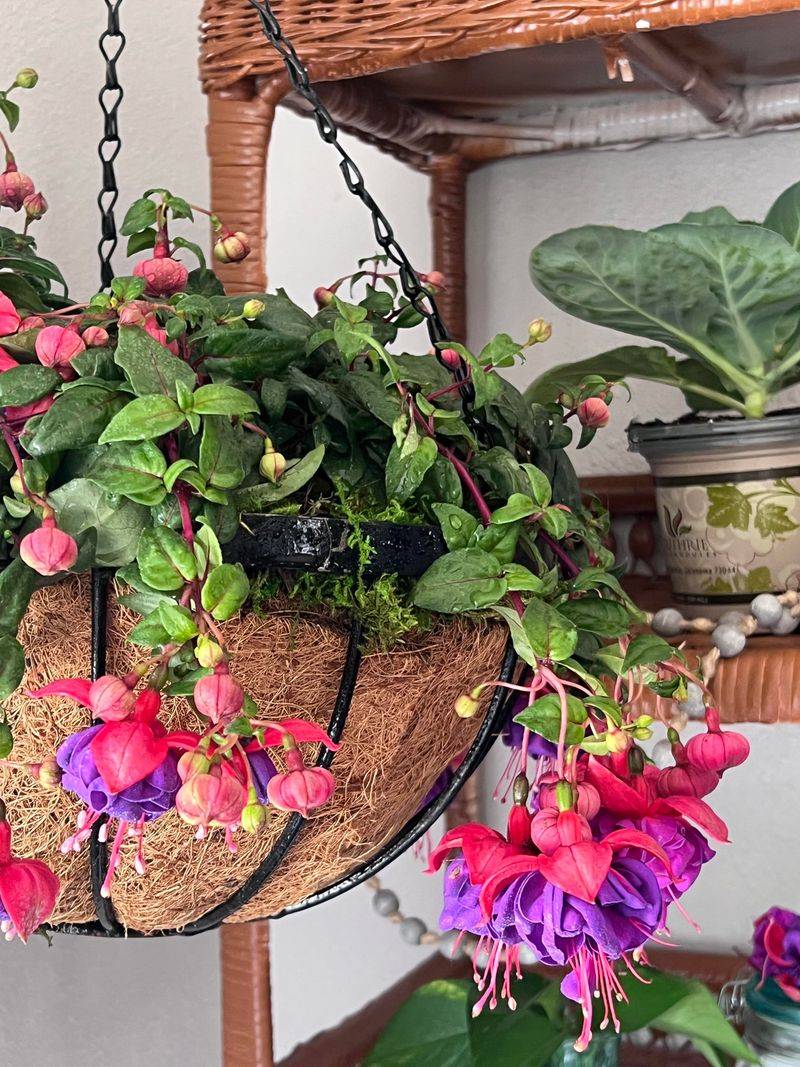
There is something almost magical about fuchsias. Their dangling, two-toned flowers look like little ballerinas hanging from every stem.
They add color and charm to hanging baskets, window boxes, and shaded patios all across our state. But once summer heat arrives, fuchsias can go from fabulous to faded very quickly.
Fuchsias are cool-weather plants at heart. They thrive when temperatures stay between 55 and 80 degrees.
Once the thermometer climbs above that range, especially in full afternoon sun, the flowers drop off and the leaves start to look limp and pale. In hotter regions of our state, this can happen as early as late May.
Your California Garden Changes Every Week. Your Plan Should Too.
Gardening in California changes quickly throughout the season. Every Friday you’ll receive a simple weekly plan showing exactly what to plant, prune, fertilize, harvest, and protect so you never miss the right timing.
Moving fuchsias to a spot with bright indirect light or morning sun only is one of the best things you can do for them.
A shaded porch, a spot under a pergola, or the north side of the house all work well. Make sure air can still circulate around the plant to prevent mold or fungal issues.
During hot spells, fuchsias may need water every day. Check the soil often and never let it dry out completely.
With the right care and a cooler location, fuchsias can keep blooming well into fall.
3. Camellias Prefer Bright Shade Over Blazing Sun
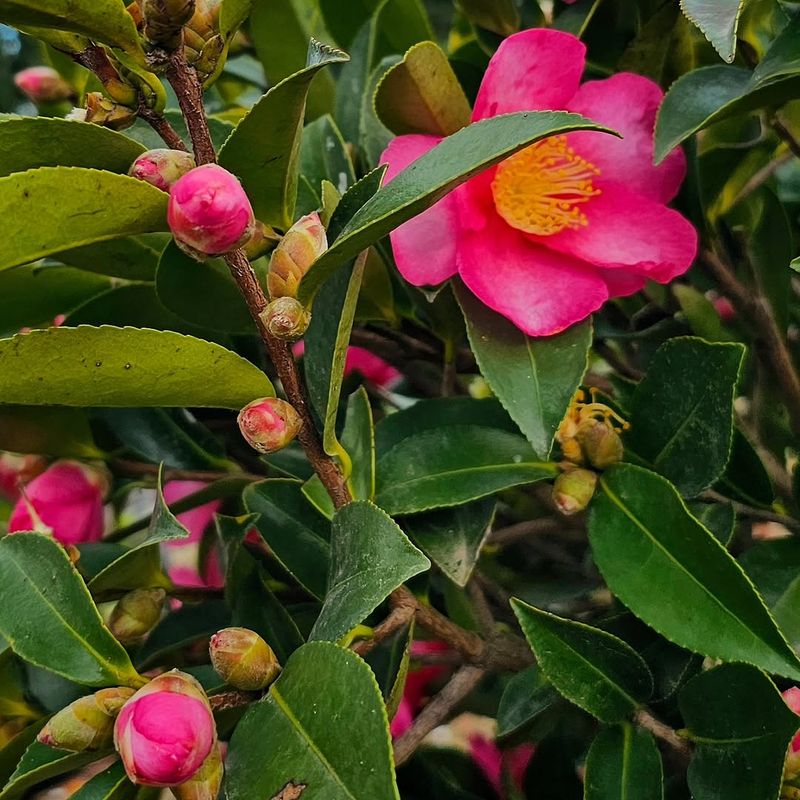
Camellias have been a garden favorite for generations, and it is easy to see why. Their large, rose-like flowers and glossy green leaves make them one of the most elegant shrubs you can grow.
But despite their tough appearance, camellias are not fans of intense, direct sunlight, particularly during the summer months in our state.
Too much sun causes camellia leaves to turn yellow or develop brown, papery patches. This is called leaf scorch, and it happens fast when the plant sits in full afternoon sun during a heat wave.
Young camellias and newly planted ones are especially at risk because their root systems are not yet deep enough to pull up enough water to cope with the heat.
Bright, filtered shade is the sweet spot for camellias. They love the light but need it softened.
Planting them near taller shrubs or under the canopy of a large tree gives them exactly what they need. If yours is in a pot, move it to a spot where it gets morning light and is sheltered from afternoon rays.
Regular watering and well-draining soil help a lot too. Camellias do not like wet feet, but they also cannot handle drought during summer.
A consistent watering schedule and a good layer of mulch go a long way toward keeping them healthy.
4. Azaleas Can Scorch In Hot California Yards
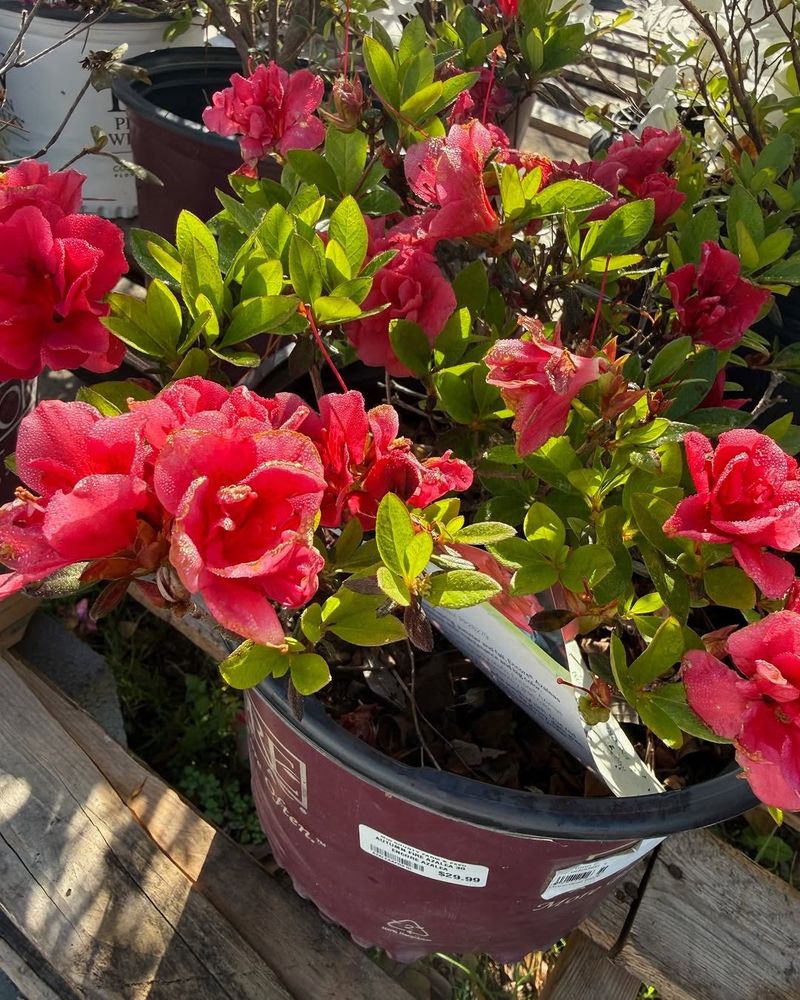
Azaleas are one of the most colorful shrubs you can add to a yard. When they bloom in spring, they are absolutely stunning, covered in clusters of flowers in shades of red, pink, orange, white, and purple.
But once summer rolls in, those same plants can start to look tired and burned if they are sitting in the wrong spot.
Our state has some of the most intense summer sun in the country, and azaleas simply are not built for it. Prolonged exposure to direct afternoon sun causes the leaves to scorch and turn brown.
The plant may also drop leaves or stop producing new growth entirely as a way of protecting itself from the heat.
Azaleas do best with morning sun and afternoon shade. A spot along the east side of the house or under a high canopy of trees is ideal.
If you have an azalea in a container, now is a great time to move it somewhere cooler before the worst of the heat arrives.
Soil moisture is key for azaleas during summer. They have shallow roots, which means they dry out quickly.
Water them consistently, and use an acidic mulch like pine needles or bark chips around the base to keep the soil cool and retain moisture between waterings.
5. Hostas Are Not Built For Harsh Summer Rays
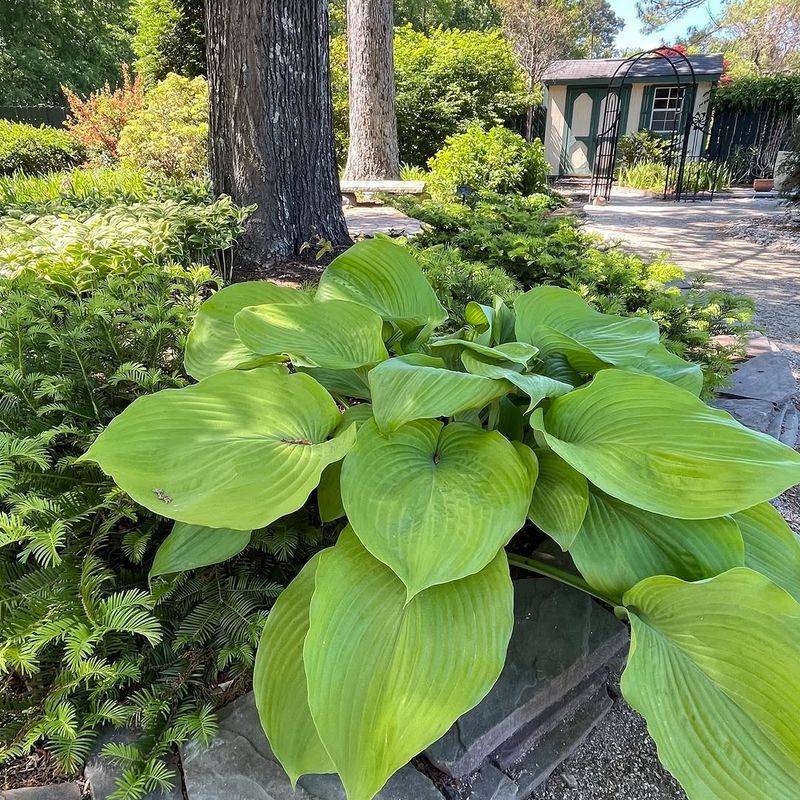
Walk through any shaded garden bed and you will likely spot a hosta. These bold, leafy plants are known for their wide, textured leaves that come in shades of green, blue-green, gold, and variegated patterns.
They are incredibly popular because they fill shady spots beautifully and require very little fuss. The trouble starts when they end up in too much sun.
Hostas are shade plants through and through. Even a few hours of strong afternoon sun can cause the edges of their leaves to turn pale, yellow, or crispy brown.
In our state, where summer temperatures can be fierce, even partial sun can be too much for some hosta varieties, especially the lighter-colored ones.
If your hostas are looking washed out or scorched, it is a clear sign they need more shade. Moving them under a tree, along a north-facing fence, or beside a taller shrub can make a noticeable difference in just a few days.
Container hostas are easy to relocate and respond quickly to a shadier environment.
Keep the soil consistently moist, as hostas do not handle drought well. A thick layer of mulch around the base helps hold moisture and keeps the roots from overheating.
With the right care, hostas can stay lush and full all summer long.
6. Ferns Want Moist Shade, Not Patio Heat
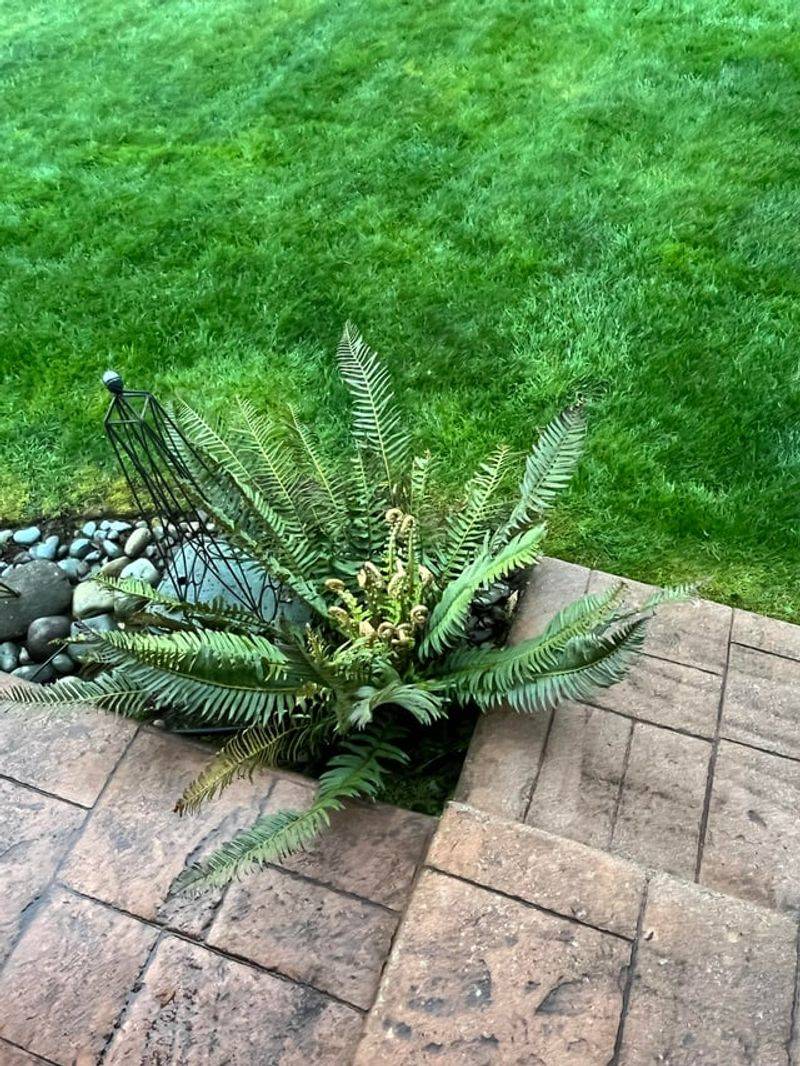
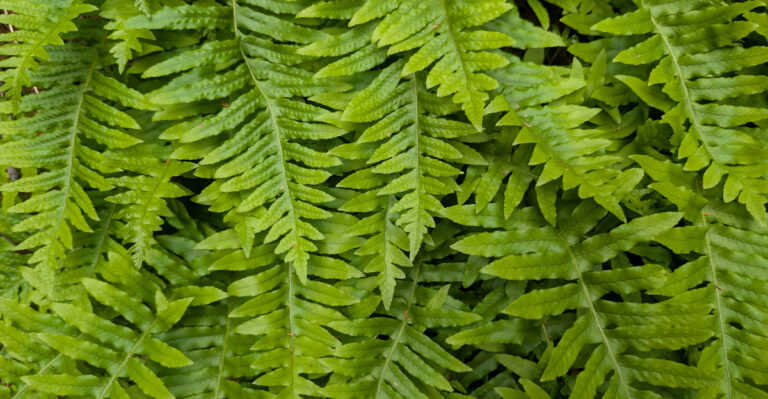
Ferns bring a lush, forest-like feel to any garden. Their feathery fronds and rich green color make them a go-to plant for shaded beds, borders, and containers.
But put a fern in full sun on a hot summer patio, and you will see it shrivel up almost overnight. Ferns are moisture-loving plants that simply cannot handle intense heat and dry air.
In our state, summer afternoons can turn a sunny patio into something close to an oven. Ferns sitting in those conditions will turn brown and crispy at the tips first, then gradually through the whole frond.
Once a frond is scorched, it does not recover. You would need to trim it off and wait for new growth to appear.
The best environment for ferns is a cool, shaded spot with consistently moist soil and good humidity. Under a tree, beside a water feature, or along a shaded fence are all great options.
If your ferns are in pots, moving them to a shaded porch or indoors near a bright window can save them from summer stress.
Misting ferns regularly during dry spells helps keep the humidity up around them. Water them before the soil dries out completely, and avoid letting water sit in the crown of the plant.
Good drainage combined with steady moisture keeps ferns thriving through the summer months.
7. Coral Bells Can Burn When The Sun Gets Too Strong
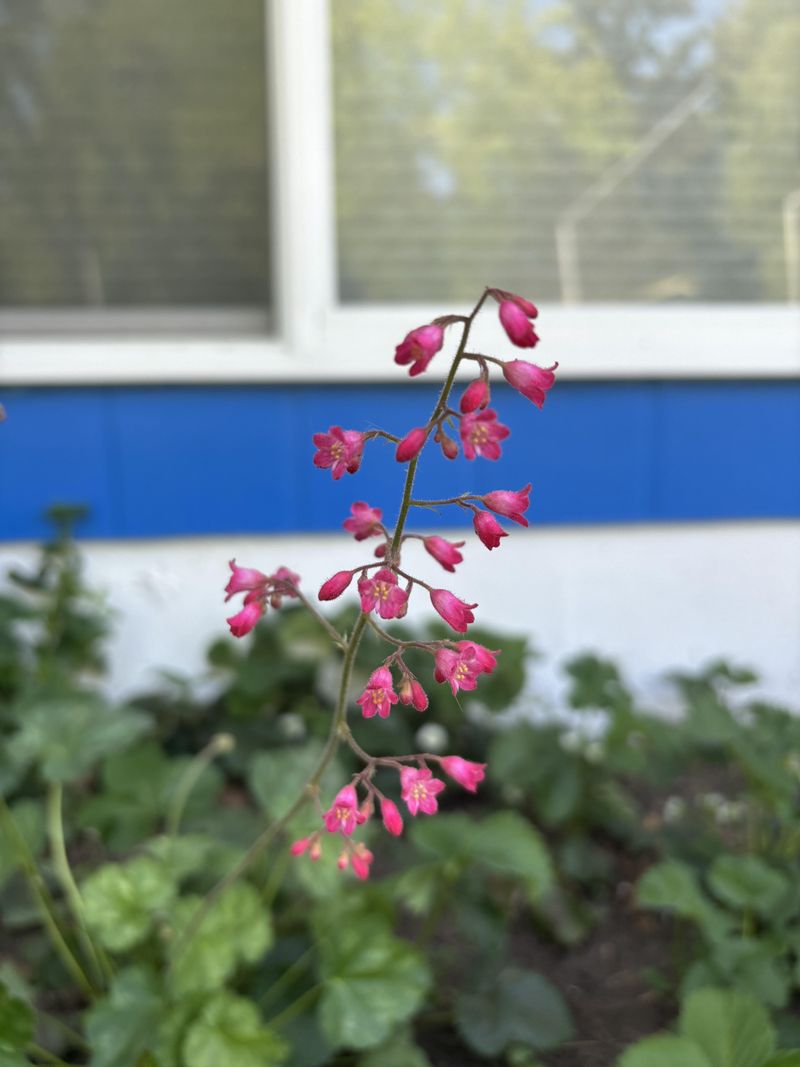
Coral bells are one of those plants that gardeners love for their stunning foliage. The leaves come in an incredible range of colors, from deep burgundy and bronze to lime green and silver.
They also send up delicate little flower stalks that attract hummingbirds, which is always a bonus. But despite how tough they look, coral bells can struggle in the strong summer sun of our state.
The darker-leafed varieties tend to handle sun a bit better, but even they can show signs of stress when afternoon temperatures peak.
Leaves may bleach out, develop dry patches, or lose their rich color when exposed to too much direct light.
In hotter inland areas, this can happen quickly once summer fully sets in.
Partial shade is the sweet spot for coral bells. Morning sun with afternoon shade keeps the foliage looking vibrant and the plant growing steadily.
A spot on the east side of the house or under the light canopy of a small tree works well. Container-grown coral bells can simply be moved to a cooler corner of the yard.
Water coral bells regularly but do not overdo it. They like well-draining soil and do not appreciate sitting in wet ground.
Mulching around the base helps regulate soil temperature and keeps moisture from evaporating too quickly during the hottest part of summer.
8. Impatiens Belong In The Cooler Corners
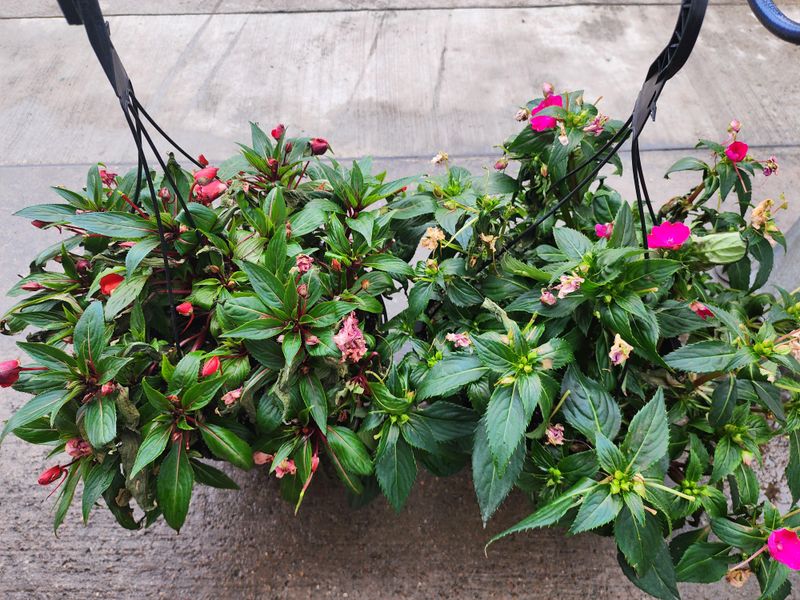
If you have ever wanted nonstop color in a shady spot, impatiens are usually the answer. These cheerful little flowers bloom in just about every color you can think of, and they keep going from spring right through fall when they are happy.
The key word there is happy, because impatiens have a very specific idea of what a good environment looks like.
Full sun, especially in the afternoon, is not part of that picture. Impatiens are one of the most shade-friendly flowering annuals you can grow, and they genuinely struggle when exposed to harsh, direct sunlight.
Leaves turn yellow, flowers drop, and the whole plant can look limp and defeated within just a few days of too much sun exposure.
Cooler, shaded corners of the yard are where impatiens truly come alive. Under a tree, along a shaded walkway, or in a pot on a covered porch are all great placements.
In our state, where summer sun is intense, even a few hours of afternoon shade makes a big difference for these plants.
Keep the soil evenly moist and avoid letting it dry out completely. Impatiens are thirsty plants, especially during warm weather.
Feed them with a balanced liquid fertilizer every two weeks to keep the blooms coming strong all season long.
9. Begonias Bloom Better Away From Blazing Afternoon Sun
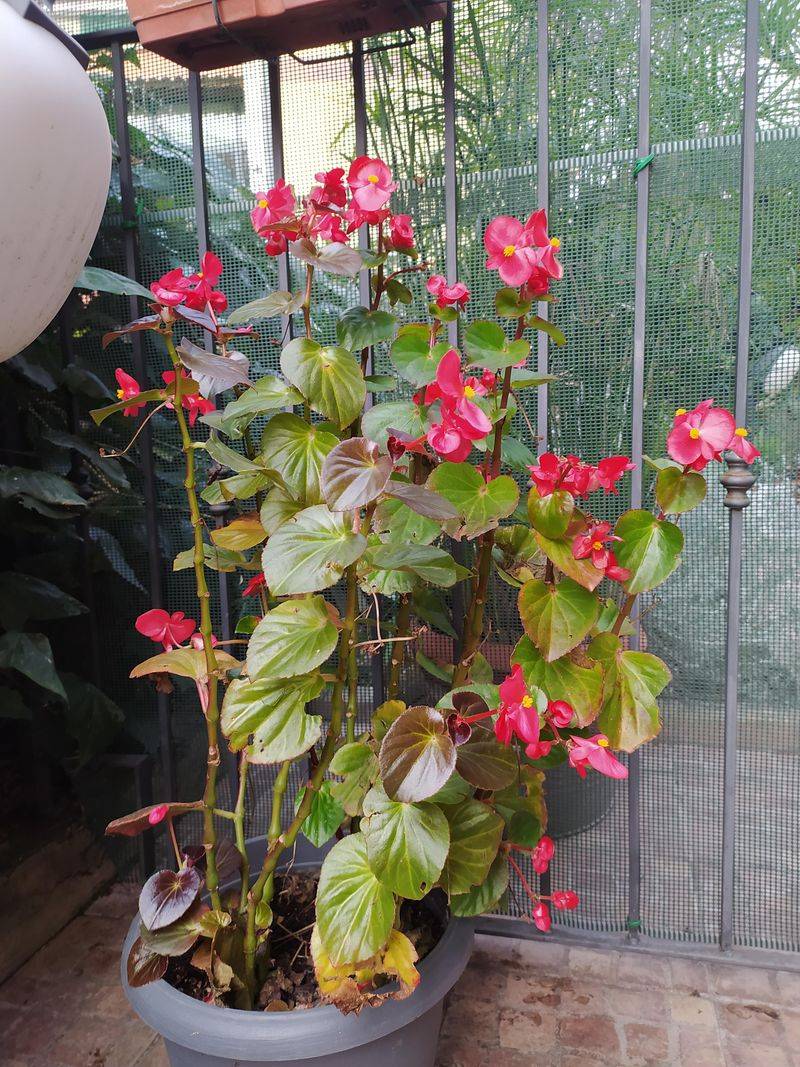
Begonias are some of the hardest-working flowering plants in any garden. They bloom reliably, come in a wide range of colors, and work equally well in the ground or in containers.
There are many varieties to choose from, including wax begonias, tuberous begonias, and rex begonias, and while each one has slightly different needs, they all share one thing in common: a strong dislike of intense afternoon sun.
Tuberous begonias are especially sensitive. Their large, showy flowers look incredible but can burn and drop off when exposed to direct midday or afternoon sun during summer.
Even wax begonias, which are a bit tougher, tend to look their best when they have some relief from the strongest rays of the day.
Bright morning sun followed by afternoon shade is the winning formula for begonias in our state.
A spot on a shaded patio, under a tree, or along a building’s east-facing wall gives them just the right amount of light without the damaging heat.
Container begonias make this easy since you can move them around as the season changes.
Water begonias when the top inch of soil feels dry, and make sure the pot or bed drains well. Too much moisture around the roots can cause rot, so balance is important.
With the right spot and steady care, begonias will reward you with blooms all summer long.