Most Illinois Homeowners Have This Toxic Shrub And Do Not Even Know It
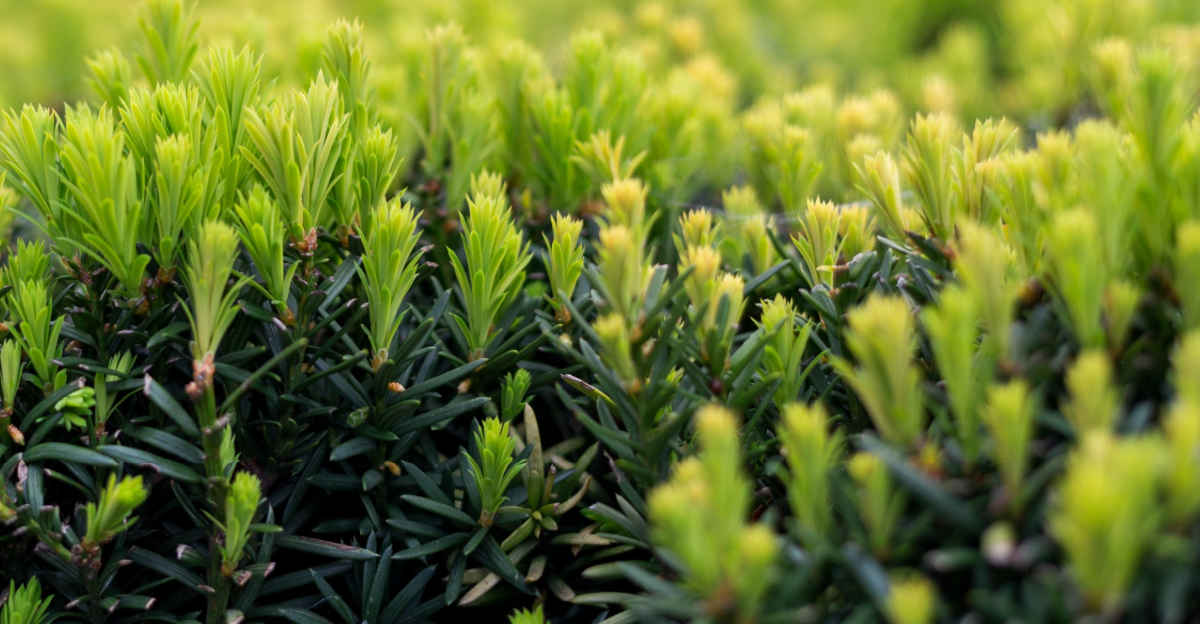
Your front yard is hiding something, and you have walked past it a hundred times. That neat, dark green shrub trimming your walkway looks completely harmless, yet millions of homeowners plant it without a second thought.
Tidy needles, perfectly innocent, quietly growing. But looks can deceive in ways that truly matter.
Did you know one common landscaping plant is among the most toxic in North America? Tucked inside those polished green needles is a poison with a long and serious history.
Children are especially vulnerable. So are your pets, and even careful adults are not fully safe.
Illinois homeowners tend this shrub in yards across the state, completely unaware of what they are growing. Ancient poisoners knew exactly what this plant could do.
Illinois residents deserve that same awareness now. That tidy little shrub standing quietly in your front yard has a secret worth knowing.
Nearly Every Part Contains Toxic Taxine Alkaloids
Most people assume a plant is safe if it looks tidy and grows in a neighbor’s yard. Yew shatters that assumption completely.
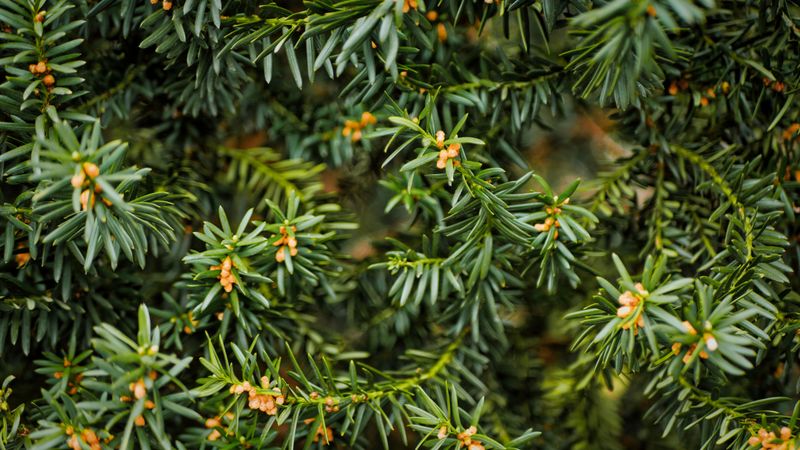
The toxic shrub known as yew contains compounds called taxine alkaloids in almost every part of the plant. The needles, bark, seeds, and branches all carry these chemicals in dangerous concentrations.
Taxine alkaloids interfere with your heart’s electrical signals. Even a small amount absorbed into the body can disrupt normal rhythm within minutes.
What makes this especially alarming is how stable these toxins are. They do not break down quickly in heat or cold, meaning even dried yew clippings remain hazardous long after pruning.
Researchers have studied taxine compounds for decades. Scientists once explored them for cancer treatment because of how powerfully they affect cell function.
The roots are the one part considered slightly less toxic, but that does not make them safe by any measure. Every above-ground section of this shrub should be treated with serious caution.
Yew grows in yards across Illinois without warning labels or safety guides. Homeowners handle it bare-handed during weekend landscaping projects, completely unaware of what they are touching.
Knowing that nearly every part of this plant carries poison is the first step toward protecting your household. Illinois residents deserve that awareness before an emergency makes it necessary.
Cardiac Arrest Can Occur Within Hours And There Is No Antidote
Imagine eating something from your yard and having your heart stop hours later. That is not a horror story. That is what yew poisoning can do.
Taxine alkaloids block calcium and sodium channels in heart muscle cells. This disruption causes the heart to beat erratically, then stop altogether in serious cases.
What makes yew poisoning so frightening is the speed of onset. Symptoms like nausea, dizziness, and trembling can appear anywhere from 30 to 90 minutes after ingestion, depending on the amount consumed.
From there, heart rhythm problems can develop rapidly. Emergency rooms have limited options because no approved antidote exists for taxine poisoning in humans.
Doctors treat symptoms as best they can, but they cannot neutralize the toxin directly. Supportive care is the only real option, and it does not always work in time.
Your Illinois Garden Changes Every Week. Your Plan Should Too.
Gardening in Illinois changes quickly throughout the season. Every Friday you’ll receive a simple weekly plan showing exactly what to plant, prune, fertilize, harvest, and protect so you never miss the right timing.
Cases of human fatalities from yew ingestion have been documented across Europe and North America. Many victims were children who mistook the berries for something edible.
Veterinary records show that dogs, cats, horses, and livestock have all suffered fatal outcomes after chewing yew branches. The plant does not discriminate between species.
Keeping this toxic shrub near spaces where children or animals play is a risk no landscaping benefit can justify. Speed matters when poisoning occurs, so call poison control immediately.
Even A Small Amount Of Yew Can Be Harmful To A Child
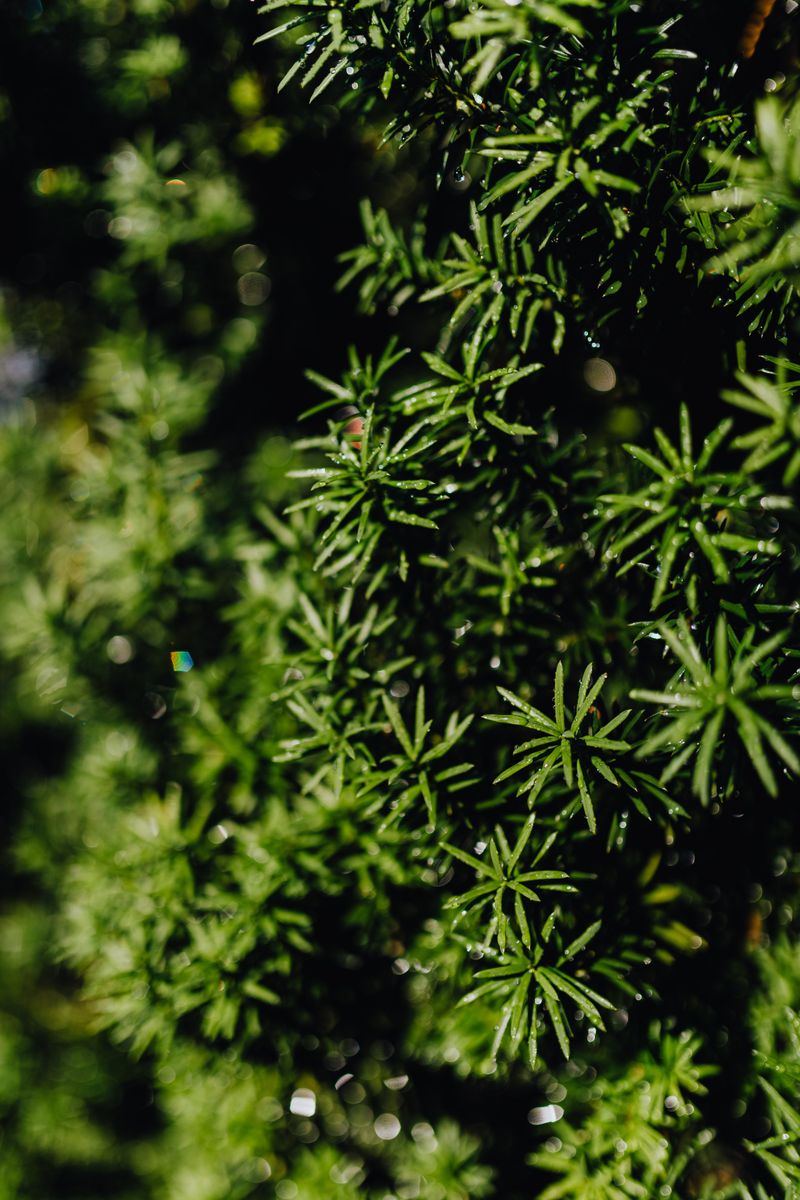
Children explore the world with their hands and mouths. That natural curiosity becomes dangerous when a yew shrub is within reach.
Toxicologists have established that the amount of yew needed to cause serious harm in a small child is very low. Young bodies process toxins differently, and even a small handful of needles is enough to be a concern.
Young bodies process toxins differently than adult bodies. Lower body weight means a smaller dose produces a much stronger effect in children.
A child does not need to swallow a large amount to be in serious trouble. Even chewing on a few needles and spitting them out can allow some taxine to enter the bloodstream.
Parents often do not witness the moment of exposure. By the time symptoms appear, precious time has already passed without treatment.
Pediatric poison control centers across Illinois receive calls about yew ingestion every year. Many callers are shocked to learn the plant in their own yard caused the emergency.
Children between two and six years old are at the highest risk because they are mobile, curious, and not yet able to follow plant safety rules. Illinois parents with young children should take extra care to identify every shrub growing near play areas.
Removing yew from yards with young children is the safest choice any Illinois parent can make. No ornamental plant is worth that level of risk.
One Of The Most Planted Shrubs In The Midwest Yet Few Know The Risk
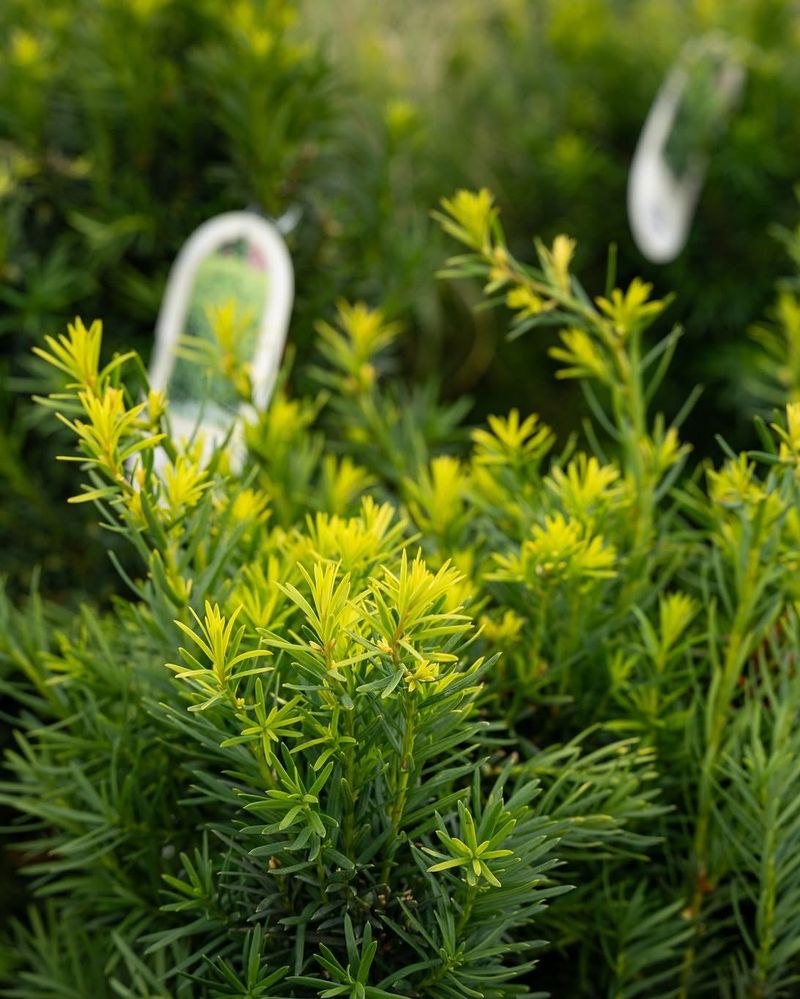
Yew is everywhere in Midwest landscaping, and that is exactly the problem. Its popularity has made it invisible to most homeowners.
Nurseries have sold yew for decades because it is low-maintenance, evergreen, and tolerates shade well. Those practical benefits made it a go-to choice for landscapers across the region.
Drive through any established neighborhood and count the dark green foundation shrubs. A surprising number of them are yew, quietly growing next to front doors and driveways.
The plant is so common that most people assume it must be harmless. Widespread use has created a false sense of safety around a genuinely dangerous shrub.
Garden centers rarely post toxicity warnings on yew plants at the point of sale. Buyers take them home without any knowledge of what they are actually planting.
Homeowner associations sometimes even require foundation plantings that include yew. The toxic shrub ends up in yards by default, chosen by designers who prioritize aesthetics over safety.
Awareness campaigns around yew toxicity have grown in recent years, but they have not kept pace with the plant’s distribution. Most adults still cannot identify yew by sight.
Knowing your own yard is the first real line of defense. Walk outside today and take a closer look at what is actually growing along your foundation.
Pruning Clippings Are Just As Toxic As The Living Plant
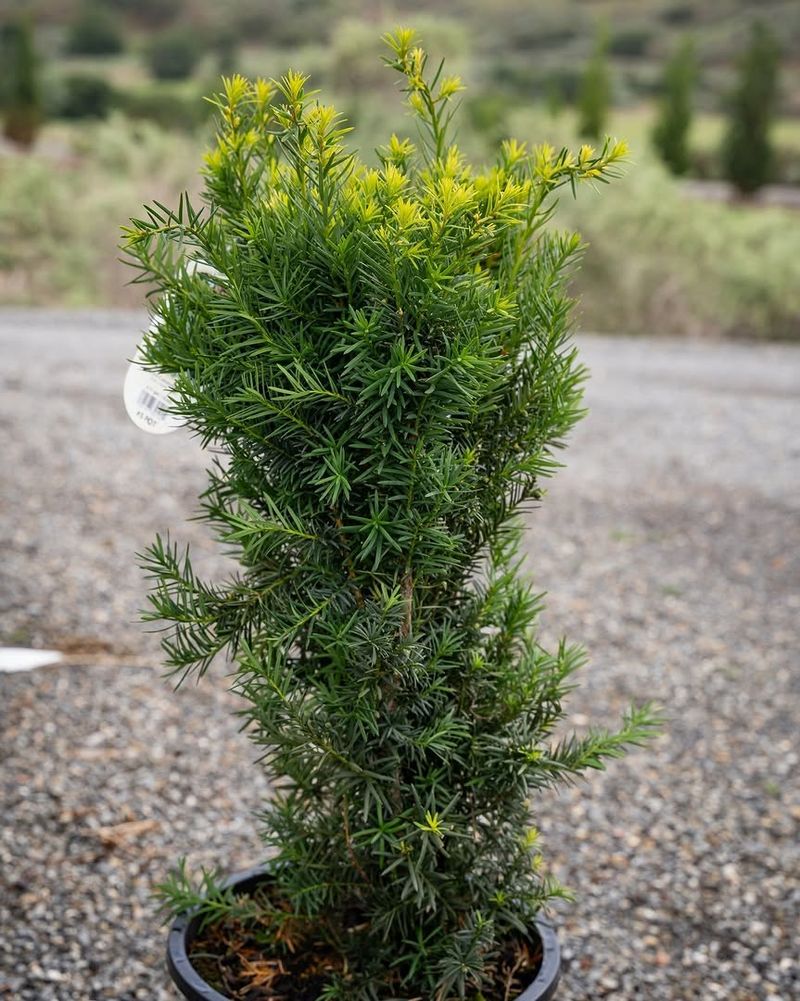
Most homeowners toss yew clippings into a compost pile without a second thought. That habit is more dangerous than it sounds.
Cut yew branches retain their full toxicity for weeks, sometimes months, after being removed from the shrub. The taxine alkaloids do not evaporate or break down simply because the branch is no longer attached.
Pets are particularly vulnerable to clippings left on the ground. Dogs and cats investigate fallen branches with their noses and mouths, making accidental ingestion very easy.
Horses and livestock that have access to yard waste piles have been poisoned by discarded yew clippings. Farmers and hobby farm owners need to be especially careful about what ends up near animal areas.
Children playing in the yard after a pruning session can pick up clippings out of curiosity. Gardeners who handle yew bare-handed may experience skin irritation from sap contact.
Wearing gloves and washing hands thoroughly after yard work is a sensible precaution, even though the primary risk from yew comes through ingestion, not skin contact.
Clippings should be bagged in sealed trash bags, not composted or left in open piles. Some municipalities have specific guidelines for disposing of toxic plant material safely.
Treating cut yew with the same respect as the living shrub protects everyone in the household. Safe disposal is not optional.
Pretty Red Berries Hide A Harmful Seed Inside
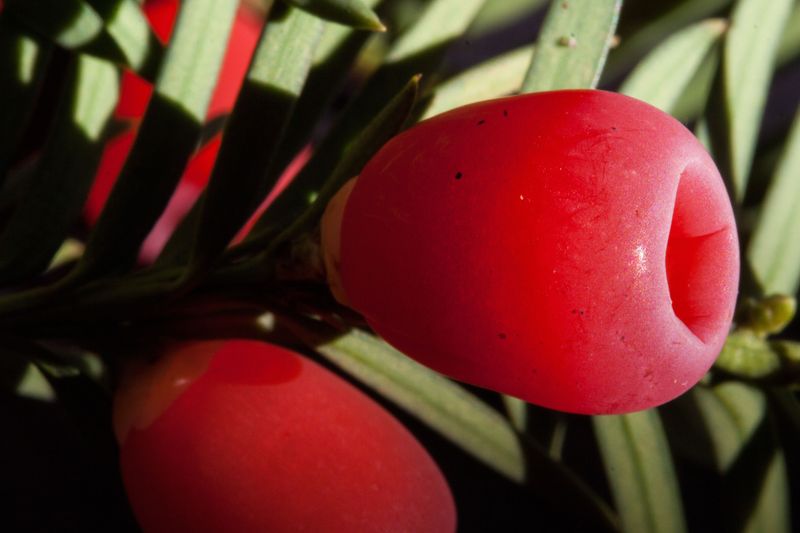
Few sights in a winter garden are as cheerful as clusters of bright red berries. On a yew shrub, that cheerfulness is a trap.
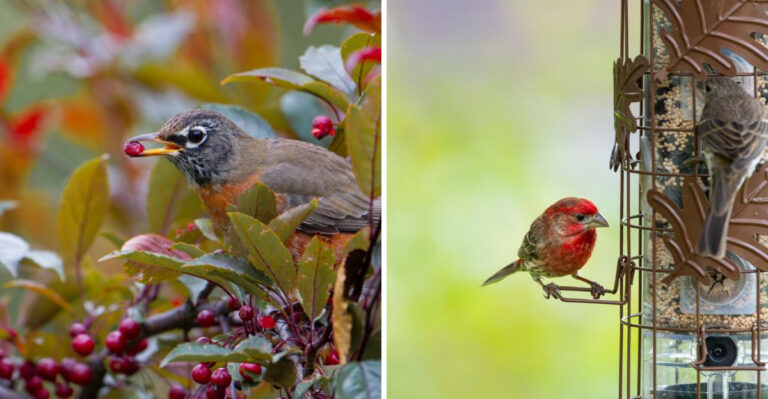
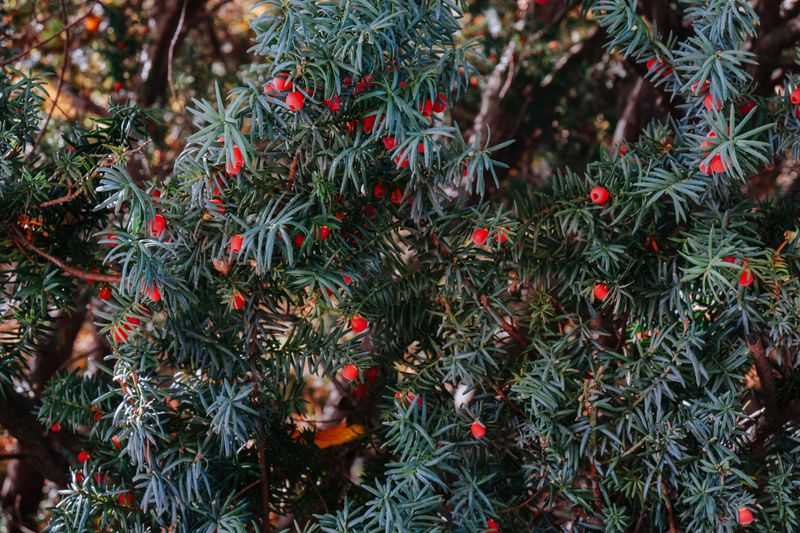
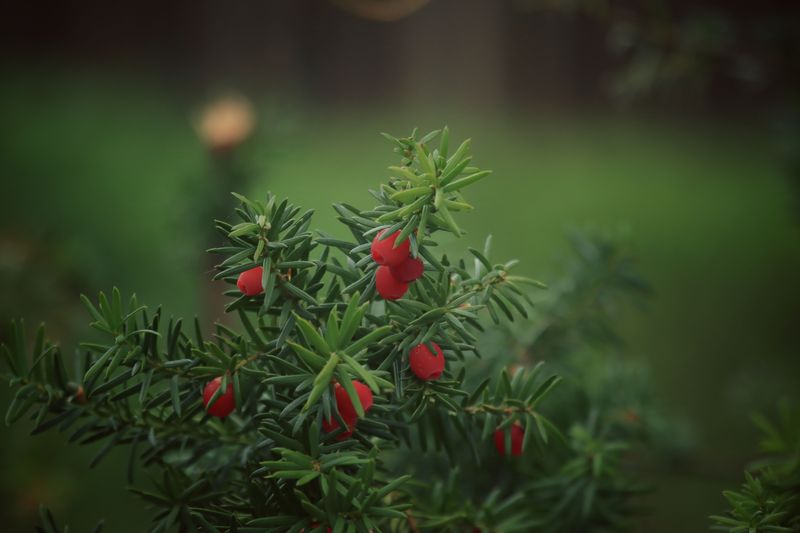
The red fleshy part of the yew berry, called the aril, is actually the least toxic portion of the plant. Birds eat it regularly and come away unharmed.
The seed inside, however, is a different story entirely. It contains concentrated taxine alkaloids that are highly dangerous if chewed or crushed before swallowing.
Birds avoid crushing the seed because they swallow berries whole. Humans, especially children, tend to chew whatever goes in their mouths, releasing the seed’s toxic contents.
The red color mimics edible wild berries that children may have seen in books or cartoons. That visual similarity increases the chance of a curious child picking and tasting them.
Yew berries appear in late summer and persist through winter, meaning the hazard is present for months. Cold temperatures do not reduce the seed’s toxicity at all.
Wildlife like robins and cedar waxwings depend on yew berries as a winter food source. Their safety does not translate to human safety because of how differently they process the seed.
Teaching children to never eat anything from an outdoor plant is one of the most valuable safety lessons a parent can offer. Start that conversation today.
Pets Face Serious Risk From Backyard Yew Exposure
Dogs are curious by nature, and backyards are their entire world. That combination becomes a serious problem when yew is part of the landscape.
Veterinary toxicologists consistently list yew among the top most dangerous plants for household pets. Even small amounts of ingested material can cause rapid heart failure in dogs and cats.
Cats tend to chew on plants more deliberately than dogs. A cat that discovers a yew branch can ingest a harmful dose without the owner ever noticing until symptoms appear.
Symptoms of yew poisoning in pets include trembling, difficulty breathing, sudden collapse, and loss of coordination. These signs can appear within one to three hours of exposure.
Veterinary emergency clinics across Illinois have no specific antidote for taxine poisoning in animals. Treatment focuses on stabilizing the animal and managing symptoms, which does not always succeed.
Rabbits, guinea pigs, and other small pets allowed outdoors are at extreme risk. Their smaller body mass means even a few nibbles can be catastrophic.
Pet owners often assume that animals instinctively avoid toxic plants. That assumption is dangerously wrong. Domesticated animals have lost many of the wild instincts that might protect them.
Illinois pet owners should take this seriously when evaluating what is growing in their backyard.
Replacing yew with genuinely pet-safe alternatives like spirea, coral bells, or ornamental grasses protects your animals without sacrificing curb appeal. Always confirm any new planting is safe for your specific pets before installing it.
Your pet cannot read a warning label, and Illinois homeowners who act now can prevent a situation that too many families only understand after it is too late.