Your Wyoming Garden Is Welcoming Deer Because Of These 9 Habits
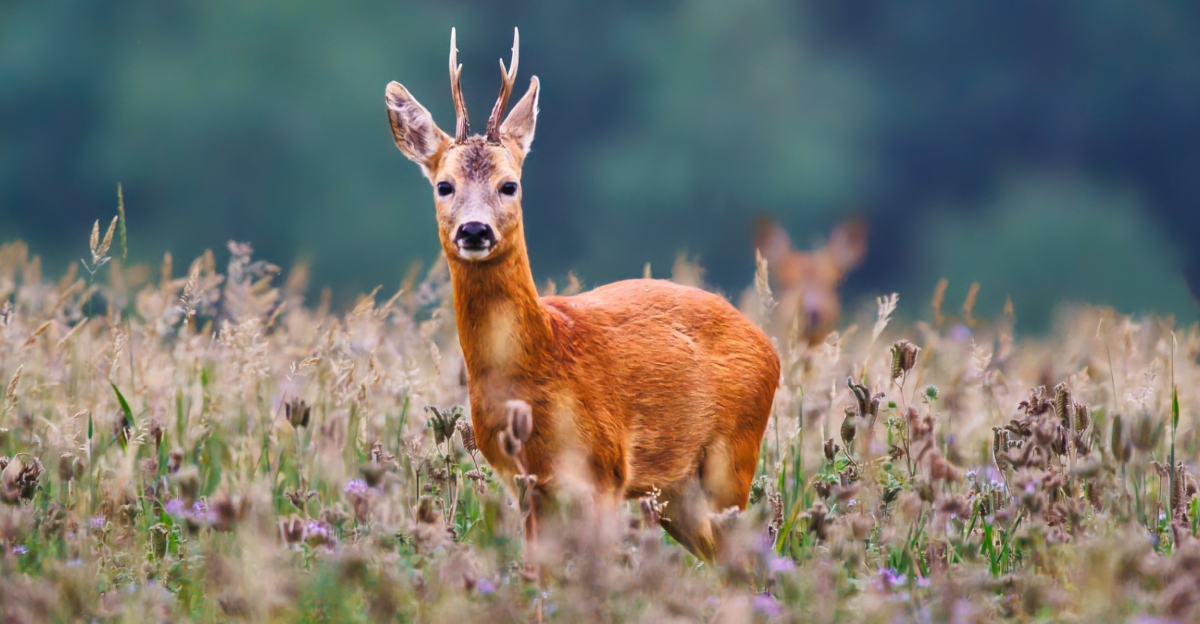
Overnight, your garden got hit hard. Something moved through it quietly, deliberately, and left before dawn.
Hoof prints press deep into the soil, stems are bitten clean, and your hosta is half gone. Who did this so quietly, so completely?
Wyoming deer move like rumors through a neighborhood, bold and patient, always returning to gardens that feel safe. Yours apparently felt very safe.
Many gardeners never realize they are the ones sending the invitation. Small habits signal an open door, and what you overlook every day is exactly what draws them back.
Spotting those signals is the first real advantage you have. Once you see what welcomes them, everything shifts fast.
Your Wyoming garden is giving something away without your permission. Understand what that is, and the entire dynamic changes in your favor.
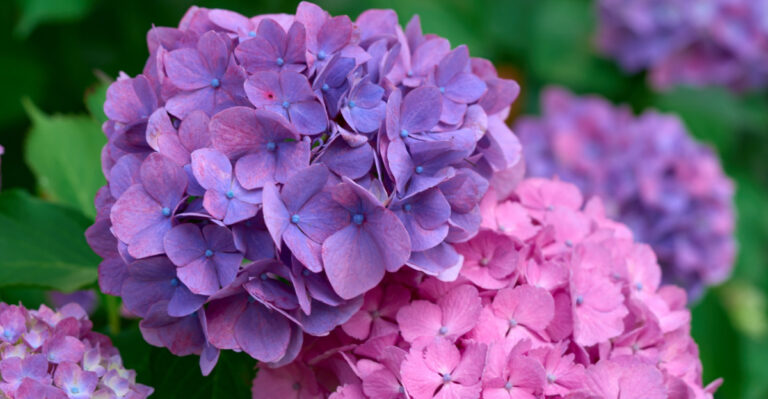
1. Roses, Hostas, Or Tulips Planted Along The Yard Edge

Picture a deer standing at the edge of your yard, scanning for dinner. Roses, hostas, and tulips are among the most attractive plants you can offer a passing deer.
These plants are among the most deer-preferred in any landscape. Planting them along the yard perimeter makes your yard one of the easiest targets in the neighborhood.
Deer are creatures of habit and memory. Once they find a reliable food source, they return night after night without hesitation.
Your Wyoming garden is welcoming deer every time these tender plants sit exposed at the border. They require almost no effort for a deer to reach and consume quickly.
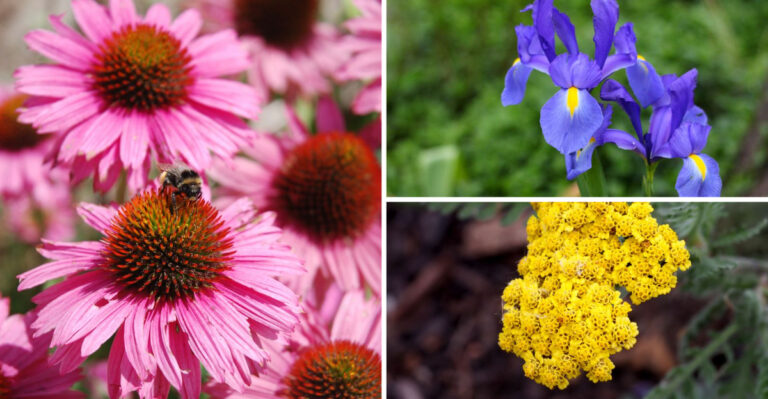
Swapping border plants for deer-resistant options makes a real difference. Try planting lavender, Russian sage, or yarrow along the edges instead of tempting favorites.
These alternatives still look gorgeous and add color and texture to your landscape. Deer tend to avoid plants with strong scents or fuzzy textures, so use that to your advantage.
You do not have to sacrifice beauty for practicality in your garden. Choosing smarter plants means fewer overnight surprise visits from your four-legged neighbors.
Move your roses and tulips toward the center of your yard, closer to the house. Distance from the yard edge gives deer less confidence to approach and graze freely.
2. Fallen Fruit Or Berries Left On The Ground Overnight
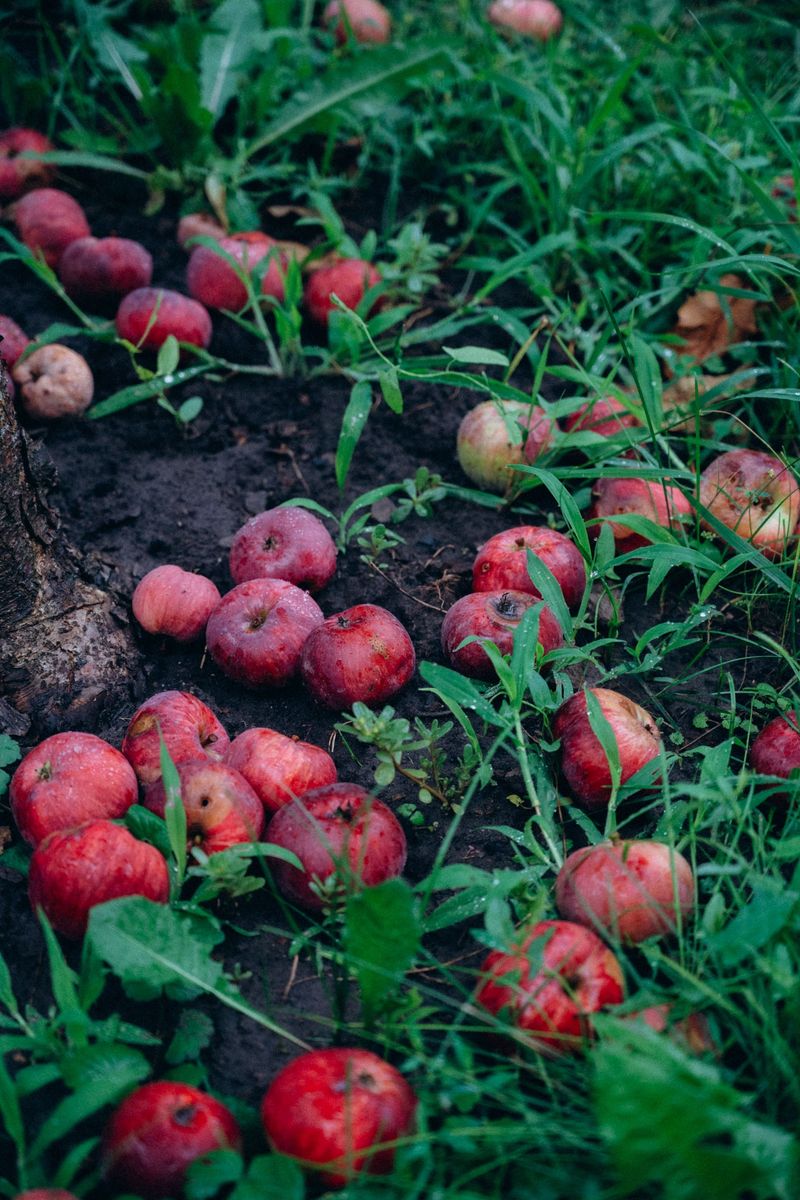
Fermented apples on the ground smell incredible to a deer. That sweet, slightly funky scent travels a surprising distance through cool Wyoming air.
Leaving fallen fruit or berries on the ground overnight is one of the fastest ways to attract wildlife. Deer have an extraordinary sense of smell and can detect food from over a mile away.
Once they locate that scent trail, they follow it straight into your yard. And once they arrive, they rarely stop at just the fallen fruit on the ground.
They will sample nearby plants, shrubs, and garden beds while they are already there. One small habit of neglect can lead to significant garden damage over a single season.
Picking up fallen fruit each evening takes only a few minutes but makes a major impact. Use a bucket or garden bag and do a quick sweep before the sun goes down.
Compost the collected fruit in a sealed bin rather than an open pile. Open composting of fruit creates the same problem in a different location on your property.
Berry-producing shrubs like chokecherry and serviceberry are common in Wyoming landscapes. If you grow them, check underneath daily during peak fruiting season without skipping a single night.
Keeping the ground clean removes one of the biggest deer attractants from your space. A tidy yard is a much less inviting yard for wildlife looking for an easy meal.
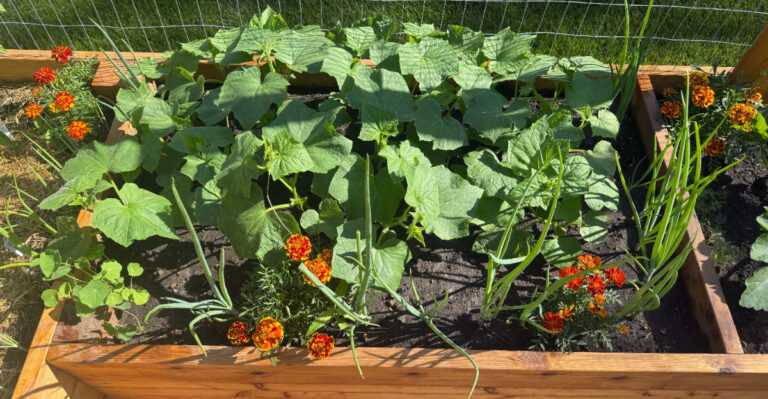
3. Unfenced Vegetable Beds With No Barrier Around Them
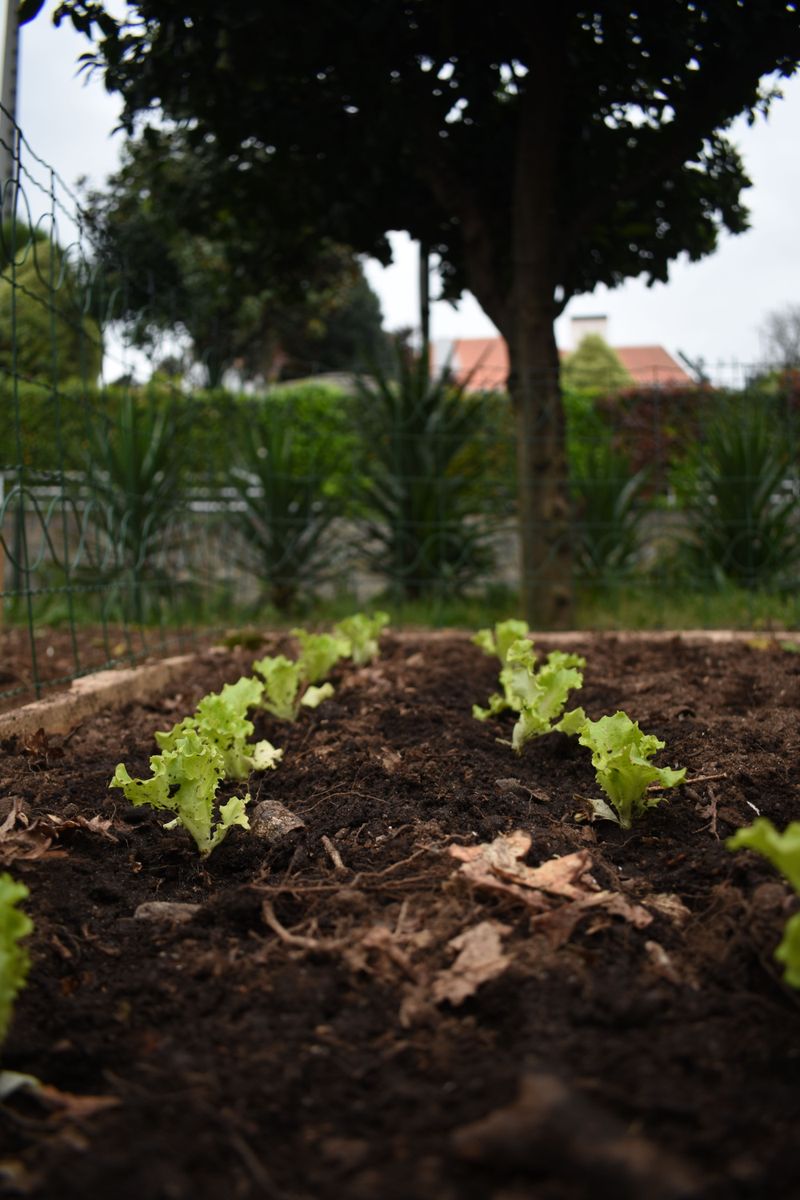
An open vegetable bed in Wyoming is an all-you-can-eat situation for any passing deer. Lettuce, beans, peas, and squash are among their absolute favorites to munch on.
Without a physical barrier, there is nothing stopping a deer from walking right up and helping itself. Deer are not timid when they feel safe, and an open yard gives them that confidence quickly.
A fence does not have to be expensive or elaborate to make a difference. Even a simple enclosure raises the effort required, though six feet or taller is more reliably effective against determined deer.
Wyoming deer are athletic jumpers, so height matters when choosing your fencing solution. Some gardeners use double fencing, placing two shorter fences a few feet apart.
Deer struggle to judge the gap and typically avoid the confusion rather than attempt the jump.
Row covers made of lightweight fabric also protect plants without blocking sunlight. They work especially well for low-growing crops like lettuce, spinach, and carrots in your garden beds.
Your Wyoming garden is welcoming deer when beds sit wide open and unprotected. Adding even a basic barrier sends a clear signal that this space is off-limits to browsers.
Start with the beds closest to tree lines or open fields. Those locations see the heaviest deer traffic and need protection most urgently before the next growing season begins.
4. Bird Feeders Left Full And Accessible After Dark
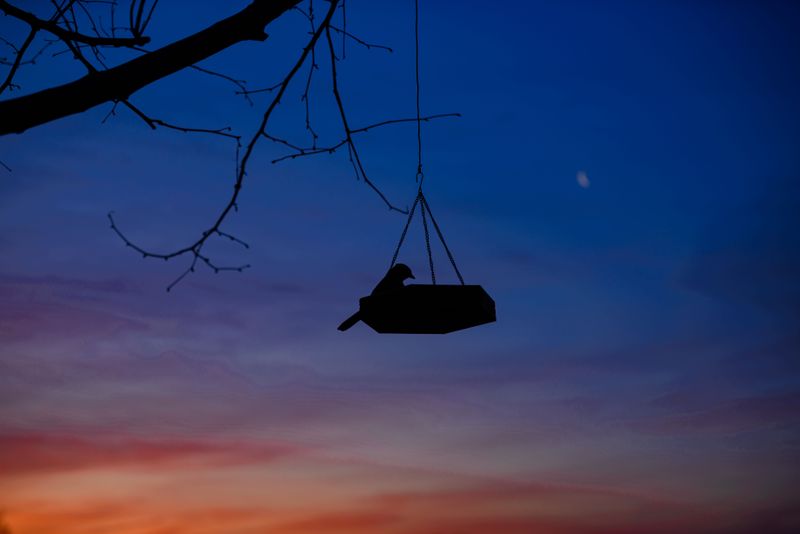
Birdseed spilling onto the ground beneath a feeder is basically a deer snack station operating around the clock. Deer love millet, sunflower seeds, and cracked corn just as much as any songbird does.
Leaving feeders full and accessible after dark turns your yard into a nightly feeding ground. Deer are most active at dawn and dusk, so overnight feeders align perfectly with their schedule.
The problem compounds quickly because deer are social animals. One deer finds the feeder, and soon the whole family shows up to join the meal.
Bringing feeders inside at night is the simplest fix available to any homeowner. Store them in a garage, shed, or covered porch until morning light returns.
If taking feeders in every night feels like too much effort, try a feeder with a weight-sensitive perch. These close automatically when anything heavier than a bird lands on them, blocking larger animals effectively.
Cleaning up spilled seed from the ground each evening also reduces the attraction significantly. A rake or leaf blower makes quick work of the cleanup without much effort on your part.
Switching to nyjer seed, also called thistle, is another smart option. Deer show very little interest in nyjer, while finches and sparrows absolutely love it as a food source.
Protecting your feeder setup protects your whole garden. Once deer stop associating your yard with easy food, they begin searching for better options elsewhere in the neighborhood.
5. Watering Your Lawn At Dusk
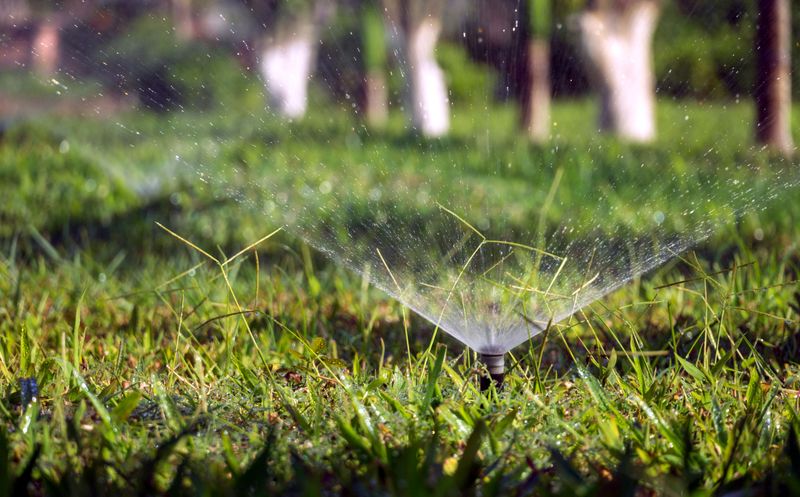
Deer love soft, moist grass the same way people love fresh bread right out of the oven. Watering your lawn at dusk creates exactly the kind of tender, juicy grazing conditions they seek.
Cool, wet grass in the evening is easier for deer to chew and digest. It also holds scent differently than dry grass, making your yard more detectable from a distance.
Wyoming evenings cool down fast, and that moisture lingers on your lawn well into the night. That creates an extended window of appealing grazing conditions right outside your back door.
Switching your watering schedule to early morning changes the entire dynamic. By evening, your grass is dry, less aromatic, and far less appealing to passing deer looking for a soft meal.
Morning watering also benefits your lawn’s health by reducing fungal growth and disease. So the schedule change is a win for your grass and a loss for the deer visiting nightly.
If you use an automatic irrigation system, reprogramming the timer takes only a few minutes. Set it for five or six in the morning and let your lawn dry naturally through the day.
Drip irrigation for garden beds is another smart upgrade worth considering. It delivers water directly to roots with minimal surface moisture, removing another grazing incentive from your yard entirely.
Small scheduling shifts can have outsized effects on deer behavior. A dry evening lawn is simply a less compelling destination than a wet one that holds scent and stays appealing well into the night.
6. Open Compost Bins Filled With Vegetable Scraps
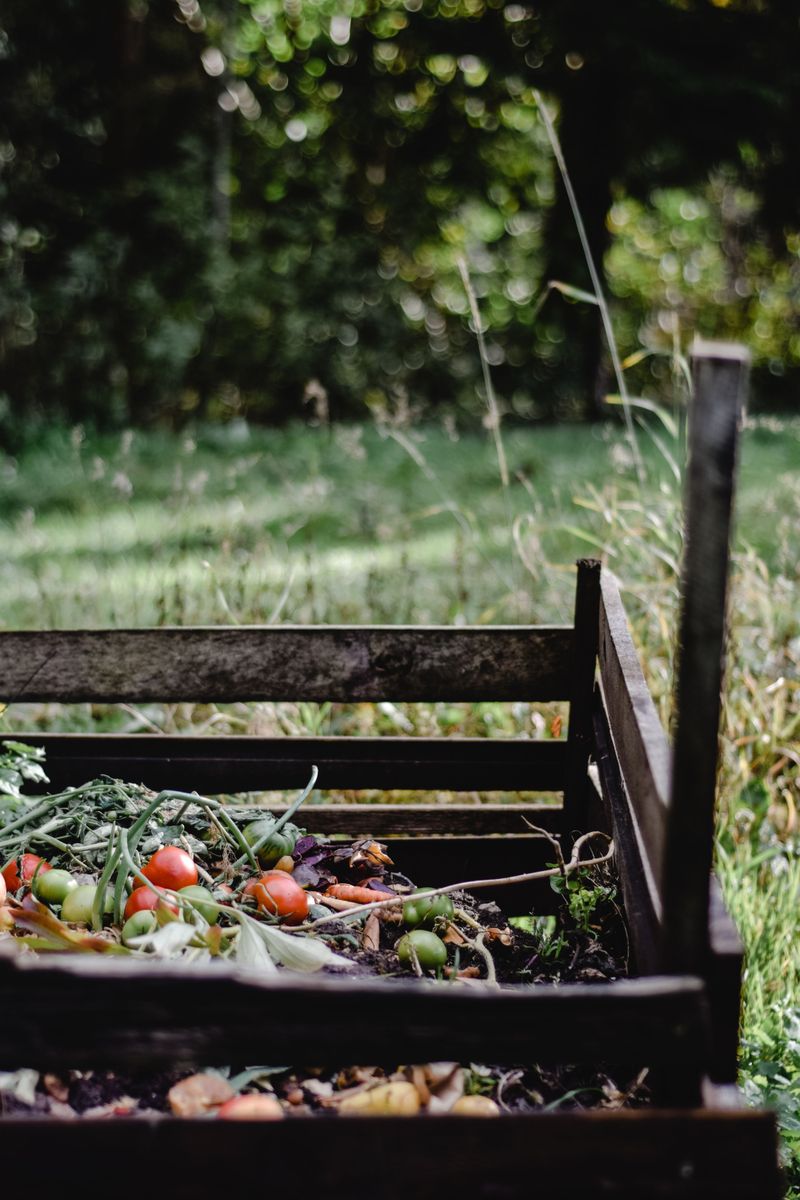
An open compost bin is a reliable food source deer learn to return to, and they are remarkably good at finding it. Vegetable scraps, fruit peels, and leftover greens are some of their favorite foods in the wild.
The smell alone is enough to pull deer in from a considerable distance. Open bins allow those aromas to drift freely through the air, especially on warm Wyoming afternoons and cool evenings.
Switching to a sealed compost tumbler is one of the most effective changes you can make. Tumblers lock in odors, prevent access, and actually speed up the composting process at the same time.
If you prefer a traditional bin, a locking lid or bungee cord over the top creates a simple barrier. Deer are not particularly persistent when access requires effort, so basic deterrents often work well.
Avoid adding meat, dairy, or cooked food scraps to your compost bin. These items attract more than just deer and can create a much bigger wildlife problem on your property.
Positioning your bin far from the garden and close to a structure also reduces risk. Deer feel exposed near buildings and are less likely to linger in those tighter, more confined spaces.
Turning your compost regularly speeds up decomposition and reduces surface odors significantly. Fresh scraps on top are the main scent source, so burying new additions helps keep smells contained underground.
Your Wyoming garden is welcoming deer when the compost bin sits open and unguarded. Close it up and watch nighttime garden traffic drop almost immediately.
7. Salt-Based Ice Melts Scattered On Driveways And Paths
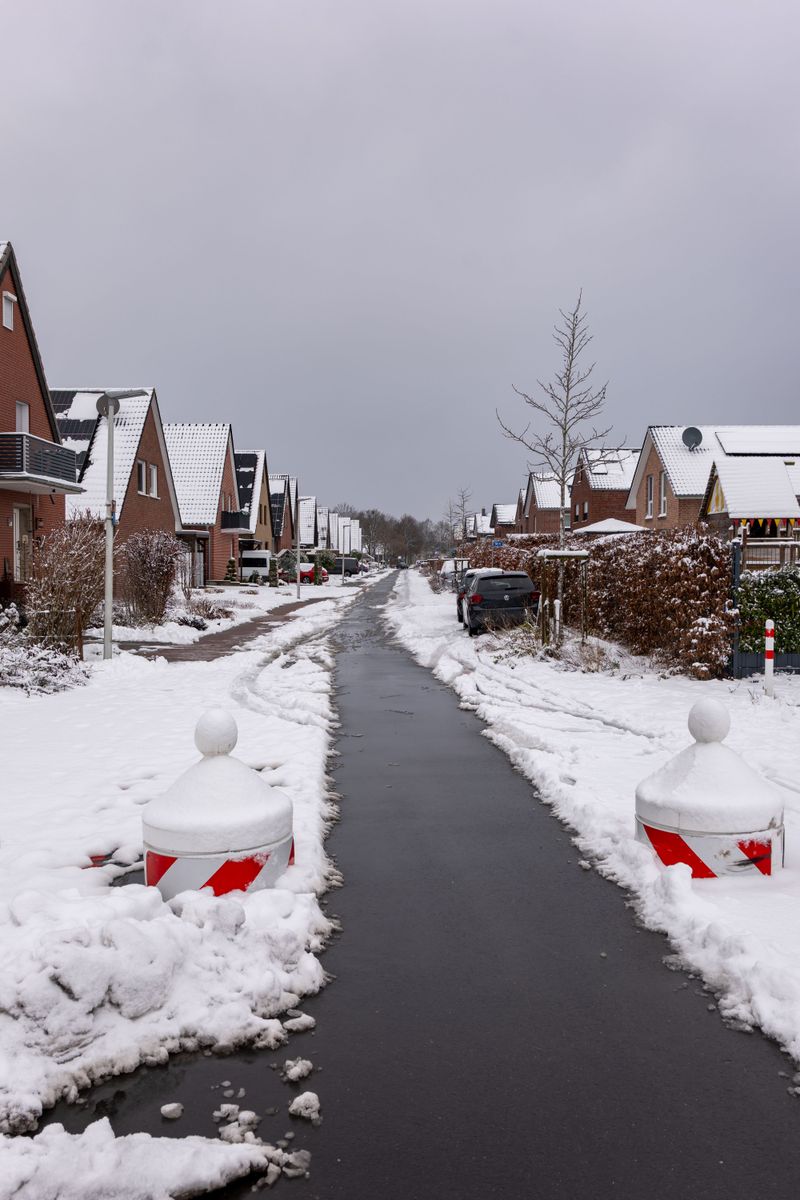
Deer crave salt the same way humans crave snacks after a long hike. In winter, natural salt sources become scarce, and deer will travel significant distances to find them.
Scattering salt-based ice melt on your driveway or paths creates an unexpected mineral lick right outside your front door. Deer pick up on the scent and visit repeatedly throughout the cold months.
Once they associate your property with salt, they start exploring other areas of your yard too. What begins as a driveway visit quickly becomes a full garden tour with no invitation needed.
Switching to sand, gravel, or non-salt traction products eliminates this attractant completely. These alternatives work just as well on icy surfaces without broadcasting a dinner invitation to local wildlife.
Calcium magnesium acetate and sand blends are available at most hardware stores across Wyoming.
They provide solid traction in icy conditions and do not create the same mineral attraction as traditional salt products.
If you prefer salt-based products for heavy ice, apply them sparingly and sweep up excess after the ice melts. Leaving residue on the ground is what creates the lingering attraction for browsing deer.
Check your garage or shed for old bags of rock salt used in previous winters. Storing them in sealed containers prevents the scent from seeping out and drawing wildlife to your property.
Reducing salt use protects your garden soil and nearby plants from chemical damage too. Fewer deer visits and healthier plants make this one of the easiest habit changes on the entire list.
8. Dense Shrubs Or Tall Grass Growing Near Yard Entry Points
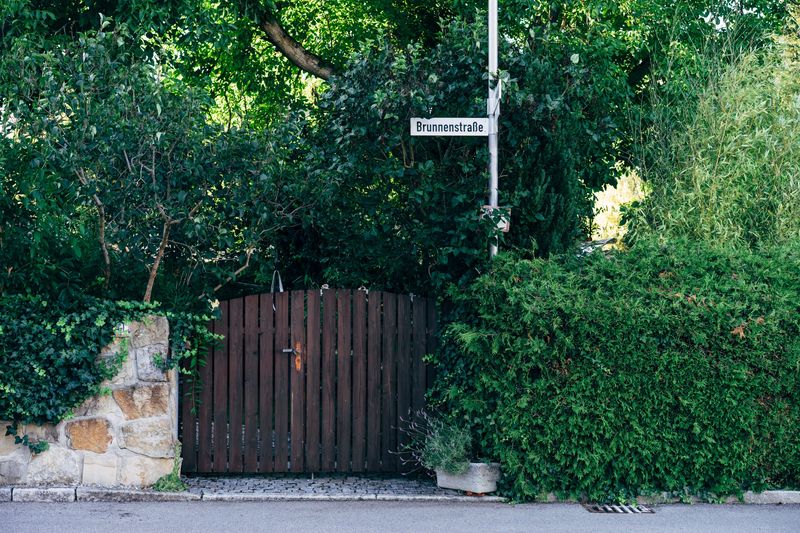
Deer do not like feeling exposed when they move through a space. Dense shrubs and tall grass near your yard entry points give them exactly the cover they need to feel safe.
Think of it like a hallway with walls on both sides, leading straight into your garden. Deer use natural cover to move stealthily, and overgrown borders are perfect for that purpose.
Trimming back shrubs and cutting tall grass near gates, fences, and openings removes that sense of security. Without cover, deer feel vulnerable and are far less likely to push into your yard.
Keep shrubs pruned so the base is visible and open rather than thick and sheltering. A well-maintained shrub line lets you see through at ground level, which also reduces deer hiding spots significantly.
Tall ornamental grasses like miscanthus look beautiful but can create serious screening near entry points. Consider relocating them to more central areas of your yard away from access corridors and pathways.
Clearing a buffer zone of three to five feet around gates and fence openings also helps. Open ground near entry points makes deer pause and assess risk before committing to entering your space.
Lighting these transition zones with solar-powered path lights adds another layer of discouragement. Deer prefer darkness when moving through unfamiliar territory, so a well-lit entry point feels less inviting to them.
Your Wyoming garden is welcoming deer when overgrown edges create a natural on-ramp. Tidying those borders is one of the fastest ways to reduce unwanted nightly visitors to your yard.
9. Skipping Motion-Activated Lights And Sprinklers Around The Yard
Darkness is a deer’s best friend in your yard. Without motion-activated lights or sprinklers, they move through your garden completely undisturbed from dusk until dawn.
Deer are alert animals, but they adapt quickly to predictable environments. A yard that never surprises them becomes a safe space they return to with growing confidence each night.
Motion-activated sprinklers are among the most effective and affordable deterrents available to home gardeners. A sudden burst of water startles deer without causing any harm, and they remember the experience vividly.
Place sprinkler heads near garden beds, compost areas, and along the yard perimeter for best coverage. Overlapping zones ensure no blind spots exist where deer can graze undetected and undisturbed.
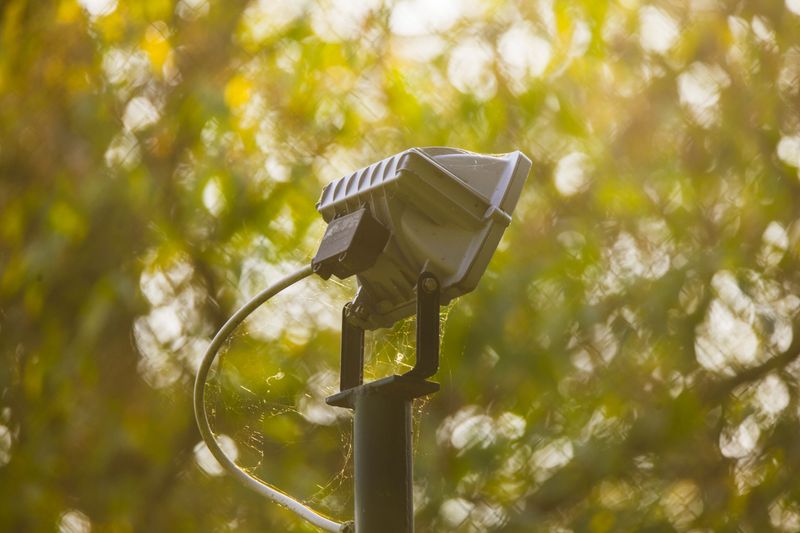
Motion lights work on a similar principle by creating a sudden, unexpected change in the environment. Deer freeze when lights trigger, then often flee rather than risk staying in an exposed, bright area.
Solar-powered motion lights are inexpensive, easy to install, and require no wiring or electrical work. Most hardware stores carry them, and setup is straightforward for the average homeowner.
Combining both lights and sprinklers creates a layered deterrent system that is hard for deer to ignore. Alternating their placement prevents deer from learning a fixed pattern and working around it over time.
Protecting your Wyoming garden starts with making it feel unpredictable and slightly risky to visit. Deer prefer easy, safe meals, and a yard full of surprises quickly loses its appeal as a nightly destination.