The One Thing You Must Do To Texas Daylilies Right After They Bloom Or They’ll Decline Every Year
Daylilies in Texas are one of the more rewarding low-maintenance plants a gardener can grow, returning reliably each season with minimal intervention and blooming through conditions that challenge far more demanding plants.
The ease they bring to the garden also makes it tempting to leave them completely alone once the blooms are finished, and that is where a lot of Texas daylily growers quietly set their plants up for a slow decline that plays out over several seasons.
There is one specific thing that needs to happen right after daylilies finish blooming, and skipping it has a compounding effect that shows up as fewer flowers, weaker growth, and eventually a plant that is putting far less energy into blooming than it is capable of.
It is not a complicated or time-consuming task, but the timing matters considerably, and doing it at the right moment versus ignoring it entirely produces results that are hard to miss once you start paying attention to how the plants perform year over year.
Remove Spent Flower Stems Immediately
Most gardeners admire their daylilies while they are in full bloom, then walk away once the flowers fade. That is exactly when the real work begins.
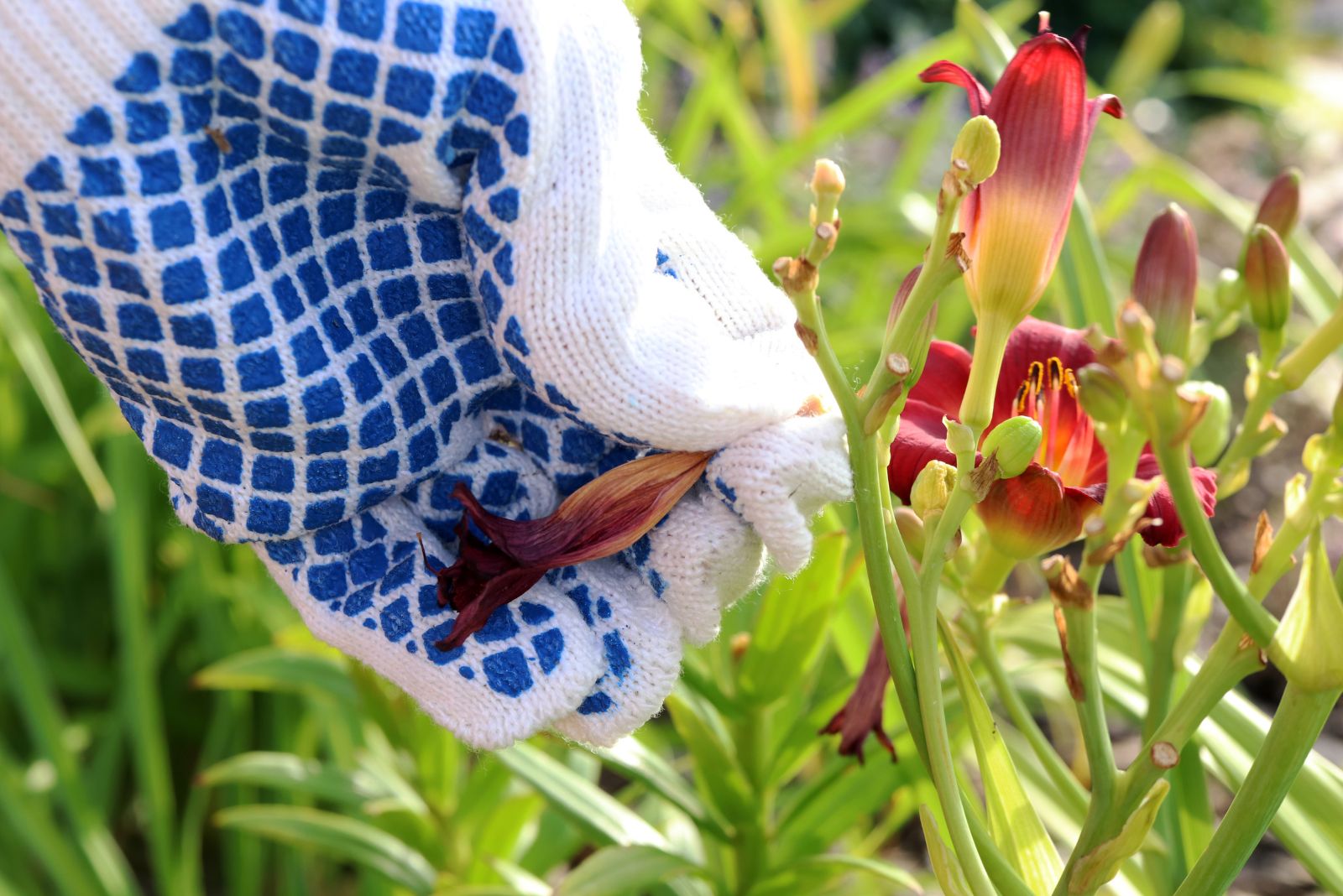
As soon as a daylily flower wilts and closes for good, it is time to grab your pruning shears and get to work.
Each daylily flower only lasts one day, but the whole flowering stalk, called a scape, can hold many buds. Once all the buds on a scape have opened and faded, that scape has done its job.
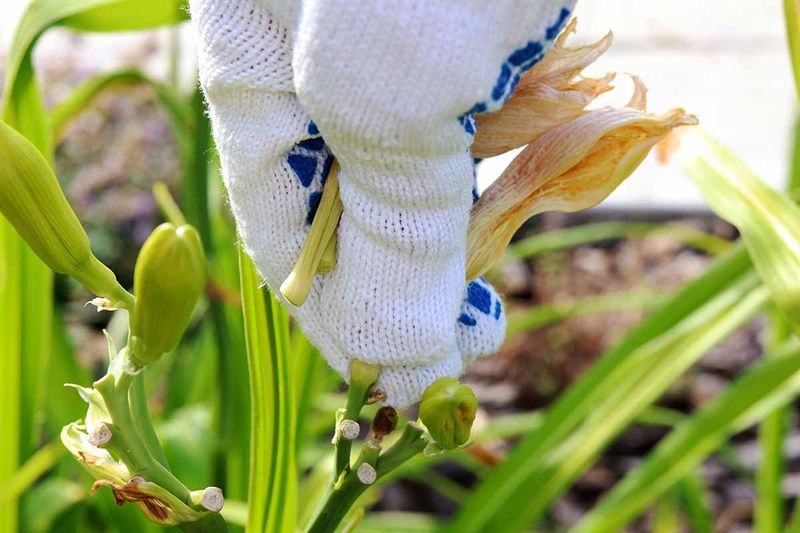
Cut it off as close to the base as possible, right where it meets the foliage. Do not leave a stubby piece sticking up because that can invite pests and look messy.
Removing spent stems right away sends a clear signal to the plant. Instead of putting energy into forming seeds, the plant redirects that energy back into its roots and leaves.
Stronger roots mean a healthier plant going into next season. This simple act, done consistently, is what separates thriving daylily beds from struggling ones.
In Texas, the heat speeds everything up. Flowers fade fast, and seed pods start forming quickly if you are not paying attention.
Check your daylilies every two to three days during blooming season. It only takes a few minutes to snip off spent scapes.
Use clean, sharp scissors or pruning shears so you make a clean cut without tearing the plant tissue. Dispose of the cut stems in a compost bin or trash bag rather than leaving them on the soil.
Keeping your garden bed clean from the start sets you up for success all the way into next spring.
Why This Step Is Critical
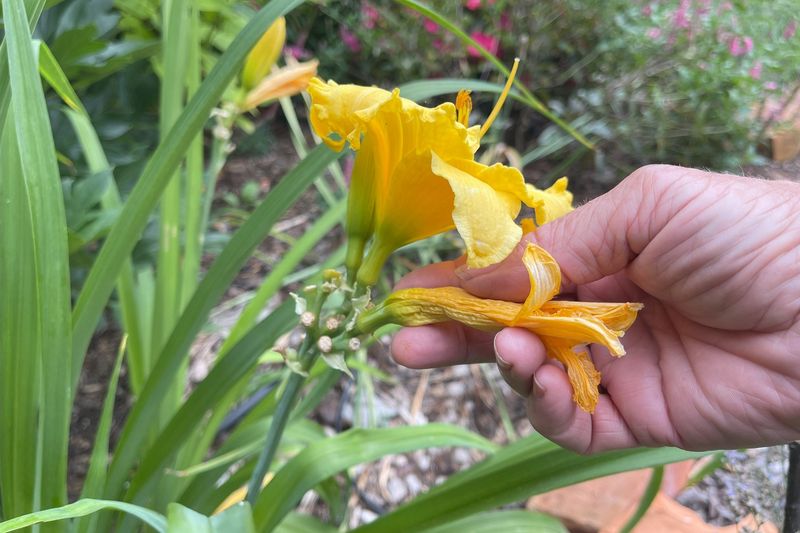
Skipping deadheading feels harmless in the moment. The flowers are already gone, so what is the rush, right?
Actually, leaving old flower stalks on your daylilies is one of the biggest mistakes you can make. It quietly weakens your plants over time in ways you might not notice until it is too late to reverse easily.
Your Texas Garden Changes Every Week. Your Plan Should Too.
Gardening in Texas changes quickly throughout the season. Every Friday you’ll receive a simple weekly plan showing exactly what to plant, prune, fertilize, harvest, and protect so you never miss the right timing.
Here is what happens inside the plant when you leave spent scapes alone. The daylily senses that pollination may have occurred and shifts its energy toward producing seeds.
Growing seeds takes a tremendous amount of the plant’s stored energy, energy that would otherwise go toward building stronger roots and healthier foliage. Over one or two seasons, this energy drain adds up.
The root system gets weaker, the clumps get crowded, and the number of blooms each year slowly drops.
In Texas, this problem gets worse because of the intense summer heat. Plants are already working hard just to stay hydrated and healthy.
Adding the extra burden of seed production on top of heat stress pushes them further toward decline. You may notice fewer flowers, smaller blooms, or yellowing leaves as signs that your plants are struggling.
Gardeners who deadhead consistently year after year are always amazed at how much better their daylilies perform. The plants look fuller, the blooms are larger, and the flowering season often lasts longer.
It sounds almost too simple to be true, but the science behind it is solid. Plants grow where energy goes.
When you redirect that energy away from seeds and back into the root system, you are essentially investing in next year’s bloom season starting right now. Do not skip this step.
How To Deadhead Correctly
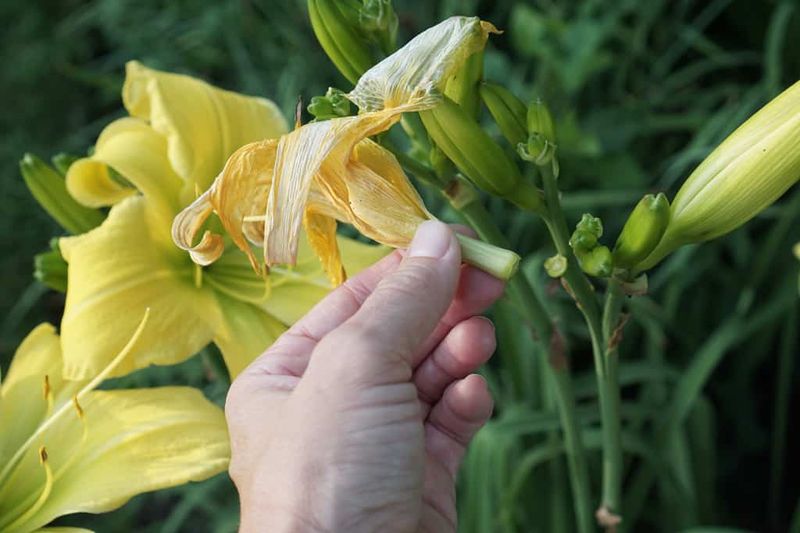
Deadheading sounds fancy, but it just means removing the parts of the plant that have already finished blooming.
Doing it correctly takes a little know-how, and getting the technique right makes a real difference in how well your daylilies recover and prepare for next season.
First, wait until the flower has fully faded and all petals have dropped or withered. Do not cut a scape while it still has unopened buds on it.
Each scape can carry several buds that bloom on different days, so be patient and let each one have its moment. Once the last bud on a scape has opened and faded, that is your green light to cut.
Use clean, sharp pruning shears or scissors. Dull blades can crush the stem tissue instead of cutting cleanly, which can slow healing and create entry points for disease.
Wipe your blades with rubbing alcohol between plants if you are working through a large bed. This prevents spreading any fungal spores or bacteria from one plant to another.
Cut the scape all the way down to the base, just above the lowest leaves or at soil level. Leaving a short stub sticking up is not ideal because it can rot and attract insects.
A clean, low cut heals faster and looks neater. After cutting, pick up all the trimmed stems and remove them from the garden bed entirely.
Do not let them sit on top of the mulch or soil. Decaying plant material near your daylilies can encourage fungal problems, especially during humid Texas summers.
Toss the cuttings in a compost pile or yard waste bag and move on. Clean cuts and a tidy bed make all the difference.
Boost Growth And Future Blooms
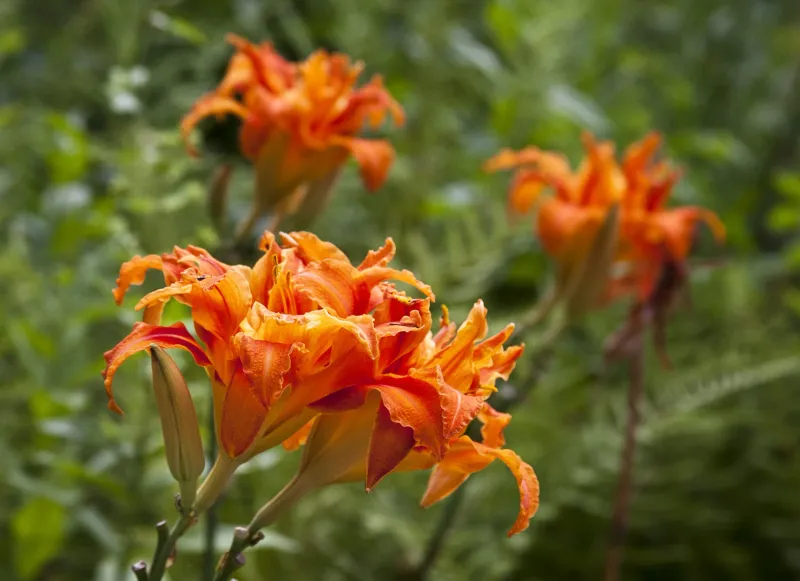
Once you remove spent flower stalks, something remarkable happens inside the plant. All that energy the daylily was about to spend on seed production gets redirected.
It flows back into the roots, the leaves, and the underground storage systems that fuel next year’s blooming season. You are essentially giving your plant a second wind.
Think of it like this: a daylily has a limited energy budget each season. Every bit of energy spent on seeds is energy not spent on root growth.
Stronger roots mean the plant can absorb more water and nutrients from the soil, which leads to bigger and more abundant blooms the following year.
Over time, consistently deadheaded daylilies produce noticeably more flowers than ones that are left to go to seed.
In Texas, where summer heat can be brutal, this energy conservation is even more valuable. Plants that are not wasting resources on seed pods handle heat stress much better.
They stay greener longer into the summer and bounce back faster when cooler temperatures arrive in fall.
You will also notice that well-maintained plants spread and multiply more reliably, producing healthy new fans of growth that can be divided and replanted.
To give your plants an extra boost after deadheading, consider adding a light layer of balanced fertilizer around the base of each clump. A slow-release granular fertilizer works well.
Water it in thoroughly after applying. This gives the plant a gentle nutritional push right when it needs it most, supporting root development and leaf growth through the rest of the summer.
Pair this with consistent watering and your daylilies will reward you with a spectacular show next blooming season.
Prevent Pest And Disease Problems
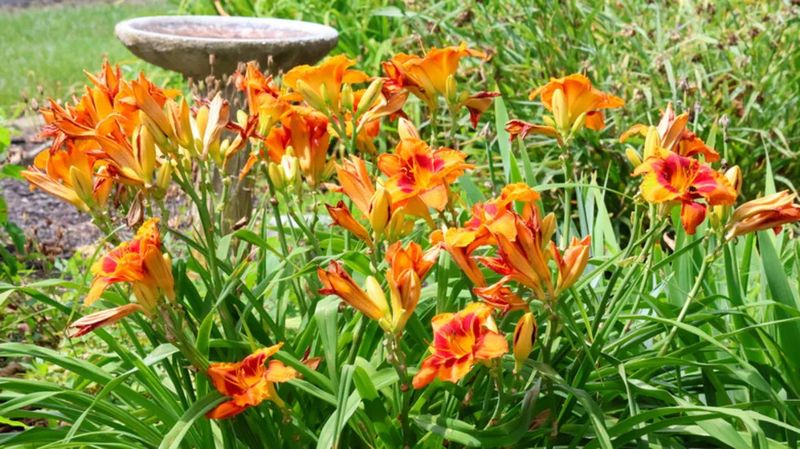
Nobody wants bugs crawling through their flower beds or fungus spreading across their plants. Leaving old, decaying flower stalks in your garden is like rolling out a welcome mat for both.
Spent scapes start breaking down quickly, especially in Texas where heat and humidity speed up decomposition. That rotting plant material becomes a perfect breeding ground for insects and fungal growth.
Aphids, thrips, and spider mites are common daylily pests in Texas. They love to hide in and around decaying plant tissue.
Once they establish themselves in your garden bed, they can spread to healthy foliage and cause real damage. Fungal issues like leaf streak and rust also thrive when there is dry plant matter nearby, especially when moisture gets trapped around the base of the plants.
Removing spent scapes promptly eliminates one of the main environments where these problems start. A clean garden bed is simply harder for pests to colonize.
There are fewer hiding spots and less decaying material to feed on. Combined with good air circulation around your plants, regular deadheading goes a long way toward keeping your daylily bed healthy all season long.
After you finish cutting, take a quick look at the remaining foliage. Check the undersides of leaves for tiny insects or unusual spots.
Catching problems early makes them much easier to manage. If you do spot something suspicious, treat it right away with an appropriate insecticidal soap or fungicide labeled safe for daylilies.
Keep your tools clean between uses and avoid overhead watering late in the day, which leaves moisture on leaves overnight and encourages fungal growth. Small habits like these add up to big results over the season.
Additional Summer Care Tips
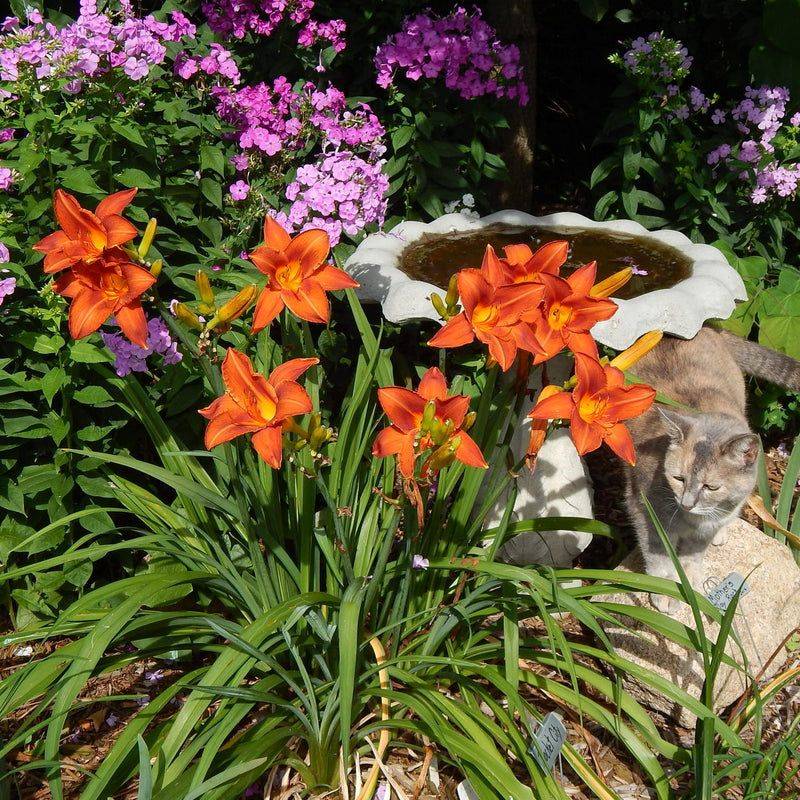
Deadheading is the most important thing you can do right after your daylilies bloom, but it does not have to stop there.
A few extra steps taken during the summer months can make a huge difference in how your plants look and perform year after year. Think of it as building on a solid foundation.
After deadheading, apply a light dose of balanced fertilizer around each plant. A 10-10-10 granular fertilizer works well for daylilies.
Sprinkle it around the base, not directly on the crown, and water it in well. Avoid over-fertilizing because too much nitrogen pushes leafy growth at the expense of roots and future blooms. Once in mid-summer is usually enough for most Texas gardens.
Mulching is another easy win. A two to three inch layer of shredded bark or wood chip mulch around your daylilies helps retain soil moisture, regulate soil temperature, and suppress weeds.
Texas summers are hot and dry, and mulch acts like a protective blanket for your plant’s root zone. Refresh the mulch layer if it thins out over the season.
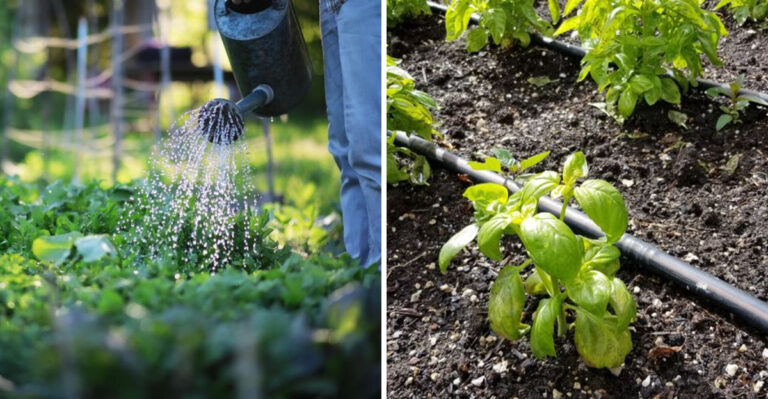
Watering consistently is also key. Daylilies are tough, but they do best with about one inch of water per week during summer.
Water deeply and less frequently rather than giving them a light sprinkle every day. Deep watering encourages roots to grow down into the soil where it stays cooler and more moist.
Finally, walk through your garden every week or so and just look things over. Spot any yellowing leaves, pest activity, or signs of stress early so you can respond quickly.
Consistent attention is what keeps Texas daylilies thriving through even the hottest summers.