8 Florida Hibiscus Pruning Tricks That Keeps Plants Full Of Flowers
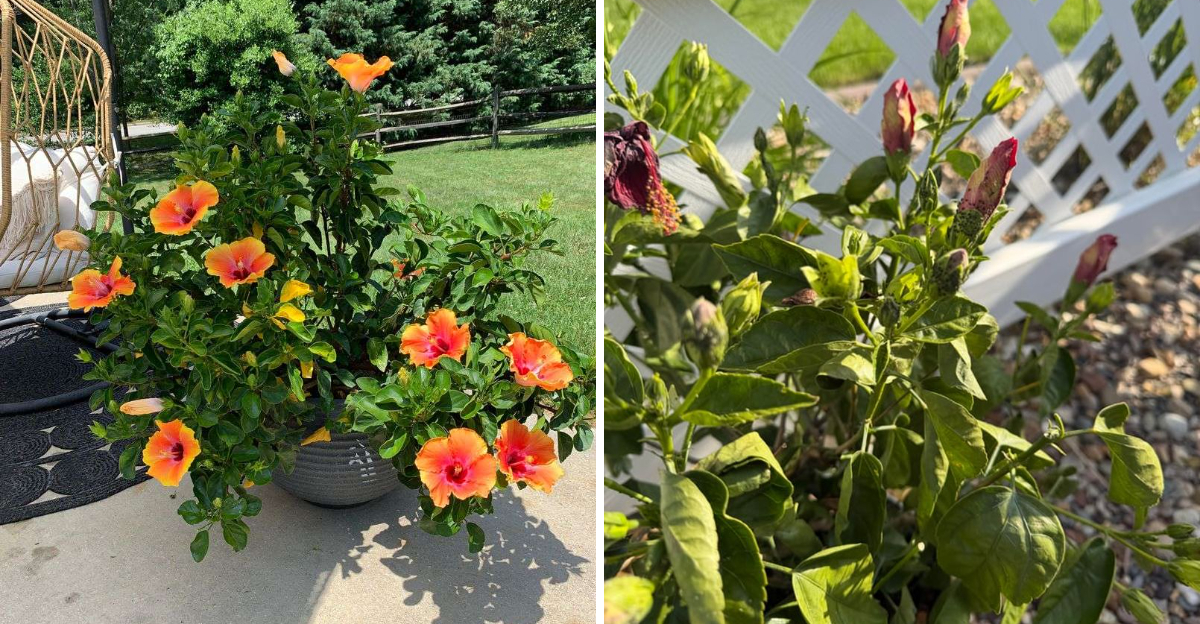
Florida hibiscus can be one of the most rewarding plants in the yard or one of the most frustrating. The difference almost always comes down to how they get pruned.
A few wrong cuts and you end up with a tall, leggy plant that puts out one flower every few weeks and mostly just takes up space.
The right cuts, made at the right time and in the right places, turn that same plant into something that blooms so consistently it starts to feel almost unfair compared to your neighbors’ versions.
Pruning hibiscus in Florida is genuinely different from pruning in colder climates because the warm growing season changes everything about timing, recovery speed, and what the plant can handle.
There are eight specific things experienced Florida gardeners do that most beginners never figure out on their own. Some of them take seconds. All of them make a visible difference by the end of the season.
1. Prune After Cold Risk Has Passed
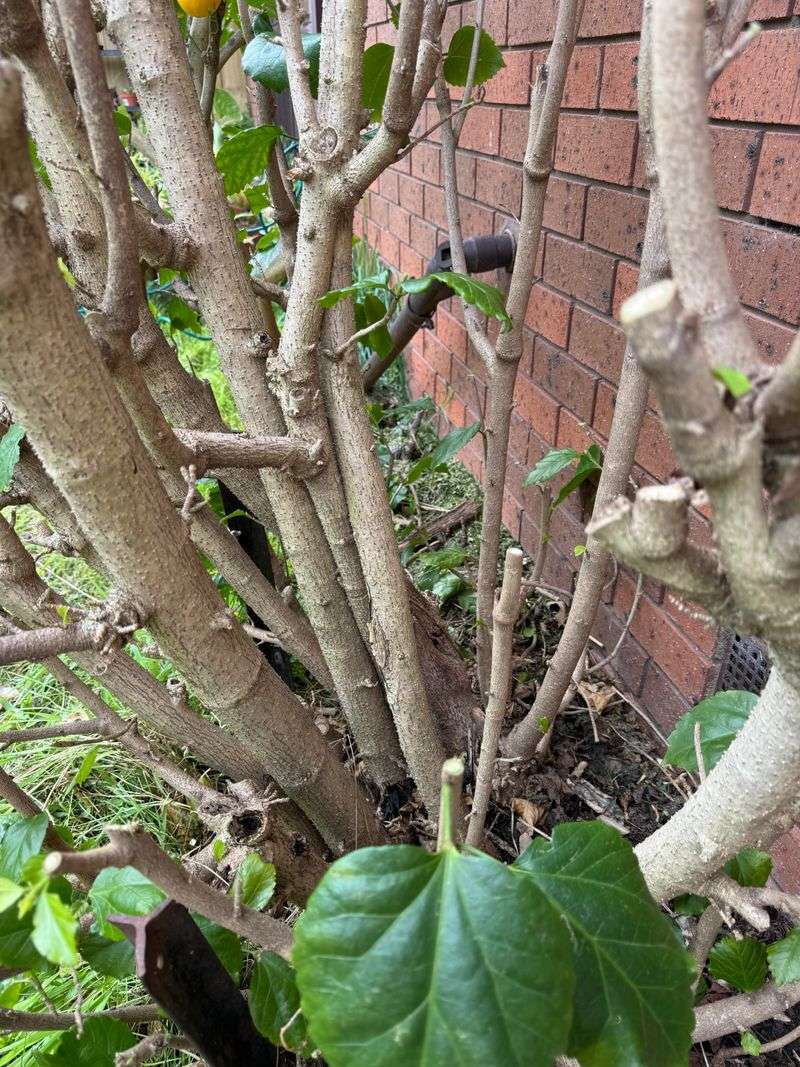
Almost every Florida gardener knows that winter does not always play fair. Even in South Florida, a surprise cold snap in January or February can stress hibiscus plants significantly.
Major pruning right before a cold night is one of the biggest mistakes you can make, because fresh cuts leave the plant vulnerable to damage on tender new tissue that has not had time to harden off.
The smart move is to wait until the threat of cold has clearly passed before doing any serious shaping. For most of North and Central Florida, that sweet spot falls somewhere between late February and mid-March.
South Florida gardeners can often push earlier, but patience still pays off. Watching the ten-day forecast before picking up pruners is a habit worth building into the routine.
Light cleanup, like removing clearly damaged or brown stems, is fine during cooler months. Save the big structural cuts for when nighttime temperatures are reliably staying above 50 degrees Fahrenheit.
Tropical hibiscus is sensitive to temperatures below that threshold, and new growth pushed by pruning is especially vulnerable when a cold front moves through unexpectedly.
Timing correctly means the plant channels energy into strong, healthy new shoots rather than struggling to protect freshly cut stems from the cold.
A well-timed prune in early spring sets up months of blooms without unnecessary setbacks. Getting that timing right is the single most impactful decision in the entire pruning process, and it costs nothing except a little patience.
2. Outward Buds Create A Fuller Shape
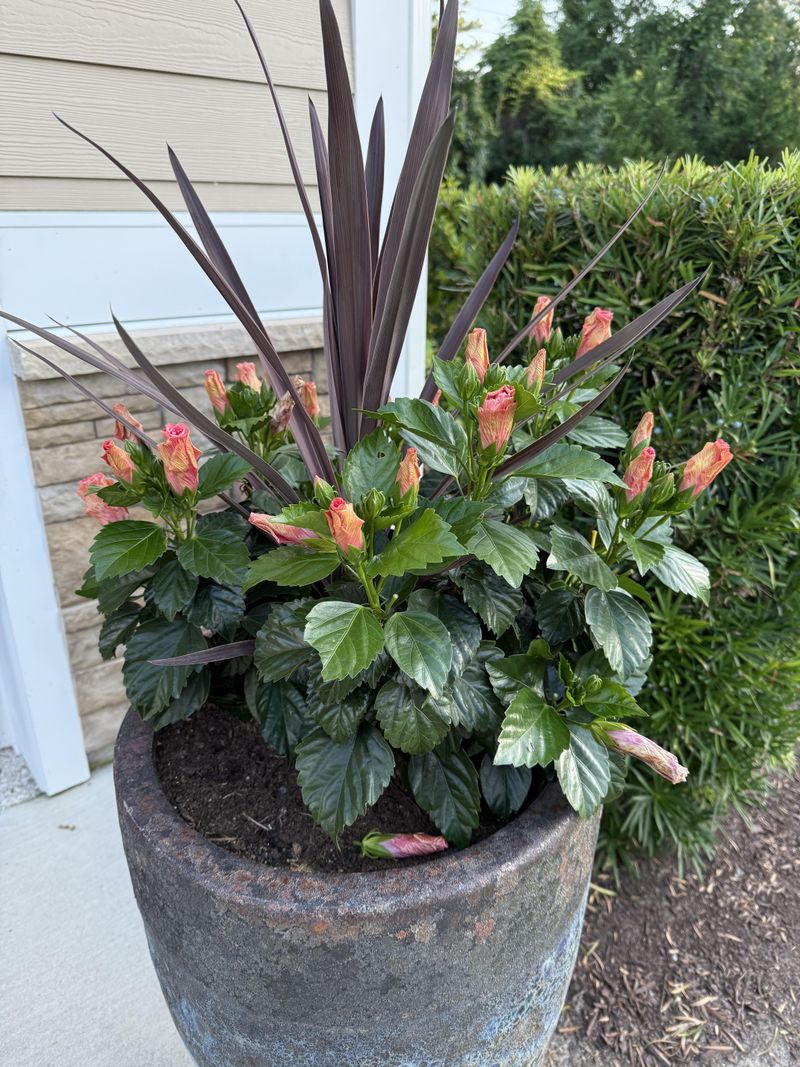
Many people grab pruners and start cutting without thinking carefully about where exactly the blade lands. That one small detail changes everything about how the plant grows back.
Cutting just above an outward-facing bud directs the new stem to grow away from the center of the plant, which builds a wider, fuller, more open shape over time.
Outward-facing buds are small bumps or nodes on the stem that point away from the main trunk or interior of the plant.
When you cut about a quarter inch above one of these buds at a slight angle, the plant sends new growth in that direction. Repeat this across several stems and the result is a plant that spreads naturally rather than growing straight up into a tall, spindly column.
Your Florida Garden Changes Every Week. Your Plan Should Too.
Gardening in Florida changes quickly throughout the season. Every Friday you’ll receive a simple weekly plan showing exactly what to plant, prune, fertilize, harvest, and protect so you never miss the right timing.
Inward-facing buds send growth toward the center, which crowds the plant and limits airflow. That kind of congestion reduces blooming and invites problems over time.
Choosing outward buds consistently every time you prune is one of the simplest habits that produces the biggest visual difference in how the plant looks and performs.
It takes just a few seconds of extra attention per cut, but the payoff over a growing season is genuinely remarkable.
Your hibiscus will look fuller from every angle, produce more flowering branches, and carry a naturally balanced shape that requires less corrective work later on.
This is the trick experienced Florida gardeners rely on quietly every single season without making much of a fuss about it.
3. Crossing Stems Steal Light And Air
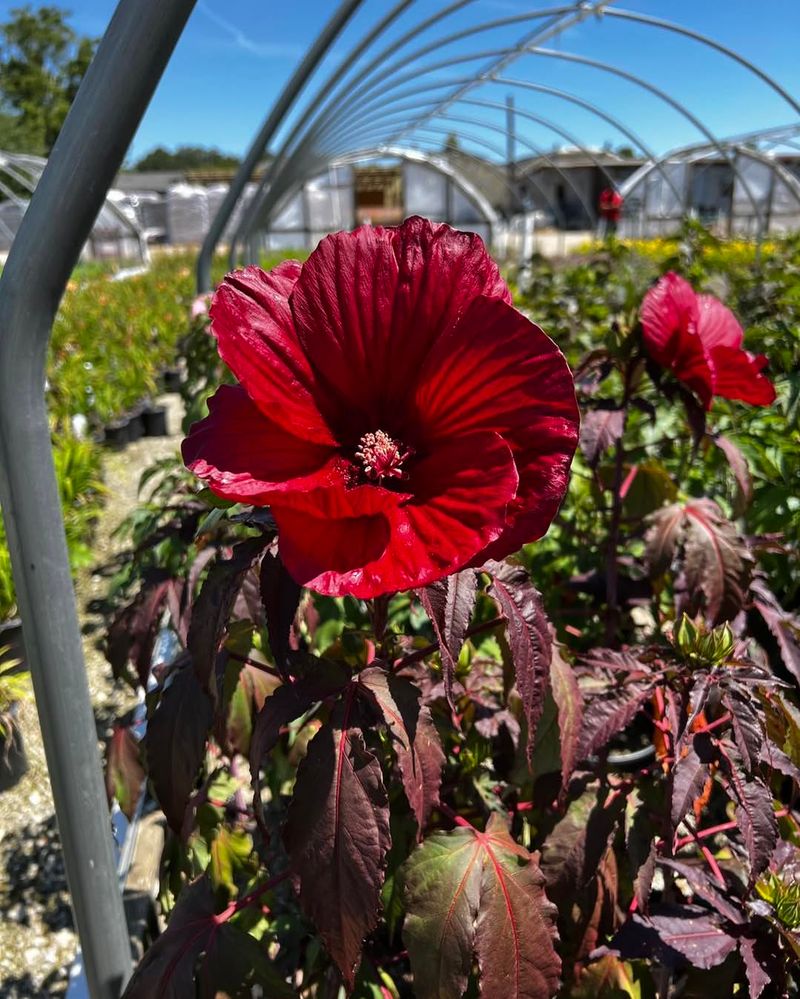
A room packed so tightly with furniture that you can barely walk through it is exactly what happens inside a hibiscus when crossing and rubbing stems are left to grow unchecked.
Light cannot reach the inner branches, air cannot move freely, and the plant struggles to push out the vigorous blooms it is fully capable of producing under better conditions.
Crossing stems are branches that grow across other branches, creating friction and congestion in the canopy. When two stems rub against each other, the bark gets damaged, which creates entry points for pests and fungal issues.
Removing one of the two offending stems opens the plant up immediately and improves conditions for everything growing inside it.
The rule of thumb is to remove the weaker or more awkwardly positioned stem of the two. Step back and look at the overall shape before you cut.
You want the remaining stems to have clear space around them with room to grow without bumping into neighbors.
Good airflow is a core factor in healthy hibiscus performance in Florida’s humid climate, and dense, congested growth works directly against that goal all summer long.
This kind of selective thinning does not need to happen all at once. Removing a few crossing stems each time you prune keeps the interior of the plant open without shocking it.
Over time, blooms start appearing on more branches because light is finally reaching parts of the plant that were previously shaded out by congestion that nobody thought to address.
4. Pinched Tips Build Bushier Growth
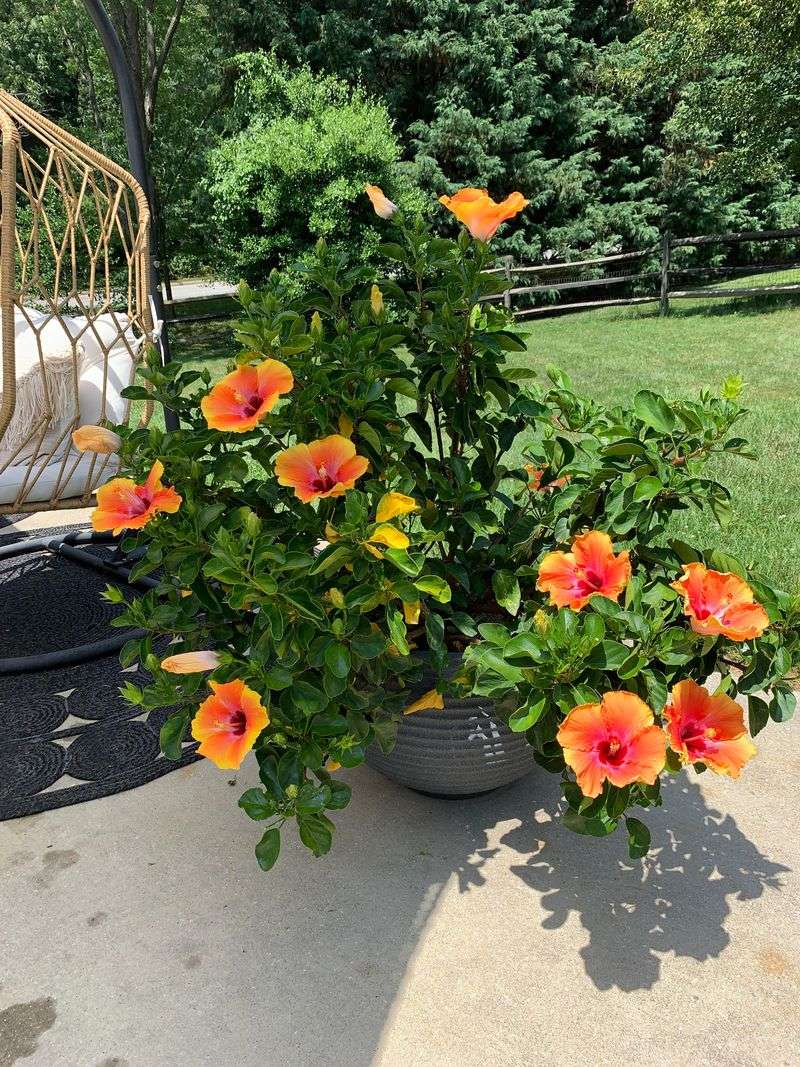
Here is a trick that feels almost too simple to be effective: pinching the soft growing tip off a young hibiscus stem forces the plant to branch out below the cut.
Do that across several stems and suddenly the hibiscus looks twice as full without removing much plant material at all.
Pinching works because of how plants respond to losing their apical tip, which is the very top growing point of a stem. When that tip is removed, the plant redirects energy to side buds lower on the stem.
Those side buds wake up and push out new branches, creating the bushy, layered look that makes a hibiscus genuinely satisfying to look at from across the yard.
You do not even need pruners for this. On very young, soft stems, fingernails can snap the tip off cleanly. For slightly firmer growth, small snips with clean scissors or pruners work perfectly.
The key is catching stems while they are still actively growing and before they get too long and woody to respond well to pinching.
Pinching is especially useful on young plants being trained to a specific shape, or on any stem growing too tall and straight without branching naturally.
Florida’s fast growing season means hibiscus put on a lot of new growth quickly, so pinching regularly through spring and early summer keeps the plant compact and covered in blooms.
5. An Open Center Helps Flowers Form
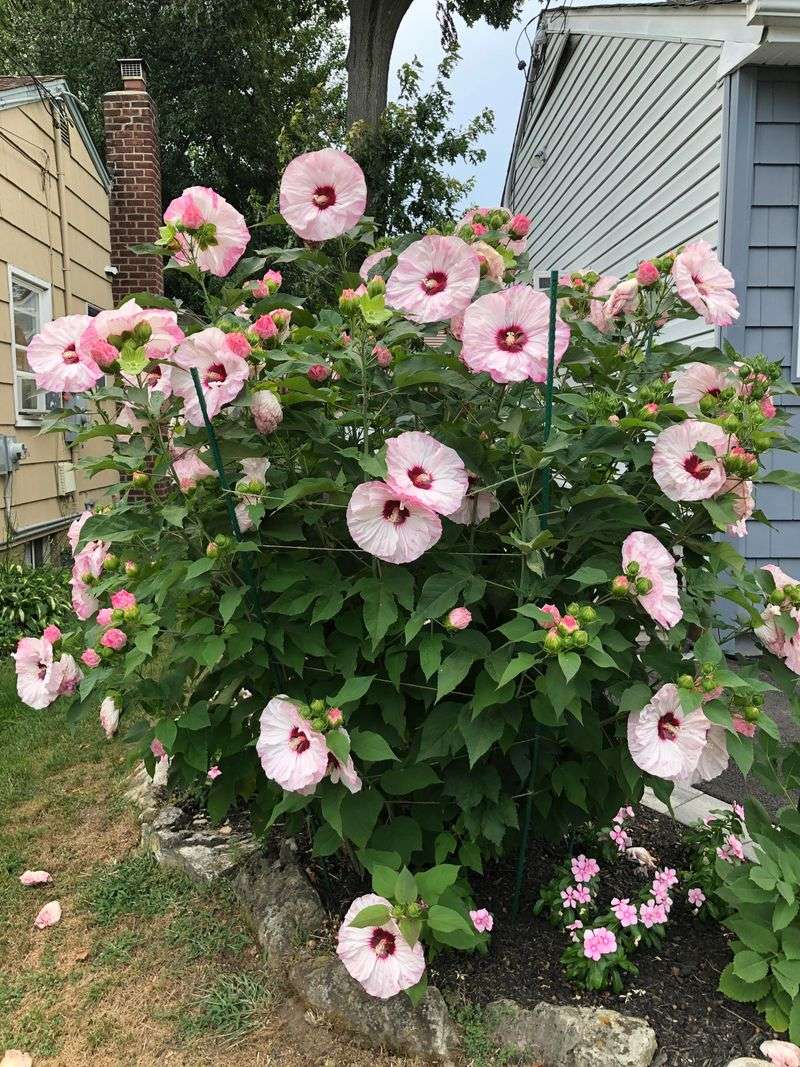
Sunlight is basically hibiscus fuel. The more light that reaches the interior of the plant, the more flowering wood develops throughout the canopy rather than just on the outermost tips.
An open center is not purely a stylistic choice. It is a practical strategy for coaxing more blooms out of every branch the plant has put out.
An open center means the middle of the shrub has genuine breathing room. Instead of a dense tangle of stems packed together, the plant takes on a loose vase shape where light and air can travel freely from the outside all the way to the core.
Achieving this means selectively removing stems that crowd the center rather than shearing everything flat from the outside in.
Florida’s humidity is a constant factor in how hibiscus performs through summer. Dense, airless growth creates the kind of still, moist microclimate that fungal issues thrive in.
Opening the center reduces that risk significantly and keeps the plant healthier through the long, hot, wet months when problems spread most easily.
Start by identifying two or three stems growing straight up through the middle of the plant. Remove them at their base or trace them back to a lower fork and cut there.
Stand back and reassess after each cut rather than removing everything at once. You are not trying to hollow the plant out completely, just give it enough breathing room that a light breeze can move through the canopy on a calm afternoon.
That modest amount of openness makes a measurable difference in bloom production.
6. Leggy Shoots Need Gradual Shortening
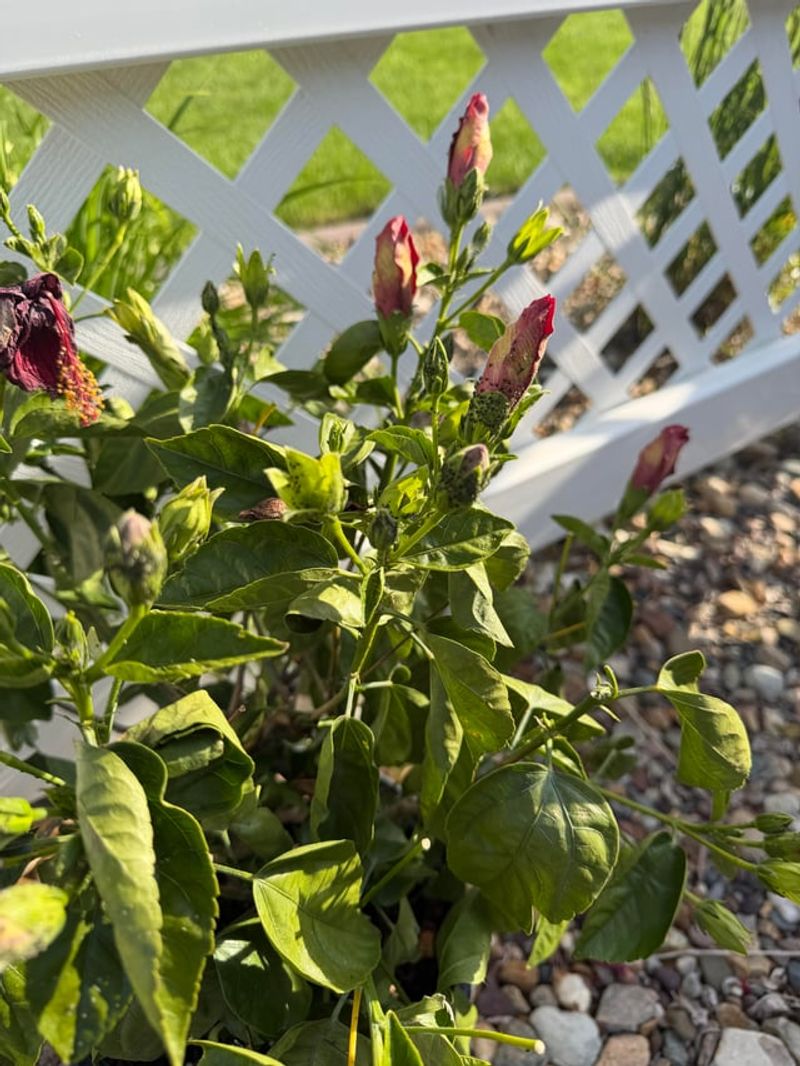
Long, bare stems with a tuft of leaves and one flower way up top are the classic sign of a hibiscus that has gotten away from regular pruning.
It happens fast in Florida because the warm climate pushes growth hard. The temptation is to hack those long stems way back in one go, but that approach can seriously stress the plant and delay recovery by weeks.
Gradual shortening is the smarter play. Rather than cutting a leggy stem back by two-thirds all at once, reduce it by about one-third at a time over two or three pruning sessions spaced a few weeks apart.
This gives the plant time to push new growth from lower buds before more of the stem above gets removed. The result is a fuller, more natural recovery rather than a shocked, sparse plant that sits still wondering what just happened.
Look for nodes or leaf buds along the leggy stem before making any cut. Cutting just above one of these points ensures the plant has somewhere to send new growth immediately.
A bare cut in the middle of a section with no buds nearby leaves a stub that may not push new growth at all and just sits there looking awkward for the rest of the season.
Patience is genuinely the best tool here. Florida’s growing season is long enough that a leggy plant pruned gradually in spring can be full and beautiful by midsummer.
Rushing the process usually just creates more problems to fix later, which is the gardening equivalent of taking a shortcut that adds twenty minutes to the trip.
7. Heavy Shearing Can Reduce Blooms
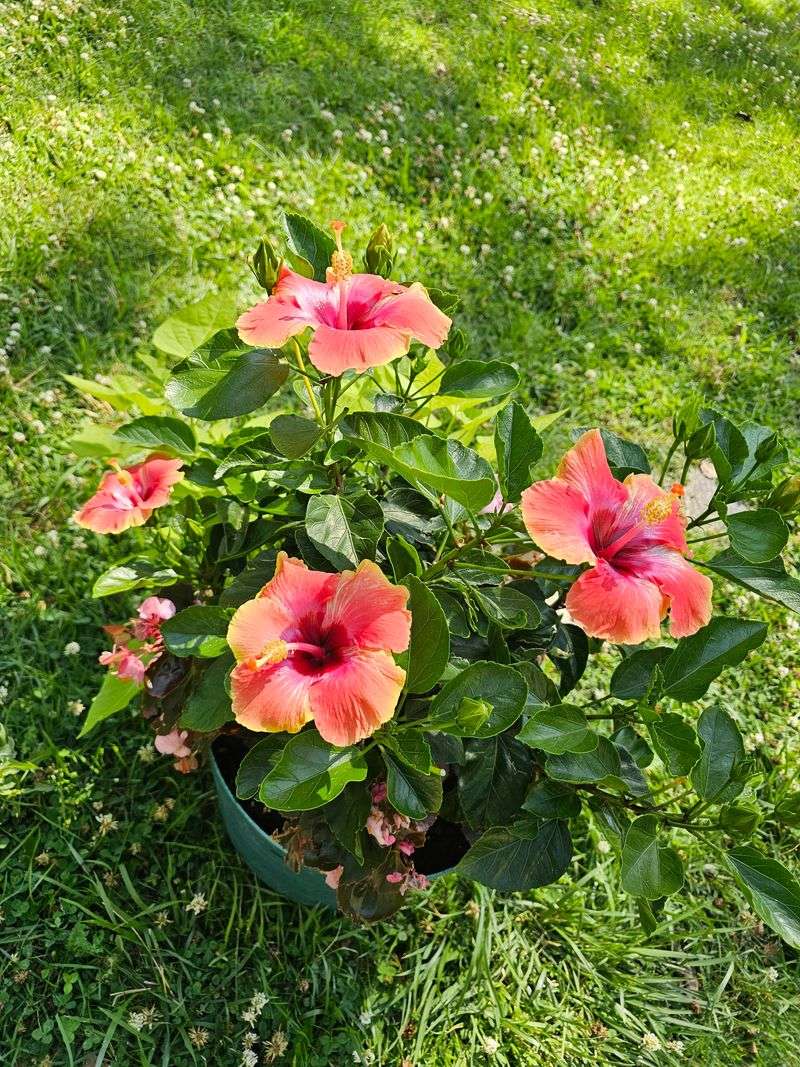
Walk through almost any Florida neighborhood and you will spot hibiscus plants that have been sheared into tight, boxy shapes with a hedge trimmer.
They look neat from the street, but up close the story is different. Constant heavy shearing removes most of the new growth tips, which are exactly where hibiscus flowers form, leaving the plant looking tidy but producing almost nothing worth looking at.
Hibiscus blooms on new growth, which means the fresh stems produced after each pruning are where the next round of flowers will appear.
When you shear the whole plant at once with a hedge trimmer, you remove all of that new growth uniformly.
The plant then has to spend energy pushing out another flush of growth before it can even consider producing flowers, which delays blooming significantly and repeats with every shearing session.
Selective hand pruning, where individual cuts are made on specific stems, is far more effective for keeping hibiscus blooming consistently.
You remove what needs to go, leave the rest, and the plant maintains a mix of older stems and new flowering growth at all times.
This approach takes more time than running a hedge trimmer across the top, but the bloom count difference is dramatic enough that most gardeners who try it never go back.
Reserve the hedge trimmer for shaping the very outer silhouette once or twice a year if a formal look is needed. For regular maintenance throughout the growing season, hand pruners are the right tool.
Your hibiscus will reward that extra effort with a steady stream of blooms from spring all the way through fall, which is the whole point of growing it in the first place.
8. Clean Tools Protect Fresh Cuts
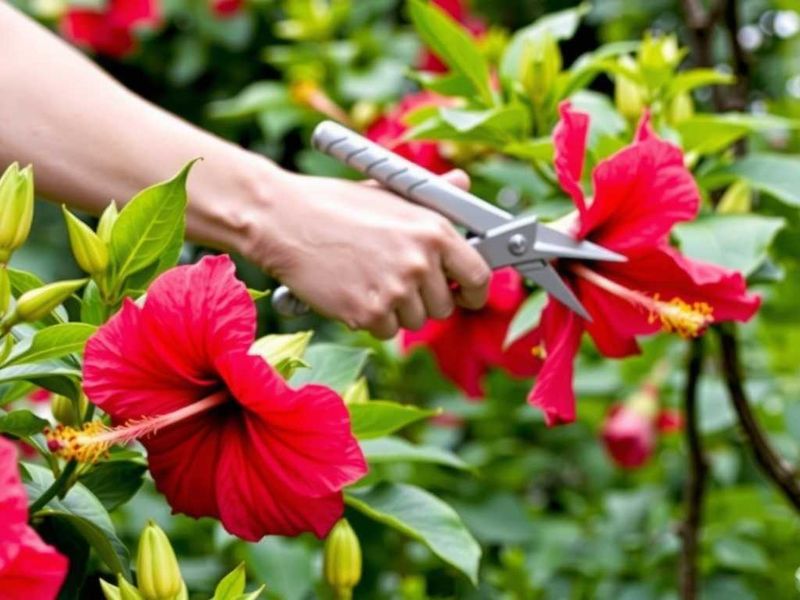
Grabbing a rusty, dull pair of pruners from the garage and cutting into a hibiscus does the plant no favors. Dull blades crush and tear stems rather than slicing cleanly through them.
That torn tissue heals slowly and creates ragged entry points that are far more attractive to pathogens than a smooth, clean cut would be, especially in Florida’s warm, humid conditions where things spread quickly.
Sharp bypass pruners are the right tool for hibiscus work. Bypass pruners cut with a scissor-like action that slices cleanly through the stem without crushing it.
Anvil pruners, which press the blade against a flat surface, tend to crush softer stems and are better suited for hardened wood.
Keeping bypass pruners sharp with a simple whetstone takes just a few minutes and makes a noticeable difference in cut quality and how quickly the plant seals over each wound.
Cleaning tools between plants is a habit that protects hibiscus from having any potential problems spread from one cut to the next.
A quick wipe with a cloth dampened with rubbing alcohol or a diluted bleach solution is all it takes. Let the blades air dry for a moment before making the next cut, which takes about thirty seconds and costs almost nothing.
Florida’s humid environment means fungal and bacterial issues can spread between plants faster than in drier climates.
Clean tools are a small investment of time that pays off in healthier plants, faster healing cuts, and fewer problems to troubleshoot later in the season.
Sharp and clean is always the right combination, and the hibiscus will never once complain about the extra attention.