What It Means When A Northern Cardinal Visits Your Pennsylvania Garden Every Morning
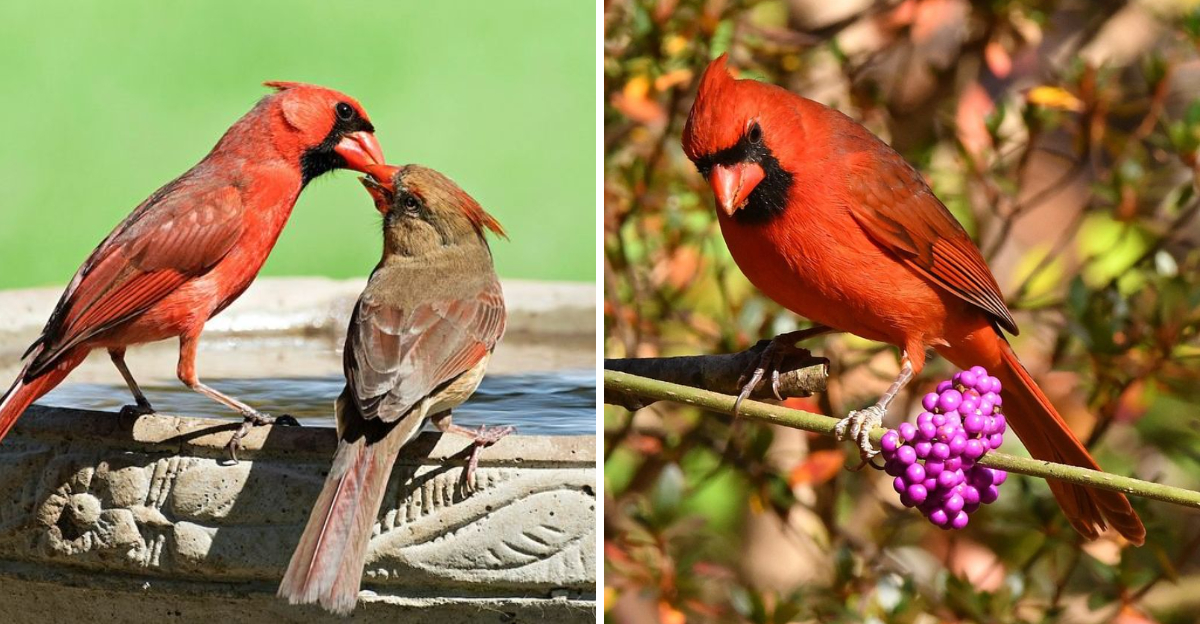
Some birds show up in your yard and leave no particular impression. The cardinal is not one of those birds.
A flash of red in the early morning light, a clear whistling song before the neighborhood is fully awake, and then a pause on the same branch it used yesterday and the day before.
It is a routine so specific that once you notice it, you start planning your mornings around it. But a cardinal visiting your Pennsylvania garden every single day is not random.
These birds are deliberate about where they spend their time, and a yard that earns a daily visit is a yard doing several things right.
Some of those things you did on purpose. Some of them you probably never thought twice about. So, what is your yard getting right that keeps that cardinal coming back every morning without fail?
1. Dense Cover Makes The Yard Feel Safe
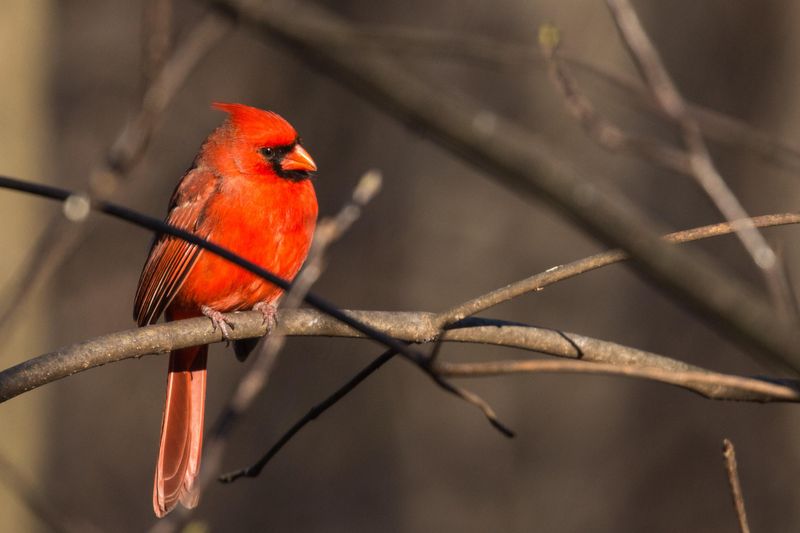
Step outside on a quiet morning and look past the feeder. Chances are, if a cardinal visits your garden daily, there is a thick shrub or dense tangle of branches nearby that you might not even think twice about.
That cover is not decoration. For a Northern Cardinal, it is the foundation of every decision about where to spend time.
Cardinals rely heavily on dense vegetation for shelter. They prefer low, thick shrubs and brushy thickets where they can hide quickly if a hawk flies overhead.
Pennsylvania yards with native hollies, spicebush, viburnums, or dense evergreens give cardinals exactly the kind of protective cover they need to feel secure enough to visit regularly and stay long enough to actually relax.
A yard without cover is a yard a cardinal will not trust. Open, manicured lawns with little shrub structure may attract a cardinal once, but they rarely commit to a daily routine in spaces that feel exposed.
The more layered your plantings are, the more comfortable a cardinal becomes with the whole setup.
Dense plantings also buffer wind and provide overnight roosting spots close to food sources. Cardinals do not migrate, so Pennsylvania winters matter as much as summers.
A yard with thick evergreen cover near a feeder becomes a reliable refuge year-round.
Planting native shrubs along fence lines or garden edges is one of the most effective ways to signal to a cardinal that your yard is a safe, permanent address worth returning to every single morning.
2. Reliable Food Keeps The Routine Going
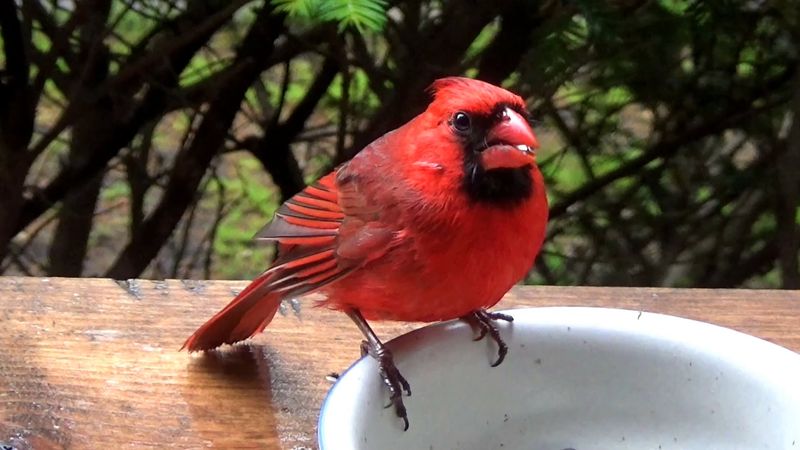
Watch your feeder at first light and you might notice the cardinal is often one of the earliest arrivals. That is not a coincidence.
Cardinals establish feeding routines, and once they find a yard that reliably delivers food, they will show up at nearly the same time each morning like clockwork. Miss a few days of filling the feeder and you will notice the difference.
Black-oil sunflower seeds are a cardinal’s clear favorite. They are easy to crack open with that thick, cone-shaped bill, and cardinals can work through them efficiently.
Safflower seeds are another strong choice and have the added bonus of being less appealing to squirrels, which is a practical benefit in most Pennsylvania yards.
Your Pennsylvania Garden Changes Every Week. Your Plan Should Too.
Gardening in Pennsylvania changes quickly throughout the season. Every Friday you’ll receive a simple weekly plan showing exactly what to plant, prune, fertilize, harvest, and protect so you never miss the right timing.
Platform feeders or hopper-style feeders with wide ledges work best because cardinals prefer to perch while they eat rather than cling to small tube feeders.
Beyond feeders, the garden’s natural food sources matter just as much. Native plants like American beautyberry, winterberry holly, dogwood, and serviceberry produce berries that cardinals eat throughout fall and winter.
A yard that offers both supplemental seed and natural berry sources throughout the year gives a cardinal very little reason to look elsewhere for breakfast.
Consistency is the real key. If the feeder runs empty for days at a time, the cardinal may shift its morning route to a neighbor’s yard instead.
Keeping food available, especially during cold Pennsylvania winters when natural food is scarce, is what turns a casual visitor into a reliable daily guest that you can genuinely set your morning coffee by.
3. A Pair May Be Nesting Nearby
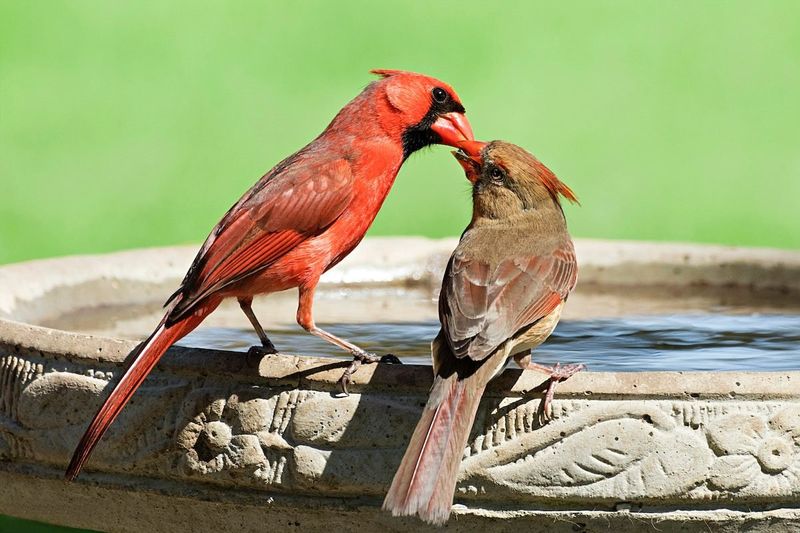
Come spring, if your cardinal visitor shows up even more frequently and sometimes brings a brownish companion along, there is a good chance a nest is not far away.
Nesting season for Northern Cardinals in Pennsylvania typically runs from late March through August, and during that time a resident pair can raise two or even three broods.
The morning visits start feeling less like a casual habit and more like a commute.
Cardinals nest in dense shrubs and small trees, typically between three and ten feet off the ground. The female builds the nest using twigs, bark strips, grasses, and leaves, while the male stays nearby and often feeds her during incubation.
The male also actively defends the nesting area, which explains why morning visits can seem especially persistent during spring and early summer.
Frequent feeder visits during nesting season are often the male fueling up so he can bring food back to the female or the newly hatched chicks.
You may even observe him carrying seeds away from the feeder rather than eating them on the spot, which is a strong behavioral clue that there are hungry mouths waiting somewhere nearby.
Resist the urge to poke around in the shrubs looking for the nest. The best thing you can do is keep the feeder full, leave the dense cover undisturbed, and enjoy watching the pair work their morning routine.
Your patience will likely be rewarded with the sight of young cardinals joining the morning visits later in summer, which is one of the better payoffs a garden can offer.
4. Morning Song Helps Mark Territory
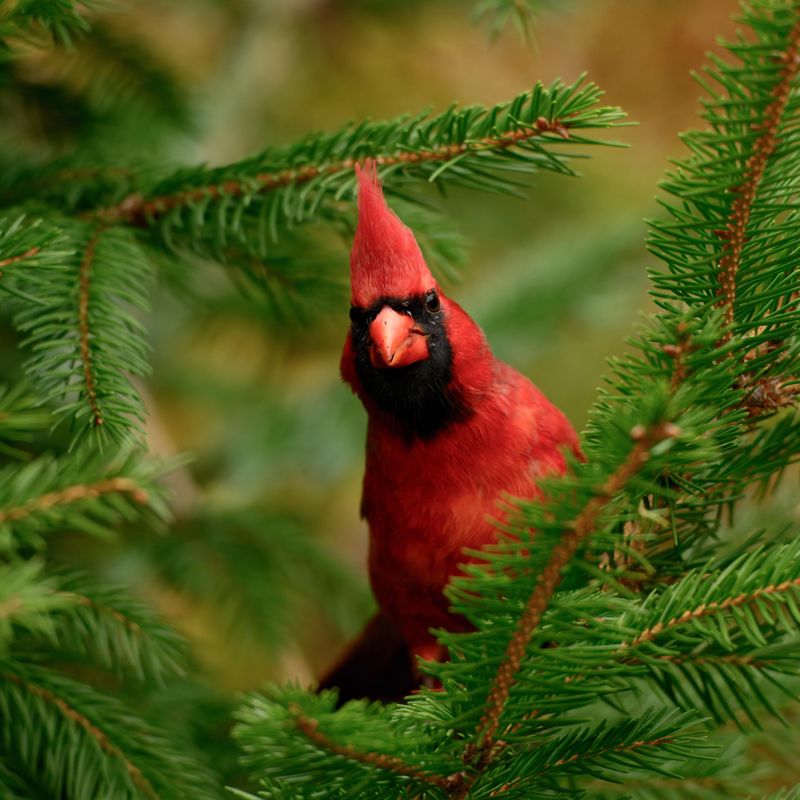
That clear, whistling song you hear before the sun is fully up is not just pleasant background music for your morning routine. It is a bold announcement.
Male Northern Cardinals are among the earliest singers of the day, and their song serves a direct behavioral purpose: claiming territory and letting other cardinals know this yard is occupied.
Cardinals have a large repertoire of songs, and both males and females sing, which is relatively uncommon among North American songbirds.
A male can produce over two dozen distinct song variations. A male singing repeatedly from the same perch each morning is actively patrolling and reinforcing his territorial boundaries through sound alone, broadcasting his presence to every cardinal within earshot.
A daily morning song from the same spot in your yard suggests the cardinal has claimed your garden as part of his home range.
Home ranges for cardinals in residential areas typically cover several acres, but the core area where they feed, sing, and nest can be much smaller.
Your yard may sit right at the center of that core zone without you ever having planned it that way.
Hearing that bright, repeated whistle every morning is actually a sign your yard offers enough resources that a male cardinal feels confident enough to advertise his presence there openly.
He is not hiding. He is broadcasting. If you hear a second cardinal song answering from a nearby yard, you are witnessing a real-time territorial conversation happening right outside your window, no binoculars required.
5. Shrubs Give Cardinals Better Perches
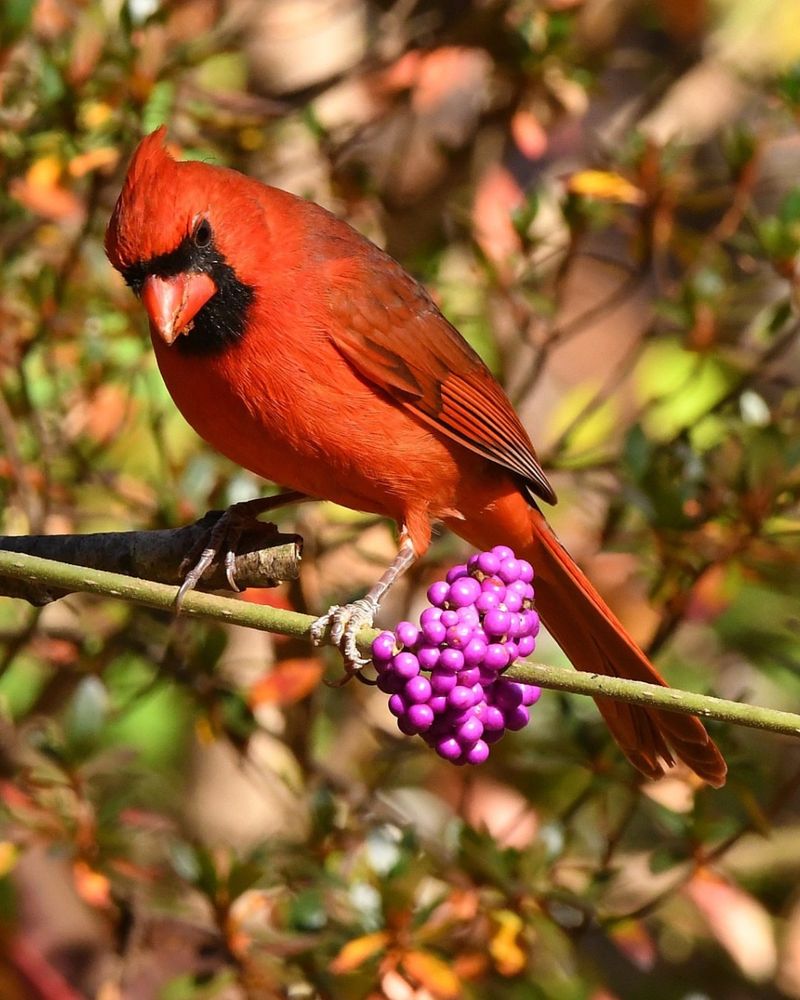
Not every bird is a treetop bird. Cardinals are built for the lower layers of the landscape.
Their strong, stout legs and medium body size make them well-suited for perching on thick shrub branches, garden fences, and low tree limbs rather than swaying at the very tops of tall trees.
A yard with good low perch structure is genuinely more attractive to a cardinal than one with only tall shade trees and open lawn.
Low shrubs serve multiple purposes at once. They provide a safe launch point to the feeder, a quick escape route if a predator appears, and a comfortable resting spot between feeding sessions.
Cardinals tend to survey their surroundings before committing to a feeder visit. A nearby shrub that lets them pause, look around, and assess the situation before flying in is a feature they use constantly throughout the morning.
Pennsylvania native plants like spicebush, native roses, and gray dogwood grow at exactly the right height to serve as cardinal perches.
These plants also produce berries, which means they double as both a perch and a snack bar at the same time. Planting them within ten to fifteen feet of your feeder creates a natural flow that cardinals quickly learn to use as part of their morning circuit.
A yard that looks a little wild around the edges, with layered shrubs at different heights, is far more functional for cardinals than a perfectly trimmed landscape.
A little strategic messiness goes a long way toward making your garden a place a cardinal genuinely prefers over every other yard on the street.
6. Water Makes Daily Visits Easier
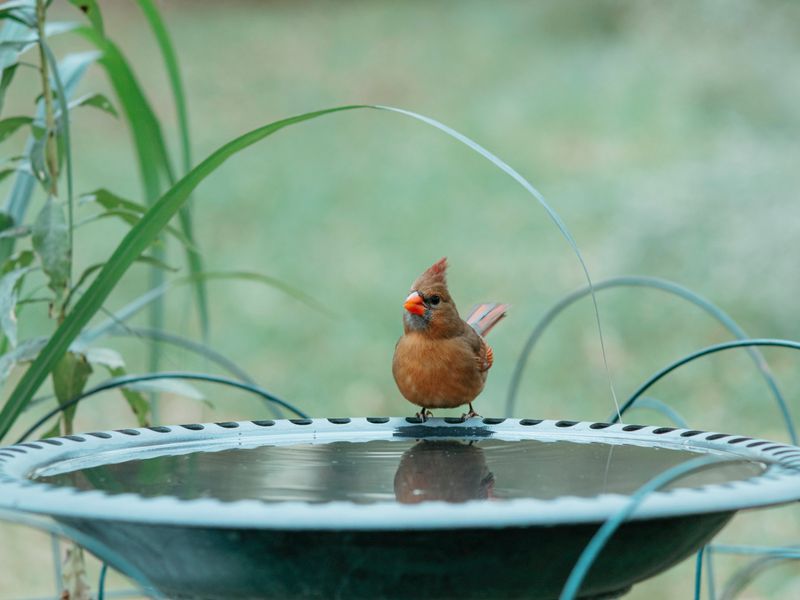
A birdbath might seem like a simple garden accessory, but to a cardinal visiting every morning, it can be the deciding factor between your yard and the neighbor’s.
Fresh, clean water for drinking and bathing is a daily need for birds, and yards that provide it reliably become regular stops on a cardinal’s morning circuit whether there is food present or not.
Cardinals prefer shallow water. A birdbath no deeper than two inches at the center works perfectly. They are not strong swimmers, and deep basins can feel unsafe.
Placing a large, flat stone inside a deeper birdbath raises the bottom and makes it immediately more useful without buying anything new.
Placement near shrubs or trees so birds have a quick escape route if they feel threatened while bathing is worth thinking about before you decide where to set the birdbath.
Cardinals are comfortable bathing but they stay alert the entire time, and cover nearby makes the whole experience feel less risky.
In Pennsylvania winters, water can be even harder to find than food. A heated birdbath or a birdbath de-icer keeps water liquid on freezing mornings and can dramatically increase how often cardinals visit your yard during the coldest months.
Changing the water every day or two prevents algae and keeps things fresh. Cardinals are attentive to water quality and will avoid a stagnant or dirty bath without a second thought, which means regular maintenance is the price of keeping them in the morning routine.
7. Seeds And Berries Match Their Diet
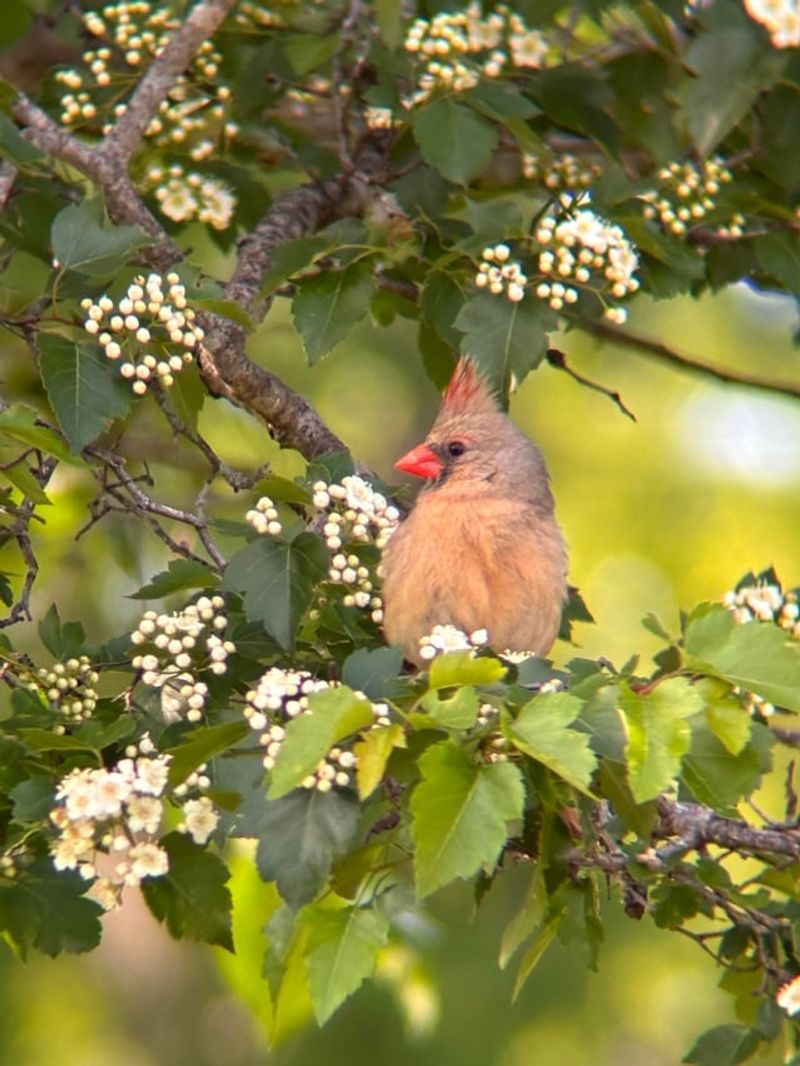
Cardinals are granivores at heart, meaning seeds make up the bulk of their diet year-round. But calling them picky eaters would not be quite accurate.
They are flexible foragers who shift their diet with the seasons, leaning heavily on seeds in fall and winter and adding more insects and berries during spring and summer when those foods become available.
Black-oil sunflower seeds remain the gold standard for attracting cardinals to a feeder. Safflower seeds are a close second.
Cracked corn and white millet are also accepted, especially when scattered on the ground, since cardinals are comfortable foraging low and often prefer it.
Avoid mixes that are mostly filler grains like red millet or oat groats, which cardinals tend to toss aside in search of the seeds actually worth eating.
In the garden itself, native berry-producing plants extend the cardinal’s natural diet beautifully. Winterberry holly, American beautyberry, native dogwoods, and serviceberry all produce fruit that cardinals eat with enthusiasm.
These plants also support the insects that cardinals feed to their young during nesting season, making them doubly valuable in a habitat-focused garden.
A yard that mirrors what cardinals find in the wild, seeds, berries, and insects close to protective cover, is a yard that sees consistent morning visits.
You do not need a perfectly planted wildlife garden to make this work.
Even a few well-chosen native shrubs planted near a feeder can shift your yard from a quick stop to a preferred daily destination, and the cardinal will notice the upgrade faster than you might expect.