Giant Reed Is Restricted In Texas And Homeowners Should Know Why
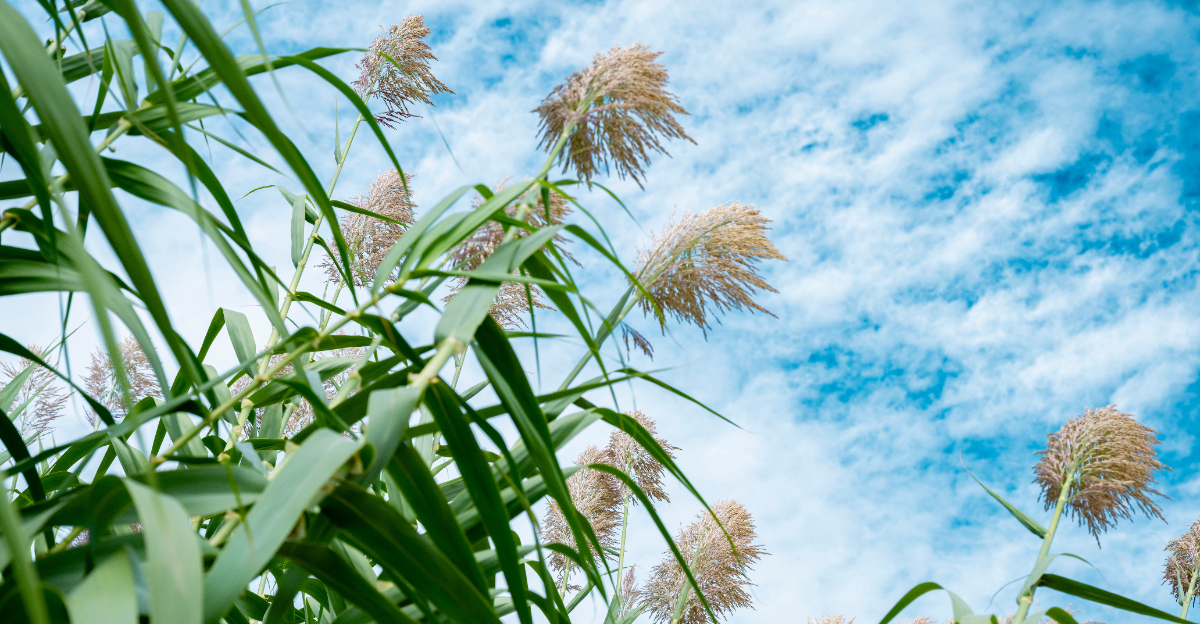
There is a plant spreading through Texas creek beds, drainage channels, and backyard fence lines that a surprising number of homeowners have never heard of.
It looks dramatic. It grows fast. Some people actually find it attractive, which is part of the problem.
By the time many Texans learn its name, it has already been growing on their property or along a nearby waterway for years, doing damage that takes serious effort to reverse.
Texas put it on a restricted list for specific, well-documented reasons, and those reasons affect more than just the environment.
They touch water supply, property management, and legal responsibility for anyone who plants, shares, or ignores it.
So before you admire that towering, bamboo-like plant along the creek behind your house, it might be worth knowing exactly what you are looking at and what your state already decided about it.
1. Start With Giant Reed By Name
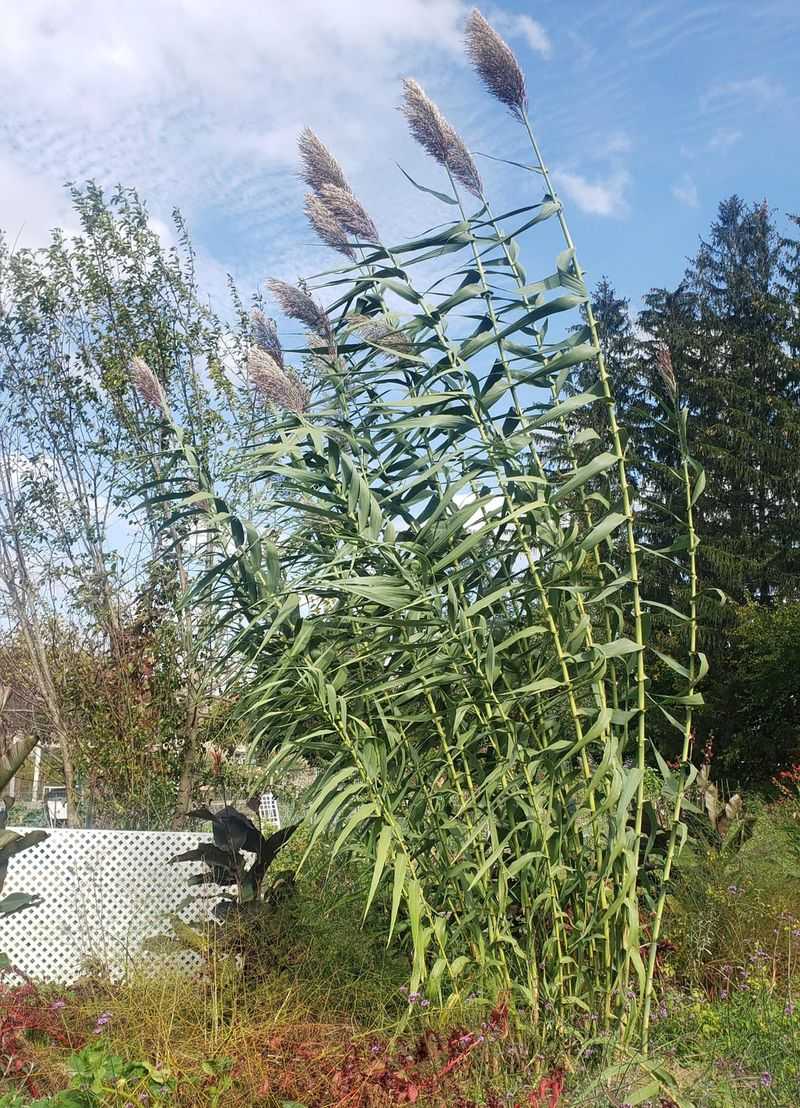
Spot it from the highway and it looks like oversized bamboo.
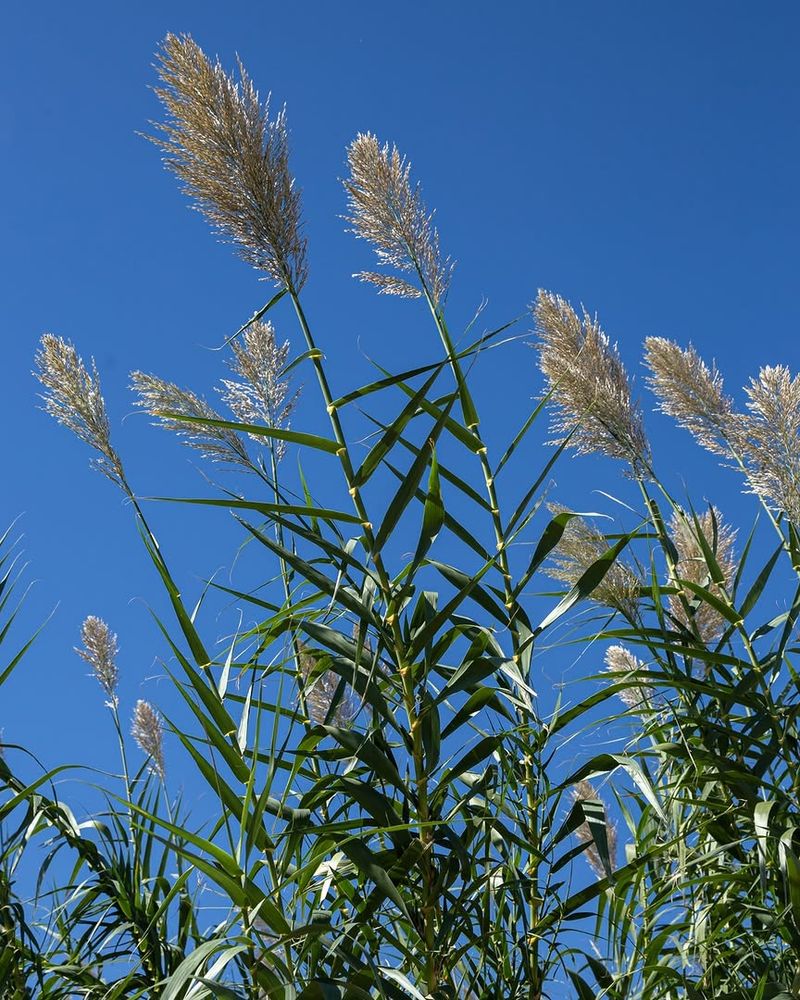
That feathery, fast-growing plant waving along Texas creek banks and fence lines is actually Arundo donax, commonly called giant reed.
It is one of the most aggressive invasive plants in the American Southwest, and Texas homeowners are hearing its name more often for reasons that matter.
Arundo donax is a perennial grass that can grow more than 20 feet tall under the right conditions.
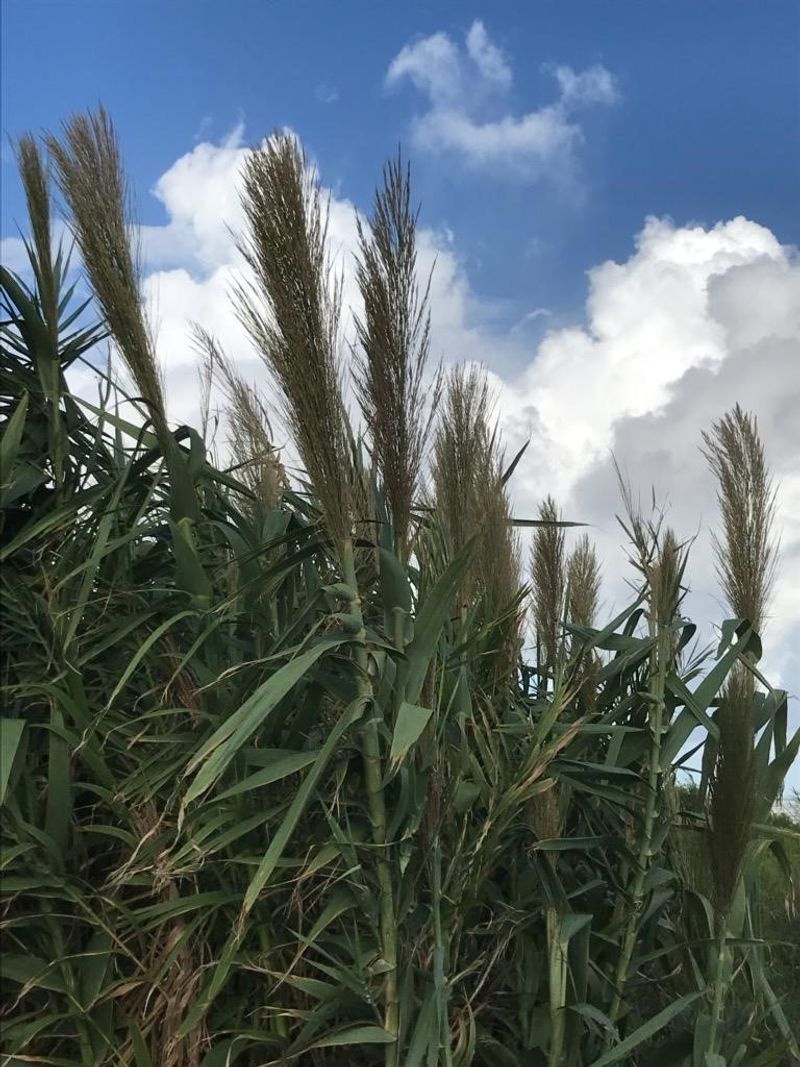
Its thick, hollow cane-like stems and wide, grayish-green leaves make it visually striking in a way that can fool a first-time observer into thinking it belongs there.
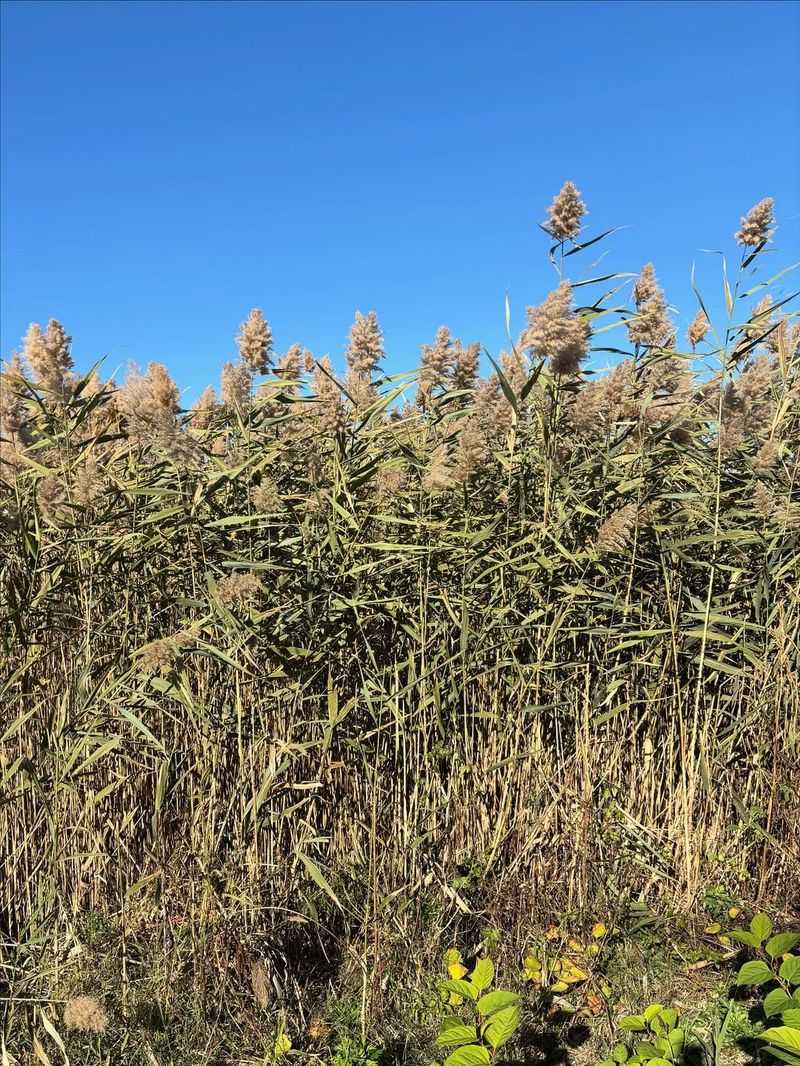
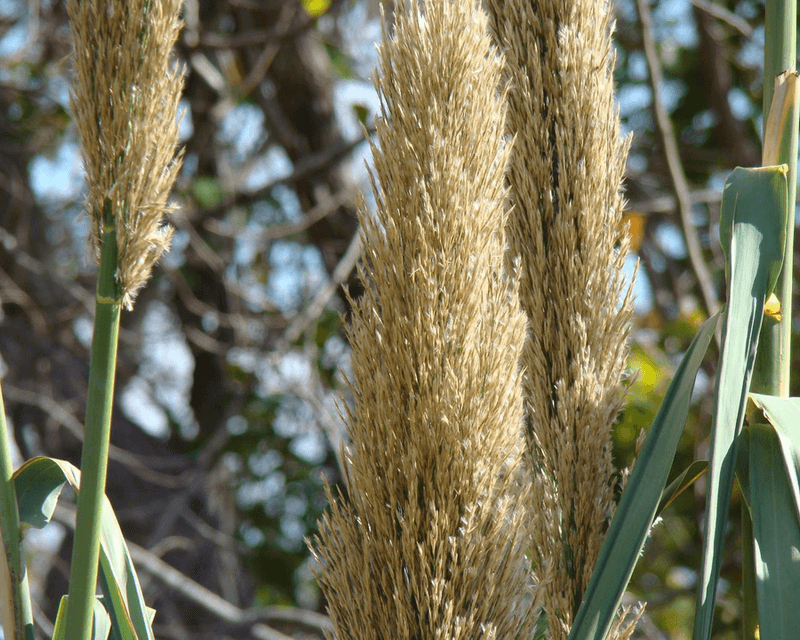
Silvery, feathery plumes appear at the tops in late summer, which is often when people first notice it growing along rivers and drainage channels and assume it is a native ornamental.
Originally from parts of the Old World, including southern Europe, northern Africa, and western Asia, giant reed was brought to the United States for erosion control and other practical uses.
Once it got into the landscape, it proved nearly impossible to contain. It has naturalized across warmer parts of the country, and Texas waterways are one of the places where it has become a serious management concern.
Recognizing it by name is the first step every homeowner near a Texas waterway should take. Arundo donax is not ornamental pampas grass, not bamboo, and not sugarcane.
It has its own identity, its own legal status in Texas, and its own set of environmental concerns that make a little misidentification genuinely costly for everyone downstream.
2. The Texas Noxious List Flags It Clearly
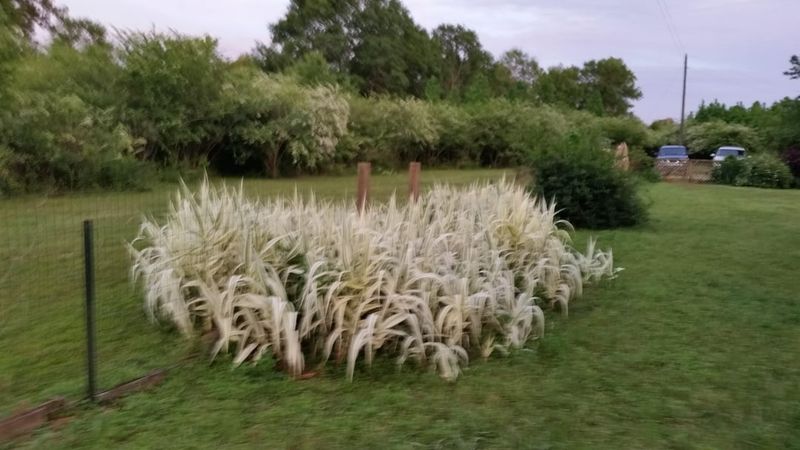
Walk into any Texas county agricultural office and ask about Arundo donax. The staff will not hesitate before telling you it is on the Texas noxious plant list.
The Texas Department of Agriculture maintains that list, and giant reed has earned its spot through years of documented environmental and economic harm across the state.
A noxious plant designation in Texas is not just a suggestion. It carries legal weight. Under Texas Agriculture Code, the movement, sale, and distribution of noxious plants is regulated to prevent further spread. Giant reed is not simply frowned upon.
Your Texas Garden Changes Every Week. Your Plan Should Too.
Gardening in Texas changes quickly throughout the season. Every Friday you’ll receive a simple weekly plan showing exactly what to plant, prune, fertilize, harvest, and protect so you never miss the right timing.
There are actual rules governing what homeowners and landowners can and cannot do with it, and not knowing those rules is not a defense that holds up well.
Texas Invasives lists Arundo donax as an invasive plant and identifies it on major regulatory and invasive plant lists across the state.
That placement is reserved for plants that are actively spreading and causing documented ecological harm, and giant reed has earned that standing through its behavior in Texas landscapes over many years.
Many homeowners plant things without checking their legal status first. That is an understandable mistake, but with giant reed it is one that can carry real consequences.
Checking the Texas Department of Agriculture noxious plant list before adding any new plant to the landscape is a two-minute habit that giant reed is a clear and compelling argument for building.
3. Selling Or Sharing It Creates A Problem
Plant swaps and neighborhood giveaways are a beloved part of Texas gardening culture. Someone has too much of something, they bag it up, and it finds a new home down the street.
With most plants, that is a wonderful tradition. With giant reed, it is a problem that can lead to legal trouble and widespread environmental damage at the same time.
Because Arundo donax is listed on the Texas Department of Agriculture noxious weed list, selling, distributing, or importing it into Texas is illegal under state law.
That applies to nurseries, but it also applies to individual homeowners who might not realize they are doing anything wrong.
Sharing cuttings, rhizome divisions, or even potted specimens with friends or neighbors can spread the plant into new areas where it was not present before.
The tricky part is that giant reed is sometimes still sold in other states or through online plant retailers who do not track Texas-specific regulations.
A homeowner might order it in good faith, receive it legally from outside Texas, and then unknowingly start a new population in their yard or along a nearby drainage ditch with the best of intentions.
Once it gets into a new spot, removing it requires serious effort, specialized herbicide treatments, and often multiple seasons of follow-up work.
Sharing even a small piece of the plant is essentially handing someone a long-term land management headache they did not ask for.
Before passing along any plant, a quick check of the Texas noxious list takes about two minutes and can prevent years of regret for everyone involved.
4. Stem Fragments Help It Spread Fast
Most plants spread through seeds. Giant reed plays by different rules.
While it does produce seed heads, Arundo donax does not typically produce viable seeds in central Texas and instead colonizes almost entirely through vegetative fragments, rhizome clumps, and culm nodes.
A broken piece of stem that lands in moist soil can root and start a new patch when conditions are right, which changes the entire calculus of managing it.
Flood events are one of the biggest drivers of this kind of spread. When a creek rises and rushes through a stand of giant reed, it snaps off stems and carries fragments downstream.
Those pieces get deposited along banks, in sandbars, and in slow-moving channels where they settle into soil and begin rooting.
One upstream clump can send fragments downstream during high water, giving new patches a chance to start along banks and sandbars far from the original plant.
Human activity also plays a role that most people never consider. Mowing over giant reed without collecting the debris is a common mistake.
Mower blades chop stems into small pieces that scatter across the ground. If any of those pieces reach moist soil, a new plant can start growing there.
Even moving contaminated soil or compost can carry rhizome fragments to entirely new locations.
Understanding this biology changes how any management effort needs to be approached. Cutting it down and walking away is not a solution. Every fragment matters.
Any material removed from a giant reed clump should be bagged, dried out completely, or disposed of properly before it has any chance of reaching soil again. Treating it casually is how one plant becomes fifty.
5. Creeks Give It A Dangerous Pathway
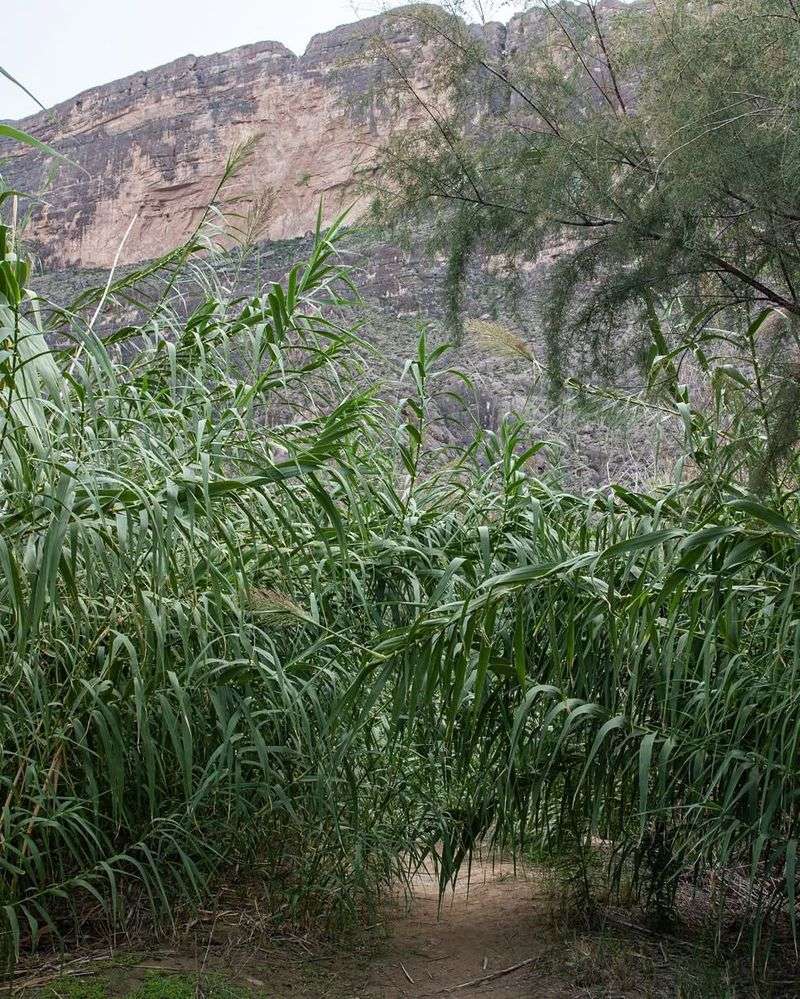
A sunny afternoon along a Texas river. The banks look lush and green, which sounds appealing until you realize that thick green wall is almost entirely Arundo donax.
Creeks and rivers in Texas are not just scenic backdrops. They are the highways giant reed uses to move from one county to the next without anyone carrying it there.
Riparian zones, the areas directly along waterways, offer everything giant reed needs to thrive.
There is consistent moisture, nutrient-rich sediment, and plenty of open bank space where native plants have already been disturbed by floods and erosion.
Giant reed moves into these zones and takes over with speed that surprises most land managers, forming dense single-species stands that can stretch for miles along a river corridor.
The Rio Grande, Hill Country streams, and other Texas waterways have documented arundo management concerns.
Once it establishes along a creek, removal becomes extremely difficult because the plant keeps getting reinforced by upstream fragments during every flood cycle.
Treating one stretch without addressing upstream sources often results in re-infestation within one or two seasons of work.
Homeowners who live near any Texas creek or drainage channel need to be especially alert.
A clump in the backyard can easily shed fragments into a nearby waterway during heavy rain, making your yard a potential source point for a much larger downstream problem.
Being a good neighbor to the creek behind your house means keeping giant reed entirely out of it.
6. Native Riverbank Plants Lose Space Quickly
Texas riverbanks are supposed to be alive with native species. River cane, buttonbush, black willow, native grasses, and wildflowers all play important ecological roles along Texas waterways.
They provide habitat for birds, insects, and wildlife. They stabilize banks. They filter runoff. When giant reed moves in, that entire community gets displaced in a way that is both fast and difficult to reverse.
Arundo donax grows so densely and so quickly that native plants cannot compete. It forms pure stands, suppressing native vegetation and crowding out every other species until only giant reed remains.
A riverbank that once supported dozens of native plant species can be reduced to a single-species giant reed stand within just a few growing seasons. The biodiversity loss is dramatic and measurable.
Wildlife suffers alongside the plants. Native insects that depend on specific host plants lose their food sources.
Ground-nesting birds lose suitable habitat. Deer and other animals that browse native vegetation find less to eat in areas where giant reed has taken over.
Even aquatic life can be affected when dense reed beds change water temperature and oxygen levels in shallow creek channels.
Texas invasive plant and wildlife agencies document these displacement effects in Texas waterways consistently.
Homeowners sometimes think of their yard as separate from the broader ecosystem, but land along or near waterways is part of something much larger than a property line suggests.
Protecting native plants along Texas creeks starts with refusing to let invasive species gain a foothold anywhere near the water, and giant reed is the clearest example of why that decision matters.
7. Heavy Water Use Adds Another Concern
Water is precious in Texas.
Droughts are a regular part of life across much of the state, and competition for water resources is a real and ongoing issue that affects farms, communities, and wildlife.
Giant reed adds a layer of pressure to that competition that most homeowners have never considered, because Arundo donax uses more water than native vegetation and can reduce downstream flow where infestations are large.
Texas Parks and Wildlife notes that giant reed consumes more water than native vegetation due to rapid growth, reducing water available downstream.
In South Texas, the plant, also known as carrizo cane, threatens water supplies for both agriculture and municipal drinking water because of its high evapotranspiration rates.
For Texas communities and farms that depend on river and creek flows for irrigation, drinking water, or livestock use, that is not a minor concern.
Every large stand of giant reed along a Texas waterway is pulling water out of the system that would otherwise support native plants, aquatic life, and downstream users who have been relying on that flow for generations.
Control efforts are often tied directly to water conservation because large infestations can reduce water available downstream in ways that are measurable and meaningful.
Water conservation and invasive plant management are directly connected in Texas. Giant reed sits at the center of that connection in a way that makes ignoring it genuinely expensive for everyone who depends on what flows through those rivers.
This is not just an environmental argument. It is a resource argument, and in Texas, those tend to get people’s attention.