Florida Yard Changes That Bring Fireflies Back After Years Of Absence
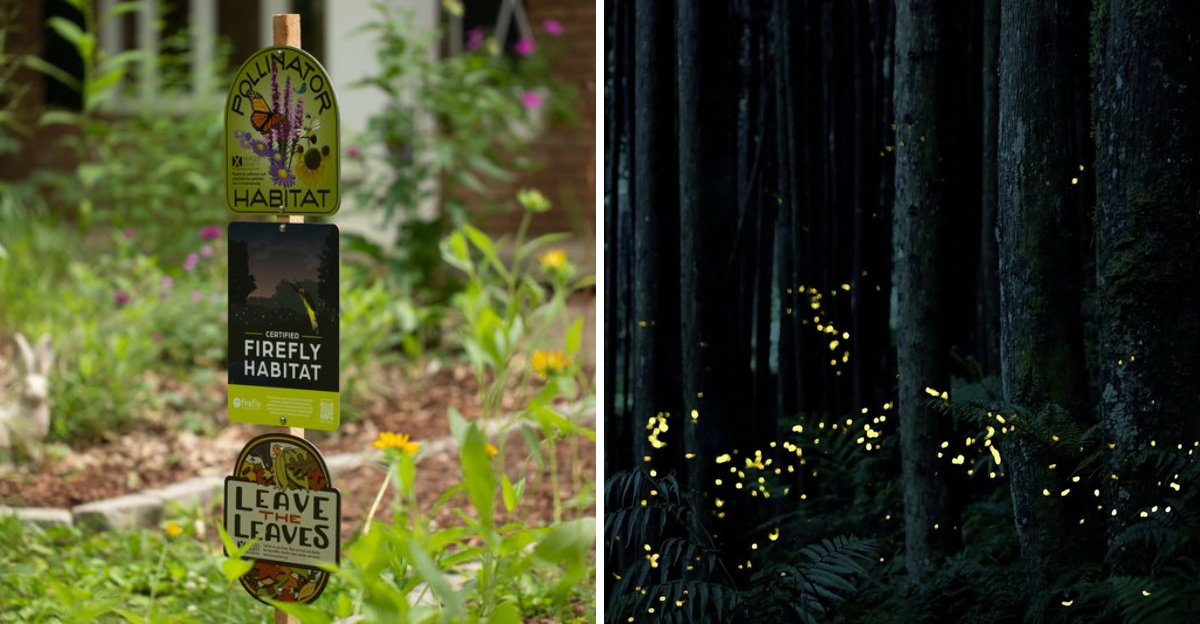
Fireflies are not gone from Florida. They are just gone from a lot of Florida yards, and the difference between those two things matters.
A yard that has not seen a firefly in years is not unlucky. It is missing something specific that fireflies need, and that something is more recoverable than most homeowners assume.
Firefly populations respond to habitat. Light pollution, soil moisture, lawn chemistry, the presence of certain plants and the absence of others.
These are not fixed conditions. They are choices, and choices can change.
Florida yards that have brought fireflies back after long absences share a pattern. A handful of targeted changes shifted the environment enough to make those yards worth returning to.
None of it requires a complete overhaul. Some of the most effective shifts are smaller than people expect.
But they have to be the right ones, aimed at what fireflies are actually looking for.
1. Let Leaf Litter Stay In Quiet Corners
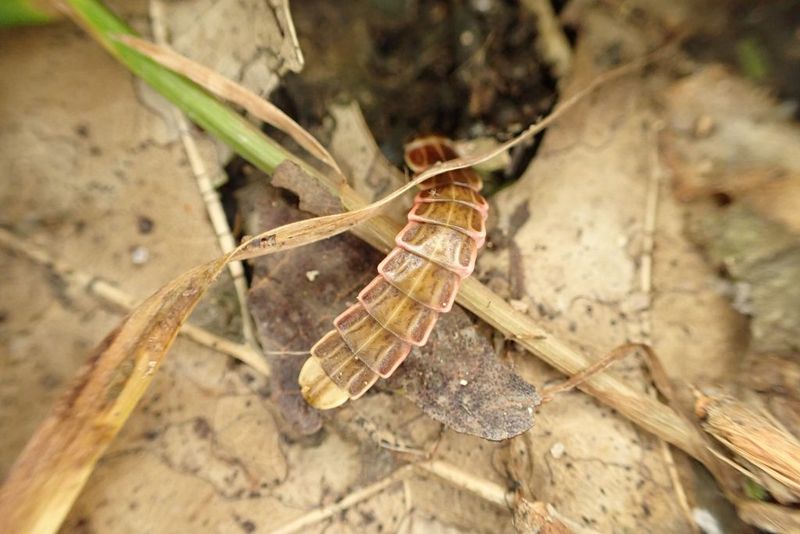
Raking every leaf off every inch of the yard feels tidy, but it can quietly remove something fireflies depend on. Fallen leaves, soft organic matter, and undisturbed soil create the kind of microhabitat where firefly larvae spend most of their lives.
Many species in this state overwinter or develop underground in moist, leaf-covered ground.
Larvae are predators. They hunt small soft-bodied invertebrates like snails, worms, and slugs hiding beneath leaf layers.
A completely bare yard offers very little for them to eat or shelter in. Leaving leaf litter in low-traffic zones gives larvae a place to grow through the months before they ever light up a summer night.
That does not mean letting the whole yard go wild. Choose quiet corners where disturbance is low, such as shrub beds, the base of trees, back fence lines, or woodland edges.
Keep leaves away from door thresholds, drains, and areas where buildup could cause pest or moisture problems near the house.
A layer of natural leaf litter just a few inches deep in the right spot can make a real difference. Shred leaves lightly if needed to speed breakdown and reduce bulk.
The goal is soft, slightly damp, organic ground that stays undisturbed through firefly season, roughly late spring through summer in most parts of this state.
2. Turn Off Extra Lights During Firefly Season
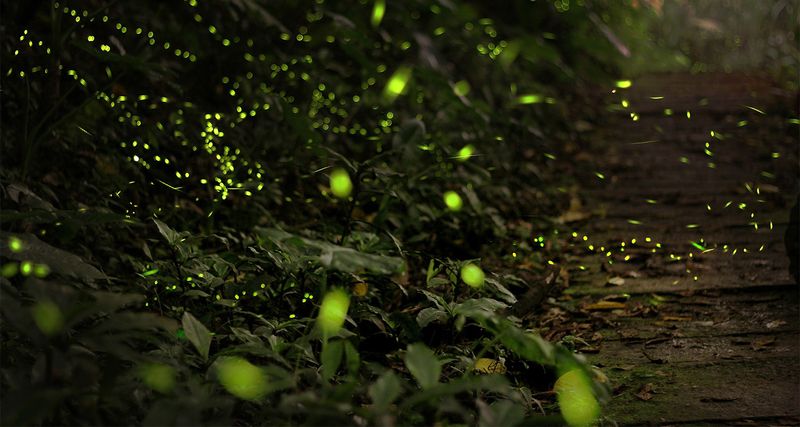
A backyard blazing with floodlights, string lights, and bright landscape fixtures might look welcoming to people, but it can confuse fireflies trying to find a mate. Fireflies communicate through species-specific flash patterns.
Artificial light washes out those signals and makes it harder for males and females to locate each other.
Research supported by firefly conservation groups confirms that light pollution is one of the most significant pressures on firefly populations today.
Porch lights, decorative garden lights, bright security fixtures, and even string lights left on all night can reduce mating success in nearby fireflies.
Less breeding means fewer fireflies the following season.
Practical steps can help without leaving anyone in the dark. Motion-sensor lights near driveways and entries stay off until actually needed.
Your Florida Garden Changes Every Week. Your Plan Should Too.
Gardening in Florida changes quickly throughout the season. Every Friday you’ll receive a simple weekly plan showing exactly what to plant, prune, fertilize, harvest, and protect so you never miss the right timing.
Timers on decorative lighting can shut things down by 9 or 10 p.m. during peak firefly season, typically late May through July in many parts of this state.
Shields or directional covers can focus security lights downward instead of broadcasting light across the whole yard.
Warmer, lower-intensity bulbs cast less disruptive light than cool white LEDs. Safety lighting near steps, doors, and accessible paths should absolutely stay.
The goal is reducing unnecessary brightness in the areas where fireflies might actually be active. Focus especially on shrub edges, areas under trees, and damp corners of the yard.
3. Keep Part Of The Yard Damp And Undisturbed
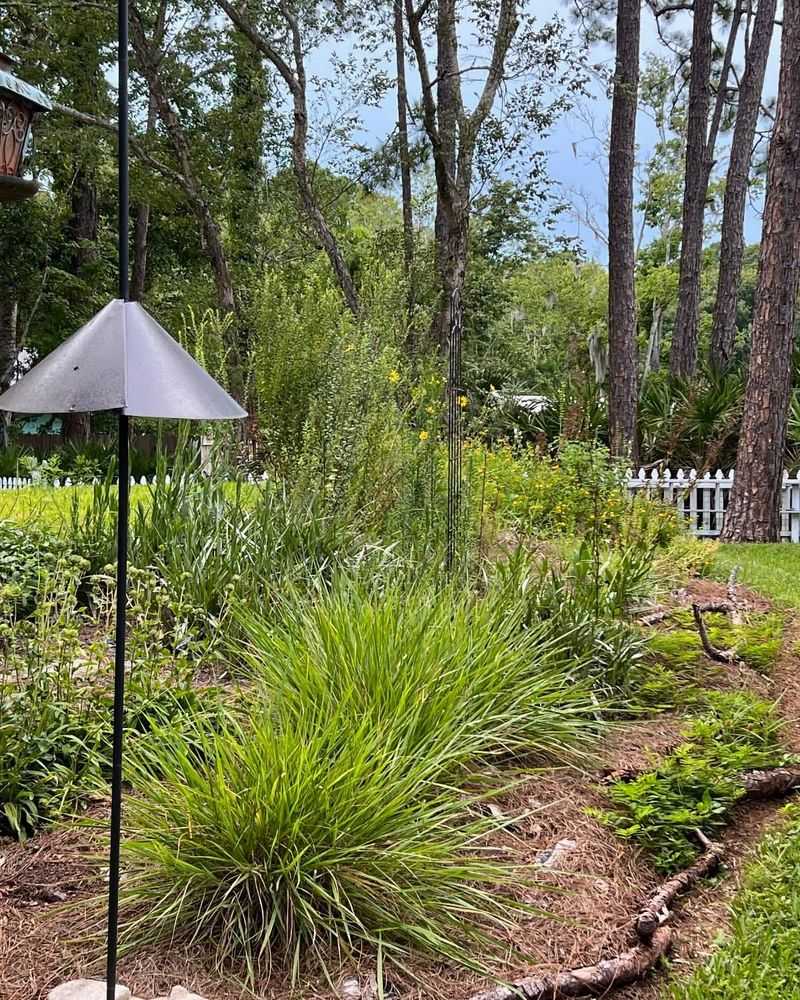
Moisture matters more than most people realize when it comes to firefly habitat. Many species need damp soil or moist leaf litter during larval development, and some adults are also more active near humid, low-lying areas.
Sandy, dry, over-irrigated lawns often lack the consistent ground moisture that supports larvae through their long underground phase.
Rain gardens, naturally shaded low spots, mulched tree islands, and the edges of ponds or swales can all offer useful moisture if managed well.
A shaded bed that holds a bit more humidity than the open lawn can quietly become a productive patch for firefly development over time.
Pairing moisture with low disturbance is the real goal.
One concern worth addressing directly: damp habitat is not the same as standing water. Stagnant water breeds mosquitoes and should be removed or managed.
Moist soil and leaf litter that drains after rain is very different from a puddle that sits for days. If mosquito pressure is a real problem in your yard, remove containers, check gutters, and follow local mosquito-control guidance from your county Extension office.
Focus moisture efforts on corners and edges that are already naturally shadier or lower than the rest of the yard. These spots require the least effort to keep damp and tend to stay undisturbed on their own.
Mulching with wood chips or shredded leaves helps retain soil moisture between rains without creating waterlogged conditions.
4. Skip Broad Pesticides Where Larvae May Live
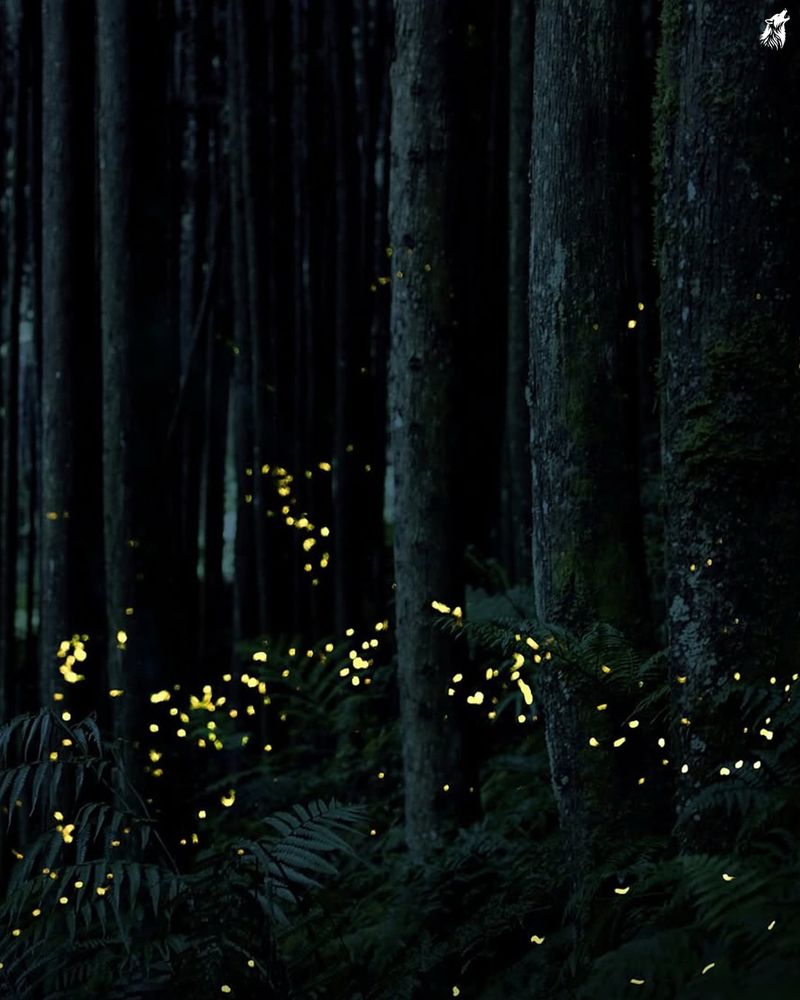
A standard pest-control routine might feel like responsible yard maintenance, but broad-spectrum insecticides can affect far more than the target pest. Firefly larvae live in the soil and leaf litter where many spray treatments land or soak in.
They are also slow-moving and spend months in the ground, making them vulnerable to repeated chemical exposure over time.
Perimeter sprays, routine lawn insecticide treatments, and mosquito fogging can reduce the small invertebrates that firefly larvae depend on for food.
Fewer snails, worms, and soft-bodied insects in the soil means less available prey for larvae trying to develop through the season.
A heavily treated yard can quietly become a food desert for ground-dwelling insects.
That does not mean ignoring real pest problems. If you have a documented pest issue, contact your local UF/IFAS Extension office for targeted, evidence-based recommendations.
The goal is precision, not elimination of all pest management. Treating a specific problem in a specific area is very different from routine broad spraying across the whole property.
In zones you have set aside for firefly habitat, consider skipping routine treatments entirely. That includes back corners, shrub beds, and leaf-litter areas unless a genuine pest threat requires action.
Avoid spraying during evening hours when adult fireflies may be active. Reducing pesticide pressure in quiet habitat zones is one of the more direct ways to support both larvae and the food web they depend on.
5. Plant Native Grasses Around Dark Yard Edges
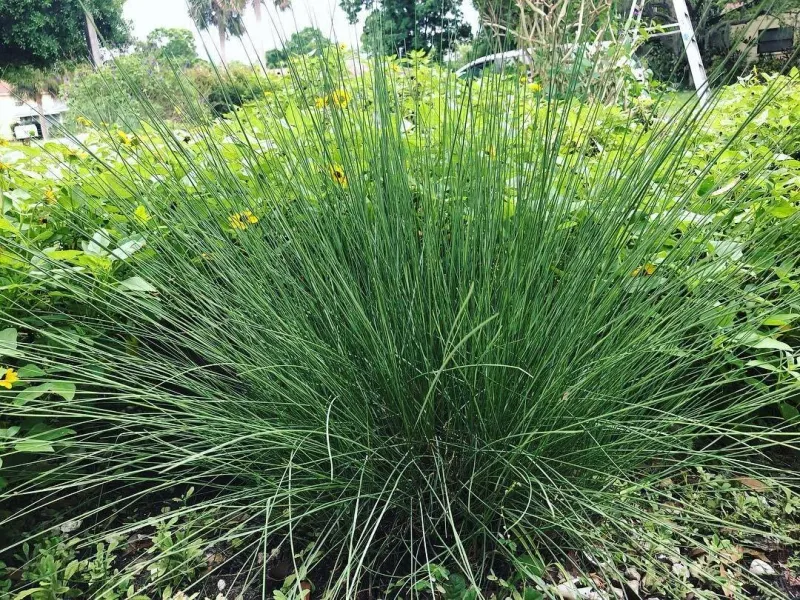
Picture a yard edge where the mowed lawn fades into a soft fringe of clumping native grasses catching the last light of the evening. That kind of layered transition does more for ground-dwelling insects than a sharp, scalped edge ever could.
Native grasses create texture, low cover, and reduced disturbance along the margins where fireflies are most likely to be active.
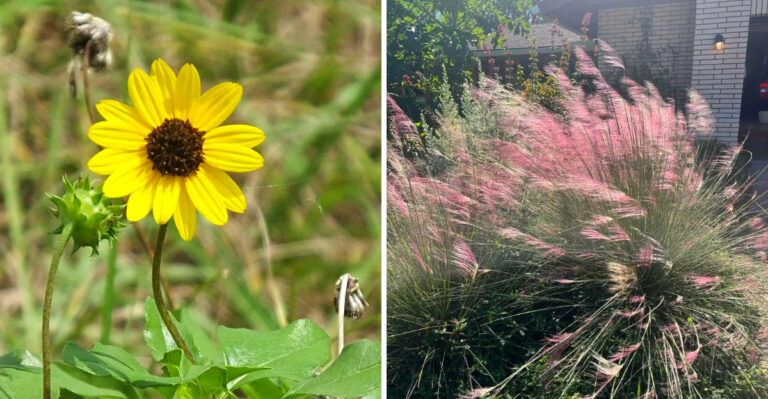
Muhly grass (Muhlenbergia capillaris) is a verified Florida native that forms graceful clumps and thrives in well-drained sunny spots. Fakahatchee grass (Tripsacum dactyloides) handles moister conditions and offers more volume along shadier edges.
Both are supported by UF/IFAS as native landscape plants suited to various regions of this state. Neither spreads aggressively or causes management problems when placed thoughtfully.
To be clear: planting native grasses does not directly attract fireflies the way a flower attracts a pollinator. The benefit is indirect.
Grasses reduce mowing frequency along edges and allow soft organic matter to accumulate at the base. They also create a less-disturbed transition between open lawn and shrub areas.
Paired with darkness, moisture, and reduced pesticide use, they become part of a more complete habitat picture.
Place native grass clumps along back fences, around tree bases, or at the edges of shrub beds. Keep them away from air conditioning units, vents, and foundation gaps.
Trim back once or twice a year rather than cutting them short repeatedly, which removes the cover value they provide.
6. Add Shrubs That Create Shelter Without Dense Mess
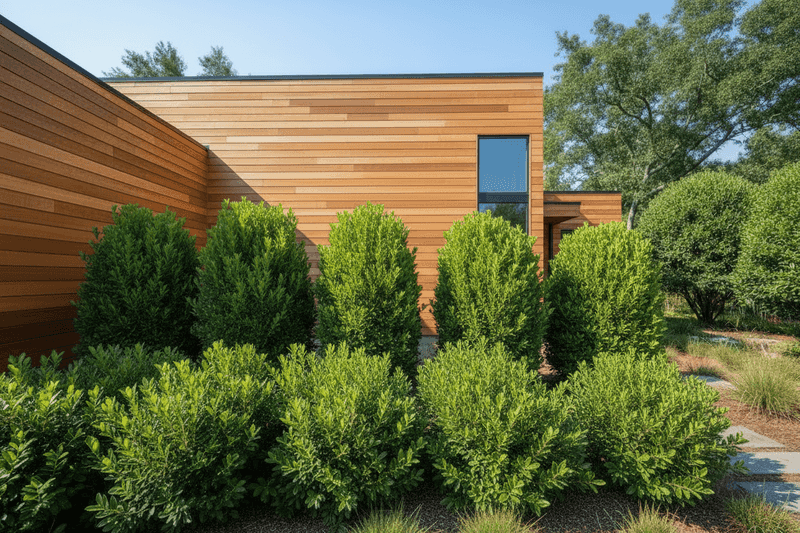
A thoughtfully planted shrub layer can do a lot of quiet work in a wildlife-friendly yard. Native shrubs create shaded edges, drop leaves that build organic matter, and offer protected microhabitats along fence lines and garden borders.
For fireflies, shaded shrub edges with soft leaf litter underneath are exactly the kind of low-disturbance zone larvae need. Adults can also rest there during the day.
Wax myrtle (Morella cerifera) is a reliable Florida native that handles sun or partial shade and grows quickly enough to create useful cover within a season or two.
Beautyberry (Callicarpa americana) offers a more open, airy structure with colorful berries that support birds.
Simpson’s stopper (Myrcianthes fragrans) and wild coffee (Psychotria nervosa) both work well in shadier spots and stay relatively tidy with minimal pruning.
Placement matters as much as plant selection. Shrubs planted too close to the house can create pest problems, block airflow, and cause moisture issues against foundations.
Keep a clear gap between any shrub mass and walls, vents, or door frames. Good airflow and easy access for inspection make a shrub border practical rather than problematic.
The goal is a layered, natural edge that stays manageable. Occasional cleanup of deceased wood, removal of invasive seedlings, and light shaping once or twice a year keep these shrubs looking intentional rather than neglected.
A well-placed shrub border adds year-round structure and supports far more than just fireflies.
7. Protect Snails And Soft-Bodied Insects Fireflies Need
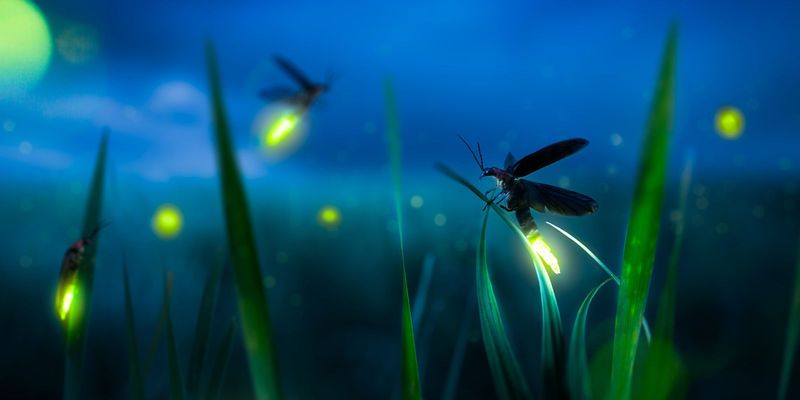
Most people think of fireflies as the glowing adults drifting through a summer evening, but the larval stage is where most of their life actually happens. Firefly larvae are active predators in the soil.
Many species feed on small soft-bodied invertebrates including snails, slugs, earthworms, and similar ground-dwelling prey. A yard stripped of these small creatures may simply not offer enough food to support developing larvae.
Heavily treated lawns, compacted dry soil, and frequent disturbance tend to reduce invertebrate diversity and abundance. When the food base shrinks, so does the chance that larvae can complete development.
Protecting the soil food web in quiet habitat zones is a practical way to support fireflies without doing anything exotic or complicated.
Balance is the key word here. Snails and slugs can damage vegetable beds and young transplants, and nobody wants a pest outbreak in a productive garden.
The goal is protecting invertebrate populations in designated habitat zones, such as leaf-litter corners, shrub beds, and unmowed edges.
At the same time, manage genuine pest problems in vegetable beds and high-traffic areas with targeted, Extension-backed methods.
Avoid using slug baits or broad soil treatments in habitat zones. Some common baits can harm non-target wildlife including ground beetles, birds, and other beneficial species.
Keeping soil in habitat areas moist, covered with organic mulch, and free from heavy foot traffic gives the invertebrate community the best chance to recover. It also helps that community stay productive as a food source for larvae.
8. Stop Mowing Every Corner Like A Lawn
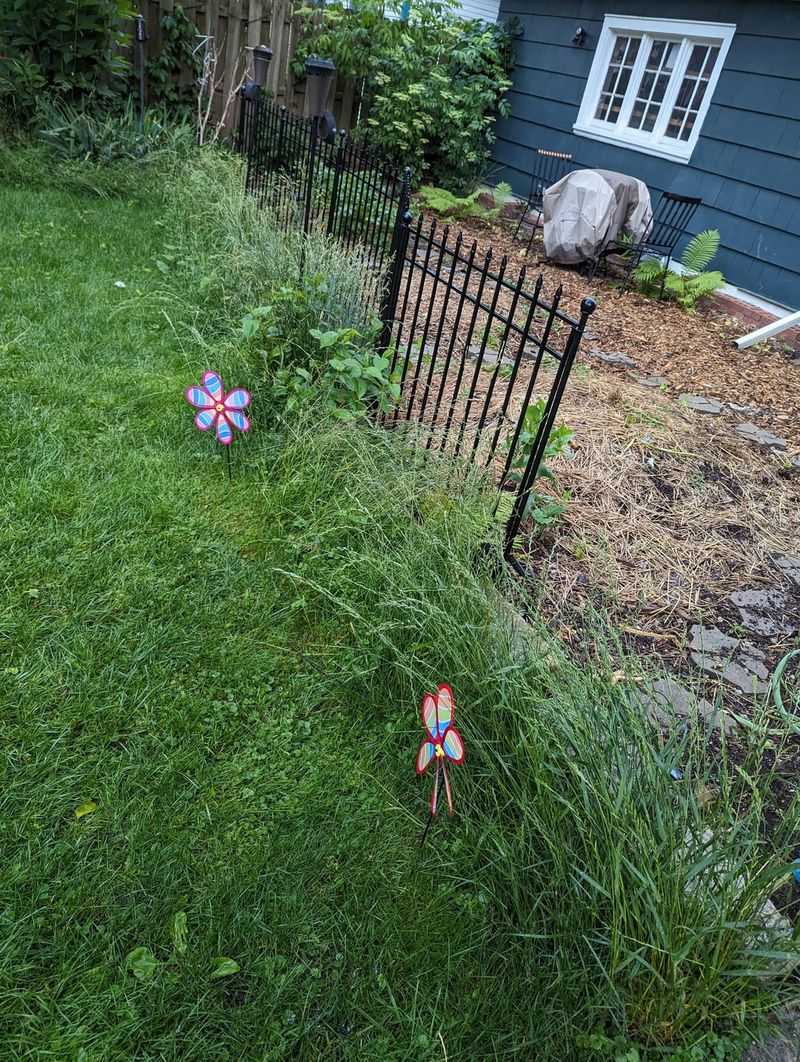
A freshly scalped lawn edge might look crisp, but it can quietly remove everything fireflies need in the margins of a yard. Short, frequently mowed grass dries out fast, offers no cover for resting adults, and leaves larvae with nowhere to shelter or hunt.
Over time, a yard mowed uniformly short from fence to fence becomes a pretty inhospitable place for ground-dwelling insects.
Leaving small unmowed or lightly mowed strips along back edges, under trees, around shrub bases, or near natural areas can make a meaningful difference.
These low-disturbance zones hold more moisture, accumulate organic matter, and stay cooler than open turf.
Adults may use them as daytime resting spots, and larvae benefit from the reduced soil disturbance during their long underground development phase.
Before skipping the mower in any area, check local rules. HOA guidelines, fire safety codes, and county ordinances vary across this state.
Some neighborhoods have strict height limits for grass and vegetation. Working within those rules is important, and there are usually ways to create low-disturbance zones that still look intentional and maintained rather than abandoned.
Snake visibility is also a reasonable concern in this state. Keep pathways, play areas, and high-traffic spots mowed short and clear.
The goal is strategic low-disturbance zones in specific areas, not giving up on yard maintenance entirely.
Even a narrow strip of less-disturbed ground along a back fence can add habitat value when paired with the other changes described throughout this article.
9. Be Realistic About What Yard Changes Can And Cannot Do
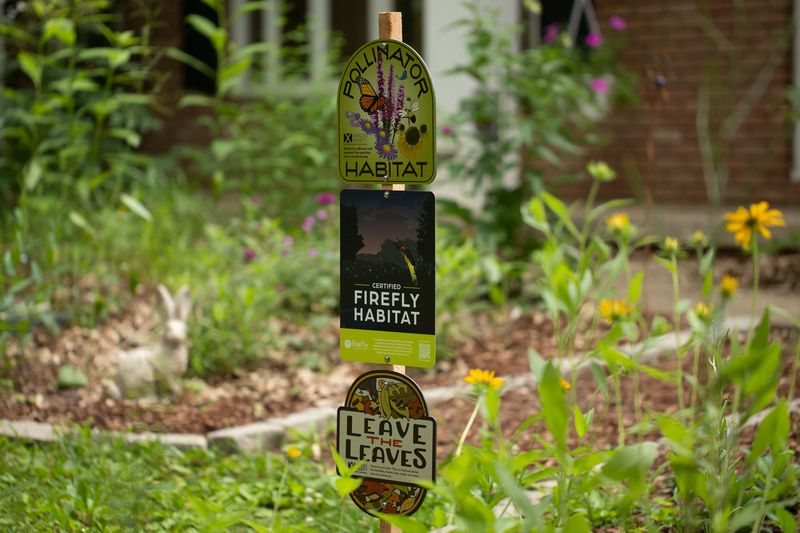
After making every change on this list, some yards will see fireflies return. Others may not, at least not right away.
Recovery depends on factors that go well beyond any single yard. Nearby firefly populations, habitat connections between properties, local darkness levels, and weather patterns all matter.
The specific species present in your area also play a role in whether fireflies reappear after years of absence.
Fireflies do not travel long distances to colonize new habitat the way some birds or butterflies might. If a local population has been gone for many years, there may be no nearby source for returning fireflies.
Without connected green spaces nearby, a single yard improvement may not be enough to bring them back on its own. That is a realistic limitation worth understanding before starting.
What yard changes can do is make a property ready. A yard with dark edges, moist leaf litter, reduced pesticides, native plants, and undisturbed soil is genuinely more welcoming.
It offers far better habitat than a bright, heavily treated, uniformly mowed space. Over time, as more neighbors make similar changes and local habitat becomes more connected, the chances improve.
Do not collect, relocate, or attempt to introduce fireflies from other areas. This can disrupt local populations and spread species outside their natural range.
The best approach is patient, consistent habitat improvement combined with community awareness. Talk to neighbors, share what you are learning, and support local conservation efforts.
Small changes across many yards can add up to something meaningful for fireflies over time.