Smart Maryland Garden Moves To Make Before A Drought Summer Gets Worse
Maryland summers do not ease you in. They arrive fast, stay long, and leave your garden looking like it gave up somewhere around July. Drought is not just a dry spell you wait out. It compounds.
The soil pulls back, roots stress out, and plants that looked fine on Monday start flagging by Friday. The good news is that most of the damage is preventable if you move before the worst of it lands.
This is not about saving a dying garden. It is about keeping a healthy one from getting there. A few smart adjustments now can mean the difference between a garden that pushes through summer and one that just survives it.
Maryland gardeners who act early almost always come out ahead.
1. Know What You Are Actually Dealing With First

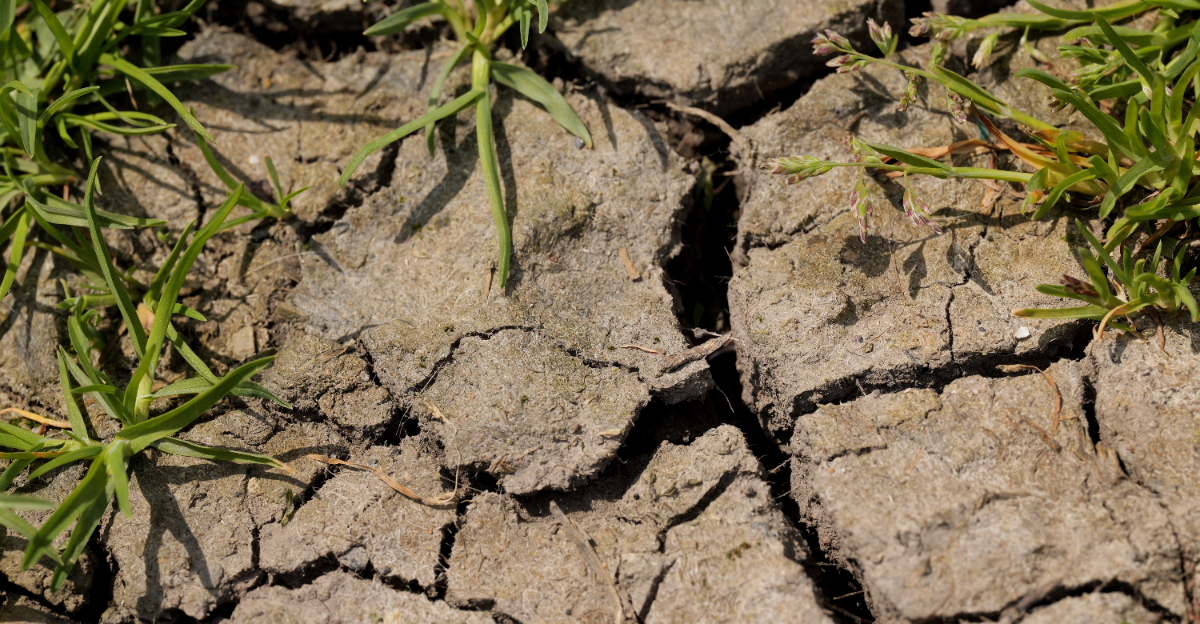
Cracked ground does not lie. Before you spend a dime or move a shovel, you need an honest look at what drought is actually doing to your specific yard.
Not every garden suffers the same way. A shaded corner near a downspout behaves completely differently than a sunny slope with sandy soil.
Start by walking your property slowly after a dry week. Note which areas look stressed, which stay moist longer, and which are bone dry by noon.
Check your local drought status through the U.S. Drought Monitor. Maryland often sits in a patchwork of moderate to severe drought zones depending on the county.
Knowing your exact zone helps you prioritize where to focus water and effort. Spreading resources thin across the whole yard during a drought is a losing strategy.
Pay attention to which plants show stress first. Those are your canaries, signaling where the soil moisture is lowest and where intervention matters most.
Take photos as you walk. A visual record helps you track changes week to week and spot patterns that are easy to miss in the moment.
Do not overlook your soil type at this stage. Maryland’s landscape shifts from heavy clay in the central counties to sandier soils on the Eastern Shore, and each holds moisture in a completely different way.
Clay slows drainage but can set hard when dry. Sandy soil drains fast and loses moisture quickly. Knowing which you are working with changes how you water, mulch, and amend going forward.
Smart Maryland garden moves begin with observation, not action. Once you understand the full picture, every decision you make from here gets sharper and more effective.
2. Read Your Soil Before You Do Anything Else
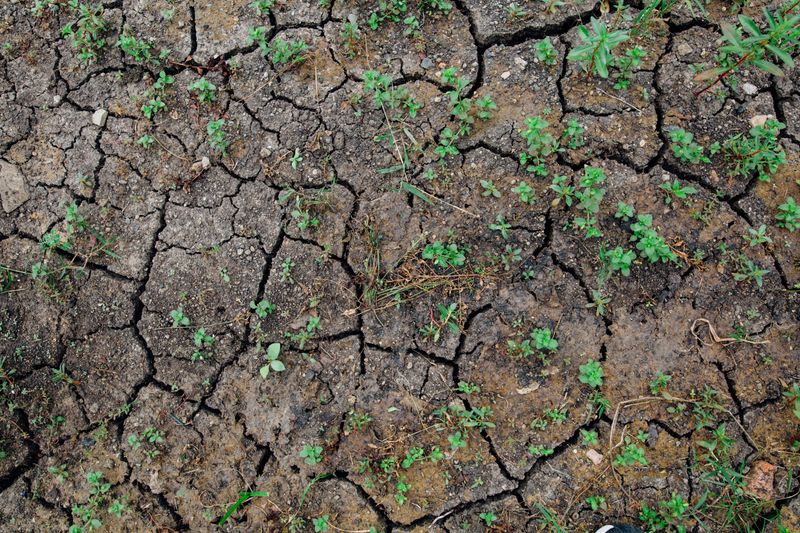
Soil is not just dirt. It is a living system, and drought changes it fast in ways that are not always visible from the surface.
Clay-heavy Maryland soils, common in the Piedmont region, become rock-hard when dry. Water tends to run off the surface instead of penetrating, which significantly reduces how effective irrigation can be without some prep work.
Sandy soils in coastal counties drain too fast under normal conditions. During drought, they lose moisture within hours of watering, leaving roots high and dry.
Your Maryland Garden Changes Every Week. Your Plan Should Too.
Gardening in Maryland changes quickly throughout the season. Every Friday you’ll receive a simple weekly plan showing exactly what to plant, prune, fertilize, harvest, and protect so you never miss the right timing.
A simple soil test from your local cooperative extension office costs very little. It tells you your soil type, pH level, and nutrient gaps that drought stress can make worse.
When soil pH is off, plants cannot absorb water efficiently even when moisture is present. Fixing that imbalance now gives your garden a real fighting chance.
Work a thin layer of compost into dry beds carefully. Compost improves water retention in sandy soils and helps break up compacted clay over time.
Avoid tilling deeply during drought conditions. Disturbing dry soil releases moisture and damages the fragile structure that roots depend on to find water.
Reading your soil honestly is one of the smartest Maryland garden moves you can make. The ground tells you exactly what it needs if you stop and listen.
3. Change How And When You Water Right Now
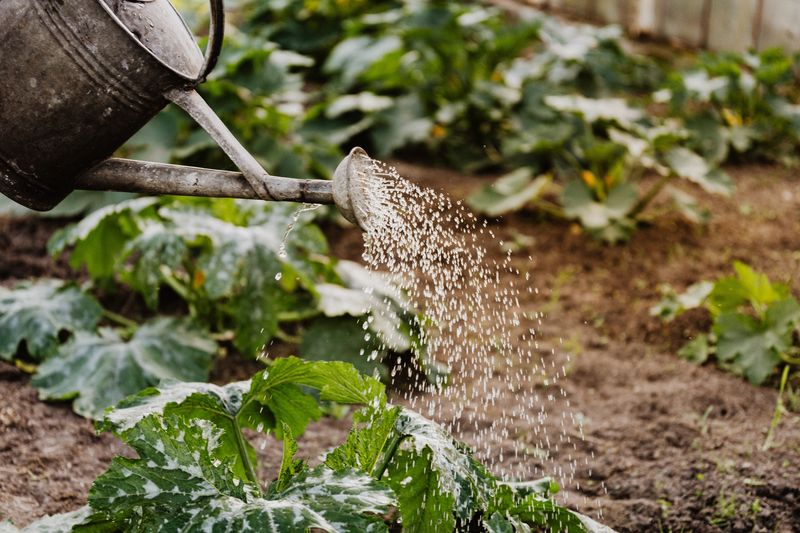
Watering at noon on a hot July day is like pouring money into a hot pan. Most of it evaporates before roots ever get a drop.
Shift your watering to early morning, between 5 and 9 a.m. Soil is cooler, wind is calmer, and plants can absorb moisture before the sun intensifies.
Evening watering is second best if mornings are not possible. Just avoid soaking foliage at night, since wet leaves overnight invite fungal problems on top of drought stress.
Switch from overhead sprinklers to soaker hoses or drip irrigation if you have not already. Drip systems deliver water directly to root zones, cutting waste by up to 50 percent.
Water deeply and less often rather than lightly every day. Deep watering encourages roots to grow downward, where soil stays moist longer during dry stretches.
A good rule of thumb is one inch of water per week for most established plants. Use a rain gauge or an empty tuna can to measure what your garden actually receives.
Group plants by water needs if you can. Putting thirsty plants near drought-tolerant ones wastes water on one and stresses the other.
Changing your watering habits now is one of the fastest wins available in a drought summer. Small adjustments in timing and delivery make a surprisingly large difference.
4. Swap Out Struggling Plants For Drought-Tolerant Picks

Some plants were never built for a brutal Mid-Atlantic summer. If yours are gasping by mid-July every year, it is time to make a swap.
Drought-tolerant natives are your best allies here. Black-eyed Susans, native coneflowers, and little bluestem grass thrive in Maryland’s heat with minimal supplemental water once established.
Lavender is another strong performer. It handles dry spells with ease and adds fragrance and color when the rest of the garden looks tired and faded.
Sedums and other succulents work beautifully in sunny borders and containers. Their thick leaves store water internally, making them nearly indestructible during a dry stretch.
Ornamental grasses like switchgrass and little bluestem are tough, attractive, and low maintenance. They green up fast after rain and hold their structure even when moisture is scarce.
When shopping for replacements, look for plants labeled xeriscape-friendly or native to the Chesapeake Bay watershed region. Those labels are a shortcut to finding proven drought performers.
Do not rip everything out at once. Transition gradually, replacing the most stressed specimens first and expanding as your budget and energy allow.
Swapping in the right plants is one of the smartest long-term Maryland garden moves you can make. A resilient garden does not fight the climate; it works with it.
5. Mulch Everything Before The Next Heat Wave Hits
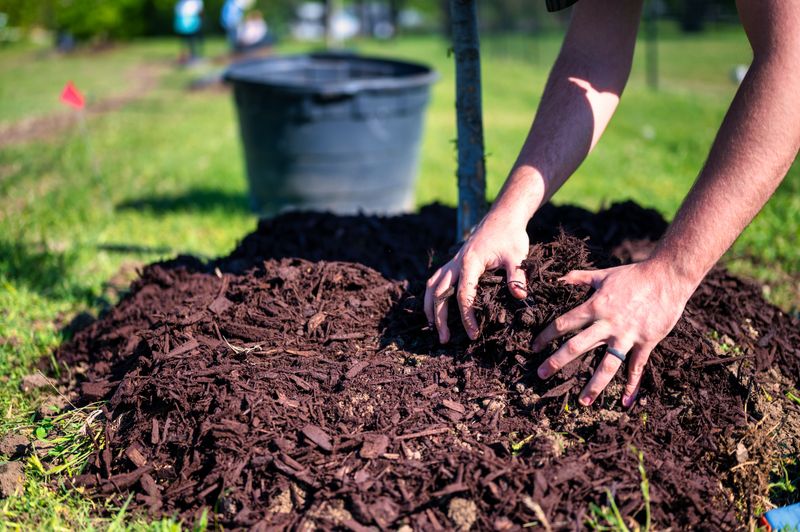
Bare soil in a drought is a problem you can fix in an afternoon. Mulch is the single cheapest, most effective tool in your drought-fighting kit.
A three-inch layer of organic mulch slows evaporation dramatically. Studies show mulched soil can reduce evaporation by up to 50 percent compared to bare ground exposed to summer sun.
Wood chips, shredded bark, and straw are all solid choices. Avoid dyed mulches with unknown additives near edible plants, since those chemicals can leach into the soil over time.
Spread mulch right up to the base of plants, but leave a small gap around stems and trunks. Piling mulch directly against plant tissue traps moisture and invites rot and pests.
Mulch also regulates soil temperature. On a 95-degree day, mulched soil can stay 10 to 15 degrees cooler than bare ground, which protects shallow roots from heat damage.
Refresh your mulch layer if it has broken down from last season. A thin, decomposed layer offers little protection and needs to be topped off before the next heat wave.
Paths and walkways benefit from mulch too. Covering high-traffic areas reduces compaction, which helps rainwater absorb into the ground instead of running off.
Mulching is fast, affordable, and deeply satisfying. Lay it down now and let it quietly do the hard work of keeping your garden alive all season long.
6. Hold Off On New Plantings Until Conditions Shift

The urge to plant is real, especially when nurseries are full of tempting deals in midsummer. But planting into drought-stressed soil is setting new plants up to fail.
Newly transplanted seedlings and perennials have not yet developed the root systems they need to find water on their own. They require constant moisture at exactly the time when moisture is hardest to provide.
Transplant shock is already stressful under ideal conditions. Add drought heat and dry soil, and the odds of a new plant surviving drop significantly without intensive daily care.
If you absolutely must plant something now, choose container-grown plants with established root balls. They recover faster from transplant shock than bare-root or cell-pack seedlings.
Water new transplants deeply every single day for the first two weeks. Then taper off slowly, watching the plant for signs of stress before reducing frequency further.
Better yet, wait for a forecasted rain event. Planting just before a soaking rain gives new roots a natural boost that no hose can fully replicate.
Use this pause productively. Plan your fall planting list, amend beds with compost, and research which drought-tolerant species will serve your garden better going forward.
Patience is a genuine garden strategy during a dry season. Holding off now means your new plants arrive in soil that is ready to support them properly.
7. Give Your Trees And Shrubs A Fighting Chance

Trees are easy to overlook during a drought. They look big and sturdy, so it feels like they should handle dry spells on their own.
But established trees, especially those planted in the last five years, are far more vulnerable to drought than most homeowners realize. Shallow roots and compacted suburban soils make it hard for them to find deep water reserves.
Signs of drought stress in trees include curling or yellowing leaves, early leaf drop, and bark that looks dry or cracked. Catching these signs early gives you time to intervene effectively.
Water trees slowly and deeply at the drip line, which is the outer edge of the canopy. That is where the feeder roots are concentrated, not right at the trunk.
A slow trickle from a hose for 30 to 45 minutes once a week is more effective than a quick spray. Deep, infrequent watering trains roots to grow downward toward stable moisture.
Avoid fertilizing stressed trees during a drought. Fertilizer pushes new growth, which demands more water and puts additional strain on an already struggling root system.
Shrubs like azaleas and boxwoods are equally vulnerable. Check the soil around them regularly and water before they show wilting, since shrubs recover slowly once severely stressed.
Protecting your trees now is a smart Maryland garden move with decades of payoff. A healthy mature tree adds real value that no annual plant can match.
8. Watch For The Signs That Your Garden Is Turning A Corner

Recovery does not always look dramatic. Sometimes it is just one plant perking up after a deep watering, or a patch of mulched soil that finally stays moist overnight.
Learning to read positive signs is just as important as spotting stress. A garden that is bouncing back gives you specific signals worth recognizing and celebrating.
New leaf growth on a previously stressed plant is a strong indicator of recovery. Fresh green tips mean the root system found enough moisture to push energy upward again.
Soil that holds a slight handprint when squeezed has reached a healthy moisture level. Bone-dry soil crumbles instantly, while properly moist soil holds its shape briefly before relaxing.
Watch for beneficial insects returning to your garden. Bees, butterflies, and ground beetles come back when plants are healthy and blooming, signaling that your ecosystem is stabilizing.
If you spot mushrooms appearing in mulched areas, that is actually good news. Fungal networks in healthy soil help plants share water and nutrients underground.
Keep a simple garden journal through the drought season. Tracking what worked, what failed, and when conditions shifted helps you make smarter decisions next summer.
Smart Maryland garden moves during a drought summer are not just about survival. They build a stronger, more resilient garden that handles future dry spells with far less drama.