The Invasive Jumping Worm Spreading Through Ohio Gardens And How To Spot It
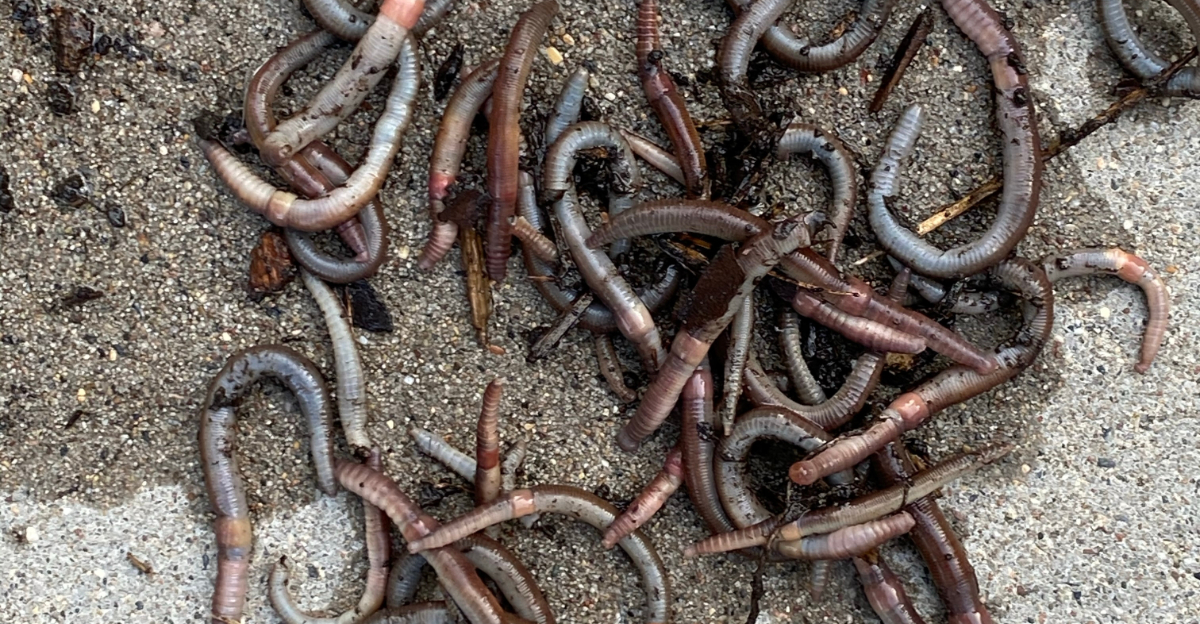
Something is moving through Ohio gardens that most homeowners have never heard of, and by the time they notice the damage it has already been there long enough to cause real problems. Jumping worms do not look like a crisis at first.
They look like earthworms, and that resemblance is a significant part of why they spread as far as they have. The name sounds almost comical until you see one move.
The thrashing, snake-like motion is unlike anything a common earthworm does, and once you see it, identification becomes a lot less complicated. Ohio soil that has been taken over by jumping worms looks and feels different.
Grainy, dry, stripped of the structure that healthy garden soil depends on. Plants suffer without an obvious explanation and gardeners spend time chasing problems that trace back to what is happening just below the surface.
Knowing what to look for changes everything.
1. Look For Worms That Thrash Instead Of Wiggle
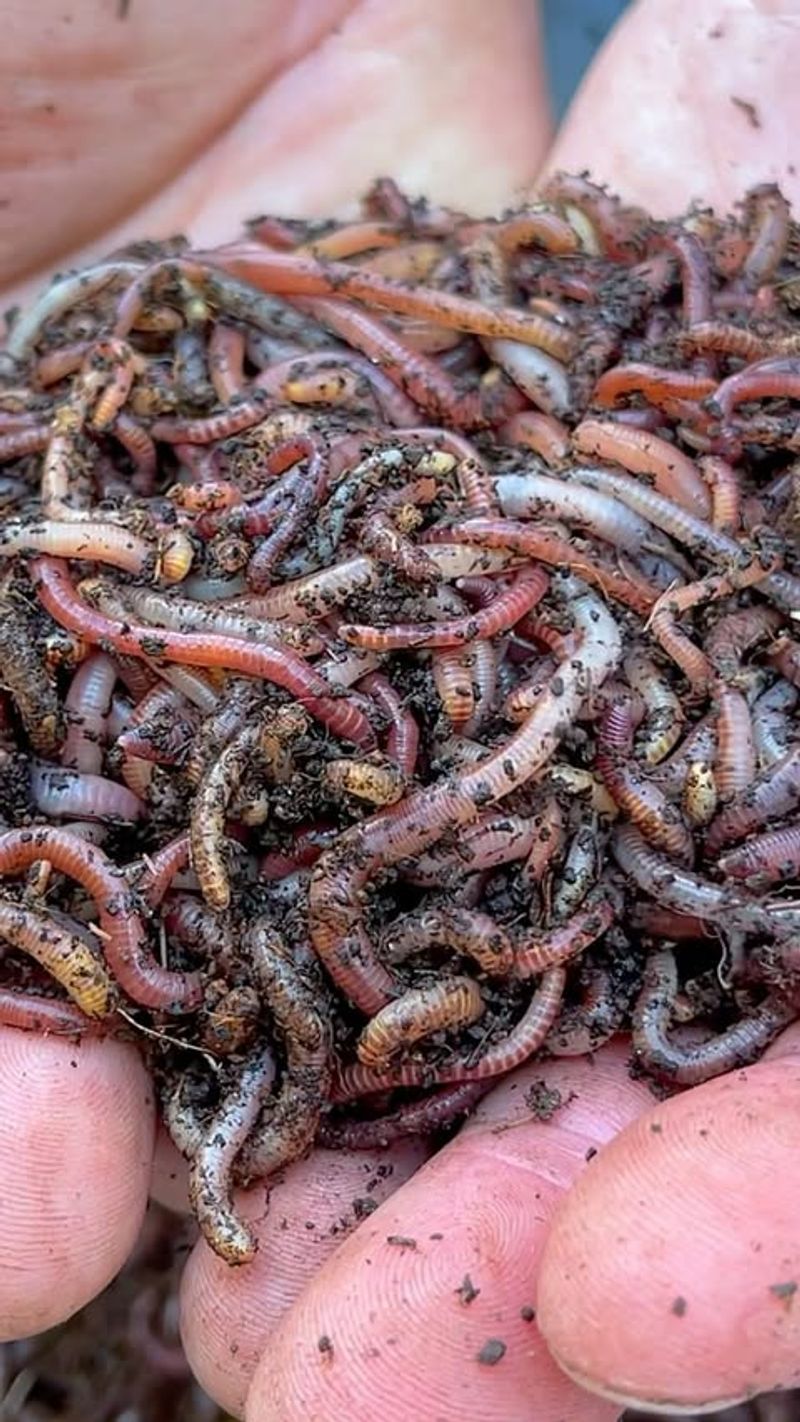
A worm that snaps across the mulch can make a routine garden chore feel suddenly suspicious. Most common earthworms move with a slow, gentle wiggle when you pick them up or disturb the soil around them.
Jumping worms behave very differently. When touched or exposed, they often thrash hard from side to side in a fast, snake-like motion that looks almost frantic compared to what most gardeners expect.
This movement can be startling the first time you see it. Some people describe it as a worm that seems to jump or flip itself across the ground.
Others say it looks like the worm is trying to escape at full speed, snapping back and forth without stopping. That strong lateral thrashing is one of the most consistent early clues that a worm might belong to the Amynthas group.
Still, movement alone is not enough to confirm identification. Some common worms also move quickly when disturbed, especially in warm soil.
The thrashing behavior is most useful when combined with other clues, like the smooth pale band on the body or the coffee-ground texture in the surrounding soil.
If you see a worm moving in that sharp, frantic way, pause and take a closer look before reaching any conclusions.
Observing the full picture gives you a much stronger basis for deciding whether to report what you found.
2. Check For Coffee-Ground Soil Near Mulch And Beds
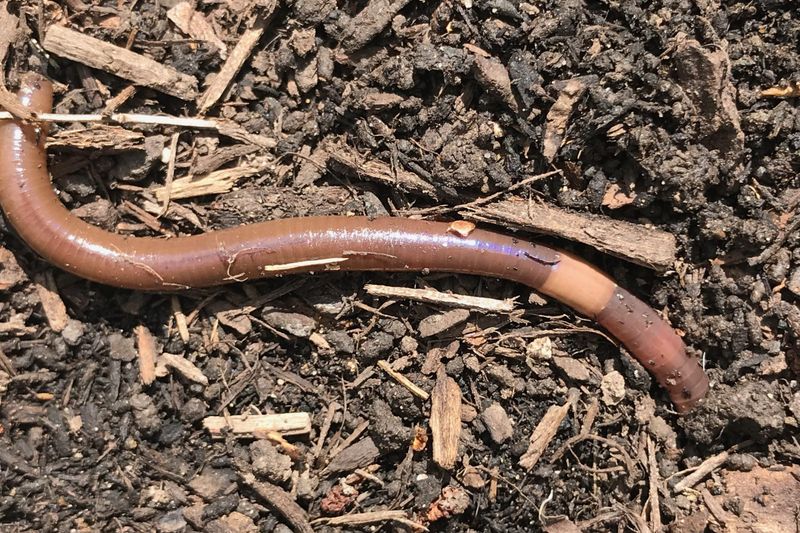
Reaching into a garden bed and pulling back a handful of soil that feels oddly loose and grainy is the kind of moment that stops gardeners mid-task.
That crumbly, granular texture, often compared to used coffee grounds, is one of the most talked-about signs linked to jumping worm activity.
The soil loses its normal clumping structure and instead breaks apart into small, round-ish pellets that do not hold together well.
Gardeners in this state have reported noticing this texture near mulched beds, shaded borders, compost areas, and spots where leaf litter tends to build up.
The change happens because jumping worms process organic matter rapidly and pass it through their bodies, altering the soil structure in ways that affect how well plants can anchor their roots and hold moisture.
Your Ohio Garden Changes Every Week. Your Plan Should Too.
Gardening in Ohio changes quickly throughout the season. Every Friday you’ll receive a simple weekly plan showing exactly what to plant, prune, fertilize, harvest, and protect so you never miss the right timing.
That shift in texture is worth paying attention to, especially when it appears alongside worm sightings.
Not every crumbly patch of soil points to jumping worms. Dry weather, certain soil types, and heavy foot traffic can also affect texture.
The coffee-ground appearance becomes more meaningful when it shows up near active worm sightings or fast-disappearing mulch.
If you notice this kind of soil in multiple spots across a bed, particularly in shaded or mulched areas, it is worth documenting with photos and cross-checking against other identification clues before drawing firm conclusions.
3. Notice Mulch That Disappears Faster Than Usual
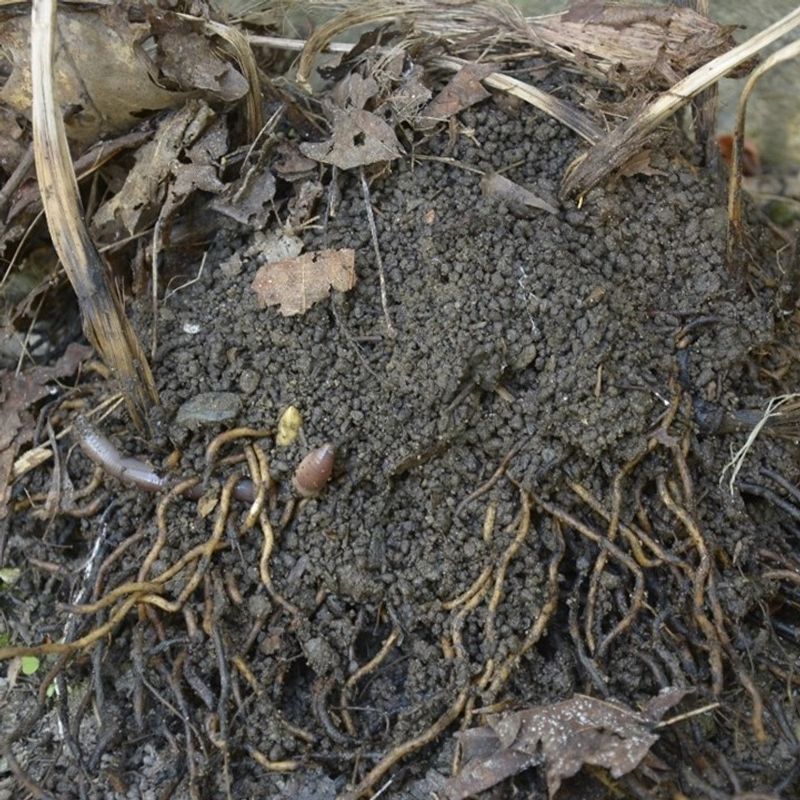
Spreading a fresh layer of mulch in spring only to find it nearly gone by midsummer is a frustrating experience that more gardeners in this state are starting to report.
Mulch naturally breaks down over time, but jumping worms can speed that process up in a noticeable way.
They consume leaf litter, wood chips, and other organic matter near the soil surface at a faster pace than most soil organisms, leaving beds looking bare and depleted ahead of schedule.
This rapid breakdown is not just a cosmetic issue. Mulch serves important functions in a garden, including holding moisture, moderating soil temperature, and suppressing weeds.
When it disappears faster than expected, those benefits go with it. Gardeners may also notice that the soil underneath looks more disturbed and loose than it normally would after mulch breaks down gradually on its own.
Fast mulch loss is not proof of jumping worms on its own. Thick applications, warm and wet conditions, and certain fungi can all accelerate breakdown.
The clue becomes more significant when it appears alongside other signs, such as coffee-ground soil, unusual worm activity near the surface, or worms with the distinctive smooth pale band.
Keeping a simple record of where mulch disappears fastest, along with photos of the soil and any worms you spot, gives you useful information when you contact an extension office or reporting resource.
4. Find The Smooth Pale Band Around The Body
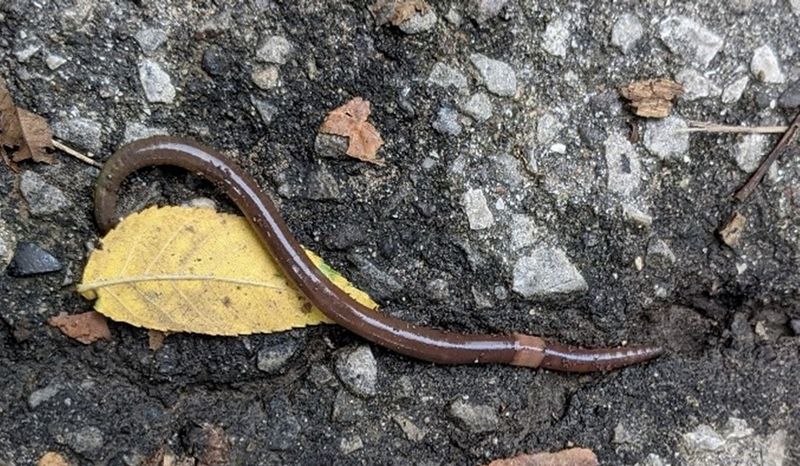
One of the clearest physical markers on a mature jumping worm is a smooth, pale band that wraps all the way around the body. This band is called the clitellum.
On common earthworms, the clitellum is usually raised, saddle-shaped, and located farther back along the body. On jumping worms, it sits closer to the head end and lies flat against the body rather than bulging outward.
The color tends to be white or pale cream, sometimes with a slightly cloudy appearance.
This difference in the clitellum is one of the most reliable features for distinguishing jumping worms from the common earthworms already living in local gardens.
Because the band is smooth and flush with the body, it can look almost like a painted ring rather than a raised structure.
Looking for this feature takes only a moment once you know what to check for, and it adds a lot of confidence to an identification.
Keep in mind that young or immature jumping worms have not yet developed a visible clitellum. Trying to identify a very small worm by this feature alone is not reliable.
Focus on mature, full-sized worms when checking for the pale band. If possible, take a clear close-up photo of the band area when you find a suspected worm.
That photo can be very helpful when you share your sighting with an extension office or invasive-species reporting program.
5. Watch For Worms Near The Soil Surface
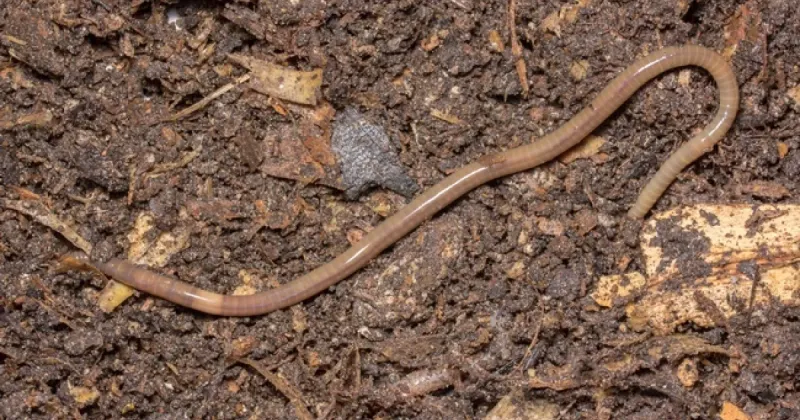
Lifting a pot that has been sitting on bare soil for a few weeks and finding a cluster of fast-moving worms underneath is the kind of discovery that tends to stick with a gardener.
Jumping worms spend most of their time close to the surface, which sets them apart from deeper-burrowing earthworms that rarely show up unless the soil is turned.
This surface preference makes them more visible during routine garden tasks.
Gardeners often encounter them when pulling back mulch, moving stepping stones, shifting containers, or raking leaf litter in shaded beds.
They tend to favor spots where organic matter is concentrated, such as under thick mulch layers, beneath fallen leaves, or around compost areas.
Moist conditions and moderate temperatures seem to encourage more surface activity, so early morning checks after rain can be especially revealing.
Seeing worms near the surface does not automatically mean you are looking at jumping worms. Common earthworms also come to the surface in wet conditions or after heavy rain.
The location clue is most useful when combined with the thrashing movement, the pale body band, or the coffee-ground soil texture nearby.
If you regularly find worms at the surface in the same spots, especially under mulch or debris in shaded areas, those locations are worth documenting and monitoring as you gather more information about what you are dealing with.
6. Stop Moving Soil Compost And Plants From Infested Beds
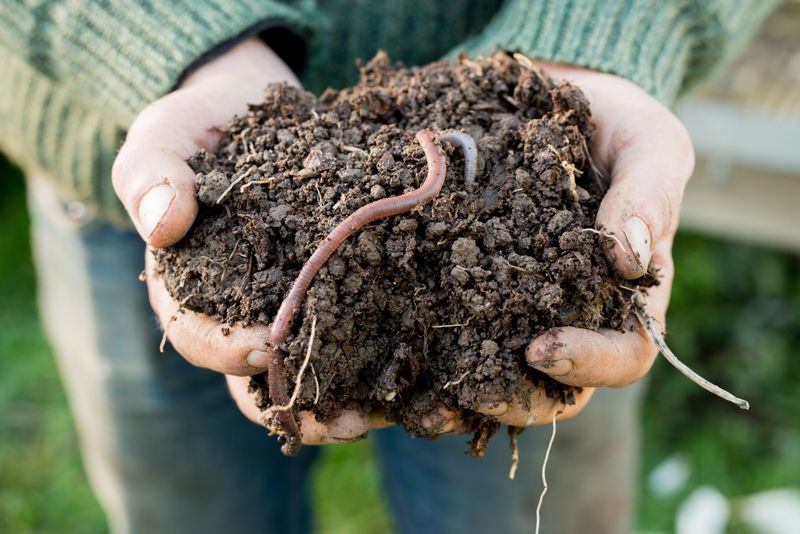
A plant swap that seemed like a generous neighborly exchange can quietly become a pathway for spreading something unwanted across a whole neighborhood.
Jumping worms and their tiny egg cases, which are called cocoons, can hitch rides in potted plants, bare-root divisions, shared compost, mulch bags, and soil moved from one bed to another.
The cocoons are small enough that most people would never notice them mixed into a handful of soil or clinging to root balls.
Extension resources from this state and others recommend avoiding the movement of soil, compost, mulch, or plants from areas where jumping worms have been spotted or suspected.
That advice applies to homemade compost as well, since cocoons may survive in compost that has not reached temperatures high enough to neutralize them.
Even well-meaning garden cleanup tasks, like spreading compost from an infested bed to a new raised bed, can carry the problem farther.
The most practical step is to pause before moving any material from a bed where you have noticed the signs.
Check with your local extension office or the Ohio Department of Agriculture for current guidance on what steps to take with materials from suspected areas.
Cleaning tools, boots, and equipment before moving between garden sections is also a sensible habit.
Small actions like these, taken consistently, can make a real difference in keeping jumping worms from spreading to new parts of your property or a neighbor’s yard.
7. Bag Suspected Jumping Worms Instead Of Composting Them
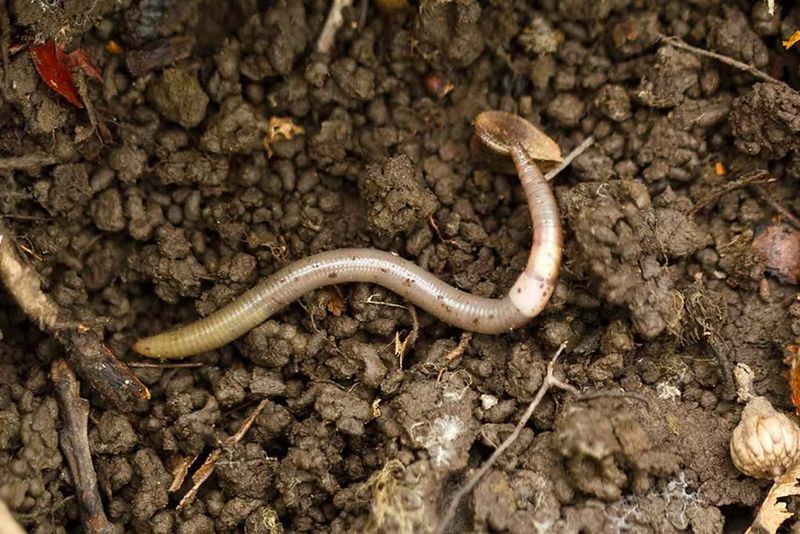
Finding a handful of fast-thrashing worms under a pot and instinctively tossing them into the compost bin is a completely understandable reaction. Most gardeners have been conditioned to think of worms as beneficial, and for many species, that is true.
But with suspected jumping worms, the compost pile is one of the worst places they could end up. Placing live worms or potentially egg-laden soil into compost can allow them to survive and spread when that compost is later used elsewhere.
Guidance from university extension sources recommends placing suspected jumping worms in a sealed plastic bag and disposing of them in the trash rather than composting or releasing them back into the garden.
Some sources also suggest leaving bagged worms in direct sunlight for a period of time before discarding, as heat may help reduce viability.
Always check current recommendations from your local extension office or the Ohio Department of Agriculture, since guidance can be updated as researchers learn more.
Do not drop suspected worms into a different part of the yard, toss them over a fence, or release them into a natural area. Moving them to a new location simply shifts the problem.
Wearing gloves when handling suspected worms is a sensible precaution. Taking a clear photo before bagging is also worth the extra moment.
That photo can support a report to a local extension agent or invasive-species program and help confirm what you found.
8. Report Sightings Before They Spread Farther
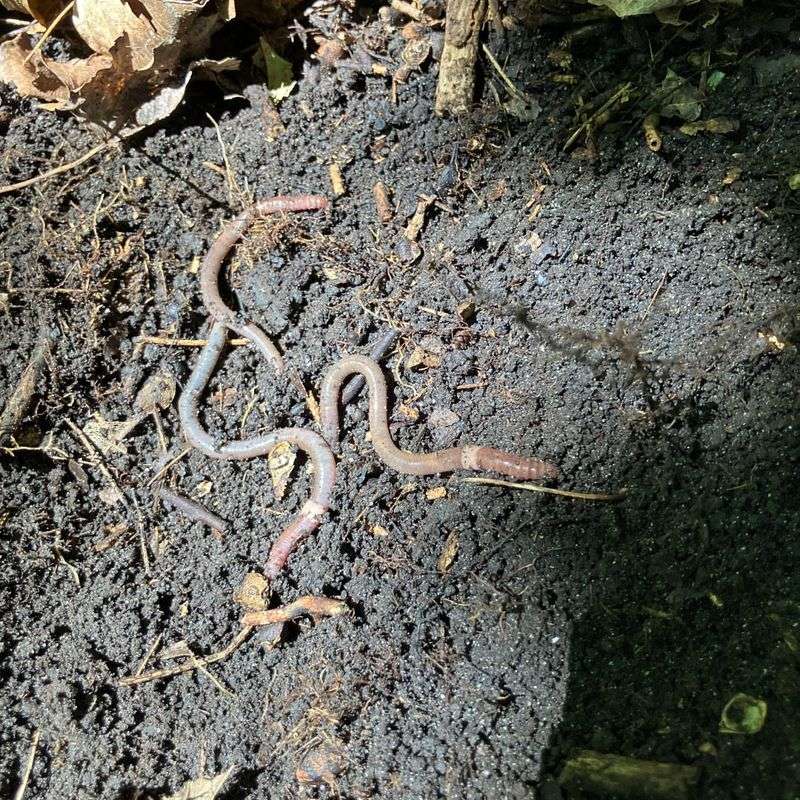
A clear photo taken on a smartphone in the middle of a garden chore can turn into a genuinely useful piece of data for researchers and land managers tracking the spread of invasive species across this state.
Reporting a suspected jumping worm sighting is one of the most straightforward ways a home gardener can contribute to a larger effort.
You do not need to be an expert, and you do not need a confirmed identification to make a report worth submitting.
Several resources are available for reporting. Ohio State University Extension, the Ohio Department of Agriculture, and the EDDMapS invasive species mapping platform all accept reports from residents.
When submitting, try to include a clear photo of the worm itself, a close-up of the body band if visible, and a shot of the surrounding soil texture. Note the location, the date, and what you were doing when you found the worm.
That context helps extension staff and researchers assess the report more accurately.
Reporting does not need to feel urgent or alarming. Staying calm and simply documenting what you observed is the most helpful approach.
Local extension offices can also help you confirm whether what you found is likely a jumping worm or a different species.
Early and accurate reporting gives researchers better information about where these worms are established, where they are moving, and which areas may benefit most from public awareness efforts going forward.