The One Thing You Must Do To Ohio Clematis Before June Ends Or It Won’t Climb Next Year
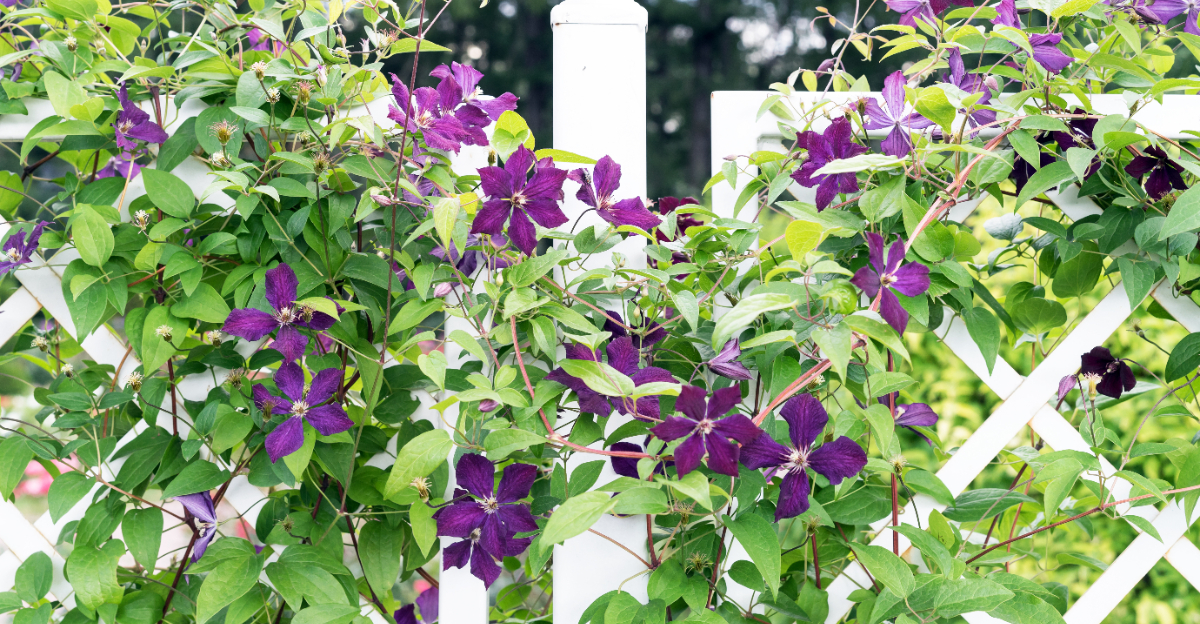
Clematis has a reputation for being temperamental, and Ohio gardeners who have wrestled with one that refuses to perform tend to agree. But most clematis problems trace back to a single missed window, not a difficult plant.
June is that window, and it closes faster than most people realize. There is one specific task Ohio clematis needs before June ends.
Skip it and next year’s climb is already compromised before the season even starts. The vine may leaf out fine, look healthy through spring, and still fail to deliver the kind of coverage and bloom that made you plant it in the first place.
Most clematis advice focuses on planting depth and pruning group. The June task sits outside that conversation almost entirely.
That is exactly why so many Ohio gardeners miss it year after year without connecting it to the disappointing performance that follows. Next year’s clematis starts right now.
1. Train New Clematis Growth Before Stems Harden
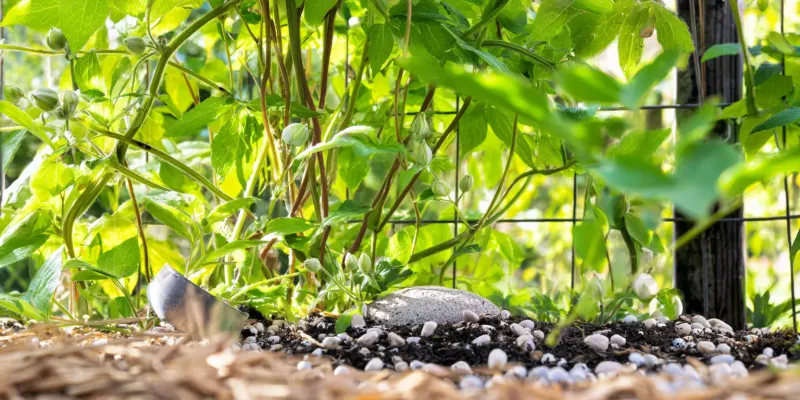
A vine can sit inches from the trellis and still choose the porch rail, the shrub next to it, or a tangled knot of its own stems. That is what happens when new clematis growth goes unguided during its fastest stretch of the season.
Late June is the window when soft stems are still flexible enough to redirect without snapping.
Young clematis stems are tender and easy to bend. Once they stiffen up or twist together, moving them without causing damage becomes much harder.
Catching them early means you can spread growth more evenly across the support instead of ending up with one crowded section and bare spots everywhere else.
Start by walking the vine slowly and looking at where each new stem is headed. Gently separate any growth that has tangled together.
Then guide individual stems toward open sections of the trellis, spacing them out so air can move through and each stem has room to develop on its own.
Even training does more than tidy up the vine. It helps the plant use its support structure fully, which makes next season’s training easier too.
This is not about forcing the plant into a shape it does not want. It is about giving early nudges while the vine still responds well to them.
2. Tie Vines Loosely To The Support They Need
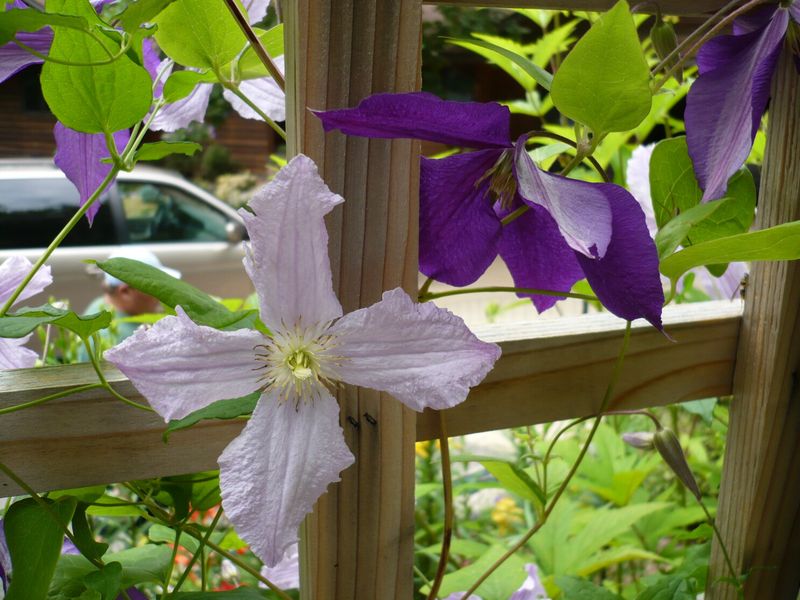
A tight tie around a clematis stem is one of those mistakes that seems harmless in the moment but causes real trouble as the season moves forward. Stems thicken as they grow.
A tie that fits fine in June can cut into the stem by August if it has no room to expand. The damage often shows up later, when growth above the tie starts to struggle.
Soft garden twine, silicone plant clips, strips of stretchy fabric, or similar gentle materials work well for securing clematis. The goal is to hold the stem close to the support without gripping it.
A loose figure-eight tie, where the twine loops around both the stem and the support, keeps the stem from rubbing directly against the structure.
Your Ohio Garden Changes Every Week. Your Plan Should Too.
Gardening in Ohio changes quickly throughout the season. Every Friday you’ll receive a simple weekly plan showing exactly what to plant, prune, fertilize, harvest, and protect so you never miss the right timing.
Check every tie you place and make sure there is a little give. If you can slide the tie slightly along the stem, that is usually a good sign.
If it feels snug already, loosen it before moving on.
Wire wrapped directly around a tender clematis stem is not a good choice. Even coated wire can press into the tissue as the stem grows.
Stick with softer materials that will flex a little. Retie anything that looks too tight as the summer moves forward and stems continue to fill out.
3. Check The Pruning Group Before Cutting Anything
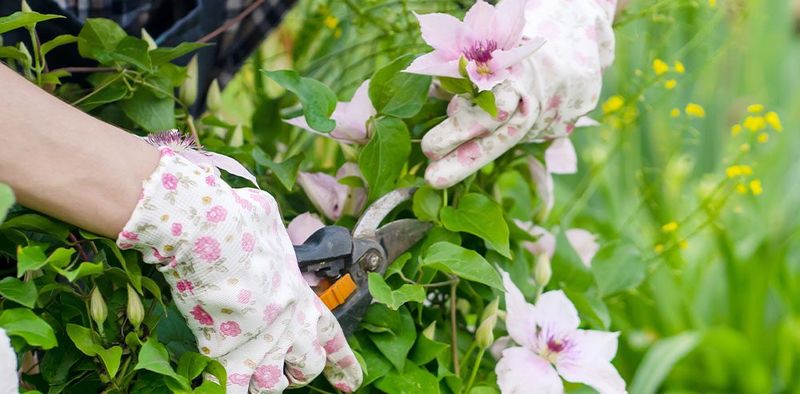
Reaching for the pruners without knowing your clematis pruning group is one of the fastest ways to remove next year’s blooms before they ever form. Not every clematis follows the same rules.
Some bloom on growth from last year, some bloom on new growth from this season, and some do both. Cutting at the wrong time can mean a full season without flowers.
Clematis varieties are typically sorted into three pruning groups. Group 1 plants bloom on old wood and need very little pruning.
Group 2 plants bloom on both old and new wood and usually get a light trim in late winter or early spring. Group 3 plants bloom on new wood and can handle harder cuts in late winter.
If you are not sure which group your plant belongs to, check the tag that came with it or search the variety name through a reliable source. Ohio State University Extension and university extension programs in general are solid places to start.
Late June is not a heavy pruning time for most clematis. Any cutting done now should be limited to removing deceased material, redirecting stray growth, or cleaning up weak stems.
Save major cuts for the right season based on your plant’s group. A little research now protects a full season of blooms later.
4. Guide Young Stems Toward A Trellis Or Arbor
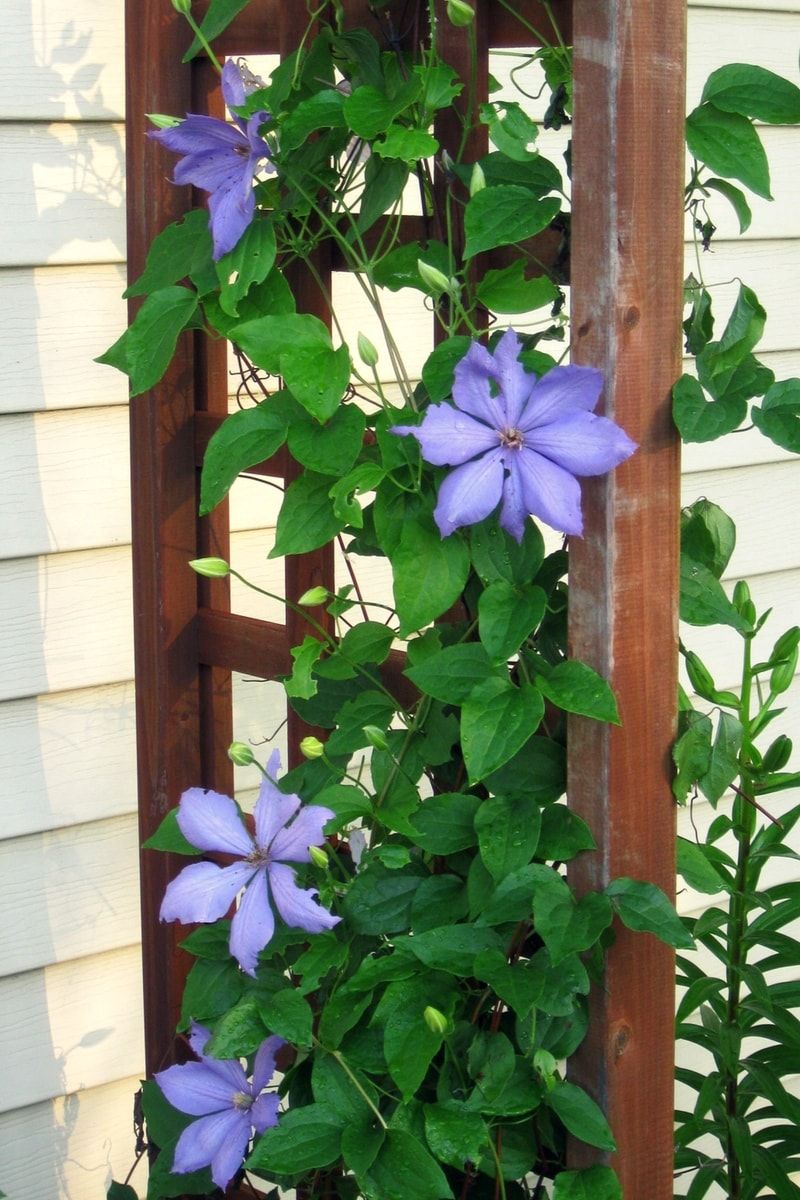
Here is something that surprises a lot of first-time clematis growers. The plant does not cling to walls the way ivy does.
Clematis climbs by wrapping its leaf stems, called petioles, around something thin enough to grip. A flat wooden fence or a smooth stone wall gives the plant nothing to curl around, so it will not climb those surfaces on its own.
Thin wire, narrow wooden slats, netting, garden twine strung between posts, or a classic lattice trellis all give petioles something to grab. The support needs to be narrow enough for the leaf stem to wrap around it fully.
Thick posts or wide boards will not work unless there is something thinner attached to the surface.
When guiding young stems, aim for open sections of the support where there is room to spread. Gently drape each stem across the structure and let the petioles do the rest.
Most will curl and grip on their own within a day or two once they make contact with something of the right size.
An arbor covered in wire netting or a trellis with thin horizontal wires gives the plant plenty of anchor points. Check back every few days in June to redirect any stems that have drifted away from the support before they travel too far and become hard to move.
5. Keep Clematis Roots Cool Before July Heat
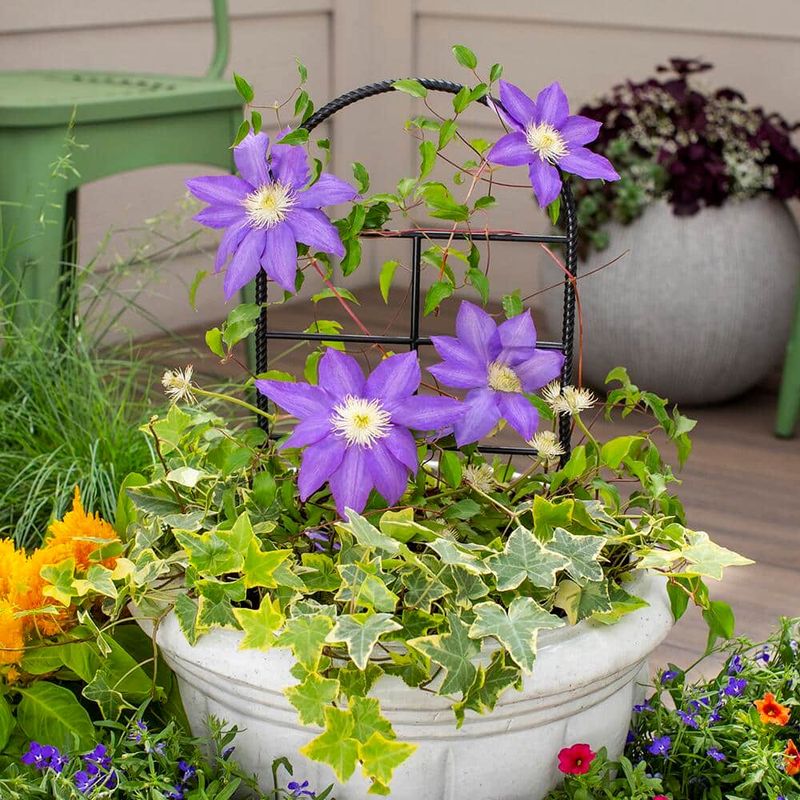
There is an old saying about clematis that still holds up well: feet in the shade, head in the sun. The top of the plant wants full light to bloom, but the root zone tends to do better when the soil stays cool and does not dry out too fast.
July heat in this state can be intense, so getting the root area protected before that heat arrives makes a real difference.
A two-to-three inch layer of organic mulch spread around the base of the plant helps hold moisture and keeps soil temperatures more stable. Good options include shredded bark, wood chips, or leaf mulch.
Keep the mulch a few inches away from the crown and the base of the stems. Mulch piled directly against the plant can hold too much moisture in the wrong spot.
Low-growing plants placed near the base of the clematis can also help shade the soil naturally. Hostas, low ornamental grasses, or spreading perennials work well as living shade for the root zone.
They fill in the space at ground level without competing heavily with the clematis above.
Check the mulch layer now and refresh it if it has thinned out since spring. A little attention to the root zone in late June sets the plant up to handle summer heat without as much stress.
6. Water Deeply While Vines Are Still Growing
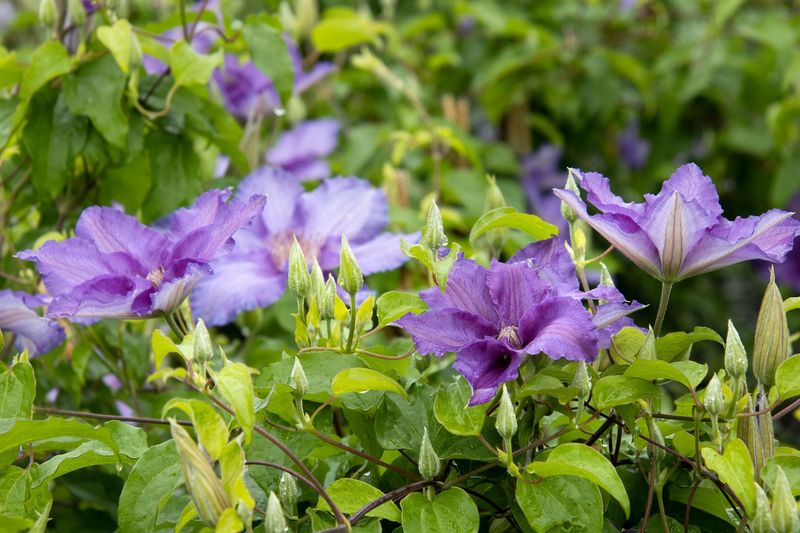
Fast growth needs steady moisture. Clematis puts on a lot of new stem and leaf growth during late spring and early summer, and that activity requires consistent water at the root zone.
Shallow watering that only wets the top inch or two of soil encourages shallow roots, which makes the plant less resilient when hot, dry weather arrives.
Deep watering means letting water soak down several inches into the soil so the roots have to reach for it. A slow, steady stream at the base of the plant for several minutes works better than a quick spray across the surface.
Let the soil guide you. If the top two inches feel dry when you press a finger in, it is time to water.
Avoid soaking the soil to the point where it stays wet for days. Clematis does not do well in waterlogged conditions.
The goal is moisture that reaches the roots and then drains away, keeping the soil consistently damp but not saturated.
Morning is usually the best time to water because it gives foliage a chance to dry before evening. Wet leaves overnight can invite fungal issues.
Drip irrigation or a soaker hose placed at the base of the plant is one of the most efficient ways to deliver moisture right where the roots need it most.
7. Remove Tangled Weak Growth Without Overpruning
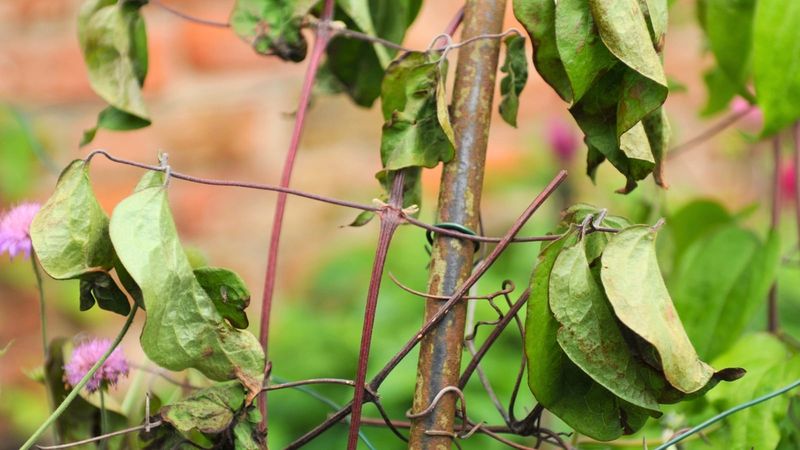
Not every stem on a clematis is worth keeping. Some grow in the wrong direction, cross over healthy stems, or twist into knots that become harder to deal with as the season goes on.
A light cleanup in late June can make the vine easier to manage and give stronger stems more room to develop properly.
The key word here is light. This is not the time to strip the vine back hard or remove large sections of growth.
Only do that if you have confirmed your clematis belongs to a pruning group that supports heavier cuts at this time of year. Removing too much healthy growth in summer can set the plant back and reduce next season’s potential.
Focus on stems that are clearly weak, crossing, or growing in a direction the plant cannot use. Gently try redirecting them first before cutting.
Sometimes a stem that looks tangled just needs to be carefully unwound and guided toward an open section of the support.
When you do remove a stem, use clean, sharp pruners and cut just above a leaf node. Wipe the blades with rubbing alcohol between cuts if you notice any signs of disease.
Keep removed material out of the Ohio garden bed. A few careful snips now can prevent a much messier situation by the time August rolls around.
8. Fix Loose Supports Before Next Year’s Climb
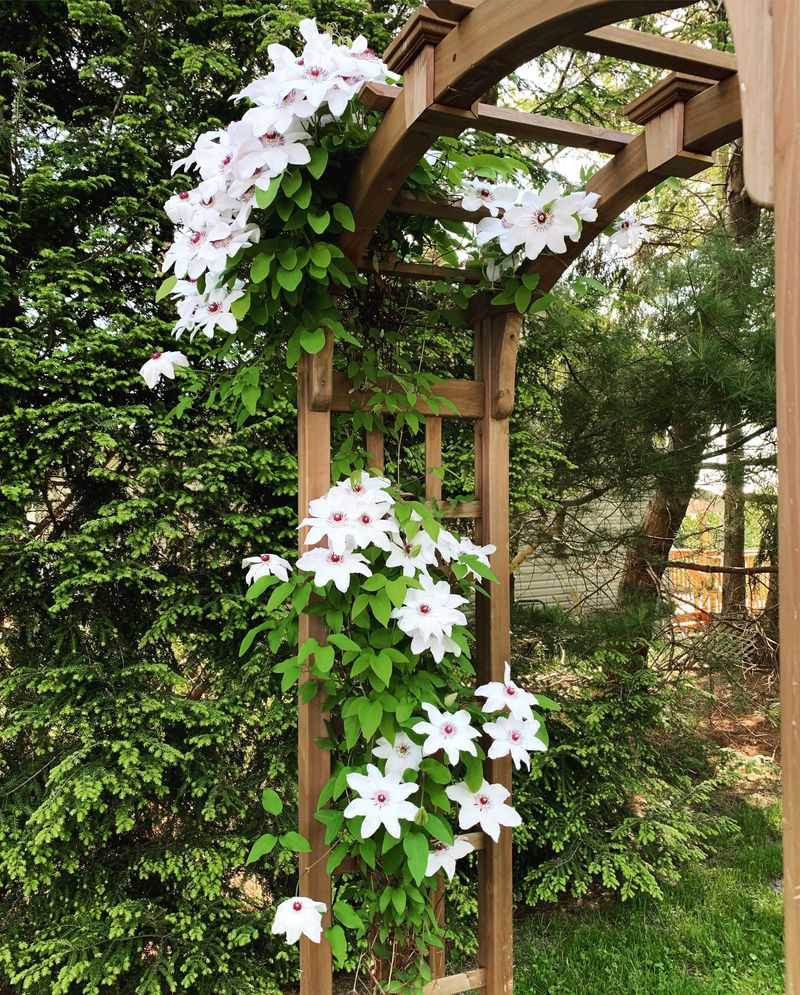
A leaning trellis does not announce itself until the vine on it has grown heavy enough to make the problem obvious. By then, fixing it without disturbing the plant becomes a much bigger job.
Late June, before the vine has fully loaded the structure for the season, is a smart time to check every support the plant depends on.
Walk around the entire structure and look for posts that have shifted or anchors that have loosened in the soil. Also check for sections of wire netting that have pulled away from their fasteners.
Press on the support gently and see if it moves. A trellis that wobbles under light pressure will not hold up well once the vine adds more weight through summer and into fall.
Check the spacing of horizontal wires or slats while you are at it. If gaps have widened or supports have shifted, there may be sections where the vine has nothing to grip.
Adding a wire or two now costs very little time and gives next year’s growth more anchor points to work with from the start.
Replace any ties that have rotted, stretched out, or pulled free from the structure. Retighten screws or anchor stakes that have worked loose over winter and spring.
A support that is solid now will be much easier to train against next year, and the vine will have a stable base to build on all season long.