What Texas Gardeners Who Never See Ticks In Their Yard Are Planting Along Their Borders
Ticks are small, patient, and remarkably good at finding the spots in your Texas yard that nobody pays much attention to.
Shaded fence lines, overgrown side yards, and brushy borders with leaf litter piling up quietly in the corners are exactly the kinds of places ticks love.
They tend to arrive courtesy of wildlife, rodents, and pets moving through your property without announcing themselves.
Texas summers run hot and dry across most of the yard, but those neglected edges can stay cool and damp enough to create surprisingly comfortable conditions.
The good news is that smarter border plantings, combined with gravel strips, wood chip barriers, and regular cleanup, can make your yard edges a lot less inviting.
Plants alone are not a complete solution, but the right choices can genuinely shift the situation in your favor.
1. Blackfoot Daisy For Dry Sunny Border Edges
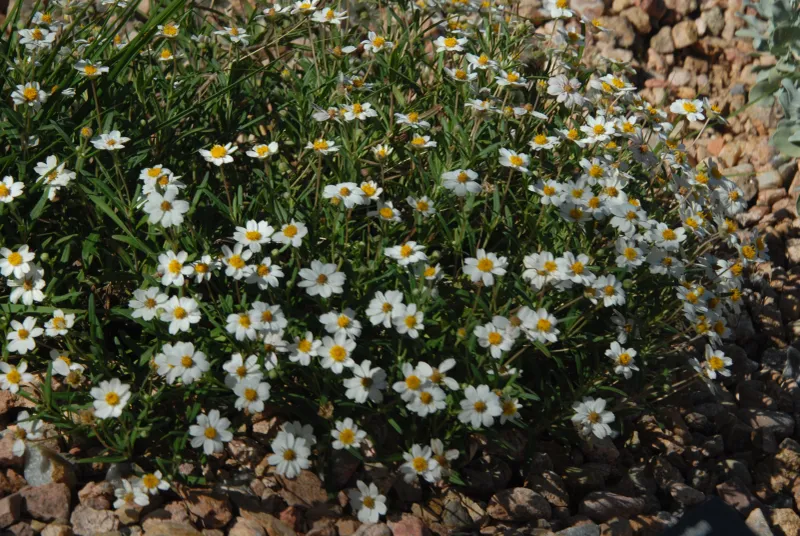
Sunny border edges in Texas yards can be tricky to manage, especially when you want something that stays low, stays tidy, and does not create the kind of dense, shaded growth that ticks tend to favor. Blackfoot daisy fits that role well.
This compact native wildflower thrives in full sun and well-drained, rocky, or sandy soil, making it a natural match for open border beds and dry fence lines across much of the state.
Blackfoot daisy forms a low, mounding shape with cheerful white blooms that appear from early spring through fall in favorable conditions.
Because it stays relatively open and airy rather than forming thick, dense ground cover, it does not trap the kind of moisture and leaf litter that ticks associate with.
Keeping border areas sunny and easy to walk along is a smart part of any yard management approach in Texas.
Regular deadheading and light trimming can help keep the plant looking neat and prevent it from becoming overly woody over time.
Pairing blackfoot daisy with a gravel or decomposed granite border strip between the planting bed and any surrounding brush or lawn edge adds another layer of tidiness.
Ticks are more commonly linked to tall grass, leaf piles, and brushy edges than to well-maintained, open native plantings like this one.
2. Red Yucca For Open Water-Wise Borders
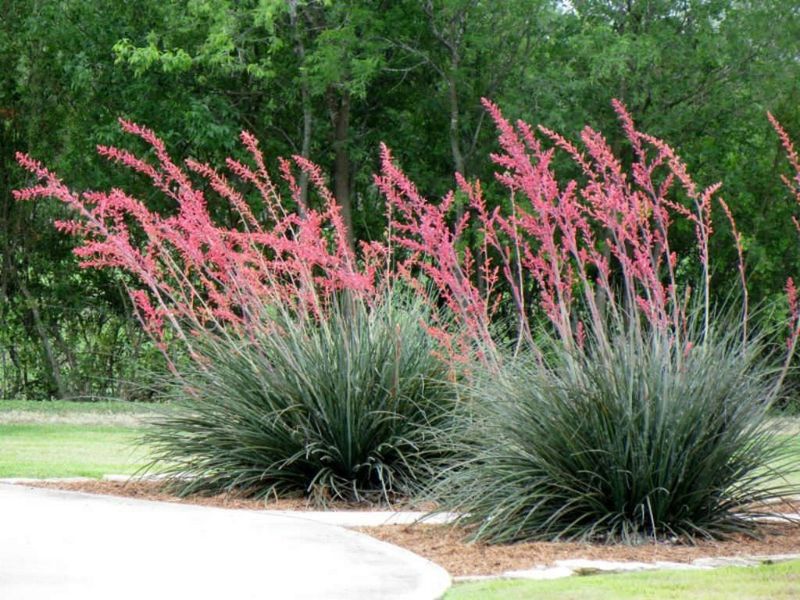
Few plants make a bolder statement along a Texas yard border while asking for so little in return. Red yucca, also known as Hesperaloe parviflora, sends up tall, arching flower spikes loaded with coral-pink blooms that hummingbirds find irresistible.
More importantly for border management, red yucca grows in a way that keeps the ground around it relatively open and easy to see, which helps when you want borders that are simple to inspect and maintain.
Ticks tend to congregate in areas with tall grass, heavy leaf litter, shaded moisture, and brushy undergrowth. Red yucca does not create those conditions.
Its narrow, grass-like foliage grows in a tight clump close to the ground, and the open space around each plant makes it easy to spot any debris that might accumulate nearby.
A gravel mulch or decomposed granite base around red yucca planting beds suits the plant and keeps the border looking clean.
Your Texas Garden Changes Every Week. Your Plan Should Too.
Gardening in Texas changes quickly throughout the season. Every Friday you’ll receive a simple weekly plan showing exactly what to plant, prune, fertilize, harvest, and protect so you never miss the right timing.
Across Texas, red yucca is widely used in xeriscaping and low-water border designs because it handles drought, heat, and poor soils with little complaint.
It works well along fence lines, sunny side yards, and open border strips where you want year-round structure without heavy maintenance.
Keeping borders open, sunny, and free of accumulated plant debris remains one of the more practical steps any gardener can take toward a tidier yard.
3. Texas Lantana For Hot Sunny Fence Lines
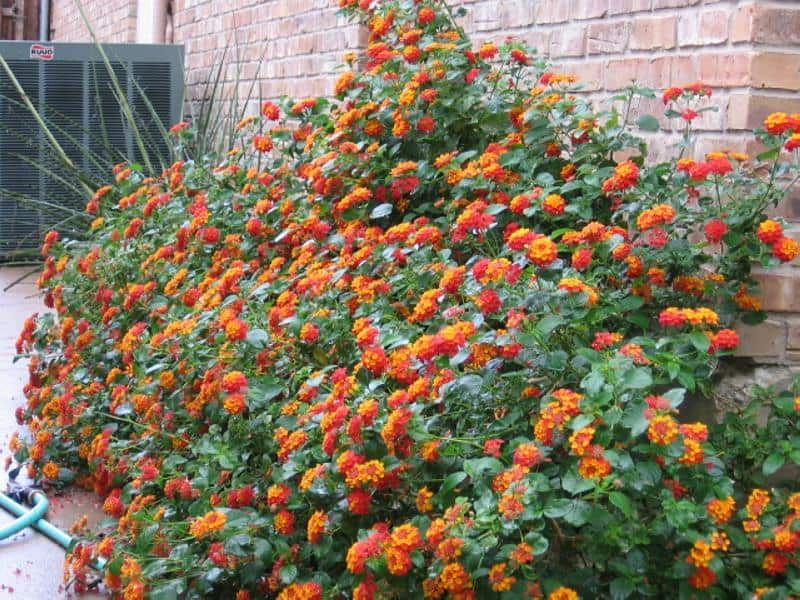
Walk along almost any hot, sunny fence line in central or south Texas during summer and you may spot Texas lantana blazing away in shades of orange and yellow without a drop of supplemental water.
This tough native shrub is built for heat, and it thrives in exactly the kind of open, exposed border spots that tend to stay too warm and dry for ticks to linger comfortably.
Sunny, exposed fence lines are among the less tick-friendly zones in a yard when kept clear of tall grass and debris.
Texas lantana grows with a spreading, somewhat open habit that fills fence lines and border edges with color while staying manageable with occasional trimming.
Because it likes well-drained soil and full sun, it does not tend to create the cool, damp, shaded pockets that ticks favor.
Removing spent stems and keeping the base of the plant free from piled-up leaf litter or grass clippings helps maintain a tidier border.
Wildlife, including deer, small rodents, and birds, can carry ticks into any yard regardless of what is planted along the edges.
Keeping fence lines clear, mowed close on the outer edge, and planted with open-growing natives like Texas lantana makes it easier to spot and address any areas where debris might collect.
Texas lantana also supports native bees and butterflies, making it a rewarding choice for a working border planting.
4. Pink Skullcap For Low Dry Edges
Low-growing border plants that hug dry edges without spreading into messy, tangled growth can be genuinely hard to find for Texas gardens.
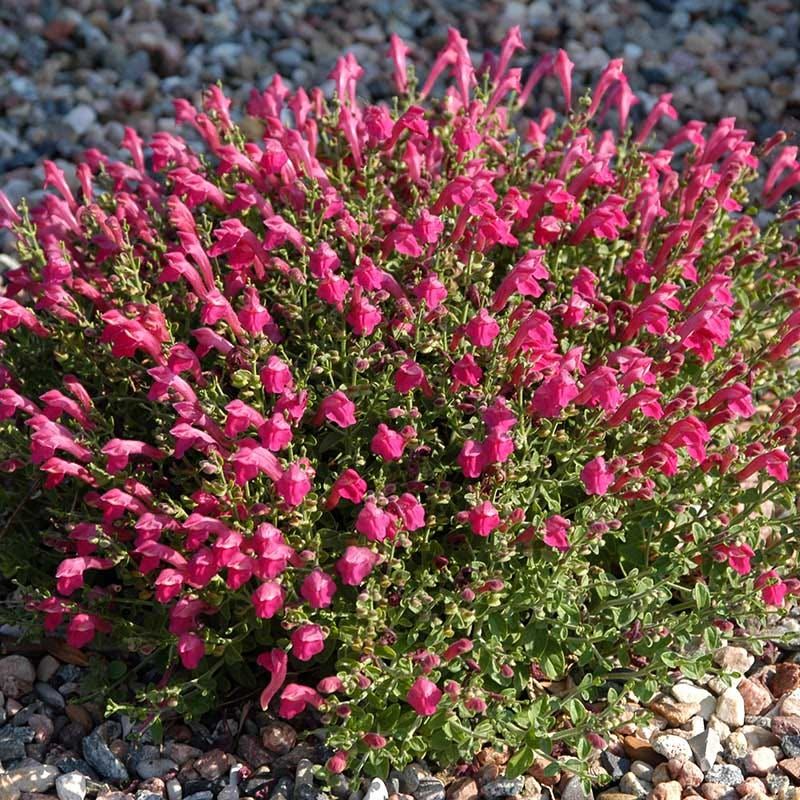
Pink skullcap, known botanically as Scutellaria suffrutescens, is one of those understated gems that earns its place along dry, sunny border edges with minimal fuss.
It produces cheerful rosy-pink blooms for much of the warm season and stays compact enough that it rarely overwhelms neighboring plants or creates the kind of thick ground cover that traps moisture.
Because pink skullcap thrives in lean, well-drained soils and full to part sun, it suits the hot, dry border conditions found throughout central and western Texas.
Its low, open growth habit means the soil around it stays relatively dry and exposed, which is not the kind of environment ticks tend to seek out.
Ticks are far more commonly associated with tall grass, dense brush, shaded leaf litter, and moist wooded edges than with tidy, dry, open border plantings.
Pairing pink skullcap with a gravel or crushed granite border strip creates a clean, low-maintenance edge that is easy to walk along and inspect.
Trimming back the plant lightly after heavy bloom periods keeps it from becoming woody and encourages fresh growth.
For gardeners looking for a low-water perennial that fills dry edges with color while keeping the border area open and easy to manage, pink skullcap is a solid, reliable option worth considering.
5. Autumn Sage For Sunny Airy Borders
There is something quietly reliable about a plant that blooms in the heat of a Texas summer without much encouragement, stays tidy enough to keep borders looking sharp, and fits naturally into the kind of open, sunny landscape that makes yard edges easier to manage.
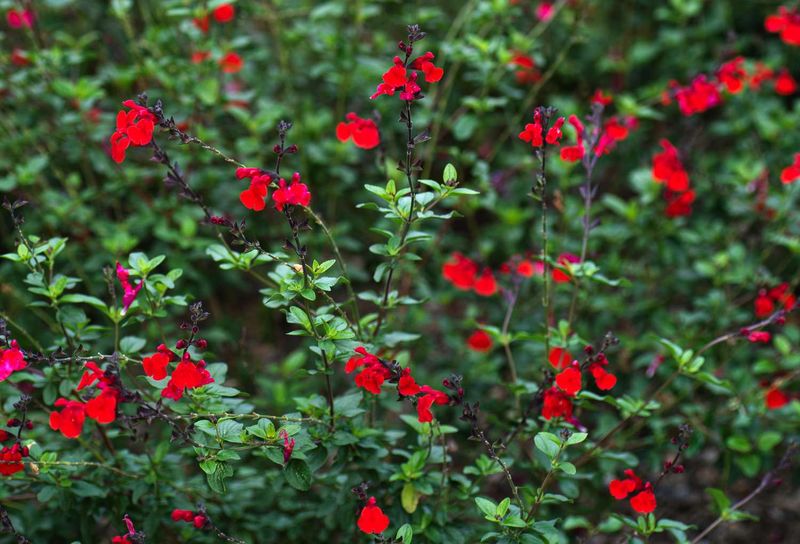
Autumn sage, known botanically as Salvia greggii, checks all of those boxes.
It produces tubular red, pink, coral, or white flowers that hummingbirds visit regularly, and it grows in a way that keeps air moving through the planting bed rather than creating dense, moisture-trapping thickets.
Open, airy border plantings matter more than many people realize when it comes to keeping yard edges less hospitable to ticks.
Ticks favor shaded, humid areas with tall grass, brush, and accumulated leaf litter far more than they favor sunny, well-maintained garden beds.
Autumn sage, with its upright but open growth habit and preference for dry, well-drained soils, naturally contributes to the kind of border environment that stays drier and more exposed.
Cutting autumn sage back by about one-third after each heavy bloom period encourages fresh flowering and prevents the woody base from becoming too dense.
Keeping the soil around the plant free from heavy mulch buildup or piled debris helps maintain the open, dry conditions the plant prefers.
Across Texas, autumn sage works well along fence lines, sunny side yards, and raised border beds where low-water, easy-care plants are a practical necessity rather than a luxury.
6. Texas Sage Or Cenizo For Dry Shrub Borders
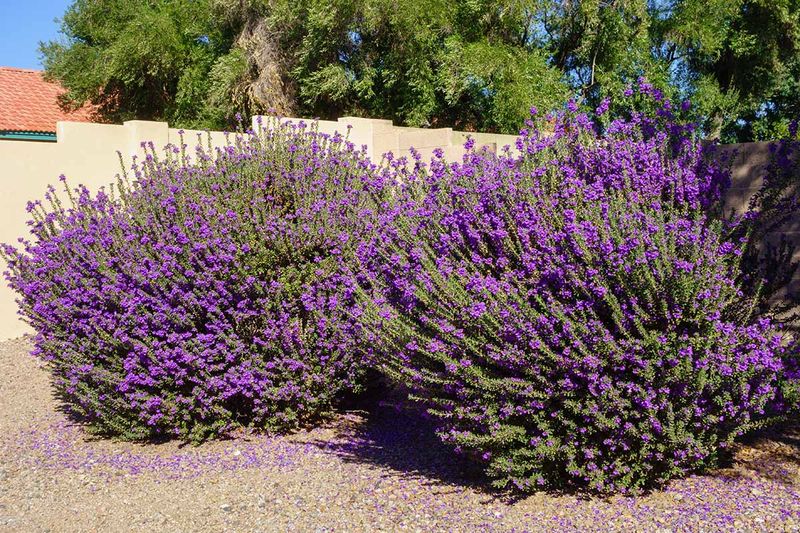
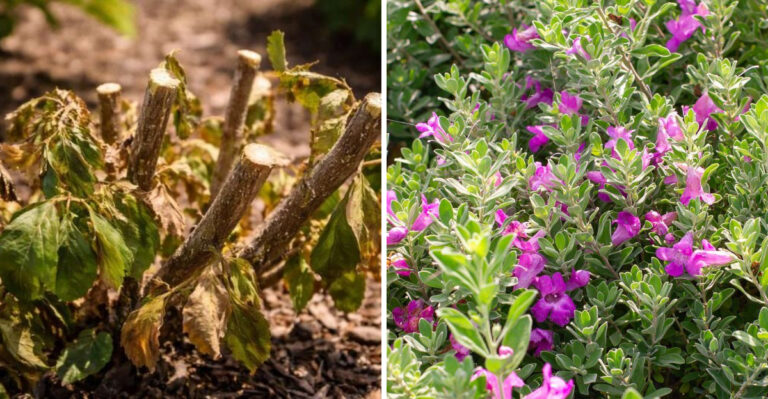
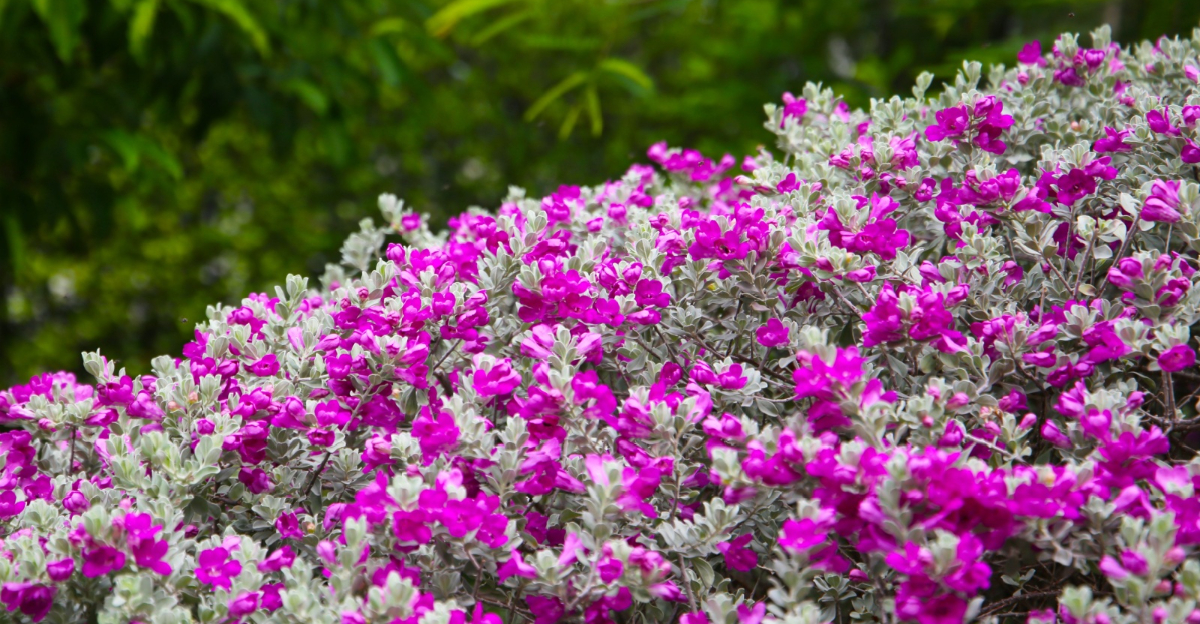
Cenizo, often called Texas sage or purple sage, is one of the most recognizable native shrubs in the state, and for good reason.
Its silvery foliage and bursts of lavender-purple blooms after rain events make it a standout along dry shrub borders, fence lines, and open yard edges throughout Texas.
Beyond its appearance, cenizo has a growth habit and site preference that naturally suit the kind of open, sunny, well-drained border that tends to be less hospitable to ticks than dense, shaded brush.
Ticks are more commonly associated with brushy, moist, shaded environments, tall grass, leaf litter, and wildlife corridors than with open, dry, sunny shrub borders.
Cenizo thrives in full sun and poor, alkaline, well-drained soils, which means it tends to be planted in spots that stay warm, dry, and exposed rather than cool and damp.
That kind of border environment, especially when combined with a gravel or crushed granite strip at the edge, is simply less inviting to tick activity than neglected, overgrown borders.
Cenizo does best when left to grow naturally with minimal pruning, though occasional shaping to remove old or non-productive wood keeps it looking neat. Avoid heavy watering or rich soils, as both can cause cenizo to become leggy and less attractive.
For gardeners managing dry shrub borders along back fences, side yards, or open landscape edges, cenizo offers year-round structure, low water needs, and the kind of open, airy presence that keeps borders manageable and easy to inspect.
7. Rock Rose For Hot Flowering Edges
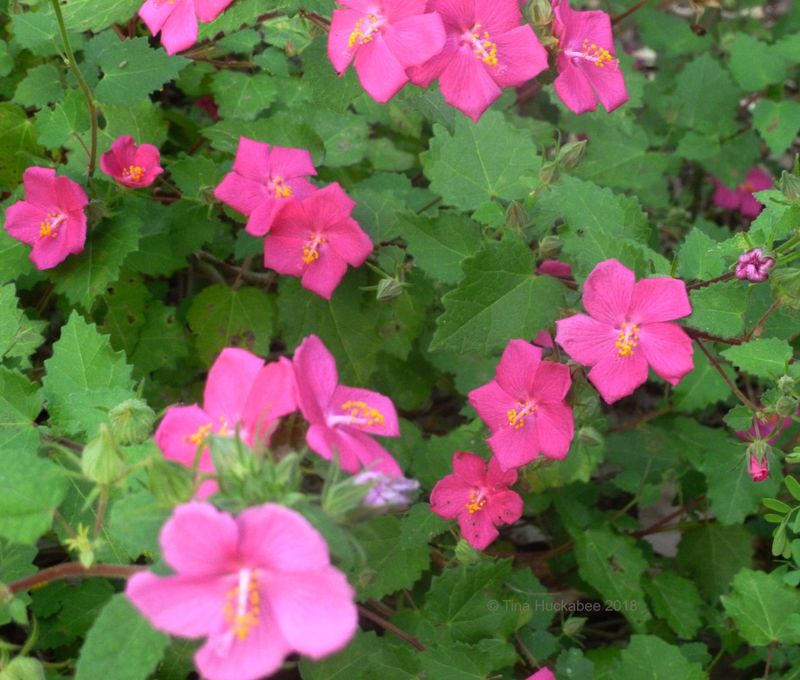
Flowering border plants that can handle brutal Texas heat, rocky soil, and long stretches without rain while still producing blooms worth admiring are genuinely worth knowing about. Rock rose, or Pavonia lasiopetala, is one of those plants.
It produces delicate pink hibiscus-like flowers throughout the warm season and grows with a light, open form that suits hot, sunny border edges without creating the kind of dense, weedy mass that can make yard borders harder to manage and inspect.
Keeping flowering border edges open and sunny is a practical step toward making those areas less appealing to ticks.
Dense, shaded, moist border plantings with heavy leaf litter and tall grass are the kinds of spots ticks tend to favor, not dry, open, sunny beds with good air circulation.
Rock rose naturally prefers well-drained soil and full to part sun, and its somewhat airy, upright growth keeps the ground around it relatively exposed and easy to see.
Light pruning after the main bloom flush or in late winter helps keep rock rose from becoming too leggy or woody over time.
Clearing away any fallen leaves or debris from around the base of the plant periodically is a simple habit that supports a tidier border.
Rock rose also self-seeds modestly in favorable spots, which can fill in border gaps naturally over time.
For Texas gardeners working with hot, dry, rocky border edges, rock rose brings reliable seasonal color and an open structure that suits a well-maintained yard.
8. Gravel Or Wood Chip Borders Between Plantings And Brush
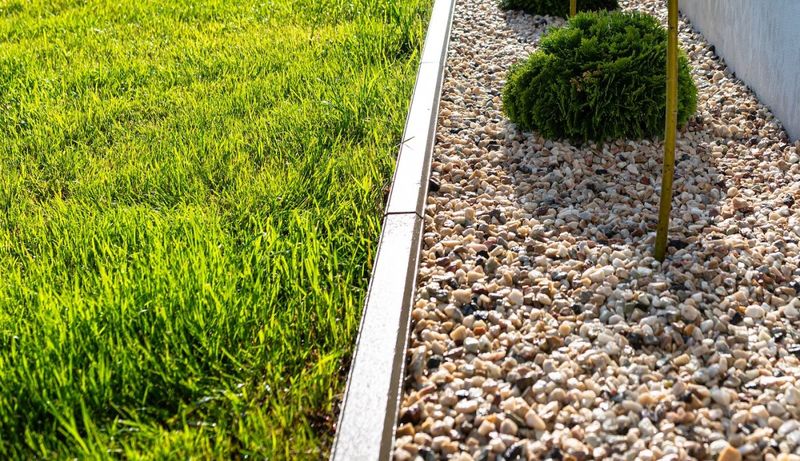
One of the most practical steps Texas homeowners can take along yard borders has nothing to do with a specific plant at all.
A three-foot-wide strip of gravel, decomposed granite, or wood chips placed between a maintained planting bed and any surrounding brush, lawn edge, or wooded area creates a physical barrier zone that ticks are less likely to cross.
Ticks typically move by questing from tall grass or brush onto a passing host, so a clean, dry, open strip interrupts that path in a simple and low-cost way.
Gravel and decomposed granite work especially well in Texas because they suit the climate, drain quickly, and stay dry and warm rather than holding the cool moisture that ticks tend to favor.
Wood chips are another option, though they should be kept dry, raked occasionally, and refreshed when they begin to break down into the kind of moist organic material that can harbor insects and pests over time.
Keeping the strip clear of leaf litter, fallen branches, and overgrown grass on either side is part of making it effective.
Combining a gravel or wood chip barrier with open, sunny native plantings along the border creates a layered approach to yard-edge management. No single step removes tick risk entirely, since ticks can arrive with wildlife, rodents, or pets at any time.
But a well-maintained, open border with a dry barrier strip gives homeowners a cleaner, tidier yard edge that is far easier to inspect and manage throughout the year.