How Pennsylvania Gardeners Can Get More Hydrangea Blooms With These 8 Expert Tips
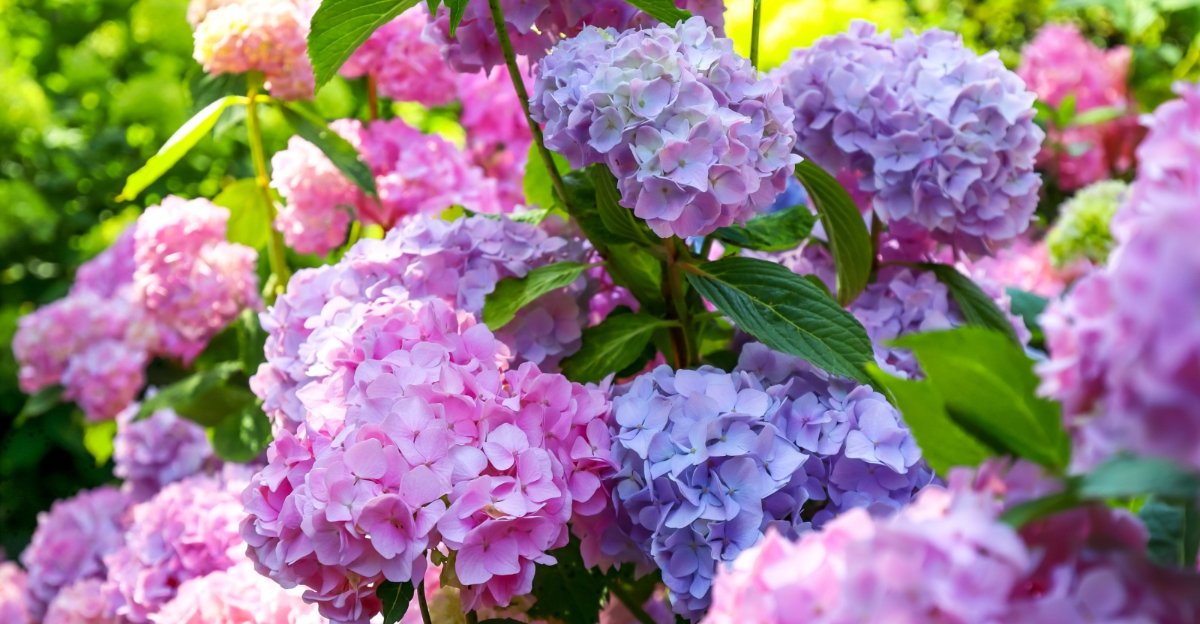
Hydrangeas have a talent for looking absolutely lush and full while somehow producing far fewer flowers than anyone was expecting.
If yours falls into that category, you are dealing with one of the more common and genuinely frustrating experiences in Pennsylvania gardening.
The plant looks fine. It is leafing out beautifully.
And yet the blooms are underwhelming, sparse, or just not showing up at all. There is rarely one single explanation for this, which is part of what makes hydrangea blooming such an interesting puzzle to work through.
Morning sun, pruning timing, winter weather, moisture levels, fertilizer choices, and variety selection all feed into the final result in ways that interact with each other.
The good news is that most of the factors worth addressing are very manageable once you understand what your specific shrub actually needs.
1. Give Hydrangeas Morning Sun And Afternoon Shade
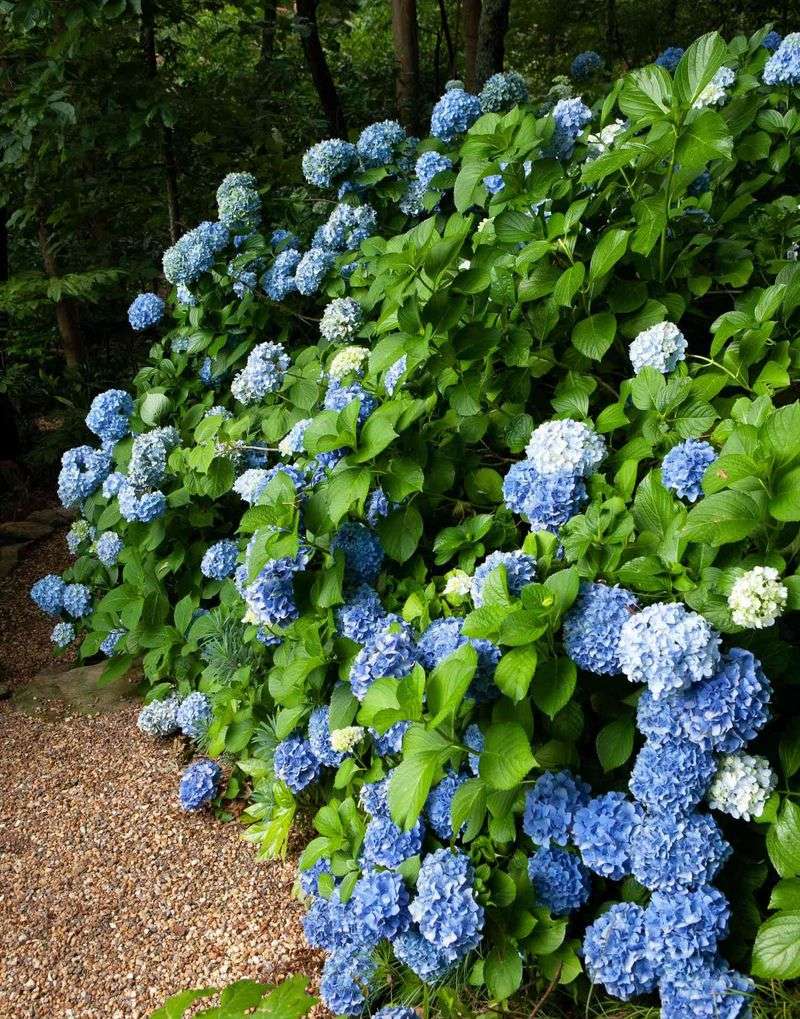
Shaded patios and east-facing foundation beds often show what hydrangeas like best in Pennsylvania. Many types bloom better with bright morning sun, then some relief from hot afternoon exposure, especially during humid summer stretches.
That balance helps plants make energy for flowers without pushing too much stress into the leaves and roots.
If the shrub sits near brick, stone, or siding, check how much reflected heat builds up later in the day, because that can make an otherwise decent spot feel harsher.
A nearby tree canopy can help, but dense overhead shade may block too much useful light if the hydrangea is already blooming lightly. Watching the plant for leaf scorch, wilting, or weak flowering can tell you whether the light level needs a small adjustment.
Too much shade can lead to thin growth and fewer blooms, while intense late-day sun may dry soil faster than roots can keep up. I would watch where sunlight lands from breakfast through midafternoon before moving a shrub or trimming nearby branches.
In Pennsylvania landscapes, a spot with four to six hours of gentle sun is often a useful starting point when the plant is otherwise healthy. If the plant gets afternoon sun, extra mulch and steady watering may help buffer the hotter part of the day.
For a newly planted hydrangea, it is especially worth checking the site during the first summer, before the roots have fully settled into the surrounding soil.
2. Keep The Soil Consistently Moist
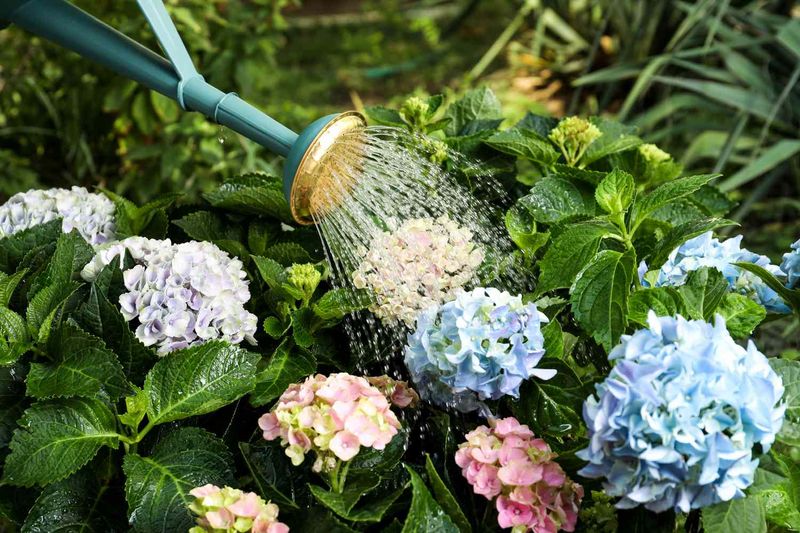
When Pennsylvania weather swings from cool spring rain to sticky summer heat, hydrangeas notice quickly.
These shrubs tend to flower better when the soil stays evenly moist, because stress from repeated drying can interrupt strong growth and reduce bud and bloom development.
Consistent moisture also helps roots support large leaves, which lose water fast in warm weather. A rain gauge can help because Pennsylvania storms may look generous but leave some beds surprisingly dry under shrubs.
Newly planted hydrangeas need closer attention while their roots spread into the surrounding soil. If the leaves droop in the afternoon but recover by evening, the plant may simply be reacting to heat rather than asking for more water right away.
Your Pennsylvania Garden Changes Every Week. Your Plan Should Too.
Gardening in Pennsylvania changes quickly throughout the season. Every Friday you’ll receive a simple weekly plan showing exactly what to plant, prune, fertilize, harvest, and protect so you never miss the right timing.
That does not mean soggy ground is helpful. In clay-heavy Pennsylvania soil, water can linger too long, so improving structure with organic matter and checking drainage matters just as much as watering.
I like to feel the soil a few inches down instead of guessing from the surface, since mulch and shade can hide dryness. The better clue is the soil itself, which should feel cool and lightly damp below the surface.
A steady pattern is usually more supportive than dramatic cycles of soaking and neglect. Pairing steady watering with good drainage gives hydrangeas a more comfortable foundation for bud and bloom development.
3. Water Deeply During Pennsylvania Dry Spells
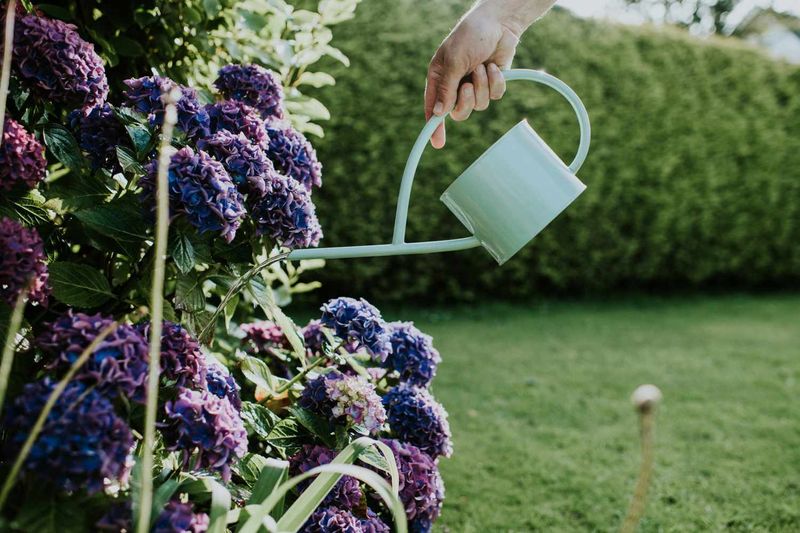
Summer dry spells in Pennsylvania can sneak up on hydrangeas, especially in foundation plantings and patio-edge beds. A light sprinkle often wets only the surface, while the deeper roots that support flowering stay thirsty.
Slow, deep watering reaches farther down and encourages a stronger root system that handles heat with less stress. A slow trickle from a hose or a soaker hose can be easier on the bed than a hard blast of water.
If water runs off before soaking in, pause for a few minutes and then water again so the soil has time to absorb it.
During extended dry periods, it helps to water at the base so leaves stay drier and moisture goes where the plant can use it most. One long soak is often more useful than several quick passes with the hose, particularly in compacted or sloped soil.
Morning is often a practical time to water because the plant has moisture available before the hottest part of the day.
I would also check containers and newer plantings more often, since they dry faster than older shrubs in established Pennsylvania borders.
Hydrangeas planted near house walls, sidewalks, or driveways may need extra checking because those areas can warm up and dry faster.
After a deep watering, dig a small test spot nearby to see whether moisture actually reached beyond the top inch. Deep watering supports blooming best when drainage is decent and the soil is not waterlogged.
4. Add Mulch To Protect The Root Zone
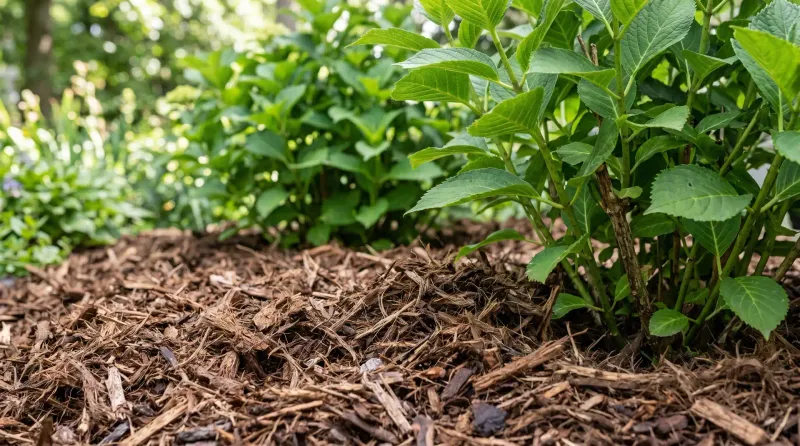
Mulched borders often hold moisture better and stay cooler around hydrangea roots in Pennsylvania summers.
A two to three inch layer of shredded bark, leaf mold, or similar organic mulch can reduce moisture swings, soften soil temperature changes, and limit weed competition.
Those benefits matter because stressed roots may have a harder time supporting vigorous flowering. Mulch is especially helpful around hydrangeas planted near shallow-rooted trees, where competition for moisture can be stronger.
Refreshing the layer lightly each year is usually better than piling on too much at once.
Keep mulch a few inches back from the stems so the base stays open and air can move freely. Piling it too high against the shrub can trap excess moisture and make routine care less effective.
A wide mulch ring also protects the soil from string trimmers and mower traffic near the shrub.
In Pennsylvania gardens with clay-heavy soil, mulch also helps reduce crusting after rain and slows rapid drying during hot weeks. Organic mulch slowly improves the bed as it breaks down, which can be useful in Pennsylvania yards with compacted soil.
I find this is one of the easiest ways to support bloom performance without pushing plants too hard or changing the whole bed. Keep the shape broad and even, almost like a quiet cushion around the root zone.
5. Prune Based On The Hydrangea Type
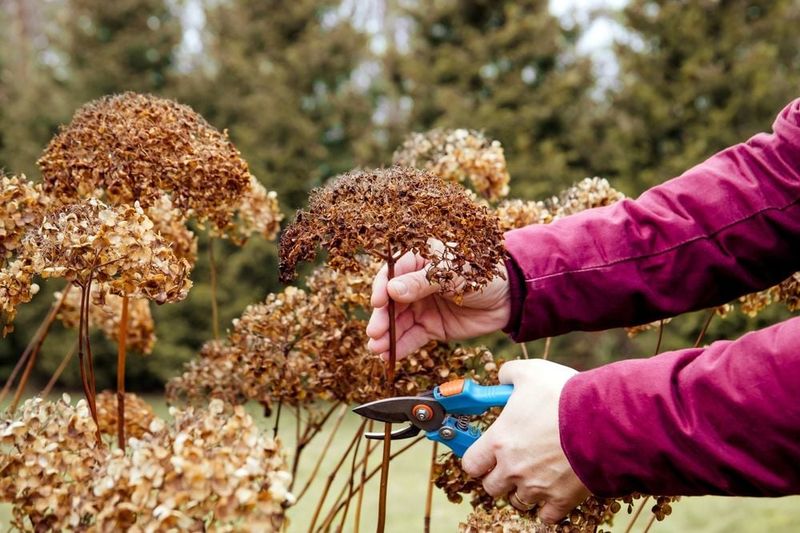
Leafy shrubs after winter can tempt you to prune first and identify later, but hydrangeas do not all respond the same way.
In Pennsylvania, pruning works best when it matches the species, because bloom timing depends on whether flowers form on old wood or new wood.
Smooth and panicle hydrangeas bloom on new growth, while bigleaf, mountain, oakleaf, and climbing hydrangeas carry future flowers on older stems.
If the plant came with no tag, bloom shape can sometimes offer clues, but it is still worth checking carefully before cutting.
Smooth hydrangeas often have rounded white flower heads, while panicle hydrangeas usually carry cone-shaped clusters, though cultivated varieties can vary.
If you cut old-wood types back hard at the wrong time, you may remove the buds that would have opened next season. Bigleaf hydrangeas are the ones many gardeners worry about most because their flower buds can form on older stems.
That is why a simple label, plant tag record, or photo history can save a lot of confusion. Taking photos when the shrub is blooming can help you identify it later when winter stems all look similar.
I like to prune only what is needed until the type is clear. In many Pennsylvania home landscapes, correct timing supports more reliable blooming than heavy shaping meant to make every shrub look the same.
A cautious approach gives you room to correct the shape without sacrificing a season of flowers.
6. Avoid Removing Next Season’s Flower Buds
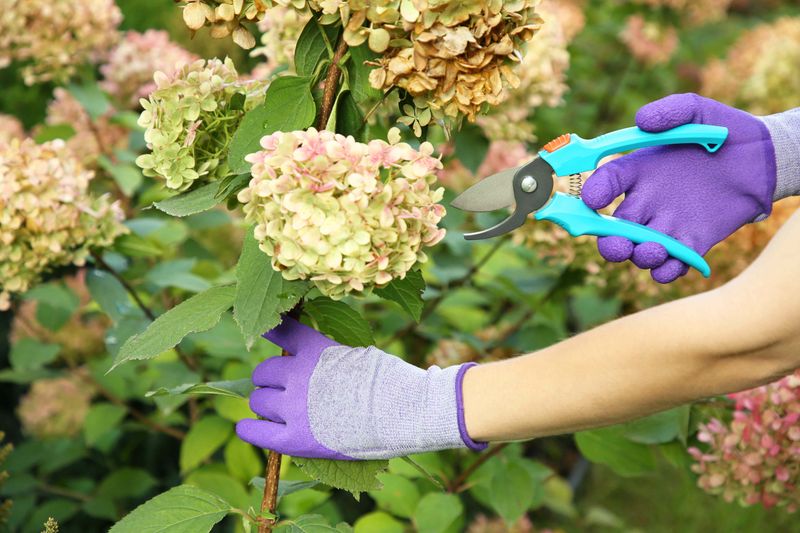
Flower buds can be easy to overlook once a hydrangea finishes blooming and starts blending into the rest of the border.
On old-wood types, next season’s flowers may already be forming by late summer or early fall, so trimming for shape at that point can reduce future bloom potential.
Pennsylvania winters can also injure exposed buds, which makes preserving the healthy ones even more important. After flowering, old-wood hydrangeas may look like they are finished for the year, but important growth can still be developing along the stems.
That is why a quick late-summer cleanup can sometimes remove more than intended.
That is one reason late-season pruning often disappoints gardeners with bigleaf, mountain, oakleaf, or climbing hydrangeas.
Instead of routine cutting, I would focus on removing only clearly damaged or awkward stems when needed and saving major decisions until the plant’s bloom habit is understood.
If a shrub is too large for its space, it may be better to rethink the planting location than keep cutting it back at the wrong time.
In colder parts of Pennsylvania, a sheltered site and steady care may help buds come through better. In Pennsylvania, this is especially important after a tough winter, because some buds may already have been affected by cold exposure.
Smooth and panicle types are more forgiving because they flower on new growth. Light touch pruning, careful observation, and patience often protect more bloom potential than a heavy seasonal trim.
7. Feed Lightly And Avoid Overfertilizing
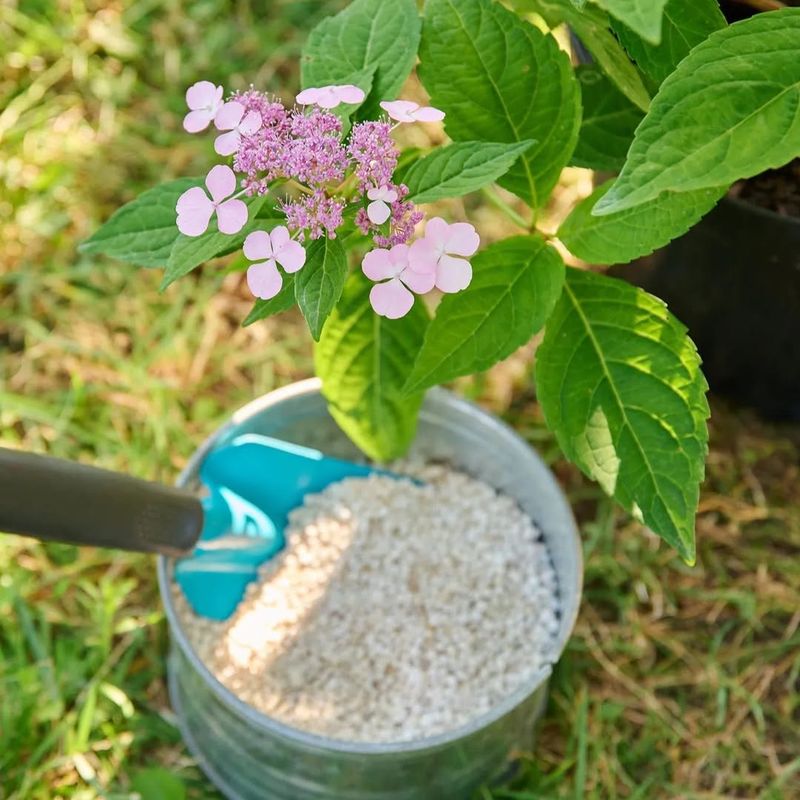
Older shrubs that bloom unevenly sometimes get extra fertilizer when the real issue is light, pruning, or moisture.
Hydrangeas usually respond better to modest feeding than heavy applications, because too much nitrogen can push leafy growth at the expense of flowers.
In Pennsylvania soils that already have some fertility, more product is not necessarily more helpful. A soil test can help take the guesswork out of feeding, especially in older Pennsylvania beds that have been amended for years.
If a hydrangea has deep green leaves and strong growth but few flowers, fertilizer may not be the missing piece.
A light spring feeding, used according to the label, is often enough for established plants growing in decent soil. Compost can also support soil condition without creating the sudden surge that comes from overdoing quick-release fertilizer.
Too much quick feeding can make the shrub look leafy while doing little for bloom quality.
I would avoid repeated feeding through the season unless a soil test or plant performance points to a need. In home landscapes, simple care often works better than trying to force blooms.
Slow, modest support is usually a safer match for established landscape plants. When in doubt, improve the soil environment first and treat fertilizer as a small adjustment, not the main solution.
Healthy roots, suitable light, and proper pruning usually matter more than chasing flowers with fertilizer.
8. Choose Hydrangeas Suited To Pennsylvania Conditions
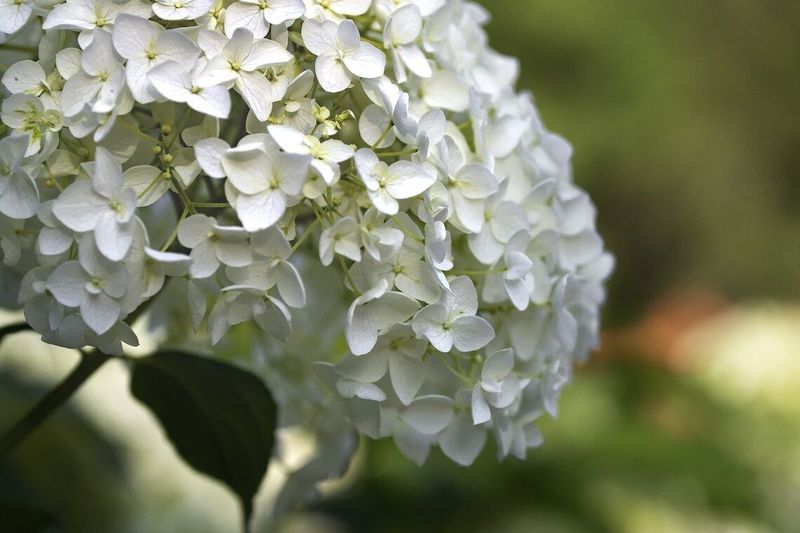
The way Pennsylvania gardens shift from cool spring growth into humid summer weather and winter cold can shape how well different hydrangeas bloom.
Choosing a type that fits your site, hardiness, light, and maintenance style often makes a bigger difference than any single care trick.
Before buying, it helps to think about whether the plant will sit in open sun, part shade, clay soil, a windy corner, or a protected foundation bed. A hydrangea that blooms beautifully in a nursery pot may need very different care once it is planted in a real Pennsylvania yard.
If winter bud injury has been a problem, smooth and panicle hydrangeas are often easier choices because they bloom on new growth.
Bigleaf and mountain hydrangeas can still be rewarding in Pennsylvania, but they tend to need a more protected location and careful pruning awareness.
Oakleaf hydrangeas offer beautiful foliage and flowers, while climbing hydrangeas suit the patient gardener with the right structure and room.
Panicle hydrangeas can be useful for sunnier spaces, while smooth hydrangeas often fit mixed borders and natural-style plantings well.
Bigleaf types are worth choosing carefully, especially where winter exposure has caused bloom disappointment before.
I like to match the shrub to the space first, then adjust care around it. Matching the shrub to the site from the start usually makes the rest of the care routine much easier.
When the variety fits local conditions, better blooming becomes more realistic, even if results still vary year to year.