Using Cover Crops To Prep Your Michigan Garden For A Strong Summer
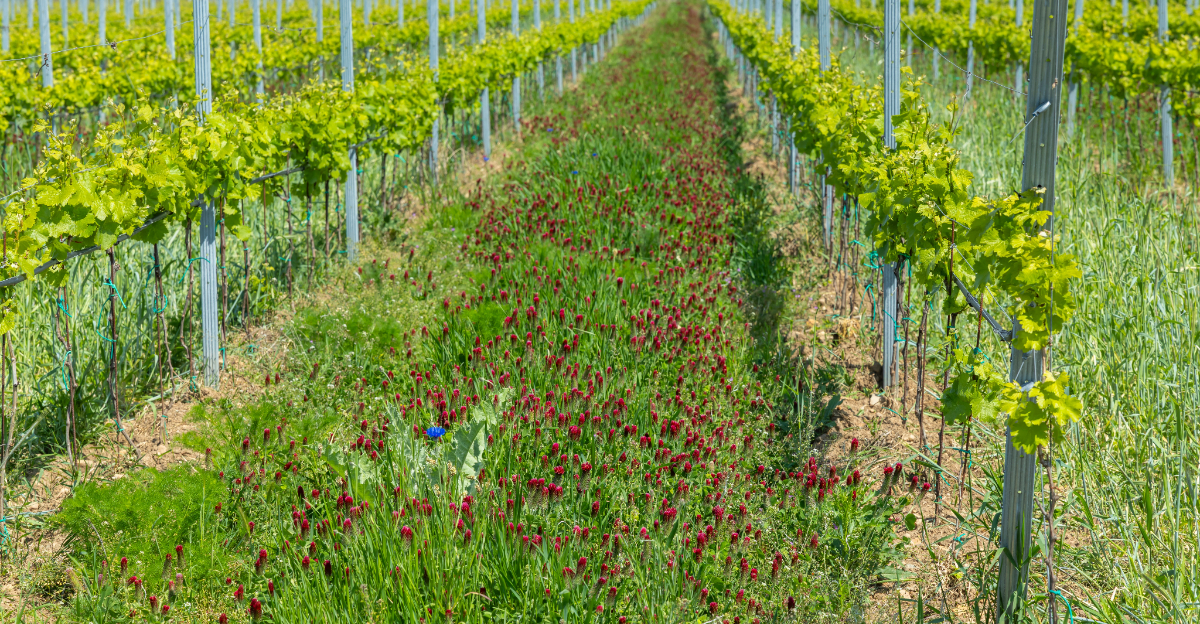
Cover cropping is one of those practices that experienced Michigan gardeners swear by and beginners rarely hear about until after their first frustrating season with compacted soil and depleted beds.
The concept is straightforward but the details matter enormously, particularly in Michigan where the transition from late spring cool to summer heat happens faster than most planting guides account for.
Choosing the right cover crop species, timing the termination correctly, and managing the incorporation in a way that benefits rather than disrupts the following planting are all decisions that play out differently here than they do in longer-season climates.
Done well, cover cropping transforms garden beds in ways that synthetic amendments and repeated tilling simply cannot replicate over the course of a full growing season.
1. Choose The Goal Before Choosing The Cover Crop
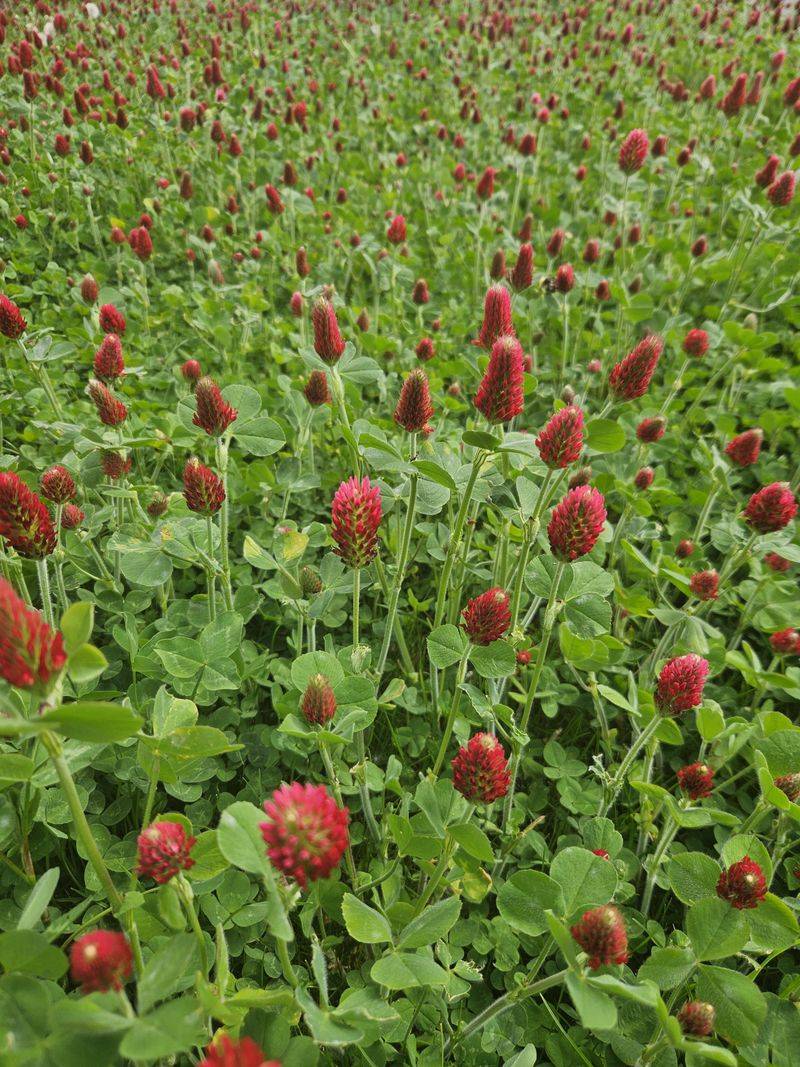
Not every Michigan garden has the same problem, and that is exactly why cover crop selection needs to start with a clear goal.
Some beds struggle with weeds, others have compacted soil, and some have been stripped of nutrients after heavy summer crops.
Picking a cover crop without thinking about what the soil actually needs is a little like buying tools before you know what you are building.
Soil cover, weed competition, nitrogen support, organic matter, improved structure, better water movement, and erosion reduction are all real benefits that different cover crops can offer. The key is matching the right plant to the right problem.
Oats are great for quick cover, legumes add nitrogen, and deep-rooted options help break up compacted layers.
One cover crop simply cannot fix every garden issue at once, so narrowing down the top priority makes the whole process more effective. Walk your beds, notice what went wrong last season, and let that guide your seed choice.
A focused plan beats a random one every single time, and your summer crops will show the difference from the very first week they go into the ground.
2. Use Oats For An Easy Beginner Cover Crop
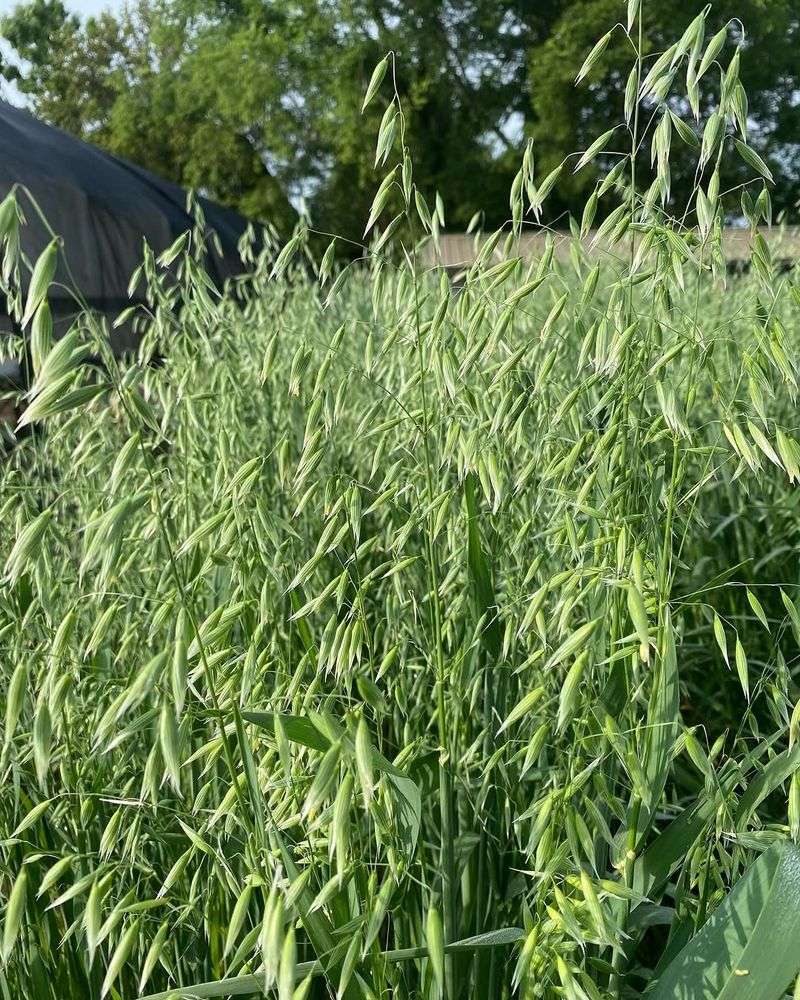
Oats might just be the most beginner-friendly cover crop available to Michigan gardeners, and they earn that reputation for good reason.
They sprout quickly, spread into a thick mat of leafy green growth, and cover bare soil before weeds even get a chance to move in.
For anyone just starting out with cover crops, oats take a lot of the guesswork away. One of the biggest advantages oats offer in Michigan is their susceptibility to hard freezing temperatures, which naturally terminates the crop.
This automatic end to the growing cycle simplifies spring cleanup compared to overwintering cover crops that require mechanical or chemical management.
You simply pull back the mulched remains, and the bed is largely ready for planting. That said, gardeners should always have a backup plan ready.
Mild Michigan winters do happen, and oats occasionally survive longer than expected. Knowing how to cut or incorporate them manually keeps the garden on schedule.
Overall, oats give new cover crop users a low-stress entry point with solid soil benefits, making them a go-to recommendation for anyone looking to improve their beds without adding a steep learning curve to their spring prep routine.
Your Michigan Garden Changes Every Week. Your Plan Should Too.
Gardening in Michigan changes quickly throughout the season. Every Friday you’ll receive a simple weekly plan showing exactly what to plant, prune, fertilize, harvest, and protect so you never miss the right timing.
3. Use Cereal Rye For Strong Winter Soil Protection
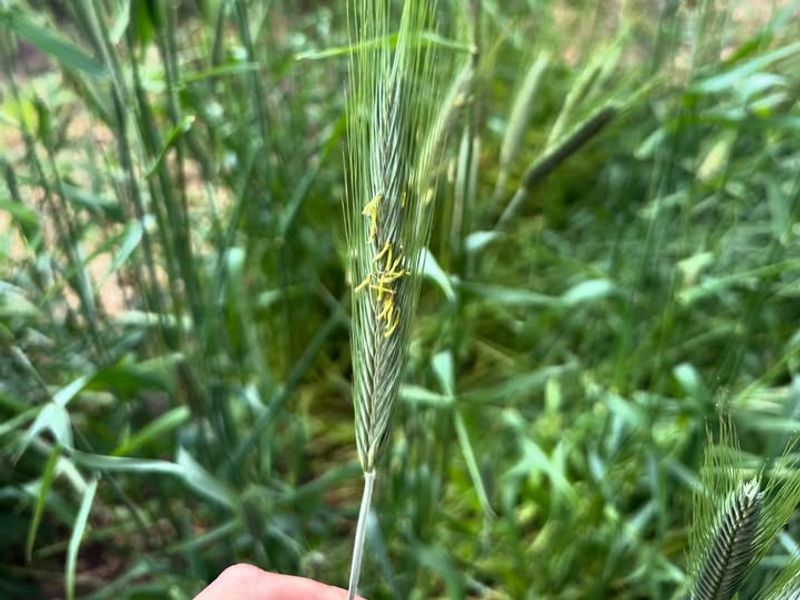
When Michigan winters are the concern, cereal rye stands out as one of the toughest and most reliable cover crops a gardener can plant.
It handles cold temperatures without flinching, keeps growing through freezing spells, and holds soil firmly in place when wind and rain would otherwise carry it away.
Gardeners who have watched bare beds erode over winter quickly become fans of cereal rye.
Beyond protection, cereal rye competes aggressively with weeds, which means fewer unwanted plants waiting in the bed come spring.
It also adds a meaningful amount of organic matter as it grows, feeding the soil life that makes garden beds more productive over time.
The root system runs deep, improving structure in ways that surface amendments alone cannot match.
The one area that needs careful planning is termination. Cereal rye does not simply disappear in spring the way oats often do.
It needs to be cut, crimped, or incorporated into the soil before summer vegetables go in, and timing that step correctly matters a lot. Leaving it too long makes the stems tougher and harder to manage in a small garden space.
Plan the end date when you plant the seed, and cereal rye becomes one of the most rewarding cover crop choices available for Michigan conditions.
4. Use Buckwheat Between Spring And Fall Crops
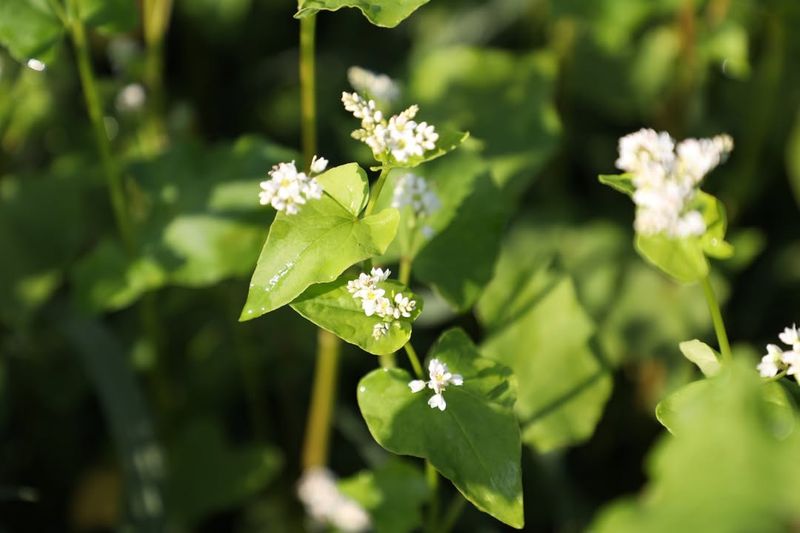
Buckwheat has a reputation for being a speed champion in the cover crop world, and Michigan gardeners with short open windows between crops will appreciate exactly that.
Michigan State University describes buckwheat as a fast-growing summer cover crop that matures in just four to six weeks, making it one of the quickest ways to put an empty bed back to work.
That speed alone makes it worth knowing. Beyond the fast turnaround, buckwheat suppresses weeds like a champ, crowds out competition with its broad leaves, and attracts pollinators with small white flowers that beneficial insects absolutely love.
It also loosens and improves soil structure in the upper layers, which helps roots of future crops move through the bed more easily.
Buckwheat fits perfectly in the gap after spring crops like peas, lettuce, radishes, or spinach finish up and before fall vegetables are ready to go in. The timing works out beautifully in many Michigan gardens.
One firm rule to follow is cutting or mowing buckwheat before it sets seed. It flowers and seeds quickly, and letting it go to seed can create more plants than a tidy garden bed needs.
Stay on top of the timing, and buckwheat will be one of the most useful tools in your seasonal rotation.
5. Use Clover For Nitrogen Support
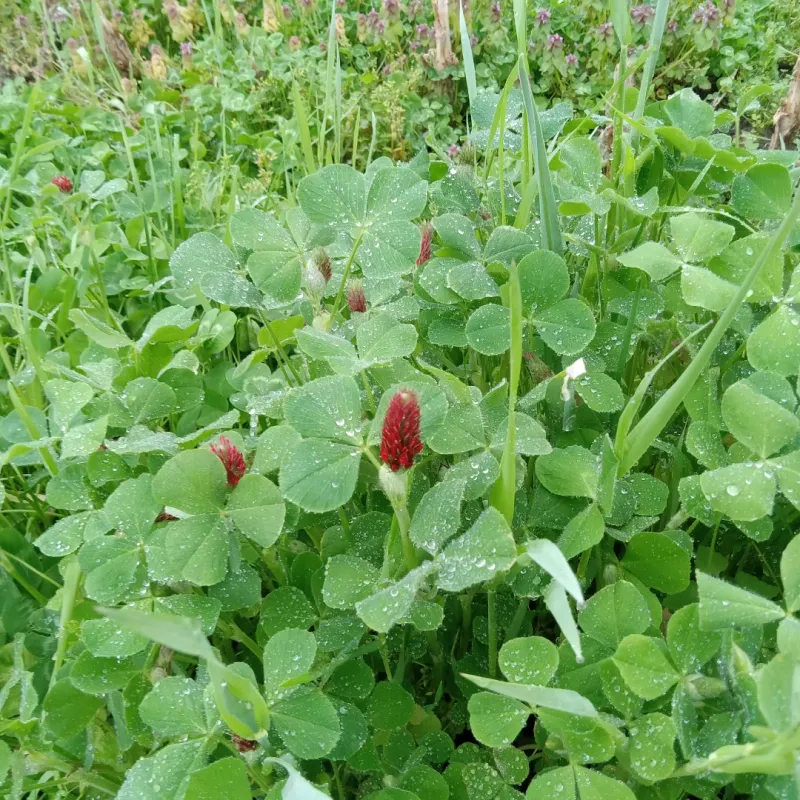
Clover has been working quietly in farm fields and garden beds for generations, and the reason is simple: it adds nitrogen to the soil through a fascinating partnership with naturally occurring soil bacteria.
Those bacteria attach to clover roots and pull nitrogen straight from the air, storing it in a form that future plants can actually use.
For Michigan gardeners planning to grow heavy feeders like corn, tomatoes, or squash, that free nitrogen is a real advantage.
Getting the most out of clover requires patience, though. It needs enough time to establish a strong root system and develop those nitrogen-fixing nodules before it offers much benefit to the soil.
Rushing clover into a short window between crops usually means the plants never fully develop, and the nitrogen payoff ends up being minimal at best.
Clover works best when gardeners plan ahead and give it a full season or at least several solid weeks of growth before incorporating it.
It is not the right fit for a two-week gap between harvests, but it shines in beds that will sit open for a longer stretch.
Think of clover as a slow investment with a generous return. When the timing lines up right, the soil improvement it provides sets up the next round of summer vegetables with a noticeable boost right from the start.
6. Use Peas And Oats For A Simple Soil-Building Mix
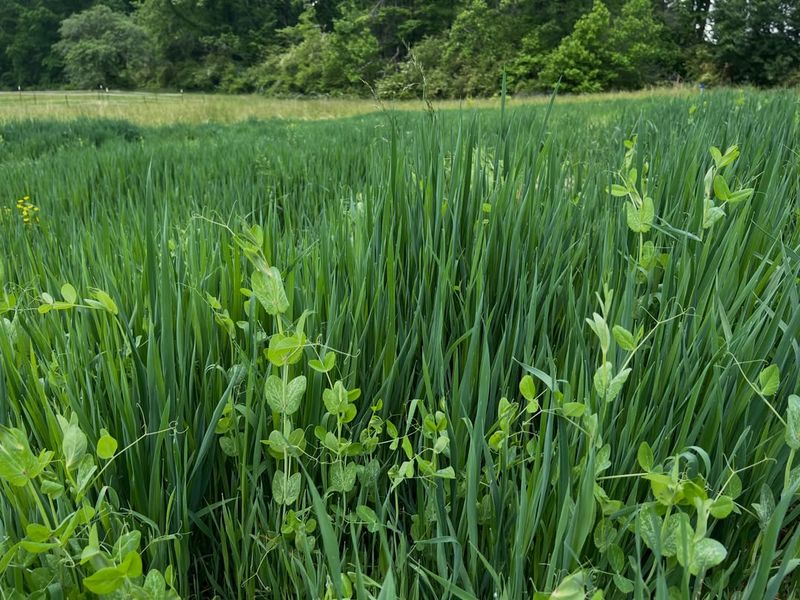
Some of the best gardening ideas are also the simplest ones, and the pea-and-oat cover crop mix is a perfect example.
Mixing two complementary plants together gives a garden bed two sets of benefits at once, without much extra effort on the gardener’s part.
It is a beginner-friendly combo that produces results experienced gardeners also rely on season after season.
Oats jump out of the soil fast and create a thick canopy of leafy growth that covers bare ground quickly and holds it in place.
Meanwhile, peas bring legume benefits to the mix, working with soil bacteria to fix nitrogen in a way that oats alone cannot do.
Together they cover soil, suppress weeds, build organic matter, and improve the nutrient picture all at once.
This mix shines in open Michigan garden beds that have some runway before the main summer planting window arrives.
Gardeners who are not ready to commit to a single cover crop or who want to hedge their bets with a low-maintenance approach will find it especially practical.
Seed the two together, watch them fill in the bed, and then incorporate them a few weeks before tomatoes, peppers, or beans go in. Few cover crop strategies offer this much benefit with this little fuss, making it a great starting point for anyone new to soil building.
7. Use Mustards Only With A Rotation Plan

Mustard cover crops bring a lot of energy to a garden bed. They grow fast, produce plenty of leafy biomass, and compete hard against weeds, which makes them appealing for gardeners who want quick results.
Some research even points to natural compounds in mustard roots and residue that can suppress certain soil pathogens, adding another layer of appeal for growers dealing with persistent soil issues.
Here is the catch that every Michigan gardener needs to know: mustards belong to the brassica family, the same plant family as cabbage, broccoli, kale, radishes, turnips, and mustard greens.
Planting a mustard cover crop right before or after any of those vegetables in the same bed concentrates pest and disease pressure in one spot.
Clubroot, cabbage worms, and other brassica-specific problems build up fast when one plant family cycles through a bed repeatedly.
Rotation is the solution, and it is not complicated. Simply avoid following a mustard cover crop with a brassica vegetable, and avoid using mustards in any bed where brassica crops grew the season before.
Keep track of which beds hosted which plants, even a basic sketch works well for this purpose.
With a thoughtful rotation plan in place, mustard cover crops can be a genuinely useful tool in the Michigan garden toolkit without creating more problems than they solve.
8. Seed Cover Crops Right After Early Crops Finish
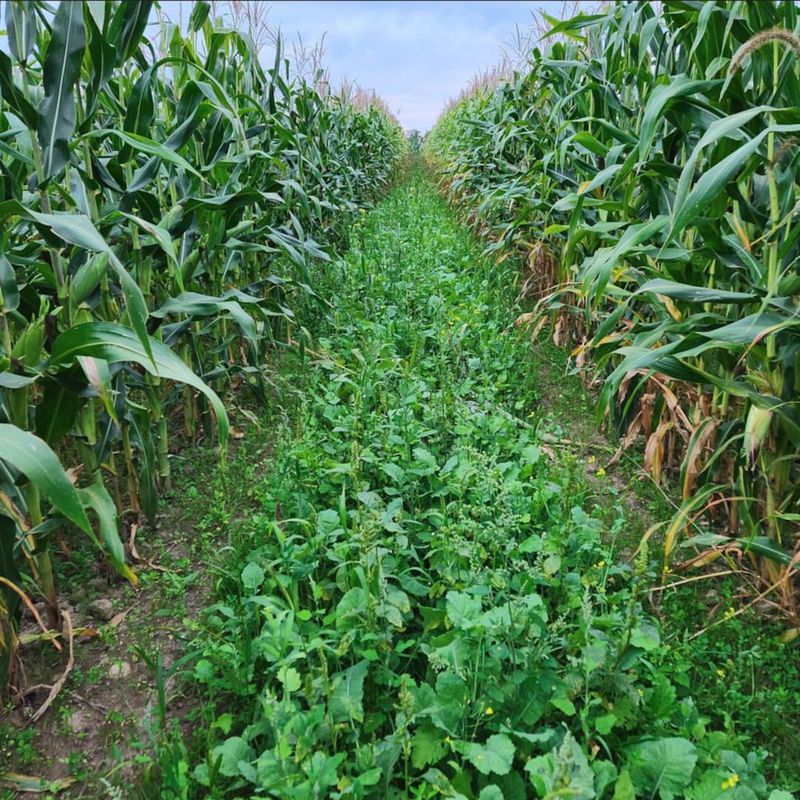
Empty garden beds are not neutral ground. Every day a bed sits bare, it loses moisture, invites weeds, and leaves soil exposed to rain, heat, and compaction.
Michigan summers are warm enough and long enough that a harvested bed can go from clean to weed-covered in what feels like no time at all.
Seeding a cover crop right after early crops finish is one of the most effective ways to keep that from happening.
Spring crops like peas, lettuce, radishes, spinach, cucumbers, and snap beans often wrap up well before the main summer season ends. That gap is prime real estate for a fast-growing cover crop.
The sooner seeds go into the bed after harvest, the faster the cover establishes and the more soil benefit it can deliver before it needs to come out again.
Waiting even a week or two longer than necessary can mean the cover crop has less time to develop before the next planting window closes.
Buckwheat is a great pick here because of its speed, but oats and pea-oat mixes also work well depending on the season.
Keep a bag of seeds nearby during harvest season so the transition from food crop to cover crop happens without any delay. A bed that stays busy is a bed that keeps improving.
9. Keep Cover Crops From Setting Seed
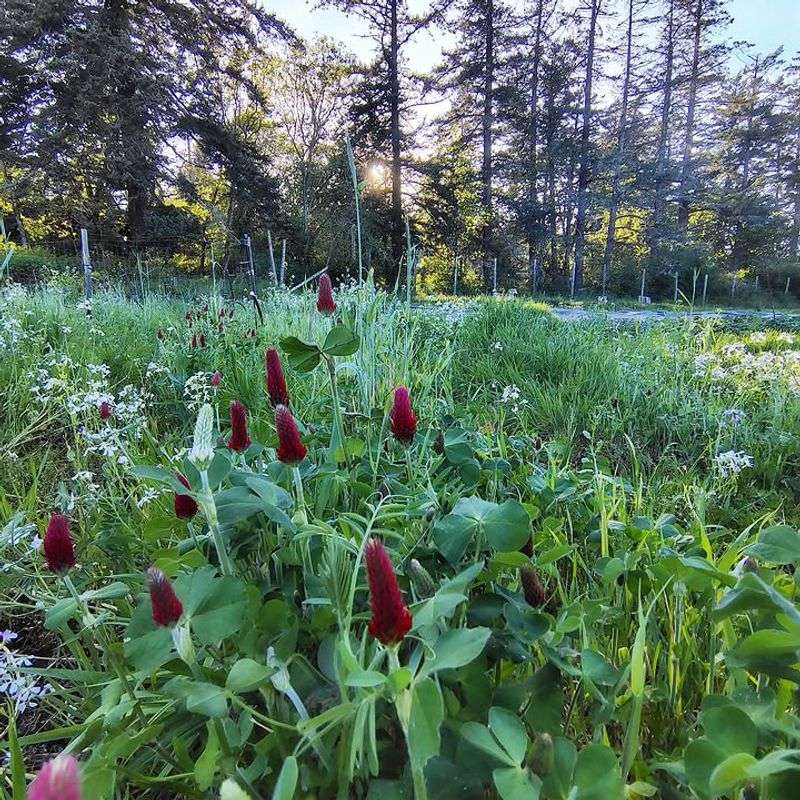
Timing is everything when it comes to ending a cover crop, and the finish line is always before the plants set seed.
Letting a cover crop go to seed might seem harmless, but it can quickly create a situation where hundreds of volunteer plants pop up uninvited in a bed that was supposed to be ready for summer vegetables.
Managing that kind of surprise takes far more effort than simply cutting at the right moment.
Fast growers like buckwheat and mustards are the ones that need the closest attention. Buckwheat can go from flower to seed in a surprisingly short time, especially during warm Michigan summers.
Mustards move quickly too, and once the seeds drop, they are in the soil and ready to sprout at the next opportunity. Checking these crops every few days during their flowering stage keeps the gardener one step ahead.
Cutting, mowing, or crimping the plants before seed formation is the straightforward fix. For small home garden beds, a pair of pruning shears or a sharp hoe works perfectly well.
The cut material can be left on the surface as a mulch layer or worked shallowly into the soil to break down.
Staying on top of this one step protects the next round of crops and keeps the garden bed behaving exactly as planned throughout the season.
10. Give The Bed Time Before Summer Planting
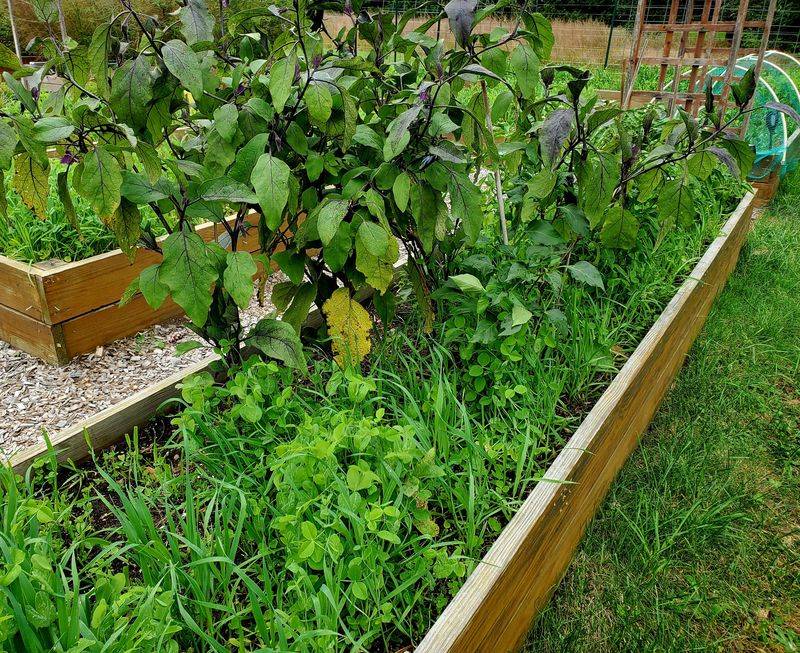
Ending a cover crop and immediately planting into the same bed is a tempting shortcut, but it usually backfires.
Fresh plant material needs time to soften and begin breaking down before roots from new transplants or direct-seeded crops can work through it comfortably.
Rushing that process can make planting physically harder and may temporarily tie up soil nitrogen as the organic matter decomposes.
A waiting period of at least two to three weeks after termination gives the cover crop residue enough time to start settling into the soil. Temperatures in Michigan during late spring are usually warm enough to speed that process along nicely.
By the time tomatoes, peppers, cucumbers, squash, beans, or melons are ready to go in, the bed should feel workable and the breakdown process should be well underway.
Planning backward from the intended planting date makes this easy to manage. If tomatoes go in around the last week of May, for example, the cover crop should be terminated by early May at the latest.
Write those dates on a garden calendar at the start of the season so nothing gets pushed too close together.
A little patience between the cover crop and the summer garden pays off with healthier transplants, easier soil to work with, and a bed that is genuinely ready to support a strong growing season.
11. Leave Roots In The Soil When Possible
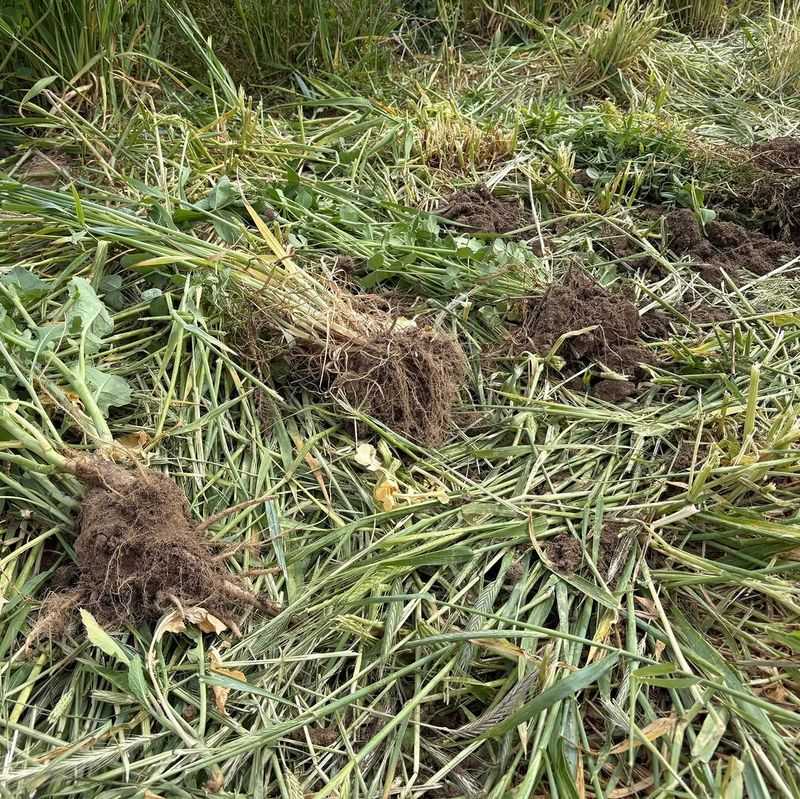
What happens below the surface of a garden bed matters just as much as what happens above it.
Cover crop roots create channels through the soil as they grow, and those channels improve the way water moves through the bed and the way air reaches deeper layers.
When roots are left in the ground to break down naturally after the tops are removed, all of that underground structure stays intact and continues benefiting the soil.
Cutting the tops of a cover crop at soil level and leaving the roots behind is a practical approach for many Michigan garden beds.
The root mass feeds soil microbes as it decomposes, adds organic matter to the lower layers, and helps improve texture in beds that tend to become dense or compacted over the growing season.
It is a surprisingly impactful step that requires almost no extra effort.
That said, not every situation allows for this approach. Some planting systems, tight bed layouts, or cover crops with particularly heavy growth may still call for full incorporation, mowing, or other termination methods that disturb the soil more thoroughly.
Use the leave-the-roots method when it fits the situation, and adjust when it does not. Even partial root preservation adds value to the bed.
Every small improvement to soil structure compounds over multiple seasons, building toward a garden that becomes easier and more productive year after year.
12. Match The Cover Crop To The Next Summer Crop
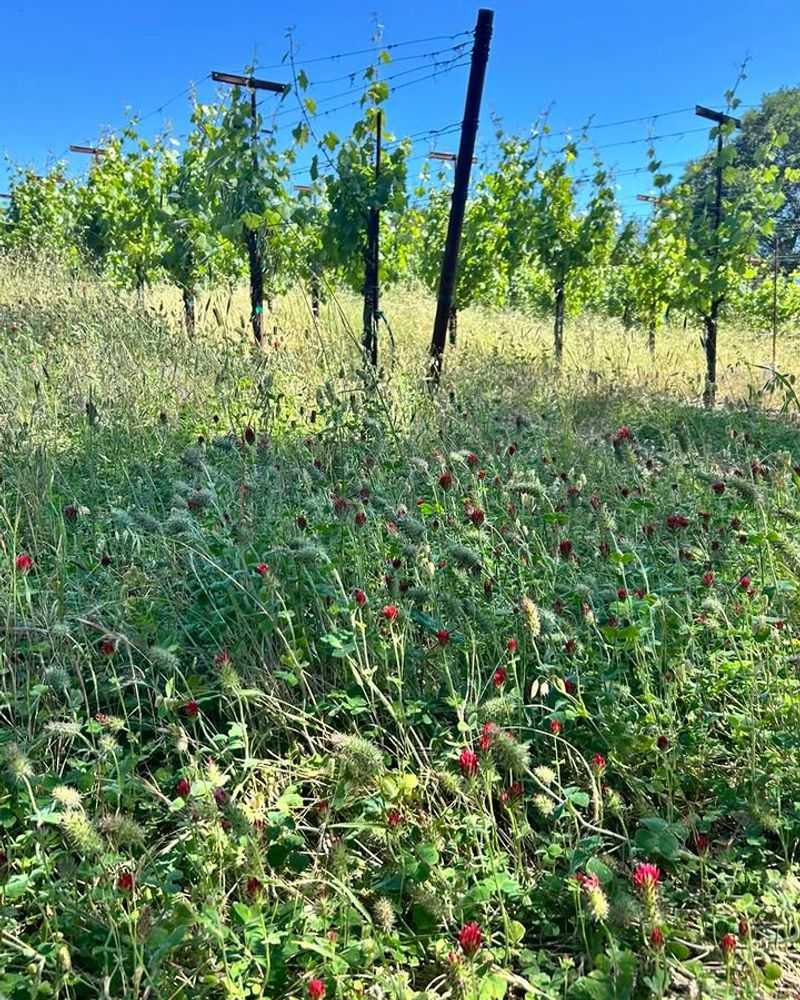
Every good cover crop decision starts at the end, with a clear picture of what the summer garden is going to grow. Working backward from that goal makes the whole selection process more logical and more effective.
The cover crop is not the main event; it is the preparation, and the best preparation is always shaped by what comes next.
Cereal rye pairs well with later transplants when termination timing is planned carefully and the garden has the space and schedule to manage it. Oats keep things simple and low-stress for gardeners who want easy spring cleanup.
Buckwheat fills short open windows between harvests and planting dates without asking much in return.
Clover rewards patience with genuine nitrogen support when there is enough time for it to fully establish before the summer crop goes in.
Pea-and-oat mixes offer beginner gardeners a reliable, balanced starting point that builds both organic matter and soil nutrients without requiring a lot of experience or specialized knowledge.
No single cover crop works perfectly in every situation, and that is actually what makes them so interesting to work with.
The variety of options means there is always a good fit for whatever the garden needs most. Start with the summer goal, choose the cover crop that best supports it, and the soil will be in noticeably better shape when planting day finally arrives.