How Michigan Homeowners Can Protect Houseplants From Summer Heat This July
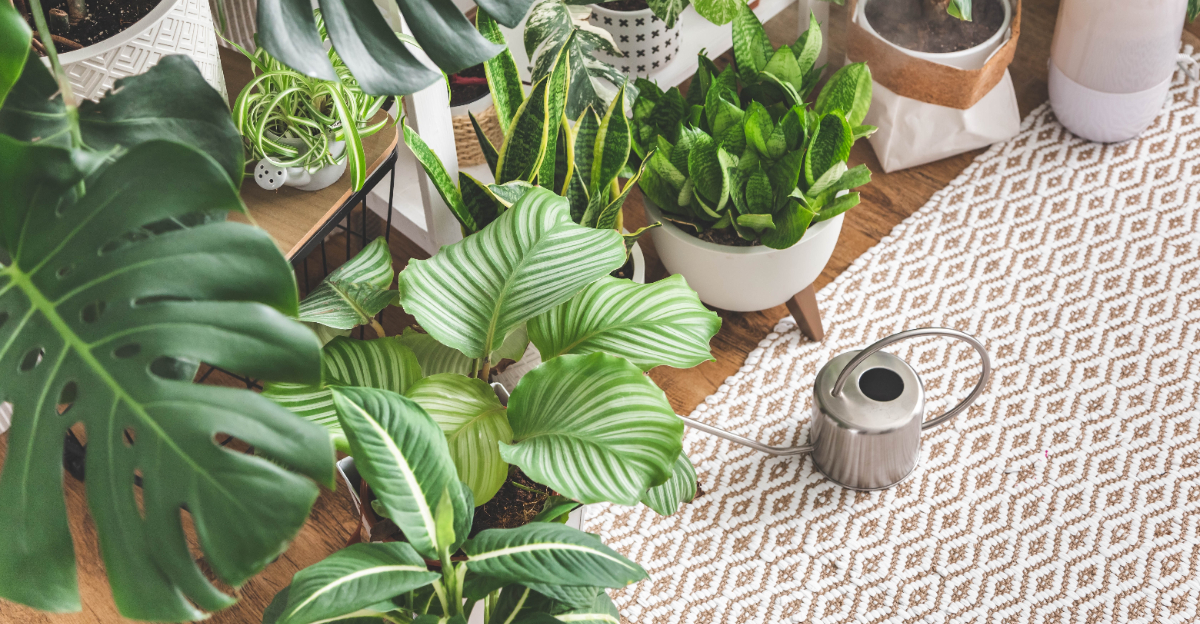
Houseplants spending summer outdoors in Michigan benefit greatly from natural light and fresh air through June. However, July introduces intense conditions that these same plants cannot handle without active protection.
Intense midsummer afternoon sun and excessive heat on covered porches can quickly damage tropical houseplants. Additionally, dry spells combined with container heat stress can cause a rapid decline in plants that thrived just weeks earlier.
The adjustments needed to carry houseplants through Michigan’s July in good condition are not complicated, but they require paying attention to conditions that most homeowners stop monitoring once the novelty of outdoor plant season settles in.
1. Move Plants Back From Hot South And West Windows
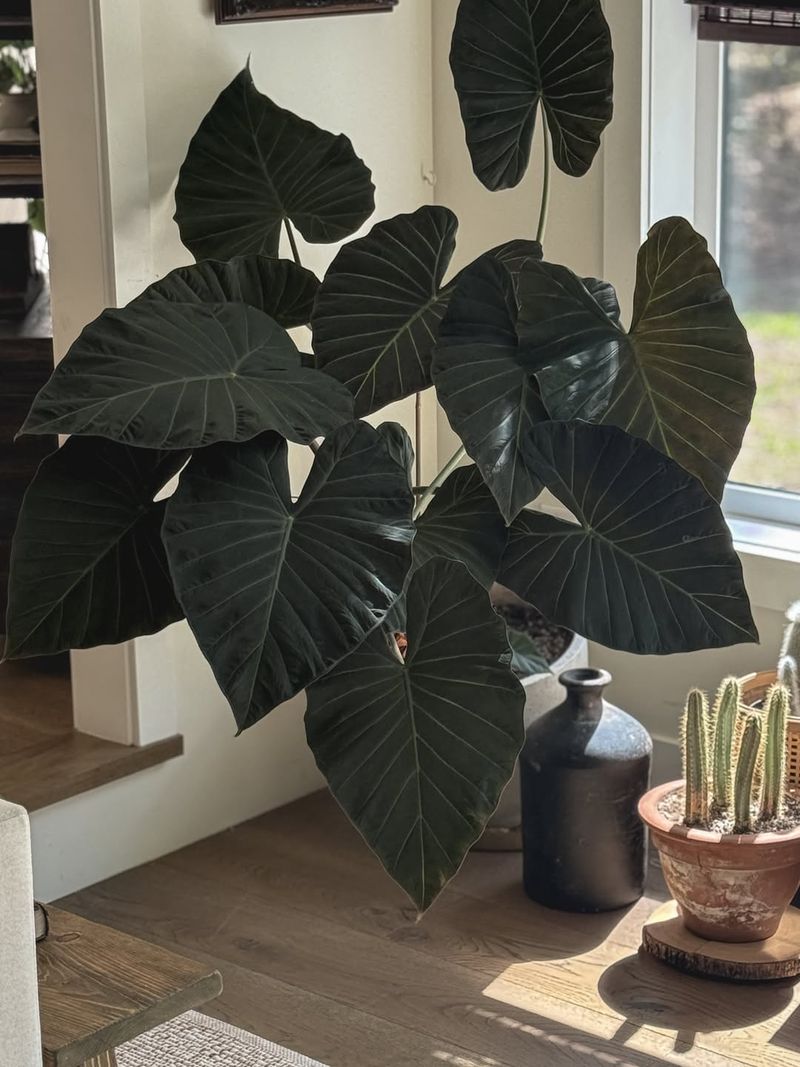
Glass windows act like magnifying glasses during a Michigan July.
Afternoon sun pouring through south- and west-facing windows can push temperatures near the glass much higher than the rest of the room, creating harsh, scorching conditions that most houseplants simply cannot handle.
Tropical foliage plants like monsteras, fiddle leaf figs, and snake plants may look tough, but prolonged direct afternoon sun through glass can leave their leaves faded, crispy around the edges, or covered in pale washed-out patches.
Once leaf damage appears, those spots do not recover. Prevention is always the smarter move.
Pulling plants back just a few feet from the window makes a huge difference. Bright indirect light, meaning light that fills the room without direct sun rays landing on the leaves, suits most popular houseplants perfectly.
A spot about four to six feet from a south or west window still offers plenty of brightness without the punishing heat that builds up right against the glass.
Pay attention to how the light moves through your rooms as the day progresses. Morning sun from east-facing windows tends to be softer and much more plant-friendly.
Rearranging your plant placement just once at the start of July can protect your collection through the whole hottest stretch of summer.
2. Use Sheer Curtains For Filtered Light
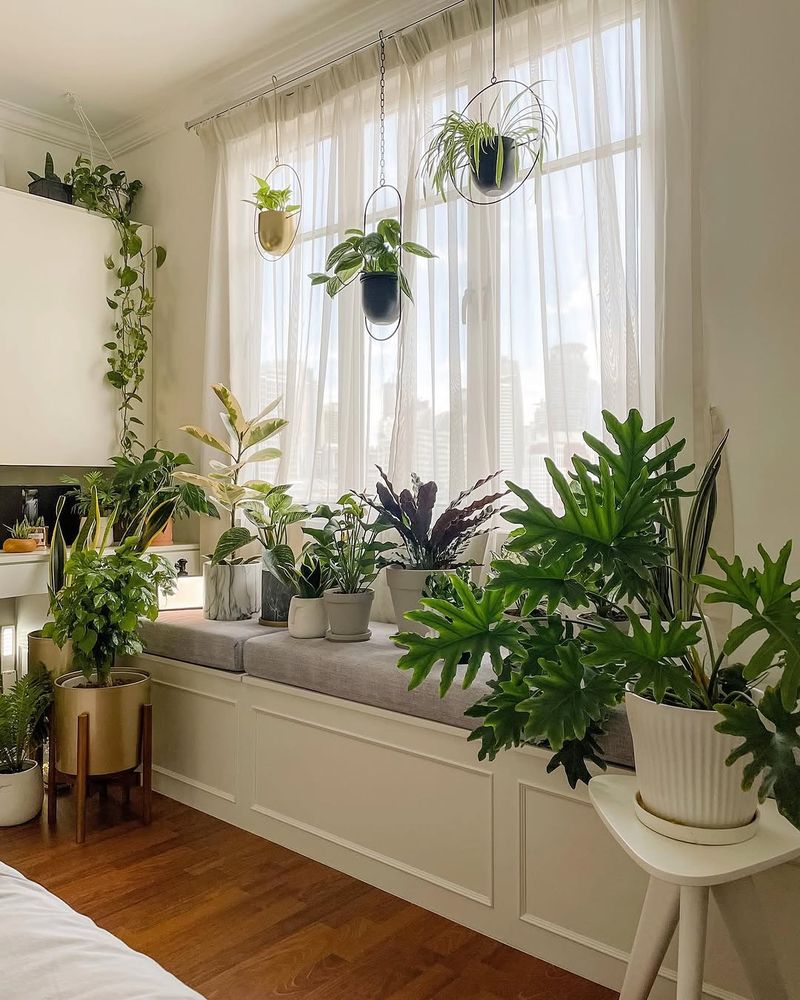
Sheer curtains are one of the easiest and most affordable tools a Michigan homeowner can use to protect houseplants during hot summer afternoons.
They soften intense direct sunlight into a gentle, diffused glow that plants can actually use without getting stressed or scorched.
Plants like pothos, philodendron, peace lily, calathea, prayer plant, and ferns all thrive in bright indirect light. Sitting them right behind a sheer curtain gives them exactly that.
The curtain filters out the harshest rays while still letting plenty of natural brightness flood the room, keeping your plants happy and your space feeling light and airy.
Sheer curtains also help moderate the temperature near the window glass, which can get surprisingly hot on a July afternoon even in a well-air-conditioned home. That small buffer between the glass and your plants can prevent a lot of unnecessary leaf stress.
When shopping for sheers, look for lightweight white or cream fabrics that allow good light transmission without blocking too much. Heavy or dark curtains block too much light and leave plants struggling.
Your Michigan Garden Changes Every Week. Your Plan Should Too.
Gardening in Michigan changes quickly throughout the season. Every Friday you’ll receive a simple weekly plan showing exactly what to plant, prune, fertilize, harvest, and protect so you never miss the right timing.
A good sheer curtain lets you see through it easily when held up to the light. Hanging them is a quick weekend project that pays off all summer long for your entire indoor plant collection.
3. Check Soil Moisture Every Morning During Heat
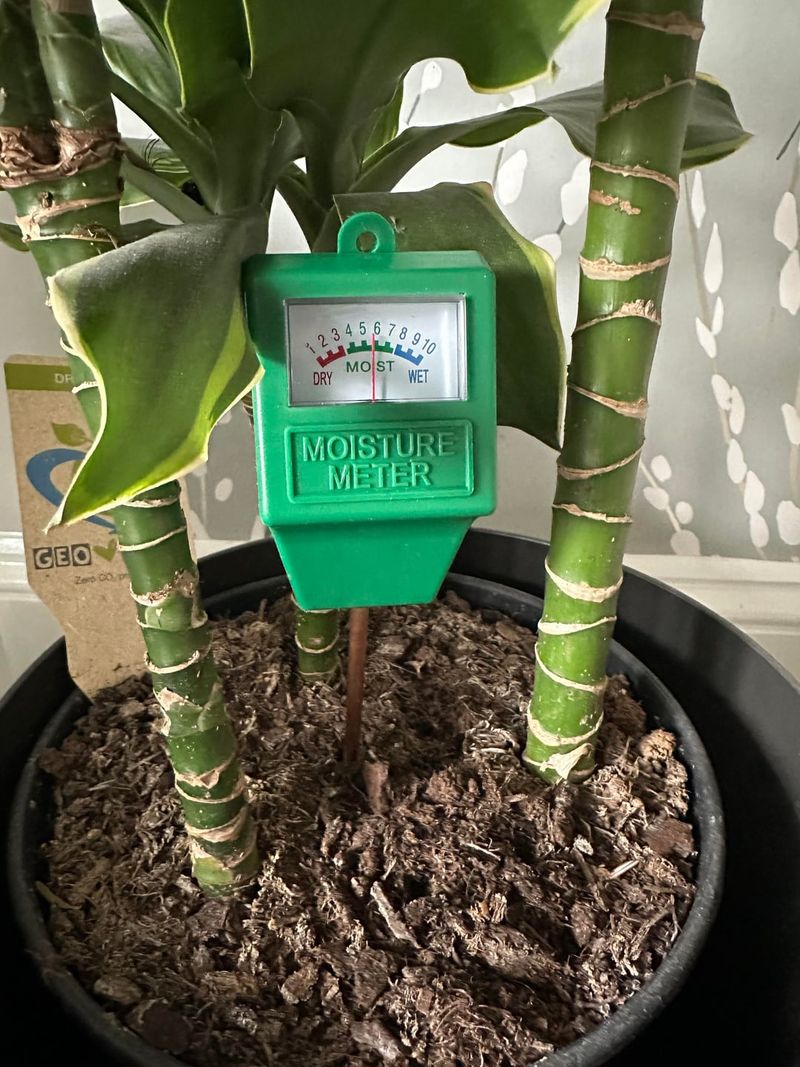
Summer heat changes everything about how fast your houseplants use water.
What worked perfectly as a once-a-week watering schedule in May can leave plants thirsty and wilting by mid-July, especially during a heat wave when temperatures climb and indoor air gets drier.
The most reliable way to know if a plant needs water is simple: stick your finger about an inch into the soil. If it feels dry at that depth, water the plant.
If it still feels moist, wait and check again the next morning. Relying on a fixed calendar schedule during summer heat often leads to either overwatering or underwatering, both of which stress plants.
Small pots, terra cotta containers, and plants sitting in bright spots dry out noticeably faster than large pots in shadier rooms. Outdoor summer plants may need checking twice a day during extreme heat.
Understanding your specific plants and their containers helps you build a rhythm that actually matches their needs.
Morning checks are ideal because they give you time to water before the heat of the day builds up. Watering in the morning also allows any water that splashes on leaves to dry quickly, which reduces the chance of fungal issues.
Building a five-minute morning check into your routine keeps your plants in great shape all through July without any guesswork.
4. Water Thoroughly Then Empty The Saucer
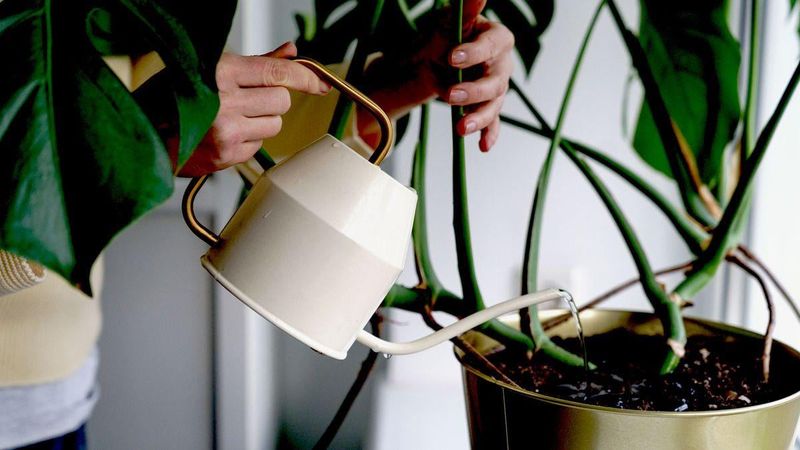
When a houseplant needs water, doing it halfway creates more problems than it solves. Shallow watering, meaning just a small splash on top of the soil, only wets the very surface while the roots deeper in the pot stay completely dry.
Roots that stay dry in summer heat can struggle, and plants that are only surface-watered often show wilting even when the saucer looks fine.
The right approach is to water slowly and thoroughly until you see water draining freely out of the drainage holes at the bottom of the pot. This ensures the entire root zone gets a good drink.
Once the water drains through, pour out whatever collects in the saucer so the roots are never sitting in standing water, which can cause root rot even in summer.
Many homeowners think more frequent small waterings are better in summer, but a thorough watering done when the soil actually needs it is far healthier for the plant.
It encourages roots to grow downward in search of moisture, building a stronger root system overall.
After watering, give the pot a few minutes to finish draining before setting it back on the saucer. Some heavy pots can be tilted gently to encourage full drainage.
Taking this extra step each time you water is a small habit that makes a big difference in keeping roots healthy through July heat.
5. Keep Plants Away From Air Conditioner Blasts
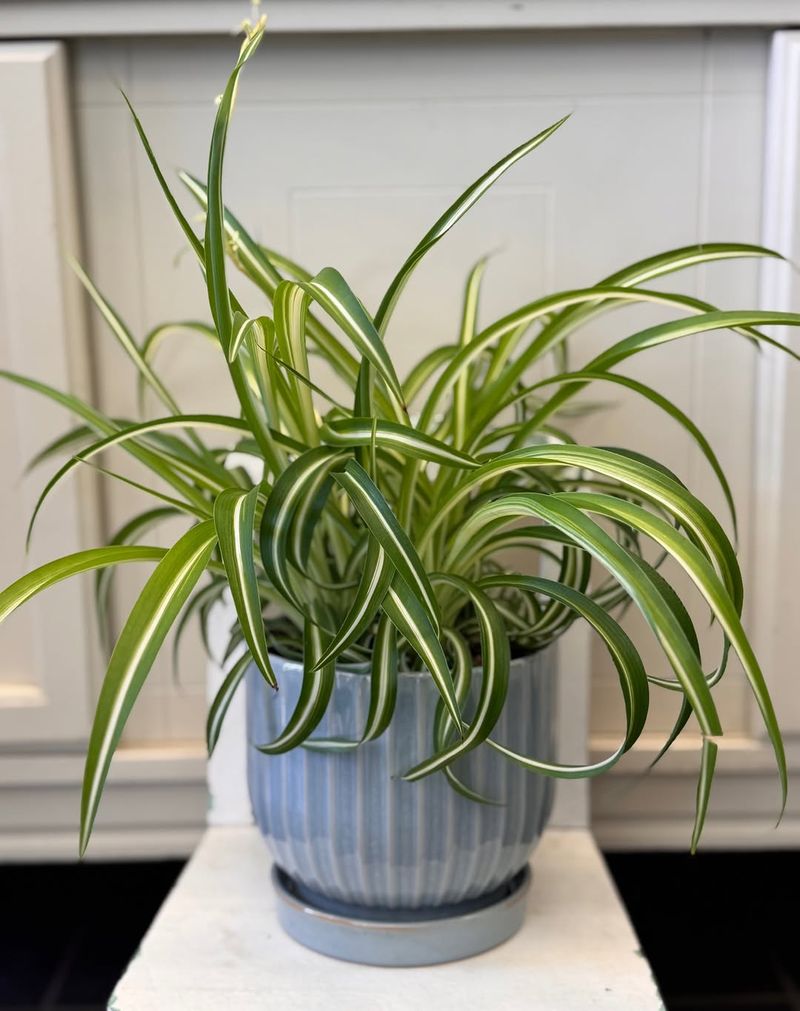
Air conditioning feels amazing during a hot Michigan July, but your houseplants do not feel the same way. Cold, dry air blasting directly from a vent or a window unit can shock tropical plants that prefer steady, warm, and somewhat humid conditions.
Constant cold airflow strips moisture from leaves faster than the plant can replace it.
Signs that a plant is suffering from vent exposure include brown leaf tips, curling leaves, crispy edges, and sudden wilting even when the soil is moist. These symptoms look a lot like heat stress but come from the opposite problem.
Checking whether a plant sits in the direct path of a vent or fan is always a good first step when troubleshooting.
Moving plants just a few feet away from vents, fans, drafty exterior doors, and window units can make a dramatic difference.
Most tropical houseplants, including monsteras, calatheas, pothos, and peace lilies, do best when temperatures stay consistent throughout the day.
Sharp temperature swings and constant dry air make it hard for them to maintain healthy leaf function.
Try to find spots in your home where the air feels calm and stable. Corners away from direct airflow, plant stands set back from windows, and interior walls tend to offer the most consistent conditions.
A little planning around your home’s airflow patterns goes a long way in keeping plants thriving all summer.
6. Group Humidity-Loving Plants Together
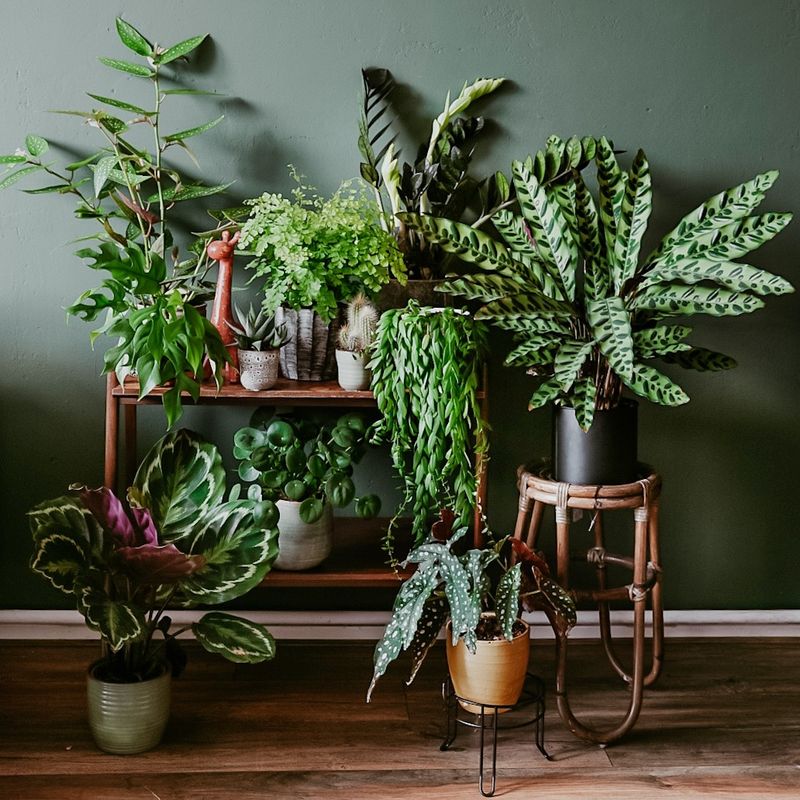
Here is a trick that experienced plant parents swear by: group your tropical plants together.
When multiple plants share a small area, they release moisture through their leaves in a process called transpiration, and that moisture stays close, creating a slightly more humid microclimate right around the group.
It is a natural, low-effort way to fight the dry indoor air that July air conditioning brings.
Ferns, calatheas, prayer plants, peace lilies, and other humidity-loving tropicals benefit the most from this strategy.
Placing them together on a wide plant stand, a tray, or a shelf creates a mini indoor jungle effect that actually serves a real purpose beyond looking beautiful.
The collective humidity they create helps each plant stay more comfortable during dry summer conditions.
If your home runs particularly dry, a small cool-mist humidifier placed near the plant group works even better than grouping alone. Aim for a humidity level around 50 percent if possible, which suits most tropical houseplants well.
Occasional misting can help briefly, but it does not provide sustained humidity the way a humidifier does.
One important note: avoid letting leaves stay wet for extended periods. Mist lightly in the morning so leaves dry before evening.
Wet leaves left overnight can invite fungal issues. Grouping plants and running a humidifier nearby is a much more consistent and reliable approach for keeping humidity-loving plants happy all through July.
7. Move Outdoor Houseplants Into Bright Shade
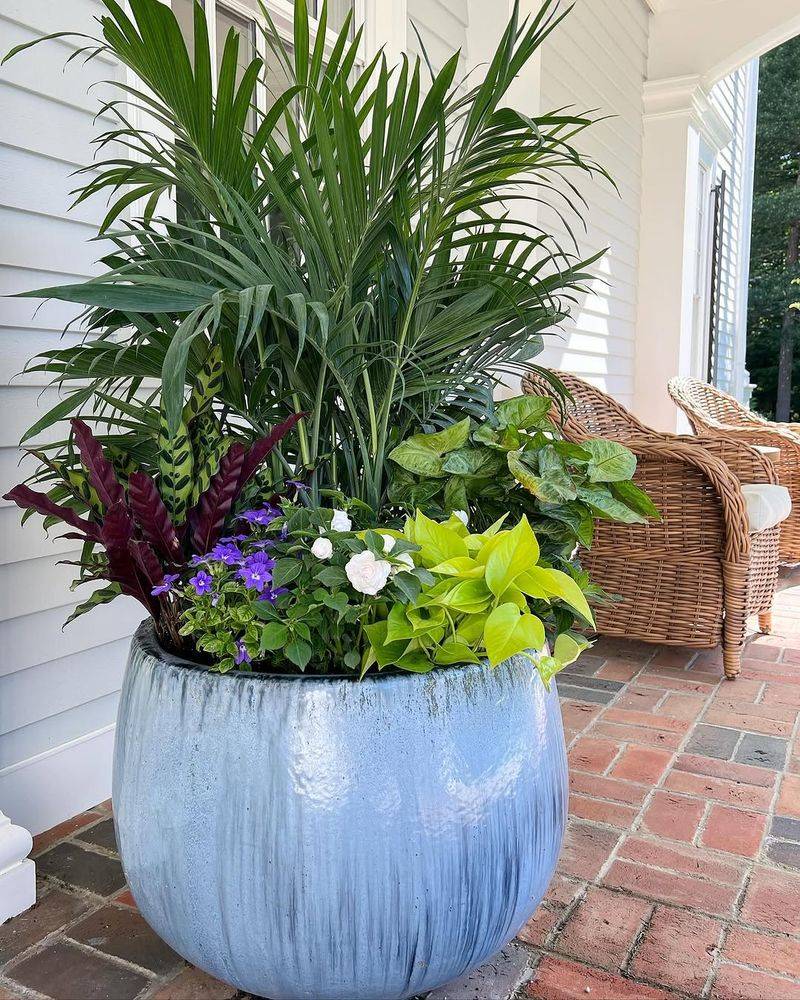
Spending time outside during a Michigan summer is wonderful, and many houseplants genuinely thrive when moved outdoors for the season. But full patio sun all day is a very different experience for a plant than what it gets indoors.
Outdoor light is dramatically more intense than indoor light, even on a cloudy day, and plants that were raised indoors need protection from the full force of it.
Bright shade is the sweet spot for most outdoor houseplants. A covered porch, a pergola, a spot under a large tree canopy, or a north-facing wall that gets reflected light without direct sun all work well.
Morning sun only, meaning a spot that gets direct sun before about 10 a.m. and shade for the rest of the day, is another excellent option for slightly sun-tolerant plants.
Even shade-loving plants that seem to enjoy outdoor conditions in spring can struggle once July heat arrives.
The combination of intense sun, heat radiating from concrete or brick, and drying winds can push temperatures near outdoor plants much higher than the air temperature suggests.
Checking on outdoor plants more frequently than indoor ones is a smart habit during heat waves.
If you notice leaves turning pale, bleached, or developing dry patches, move the plant to a shadier spot right away. Adjusting placement early prevents serious damage and keeps your plants looking their best for the rest of the season.
8. Watch Small Pots And Hanging Plants First
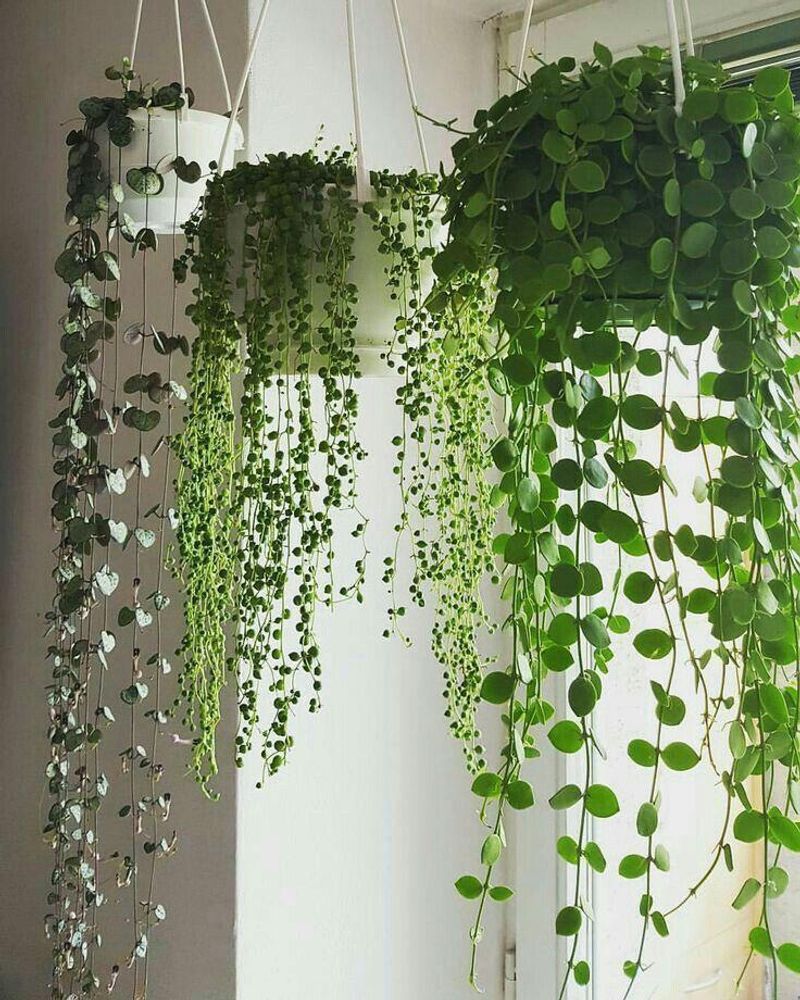
Not all pots behave the same way in summer heat, and knowing which ones dry out fastest can save you a lot of plant stress.
Small pots hold less soil and therefore less moisture, so they can go from perfectly watered to bone dry in a surprisingly short amount of time during a hot July day.
Terra cotta pots make this even more dramatic because the porous clay actively wicks moisture out through the walls.
Hanging baskets are especially vulnerable. They sit up in the air where temperatures are warmer, airflow is stronger, and sun exposure is often more intense than at ground level.
A hanging plant on a sunny patio might need watering every single day during a heat wave, while a large pot in a shaded corner indoors might only need water every five to seven days.
Checking small pots and hanging plants first thing every morning during July heat waves is a practical habit that prevents a lot of unnecessary stress. Lift small pots to feel their weight.
A noticeably light pot almost always means dry soil. Finger-testing the top inch of soil still works great for most situations.
Pot size, material, airflow, temperature, and sun exposure all interact to determine how fast soil dries.
Learning the specific patterns of your individual pots helps you water smarter rather than just watering more, which keeps roots healthier and plants happier all summer long.
9. Pause Heavy Feeding During Heat Stress
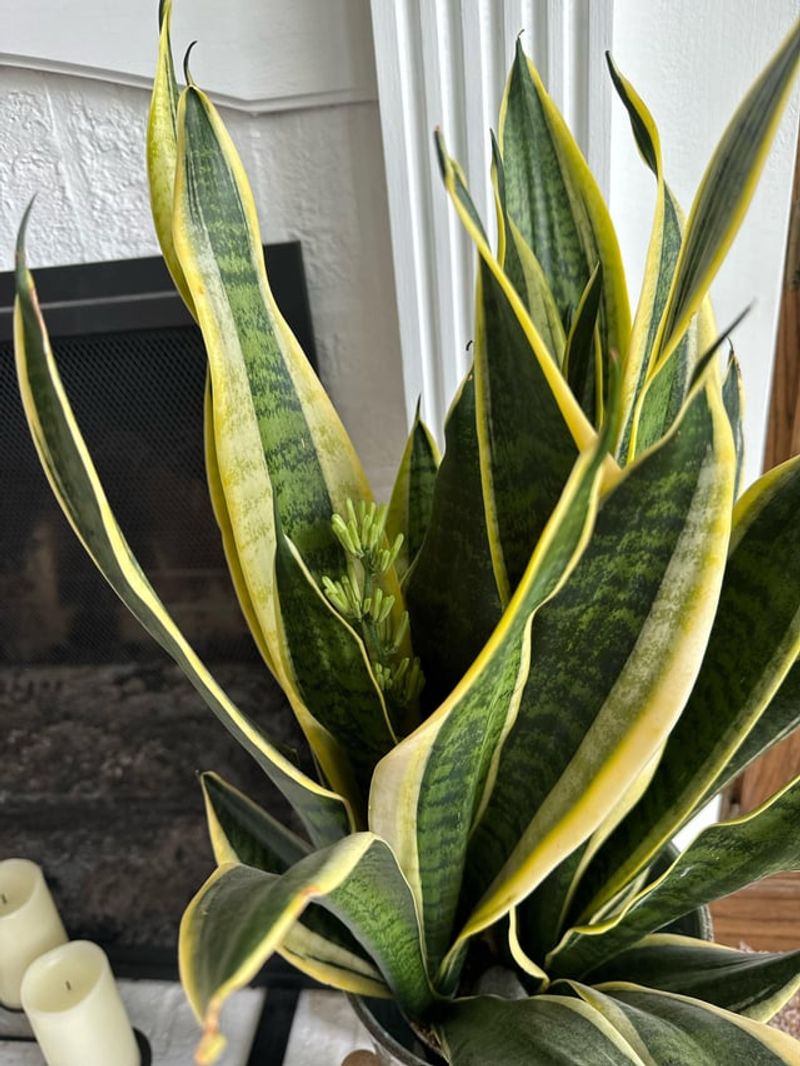
Fertilizer is meant to fuel healthy, actively growing plants, not stressed ones.
During a Michigan July heat wave, when your houseplants are already dealing with intense light, dry air, or temperature swings, pushing them with heavy feeding can actually make things worse rather than better.
A stressed plant cannot process nutrients the way a healthy one can, and excess fertilizer salts can build up in the soil and cause additional problems.
Think of it this way: a person who feels exhausted and overheated does not need a big meal. They need water, rest, and a comfortable environment first.
Plants work similarly. Restoring good conditions, meaning filtered light, steady moisture, and stable temperatures, should always come before reaching for the fertilizer bottle.
If your plants are actively growing and looking healthy despite the heat, light feeding according to the product label directions is perfectly fine.
Many liquid fertilizers recommend diluting to half strength during summer or reducing feeding frequency during hot spells.
Following those directions rather than feeding more aggressively gives plants a gentle boost without overwhelming them.
Watch for signs that a plant is stressed before feeding: wilting despite moist soil, pale or washed-out leaves, and leaf drop are all signals to hold off on fertilizer. Once conditions improve and the plant perks back up, you can resume a regular feeding schedule.
Good timing with fertilizer makes a bigger difference than the product itself.
10. Inspect Outdoor Plants Before Bringing Them Back Inside
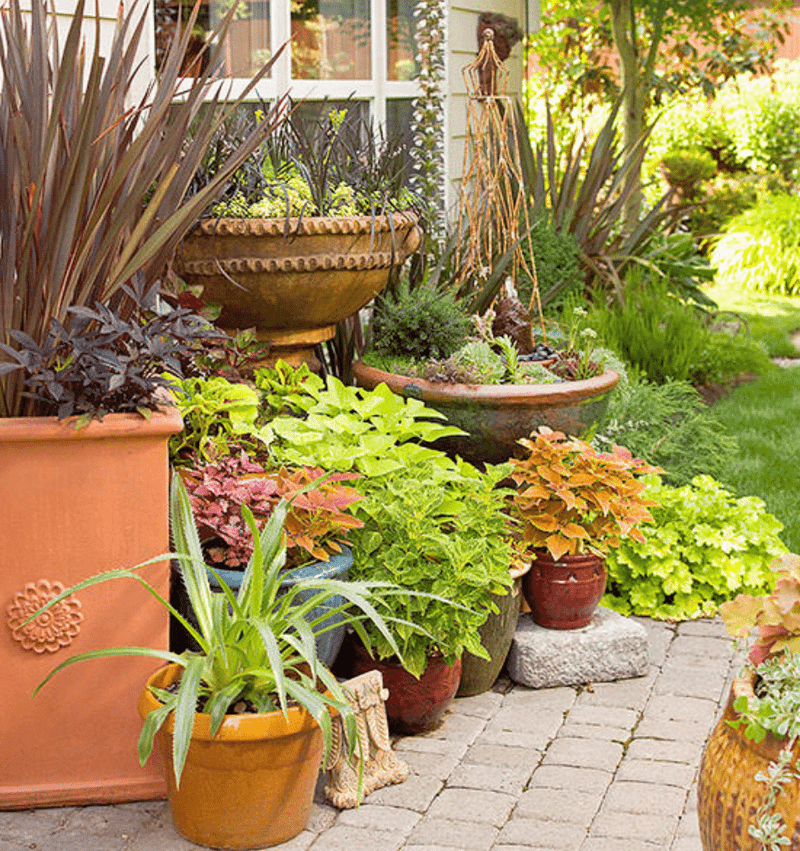
Outdoor summer adventures are great for houseplants, but the great outdoors also comes with uninvited guests. Before any plant that spent time outside makes its way back into your home, a thorough inspection is an absolute must.
Insects, eggs, and other hidden issues can hitch a ride indoors and spread to your entire plant collection if you skip this step.
Check the undersides of every leaf carefully, since many common pests like spider mites, scale, and mealybugs prefer to hide there. Look along the stems, around the base of the plant, across the soil surface, inside the drainage holes, and underneath the saucer.
Even a quick wipe-down of the leaves with a damp cloth before bringing the plant in is a helpful extra measure.
If you spot anything suspicious, treat the plant before it comes inside. Isolating it in a garage or on an enclosed porch for a week or two while you monitor it is always a smart precaution.
Many issues are much easier to handle before they spread. Bringing plants back inside also marks a good time to review your whole July care routine.
The plan that works is straightforward: filtered light, steady moisture, no air vent blasts, bright outdoor shade when needed, careful feeding only for healthy plants, and close daily observation.
Stay consistent with these habits and your Michigan houseplants will finish summer looking strong and ready for fall.