These Are The Plants That Attract Both Painted Buntings And Fireflies To Florida Yards
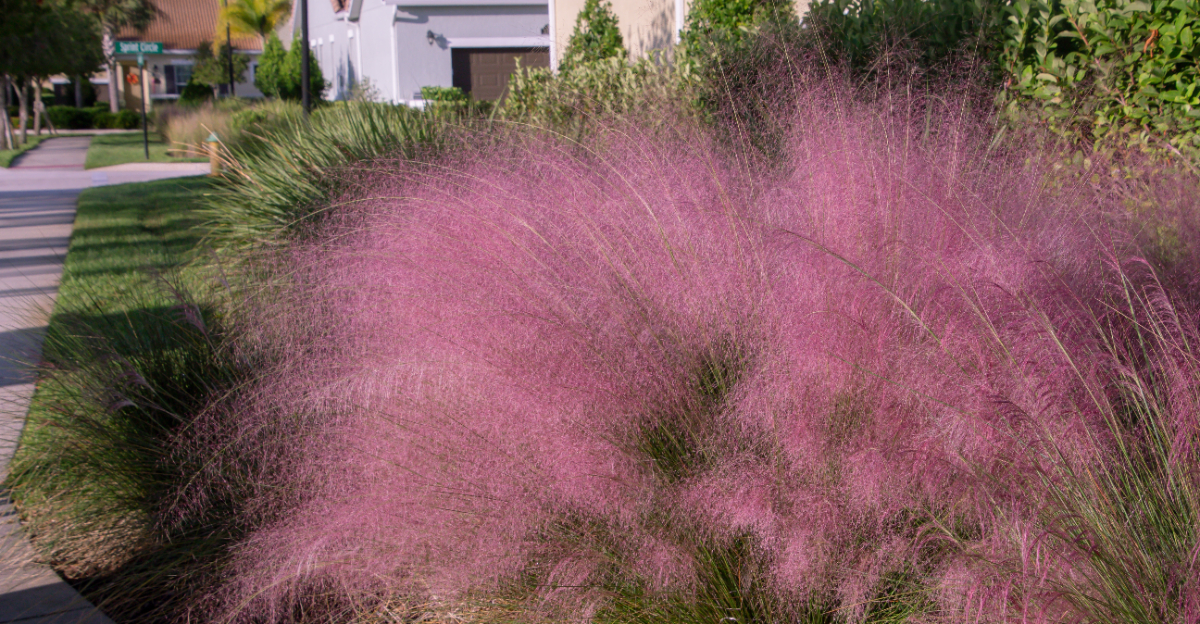
Some Florida yards pull in painted buntings. Others light up with fireflies after dark.
The yards that manage both at once are doing something most homeowners never planned for deliberately. The overlap between what those two creatures need is more significant than most people realize.
Painted buntings want dense native cover, specific food sources, and a yard that feels safe enough to linger in. Fireflies need moisture, leaf litter, specific larval prey, and darkness.
Those requirements sound different on paper. In practice, the plants that satisfy one tend to support the other in ways that make a Florida yard genuinely extraordinary after both sunrise and sunset.
This is not a complicated formula. It is mostly about knowing which Florida natives sit at the center of that overlap and planting them with intention.
A yard that delivers both is a different kind of outdoor space. The right plants make it possible.
1. Muhly Grass Creates Open Cover For Buntings And Firefly Edges
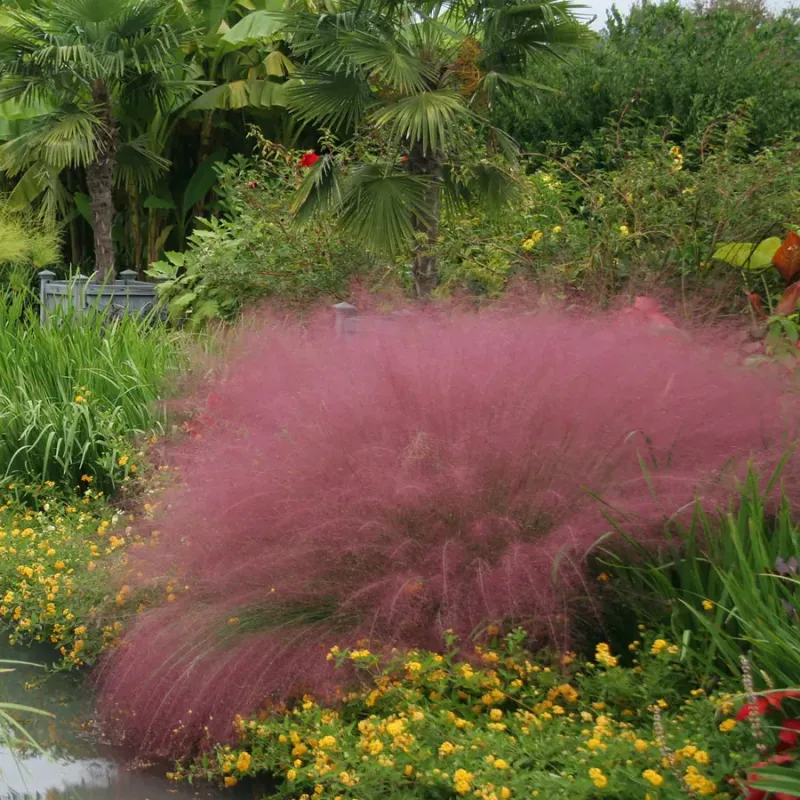
A stand of muhly grass left to grow at a yard’s edge does something quietly useful. Its feathery pink plumes rise in fall, its seed heads linger through winter, and its airy clumps stay open enough for small birds to move around without feeling trapped.
Muhly grass (Muhlenbergia capillaris) is a native Florida grass that thrives in sandy, well-drained soil and full sun. It handles heat well and needs very little supplemental water once established.
For painted buntings, the seed heads offer modest foraging value, and the clumping structure gives low cover near the ground. Buntings are cautious birds that prefer edges where they can dart back into cover quickly.
A row of muhly grass along a fence line or garden border can create exactly that kind of transitional zone.
Fireflies do not flock to muhly grass on its own, but native grass edges can help reduce disturbance in quieter yard zones. When muhly grass is paired with leaf litter left on the soil beneath it, it becomes part of a calmer habitat edge.
Reduced mowing nearby and fewer pesticide applications strengthen that effect. Avoid lighting this area brightly at night.
Firefly mating signals depend on darkness, and even low landscape lighting can disrupt them. Leave the base of the clumps slightly messy.
That small habit supports more life than a spotless mulched bed ever will.
2. Beautyberry Adds Low Shrub Cover With Bird-Friendly Fruit
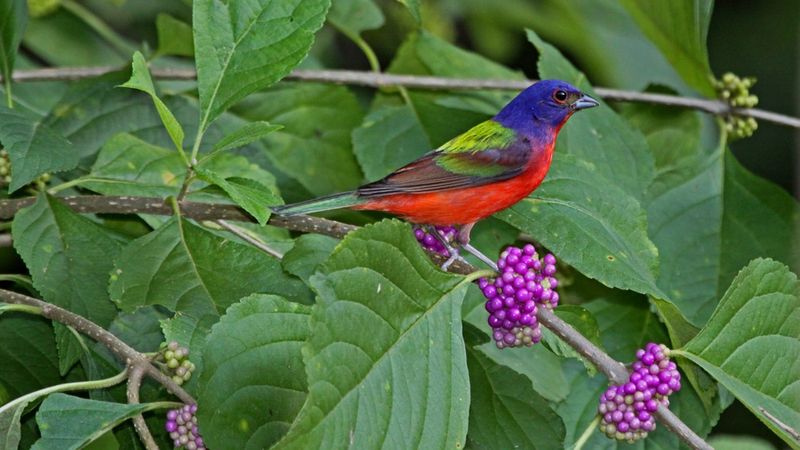
Few native shrubs stop visitors in their tracks the way American beautyberry does when its bright purple berry clusters ripen in late summer and fall. Callicarpa americana is a loosely arching shrub that grows well in partial shade to full sun.
It also tolerates the sandy, sometimes dry soils common across much of this state. It can reach six to eight feet tall and wide, so give it room to spread naturally.
For painted buntings, beautyberry offers two things they value: fruit and brushy cover. The berries are eaten by many bird species, and while buntings lean heavily on seeds and insects, they do use shrubby habitat for shelter and foraging.
Your Florida Garden Changes Every Week. Your Plan Should Too.
Gardening in Florida changes quickly throughout the season. Every Friday you’ll receive a simple weekly plan showing exactly what to plant, prune, fertilize, harvest, and protect so you never miss the right timing.
Planting beautyberry in a loose informal grouping near other native plants builds the kind of layered edge cover that makes cautious birds feel safer.
Shrub beds like this can also support firefly-friendly conditions when managed with a light hand. Leaf litter allowed to collect beneath the branches keeps soil shaded and moist.
That low-disturbance layer is where firefly larvae hunt soft-bodied invertebrates during their long underground stage. Avoid cleaning out every fallen leaf.
Skip pesticide sprays in this zone entirely if possible. If fruit drop near a patio or walkway concerns you, place beautyberry further from high-traffic areas.
The berries can then fall freely without becoming a nuisance or drawing unwanted wildlife close to the house.
3. Switchgrass Brings Seed Heads To A Wildlife-Friendly Yard
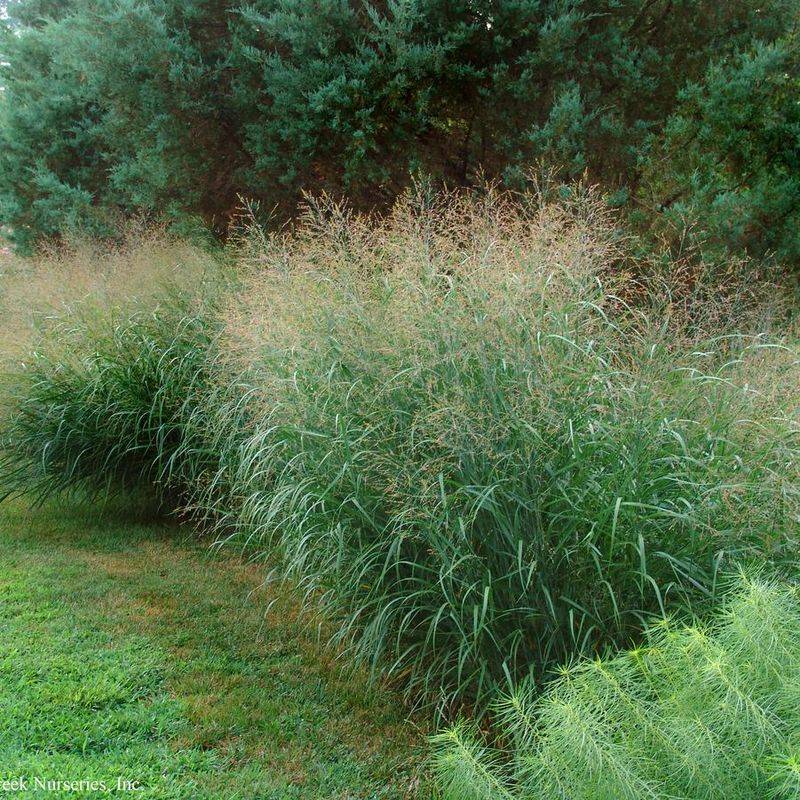
There is something satisfying about a patch of switchgrass standing tall in a sunny border, its airy seed heads catching the light in late summer and fall.
Panicum virgatum is a native warm-season grass that grows well in full sun and adapts to a range of soil types, including sandy and occasionally wet spots.
It brings an upright, meadow-like quality to wildlife plantings that low groundcovers simply cannot match.
Seed-eating birds are drawn to grassy habitat, and painted buntings are no exception. They forage near and in grassy patches, picking up small seeds from stems and the ground below.
Switchgrass left standing through fall and winter offers more foraging value than grass cut back on a tidy schedule. If a feeder is used nearby, keep it clean, positioned away from dense brush that could shelter rats, and check it regularly for mold or spoiled seed.
For firefly habitat, unmowed or low-mow grass zones protect the soil surface and reduce physical disturbance to the ground layer where larvae live. Switchgrass planted in a wider strip, rather than a narrow edging, gives more meaningful habitat depth.
It is not the right plant for a tight foundation bed or a small formal walkway border. It needs space to grow naturally, and cutting it back too aggressively or too often removes the habitat value that makes it worth planting in the first place.
Give it room and let it do its work.
4. Wax Myrtle Builds Brushy Edges Where Buntings Feel Safer
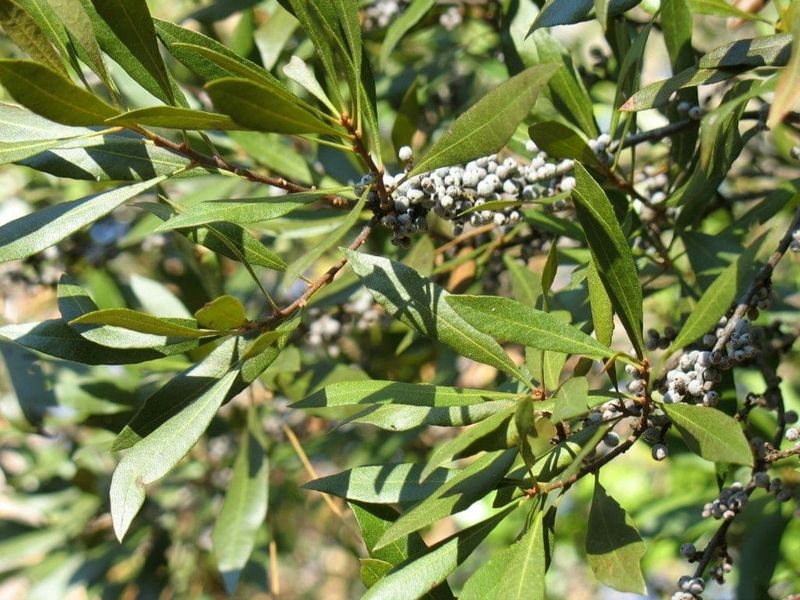
Along a back fence or a property edge where things stay a little wilder, southern wax myrtle earns its place fast. Morella cerifera is a Florida native shrub or small tree that grows quickly and tolerates a wide range of soil and moisture conditions.
It also produces small waxy berries that many bird species eat. It can reach fifteen feet or more if left unpruned, so honest placement matters before you plant it.
Painted buntings respond well to dense, layered shrub edges. Wax myrtle provides exactly that, with thick branching that gives small birds places to perch, hide, and move between foraging spots without feeling exposed.
The berry clusters add seasonal food value, and the shrub’s evergreen nature means cover stays available year-round in warmer parts of this state.
For firefly-friendly conditions, shrub edges like this one work best when the ground beneath them is left relatively undisturbed.
Leaf litter that collects naturally under wax myrtle keeps the soil shaded and retains some moisture, which supports the invertebrate life firefly larvae depend on.
Avoid blowing out every leaf or applying landscape fabric in these zones. Wax myrtle does sucker and can spread wider than expected, so keep it away from the house foundation, drains, and tight walkway borders.
Used along a back edge or naturalized corner, it builds the kind of habitat structure that benefits many yard species quietly and reliably over time.
5. Fakahatchee Grass Gives Damp Edges More Native Structure
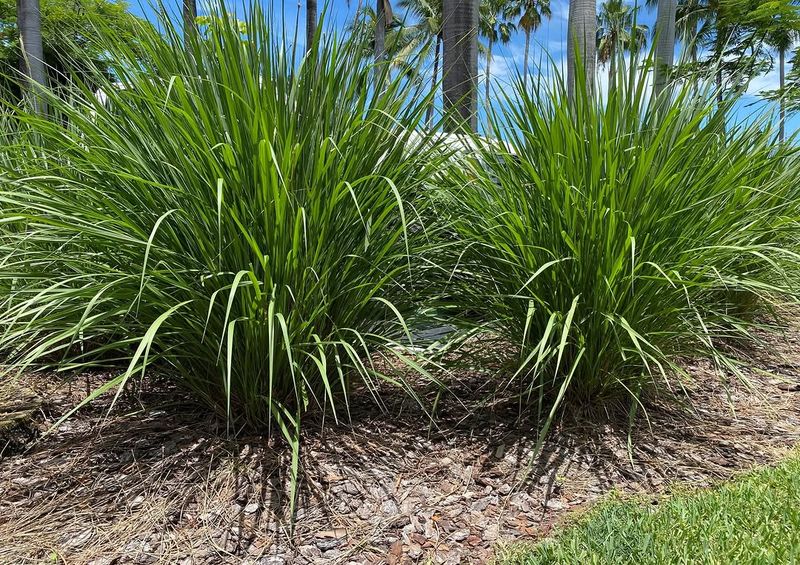
Bold, arching, and unmistakably native, Fakahatchee grass makes an impression wherever it grows. Tripsacum dactyloides is a large native grass that can reach four to six feet tall and equally wide.
It thrives along pond edges, swales, damp borders, and low-lying areas that stay moist during the rainy season. This is not a grass for tight beds or small yards.
It needs room to spread and looks best in wider, naturalistic plantings.
In the right setting, its dense clumping structure and seed-bearing stems can contribute to the kind of grassy cover that seed-eating and ground-foraging birds use.
Painted buntings favor edges where they can move between cover and open foraging areas with short escape routes nearby.
A well-placed stand of Fakahatchee grass along a back edge or pond border can provide that transition zone when combined with other native shrubs and groundcovers.
Damp, low-disturbance edges are exactly the kind of habitat where firefly larvae can thrive. Moist soil supports the soft-bodied invertebrates larvae hunt, and shaded ground beneath large grass clumps stays cooler and less disturbed than open mulched beds.
Avoid using pesticides in these zones and resist the urge to tidy the base of each clump too aggressively. Standing water is not the goal here.
Good drainage with consistent soil moisture is different from a stagnant puddle. Stagnant water can breed mosquitoes rather than support the quiet, damp conditions fireflies actually need.
6. Blue Mistflower Softens Moist Corners For A Larger Food Web
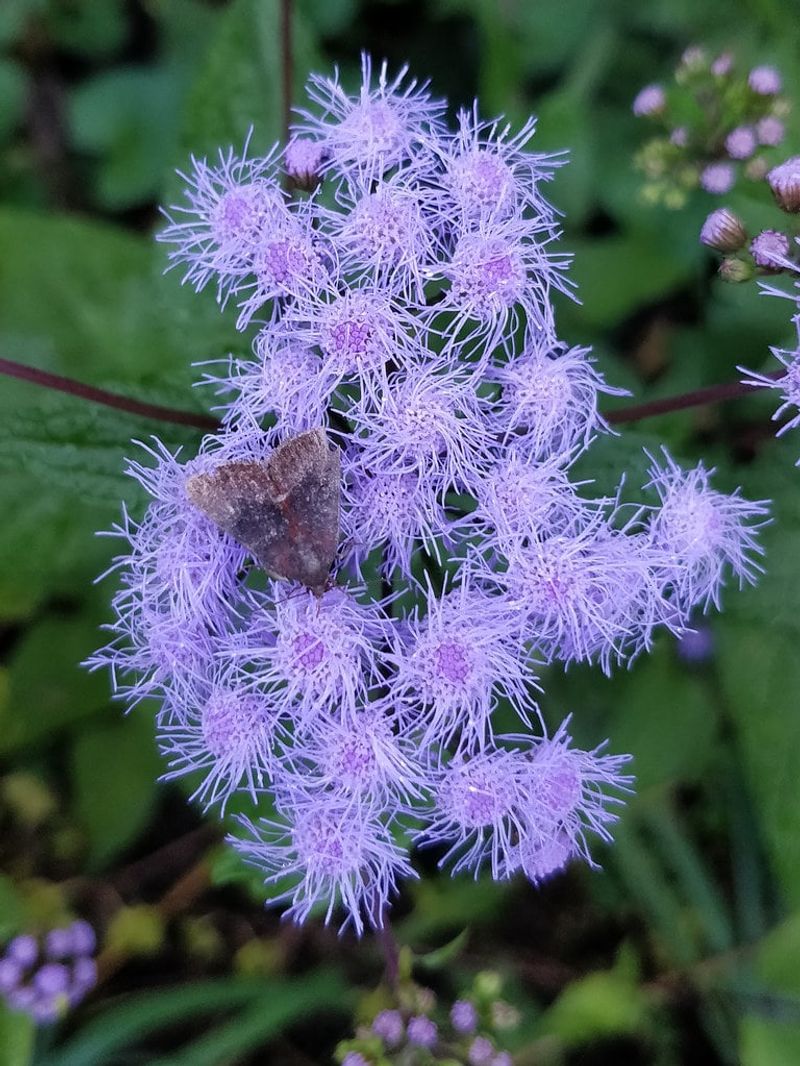
Late in the growing season, when many native plants have already finished blooming, a moist shaded corner planted with blue mistflower comes alive with insect activity.
Conoclinium coelestinum produces clusters of soft lavender-blue flowers from late summer into fall.
Those blooms draw in a wide range of native bees, butterflies, and small pollinators. It grows best in partly shaded to partly sunny spots with consistent moisture.
That makes it well-suited to the kind of damp, low-light corners that exist in many home landscapes.
For painted buntings, the direct value of the flowers is less about the blooms themselves and more about the insects they attract. Buntings eat insects as part of their diet, especially during breeding and migration periods.
A Florida native planting that supports a healthy insect community builds a richer food web that benefits songbirds moving through or foraging nearby.
Moist, pesticide-free corners planted with natives like blue mistflower can also support more invertebrate life at the soil level, which matters for firefly larvae. Firefly larvae are predators that hunt slugs, snails, and other soft-bodied soil invertebrates.
A corner left undisturbed, with some leaf litter on the ground and no pesticide applications, gives that life cycle a better chance.
Blue mistflower spreads by rhizomes and reseeds where it is happy, so give it a spot where some natural spread is welcome rather than a confined formal bed.
Manage it gently and it rewards you generously.
7. Goldenrod Feeds Insects Before Seed-Eating Birds Arrive
Goldenrod has an unfair reputation. Many people blame it for fall allergies, but the actual culprit is usually ragweed, which blooms at the same time.
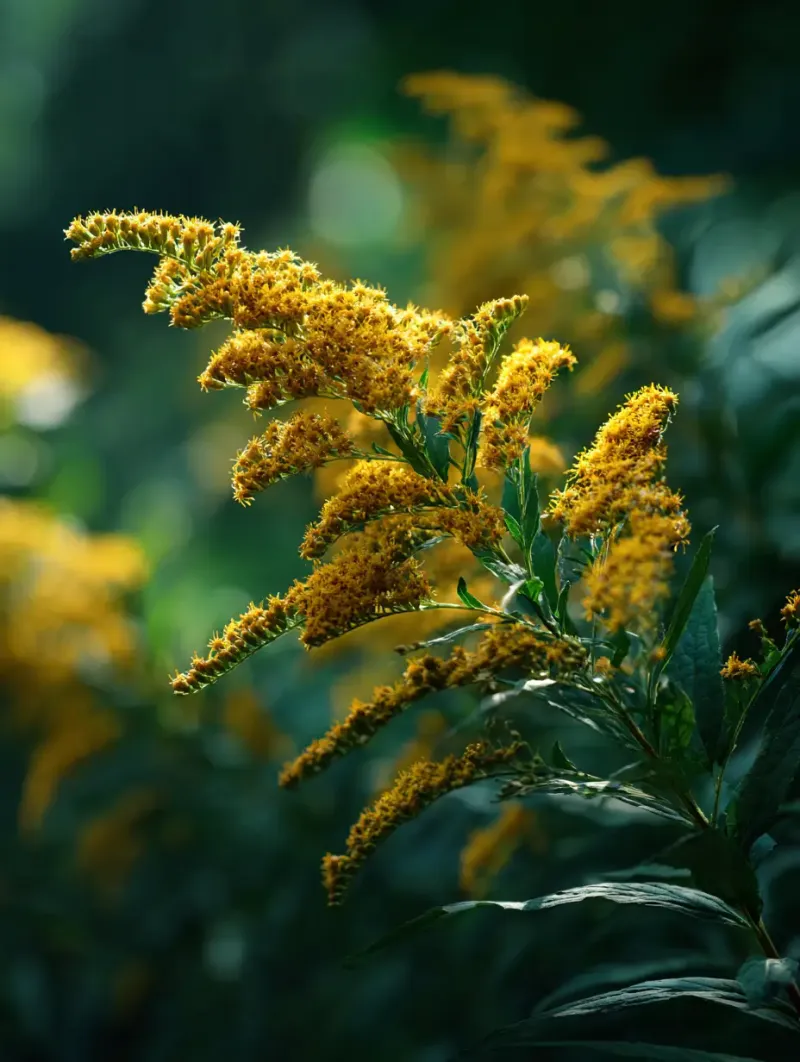
Seaside goldenrod (Solidago sempervirens) is one of the native goldenrods suited to this state. It tolerates sandy soil, salt air, and the full sun conditions common in coastal and open inland yards.
Its bright yellow flower spikes light up the late-season garden and feed an impressive number of native insects before temperatures drop.
That insect activity matters for the broader food web. Painted buntings eat insects as well as seeds.
Native pollinators and small invertebrates make the yard more useful for passing or wintering songbirds. The seed heads that follow goldenrod’s bloom can also offer modest foraging value for seed-eating birds.
For firefly-friendly yards, the connection is indirect but real. A yard that supports a healthy, diverse insect community gives fireflies a better chance.
Avoiding broad pesticide use also helps firefly populations survive and reproduce. Goldenrod supports that insect diversity.
Reduce or stop pesticide applications in areas where goldenrod grows. Let the seed heads and spent stems stand through the season rather than cutting everything back at once.
Goldenrod can reseed and spread, so site it in a spot where some natural movement is acceptable, such as a sunny meadow strip or a wide open border.