Florida Native Edible Plants That Produce Food Through Summer Heat Without Constant Watering
Florida summers are not kind to food gardens. The heat is relentless, and the rain arrives on its own schedule.
Most edible plants that perform beautifully in spring hit a wall by July and need constant attention just to survive. A lot of gardeners quietly give up on food production for a few months and wait for fall.
There is a better option, and it has been growing in our state long before anyone was importing finicky vegetables from seed catalogs. Florida native edible plants are built for exactly these conditions.
Summer heat, inconsistent moisture, humidity that would stress most garden vegetables into submission. These plants handle all of it without demanding much in return.
Some produce fruit. Some offer edible leaves or roots.
A few do more than one thing at once. None of them need babysitting through the hardest months of the Florida growing calendar.
1. Prickly Pear Feeds You From Pads And Summer Fruit
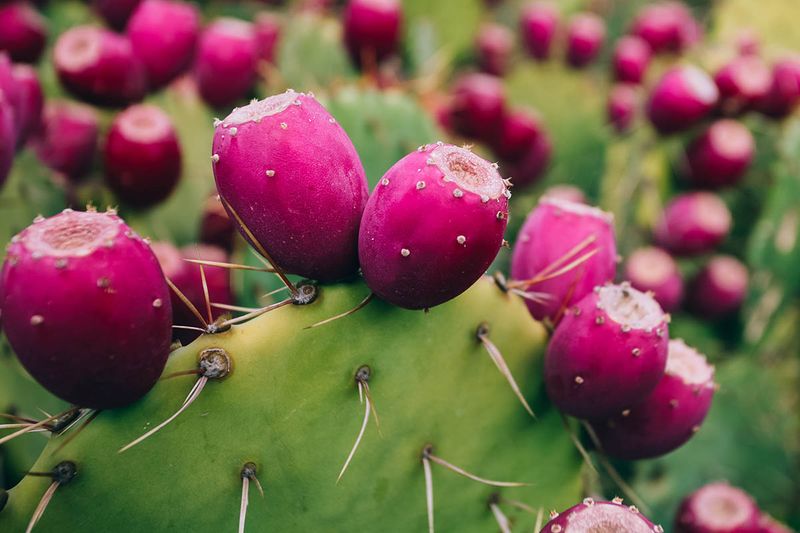
Few plants look tougher than a prickly pear standing in a patch of white sand in the middle of July, and that image is not misleading.
Native Opuntia species found in this state are genuinely built for full sun, poor drainage-free sandy soil, and punishing summer heat.
Once established, they can go through dry spells that would finish off most conventional food crops without missing a beat.
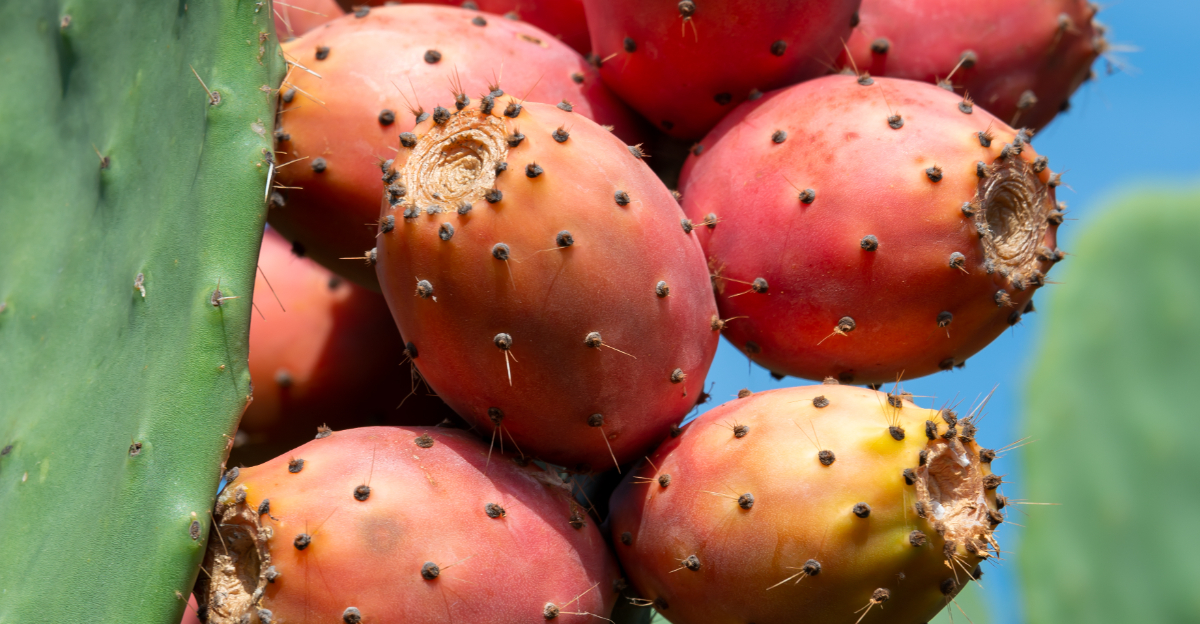
Both the young pads, called nopales, and the ripe fruits, called tunas or prickly pears, have documented edible uses. Young pads can be carefully peeled, sliced, and cooked as a vegetable.
Ripe fruits can be eaten fresh or made into juice, syrup, and jelly. However, preparation requires serious attention.
Spines are obvious, but the tiny hair-like glochids hiding between them are the real hazard. They lodge in skin and are difficult to remove.
Use thick gloves, tongs, and a flame or scrubbing method to remove glochids before handling.
Placement matters as much as soil. Full sun is non-negotiable for strong growth and fruiting.
Keep plants well away from walkways, play areas, and spots where barefoot traffic is likely. Good drainage is essential.
Soggy or poorly drained spots will cause root problems even in a plant this tough.
Use only correctly identified native Florida Opuntia species for edible purposes. UF/IFAS and the Florida Native Plant Society both recognize several native Opuntia species in this state.
Confirm your identification before harvesting. Exotic or ornamental varieties may look similar but are not the same plant.
In a dry, sunny yard with sandy soil, native prickly pear earns its place. It is one of the most practical and visually striking edible natives available to home gardeners here.
2. Gopher Apple Produces Native Fruit In Dry Sandy Soil
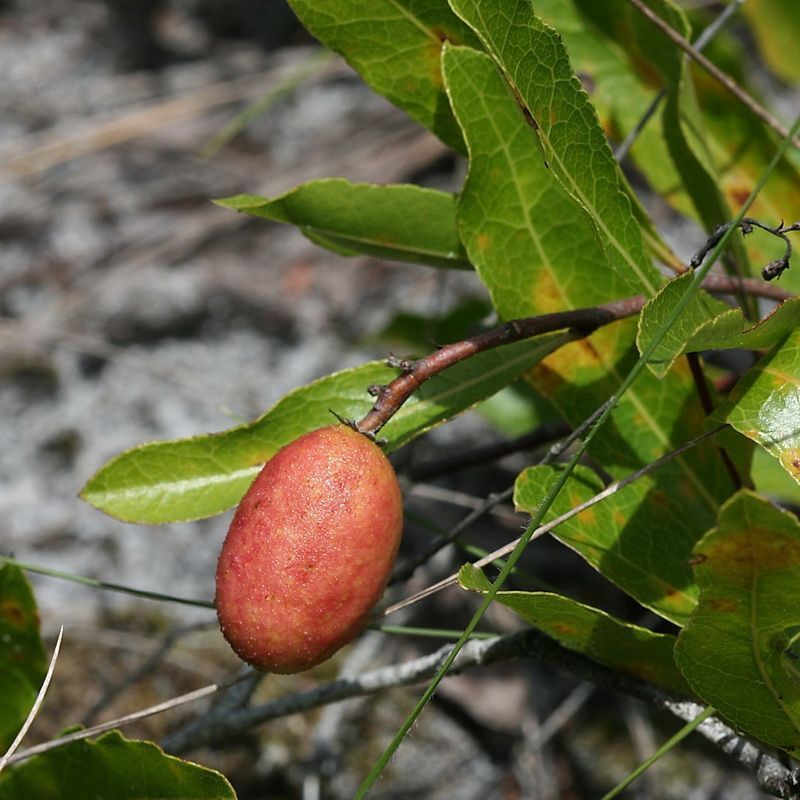
Walk through a dry, open pine flatwood or a scrubby upland in this state and you are likely to step right over gopher apple without noticing it.
Geobalanus oblongifolius hugs the ground so low that it barely registers as a shrub, but do not let its modest size fool you.
Your Florida Garden Changes Every Week. Your Plan Should Too.
Gardening in Florida changes quickly throughout the season. Every Friday you’ll receive a simple weekly plan showing exactly what to plant, prune, fertilize, harvest, and protect so you never miss the right timing.
This plant is one of the toughest native groundcovers available for dry, sandy, sun-drenched spots where most food plants would struggle to survive a single season.
Gopher apple produces small, white to pinkish fruits that are technically edible for humans, though the flavor is mild and subtle rather than bold or sweet.
Wildlife, especially gopher tortoises, foxes, and various birds, value the fruit far more enthusiastically than most people do.
That wildlife connection is part of what makes this plant worth including in an edible native landscape. It feeds the broader ecosystem even when the human harvest is modest.
Honest expectations matter here. Gopher apple is not going to replace a blueberry patch or fill a bowl for the kitchen.
Its value is in what it does for dry native plantings. It stabilizes sandy soil, provides low green cover through the heat, and produces fruit that supports native wildlife.
For gardeners building a layered native edible landscape on a dry, sunny lot, it fills a ground-layer role that few other plants can match.
Rich vegetable-bed conditions are not where this plant belongs. Sandy, well-drained, slightly acidic soil in full sun is its comfort zone, and that matches a huge portion of residential yards across this state.
UF/IFAS Extension recognizes its value for dry native plantings. Plant it where the soil is poor and let it spread slowly on its own terms.
Patience pays off with this quiet, dependable native.
3. Bird Pepper Brings Summer Heat With Tiny Native Chiles
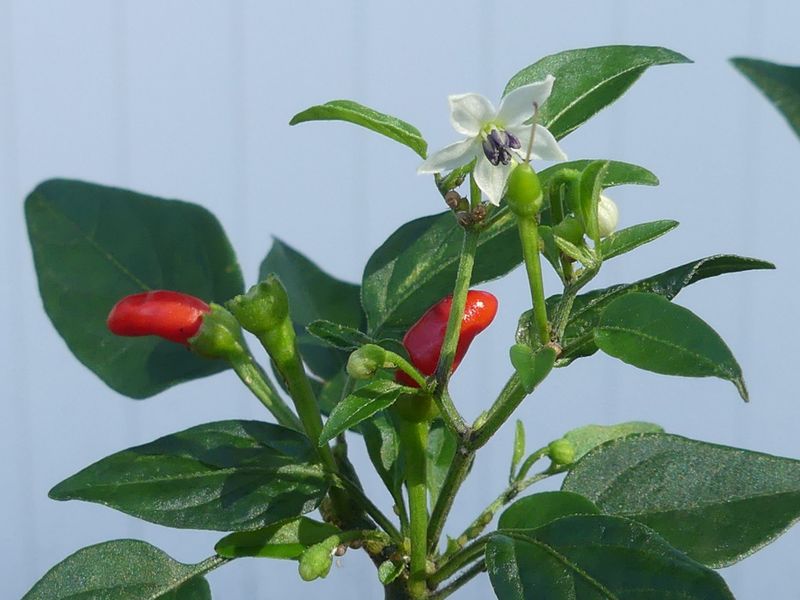
Tiny, fiery, and beloved by birds, bird pepper surprises people. Many do not realize it is actually native to our state and parts of the southeastern United States.
Capsicum annuum var. glabriusculum produces small, upright peppers that ripen from green to bright red and pack serious heat for their size.
Mockingbirds, thrashers, and other fruit-eating birds seek them out eagerly, which also makes this plant a genuine wildlife asset in an edible yard.
For human use, the little peppers are real chiles with real culinary potential. They can be used fresh, dried, or infused into oils and sauces.
The heat level is significant, so a little goes a long way in the kitchen. Gardeners who enjoy cooking with hot peppers will find them genuinely useful.
The plant can keep producing through warm weather when given a sunny spot and reasonable soil.
Heat tolerance is a real strength, but bird pepper is not completely hands-off. During establishment, regular watering is necessary to help roots settle in.
After that first season, plants in the right site can handle dry spells better than most conventional pepper varieties. Performance can vary depending on region, soil type, and how much natural rainfall arrives during the growing season.
Northern regions of this state may see the plant behave more as an annual, while warmer southern and coastal areas can support it as a short-lived perennial.
Full sun and well-drained soil give the best results. Avoid heavy clay or waterlogged spots.
UF/IFAS recognizes bird pepper as native and notes its value for wildlife. In a sunny edible landscape, it adds culinary interest, wildlife appeal, and a connection to the state’s own botanical heritage that no imported pepper variety can offer.
4. Darrow’s Blueberry Handles Heat With Modest Summer Fruit
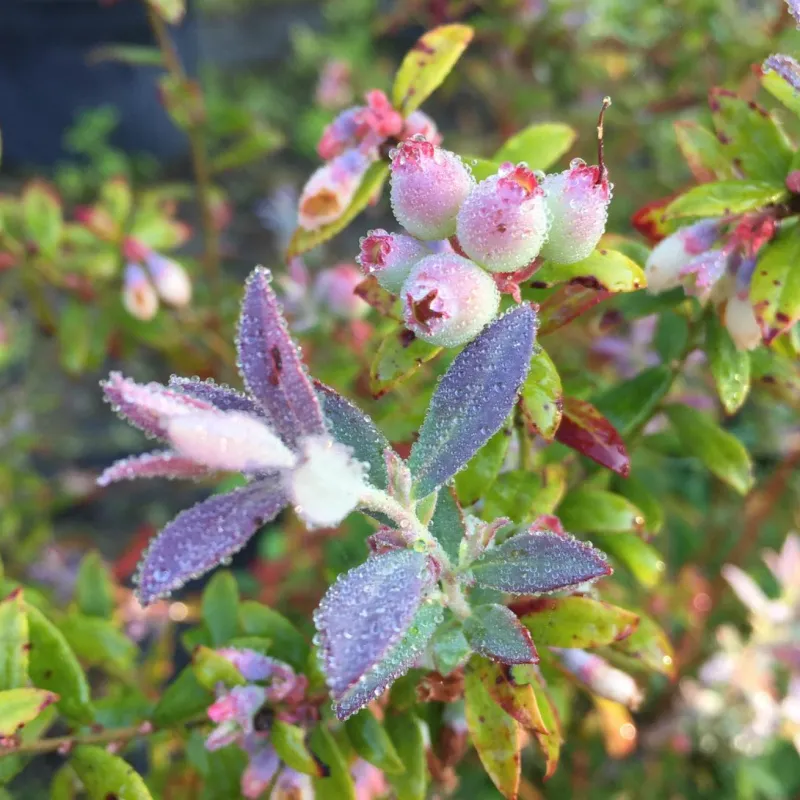
Blueberries and Florida might not be the first combination that comes to mind. But Vaccinium darrowii, known as Darrow’s blueberry, is a genuinely native species that grows wild across the state in dry, sandy, acidic soils.
It is a small, evergreen shrub with attractive blue-green foliage that holds color year-round, making it a useful ornamental plant even outside of fruiting season.
The berries are small and flavorful, and while the crop per plant is modest compared to commercial highbush varieties, the fruit is real and edible. Ripe berries can be eaten fresh or used in cooking just like any other blueberry.
Wildlife, including songbirds, pollinators, and small mammals, also value the fruit and flowers. The spring blooms attract native bees, which adds another layer of ecological benefit to planting this species.
Soil chemistry is the most important factor for success. Darrow’s blueberry needs acidic, well-drained soil with a pH roughly between 4.5 and 5.5.
Sandy upland soils in this state often fit that profile naturally, which is part of why this species does well here. Rich, amended garden beds with neutral or alkaline pH are not a good match.
Test your soil before planting and amend with sulfur if needed to bring the pH into range.
Drought tolerance improves once the plant is established, but consistent moisture during the first season is important for root development. During extended dry spells, even established plants benefit from occasional deep watering to maintain fruit production.
UF/IFAS Extension recommends Vaccinium darrowii as a Florida-friendly native option for edible landscapes with the right soil conditions.
Pair it with other native acid-soil plants for a planting that looks good, feeds wildlife, and puts real berries within reach of the kitchen.
5. Cocoplum Produces Food Where Warm Coastal Yards Stay Dry
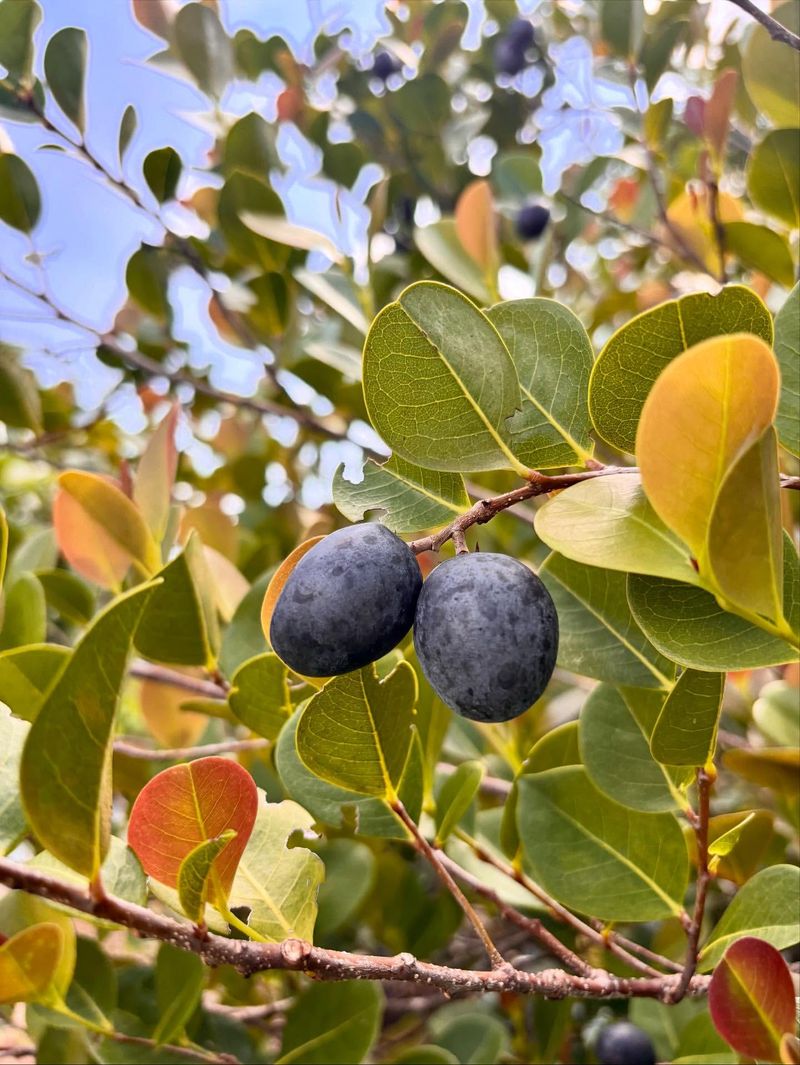
Along warm coastal stretches and through the southern half of this state, cocoplum is a familiar sight in native landscapes, hedgerows, and waterfront plantings.
Chrysobalanus icaco is a native evergreen shrub or small tree that earns its place in warm-region yards.
It combines good looks, useful fruit, and real toughness in coastal conditions.
The fruit is genuinely edible and has a history of use by Indigenous peoples of this region. Ripe cocoplums range in color from white to pink to deep purple depending on the variety, and the flesh is mild and slightly sweet.
The fruit can be eaten fresh, made into jam, or used in other preparations. Wildlife, including birds and small mammals, are enthusiastic about the fruit as well.
A cocoplum planting supports the broader yard ecosystem at the same time it feeds people.
Salt tolerance is a meaningful advantage for coastal gardeners where many food plants struggle. Cocoplum handles salt air and sandy coastal soils with more ease than most edible shrubs.
It also tolerates periodic drought once established, making it a practical choice for yards where irrigation is limited or restricted. Full sun to partial shade suits it well, and it can be maintained as a clipped hedge or allowed to grow into its natural rounded form.
Regional fit is critical. Cocoplum is best suited to southern regions and warm coastal areas of this state.
It does not handle frost well, and gardeners in central or northern regions should not expect it to perform reliably. Fruit quality and quantity can also vary between individual plants and growing conditions.
UF/IFAS recognizes cocoplum as a native species with edible fruit and strong landscape value for warm-region yards. For the right site, it is a genuinely rewarding native edible to grow.
6. Wild Lime Adds Edible Zest Without A Thirsty Routine
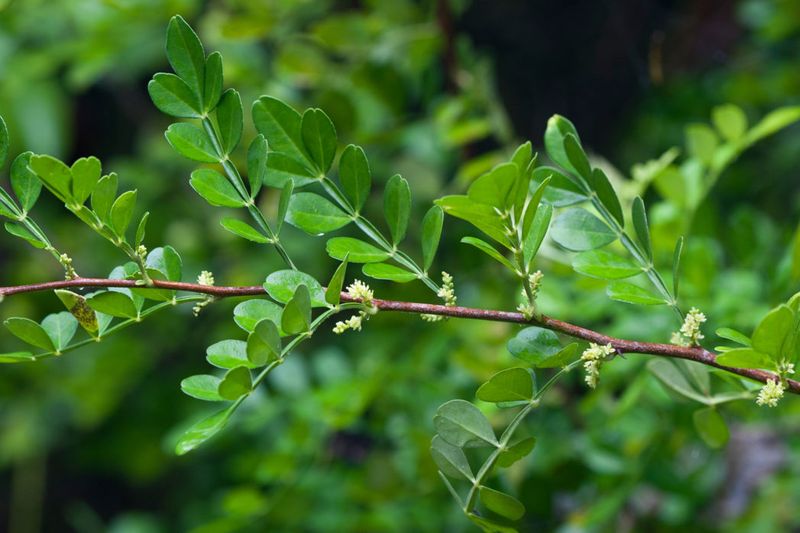
Aromatic, thorny, and deeply connected to this state’s warm-region ecosystems, wild lime is not a citrus tree in the grocery-store sense.
Zanthoxylum fagara belongs to the citrus family, Rutaceae, and carries a citrus-like fragrance in its small, glossy leaves and stems.
But it does not produce juicy limes for squeezing into drinks. What it offers is more subtle and more interesting than that straightforward comparison suggests.
The aromatic leaves and small berries have documented culinary and ethnobotanical uses in warm regions where the plant grows natively. Leaves carry a citrus-pepper quality that can add flavor interest to cooking.
Edible use claims should be approached carefully and verified through credible sources before experimenting.
UF/IFAS and botanical references confirm the plant’s native status and note its aromatic properties and traditional uses in southern Florida and the Caribbean.
Wildlife value is strong and well-documented. Wild lime serves as a larval host plant for the giant swallowtail butterfly, one of the most striking butterflies found in this state.
Adding it to a native edible landscape means supporting pollinators and butterfly populations at the same time as adding culinary interest. That dual purpose makes it genuinely valuable beyond what any single edible harvest could justify.
The thorny stems are a real consideration for placement. Keep wild lime away from spots where children play or where people brush past frequently.
It works well as a natural barrier hedge or as a specimen shrub in a warm sunny corner. It performs best in southern and coastal regions where frost is rare.
Full sun to partial shade and well-drained soil suit it well. Once established, it handles dry periods with less irrigation than conventional citrus requires.
It fits neatly into a lower-water native edible planting without pretending to be something it is not.