These Are The Florida Entry Path Native Plants That Look Like A Landscaper Chose Them
A well-planted entry path does something a driveway or front lawn rarely manages. It signals intention.
It tells anyone approaching the house that someone made real decisions about this space. It does not feel like the space was filled with whatever was available at the garden center that weekend.
Most entry path plantings in Florida look exactly like that, whatever was available. The same cast of familiar shrubs, the same groundcovers, the same color rotation that could belong to any house on any street in the state.
Florida native plants change what that first impression delivers. The right natives have a polish and a presence that reads as considered and deliberate without requiring a professional to pull it off.
They handle Florida’s conditions without complaint and look strong through the hardest months. They also bring a cohesion to an entry path that transplants from other climates rarely match.
A landscaped look is achievable without a landscaper. It starts with the right plants.
1. Coontie Gives Entry Paths Sculptural Native Structure
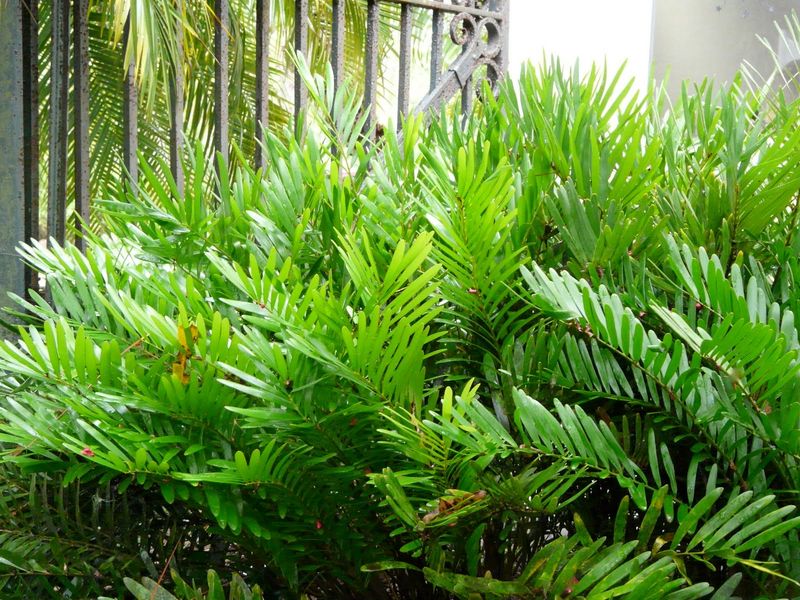
Some plants earn their place by doing one thing exceptionally well, and coontie earns it through form. Zamia integrifolia is our state’s only native cycad, and its arching, dark green fronds create a sculptural mound that reads as intentional from the curb.
Unlike soft or floppy plants, coontie holds its shape through heat, drought, and the long rainy season.
Mature plants typically reach two to three feet tall and wide. That makes them a practical choice for path corners, foundation beds, and spots where a low, clean anchor is needed.
Because fronds arch outward, leave at least two to three feet between coontie and the walking surface so fronds do not crowd the path. Spacing matters more than most gardeners expect.
Coontie is not a palm, though it is sometimes mistaken for one. It grows slowly, which actually helps near entry paths because it will not outgrow its space quickly.
UF/IFAS notes its value as the sole larval host for the atala butterfly, adding wildlife meaning to its visual appeal.
Plant it in full sun to light shade and in well-drained sandy soil. It handles dry periods well once established and needs very little pruning beyond removing old fronds.
For a polished look, mass two or three plants together with consistent spacing and clean mulch edging. Repetition is what separates a designed entry from a random one.
2. Dwarf Yaupon Holly Keeps Walkways Crisp And Evergreen
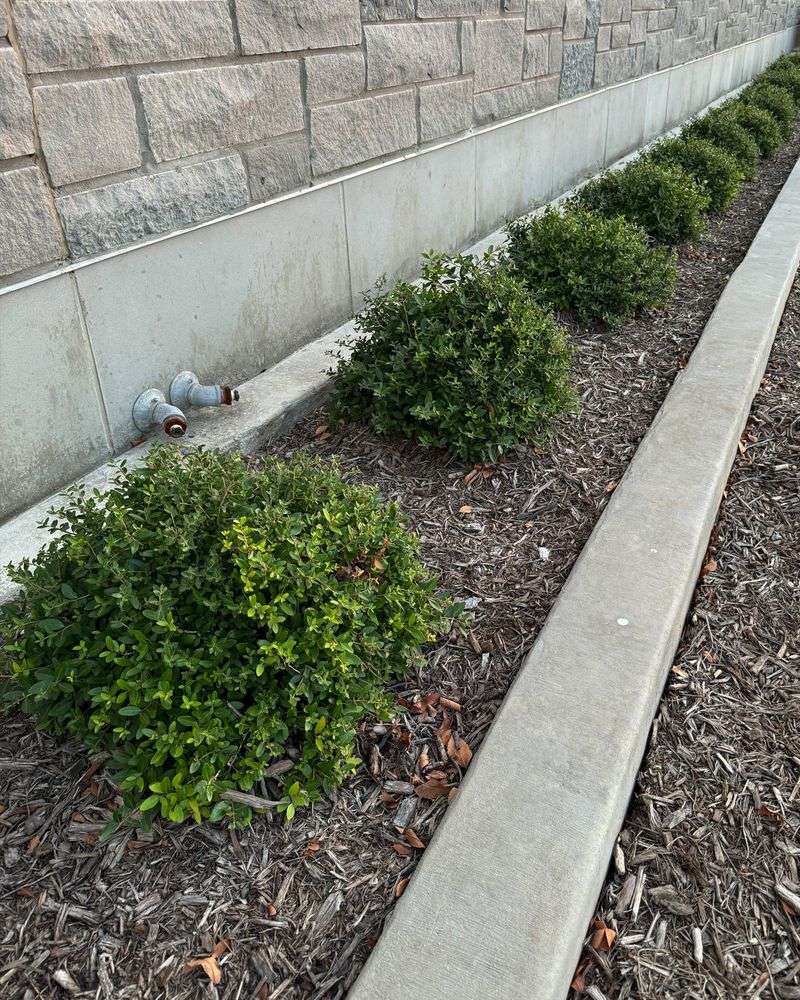
A bare strip of mulch along a sunny walkway can make even a well-maintained yard look unfinished. Compact yaupon holly selections fill that strip with dense, evergreen structure that holds its tidy form without constant shearing.
The small, rounded leaves give the plant a fine texture that reads as polished rather than wild.
Dwarf cultivars of Ilex vomitoria, such as ‘Nana’ and ‘Schillings Dwarf,’ stay low and compact, though mature sizes vary by cultivar. Always confirm the expected mature height and spread before planting near a walkway.
Your Florida Garden Changes Every Week. Your Plan Should Too.
Gardening in Florida changes quickly throughout the season. Every Friday you’ll receive a simple weekly plan showing exactly what to plant, prune, fertilize, harvest, and protect so you never miss the right timing.
Some selections stay under two feet, while others push toward three or four feet wide over time. Choosing the wrong cultivar is the most common reason yaupon hedges eventually crowd a path.
Yaupon holly is native to much of our state and is recognized by UF/IFAS as a Florida-Friendly plant. It tolerates drought well after establishment and handles full sun to part shade.
Birds appreciate the small berries that female plants produce in fall and winter, adding quiet wildlife value to the entry.
For a clean walkway edge, space plants evenly and use consistent mulch depth. Light pruning once or twice a year keeps the form tidy without stripping the plant of its natural texture.
Avoid shearing into tight balls, which looks artificial and reduces berry production on female plants.
3. Simpson’s Stopper Adds Glossy Structure Near The Front Door
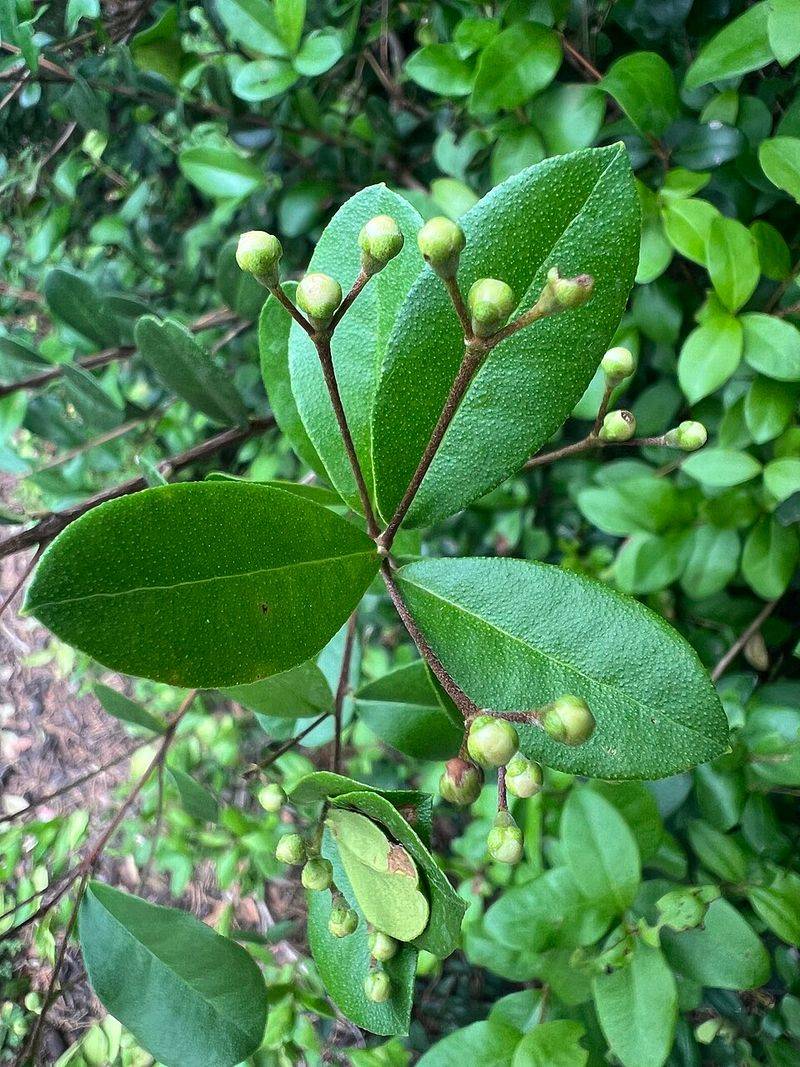
Not every entry plant needs to stay low. Near a front door or at the end of a path, a taller shrub with glossy foliage and a clean branching habit can anchor the whole composition.
Simpson’s stopper, Myrcianthes fragrans, fills that role with refined evergreen structure that looks like it was selected on purpose.
Glossy, dark green leaves and small white flowers that attract pollinators give this native shrub multi-season interest. Orange-red fruit follows the flowers and draws birds, adding wildlife value that goes beyond curb appeal.
In southern and central regions, it grows reliably as a specimen shrub or informal hedge near entryways.
Mature size is the detail most homeowners overlook. Simpson’s stopper can reach ten to fifteen feet tall and several feet wide without pruning.
Placed too close to the front door or path edge, it will eventually crowd the space and require heavy cutting to stay in bounds. Give it room, or plan for regular pruning from the start.
UF/IFAS notes it as a native to coastal hammocks and scrub areas in central and southern regions. It prefers well-drained soil and full sun to light shade.
For an entry path, use it as a background plant behind lower natives, or as a single specimen where width and height are not a problem. Clean edging and consistent mulch keep it looking intentional.
4. Fakahatchee Grass Softens Corners With Designer Texture
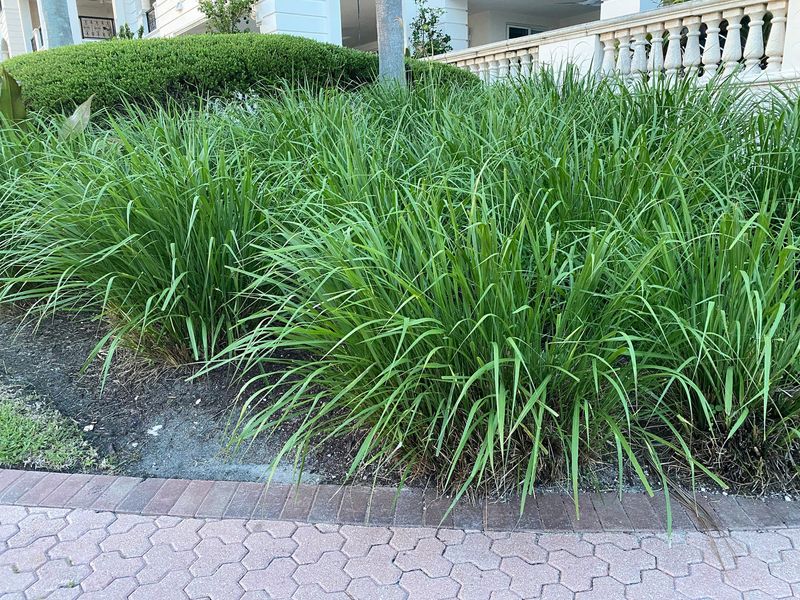
Wide entry bed corners are often the hardest spots to fill well. A single shrub looks lonely, and ground covers alone lack the height and drama the space needs.
Fakahatchee grass, Tripsacum dactyloides, solves that problem with bold, arching blades that bring movement, scale, and a designed quality to large open corners.
This native grass forms a substantial clump, typically reaching four to six feet tall and equally wide at maturity. That size is both its strength and its limitation.
In a wide foundation bed or a broad corner planting, the scale is exactly right. Along a narrow walkway or in a tight strip next to the front door, it will quickly overwhelm the space.
Fakahatchee grass tolerates a range of moisture conditions, from moist low spots to average garden soil. That makes it versatile for our state’s varied drainage patterns.
It provides cover and seed for birds and supports several native insects. UF/IFAS lists it as native to much of the state, including moist flatwoods and disturbed areas.
For a polished look, plant one or three clumps in a corner with enough mulched space around each plant to show off its form. Crowding it with other large plants removes the visual impact.
Cut old foliage back in late winter before new growth emerges to keep the clump looking fresh and well-tended through the growing season.
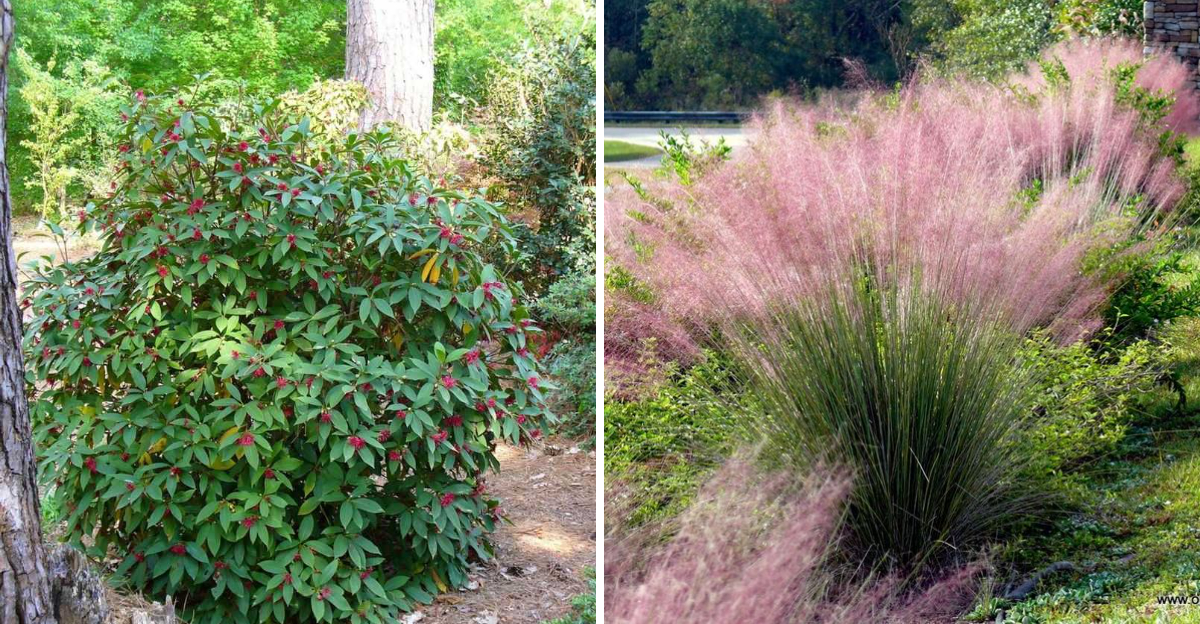
5. Muhly Grass Makes Sunny Path Edges Look Intentional
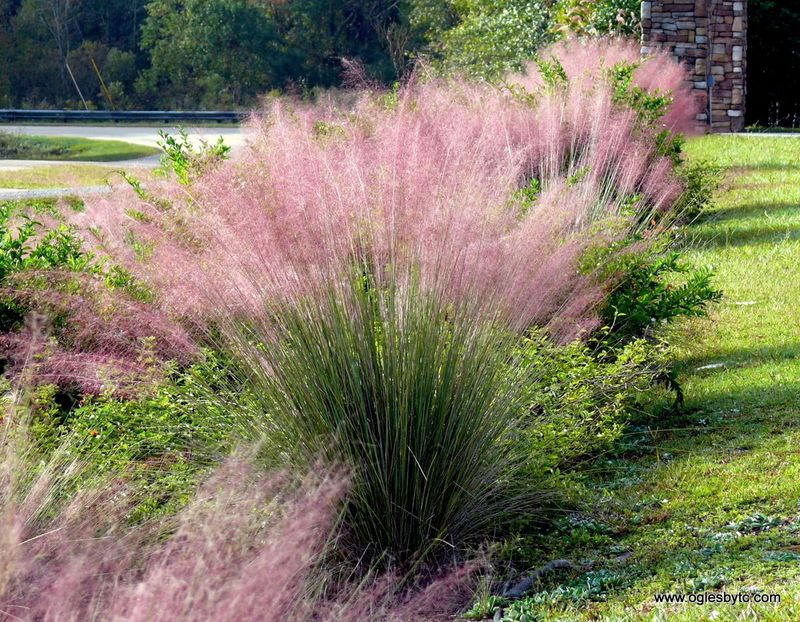
Few things make a sunny path edge look more designed than a row of muhly grass in full bloom. Muhlenbergia capillaris produces clouds of pink-purple plumes in fall that catch light and movement in a way few other natives can match.
Even outside of bloom season, its fine-textured green blades create a soft, airy edge that looks deliberate rather than random.
Muhly grass needs full sun and excellent drainage to perform well. Sandy, well-drained soil suits it far better than heavy or consistently wet ground.
In shadier spots or overwatered beds, it tends to flop and lose the upright form that makes it look so clean along a path edge. Good drainage is not optional for this plant.
Mature clumps reach two to three feet tall and about two feet wide. Spacing plants eighteen to twenty-four inches apart and massing three or more together creates the repetition that makes an entry edge look professionally planted.
A single isolated clump rarely has the same visual impact as a small grouping.
After bloom season, cut the plumes back to keep the clumps tidy. The Wildflower Foundation and UF/IFAS both recognize muhly grass as a native with strong pollinator and wildlife value.
Its seasonal drama, fine texture, and low water needs after establishment make it highly reliable. It is one of the best choices for a sunny path edge that reads as intentional from the street.
6. Florida Anise Turns Shaded Entries Into Lush Native Layers
Shaded entryways present a real design challenge. Most flowering plants want sun, and many shade-tolerant shrubs look dull or sparse in a front bed.
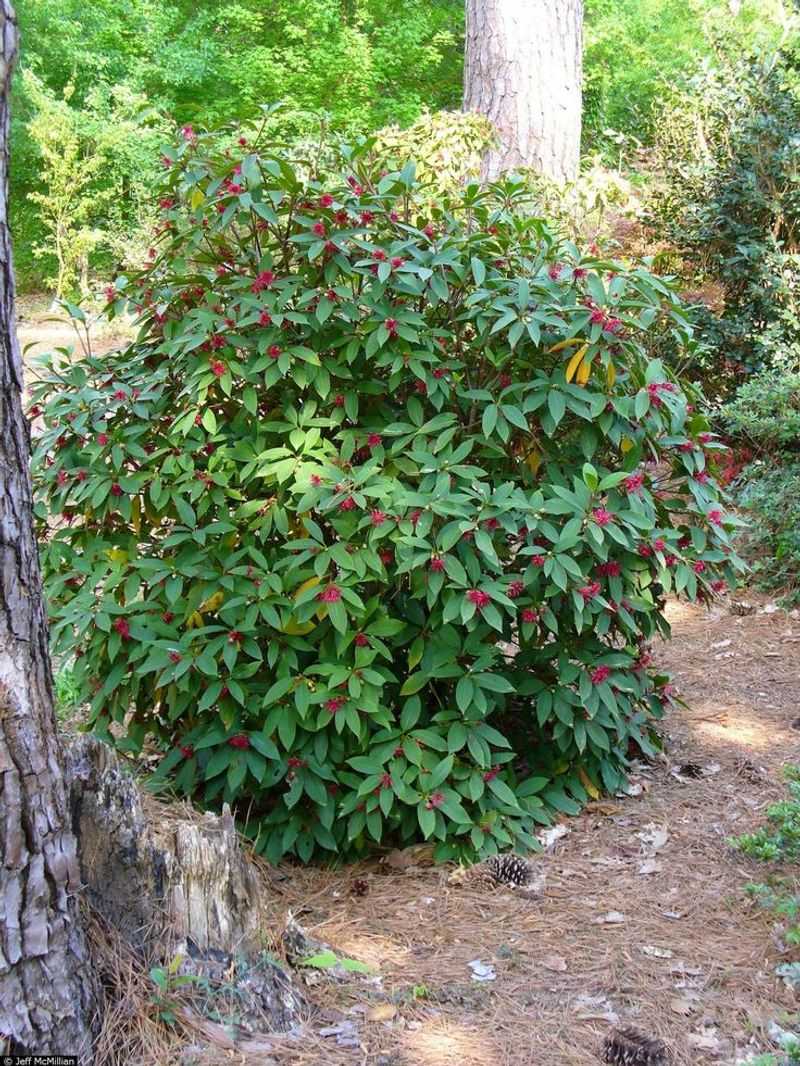
Florida anise, Illicium floridanum, is one of the few native shrubs that thrives in moist shade. It also brings genuine visual weight and a lush, layered quality that shaded entries often lack.
Large, glossy, dark green leaves give this shrub a bold texture that reads well from the street. Unusual deep red, star-shaped flowers appear in spring and add quiet interest without being showy.
Crushing a leaf releases a distinct anise-like fragrance, which is a detail visitors notice up close. The Native Plant Society recognizes it as native to moist, shaded habitats in northern and central regions of our state.
Mature plants can reach six to ten feet tall and nearly as wide without pruning. That size is important to plan for.
Placed too close to the front door or in a narrow strip beside the walkway, Florida anise will eventually outgrow the space and require heavy shaping to stay in bounds. Give it a wide, mulched bed with room to expand naturally.
It prefers moist, acidic, well-drained soil and does not perform well in dry, sunny spots or compacted ground. Pair it with lower shade natives like ferns or native ground covers for a layered look.
Consistent mulch and clean bed edges keep the overall composition looking planned rather than overgrown.
7. Walter’s Viburnum Frames Wider Walkways With Polished Green
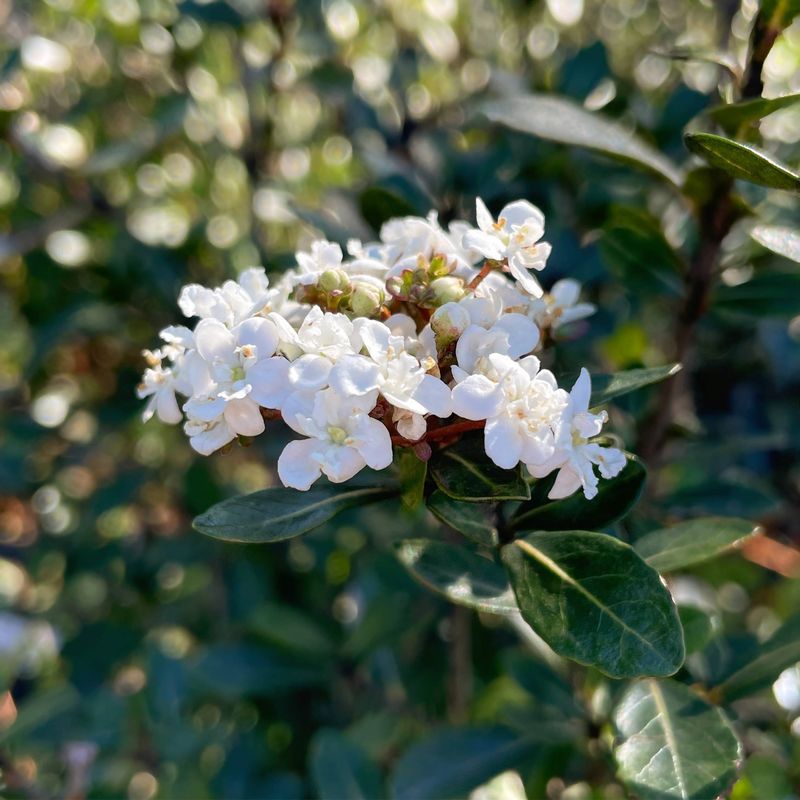
Framing a wider walkway or front-yard border takes a plant with enough substance to hold the line without looking heavy or out of scale. Walter’s viburnum, Viburnum obovatum, brings small, dark green leaves and clusters of white spring flowers.
Its dense evergreen habit creates a polished, structured edge along entry paths with more room to work with.
This native shrub is recognized by UF/IFAS as native to much of our state, where it grows in moist to occasionally dry hammocks and floodplain edges. In the landscape, it adapts well to a range of conditions, including full sun and part shade.
Birds eat the small dark fruit that follows flowering, adding wildlife value to its visual role near the entry.
Mature size for the straight species can reach ten to fifteen feet or more, which makes it a background or screening plant rather than a low walkway edge in most entries. Compact cultivars, such as ‘Mrs. Schiller’s Delight,’ stay much smaller and suit tighter spaces better.
Confirm the mature size of any cultivar before placing it near a walkway or front door.
Even compact forms benefit from occasional shaping to keep the entry looking tidy. Space plants consistently, use clean edging, and allow enough room between the shrub and the walking surface for air circulation and natural spread.
Repetition along a longer walkway border creates the rhythm that gives an entry its designed, intentional quality.
8. Creeping Sage Finishes Shady Path Edges With Low Native Cover
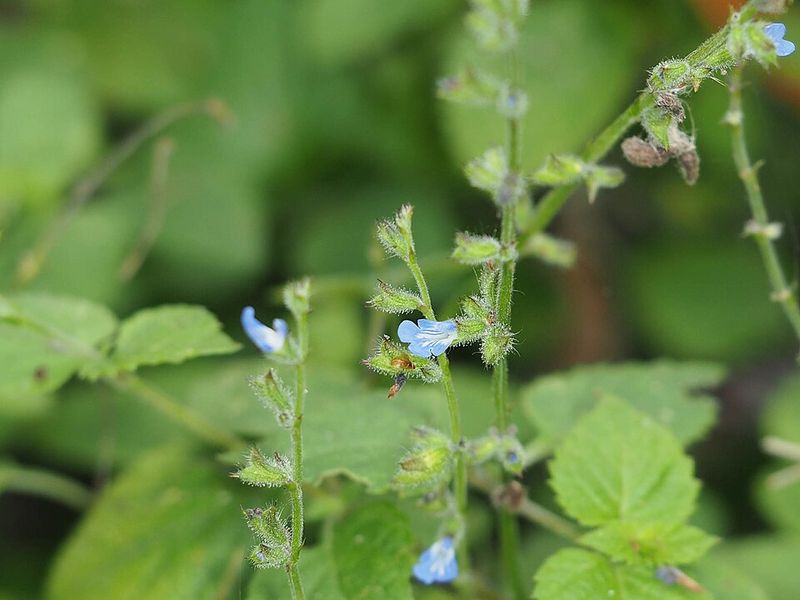
The last few inches between a path edge and a mulched bed often look bare, unfinished, or weedy no matter how well the rest of the entry is planted. Creeping sage, Salvia misella, is a low native ground cover that fills that gap with soft green cover and small flowers.
It gives shaded path edges a finished, intentional quality that bare mulch simply cannot provide.
This native ground cover stays low, typically under six inches tall, and spreads gradually to fill open soil in shaded to partly shaded spots. Small blue flowers appear periodically and attract small native bees, adding quiet pollinator value to a low-traffic edge.
UF/IFAS and Florida Native Plant Society sources recognize it as native to hammock edges and disturbed moist shade in our state.
Creeping sage is not suited for heavy foot traffic and should not be used as a lawn replacement or in spots where people regularly step. It works well along informal path edges, between lightly used stepping stones, or at the base of taller native shrubs.
It serves as a soft finishing layer that ties the composition together.
It prefers moist, well-drained soil with consistent organic matter and does not perform well in dry, sunny, or compacted spots. Pair it with taller shade plants like Florida anise or native ferns for a layered entry bed.
Consistent mulch around it, rather than over it, and clean bed edging keep the overall entry looking polished and well-considered from the street.