Tennessee Gardeners Who Start Broccoli Indoors Now Will Thank Themselves In Fall
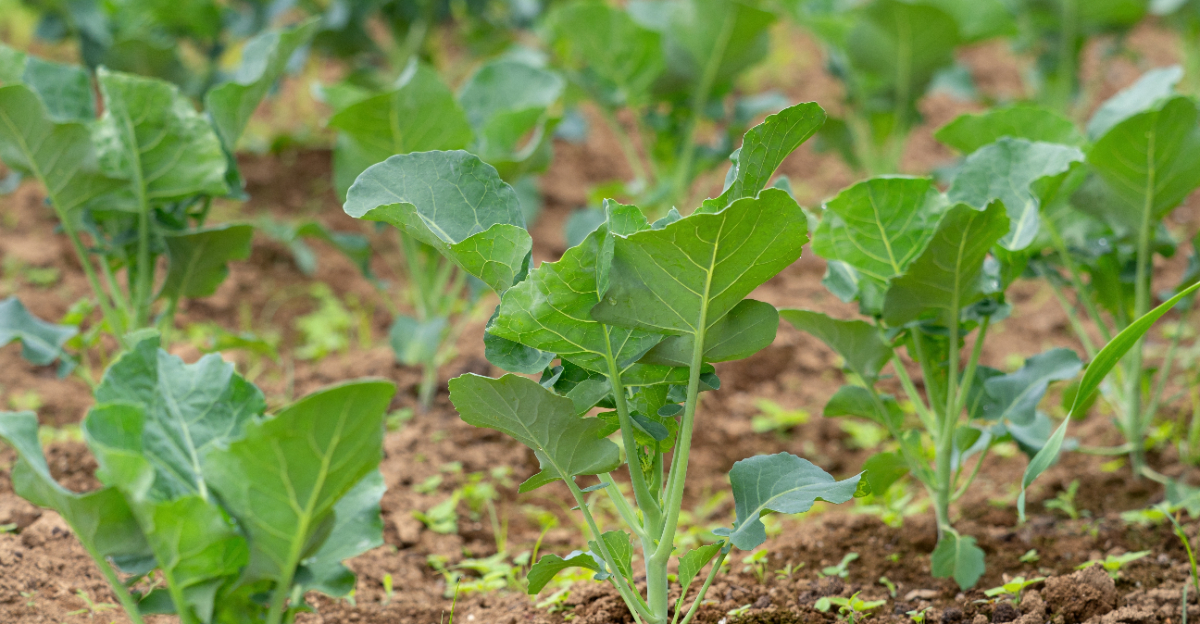
Fall broccoli doesn’t just happen. It’s planned, started indoors, and coaxed through Tennessee’s unpredictable heat before it ever sees the garden.
Most gardeners wait too long, direct sow into tired summer soil, and end up with leggy plants that bolt before October even settles in. The ones who get it right start inside, on schedule, with seedlings that are sturdy enough to handle the transition.
Tennessee’s fall growing window is real, but it’s narrow. Miss it by a few weeks and you’re nursing plants through frost instead of pulling heads at peak.
Starting broccoli indoors now puts you on the right side of that equation. You control the germination environment, you control the timing, and you hand the garden a transplant that’s already done the hard work.
That’s the difference between a fall harvest worth talking about and a patch of what-could-have-been.
Starting Broccoli Indoors Gives Tennessee Gardeners A Real Edge On Fall
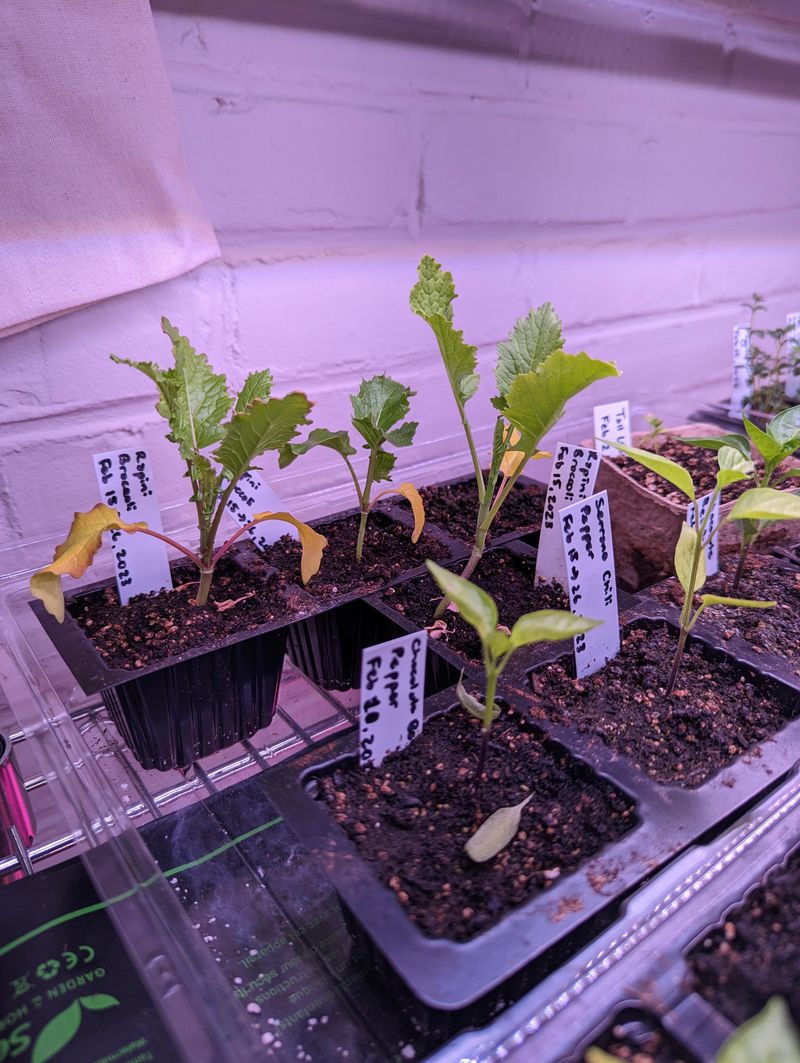
Most gardeners wait too long, and the season slips away fast. Starting broccoli indoors gives you control that direct sowing simply cannot match.
When you start seeds inside, you protect young plants from summer heat stress. Broccoli seedlings need stable temperatures to develop strong root systems before transplanting outdoors.
Tennessee’s brutal late-summer heat can cook young seedlings planted directly in the ground. Indoor starting sidesteps that problem completely, giving sprouts a cool, controlled environment to grow strong.
Your transplants will be 4 to 6 weeks old before they ever face outdoor conditions. That head start means they hit the fall garden already tough and ready to perform.
Gardeners who start broccoli indoors often find their transplants produce bigger heads and earlier harvests. The investment of a few seed trays and some patience pays off in a big, satisfying way come October.
Timing your indoor start correctly is the foundation of everything else. Get this step right, and the rest of your fall garden almost takes care of itself.
Tennessee sits in a tricky zone where summer lingers longer than gardeners would like. That extra heat at the tail end of the season is exactly why indoor starting isn’t just helpful here, it’s the smarter approach for anyone serious about fall production.
Broccoli matures best when temperatures are falling, not rising. Those extra weeks indoors mean your transplants hit the garden right as conditions start working in their favor.
How Tennessee’s Climate Shapes Your Broccoli Growing Window
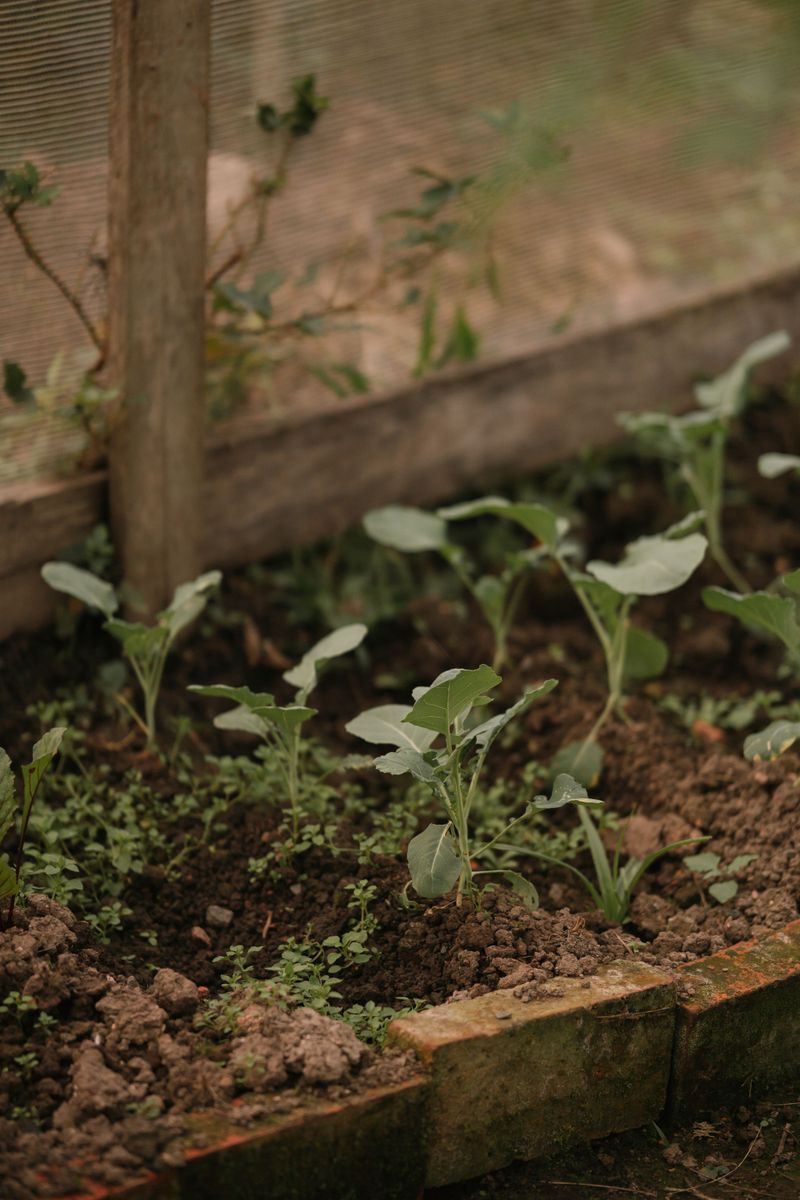
Knowing your local climate is the difference between a bumper crop and a total bust. Tennessee sits in a unique growing zone that rewards gardeners who pay close attention to seasonal shifts.
Most of the state falls in USDA zones 6b through 7b, with parts of West Tennessee reaching 8a. That means fall temperatures drop into broccoli’s sweet spot, between 55 and 75 degrees Fahrenheit, right when you need them most.
Broccoli thrives in cool weather and actually tastes sweeter after a light frost. Planning your indoor start date around the first expected frost gives your crop its best shot at success.
Your Tennessee Garden Changes Every Week. Your Plan Should Too.
Gardening in Tennessee changes quickly throughout the season. Every Friday you’ll receive a simple weekly plan showing exactly what to plant, prune, fertilize, harvest, and protect so you never miss the right timing.
In Middle Tennessee, the average first frost arrives around mid-October to early November. East Tennessee tends to see frost a bit sooner, while West Tennessee gets a slightly longer warm season.
Every Tennessee county has its own microclimate quirks worth knowing. Elevation, proximity to rivers, and urban heat all shift your frost dates enough to matter when you’re timing a fall crop this precisely.
A quick check with your local cooperative extension office can confirm the average first frost date for your specific area. That one piece of information is worth more than any general planting calendar you’ll find online.
Counting backward from your expected frost date tells you exactly when to start seeds indoors. Most broccoli varieties need 80 to 100 days from seed to harvest, so plan accordingly.
Starting broccoli indoors in mid-to-late July puts your transplants in the ground by late August. That timeline lines up beautifully with Tennessee’s natural fall cooling pattern, giving your crop exactly what it craves.
What You Need Before Your First Seeds Go In
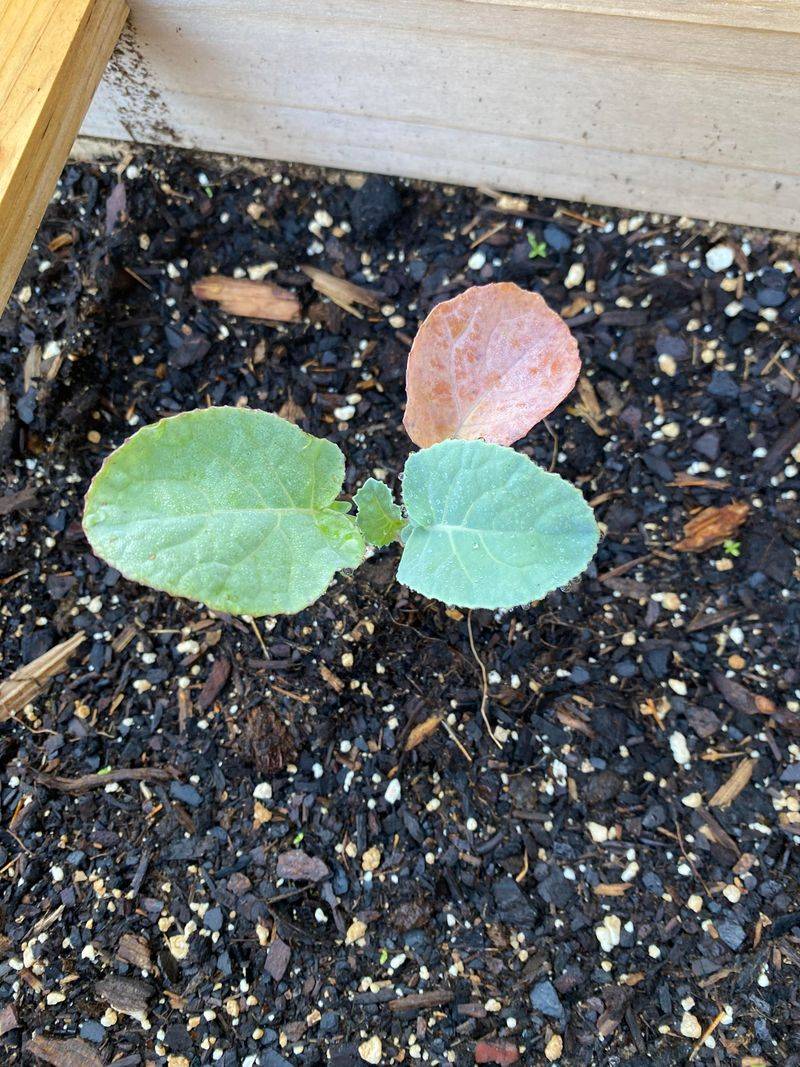
Before anything goes into soil, getting your supplies sorted makes the whole process smoother. A few key tools are all you need to set yourself up for a strong indoor start.
Seed-starting mix is your first essential purchase. Regular potting soil holds too much moisture and can suffocate delicate roots before they establish themselves properly.
Choose a lightweight, well-draining mix designed specifically for seed germination. These mixes give young roots the air pockets they need to spread out and grow confidently from day one.
Small cell trays or seedling pots work perfectly for broccoli. Each cell should hold at least one to two ounces of growing medium to support root development over several weeks.
A simple spray bottle or gentle watering can keeps moisture levels consistent without drowning fragile seedlings. Overwatering is one of the most common mistakes beginners make, and it is easy to avoid.
Quality broccoli seed varieties suited to fall planting matter more than most people realize. Look for names like Belstar, Diplomat, or Waltham 29, all of which perform reliably in Tennessee’s fall conditions.
Starting broccoli indoors with the right supplies from the beginning saves frustration later. A small upfront investment in good materials leads to transplants that hit the garden running strong.
Setting Up Your Indoor Seed-Starting Space For Success
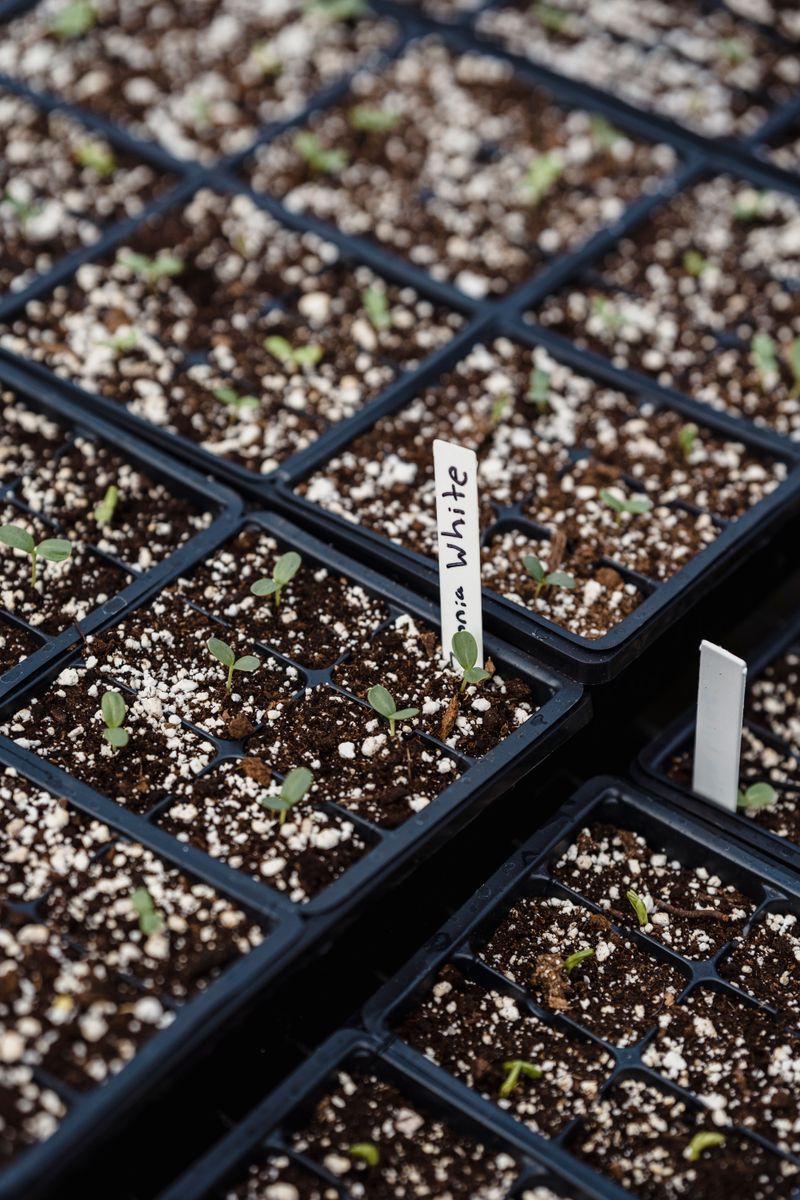
Bright light is the single most important factor in your indoor setup. Without enough of it, seedlings stretch thin and weak, making them poor candidates for outdoor transplanting.
A south-facing window can work in a pinch, but supplemental grow lights are far more reliable. LED grow lights positioned 2 to 3 inches above seedlings keep plants compact and sturdy throughout their indoor stay.
Keep your grow lights on for 14 to 16 hours each day to mimic long summer daylight. A simple outlet timer takes the guesswork out of managing that light schedule automatically.
Temperature matters almost as much as light when starting seeds indoors. Broccoli germinates best between 65 and 75 degrees Fahrenheit, so avoid placing trays near cold drafts or hot vents.
A heat mat placed under seed trays can speed germination significantly. Most broccoli seeds sprout within 5 to 10 days when soil temperature stays consistently warm and moist.
Good airflow prevents damping off, a fungal problem that collapses seedlings at the soil line. A small fan running on low nearby keeps air moving and stems growing thick and strong.
Setting up a smart indoor space for starting broccoli indoors is a one-time effort that pays dividends every season you garden.
Transplanting Broccoli Seedlings Into The Fall Garden
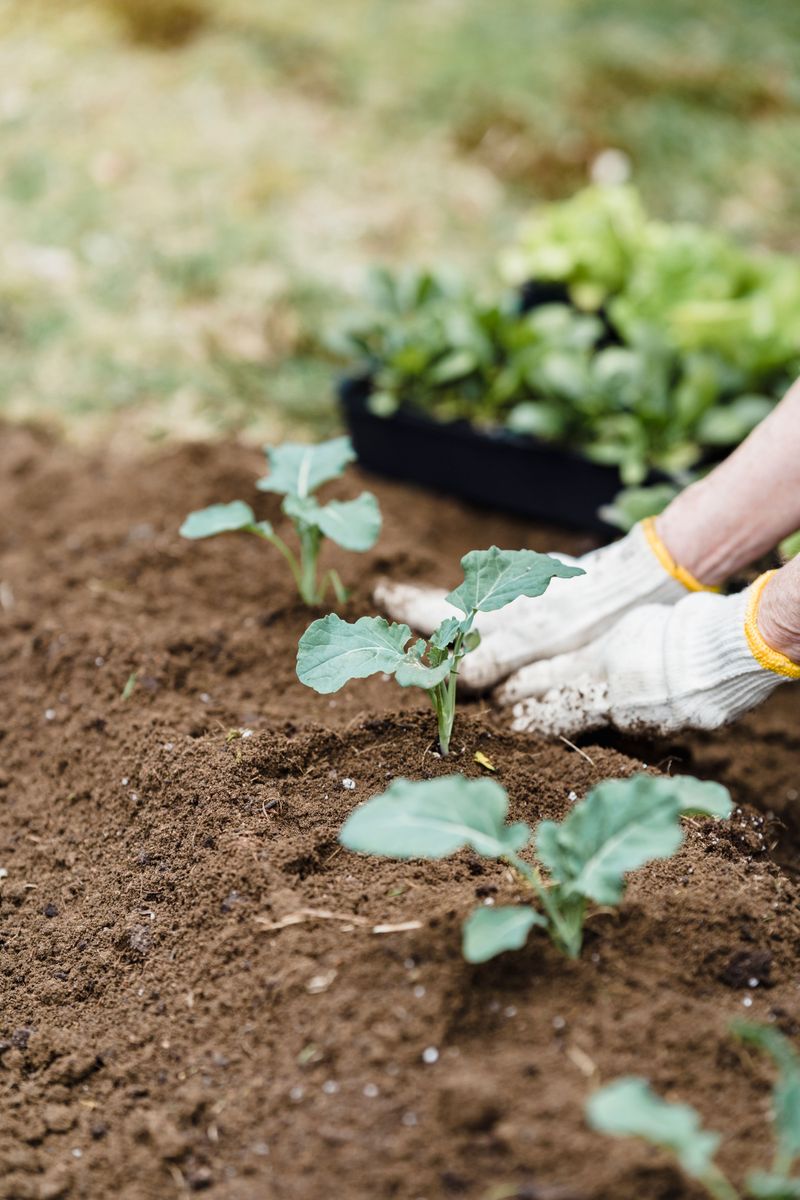
Transplant day feels like the payoff for all those weeks of careful indoor tending. Getting this step right determines whether your broccoli thrives or struggles through September.
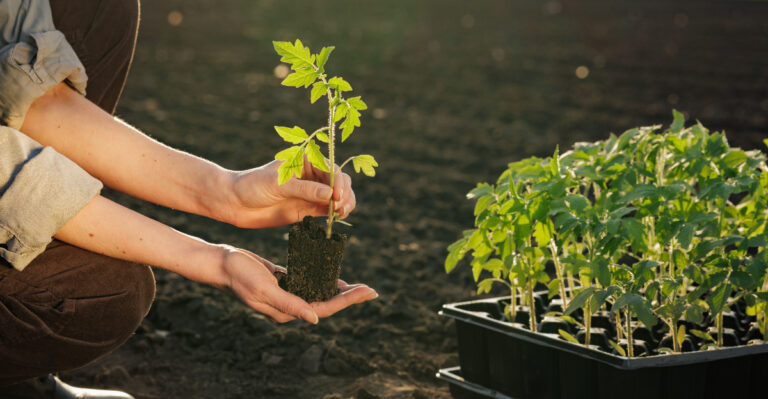
Harden off your seedlings before moving them outside permanently. Set trays outdoors in a shaded, sheltered spot for a few hours each day over one to two weeks, gradually increasing their sun exposure.
Skipping the hardening-off process shocks plants and stalls their growth significantly. A little patience during this transition period prevents weeks of recovery time once seedlings hit the garden bed.
Choose a planting location that gets at least 6 hours of direct sun daily. Broccoli needs strong light to form tight, dense heads, so avoid spots shaded by trees or fences.
Space transplants 18 to 24 inches apart to give each plant room to spread its leaves wide. Crowded plants compete for nutrients and often produce smaller, looser heads at harvest time.
Amend your garden bed with compost before planting to boost nitrogen levels. Broccoli is a heavy feeder that rewards rich, fertile soil with bigger, more flavorful heads in the fall.
Water transplants deeply right after planting to settle the soil around roots. Starting broccoli indoors and transplanting with care sets the stage for a rewarding October harvest you will genuinely look forward to.
Caring For Your Broccoli Crop Through Harvest
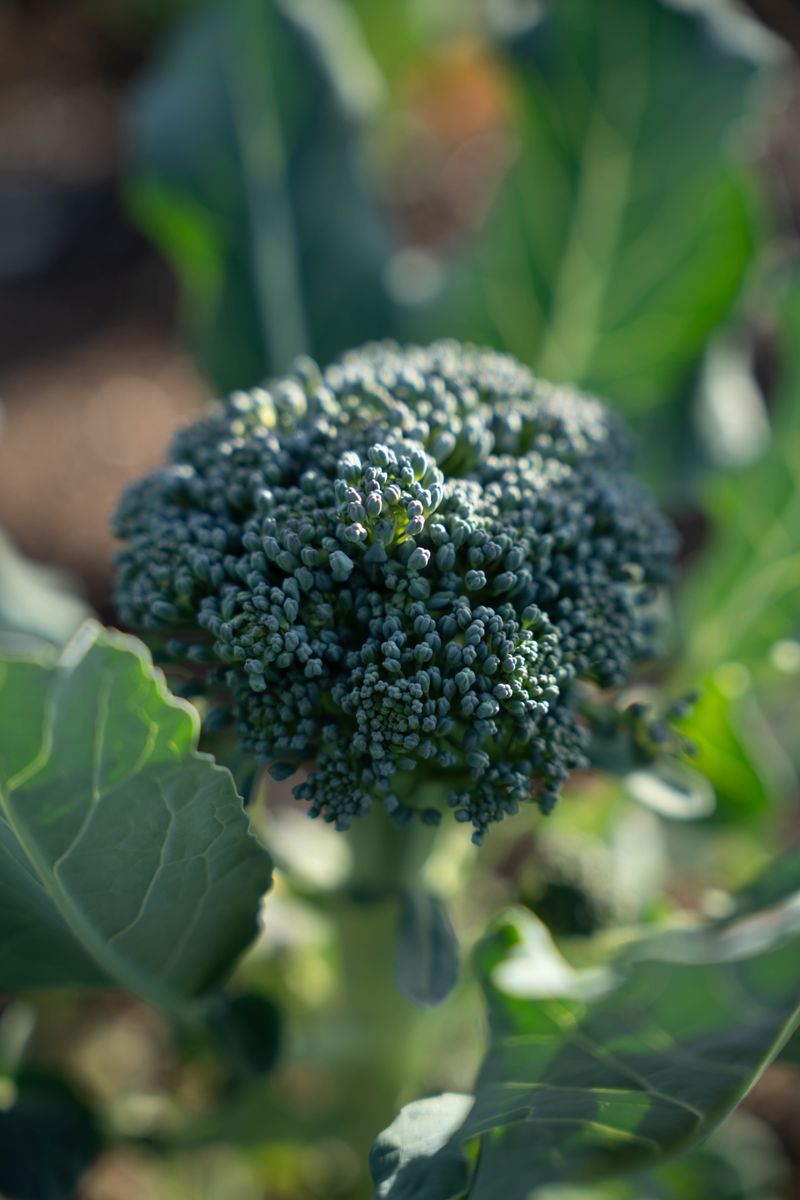
Consistent care after transplanting is what separates a mediocre harvest from a truly impressive one. Broccoli rewards attentive gardeners with dense, flavorful heads that make every effort worthwhile.
Water your plants deeply once or twice per week, depending on rainfall. Broccoli prefers consistently moist soil but suffers in waterlogged conditions, so check the top inch of soil before watering again.
Apply a balanced fertilizer every three weeks after transplanting to keep plants fed and growing strong. Look for a formulation with higher nitrogen content, since leafy, vigorous growth leads directly to better head formation.
Watch for common pests like cabbage worms and aphids, which love broccoli almost as much as people do. A light application of Bacillus thuringiensis, or Bt, handles caterpillar problems without harming beneficial insects nearby.
Mulching around the base of each plant holds soil moisture and keeps roots cool during warm September days. A 2-inch layer of straw or shredded leaves works beautifully and breaks down to feed the soil over time.
Harvest broccoli heads when they are tight and dark green, before any yellow flowers appear. Cutting the central head early encourages the plant to produce smaller side shoots that extend your harvest for several more weeks.
Gardeners who start broccoli indoors and follow through with solid care will enjoy one of fall’s most satisfying homegrown rewards.