8 Native Tennessee Plants That Suppress Weeds Better Than Mulch
On a sweltering July afternoon, you pulled forty weeds from a single bed before lunch. Your knees ached, your gloves were shredded, and the bed looked identical by Thursday.
Weed seeds do not care about your effort. They care about bare soil, open sunlight, and no competition whatsoever.
Tennessee gardens are practically a weed paradise without the right ground cover fighting back. What if your prettiest plants were also your most determined defenders?
Native ground-huggers spread naturally, steal sunlight before weeds ever sprout, and build thick living carpets that mulch simply cannot match. No bags to haul.
No chips washing downhill in the first hard rain. A handful of stunning Tennessee natives are waiting to suppress weeds with serious, stubborn efficiency while looking genuinely beautiful doing it.
Your garden beds are about to get very competitive, and the weeds absolutely will not see it coming.
1. Wild Ginger
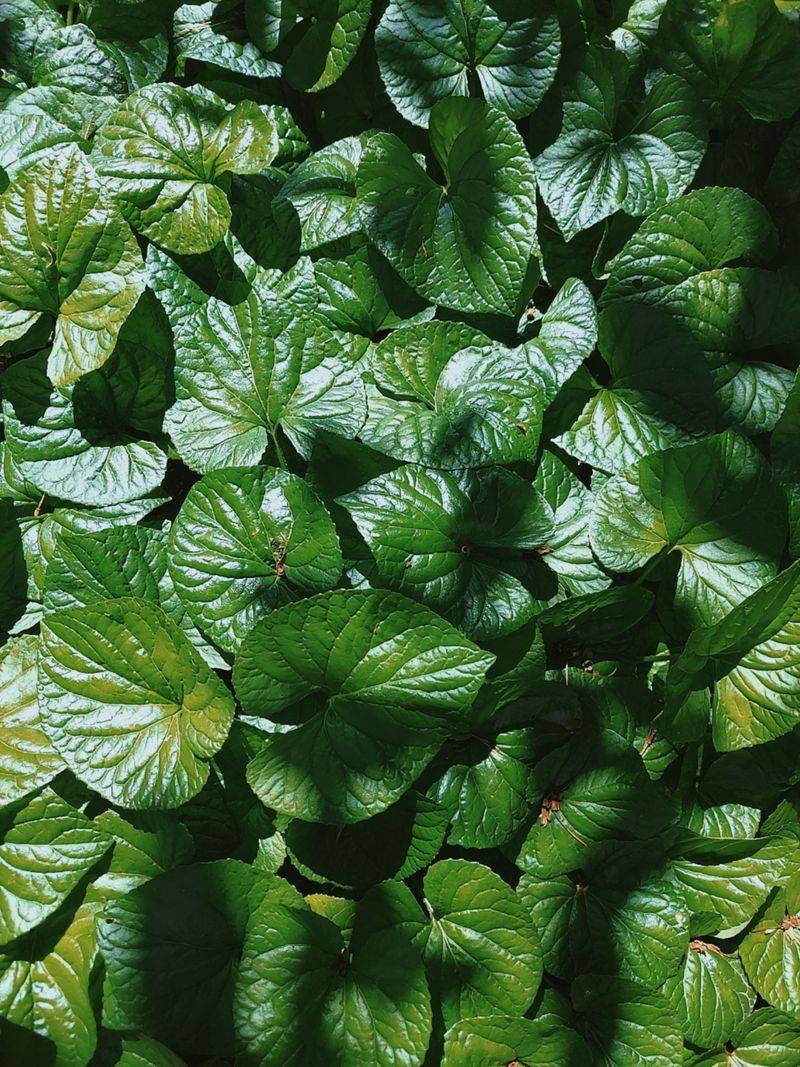
Forget everything you think you know about ground covers. Wild Ginger is the quiet overachiever of the native plant world, spreading slowly but forming a carpet so thick that weeds simply cannot compete.
Its broad, heart-shaped leaves overlap like shingles on a roof. That tight canopy blocks sunlight completely, starving weed seeds before they even get started.
Wild Ginger thrives in deep shade where almost nothing else will grow. Got a dark corner under old oak trees? This plant was basically made for that spot.
It spreads through underground rhizomes, filling gaps gradually over a few seasons. You plant it once, and it quietly handles the rest without any drama.
The leaves stay green from spring through late fall, giving you solid warm-season coverage. In winter, they die back completely, leaving bare soil exposed, and return reliably each spring.
Gardeners love it because it asks for almost nothing. Average woodland soil, decent moisture, and some shade are all it needs to thrive and spread.
One quirky bonus: crush a leaf and you get a faint ginger-like scent. It is not edible like culinary ginger, but the smell is a fun little surprise.
Native pollinators also appreciate the tiny, hidden flowers that bloom at soil level in early spring. Most people never even notice them, but insects absolutely do.
If you want a no-fuss, weed-smothering ground cover for shady spots, Wild Ginger delivers every single time. Plant it and watch your summer weeding shrink to almost nothing.
2. Creeping Phlox
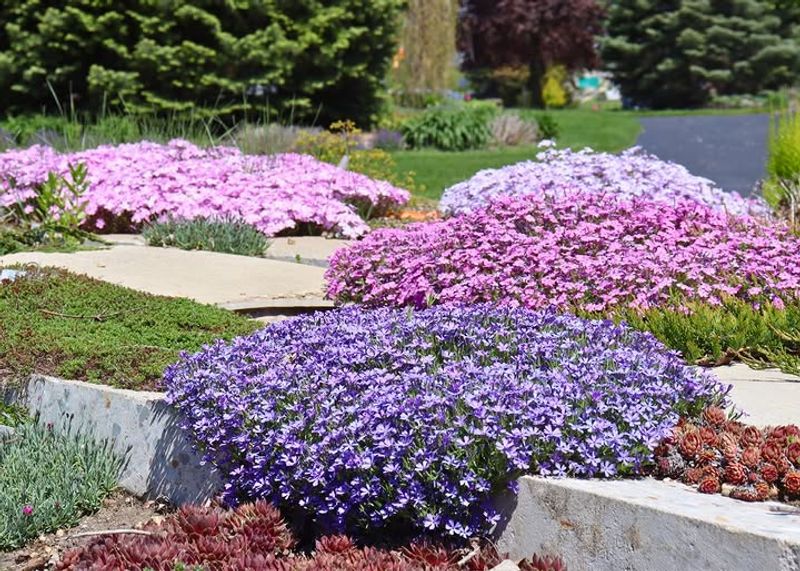
Picture a waterfall of color pouring over a garden wall every April. That is exactly what Creeping Phlox looks like when it hits its peak bloom, and it is every bit as dramatic as it sounds.
This low-growing evergreen spreads in a dense mat that hugs the ground tightly. Weeds trying to push through that mat are in for a serious disappointment.
Creeping Phlox loves sunny slopes, rock gardens, and edges along walkways. It is especially useful on hillsides where erosion and weeds tend to team up against you.
The foliage stays green year-round, which means weed coverage does not take a seasonal break. Even in January, those needle-like leaves are doing their job.
Your Tennessee Garden Changes Every Week. Your Plan Should Too.
Gardening in Tennessee changes quickly throughout the season. Every Friday you’ll receive a simple weekly plan showing exactly what to plant, prune, fertilize, harvest, and protect so you never miss the right timing.
Blooms arrive in shades of pink, purple, white, and lavender each spring. Butterflies and bees show up immediately, turning your garden into a pollinator party.
After flowering, trim it back lightly to keep the mat dense and tidy. That small bit of maintenance pays off with even thicker coverage the following year.
It handles drought surprisingly well once established, making it ideal for spots that dry out fast. Sandy or rocky soil? No problem at all for this tough little plant.
Fun fact: Creeping Phlox was first documented by American naturalists in the 1740s and quickly became a garden staple on both sides of the Atlantic.
It has been earning its keep for centuries, and it is not slowing down anytime soon. For sunny spots where weeds run wild, Creeping Phlox is the colorful, hardworking answer you have been searching for.
3. Green-And-Gold
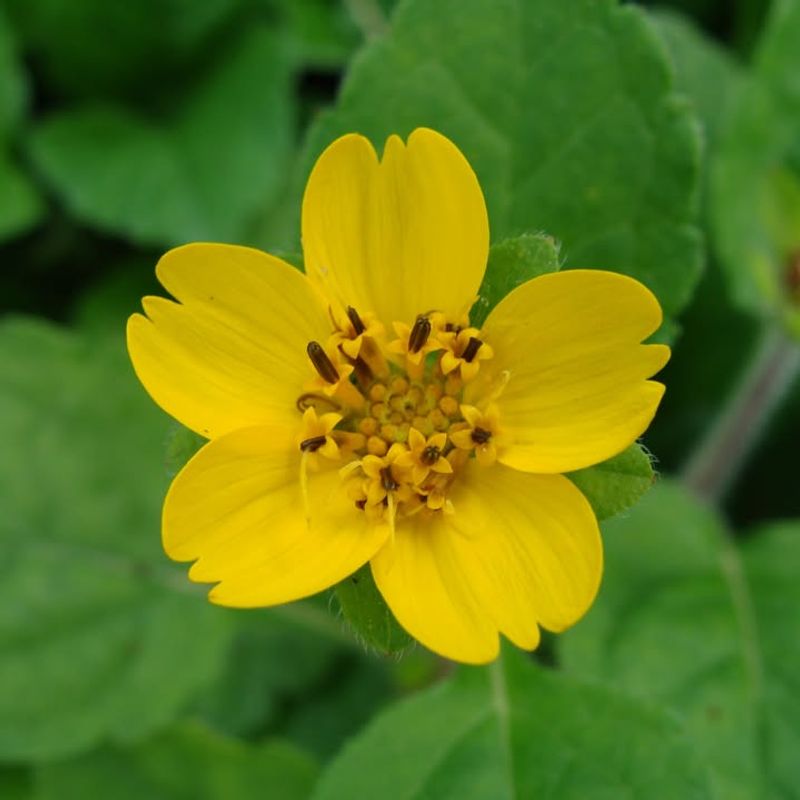
Bright yellow flowers and deep green leaves make Green-and-Gold one of the cheeriest ground covers you can grow. But do not let the pretty face fool you because this plant is seriously tough.
Known botanically as Chrysogonum virginianum, it spreads through both runners and seeds. That double strategy means it fills in garden beds faster than most other native ground covers.
It thrives in partial shade and tolerates light shade, making it a go-to for spots under large trees with filtered light. Weed seeds struggle to germinate under its dense, low-growing foliage.
Blooms appear from spring all the way into fall, which is unusual for a native ground cover. That extended flower show keeps pollinators visiting your garden for months.
Green-and-Gold is incredibly adaptable to different soil types. Clay, loam, or sandy soil all work fine, which makes it easy to establish across a wide range of garden conditions.
Once planted, it spreads on its own without becoming invasive or aggressive. It fills its space respectfully, which is exactly what you want in a well-behaved garden companion.
Deer tend to leave it alone, which is a huge bonus if you garden in areas with heavy wildlife pressure. That resistance makes it even more practical for rural and suburban yards alike.
Maintenance is minimal once the plant establishes itself after the first season. A little water during dry spells in year one is basically all the help it needs.
For shaded beds that feel bare and weedy, Green-and-Gold brings color, coverage, and confidence all at once.
4. Allegheny Spurge
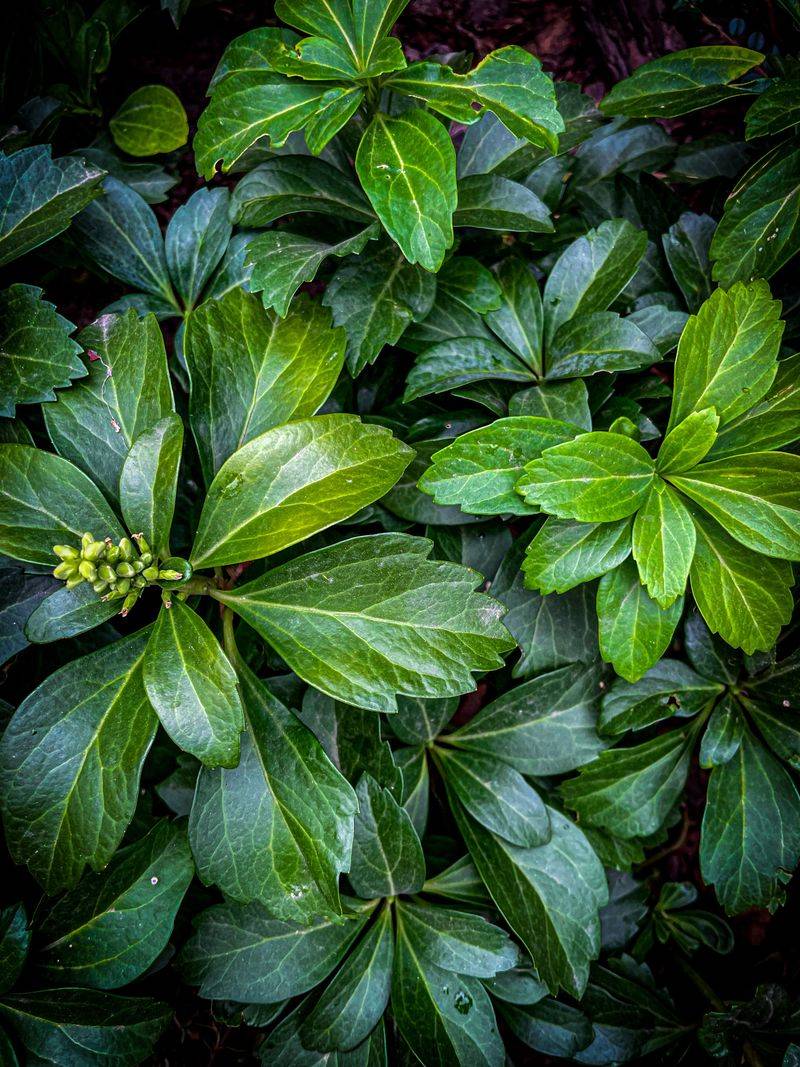
Most people know Japanese Pachysandra, but the native version called Allegheny Spurge is better in almost every way. It is tougher, more interesting-looking, and far more beneficial to local wildlife.
The leaves are mottled with silver and gray patterns that catch the eye even in dim shade. That unique foliage makes it one of the most visually striking ground covers in any woodland garden.
Allegheny Spurge forms a dense, low mat that prevents sunlight from hitting bare soil. Weed seeds need that light to germinate, so blocking it is the most effective prevention strategy available.
It is semi-evergreen, holding its leaves through mild winters and re-emerging vigorously each spring. That overlap in coverage means weeds rarely find an open window to establish themselves.
Small white flowers appear in early spring before most other plants wake up. Native bees that emerge early in the season rely on those blooms for their first meal.
Dry shade is where this plant truly shines and sets itself apart. Areas under shallow-rooted trees that rob the soil of moisture are no match for Allegheny Spurge.
Established plants are remarkably drought-tolerant and rarely need supplemental watering. Plant it, water it through its first summer, and then mostly leave it alone.
It spreads slowly but steadily through underground stems, filling gaps without jumping boundaries. Gardeners who value control appreciate that predictable, well-mannered growth habit.
Allegheny Spurge rewards patience with years of beautiful, weed-free coverage that just keeps getting better season after season.
5. Robin’s Plantain
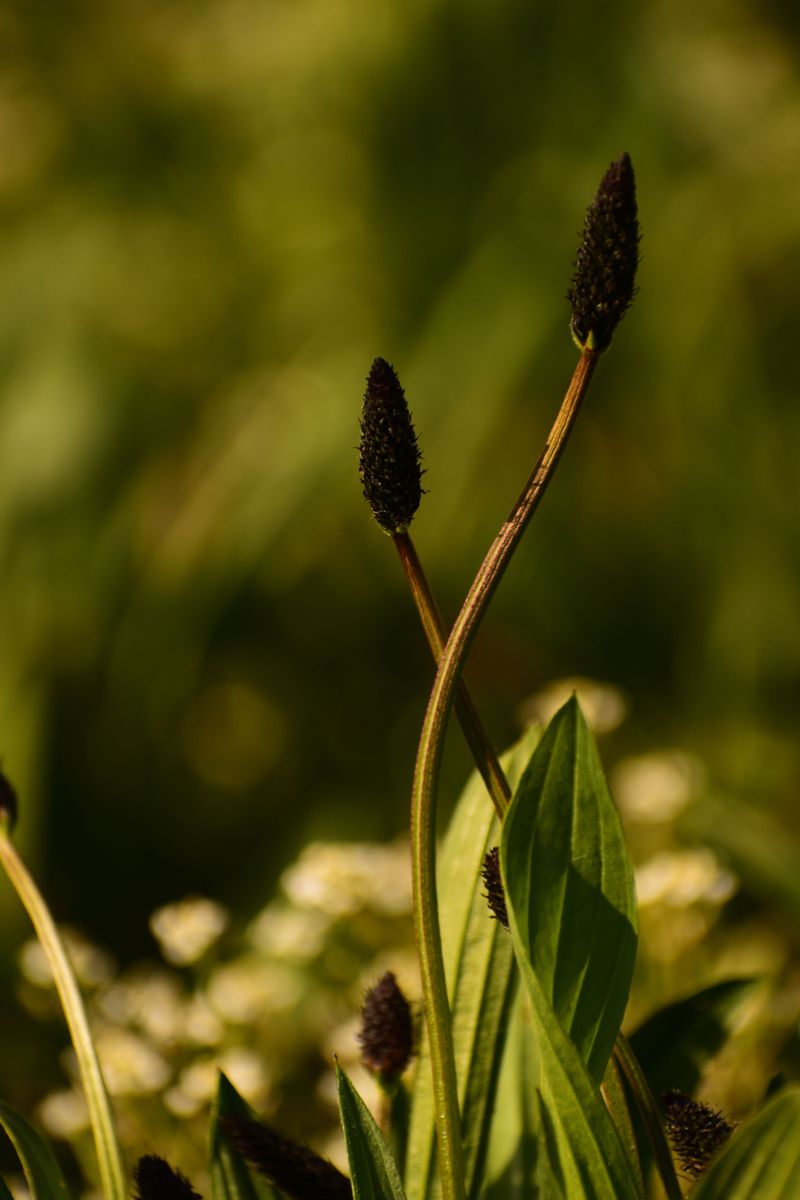
Robin’s Plantain sounds like something out of a fairy tale, and honestly, it kind of looks like one too. It is native to Middle and East Tennessee, so it performs best for gardeners in those regions.
Delicate lavender flowers float above low rosettes of foliage like tiny purple stars scattered across the ground.
This native daisy relative spreads through stolons, creating colonies that crowd out weeds naturally. Once a colony establishes, bare soil becomes a memory in that garden bed.
It performs well in both sun and partial shade, giving it more versatility than many ground covers. That flexibility makes it useful along woodland edges where light conditions shift throughout the day.
Blooms appear in late spring and attract a wide range of native bees and butterflies. Few ground covers pull double duty as weed suppressors and pollinator magnets quite this effectively.
The foliage forms flat rosettes that press close to the ground, limiting the space available for weeds. That growth habit is simple but surprisingly effective at keeping unwanted plants out.
Robin’s Plantain tolerates poor soils and does not demand fertilizer or amendments to perform well. Gardeners working with difficult, thin soils will find it far more forgiving than most ornamentals.
It self-seeds modestly, filling in gaps without becoming a nuisance or escaping into areas where it is not wanted. That restrained behavior makes it a trustworthy addition to any native plant garden.
Mowing it occasionally after bloom keeps the colony tidy and encourages fresh, dense foliage. A quick pass with the mower in early summer is all the grooming this plant needs.
Robin’s Plantain proves that wildflower charm and practical weed control can absolutely coexist in the same plant.
6. Woodland Stonecrop
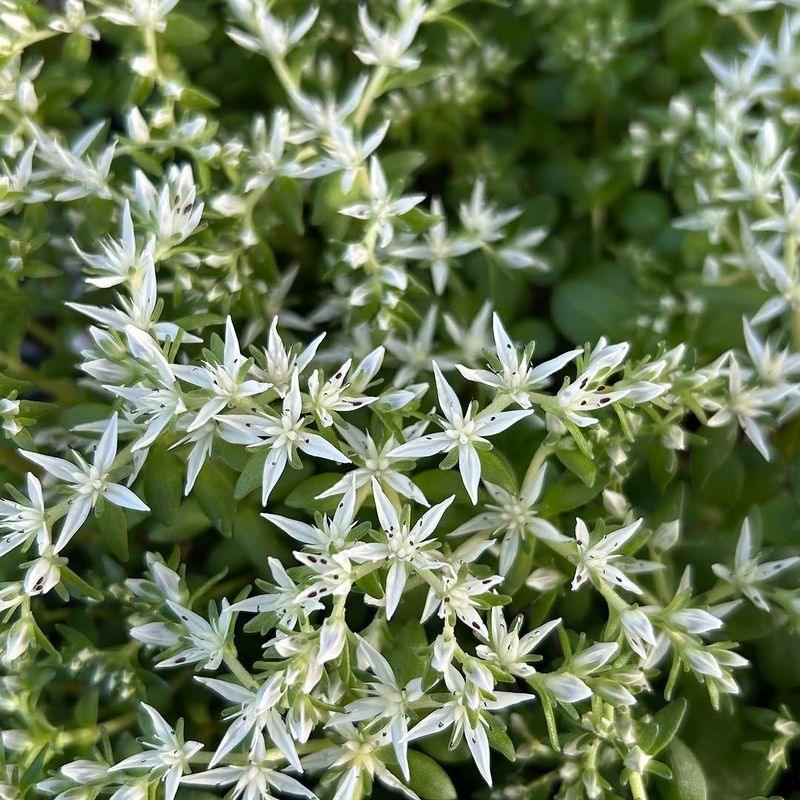
Succulents in the shade sounds like a contradiction, but Woodland Stonecrop laughs at that assumption. This charming native sedum thrives in moist, shaded spots that would destroy most sun-loving succulents instantly.
It grows in low, spreading mats of fleshy, rounded leaves that look almost too cute to be a weed fighter. But those mats are dense and effective, leaving no room for unwanted plants to sneak in.
White star-shaped flowers cover the plant in spring, creating a magical display that looks like snow on the forest floor. Visitors to your garden will stop and ask what that beautiful thing is.
Woodland Stonecrop is perfectly suited to rocky areas, slopes, and spots where soil is thin and poor. Those are exactly the conditions where weeds tend to take over and cause the most frustration.
It tolerates dry shade once established, which puts it in rare company among shade-loving ground covers. Most shade plants want consistent moisture, but this one handles occasional drought without skipping a beat.
Spreading through both seeds and stem fragments, it colonizes new ground efficiently each season. You can even break off a small piece, press it into moist soil, and watch it root within weeks.
Wildlife interest is high with this plant, as native bees visit the spring flowers enthusiastically. Adding ecological value on top of weed control makes it one of the most practical choices on this list.
Gardeners who have struggled with rocky, shaded corners now have a genuine solution worth planting. Woodland Stonecrop turns problem spots into showstoppers.
7. Heartleaf Ginger
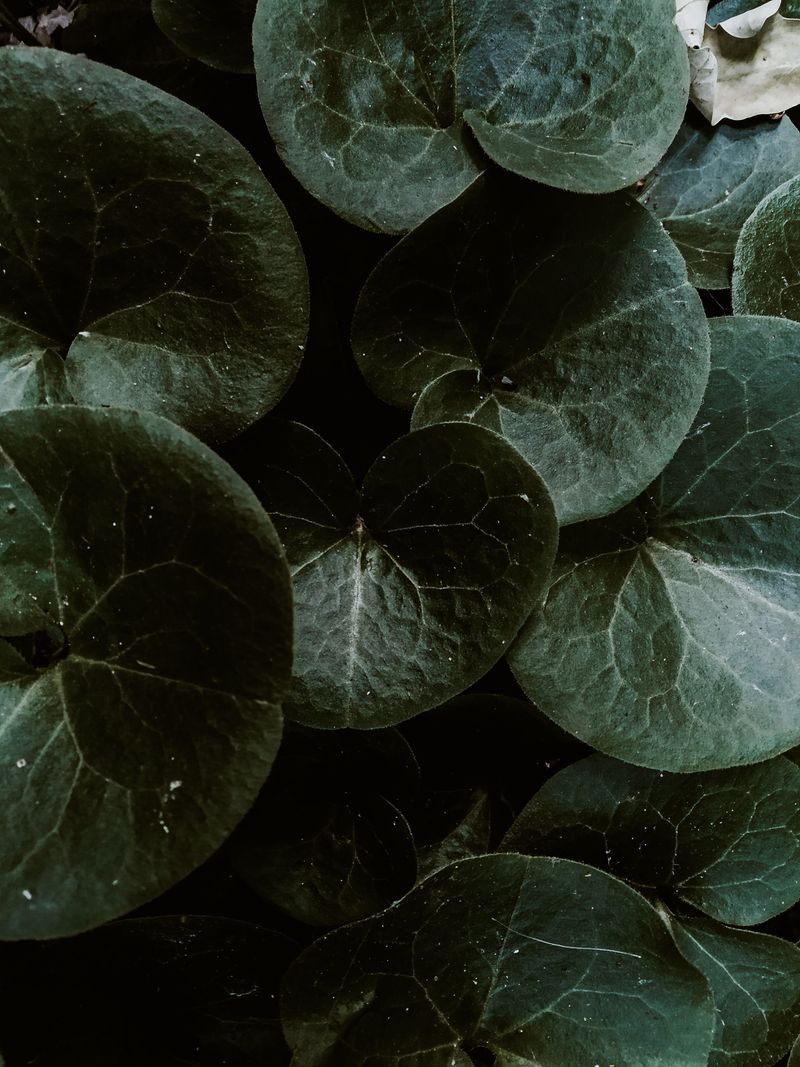
Heartleaf Ginger is the bold, glossy cousin of Wild Ginger, and it brings real drama to the shade garden.
A regional note first: this species is native to only a handful of counties in Tennessee, including Shelby, Hamilton, Marion, Franklin, and Roane.
Gardeners outside those areas will need to source it as a specialty plant. Unlike Wild Ginger, Heartleaf Ginger is evergreen, keeping its foliage through winter.
It grows in slow-spreading isolated clusters rather than a continuous carpet, so it works best as a jewel-like accent paired with faster-spreading companions for full ground coverage.
Established plants handle drought well once settled into suitable dry woodland conditions. Deer rarely browse it, and pests generally ignore it, making it one of the lowest-maintenance ground covers available. You plant it, establish it, and then mostly enjoy it.
For gardeners who want bold texture, evergreen coverage, and a low-maintenance accent that discourages weeds where it grows all in one plant, Heartleaf Ginger is the answer. It is understated power in the most elegant form.
8. Wild Columbine
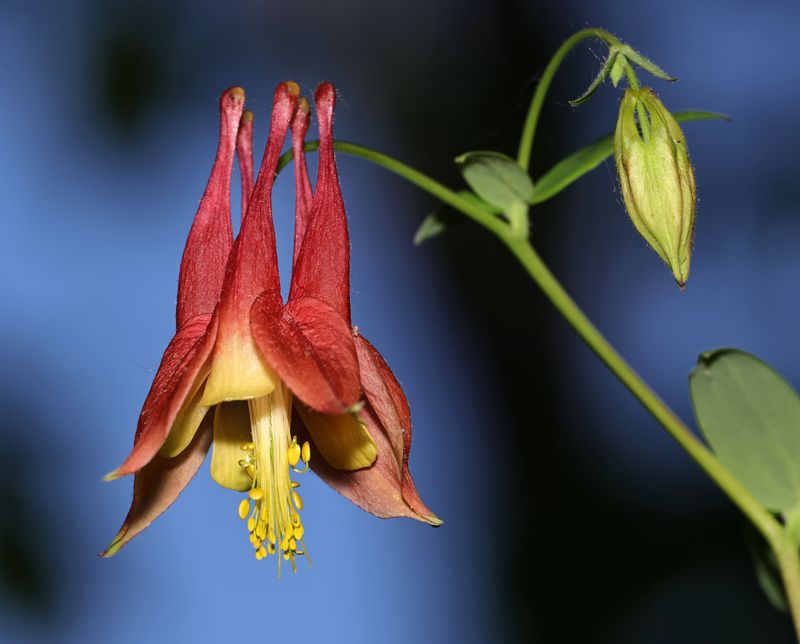
Wild Columbine is the showoff of the native plant world, and it has every right to be. It is native to Middle and East Tennessee, so it performs best for gardeners in those regions.
Those dangling red and yellow blooms are so striking that hummingbirds make a beeline for them the moment they return from migration.
Beyond the flowers, Wild Columbine self-seeds freely and naturalizes into loose colonies over two to three seasons.
It does not form the tight weed-smothering mat of a true ground cover, but a well-established colony shades enough bare soil to meaningfully reduce weed pressure in rocky and sloped spots.
It grows well in rocky, thin soils along woodland edges and shaded slopes. Those difficult spots are often weed magnets, so having a native plant that thrives there is genuinely valuable.
The ferny, blue-green basal foliage is attractive even when the plant is not in bloom. Blooms arrive in spring just when hummingbirds return from migration, creating a perfectly timed feast.
Few native plants offer that kind of ecological precision combined with such effortless beauty. Wild Columbine tolerates both shade and partial sun, adapting to changing light conditions throughout the day.
That flexibility makes it useful in transition zones where other plants struggle to commit. After blooming, seed pods develop and scatter widely, ensuring the colony expands naturally each year.
You start with a few plants and end up with a thriving, weed-resistant patch within two seasons.
For any gardener wanting native plants that suppress weeds while delivering spectacular seasonal interest, Wild Columbine earns a recurring spot in the garden.
It self-seeds reliably, keeping the colony going year after year. It works hard and looks stunning doing it.