5 New Jersey Garden Plants Worth Watering Right Now, And 5 You Can Safely Let Go Dormant
New Jersey summers don’t ease in gradually. They arrive with full humidity, relentless sun, and soil that dries out faster than you’d expect. And somewhere in the middle of all that heat, your garden is quietly sending you signals.
The problem is, most people either water everything or water nothing, and both approaches cost you. Some plants are in their prime right now, pushing out fruit, blooming hard, and pulling every drop of moisture they can get.
Cut their water and you’ll feel it at harvest. Others have already done their job for the season. They’re slowing down on purpose, conserving energy underground, and extra water won’t help them. It might actually hurt.
Knowing the difference isn’t complicated, but it does matter. Here’s a look at five New Jersey garden plants that deserve a good soak right now, and five that are perfectly fine without one.
Tomatoes
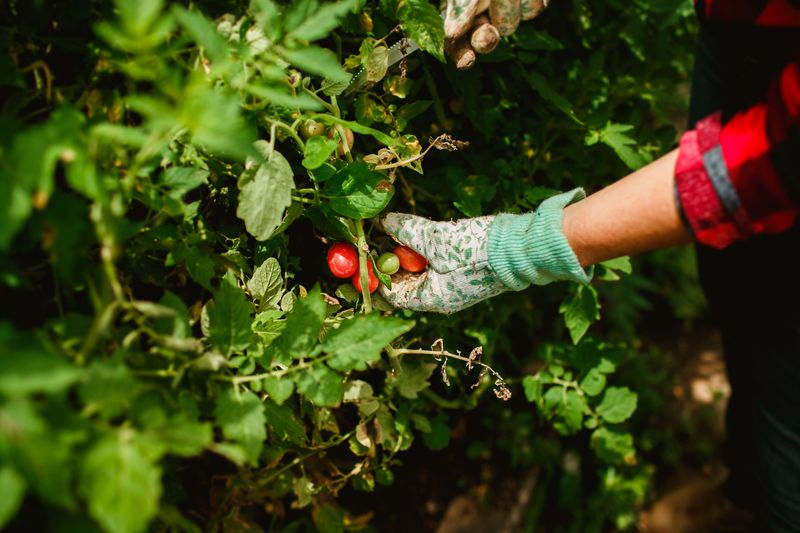
Image Credit: © Helena Lopes / Pexels
Your tomatoes are thirsty, and they are not shy about showing it. Wilting leaves in the morning are a red flag that your plants need water immediately.
Tomatoes are one of the most water-hungry vegetables you can grow. They need about one to two inches of water each week during summer.
Inconsistent watering causes a problem called blossom end rot. That is when the bottom of the fruit turns black and mushy.
Deep watering at the base of the plant is the smartest move you can make. Wet leaves can invite disease, so water low and slow when you can.
Mulching around the base helps lock moisture into the soil. A two-inch layer of straw or wood chips works beautifully.
Check the soil about an inch below the surface before watering. If it feels dry, your plant is already asking for help.
Hot summer afternoons can stress tomatoes quickly without enough moisture. Morning watering gives roots a full day to absorb what they need.
Keep this routine steady and your harvest will reward you generously. Tomatoes are the backbone of any summer garden, so treat them accordingly.
Cucumbers
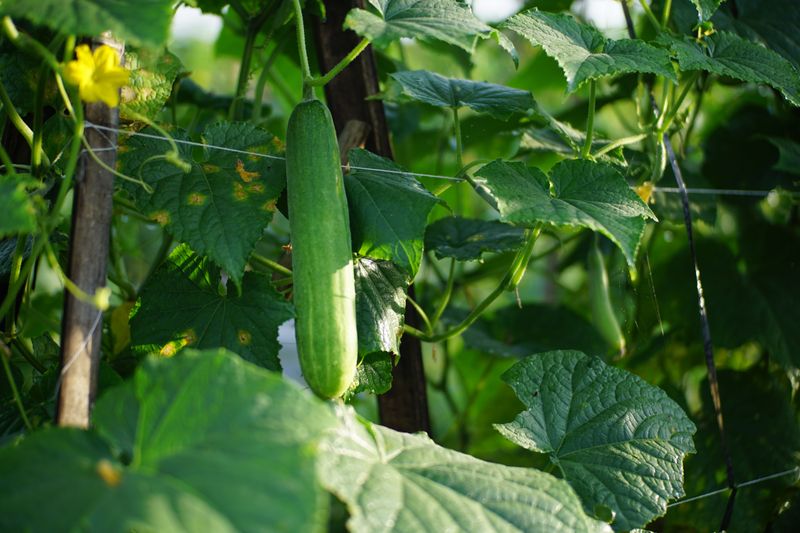
Image Credit: © Agung Sutrisno / Pexels
Cucumbers are made up of mostly water, so it makes sense they need plenty to thrive. Skip a watering session and they will turn bitter faster than you expect.
These fast-growing vines need consistent moisture to produce crisp, sweet fruit. Uneven watering leads to bitter fruit and can trigger blossom end rot.
Aim for about one inch of water per week, more during heat waves. Sandy soil drains quickly, so check moisture levels often in your beds.
Drip irrigation is a game-changer for cucumbers because it delivers water right to the roots. Overhead sprinklers waste water and can trigger powdery mildew on leaves.
Cucumbers grow rapidly once they get going, which means their water needs increase as they mature. A plant loaded with fruit needs more hydration than a young seedling.
Harvest cucumbers often to keep the plant producing new fruit. Leaving overgrown ones on the vine signals the plant to stop making more.
Your New Jersey Garden Changes Every Week. Your Plan Should Too.
Gardening in New Jersey changes quickly throughout the season. Every Friday you’ll receive a simple weekly plan showing exactly what to plant, prune, fertilize, harvest, and protect so you never miss the right timing.
Feeding every two weeks with a balanced fertilizer keeps production strong. Water and nutrients together are what turn a good cucumber plant into a great one.
Keep watering now and you will be slicing cucumbers all the way through August.
Peppers
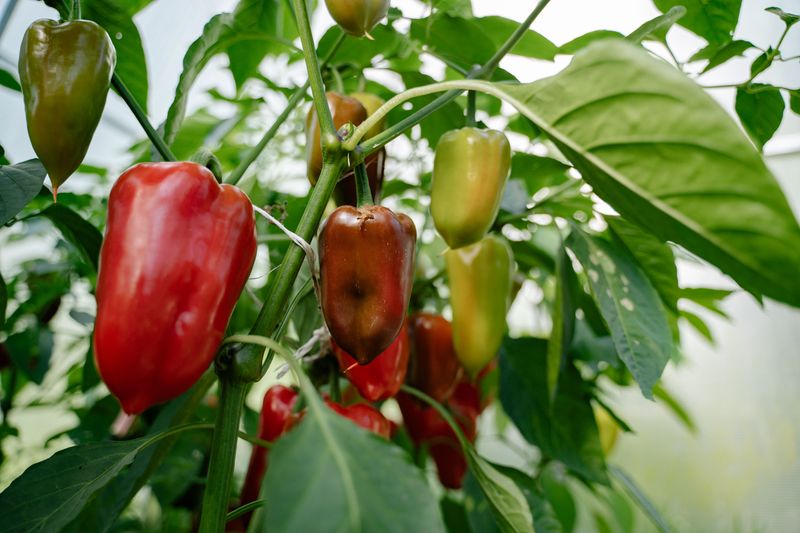
Peppers are tougher than they look, but they still need your help during summer. They are actively setting fruit right now, which means water is non-negotiable.
Both sweet and hot varieties need about one inch of water per week. During a heat wave, bump that up slightly to keep stress levels low.
Pepper plants that dry out too much may drop their blossoms before fruit can form. Losing flowers means losing your harvest, and nobody wants that.
Water deeply but not too frequently to encourage strong root growth. Shallow watering creates weak roots that cannot handle summer heat on their own.
Mulching around the base of each plant helps retain soil moisture between waterings. It also keeps the ground temperature cooler on scorching afternoons.
Peppers prefer well-drained soil, so avoid creating puddles or soggy spots. Standing water around the roots can cause rot and fungal issues.
Container-grown peppers dry out faster than those in the ground. Check pots daily and water whenever the top inch of soil feels dry.
Stay consistent now and your pepper plants will deliver a colorful, spicy reward. This is the moment that separates a good harvest from a great one.
Hydrangeas
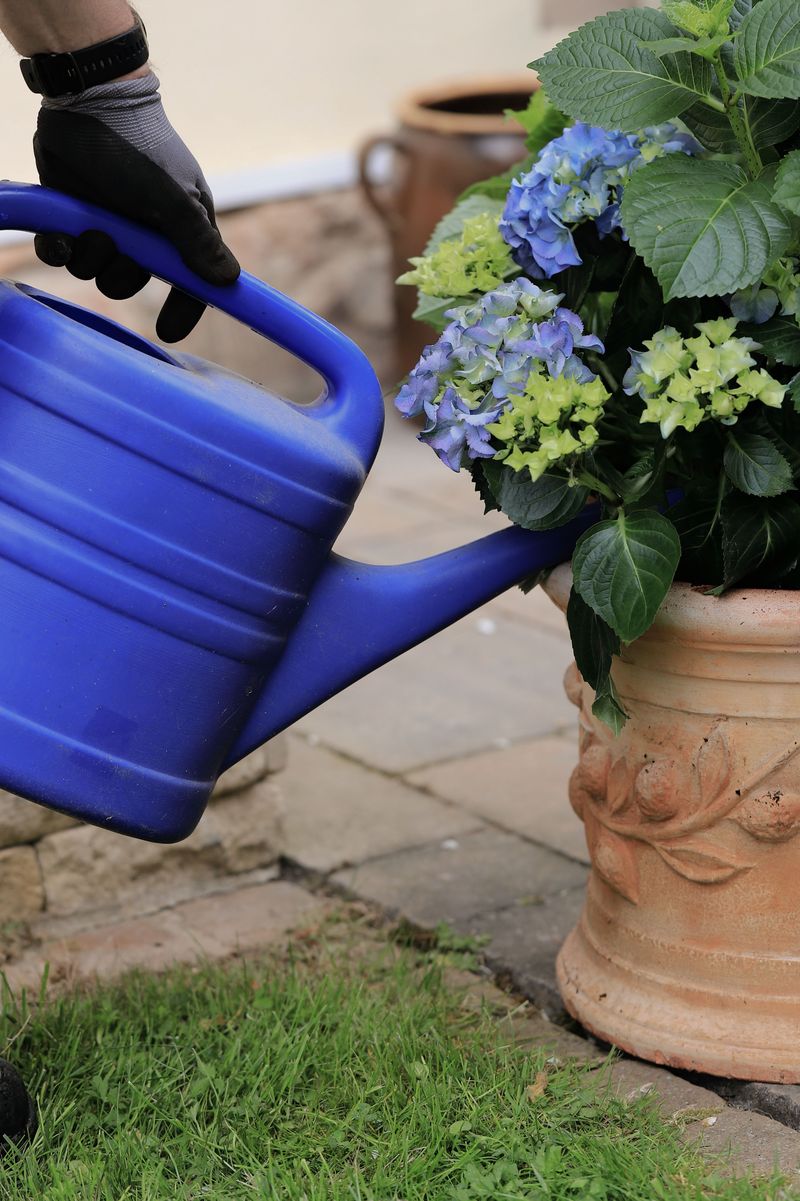
Hydrangeas are drama queens of the garden, and they will wilt at the first sign of drought. Seeing those big leaves droop on a hot afternoon is practically a cry for help.
These shrubs are actively blooming right now and need consistent moisture to keep those flower clusters full and vibrant. Letting them dry out can cause blooms to brown at the edges.
Water hydrangeas deeply two to three times per week during summer heat. Morning is the best time so the soil can absorb moisture before the sun peaks.
Avoid wetting the flowers themselves when you water. Wet blooms can develop mold and fall apart faster than they should.
A thick layer of mulch around the base is one of the best things you can do. It keeps roots cool and reduces how often you need to water.
Bigleaf hydrangeas are especially sensitive to drought compared to other varieties. Panicle types handle heat a bit better but still appreciate regular moisture.
If your hydrangea wilts in the morning before the heat arrives, that is a serious warning sign. Water immediately and check your soil drainage.
Hydrangeas reward attentive gardeners with blooms that last well into fall.
Impatiens
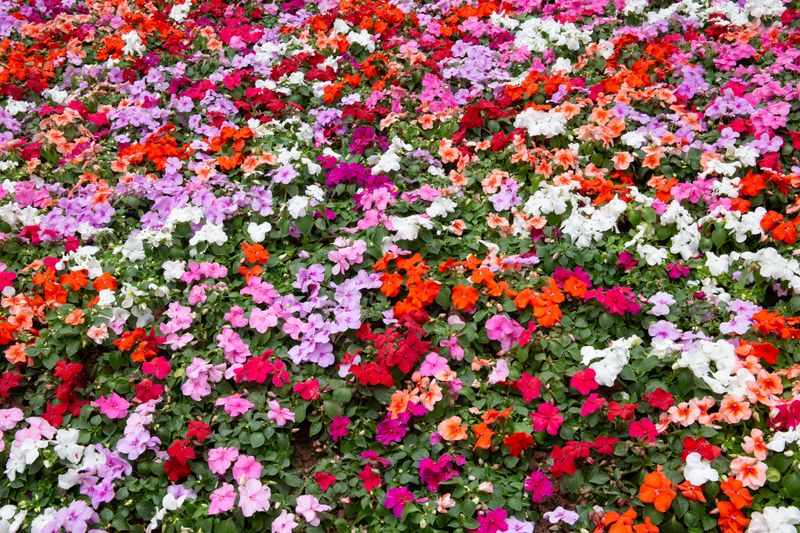
Impatiens are the workhorses of the shade garden, pumping out color all season long without complaint. But they have one serious weakness: they hate going dry.
These flowering annuals have shallow roots that dry out incredibly fast in summer heat. A single missed watering on a hot day can set them back significantly.
Check impatiens daily during heat waves and water whenever the soil feels dry, especially if they are in containers or hanging baskets. Potted plants lose moisture much faster than those planted in the ground.
Shaded beds tend to stay moist longer, which is good news since impatiens prefer shade anyway. Still, check the soil regularly because shade does not mean drought-proof.
Wilted impatiens often bounce back quickly after a good drink of water. If they do not perk up within an hour, the roots may be struggling.
Fertilize every two weeks with a balanced liquid fertilizer to keep blooms coming strong. Water and nutrients work together to fuel that non-stop flower production.
Removing blooms is not required since impatiens drop their spent blooms on their own. That self-cleaning habit makes them one of the easiest annuals to maintain.
Keep the water coming and these cheerful little flowers will carry your shade garden straight through to frost.
Daylilies
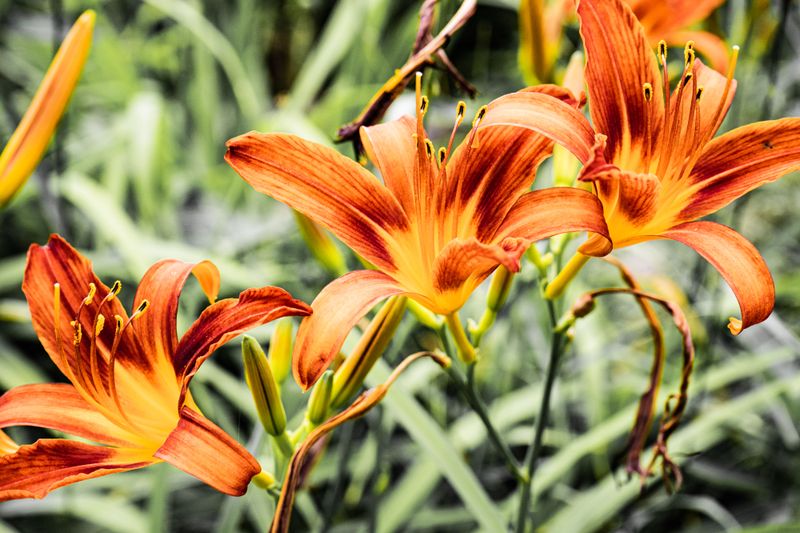
Daylilies are survivors, and that is exactly why you can ease up on the watering hose. Once established, these tough perennials handle dry spells better than almost anything else in your yard.
After blooming season winds down, daylilies naturally slow their growth and need far less water. Overwatering at this stage can actually cause root rot.
If your daylilies have finished blooming and the foliage looks healthy, let the rain handle things. Supplemental watering is only needed during extended dry stretches of two weeks or more.
Established clumps have deep, fleshy roots that store water efficiently. That built-in reservoir is why they bounce back so easily after dry conditions.
Young daylilies planted this spring are the exception to this rule. New transplants need regular watering until their roots get settled into the soil.
Skip the fertilizer for now since feeding late in the season encourages tender new growth. That soft growth is vulnerable to late summer stress.
Cut back the spent flower stalks to keep the bed tidy and direct energy to the roots. The plant is preparing for next year already, so let it do its thing.
Daylilies are the low-maintenance reward every gardener deserves after a busy planting season.
Peonies
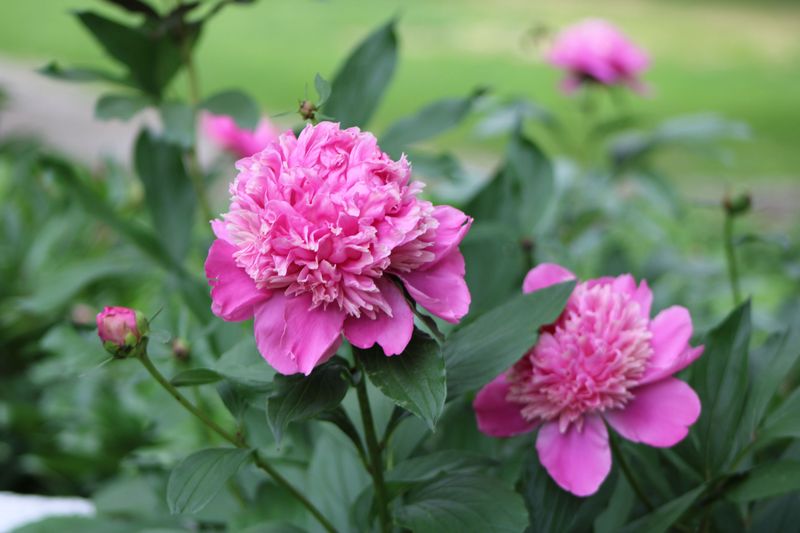
Image Credit: © Keith Cassill / Pexels
Peonies already stole the show back in late spring, and now they are quietly resting. Once blooming is over, these perennials shift their energy underground and do not need much from you.
The foliage you see now is doing important work, storing energy in the roots for next year’s blooms. Watering is only necessary during very dry spells.
Check the soil about two inches deep before reaching for the hose. If it still feels slightly cool and damp, your peonies are fine without extra water.
Overwatering peonies in summer is a common mistake that leads to fungal disease and root rot.
Good air circulation around the plant helps prevent moisture-related problems. Avoid crowding peonies with other plants that might trap humidity around the stems.
Do not cut the foliage back yet, even if it starts to look a little tired. Those leaves are feeding the roots all the way until the first frost.
A light application of compost around the base in late summer is more helpful than water. It enriches the soil as it breaks down over the coming months.
Peonies ask for very little in summer, and that is honestly part of their charm.
Bleeding Heart
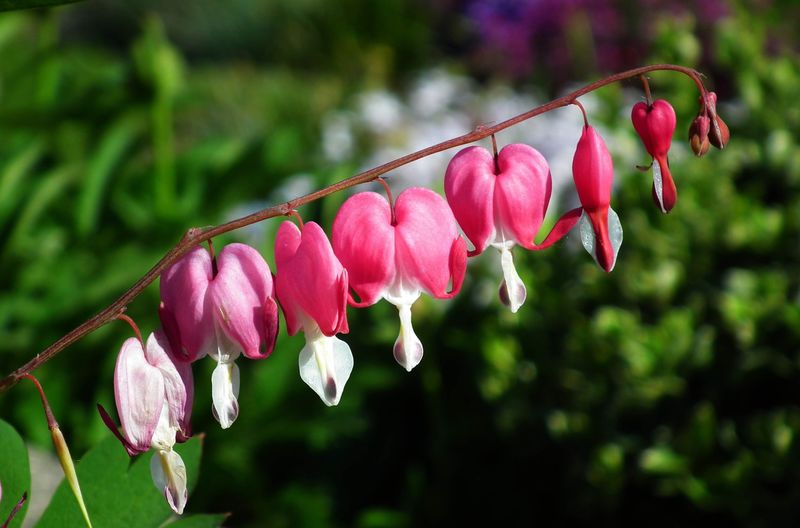
If your bleeding heart looks like it is fading away, do not panic. That is exactly what it is supposed to do during the heat of summer.
Bleeding heart is a classic spring ephemeral, meaning it blooms early and then goes dormant as temperatures climb. The yellowing foliage is a natural signal, not a problem.
Stop watering it now and let the plant follow its natural cycle. Forcing moisture on a dormant plant only invites rot and fungal issues underground.
Mark where your bleeding heart is planted so you do not accidentally dig into the roots later. A small garden stake or label works perfectly for this purpose.
Some gardeners plant summer perennials nearby to fill the gap left when bleeding heart fades. Hostas and ferns are excellent companions that thrive in the same shady spots.
Once the foliage has turned fully yellow, you can trim it back cleanly at the base. There is no need to pull the plant out since it will return next spring.
Bleeding heart is one of those plants that rewards patience above all else. Leave it alone now and it will reward you with gorgeous blooms again next April.
Bearded Iris
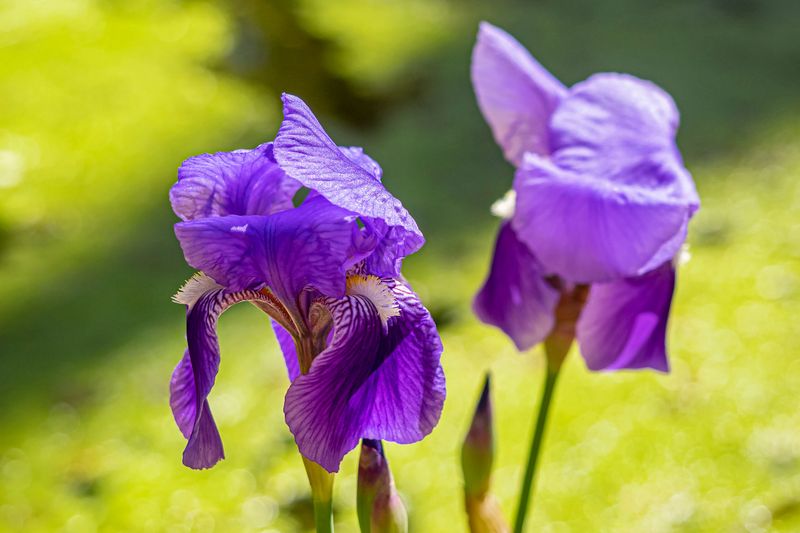
Image Credit: © Manuel Torres Garcia / Pexels
Bearded iris bloomed beautifully in late spring and now it is taking a well-earned rest. Summer is actually when these plants need the least attention from you.
Rhizomes, which are the thick horizontal roots of bearded iris, prefer to bake in the sun during summer. Keeping them dry and exposed to warmth is exactly what they need.
Overwatering bearded iris in summer is one of the fastest ways to cause rhizome rot. Cut back watering significantly and only intervene during a very prolonged drought.
Late summer is actually the best time to divide and replant overgrown clumps. The plants have slowed down after blooming and can handle being moved before fall root growth begins.
When you replant divided rhizomes, set them just at the soil surface so the top stays exposed. Burying them too deep is a common mistake that reduces blooming next year.
Remove any brown or papery leaves from the fan to keep things tidy. Healthy green leaves can stay since they help the plant gather energy.
Avoid fertilizing now because feeding encourages soft growth that is vulnerable to late summer heat. Wait until early fall for a light phosphorus-based feed instead.
Bearded iris rewards neglect in summer more than almost any other perennial you will grow.
Virginia Bluebells
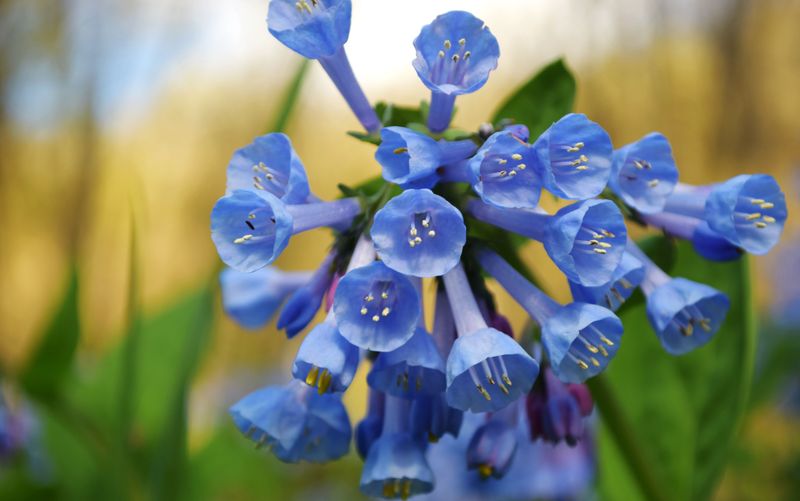
Virginia bluebells put on a stunning show each spring and then completely disappear by summer. If you cannot find them in your garden right now, that is perfectly normal.
Like bleeding heart, Virginia bluebells are spring ephemerals that go fully dormant once warm weather arrives. The foliage yellows, collapses, and vanishes with no help needed from you.
Stop watering the area where they grow because the dormant roots do not need moisture right now. Extra water sitting near dormant bulbs and roots can cause underground rot.
Mark their location carefully so you remember where they are hiding underground. Accidentally digging into the roots during summer planting is an easy and heartbreaking mistake to make.
Plant summer bloomers around the same area to keep the garden looking full. Hostas and ferns make natural companions in shaded spots where bluebells tend to grow.
Come early spring, those little blue buds will push through the soil before you even expect them.
Virginia bluebells are native to the eastern United States and perfectly adapted to this climate. They do not need your help in summer because nature already figured that out long ago.