What Pennsylvania Gardeners Who Never See Ticks In Their Yard Plant Along Their Borders
Ticks are one of those things that can completely ruin the joy of spending time outdoors. One minute you’re enjoying your yard, the next you’re doing a full body check and hoping for the best.
And in Pennsylvania, where wooded areas and tall grass are basically everywhere, ticks are a very real and very common problem. But here’s something interesting. Some Pennsylvania gardeners rarely deal with them at all. The difference isn’t luck.
It’s not a fancy chemical treatment or some expensive landscaping service either. It comes down to what they’re planting along the borders of their yards.
Certain plants give off scents and natural compounds that ticks genuinely cannot stand, and when planted strategically around the edges of your property, they act like a natural barrier between your yard and the tick population living just beyond it.
These plants look beautiful, require minimal maintenance, and work quietly in the background keeping ticks at bay season after season.
So what exactly are these gardeners planting? Here’s the full list, and your yard is going to thank you for it.
1. Catnip
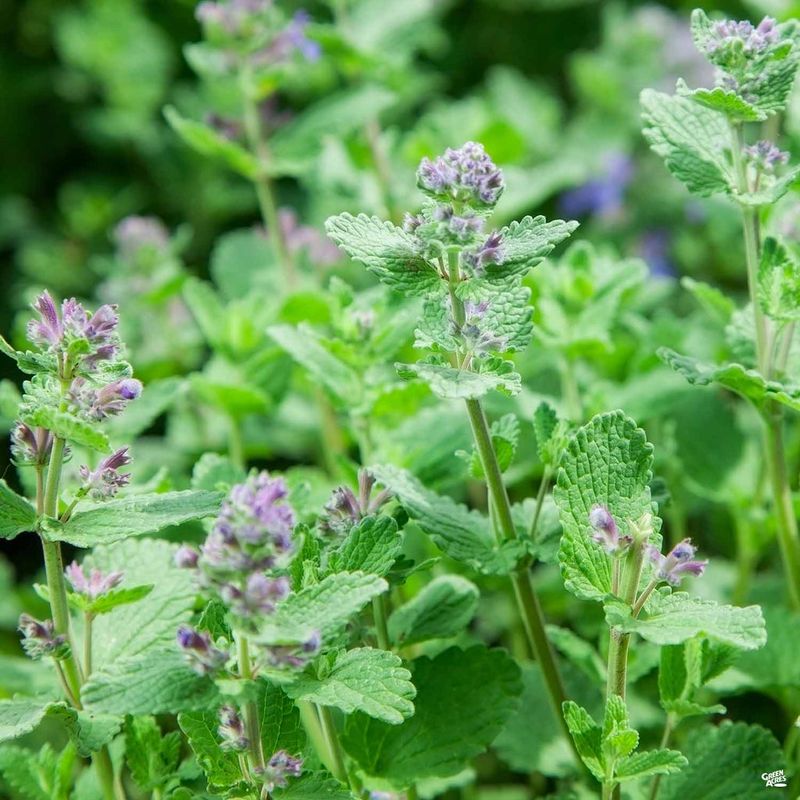
Cats go crazy for it, but ticks want nothing to do with it. Catnip has earned serious attention from researchers studying natural tick repellents.
Studies have found that nepetalactone, the active compound in catnip essential oil, shows significant tick-repelling activity, sometimes even outperforming certain synthetic repellents in lab settings.
For Pennsylvania gardeners, catnip and its ornamental cousin catmint are strong choices for sunny border plantings. Both thrive in full sun with well-drained soil, which is easy to find along most yard borders.
Catmint, especially varieties like ‘Walker’s Low,’ tends to be better behaved in garden settings and produces beautiful lavender-blue flowers that attract pollinators all summer long.
Catnip itself can spread aggressively, so plant it where you can manage it or keep it in a contained area. Cutting it back after the first bloom often encourages a second flush of flowers.
The fragrance intensifies when leaves are brushed or crushed, so planting it along a path or border edge where foot traffic disturbs the foliage can help release more of that natural aroma.
Nepeta is also deer-resistant, which is a bonus in many Pennsylvania neighborhoods.
Pair it with other aromatic herbs for a border that looks great, smells wonderful, and gives ticks fewer reasons to stick around your yard. It is a hardworking plant that earns its spot season after season.
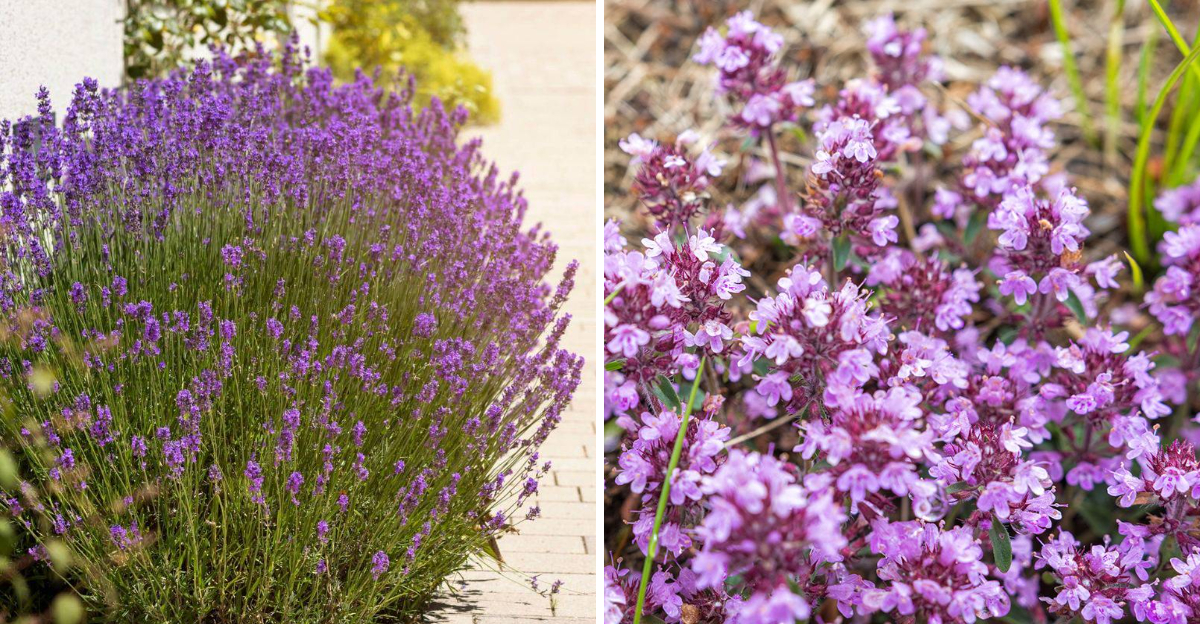
2. Lavender
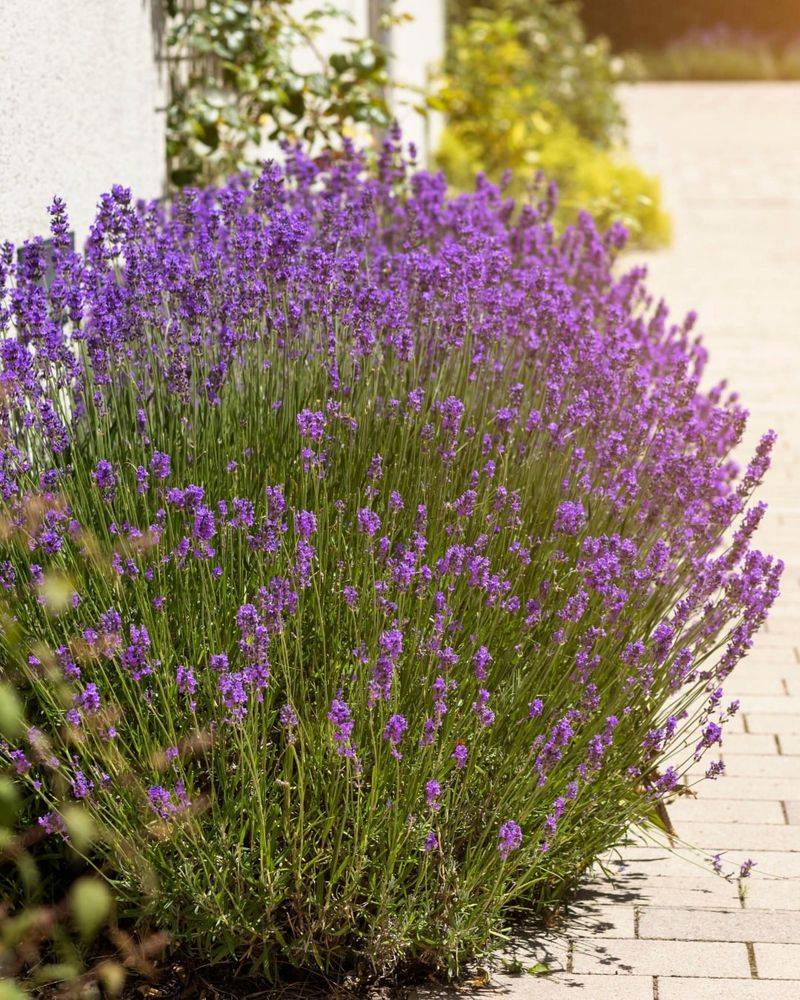
Few plants smell as wonderful to people as lavender does, and few smells are as off-putting to ticks.
Lavender oil has been studied for its tick-repellent activity, and results have been promising enough to make it a popular recommendation among natural pest deterrent enthusiasts.
The key compounds, including linalool and linalyl acetate, are what give lavender its distinctive scent and its pest-discouraging properties.
In Pennsylvania, lavender grows best in hot, sunny spots with excellent drainage. It does not like wet feet, so raised beds or sloped borders work especially well.
Your Pennsylvania Garden Changes Every Week. Your Plan Should Too.
Gardening in Pennsylvania changes quickly throughout the season. Every Friday you’ll receive a simple weekly plan showing exactly what to plant, prune, fertilize, harvest, and protect so you never miss the right timing.
Planting lavender near patios, walkways, or seating areas is a smart move because you get the aromatic benefit right where you spend time outdoors. English lavender varieties like ‘Hidcote’ and ‘Munstead’ tend to be hardier in Pennsylvania winters than other types.
Keep in mind that the living lavender plant should not be treated like a can of repellent spray. Simply having it growing nearby will not create an invisible barrier.
The real benefit comes from the oils in the plant, which are more concentrated when the plant is disturbed or dried. Some gardeners dry lavender bundles and tuck them around outdoor furniture or near garden seating.
Lavender is also a magnet for bees and butterflies, making it a double win for any pollinator-friendly garden.
It is low-maintenance once established and drought-tolerant, which makes it a reliable, beautiful, and aromatic border plant for sunny Pennsylvania gardens.
3. Creeping Thyme
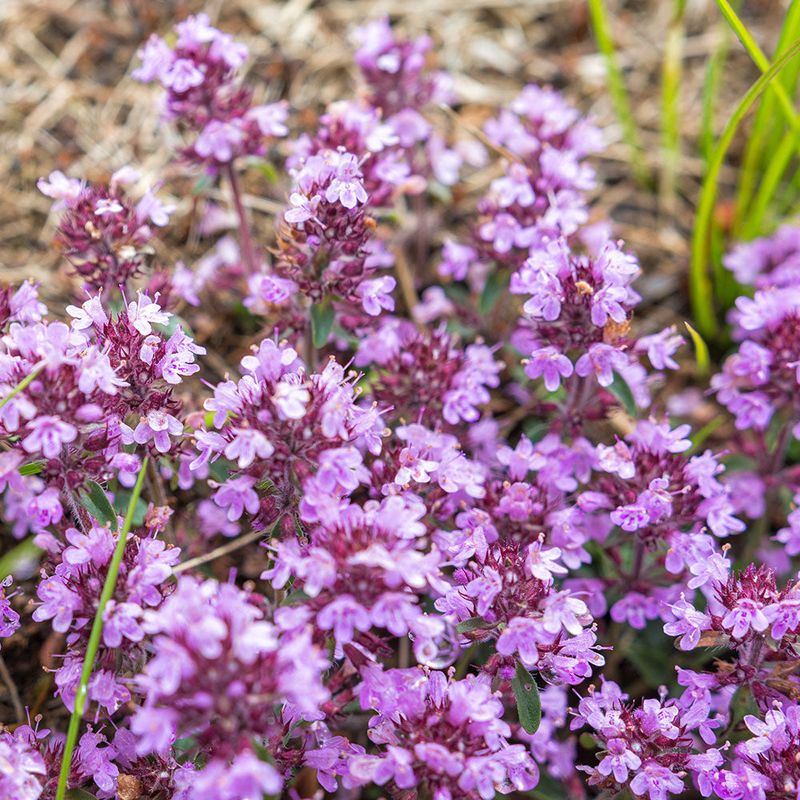
Imagine a ground cover that smells amazing when you step on it, stays low and tidy, handles dry conditions like a champ, and may help keep ticks away from your garden edges. That is exactly what creeping thyme and red thyme bring to the table.
Penn State recognizes thyme as a perennial herb suited for full sun to partial shade with dry, well-drained soil, making it a natural fit for sunny Pennsylvania borders.
Research on essential oils found creeping thyme and red thyme oils among the more efficient options tested for tick-repelling activity.
The thymol compound found in thyme is the same ingredient used in some commercial pesticide products, which gives you a sense of why this plant has earned its reputation.
Planting it along low border edges, between stepping stones, or at the front of a garden bed creates a fragrant carpet that releases scent whenever it is walked on or brushed against.
Creeping thyme is incredibly tough once established. It handles foot traffic better than many ground covers, tolerates drought, and even handles light frost well.
It blooms in late spring to early summer with small but cheerful pink or purple flowers that bees absolutely love. Red thyme grows slightly taller and has a stronger aroma, making it a good choice for more visible border spots.
Both varieties are easy to divide and spread as your border grows. For gardeners who want a practical, low-maintenance, multi-purpose plant, thyme is one of the smartest choices available for Pennsylvania yards.
4. Rosemary
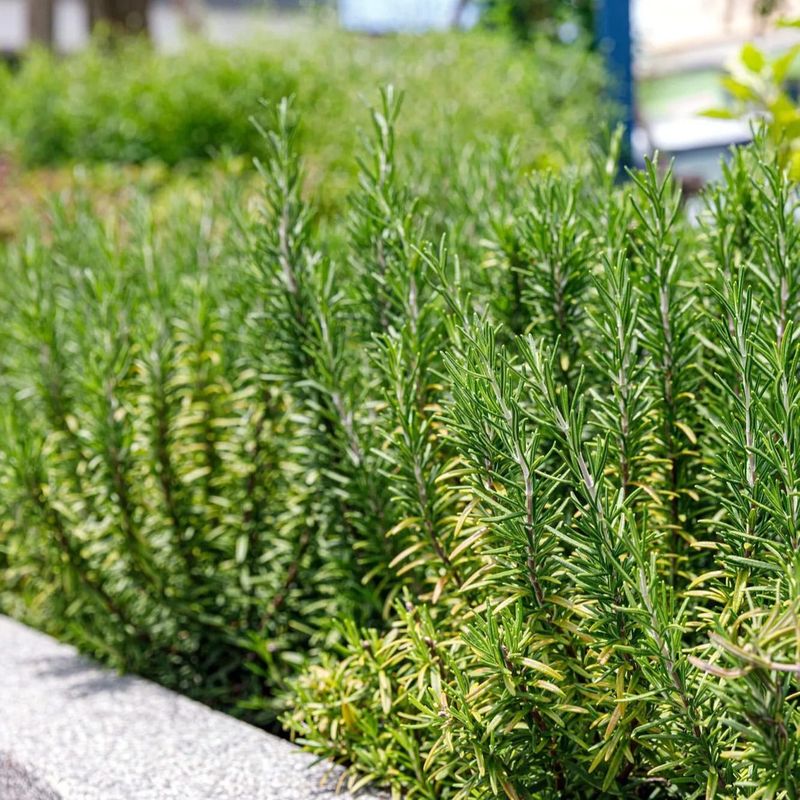
Rosemary is one of those plants that makes your garden smell like a Mediterranean kitchen and may also help keep ticks at bay.
Rosemary-derived molecules have shown tick-repellent activity in research, and some natural insect repellent products already use rosemary oil as an active ingredient.
It is a fragrant, woody herb that has been valued for centuries, and now it has another reason to earn a spot in your yard.
Here is the honest truth about growing rosemary in Pennsylvania: it is not reliably cold-hardy everywhere in the state. In warmer parts of southeastern Pennsylvania, established plants may survive mild winters with some protection.
But across much of the state, hard freezes can be a real challenge for rosemary. Penn State recommends growing it as an annual or keeping it in pots where it is not reliably hardy, which is actually a very practical approach for most Pennsylvania gardeners.
Using pots along borders, near patios, steps, and garden entrances gives you flexibility. You can move rosemary indoors before the first hard frost, overwinter it in a sunny window, and bring it back outside in spring.
Upright varieties like ‘Tuscan Blue’ grow tall and bushy, while trailing types like ‘Prostratus’ cascade beautifully over pot edges. Either way, the strongly aromatic foliage does its job all season long.
Brushing against the plant as you walk by releases that familiar piney, herby scent, which is part of what makes it useful as a natural pest deterrent in your outdoor spaces.
5. Scented Geranium
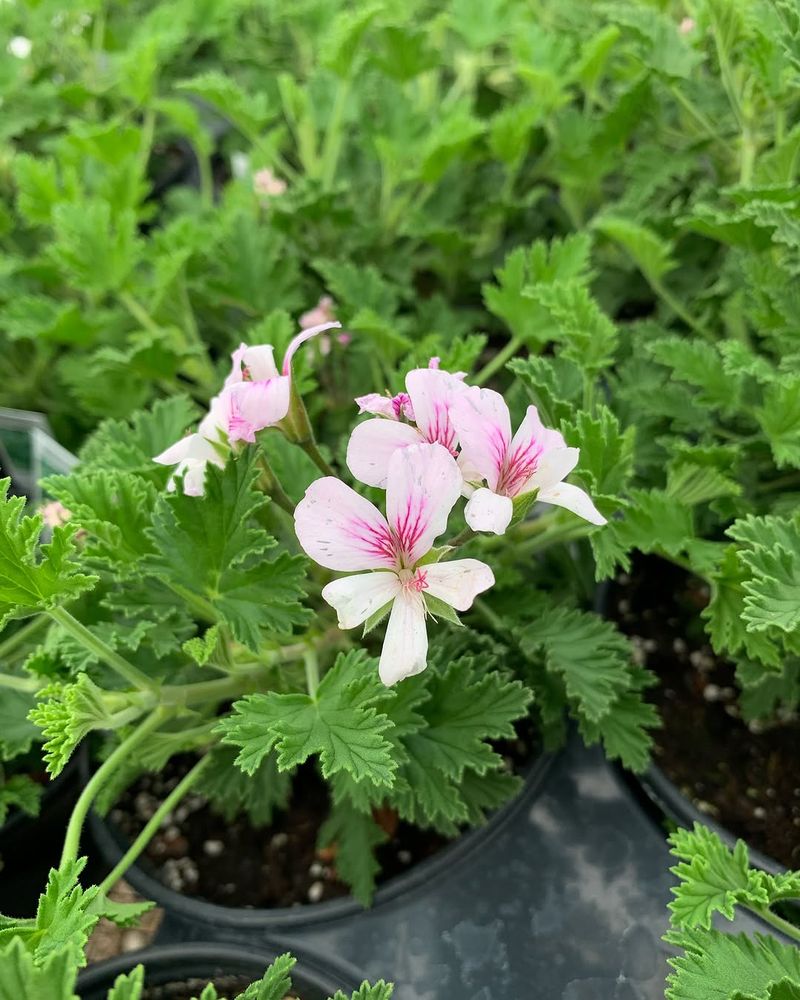
Walk past a scented geranium and give its leaves a gentle brush. What you smell next is a surprisingly rich, rosy, almost perfume-like fragrance that many people find absolutely lovely.
Rose geranium, or Pelargonium graveolens, is the variety most associated with tick-repellent research, and geraniol, one of its key aromatic compounds, has been studied for pest-deterring properties in several scientific reviews.
It is worth being straightforward here: planting one scented geranium in your yard is not going to make ticks vanish. The research on geranium oil focuses on concentrated essential oils, not on the ambient scent of a living plant.
That said, scented geraniums are still a smart and beautiful addition to patios, steps, and sunny border edges, especially when combined with other aromatic plants that also have pest-discouraging properties.
Scented geraniums are not cold-hardy in Pennsylvania and should be treated as annuals or container plants that get brought indoors before frost. They thrive in sunny spots with good drainage and actually prefer to dry out a bit between waterings.
Besides rose geranium, there are dozens of scented varieties with fragrances ranging from lemon and mint to nutmeg and coconut, giving you plenty of options to mix and match.
The foliage is deeply lobed and textured, adding visual interest even when the plant is not blooming.
Placing containers near seating areas or along heavily used pathways lets you enjoy the fragrance most and puts the plant right where its aromatic oils can do the most good throughout the warm season.
6. Lemongrass
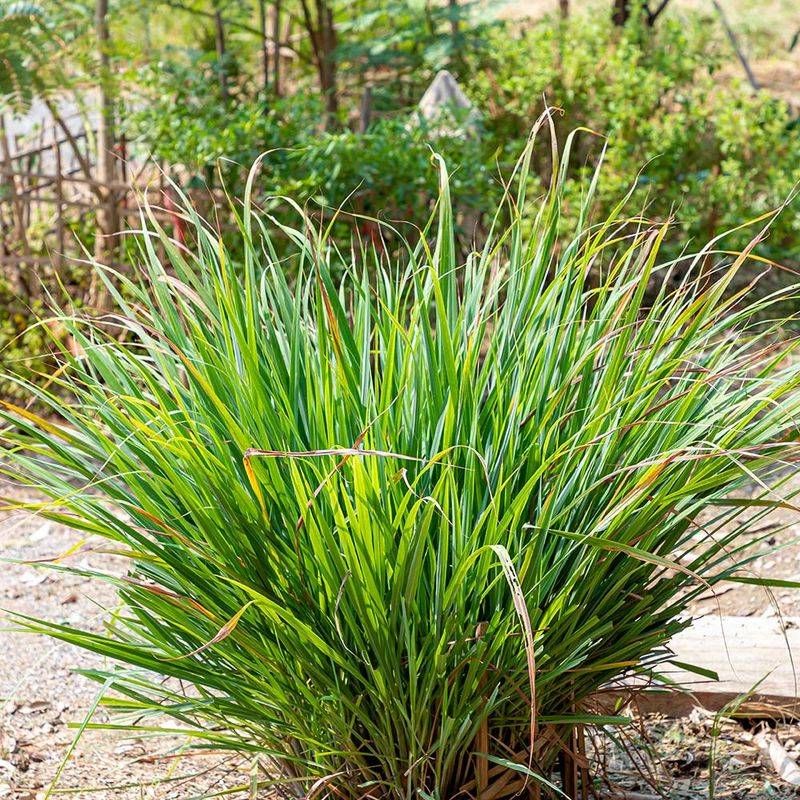
Lemongrass is a bold, tropical-looking plant that brings a fresh citrusy scent and a dramatic visual presence to any garden border.
Its essential oil has been well studied for pest-repelling potential, and citral, the compound responsible for that bright lemon aroma, is a big part of why lemongrass oil shows up in so many natural insect repellent formulas.
For Pennsylvania gardeners, it is a warm-season container plant that earns its keep from late spring through early fall.
Since lemongrass is a tropical plant, it cannot survive Pennsylvania winters outdoors. Treat it as an annual and replace it each season, or overwinter it indoors in a warm, sunny spot and bring it back outside after the last frost date.
It grows quickly and can reach three to five feet tall in a single season, making it a striking focal point in large patio pots or along border edges where you want some height and texture.
Lemongrass loves heat and full sun, so place it in the warmest, sunniest part of your border or patio. It also needs consistent moisture, especially during hot summer stretches.
The long, arching blades move beautifully in a breeze and release their fresh scent when touched. As a bonus, lemongrass is edible and used widely in Asian cooking, so you can harvest stalks for the kitchen while also enjoying it as a garden plant.
It pairs well visually with lower-growing aromatic plants like thyme or catnip along the border front, creating a layered, fragrant planting that looks intentional and polished.
7. Lemon Eucalyptus
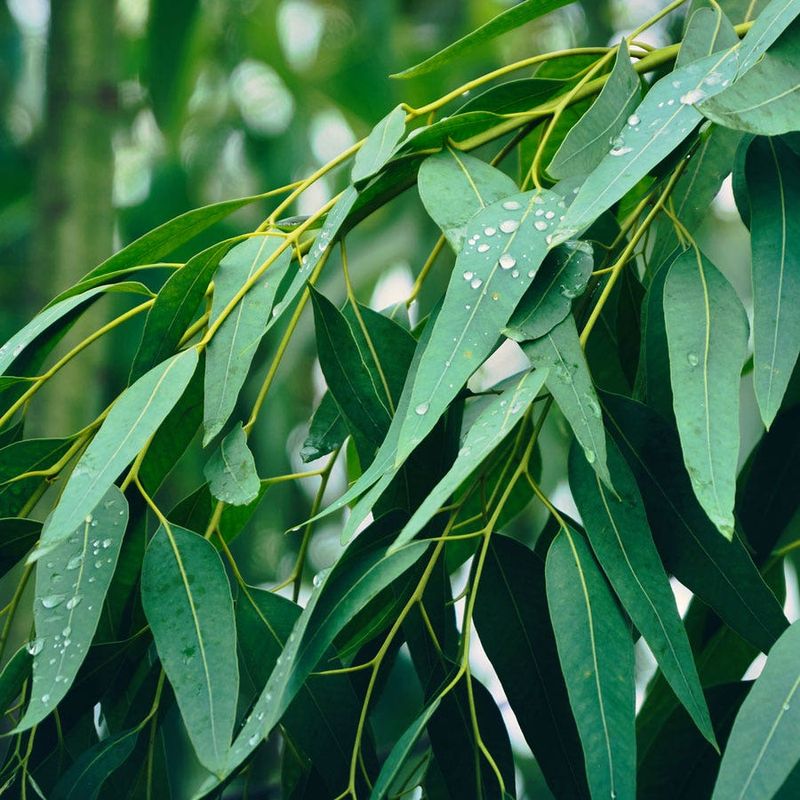
Lemon eucalyptus is not your typical garden border plant, but it has one of the strongest scientific credentials on this entire list.
Oil of lemon eucalyptus, often called OLE, and its refined form PMD are listed by the CDC among EPA-registered active ingredients in tick and insect repellents.
That puts lemon eucalyptus in a different category from most plants here, because its importance is backed by regulatory recognition, not just lab curiosity.
Growing lemon eucalyptus in Pennsylvania requires a realistic approach. It is a fast-growing tropical tree that can reach enormous heights in its native Australia, but in Pennsylvania it must be grown in a large container and treated as a warm-season patio plant.
It is not cold-hardy in most of the state and should be moved indoors before temperatures drop. A bright, sunny indoor space can keep it healthy through winter.
The tree produces long, narrow, strongly aromatic leaves that release a fresh, lemony, slightly medicinal scent, especially in warm sun or when touched.
Placing a large pot of lemon eucalyptus near a patio seating area or along a border edge near a frequently used entrance can make the most of its aromatic presence.
While having the plant growing nearby is not the same as applying a repellent product directly to your skin, it still adds fragrance and visual drama to your garden.
For gardeners who want a conversation-starting plant with serious scientific backing behind its oils, lemon eucalyptus is a genuinely interesting and worthwhile choice for Pennsylvania outdoor spaces.
8. Mountain Mint
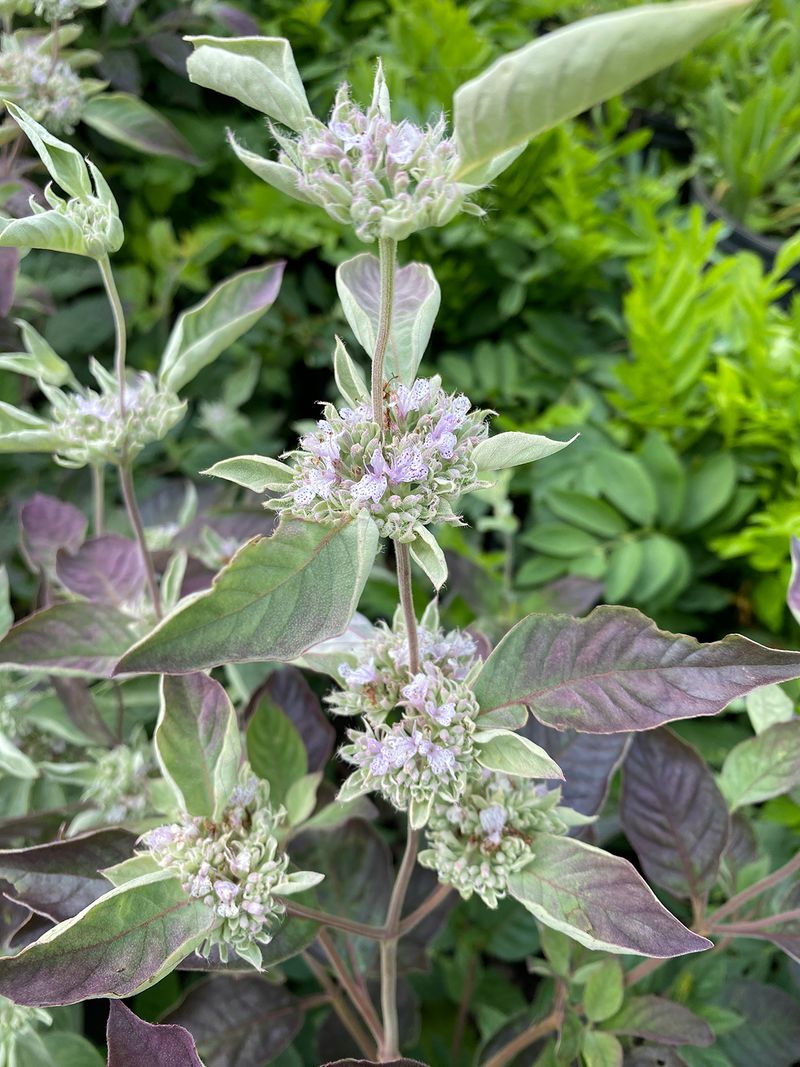
Mountain mint might just be the most Pennsylvania-friendly plant on this entire list.
Unlike the tropical or tender plants that need special winter care, Pycnanthemum species are native to eastern North America, including Pennsylvania, and they thrive in sunny borders with average to well-drained soil.
They are tough, reliable, and deeply rooted in the local ecosystem in the best possible way. The foliage is intensely aromatic, with a sharp, clean mint scent that is noticeable from several feet away on a warm day.
Research and practical garden experience suggest mountain mint has pest-deterring qualities, and it is well supported as a pollinator magnet and beneficial insect attractor.
Bees, wasps, and other beneficial insects flock to it in summer, which actually helps support a healthier garden ecosystem overall.
It is better described as a smart native border plant with aromatic pest-discouraging properties than as a proven standalone tick-control solution.
Mountain mint spreads by rhizomes, so give it room or plan to divide it every couple of years to keep it in bounds.
Varieties like Pycnanthemum muticum, or clustered mountain mint, have especially showy silvery bracts that make the plant look almost frosted in midsummer, which is genuinely beautiful in a border planting.
It pairs well with native coneflowers, black-eyed Susans, and other sun-loving perennials.
For Pennsylvania gardeners who want a low-maintenance, native, ecologically valuable plant that also brings strong aromatic qualities and potential pest-deterring benefits to the border, mountain mint is a practical and rewarding choice worth planting this season.