The Best Cutting Garden Flowers Michigan Gardeners Can Grow For Fresh Bouquets All Summer
A cutting garden done right means walking outside with a pair of scissors and coming back with something genuinely beautiful for the kitchen table, the front entryway, or a gift that cost almost nothing to put together.
Michigan’s growing season is compressed enough that flower selection for cutting needs to be deliberate, focused on varieties that produce repeatedly through the warm months rather than delivering one flush of blooms and then fading out by midsummer.
The best cutting flowers for Michigan gardens share a specific set of traits including heat tolerance, long vase life, and the ability to respond to regular harvesting by pushing out new stems rather than shutting down.
Getting the right mix of species into the ground creates a supply of fresh flowers that runs from late spring through the first frost without significant gaps.
1. Zinnias
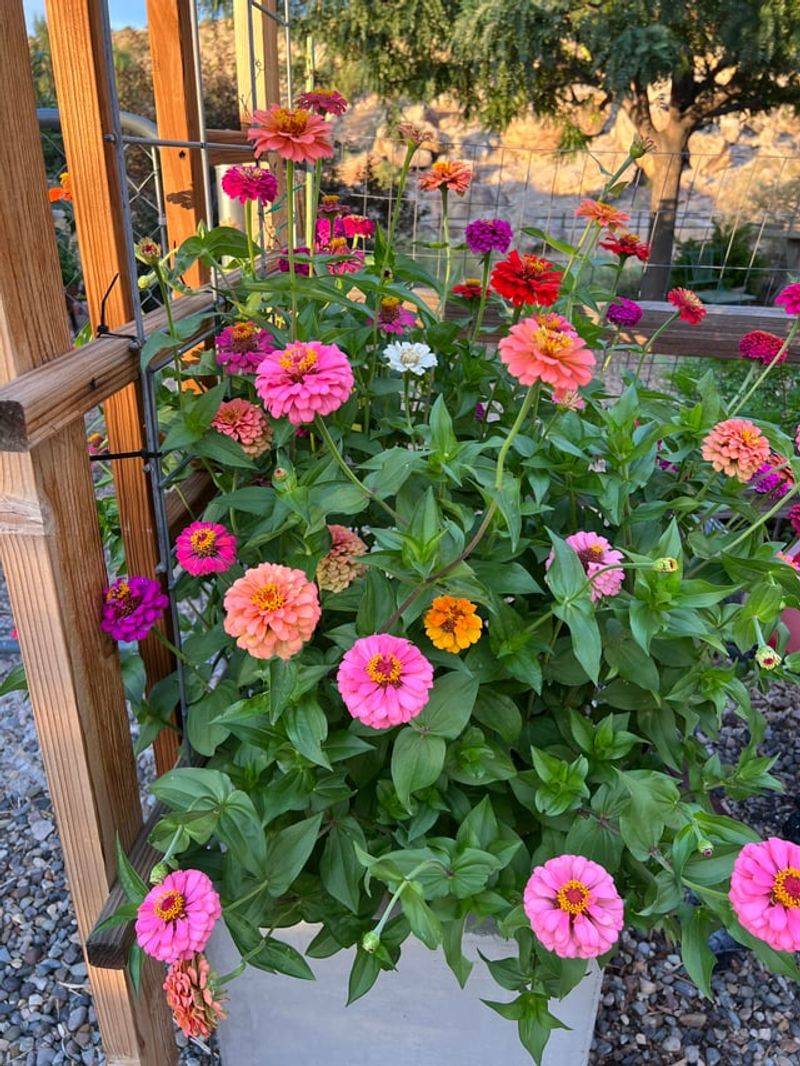
Few flowers put on a show quite like zinnias. These bold, cheerful bloomers come in almost every color imaginable, from deep magenta and coral orange to soft cream and bright lemon yellow.
For Michigan gardeners, zinnias are a dream come true because they thrive in warm summer heat and just keep going until the first frost.
What makes zinnias especially great for cutting gardens is how they respond to being harvested. Every time you cut a stem, the plant pushes out two or three new ones in its place.
Picking flowers regularly is actually what keeps the plant producing more blooms all summer long. Skip the cutting and the plant slows down, so grab those scissors and fill your vases often.
Removing spent blooms that are past their prime also helps redirect the plant’s energy toward fresh new stems.
Varieties like Benary’s Giant and Cut and Come Again are especially popular because they produce long, strong stems that hold up beautifully in arrangements.
Plant zinnias after your last frost date, which in most of Michigan falls between mid-April and mid-May, and direct sow them right into warm garden soil.
Within about two months, you will have armloads of colorful blooms ready to brighten any room in your home.
2. Cosmos
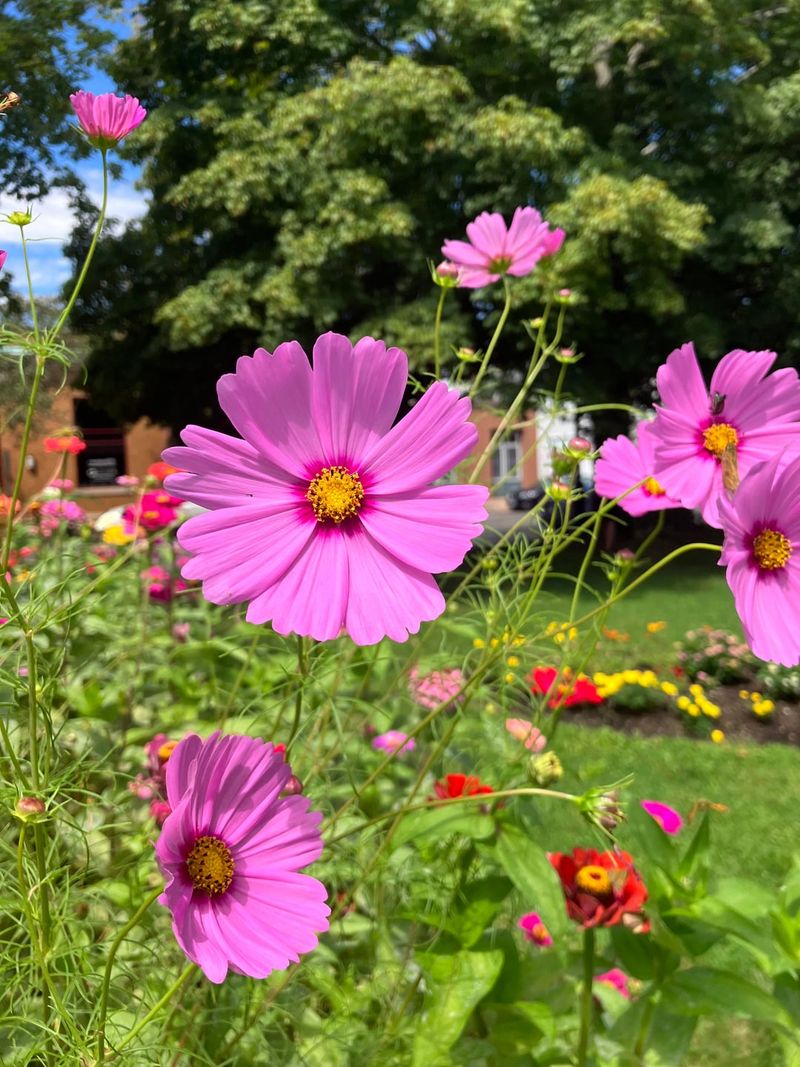
Cosmos have a kind of effortless beauty that makes every bouquet feel like it was gathered from a wildflower meadow. Their daisy-like blooms sit on top of long, slender stems surrounded by feathery, lacy foliage that sways gently in the breeze.
In a mixed arrangement, cosmos act as a natural softener, filling in gaps between larger flowers and giving the whole bouquet an airy, relaxed look.
Michigan gardeners love cosmos because they are incredibly easy to grow from seed, even for beginners. Direct sow them into the garden after the last frost, and they will germinate quickly in warm soil.
They actually prefer lean soil over rich, fertilized ground, so you do not need to fuss over them much at all.
The real secret to keeping cosmos blooming from early summer all the way through fall is simple: pick them often. The more you cut, the more flowers the plant produces.
Your Michigan Garden Changes Every Week. Your Plan Should Too.
Gardening in Michigan changes quickly throughout the season. Every Friday you’ll receive a simple weekly plan showing exactly what to plant, prune, fertilize, harvest, and protect so you never miss the right timing.
Varieties like Sensation Mix and Versailles Pink are top choices for cutting because they develop longer stems that work well in vases. Cosmos also mix beautifully with sunflowers, zinnias, and statice for layered, colorful arrangements.
Their gentle, romantic look adds softness to any bouquet, and their long vase life makes them worth growing in generous quantities every single season.
3. Sunflowers
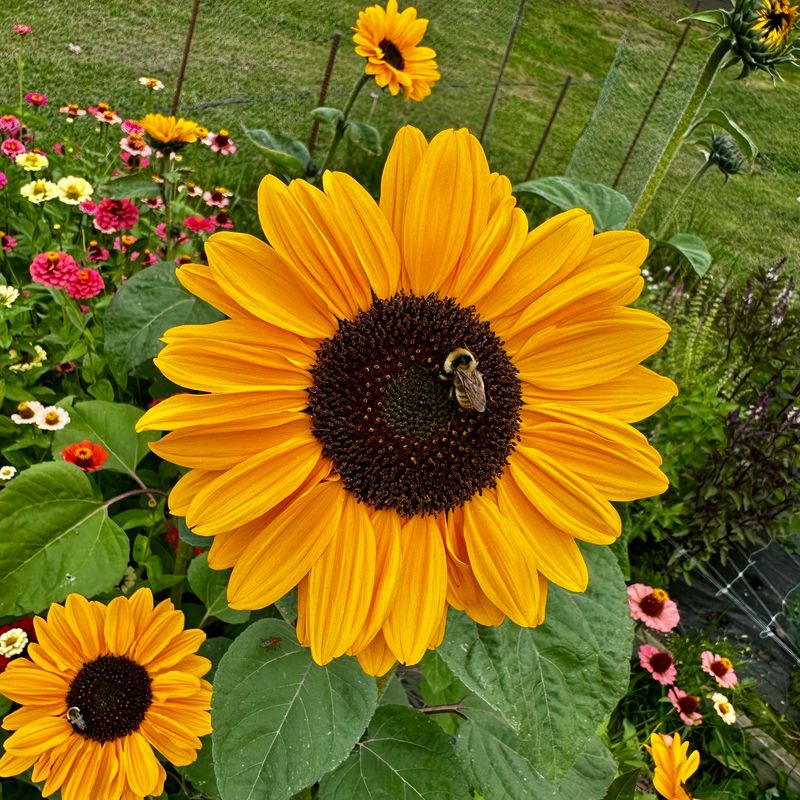
There is something undeniably joyful about a sunflower. That bold yellow face tilted toward the sky has made sunflowers one of the most beloved garden plants in the world, and Michigan gardeners have plenty of reasons to grow them for cutting.
They add strong structure and vibrant color to bouquets, and a single stem can completely transform a simple vase into a statement piece.
For the best cutting results, choose branching varieties rather than single-stem types. Varieties like Sunrich Orange, ProCut, and Moulin Rouge produce multiple stems per plant, which means more flowers for your vases without needing to plant as many seeds.
Succession planting is another smart strategy. Sow a new batch of seeds every two to three weeks from late May through early July, and you can enjoy fresh sunflowers from midsummer all the way into September.
Sunflowers grow best in full sun with well-drained soil, and summers give them exactly the warm conditions they need. Cut stems in the morning when the outer petals are just beginning to open, and place them immediately in water.
This helps them last longer in the vase. Sunflowers pair wonderfully with zinnias, marigolds, and rudbeckia for warm, golden arrangements that feel like summer captured in a jar.
Growing them is simple, rewarding, and absolutely worth the garden space.
4. Snapdragons
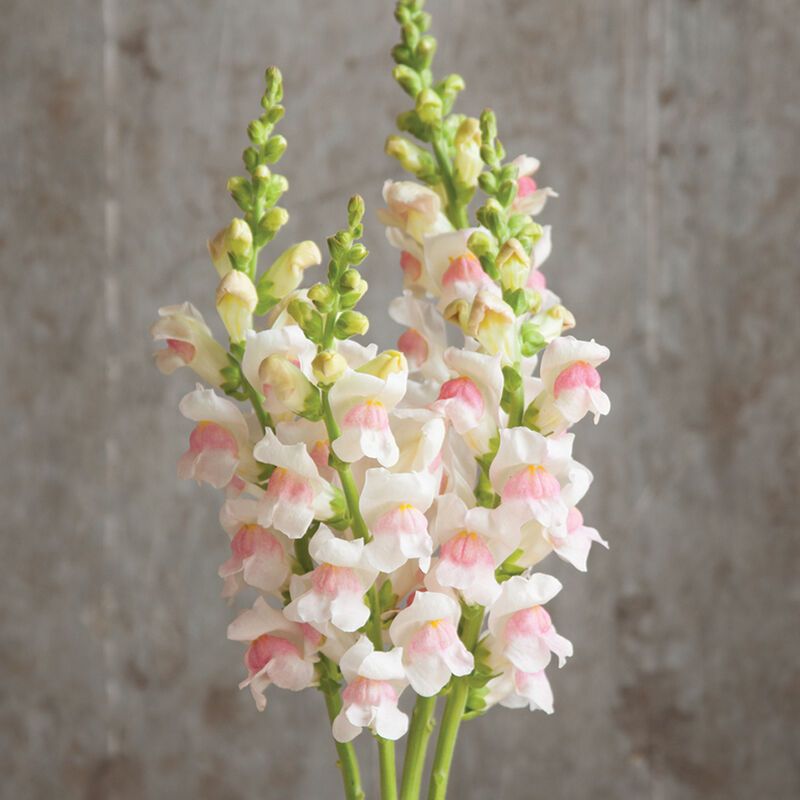
Snapdragons bring something special to a bouquet that most other flowers simply cannot offer: vertical drama.
Their tall, densely packed flower spikes add height and structure to arrangements, making them one of the most useful line flowers a gardener can grow.
Whether you are putting together a formal centerpiece or a casual farmhouse-style bunch, snapdragons give every arrangement a sense of elegance and movement.
One thing that sets snapdragons apart from many summer flowers is their preference for cooler temperatures. In Michigan, they perform beautifully in early summer and again in late summer as temperatures begin to ease.
During the hottest weeks of July and August, they may slow down, but they bounce back reliably as cooler weather returns. This makes them ideal for extending your cutting season beyond the typical midsummer peak.
Start snapdragon seeds indoors about eight to ten weeks before your last frost date, or purchase transplants from a local nursery. They need full sun and well-drained soil to thrive.
Varieties like Rocket Mix and Madame Butterfly are popular for cutting because they develop long, strong stems. Cut the spike when about a third of the flowers along the stem have opened, and they will continue to open upward in the vase.
Their sweet fragrance is a bonus that adds one more reason to grow them every year.
5. Strawflowers
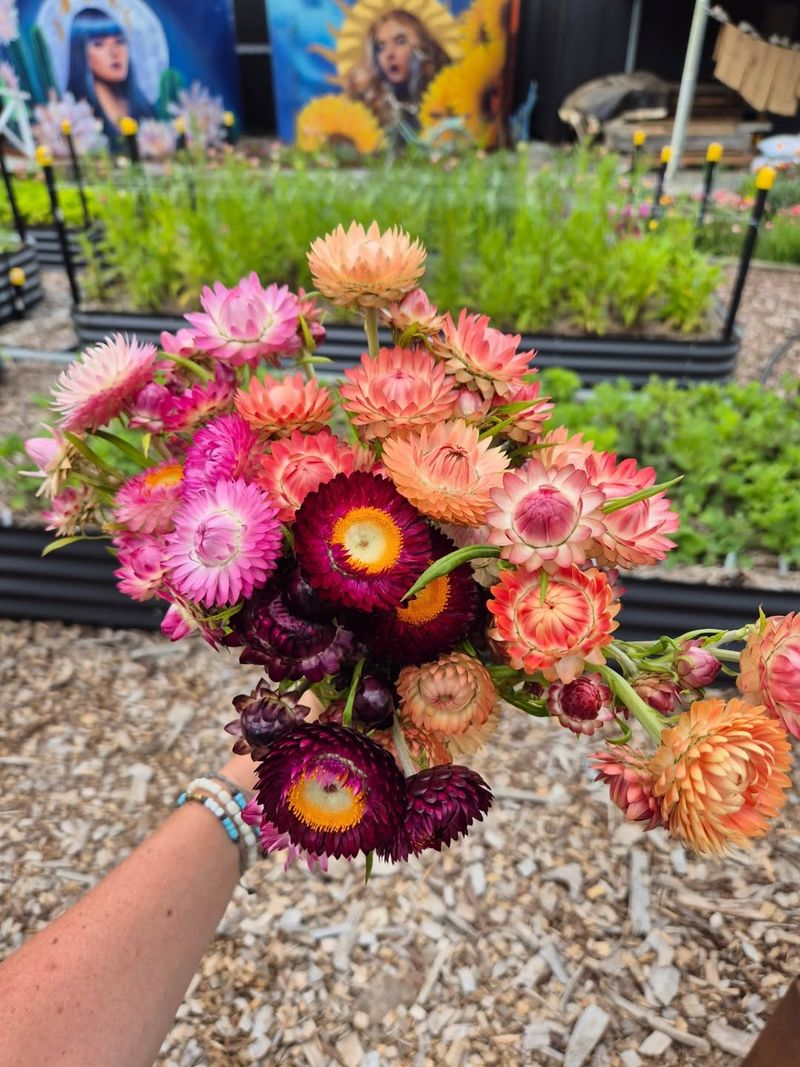
Strawflowers are the hidden gems of the cutting garden world.
Their papery, almost crisp petals have a unique texture that stands out in any arrangement, and their colors are incredibly vivid, ranging from deep burgundy and burnt orange to golden yellow and soft pink.
For gardeners who want flowers that work hard in both fresh bouquets and dried displays, strawflowers are an absolute must-grow.
In fresh arrangements, strawflowers add a striking textural contrast next to softer blooms like cosmos or zinnias. They hold their shape and color beautifully in the vase, often lasting well over a week when cut at the right stage.
For drying, harvest stems before the blooms fully open and hang them upside down in a warm, airy space. Once preserved, the colors stay remarkably vivid for months, making them perfect for winter wreaths and dried floral displays.
Growing strawflowers in Michigan is straightforward. Start seeds indoors about four to six weeks before the last frost, or direct sow after frost danger has passed.
They love full sun and well-drained soil, and they are surprisingly heat-tolerant once established. Regular cutting encourages the plant to produce even more stems, so do not hold back.
Varieties like Bright Bikinis Mix and Tall Mix are popular choices that produce generous quantities of blooms all season long, giving you plenty for both fresh and dried projects.
6. Statice
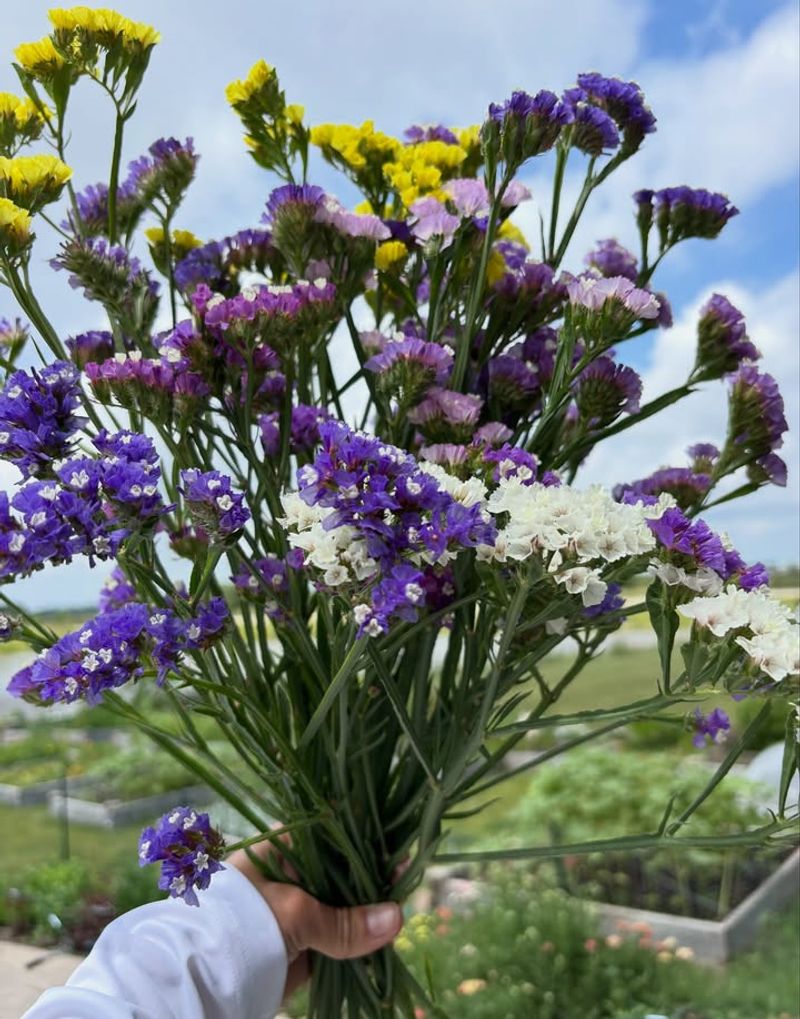
Statice might not always get the spotlight, but experienced flower gardeners know exactly how valuable it is.
Those clustered, papery blooms in shades of purple, lavender, pink, white, and yellow are the ultimate filler flower, filling in the spaces between larger blooms and tying a whole arrangement together.
In a Michigan cutting garden, statice earns its place by working beautifully in both fresh summer bouquets and long-lasting dried displays.
What makes statice especially useful is how well it pairs with bold, statement flowers. Tucked between zinnias, sunflowers, and dahlias, it adds color without competing for attention.
The papery texture creates visual interest and contrast, and the stems are sturdy enough to hold their position in a vase without drooping. Fresh statice can last up to two weeks in the vase, which is impressive for any cutting garden flower.
Statice grows best from transplants started indoors about eight weeks before the last frost. It prefers full sun and well-drained soil, and once established it handles heat and dry spells better than many other cutting flowers.
To dry statice, simply cut stems when fully open and hang them in small bunches in a dry, ventilated area. The colors stay bright for a very long time.
Varieties like QIS Mix and Fortress Series are reliable choices that produce abundant stems throughout the Michigan growing season.
7. Gladiolus
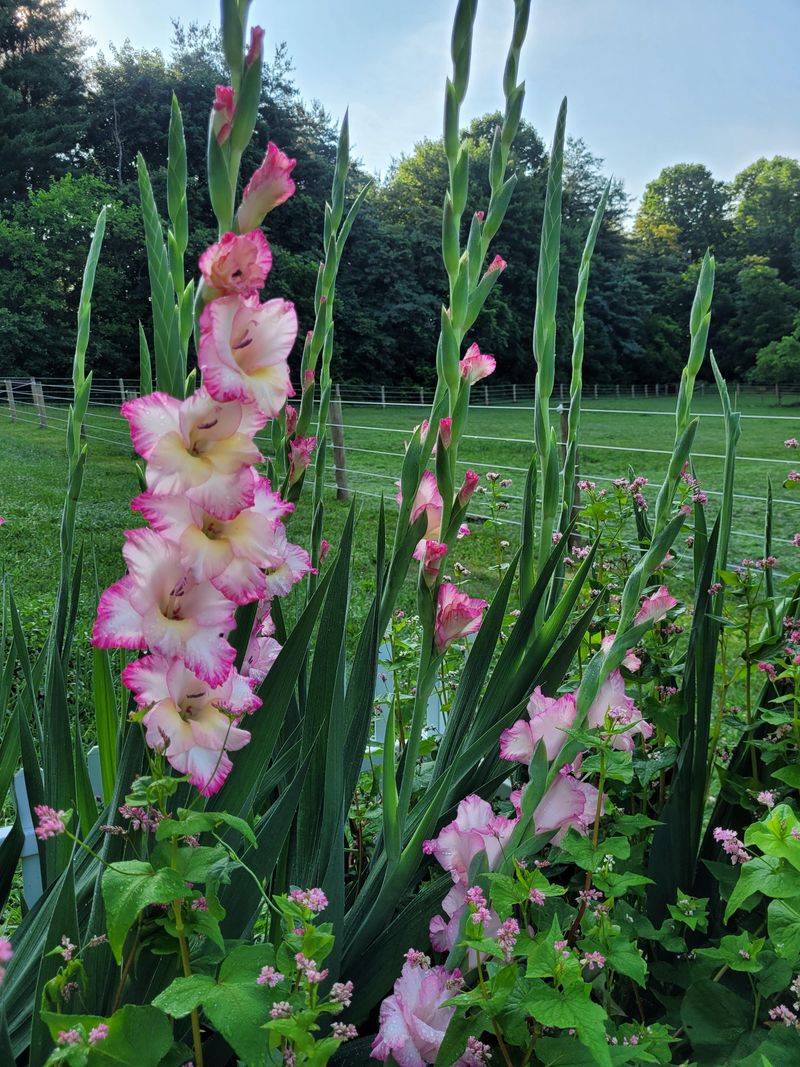
If you want to add real drama to your summer bouquets, gladiolus is the flower to grow. Those tall, towering spikes covered in ruffled blooms have a theatrical quality that commands attention in any vase.
A single stem of gladiolus can reach two to four feet tall, making it ideal for large arrangements and tall vases where shorter flowers would simply get lost.
Michigan summers are well-suited for growing gladiolus from corms, which are bulb-like structures you plant in spring after the soil warms up.
The smartest approach is to plant corms in waves, spacing out your plantings by two to three weeks starting in mid-May and continuing through early July.
This staggered planting strategy stretches your bloom season so you are not flooded with all your flowers at once, and you get a steady supply of fresh spikes for weeks on end.
Cut gladiolus spikes when the lowest two or three buds on the stem are just beginning to show color but have not fully opened yet. They will continue to open beautifully in the vase, giving you days of fresh blooms.
In Michigan, gladiolus corms need to be dug up before hard freezes arrive in fall and stored in a cool, dry location over winter.
Popular varieties like Priscilla, Nova Lux, and Espresso offer stunning color and reliable performance for gardeners who love bold, impressive arrangements.
8. Marigolds
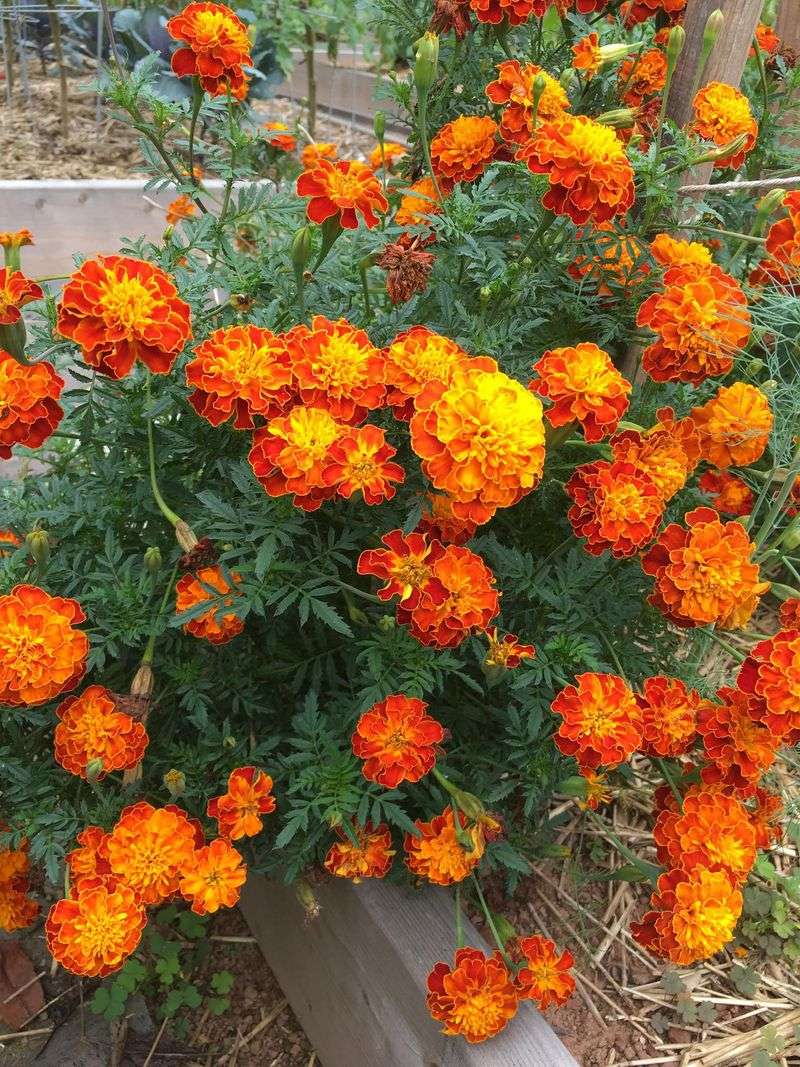
Marigolds get underestimated all the time as cutting flowers, and that is honestly a shame.
Most people think of them as border plants or vegetable garden companions, but Michigan State University actually lists marigolds among top-rated flowers for cutting, noting that they can have a vase life of one to two weeks when properly cared for.
That kind of staying power makes them a genuinely practical choice for anyone building a summer cutting garden.
Their warm tones, ranging from golden yellow and burnt orange to deep mahogany and creamy white, add richness to summer arrangements.
African marigold varieties, especially the large-flowered Crackerjack and Inca series, produce the kind of full, round blooms that look impressive in bouquets.
The stems are sturdy and upright, which helps them hold their position in mixed arrangements alongside taller flowers like gladiolus or sunflowers.
Growing marigolds in Michigan is about as beginner-friendly as it gets. Direct sow seeds after the last frost, or start transplants indoors four to six weeks earlier for a head start.
They thrive in full sun and are remarkably heat-tolerant once established. One tip worth remembering: strip the lower leaves off cut stems before placing them in water, as the foliage has a strong scent that can become unpleasant indoors.
With regular cutting and a little basic care, marigolds will reward you with colorful blooms from June all the way through fall.
9. Black Eyed Susans
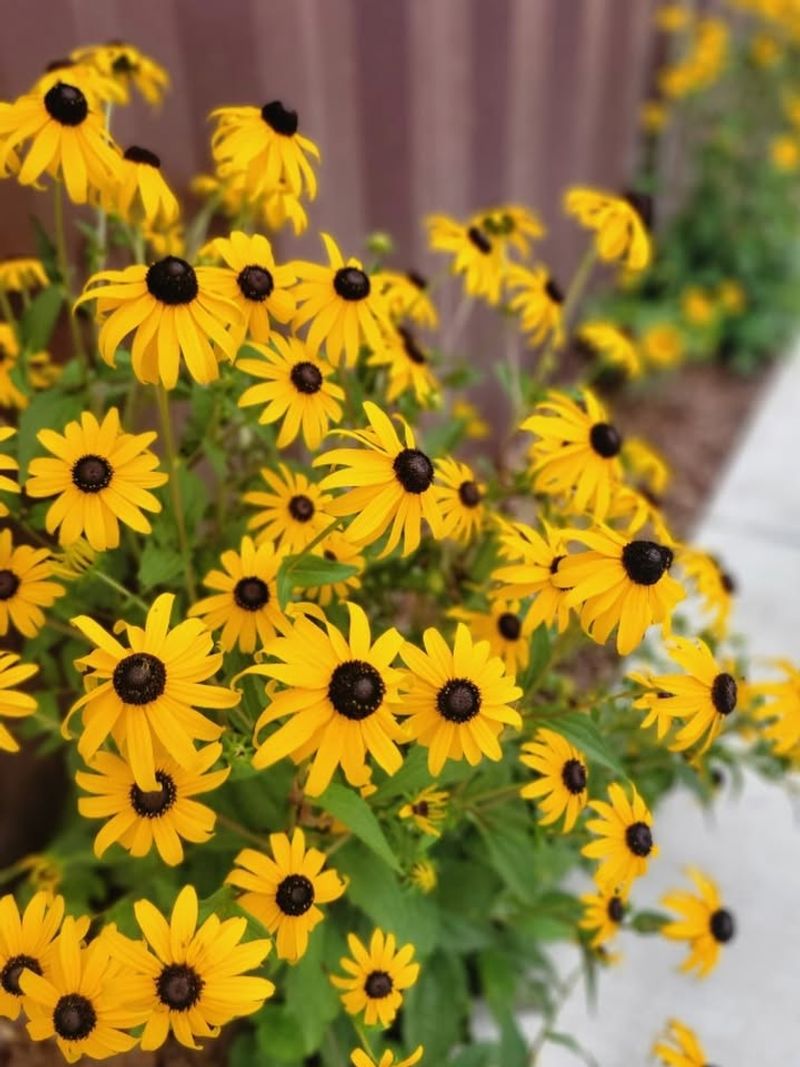
Black Eyed Susans have a cheerful, sun-soaked look that feels like pure Michigan summer.
Those glowing golden petals surrounding a rich, dark brown center create one of the most recognizable flower profiles in any garden, and in a vase they bring warmth, texture, and a beautifully natural wildflower quality that more formal flowers simply cannot replicate.
For Michigan gardeners, Black Eyed Susans are a natural fit because they are tough, adaptable, and genuinely at home in the local climate.
They handle summer heat with ease and attract pollinators by the dozen, making the garden feel alive and buzzing all season long.
Cut stems in the morning when the petals are fully open, and condition them in water for several hours before arranging. They last well in the vase, typically holding strong for seven to ten days.
What makes Black Eyed Susans especially fun to work with is how naturally they mix with other cutting garden flowers.
Pair them with zinnias for a burst of warm color, tuck them alongside cosmos for a wildflower-meadow feel, or combine them with statice and ornamental grasses for a textured, layered arrangement.
Annual varieties like Indian Summer and Prairie Sun produce especially large blooms and long stems that work beautifully for cutting.
Rudbeckia hirta, the classic annual type, is easy to grow from seed and blooms generously throughout the entire Michigan summer season.
10. Dahlias
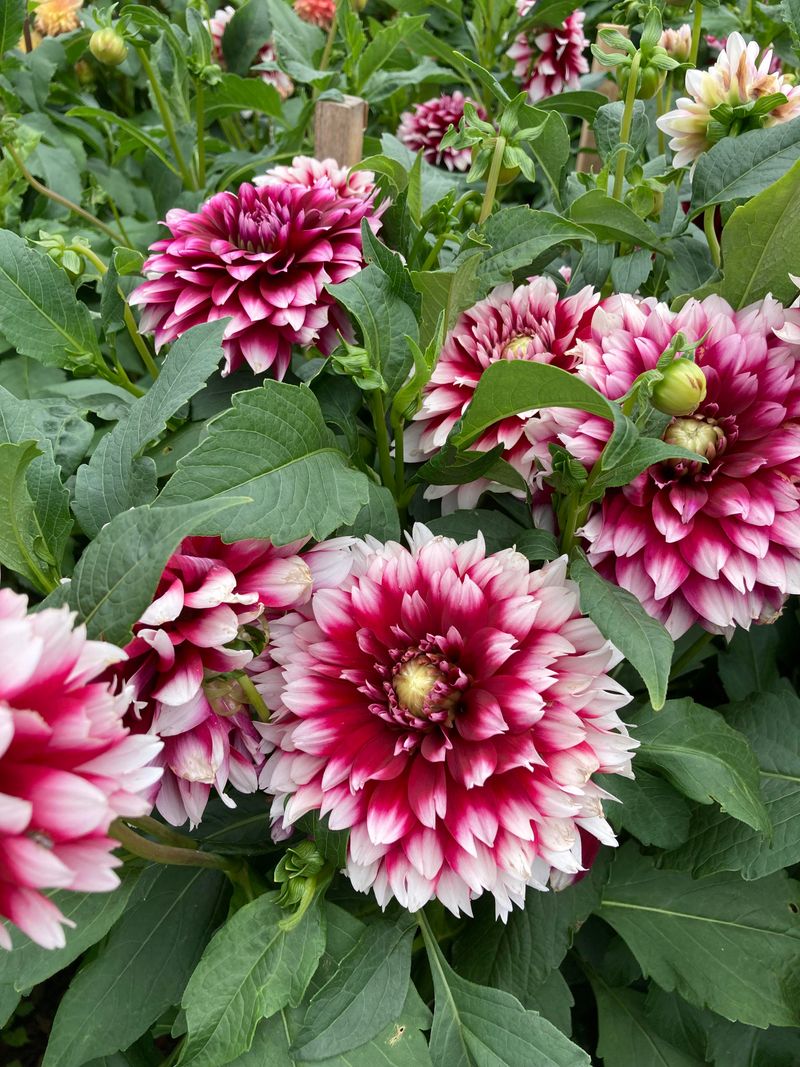
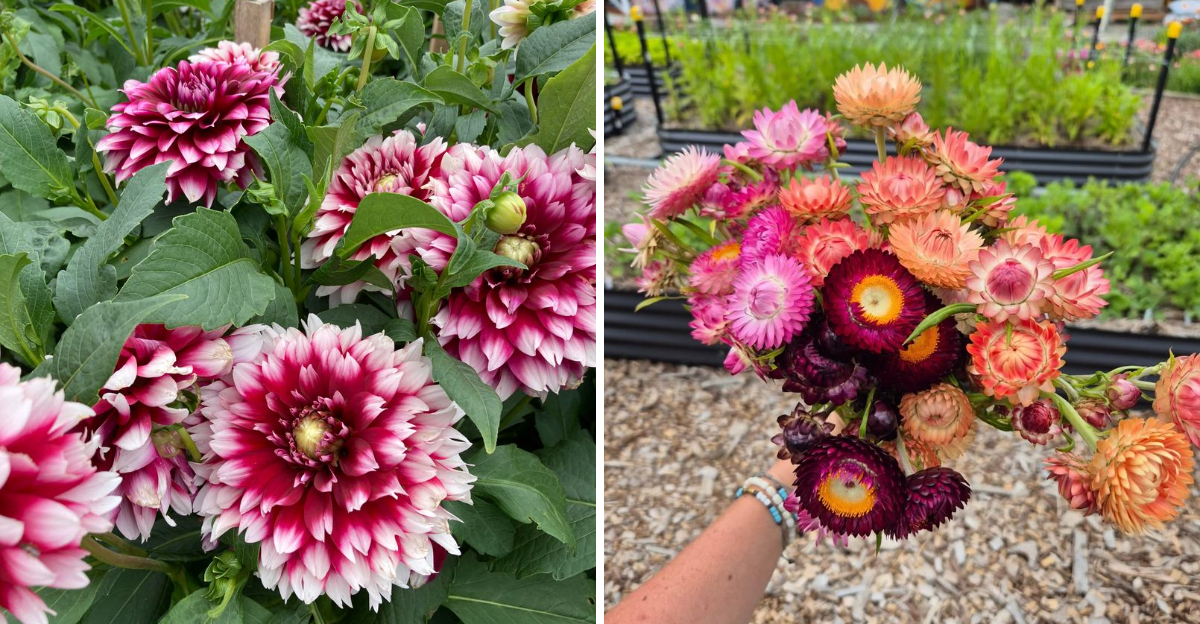
Dahlias are the crown jewel of the summer cutting garden, and for gardeners willing to put in a little extra effort, the payoff is absolutely spectacular.
From dinner-plate varieties with blooms the size of a small pizza to delicate pompons and elegant cafe au lait tones, dahlias come in an almost overwhelming variety of flower forms and colors.
They bloom from midsummer and keep going strong well into fall, long after many other flowers have finished.
Growing dahlias successfully in Michigan starts with choosing a sunny spot and planting tubers in warm soil, typically around late May.
They need at least six to eight hours of direct sunlight daily, consistent moisture, and good drainage to perform their best.
Tall varieties benefit from staking early in the season before the plants get too large to handle easily. Pinching the main stem when the plant is about twelve inches tall encourages bushier growth and more cutting stems.
Because Michigan winters are too harsh for dahlias to survive in the ground, tubers need to be dug up after the first light frost in fall and stored indoors in a cool, dry, frost-free location through winter.
Pack them in peat moss, vermiculite, or dry sawdust to keep them from shriveling.
With proper storage, the same tubers come back bigger and more productive each year. Popular cutting varieties like Cafe au Lait, Labyrinth, and Peaches and Cream consistently deliver stunning results for gardeners.