These Are The Texas Firefly Species Most Likely To Be In Your Yard
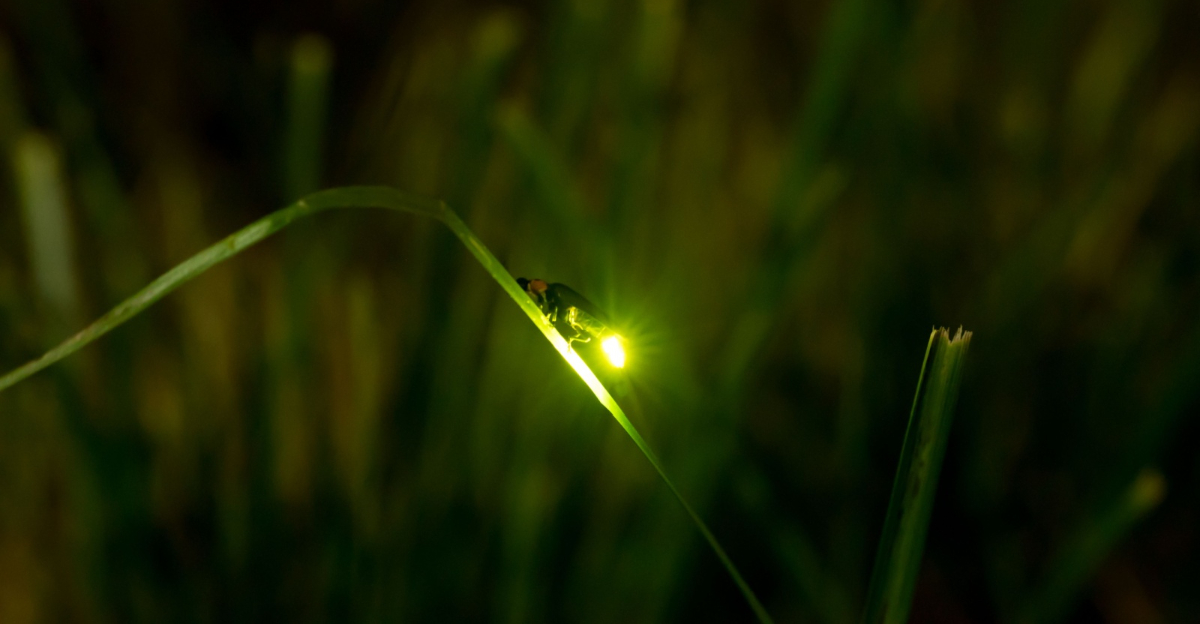
There is a moment every summer when the backyard stops being just a backyard. The heat of the day finally backs off, the sky goes soft, and then one little blink of light appears near the tree line.
Then another. And suddenly you’re standing outside way longer than you planned, completely captivated by fireflies doing their thing in the dark.
It never gets old, honestly. Firefly sightings across Texas can vary quite a bit depending on your region, moisture levels, surrounding habitat, and how much darkness your yard actually has at night.
Some species show up regularly in suburban gardens, while others are closely tied to specific landscapes like East Texas woodlands or the Hill Country.
Knowing which species are most likely near your property makes those summer evening light shows even more interesting to watch.
1. Big Dipper Fireflies Are The Most Likely Backyard Visitors
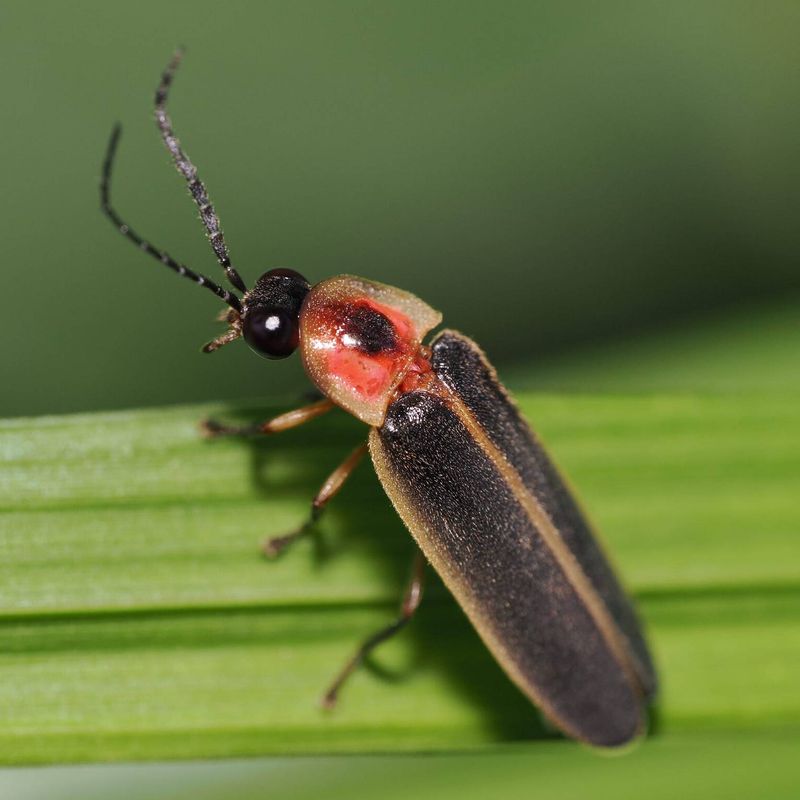
On a warm evening, the soft J-shaped arc of light drifting over a suburban lawn is one of the most recognizable sights of summer. That familiar dipping flash almost certainly belongs to the Big Dipper Firefly, known scientifically as Photinus pyralis.
This species is widely considered the most common backyard firefly across much of the eastern and central United States, and Texas is no exception.
Its common name comes from the male’s distinctive dipping flash pattern, which can look like a tiny glowing ladle being drawn through the air.
Big Dipper Fireflies tend to use a broad range of habitats, which is a big reason they show up so reliably in yards. They are comfortable near open grassy areas, garden edges, lightly wooded borders, and even suburban neighborhoods where some darkness remains.
The male flashes that distinctive downward swoop while flying low, and the female responds from the grass below with a short answering flash.
In Texas, these fireflies typically begin appearing in late spring and are most active through the summer months. They tend to favor areas with moist soil, taller grass sections, and nearby trees or shrubs that offer resting spots during the day.
Reducing outdoor lighting near garden borders and leaving some areas of taller grass unmowed can make your yard noticeably more welcoming to this species.
If you spot a low-flying, dipping light over your lawn on a humid evening, there is a good chance you are watching a Big Dipper Firefly doing exactly what it does best.
2. Woods Fireflies May Appear Near Trees And Open Areas
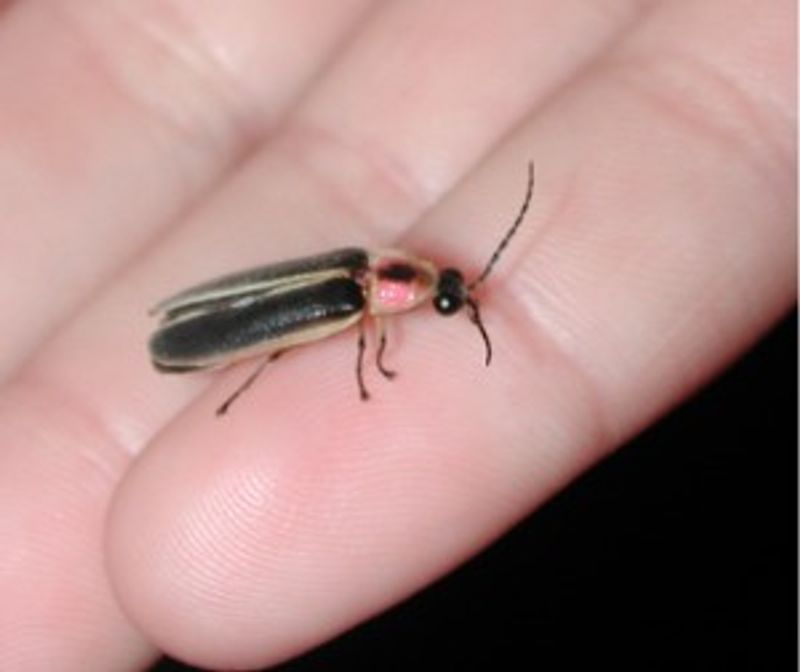
Yards that back up to wooded edges or feature mature trees along their borders sometimes host a pleasant surprise during summer evenings.
Woods Fireflies, which belong to the broader Photinus group, are species associated with forest margins, open woodland patches, and transitional spaces where trees meet grassy clearings.
Unlike the Big Dipper Firefly, this name can refer to more than one woodland-associated Photinus species, so it is better treated as a habitat-based group rather than one easy backyard ID.
Your Texas Garden Changes Every Week. Your Plan Should Too.
Gardening in Texas changes quickly throughout the season. Every Friday you’ll receive a simple weekly plan showing exactly what to plant, prune, fertilize, harvest, and protect so you never miss the right timing.
These fireflies tend to be active in that in-between zone where shade and open space overlap.
In Texas, wooded backyards in areas with decent tree cover and some moisture in the soil can attract these fireflies more consistently. They are not as broadly distributed as the Big Dipper Firefly, but they are certainly not rare in the right settings.
If your yard includes oak trees, cedar elms, or even a dense shrub border along a fence line, you may be providing exactly the kind of habitat these fireflies prefer for resting and signaling.
One helpful thing to know is that flash patterns among Photinus species can be subtle and tricky to separate without close observation. Some species flash with short pulses, others with longer ones, and the timing between flashes also varies.
Watching carefully with a timer or a simple flash-pattern guide can help you narrow down which species you might be seeing.
Keeping some leaf litter under trees and avoiding heavy pesticide use in wooded borders gives these fireflies a better chance of lingering in your Texas yard through the season.
3. Texas Tinie Fireflies Favor Central And Southern Texas
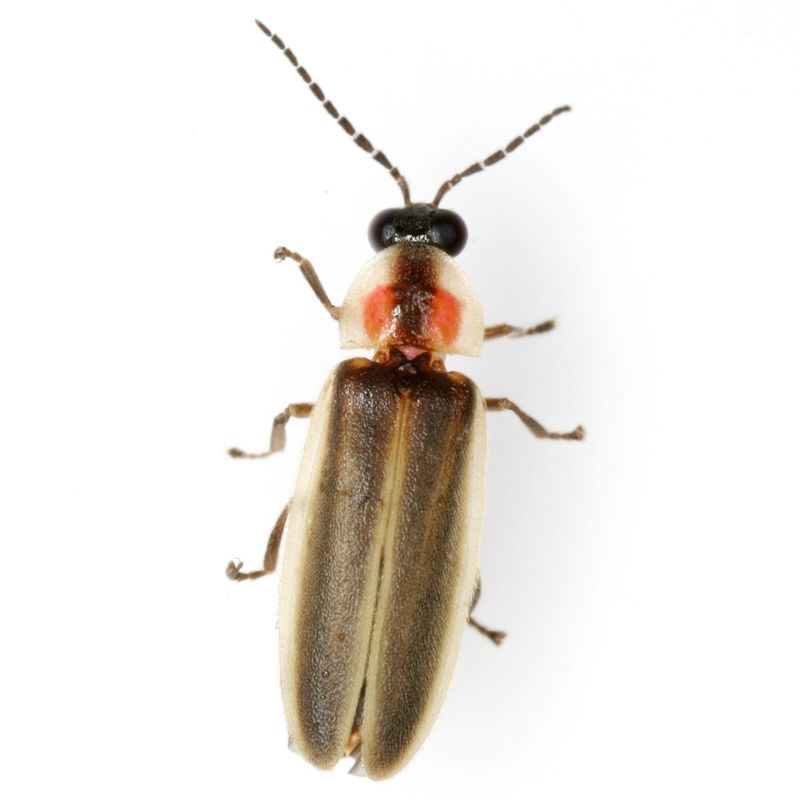
Smaller and less flashy than some of their relatives, Texas Tinie Fireflies are easy to overlook if you are not paying close attention on a warm night.
These diminutive fireflies tend to favor central and southern Texas, where the landscape shifts toward drier grasslands, rocky soils, and mixed scrub vegetation.
Their light output can be faint compared to larger species, which means a casual glance across the yard might miss them entirely.
What makes these fireflies interesting is that their preference for central and southern Texas habitats sets them apart from more widespread species.
They are more likely to appear in yards that sit near open grassland patches, rocky garden borders, or areas with native low-growing plants rather than heavily irrigated turf grass.
Homeowners in San Antonio, Austin, and surrounding communities in the Edwards Plateau region may have a reasonable chance of spotting them if conditions are right.
Moisture still plays a role even in drier regions. After a stretch of rain or near a garden bed that retains some soil moisture, Texas Tinie Fireflies may become a bit more active and visible.
Because they are small and their flashes are subtle, spending some quiet time outside after dark with your eyes adjusted to the low light gives you the best opportunity to notice them.
Native plantings, reduced light pollution near the yard edge, and minimal soil disturbance can all support their presence in central yards.
4. Photinus Dimissus May Show Up Near Wet Creek Corridors
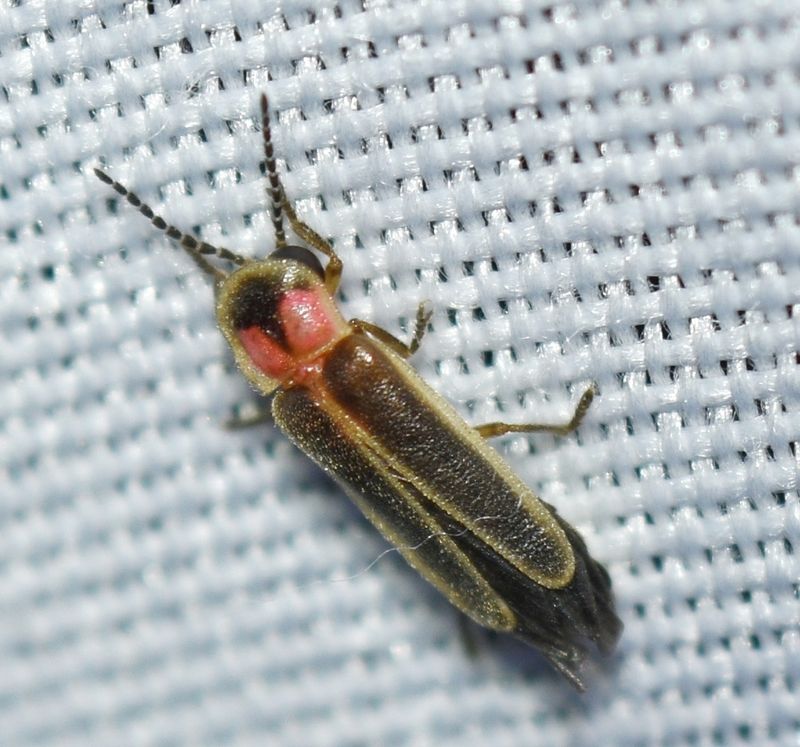
Creek edges and riparian corridors hold some of the most productive firefly habitat in Texas.
Photinus dimissus is a species associated with moist lowland areas, and yards or rural properties that border streams, drainage ditches, or seasonally wet spots may occasionally host this firefly during summer evenings.
Because this species is tied more closely to wet edges than typical open lawns, it is a much better fit for creekside or low-lying Texas properties than for dry suburban yards.
The damp soil, dense low vegetation, and sheltered conditions near water create an environment that supports the larval stage and adult activity of this species.
For homeowners near creek corridors in the eastern or central parts of the state, the presence of Photinus dimissus may not be obvious at first.
The species tends to stay relatively close to the ground and favors areas with tall grass, sedges, or dense herbaceous growth near the water’s edge.
If your property includes a seasonal wet area, a low-lying garden section that stays moist, or a fence line running alongside a small drainage channel, these spots deserve a closer look on warm summer nights.
Flash pattern observation is particularly useful for distinguishing Photinus dimissus from other similar species in the same habitat. Males typically produce short, repeated flashes at a steady interval while flying low over vegetation.
Leaving native vegetation intact along creek banks and wet borders, avoiding chemical runoff near water sources, and minimizing artificial lighting near those moist corridors can make a real difference for this species.
Other moisture-loving fireflies found across Texas tend to respond positively to those same thoughtful habitat choices.
5. Spring Treetop Flashers Are More Likely In East Texas
East Texas feels like a different world compared to the dry western parts of the state. The tall pines, bottomland hardwoods, bayous, and humid air of the Piney Woods region create ideal conditions for firefly species that simply cannot survive in drier Texas landscapes.
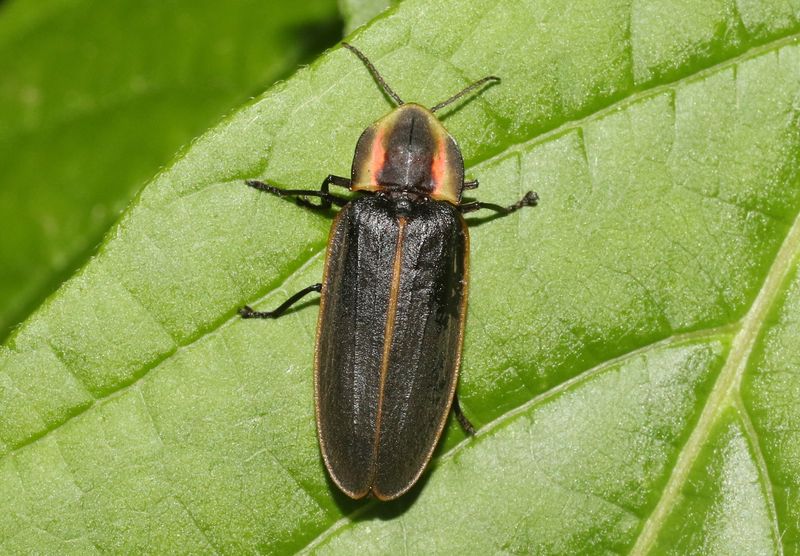
Spring Treetop Flashers, which belong to the genus Pyractomena, are among the fireflies more closely associated with this lush eastern corner of the state.
These fireflies are notable for their tendency to flash from higher up in the canopy rather than skimming low over a lawn.
If you are watching the treetops along the edge of your East Texas yard in late winter or early spring and notice amber or orange flashes moving through the upper branches, you may be watching Pyractomena species doing their courtship signaling.
The timing is also distinctive, as some Pyractomena fireflies are among the earliest to emerge in the season.
For East Texas homeowners, having mature trees along the yard’s border significantly increases the likelihood of Spring Treetop Flasher activity.
These fireflies tend to use the canopy for adult signaling while the larvae develop in moist leaf litter and soil at ground level.
Preserving leaf litter under trees, avoiding excessive yard lighting that bleeds into the tree line, and keeping some native understory plants near the woods edge all contribute to a yard environment that supports these distinctive high-flying fireflies found in East Texas.
6. Sky Island Fireflies Belong To Big Bend Mountain Habitats
Few Texas landscapes feel as remote and otherworldly as the Chisos Mountains rising out of the Big Bend desert.
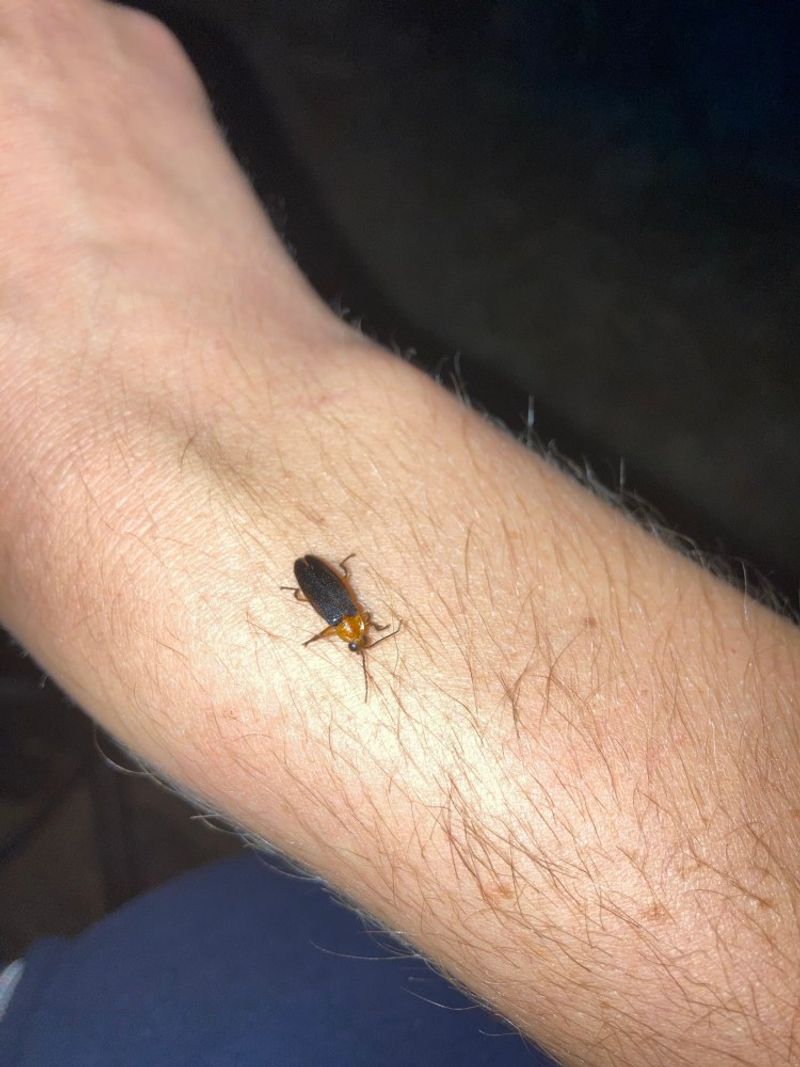
Sky Island Fireflies are among the most habitat-specific fireflies in the state, tied closely to the isolated mountain ranges of far west Texas where cooler temperatures, higher moisture, and mixed pine-oak woodland create conditions unlike anything else in the region.
These fireflies essentially live on ecological islands surrounded by desert terrain that cannot support them.
That extreme habitat specialization is why they belong in this article as a Texas firefly, but not as a realistic backyard species for most Texas homeowners.
For the vast majority of residents, a Sky Island Firefly sighting in their backyard is simply not going to happen. The habitat requirements are too narrow and too geographically specific.
However, for those who live near or visit the Chisos Basin area of Big Bend National Park or similar sky island habitats in the Trans-Pecos region, these fireflies are worth knowing about.
Encountering them during a summer evening near the woodland edge is a genuinely remarkable experience that stays with you.
Understanding why Sky Island Fireflies are confined to these mountain habitats helps illustrate how sensitive some firefly species are to environmental conditions. They cannot simply relocate to a suburban yard or a lower-elevation grassland.
Their entire existence depends on a very specific combination of elevation, moisture, plant community, and temperature range.
Conservation of these mountain habitats in far west Texas is therefore directly connected to the survival of firefly populations that have no other place to go in the broader Texas landscape.
7. Amber Comet Fireflies Are Rare Texas Sightings
Catching a glimpse of an Amber Comet Firefly in a Texas yard feels a bit like finding something you were not expecting.
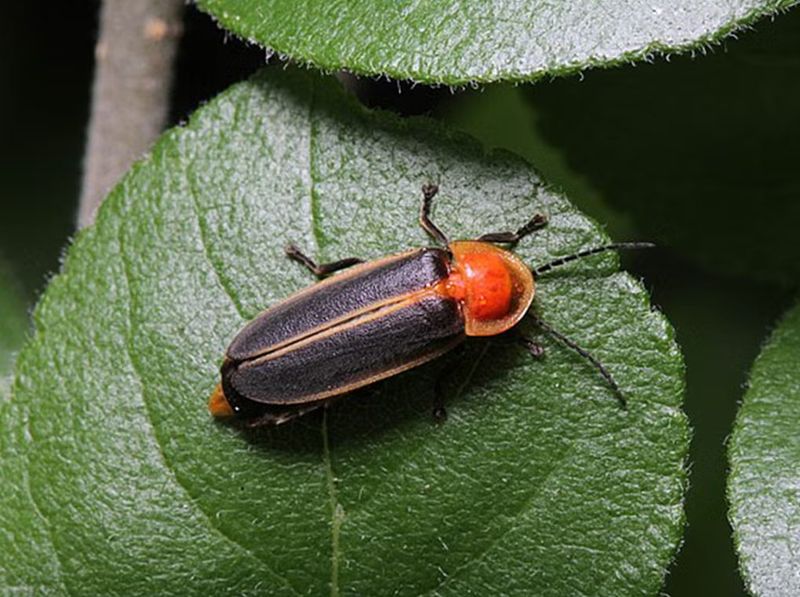
These fireflies are considered uncommon to rare across much of their range, and Texas sightings tend to be scattered rather than widespread.
The amber or yellowish flash they produce has a slightly different quality from the more common greenish flashes of species like the Big Dipper Firefly, which can make them stand out to a careful observer on a dark summer night.
Amber Comet Fireflies tend to be associated with specific habitat conditions that are not always present in typical suburban yards. Areas with taller native grasses, minimal light pollution, nearby woodland edges, and undisturbed soil tend to be more hospitable.
In Texas, rural properties with diverse native plantings and reduced outdoor lighting have a better chance of hosting rare firefly species like this one compared to heavily managed suburban lawns with bright security lighting.
If you think you may have spotted an Amber Comet Firefly, the color and timing of the flash are the most useful things to note.
Documenting observations through citizen science platforms that track firefly sightings can contribute meaningful data for researchers studying firefly distribution across Texas.
Rare sightings like this one are a good reminder that even an ordinary backyard can occasionally offer something genuinely surprising for those who take the time to look carefully after dark.