How To Water Your Texas Garden Efficiently When Restrictions Limit You To Once A Week
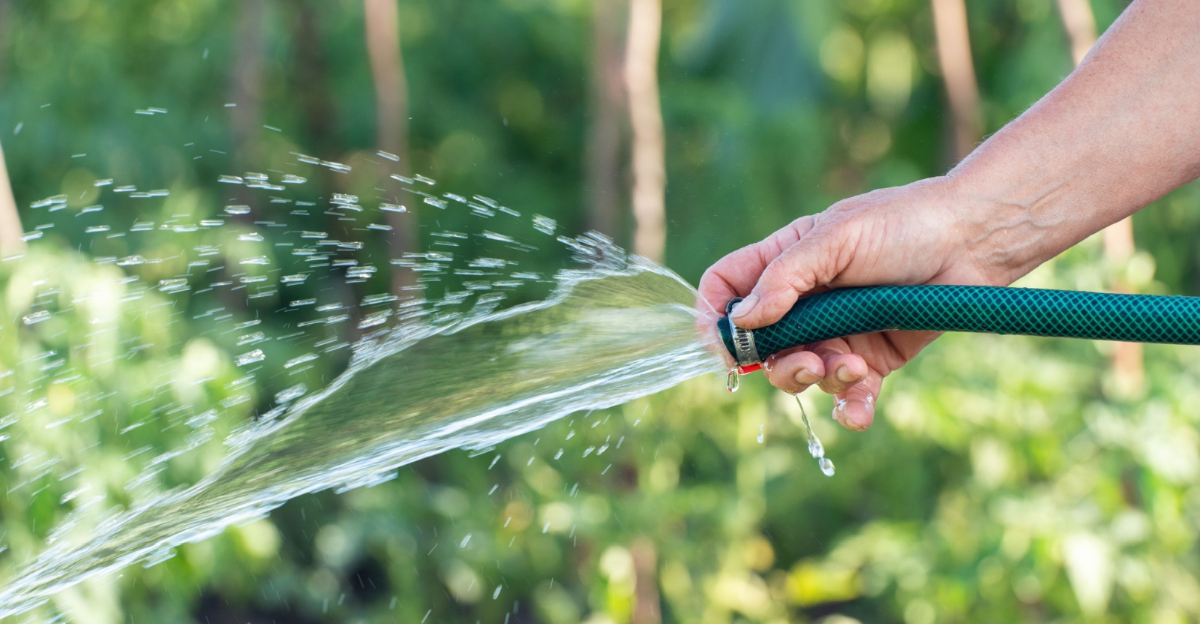
One watering day a week. That’s it.
That’s what you’re working with, and meanwhile the Texas sun is out here acting like it has something to prove.
Soil that felt manageable yesterday can turn bone-dry almost overnight, and your plants, lawn, and flower beds are not exactly subtle about letting you know they’re thirsty.
It’s a lot of pressure for a single watering day to carry. Here’s the thing though: one well-planned watering day can actually do a lot more than most people realize.
Smart timing, a good layer of mulch, drip irrigation in the right spots, and a few key habits can stretch that single allowed session further than you’d expect.
Before anything else though, check your specific local rules since restrictions vary by city and water provider, and your schedule might look different from your neighbor’s.
1. Check Your Local One-Day Watering Rules First
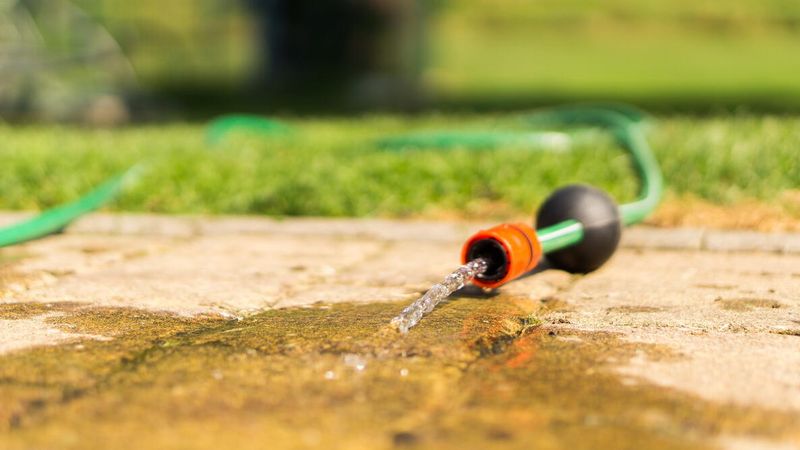
Drought rules in Texas are not one-size-fits-all, and what applies in Austin may be completely different from what your water provider allows in San Antonio, Dallas, or a smaller rural district.
Before you water anything, spend a few minutes checking your city or utility district’s current watering schedule.
Many Texas water providers post their drought stage rules online, and they update them as conditions change throughout the year.
Some restrictions apply only to in-ground irrigation systems, while hand watering with a hose or using drip irrigation and soaker hoses may be treated differently. Knowing these details helps you stay legal and avoid fines.
Certain providers also have specific day assignments based on your address, house number, or street name.
Newly planted trees, shrubs, or vegetable seedlings sometimes qualify for a temporary exception during an establishment period, so it is worth asking your utility about that option.
Keep a printed or saved copy of your watering schedule somewhere easy to find.
Understanding exactly what your one allowed watering day permits is the smartest first step toward keeping a healthy Texas landscape without wasting a drop.
2. Water Early In The Morning Or Late In The Evening
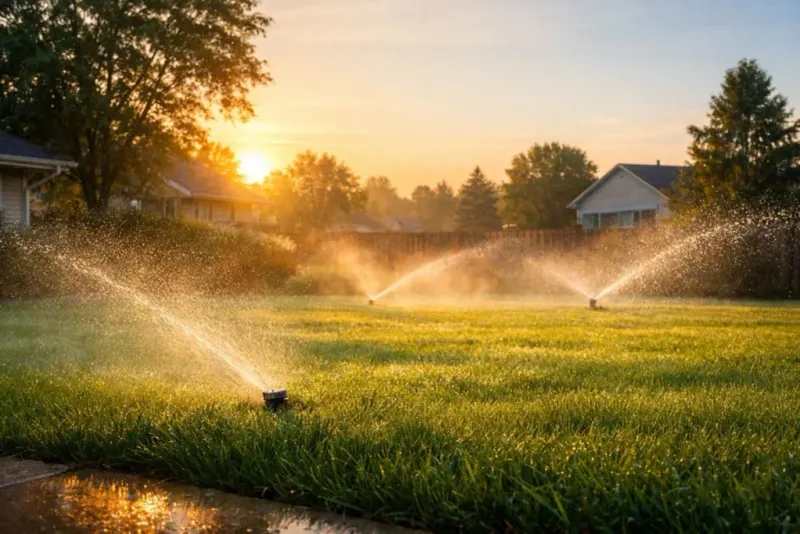
Timing your one weekly watering session can make a bigger difference than almost anything else you do in a Texas garden. Watering during the hottest part of the day means a significant portion of your water evaporates before it ever reaches plant roots.
Early morning, roughly between 6 a.m. and 10 a.m., is widely considered the most efficient window for irrigation in Texas and across the Southwest.
Morning watering gives the soil time to absorb moisture before afternoon temperatures climb. Foliage also has time to dry out, which helps reduce the risk of fungal issues that can develop when leaves stay wet overnight.
If morning watering is not possible on your assigned day, late evening after 7 p.m. is a reasonable alternative that still avoids peak evaporation hours.
Texas summers regularly push temperatures past 100 degrees Fahrenheit, and that heat accelerates moisture loss from both soil and plant surfaces.
Your Texas Garden Changes Every Week. Your Plan Should Too.
Gardening in Texas changes quickly throughout the season. Every Friday you’ll receive a simple weekly plan showing exactly what to plant, prune, fertilize, harvest, and protect so you never miss the right timing.
Midday watering under those conditions can lose a noticeable amount of water to evaporation before it does any good.
Adjusting your schedule to match cooler parts of the day is one of the simplest, most effective ways to stretch your once-a-week watering allowance as far as it can go.
3. Use Drip Irrigation Or Soaker Hoses When Allowed
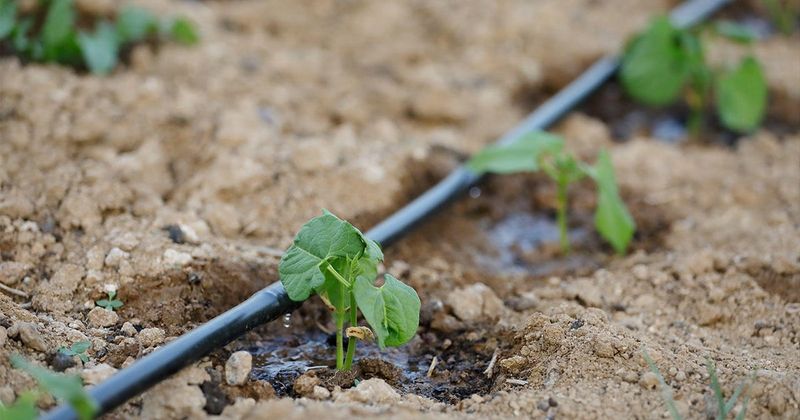
Running water along the soil surface through drip lines or soaker hoses delivers moisture directly to the root zone, where plants actually need it.
Overhead sprinklers lose water to wind drift and evaporation, especially on hot Texas afternoons, but drip systems work close to the ground and tend to be far more efficient.
Many Texas water utilities encourage or even require drip irrigation during drought restrictions because of how much water it conserves.
Soaker hoses are an affordable and easy-to-install option for vegetable beds, flower borders, and foundation plantings.
Drip irrigation systems with emitters can be customized for individual plants, making them ideal for shrubs, trees, and container gardens on patios or decks.
Both methods reduce runoff because water is released slowly and the soil has time to absorb it.
Before assuming drip irrigation is treated the same as sprinkler use under your local rules, confirm with your water provider.
Some Texas utilities classify drip and soaker systems separately from automated sprinkler systems, which may give you more flexibility.
Installing even a basic soaker hose setup in your garden beds is a practical upgrade that can help you make the most of your one allowed watering day each week.
4. Water Deeply Instead Of Lightly
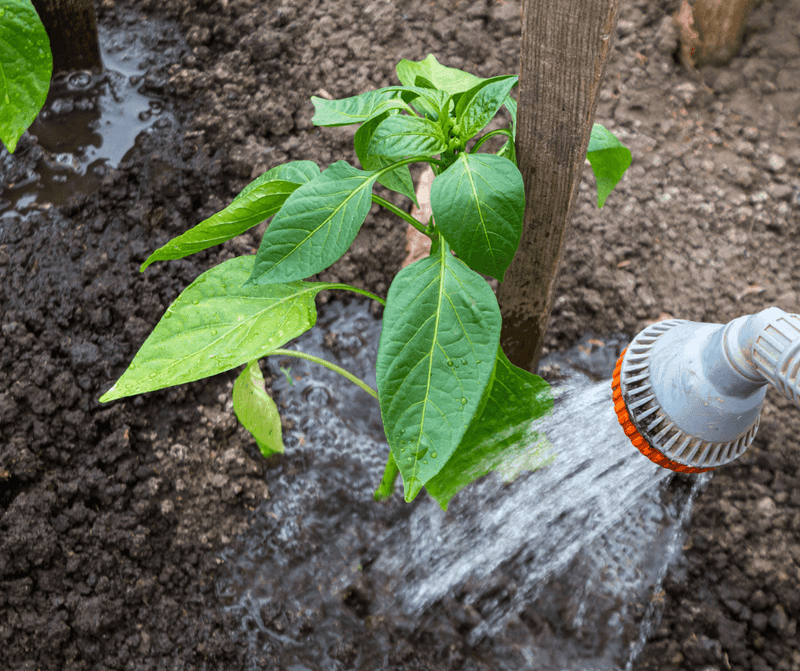
Shallow, frequent watering encourages plant roots to stay near the surface, which makes them more vulnerable during hot, dry Texas weather. Deep watering, on the other hand, pushes moisture further into the soil and encourages roots to follow it downward.
Deeper roots are better protected from heat and drought, and plants with deep root systems tend to handle dry spells more successfully between watering days.
For most established lawn grasses in Texas, watering to a depth of around six inches is a reasonable target.
Trees and large shrubs benefit from moisture reaching even deeper, sometimes eight to twelve inches depending on the species and soil type.
Vegetable beds and flower borders generally do well when watered to a depth of at least four to six inches.
The best way to check how deep your water is penetrating is to use a screwdriver, soil probe, or garden trowel to push into the soil an hour or two after watering. If it slides in easily to the depth you are targeting, your watering time is likely sufficient.
If the soil is still dry a few inches down, you may need to run your irrigation longer or adjust your emitter placement to reach the root zone more effectively.
5. Use Cycle-And-Soak To Reduce Runoff
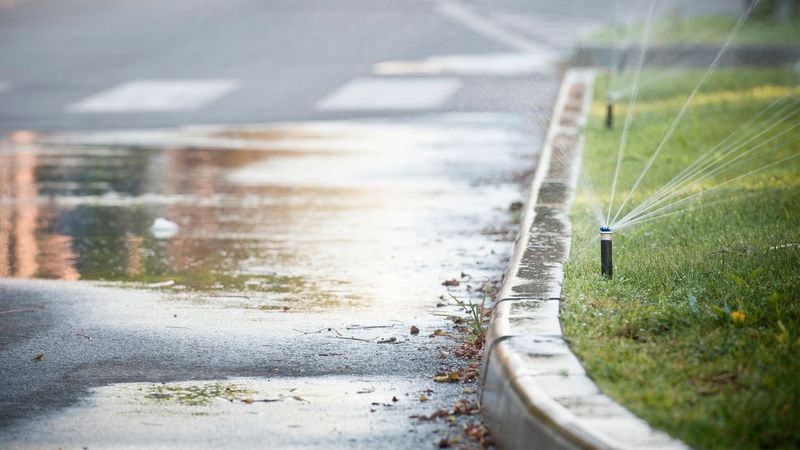
Runoff is one of the most common ways Texas gardeners waste water without realizing it.
When sprinklers or irrigation systems apply water faster than the soil can absorb it, the excess runs off across driveways, sidewalks, and gutters instead of soaking into the ground where it belongs.
On a once-a-week watering schedule, every drop of runoff is a missed opportunity to hydrate your plants and lawn.
Cycle-and-soak is a method where you split your total irrigation time into shorter segments with rest periods in between.
For example, instead of running a zone for twenty minutes straight, you might run it for seven minutes, pause for thirty to sixty minutes, then run it again.
The pause gives the soil time to absorb the first round of water before more is added, which dramatically reduces surface runoff.
Clay soils, which are common across many parts of Texas, are especially prone to runoff because they absorb water slowly. Slopes, compacted lawns, and hard caliche soil layers also increase runoff risk.
Most programmable irrigation controllers allow you to set up cycle-and-soak schedules without much difficulty.
Taking the time to program your system this way can significantly improve how much of your once-a-week water budget actually reaches plant roots instead of washing away.
6. Add Mulch To Slow Soil Moisture Loss
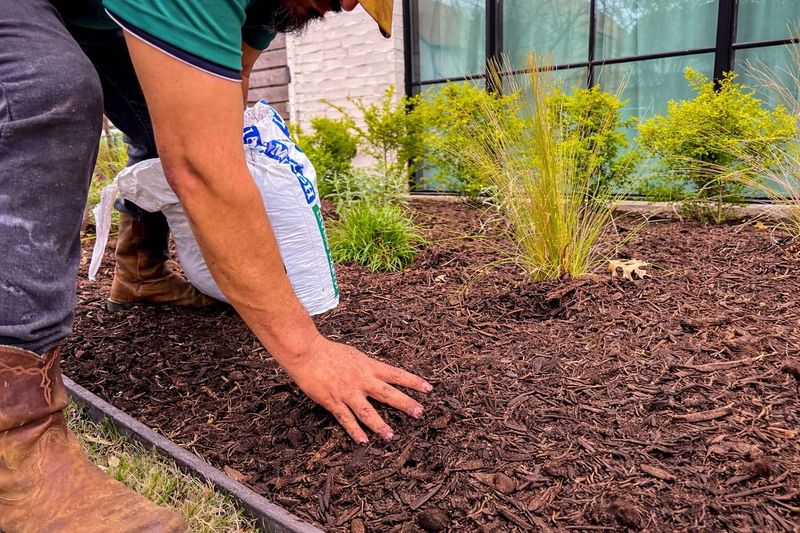
Few things make a bigger difference in a once-a-week watering situation than a good layer of mulch. Spread across garden beds, mulch acts like a blanket over the soil, slowing evaporation and keeping the ground cooler during intense Texas heat.
Research from Texas horticultural extension programs consistently points to mulch as one of the most effective water-conservation tools available to home gardeners.
Organic mulches like shredded cedar, hardwood chips, pine bark, or compost work especially well because they break down over time and improve soil structure. A layer of two to four inches is generally recommended for most garden beds.
Applying mulch too thickly or piling it directly against plant stems can create moisture and pest issues, so keep it a few inches away from the base of each plant.
Beyond slowing moisture loss, mulch also suppresses weeds that would otherwise compete with your plants for the limited water available.
In Texas, where summers can stretch for months without significant rainfall, mulched beds often stay noticeably cooler and more consistently moist than unmulched ones.
Refreshing your mulch layer once or twice a year, especially before the hottest months, is a simple habit that pays off significantly when watering days are limited.
7. Group Plants By Water Needs
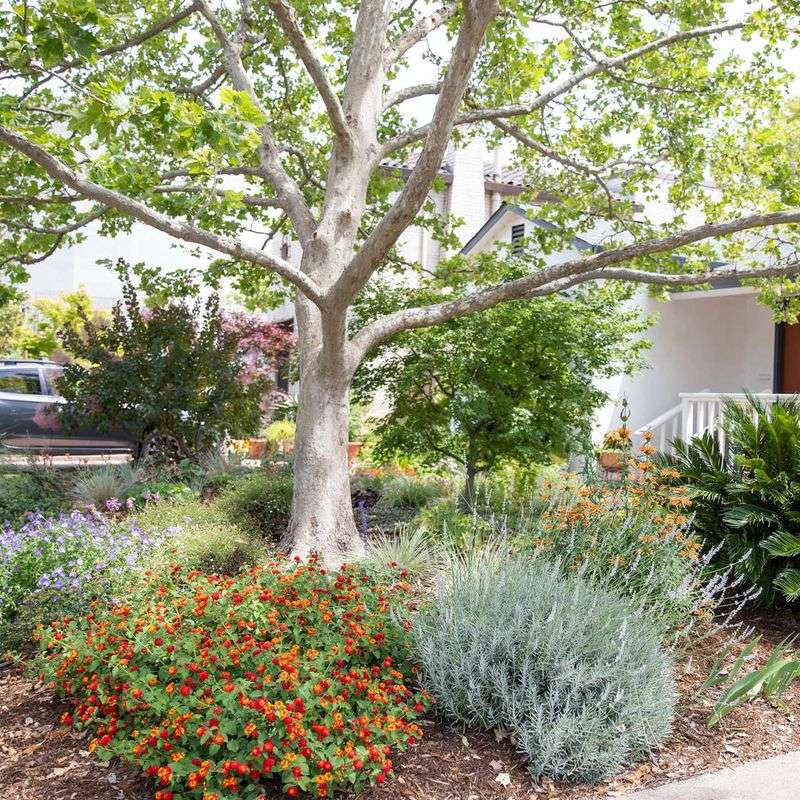
Mixing plants with very different water requirements in the same garden bed creates an inefficient situation where you end up either overwatering drought-tolerant species or underwatering thirsty ones.
Grouping plants by their water needs, a concept sometimes called hydrozoning, is a practical strategy that makes once-a-week irrigation much more manageable and effective across a Texas landscape.
Texas native plants like Texas sage, black-eyed Susan, and salvia are well-adapted to dry conditions and typically need far less water than tropical plants, annuals, or vegetable crops.
Placing drought-tolerant species together in a low-water zone means you can give that area a shorter irrigation run while dedicating more water and time to beds with thirstier plants.
This approach helps you avoid wasting your weekly water allowance on plants that do not need it.
Containers and raised beds tend to dry out faster than in-ground plantings, so grouping them together near a water source makes hand watering more convenient on your allowed day.
Newly planted trees and shrubs typically need more water than established ones, so consider that when planning your zones.
Taking a few hours to rethink your garden layout around water needs can make a meaningful difference in how well your plants hold up between watering days in a hot Texas summer.
8. Check Soil Moisture Before Watering
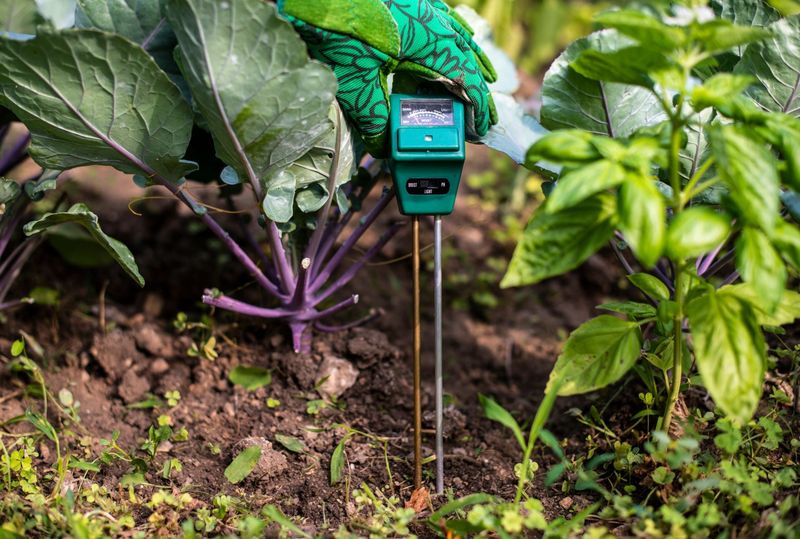
Watering on a schedule without checking actual soil conditions can lead to wasting your one allowed day on soil that does not actually need it yet.
Soil moisture varies depending on recent rainfall, shade coverage, mulch depth, plant type, and soil composition, so what looks dry on the surface may still have adequate moisture a few inches down.
Taking a moment to check before you water can save both water and plant health.
A simple screwdriver or wooden dowel pushed four to six inches into the soil gives a quick indication of moisture. If it slides in with little resistance and comes out with some soil clinging to it, moisture is likely still present at root level.
A soil moisture meter is another inexpensive tool that provides a more precise reading and works well for raised beds, containers, and in-ground plantings alike.
In Texas, a rain event earlier in the week might leave enough moisture in the soil to carry plants through a few extra days, especially in shaded beds or areas with heavy mulch.
Watering when the soil is already moist wastes your weekly allowance and can lead to root issues from excess saturation.
Building a habit of checking before watering, rather than just following the calendar, helps you use your restricted watering day as wisely as possible.
9. Fix Leaks, Broken Sprinklers, And Overspray
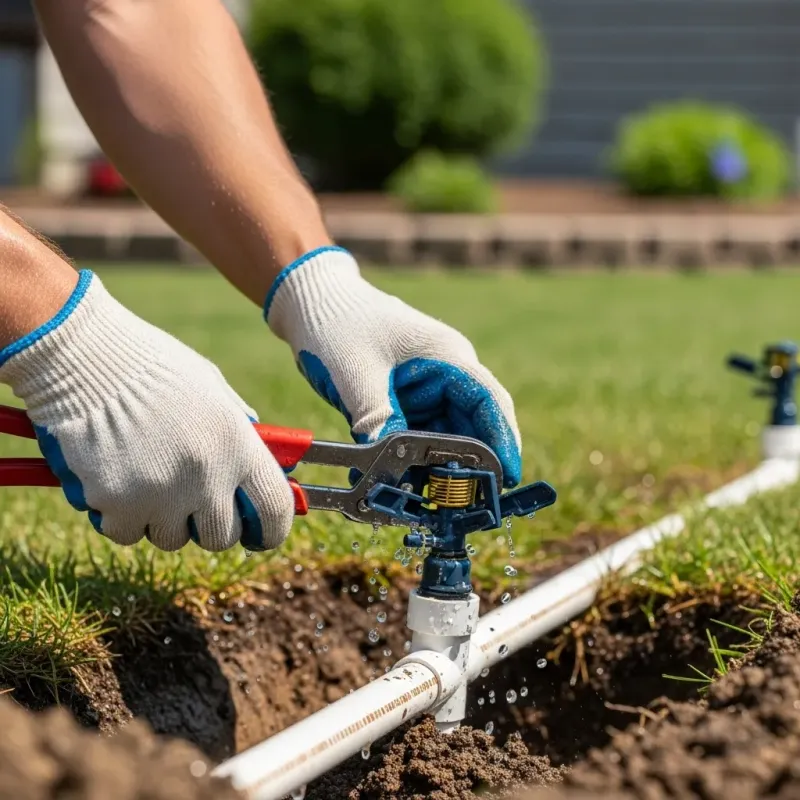
A leaking irrigation head or a sprinkler spraying water onto pavement rather than plants is a quiet but significant source of water waste, and it becomes even more costly when your watering window is limited to once a week.
Many Texas homeowners are surprised to find how much water disappears through small system problems that go unnoticed for months.
Walking your yard while the system runs is one of the easiest ways to catch these issues.
Look for sprinkler heads that are tilted, clogged, broken, or aimed incorrectly. Overspray onto sidewalks, driveways, fences, or the street is not only wasteful but may also violate local watering restrictions in some Texas municipalities.
Drip emitters can become clogged or dislodged over time, leaving certain plants without water even when the system appears to be running normally.
Fixing a broken sprinkler head is usually a straightforward repair that most homeowners can handle with basic tools and a replacement part from a hardware store.
Adjusting spray patterns to eliminate overspray is often as simple as turning an adjustment screw on the sprinkler head.
Spending thirty minutes before your next watering day doing a full system check can help ensure that every minute of your allowed irrigation time is actually delivering water to the roots that need it most.