Arizona Native Plants That Actually Thrive During Extreme Summer Heat
Summer is when some plants reveal what they are really made of. While certain flowers fade, shrubs struggle, and landscapes start looking tired, other plants seem completely unfazed by the heat.
They keep growing, keep blooming, and continue looking good even when conditions become difficult.
That is one reason so many gardeners pay close attention to what survives the toughest part of the season. Nobody wants to spend time and money on plants that look great for a few weeks and then begin struggling when temperatures climb.
A landscape feels much easier to manage when it is filled with plants that are naturally suited to the environment.
Arizona has no shortage of hot summer days, and not every plant is prepared for them.
Native species have spent generations adapting to these conditions, which gives them an advantage when extreme heat arrives. Some stand out for their ability to stay attractive and reliable long after other plants begin showing signs of stress.
1. Brittlebush Thrives In Intense Summer Sun
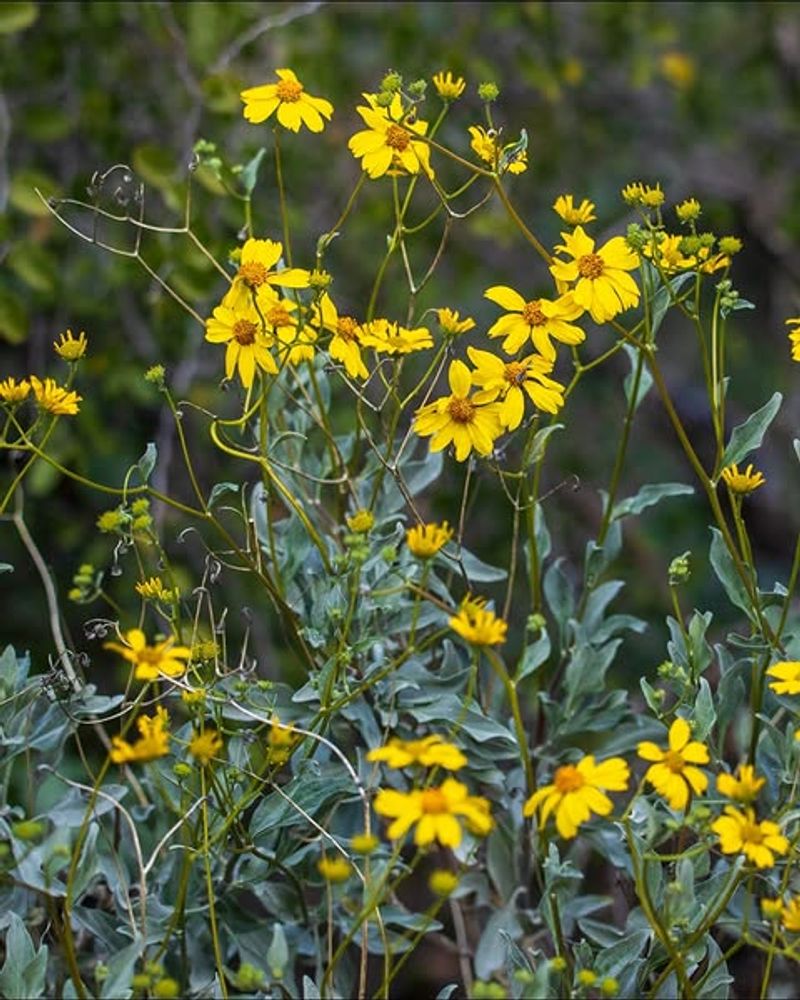
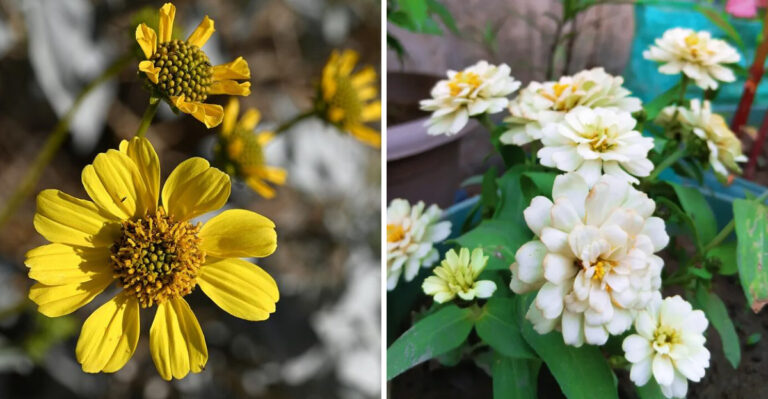
Brittlebush is one of those plants that looks almost too cheerful for a desert summer. Bright yellow flowers pop in spring, but even after blooming fades, those silvery-gray leaves keep things interesting all season long.
Native to the Sonoran Desert region, brittlebush handles full sun without flinching. It stores water in its thick stems and reflects heat through its light-colored foliage.
That reflective quality is a real survival trick.
Plant it in well-draining soil and give it room to spread. Mature plants reach about three to five feet wide.
Crowding it slows airflow and can cause problems during humid monsoon stretches.
Once established, brittlebush needs almost no supplemental water during summer. Occasional deep watering every few weeks is usually enough.
Overwatering is actually a bigger risk than underwatering with this plant.
It pairs well with boulders, gravel mulch, and other low-water natives. Pollinators love it too, especially native bees that stay active even in summer heat.
One thing worth knowing: brittlebush goes semi-dormant during the hottest stretches. Leaves may drop or look sparse in peak July heat.
That is completely normal behavior, not a sign of stress. New growth returns quickly once monsoon rains arrive.
Overall, brittlebush is one of the most reliable and low-effort plants you can add to a desert landscape.
2. Arizona Rosewood Stays Strong In Hot Conditions
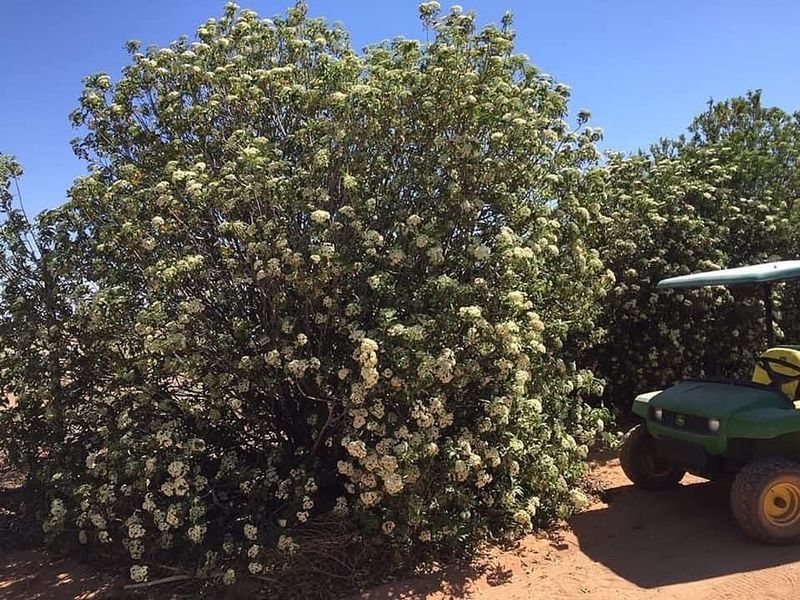
Not every desert plant screams color, and Arizona rosewood is proof that quiet elegance holds up just fine in brutal heat. Dark green, leathery leaves stay on the plant year-round, giving the landscape structure even in the harshest months.
Found natively in rocky canyon slopes and dry washes, rosewood is built for sharp drainage and intense sun. It does not ask for much once its root system gets established, which typically takes one to two growing seasons.
Height ranges from six to twelve feet depending on water availability and soil depth. In tighter, rockier spots it stays shrubby.
Given more room and occasional deep watering, it can develop into a small tree form.
Your Arizona Garden Changes Every Week. Your Plan Should Too.
Gardening in Arizona changes quickly throughout the season. Every Friday you’ll receive a simple weekly plan showing exactly what to plant, prune, fertilize, harvest, and protect so you never miss the right timing.
Small white flowers appear in late spring and carry a faint sweet scent. They do not last long, but they attract native pollinators reliably.
After blooming, the plant simply focuses on staying green and sturdy through summer.
Pruning is rarely needed. Remove any crossing branches in late winter if shape matters to you.
Otherwise, rosewood handles itself without much intervention from the gardener.
Deer tend to leave it alone, which is a real bonus in areas where browsing pressure is high. It also works well as a privacy screen or windbreak along a property edge.
Durable, evergreen, and genuinely low-maintenance, rosewood earns its place in any hot-climate garden.
3. Jojoba Adapts Well To Long Dry Summers
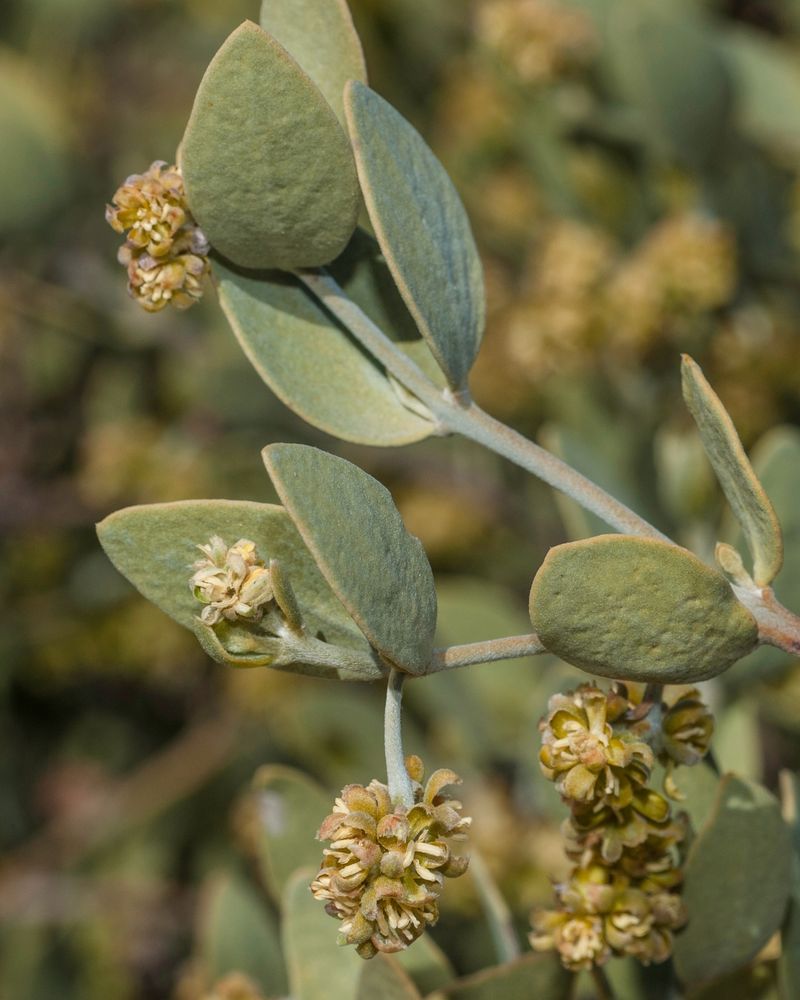
Jojoba might be best known for its use in skincare products, but in the ground it is one of the most heat-adapted shrubs you will ever grow. Thick, waxy leaves minimize water loss even during the longest dry spells.
Leaf orientation is one of jojoba’s smartest features. Leaves angle themselves to reduce direct sun exposure during the hottest part of the day.
That built-in adjustment helps the plant stay cooler without any help from you.
Jojoba grows slowly but steadily. Expect three to six feet of height over several years, sometimes more in ideal conditions.
Patience pays off because mature plants are nearly bulletproof once established.
Sandy or gravelly soil is preferred. Heavy clay holds too much moisture and can cause root problems over time.
Good drainage is the single most important factor for long-term success with this plant.
Male and female plants exist separately, so you need both if seed production matters. For landscape purposes, either works fine on its own.
Wildlife values the seeds heavily, and quail in particular are known to feed on them throughout summer.
Water requirements drop dramatically after the first two years. Established jojoba can often get by on rainfall alone in the desert Southwest.
It is a slow starter but an incredibly steady performer once it finds its footing in the landscape.
4. Desert Lavender Thrives In Hot And Dry Conditions
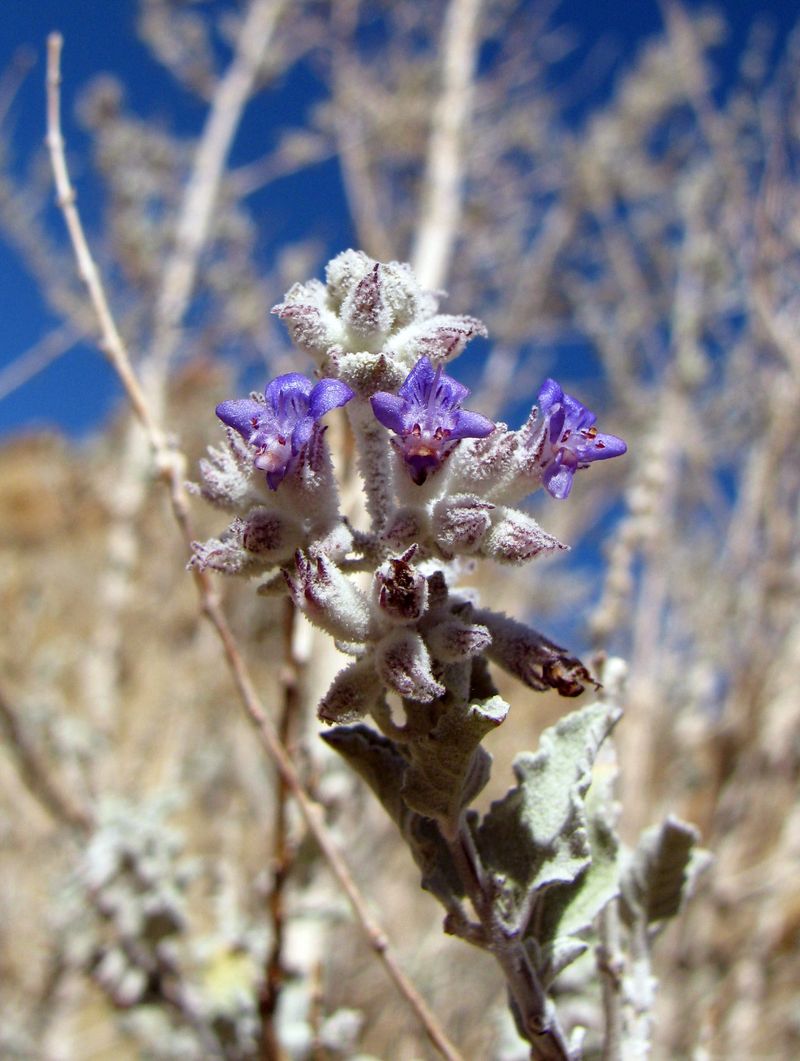
Walk past desert lavender on a warm afternoon and the scent hits you immediately. Aromatic silver-green foliage releases fragrance with the slightest brush, making it one of the most sensory-rich plants in a native landscape.
Purple flower spikes appear in spring and again after monsoon rains. Between bloom cycles, the silver foliage keeps the plant looking attractive.
Full sun brings out the best leaf color and densest growth habit.
Native to rocky desert washes and slopes below 3,000 feet elevation, this shrub is genuinely adapted to heat and drought. It does not need babying once its roots get settled into well-draining soil.
Size varies between four and eight feet tall. In a tight space, occasional light pruning after bloom cycles keeps it contained without stressing the plant.
Hard pruning is not recommended during summer heat.
Bees absolutely work these flowers. Native bees, honeybees, and various wasps visit constantly during bloom periods.
That pollinator activity benefits the whole garden, not just the lavender itself.
One caution worth mentioning: desert lavender resents standing water. Even one or two days of wet feet can cause root stress.
Raised beds or slopes are ideal planting spots if your native soil drains slowly. Given the right conditions, this plant is one of the most rewarding fragrant shrubs available for hot, dry landscapes in the region.
5. Creosote Bush Excels In Extreme Desert Heat
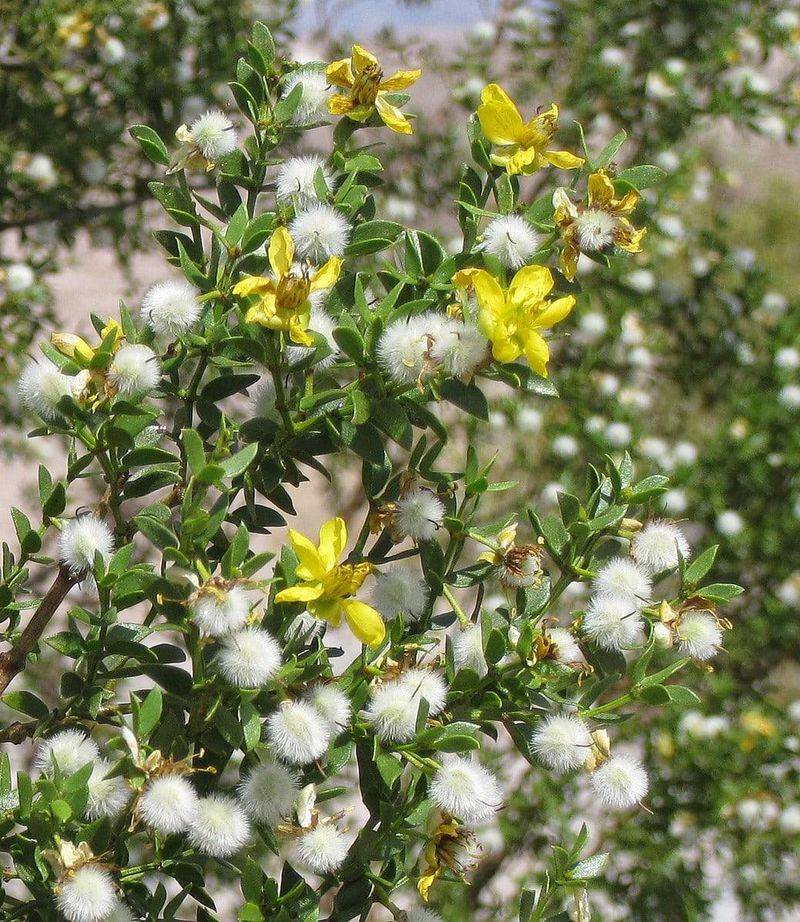
Creosote bush is arguably the toughest plant in the entire desert Southwest. It has been documented surviving in some of the hottest and driest spots on the continent without supplemental water of any kind.
That distinctive sharp, earthy smell after rain is one of the most recognizable scents in the desert. The resinous coating on creosote leaves is not just fragrant, it actively reduces moisture loss during extreme heat and dry wind.
Yellow flowers appear after rain events throughout the year, including summer. They are small but cheerful and reliably attract native bees.
Fuzzy white seed pods follow the blooms and add textural interest to the plant.
Creosote grows at a moderate pace, eventually reaching four to ten feet in height. It tends to grow taller with more water and stay shorter and denser in drier conditions.
Either form is visually interesting in a natural landscape.
Transplanting established creosote from the wild is generally unsuccessful. Container-grown nursery plants establish much more reliably.
Plant in fall or early spring and give deep, infrequent water during the first two summers.
After establishment, supplemental irrigation is usually unnecessary. Creosote handles extended drought without visible stress, which is rare among landscape shrubs.
It is not a flashy plant, but its resilience and ecological value make it one of the most honest choices for a low-water desert garden. Wildlife values it heavily as both shelter and food.
6. Wolfberry Performs Well In Full Sun Locations
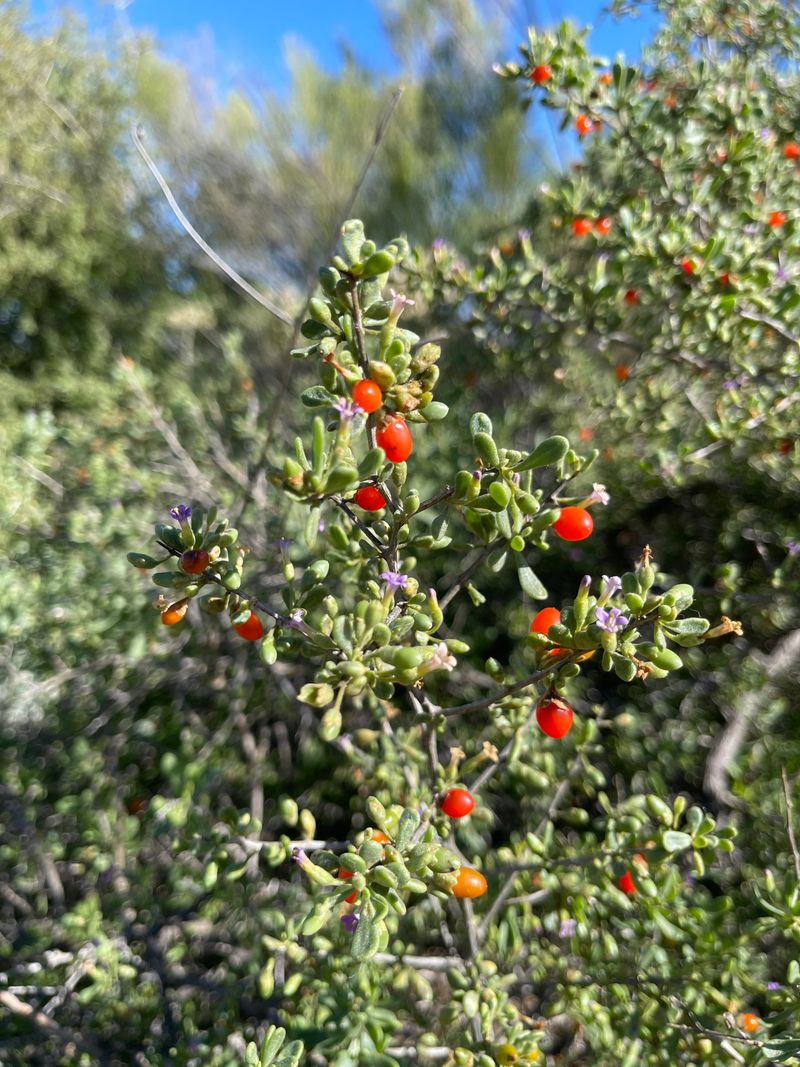
Wolfberry does not get nearly enough credit for what it brings to a desert garden. Small red-orange berries ripen through summer and into fall, offering color and food value when most other plants are just trying to hold on.
Birds are the biggest fans of wolfberry. Mockingbirds, thrashers, and cactus wrens work the berries hard once they ripen.
Planting wolfberry near a window gives you a front-row seat to that activity without any effort.
Thorny stems make wolfberry useful as a barrier or informal hedge. It is not the most refined-looking shrub, but it earns its keep through pure ecological function.
Wildlife value alone justifies the space it takes up.
Full sun is where wolfberry shines. Partial shade tends to reduce berry production and can cause a leggier growth habit.
Position it where it gets at least six hours of direct sun daily for best results.
Soil adaptability is one of its stronger qualities. Wolfberry tolerates caliche layers, rocky soil, and sandy ground better than most native shrubs.
That flexibility makes it useful in spots where other plants struggle to establish.
Water needs are low once the plant is established, typically after the first full growing season. Deep watering every two to three weeks during summer is usually sufficient.
Avoid frequent shallow watering, which encourages surface roots that are more vulnerable to heat stress in desert conditions.
7. Blackfoot Daisy Handles Extreme Heat With Ease
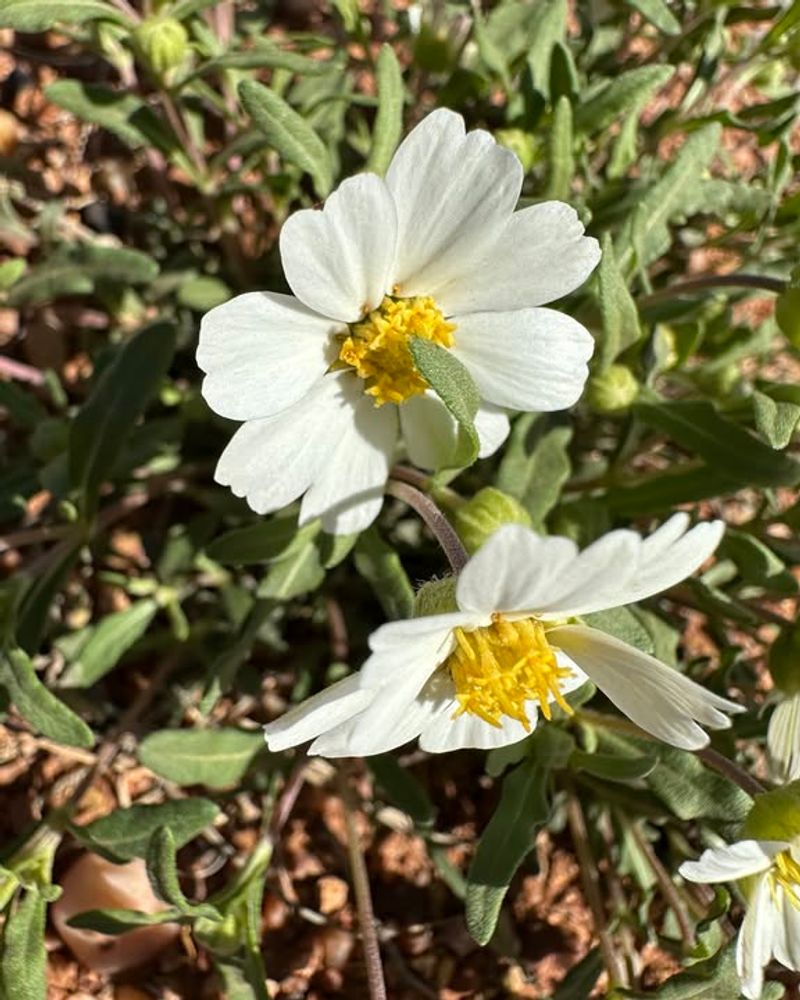
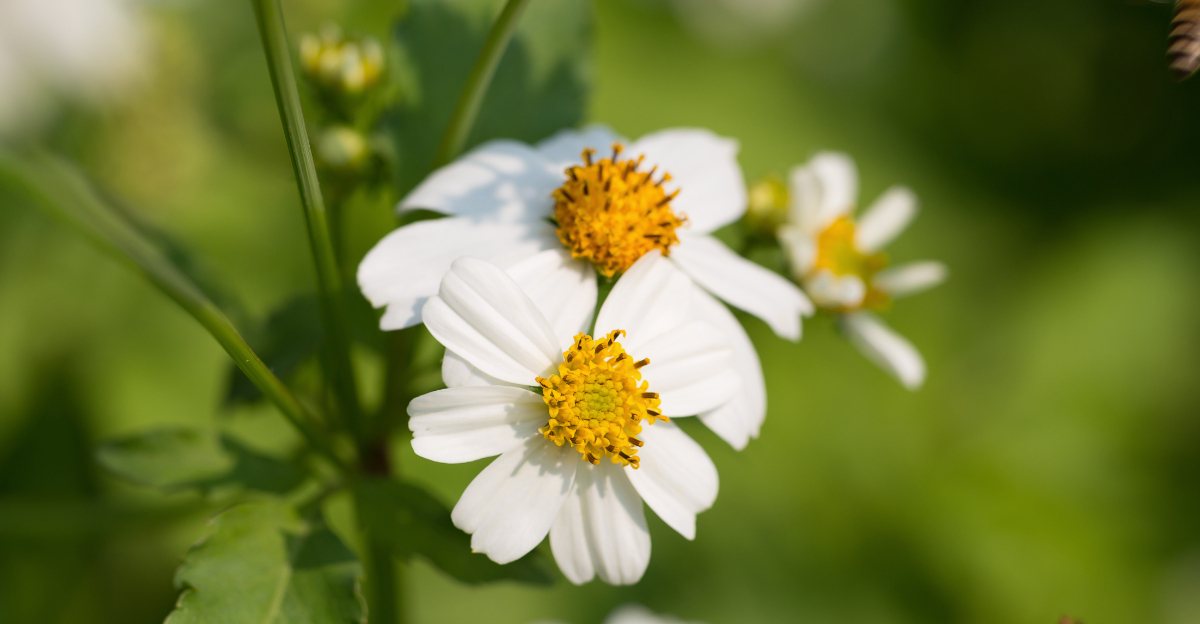
Small but seriously tough, blackfoot daisy punches way above its weight class in summer heat. White petals with yellow centers bloom repeatedly from spring through fall, even when temperatures climb past 100 degrees.
What makes this plant so dependable is its root system. Blackfoot daisy develops deep, efficient roots that pull moisture from lower soil layers.
Surface soil can be bone dry and the plant still performs well.
It stays compact, usually reaching about one foot tall and two feet wide. That low profile actually helps it avoid the worst of the drying wind.
Placement in full sun is ideal, and rocky or sandy soil suits it perfectly.
Avoid rich or heavily amended soil. Too many nutrients push soft, floppy growth that struggles in heat.
Lean soil encourages the tighter, sturdier growth habit this plant naturally prefers.
Deadheading spent blooms keeps the flower show going longer. It only takes a few minutes, and the reward is weeks of extra color.
Skip deadheading and the plant still manages, just with fewer blooms at a time.
Blackfoot daisy attracts butterflies and small native bees regularly. Watching pollinators work the flowers during a hot afternoon is genuinely satisfying.
It is a cheerful, compact, and surprisingly resilient plant that fits almost any desert garden style without demanding much in return.
8. Littleleaf Cordia Stands Up To Summer Heat
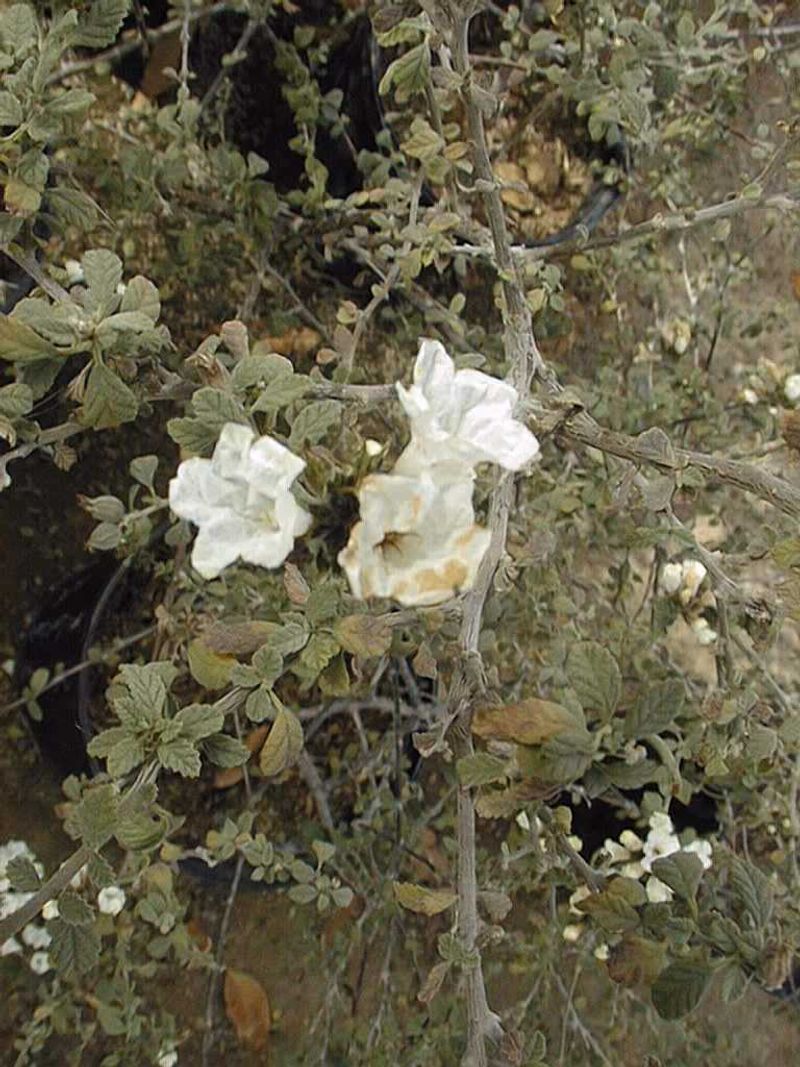
Littleleaf cordia is one of those plants that surprises people. Tiny leaves, delicate white flowers, and a willowy structure make it look fragile, but it handles triple-digit heat without skipping a beat.
Bloom timing is one of its best qualities. White flower clusters appear repeatedly through warm months, often peaking right in the middle of summer when most flowering shrubs have long since finished.
That extended bloom window is genuinely useful in a hot-climate garden.
Hummingbirds visit the flowers regularly. Native bees also work them throughout the day.
Placing littleleaf cordia near a seating area means you get to enjoy that wildlife activity up close without any extra effort.
Height usually stays between four and eight feet. Occasional selective pruning keeps the shape tidy, but the plant manages well without regular trimming.
It has a naturally airy, open structure that fits well in informal desert landscapes.
Drainage matters a lot with this plant. Rocky or sandy soil suits it well.
Heavy or compacted soil holds moisture too long and can cause root stress, especially during the wet monsoon season when soil stays saturated longer than usual.
Water requirements are low after establishment, which typically takes one full growing season. Deep watering once every two weeks during peak summer is usually adequate.
Littleleaf cordia is a genuinely underused native shrub that rewards minimal care with consistent bloom and strong heat tolerance throughout the region.