Why Arizona Trees Lose Leaves In Summer And When It Becomes A Concern
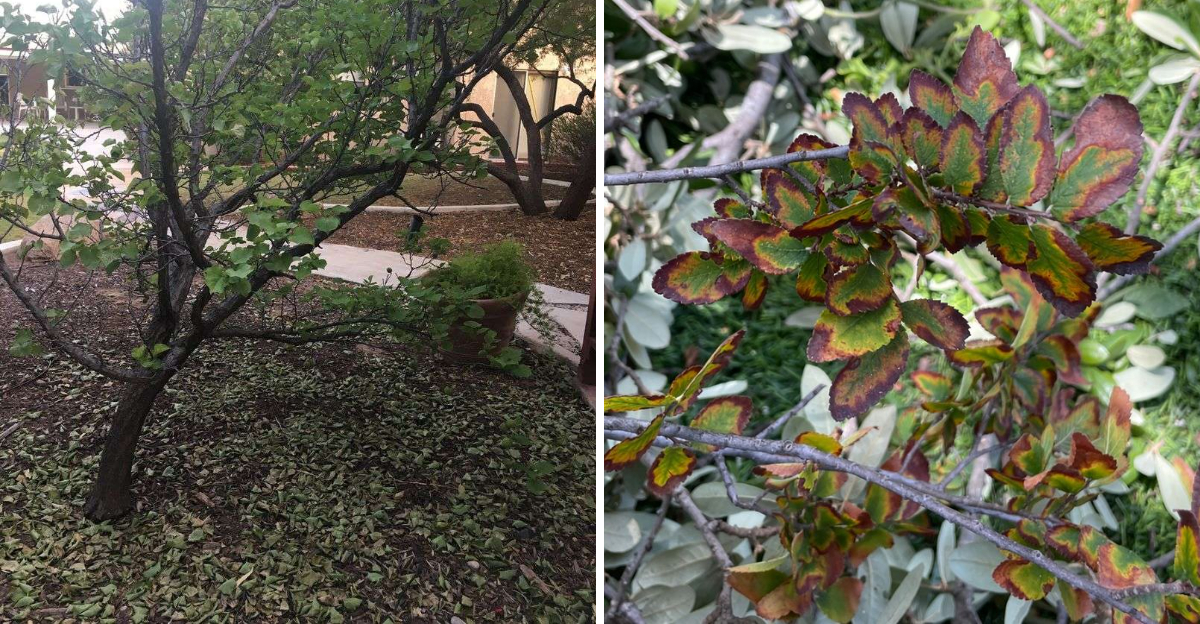
Few things catch a homeowner off guard like finding leaves scattered beneath a tree in the middle of summer. It feels out of place.
Leaf drop is something most people associate with fall, not the hottest weeks of the year. When it happens during summer, the first reaction is often concern.
A tree that looked perfectly healthy a short time ago can suddenly appear thinner or less vibrant. Some leaves may turn yellow, while others fall without much warning.
That can leave homeowners wondering whether the tree is under stress or simply responding to seasonal conditions.
For gardeners and homeowners in Arizona, this situation is more common than many realize. Heat, dry weather, and changing growing conditions can all affect how trees behave during summer.
The key is understanding when leaf loss is part of a normal response and when it signals a problem that deserves closer attention.
1. Summer Heat Can Trigger Temporary Leaf Drop
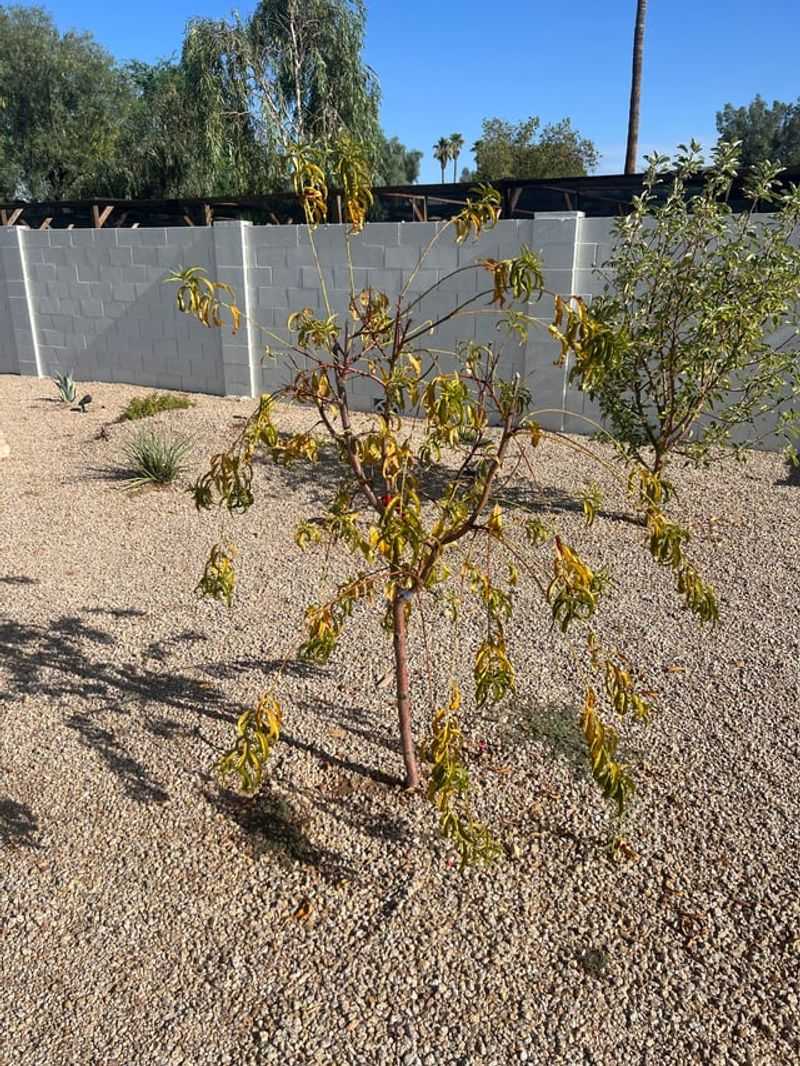
Scorching triple-digit temperatures do something most people never expect: they push trees into survival mode fast. When air temperatures spike above 110 degrees Fahrenheit, even healthy trees start shedding leaves to reduce moisture loss.
It is not a sign of failure. It is actually the tree working exactly as it should.
Leaf surfaces release water vapor through tiny pores called stomata. During extreme heat, a tree loses water faster than its roots can replace it.
Dropping some leaves reduces that surface area and slows water loss significantly.
Palo verde trees are a perfect example. They drop most of their tiny leaves during summer heat spikes, leaving only green stems behind.
Those stems still photosynthesize, so the tree keeps functioning even with minimal foliage.
Timing matters here. If leaf drop happens during a heat wave and slows down once temperatures ease, that is a normal stress response.
Watch the pattern over a week or two before assuming something is seriously wrong.
New leaves often push out again once nighttime temperatures drop slightly in late August or September.
2. Drought Conditions Often Lead To Early Shedding
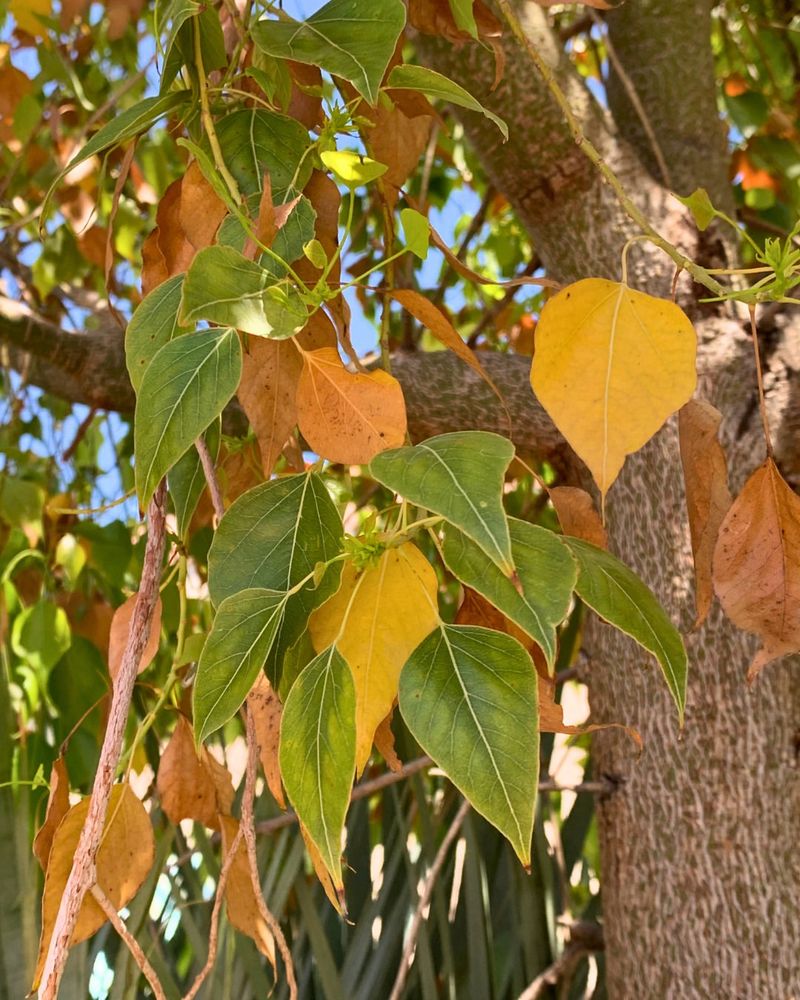
Even drought-tolerant trees have their limits. Extended dry spells without supplemental watering can push trees past the point where they conserve moisture and into visible stress.
Early leaf shedding is usually one of the first signs.
Leaves turning yellow before dropping are a common clue. When soil moisture stays critically low for weeks, the tree begins pulling resources inward.
Outer and upper leaves often go first since they are most exposed to sun and wind.
Not every tree responds at the same speed. Established native trees like ironwood and blue palo verde handle drought better than non-native ornamental trees planted in residential yards.
A tree that has been in the ground for less than three years is especially vulnerable.
Check the soil at least six inches deep before drawing any conclusions. Dry, powdery soil at that depth usually confirms drought stress is a factor.
Moist soil at that depth points toward something else entirely.
Slow, deep watering helps more than frequent shallow watering. Roots follow moisture downward, and deep watering encourages that growth pattern.
Your Arizona Garden Changes Every Week. Your Plan Should Too.
Gardening in Arizona changes quickly throughout the season. Every Friday you’ll receive a simple weekly plan showing exactly what to plant, prune, fertilize, harvest, and protect so you never miss the right timing.
A tree with deep roots handles dry stretches far better than one conditioned to shallow surface water.
3. Some Desert Adapted Trees Shed Leaves To Conserve Water
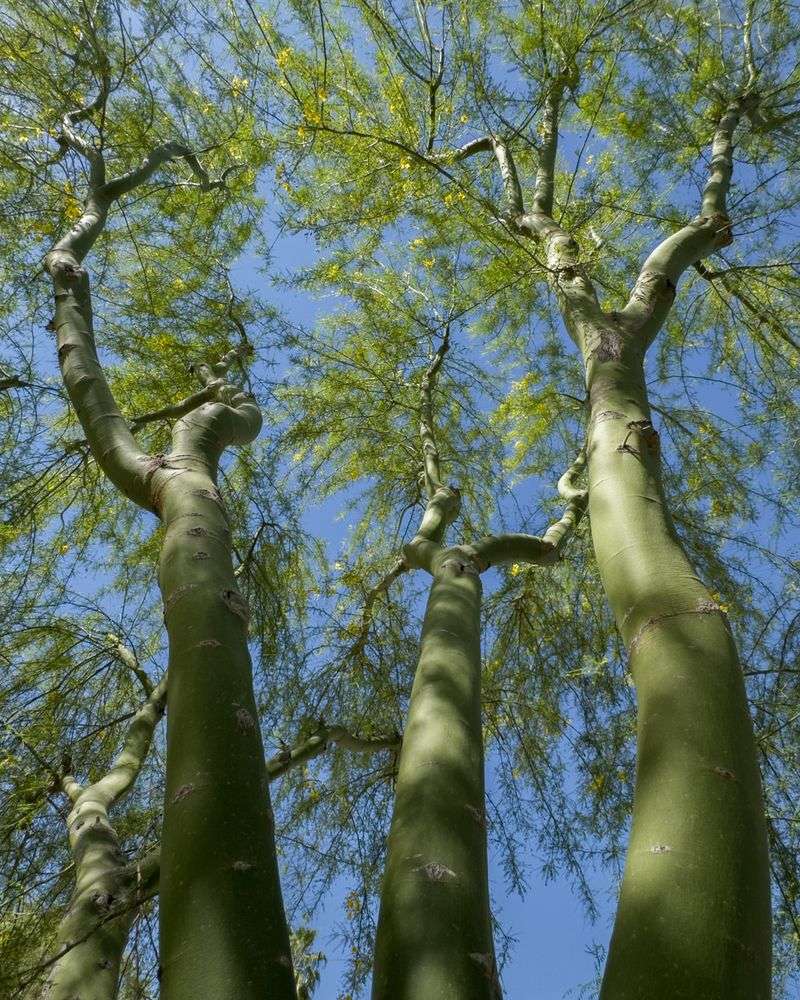
Not all leaf drop is a distress signal. Several native desert trees are actually programmed to shed leaves as part of their normal seasonal rhythm.
Recognizing which trees do this naturally saves a lot of unnecessary worry.
Palo verde trees are the most well-known example. Their green trunks and branches handle photosynthesis even without leaves, making full leaf drop a completely viable survival strategy.
Blue palo verde in particular sheds aggressively during dry summer months.
Mesquite trees also thin out during extended heat. They do not go fully bare, but noticeable thinning is common and expected.
Desert willow and catclaw acacia behave similarly, pulling back foliage when conditions get extreme.
What makes these trees remarkable is that their leaf drop is not random. It follows moisture and temperature cues built into their biology over thousands of years.
A palo verde that drops leaves in July is doing exactly what its ancestors did across the Sonoran Desert long before anyone planted one in a backyard.
Knowing your tree species makes a huge difference. Look up what is growing in your yard.
If it is a native desert species, summer leaf thinning is almost certainly normal behavior.
4. Branches Losing Leaves Along With New Growth Can Signal Trouble
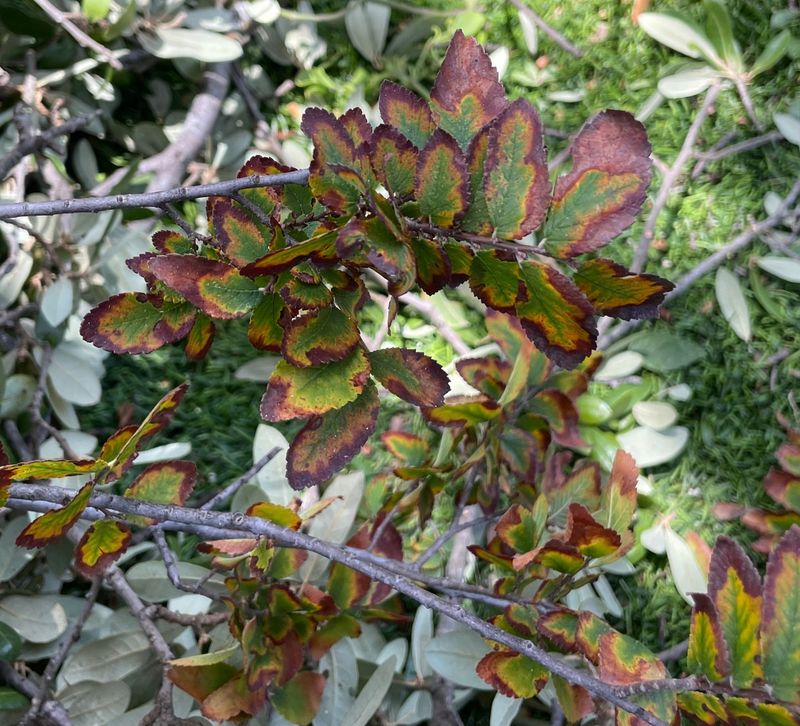
Fresh new growth wilting and dropping alongside older leaves is not a combination to brush off. Healthy trees under normal heat stress typically shed older leaves first while protecting new growth.
When both go at the same time, something more serious may be at work.
Bacterial infections can cause exactly this pattern. Fire blight, though more common in fruit trees, affects several ornamental species too.
It causes new shoots to wither rapidly and turn dark brown or black, almost as if burned. Infected branches need removal before the bacteria spread further.
Severe root stress from either overwatering or deep drought can also cause this. When roots fail to function properly, the tree cannot prioritize which growth to protect.
Everything starts failing at once rather than in a staged, strategic way.
Extreme soil temperature is an underappreciated factor. Soil surface temperatures in desert yards can exceed 160 degrees Fahrenheit during peak summer afternoons.
Shallow roots near the surface get cooked, and the damage shows up as widespread wilting across both old and new growth.
Mulching around the base of the tree helps buffer soil temperature and retain moisture at the same time. A three-to-four inch layer of organic mulch can drop soil surface temperatures significantly.
5. Sudden Canopy Thinning Deserves A Closer Look
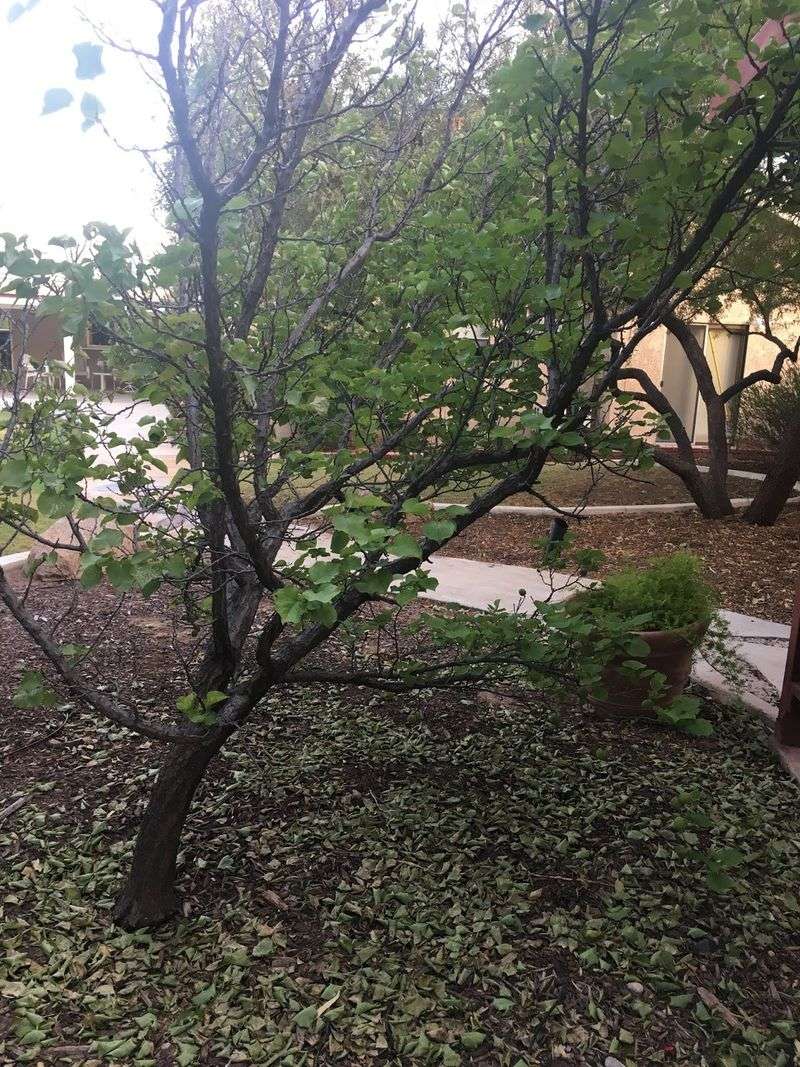
Gradual leaf drop is one thing. A canopy that thins out rapidly over just a few days is a different situation entirely.
Sudden, dramatic thinning can point to problems that go beyond normal heat stress.
Root damage is one possible cause. Construction work, soil compaction from heavy foot traffic, or trenching near a tree can cut or crush roots without any visible above-ground signs at first.
Weeks later, the canopy starts failing because water and nutrients can no longer move efficiently.
Pest pressure is another factor worth checking. Certain beetles and borers target stressed trees in hot weather.
They tunnel beneath the bark, disrupting the vascular system. Look for small entry holes, sawdust-like frass, or sections of bark that look cracked or sunken.
Fungal issues can also develop, especially if there has been any unusual moisture combined with heat. Root rot from overwatering followed by a dry period creates conditions where trees struggle visibly.
Yellowing, wilting, and rapid thinning together often point in that direction.
Do not wait too long if thinning seems severe or fast.
A certified arborist can assess root health, check for pests, and identify fungal problems early.
6. Check Soil Moisture Before Changing Your Watering Schedule
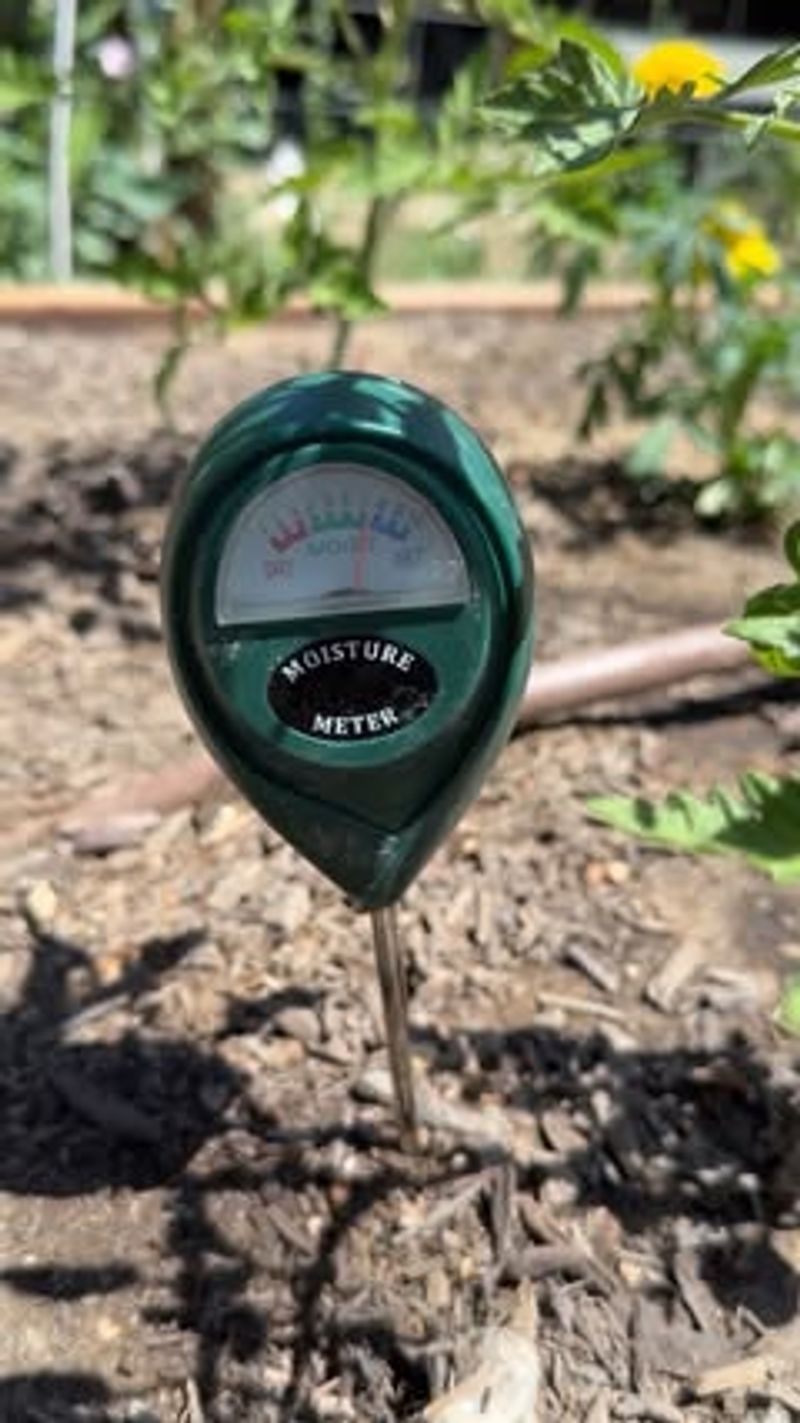
Grabbing the hose the moment you see leaves falling is a reflex most gardeners have. But watering a tree that does not actually need it can cause as much harm as ignoring a dry one.
Checking soil moisture first takes less than two minutes and saves a lot of guesswork.
Push a screwdriver or wooden dowel six to eight inches into the soil near the drip line of the tree. If it slides in easily and comes out with moist soil clinging to it, the tree has enough water.
If it comes out dry and clean, irrigation is overdue.
Overwatered trees develop shallow root systems that cannot handle heat spikes. They also become prone to fungal root problems that look almost identical to drought stress from above ground.
Yellowing leaves, soft bark near the base, and a faint musty smell near the roots are clues pointing toward too much water rather than too little.
Adjust watering based on what you find, not on a fixed calendar schedule. Trees need more water during sustained heat waves and less during cooler stretches.
Soil type also matters. Sandy desert soil drains fast and may need more frequent watering.
Dense clay-heavy soil holds moisture longer and needs less.
Observation beats assumption every time.
7. Protect Root Zones With A Layer Of Mulch
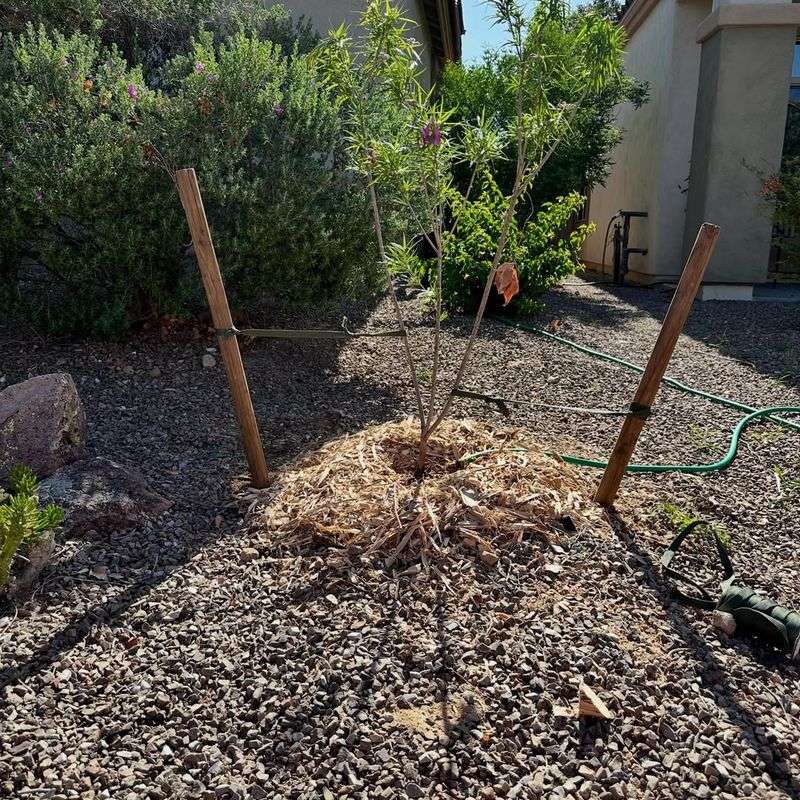
Bare soil bakes fast in desert summers. Exposed root zones absorb intense heat, lose moisture quickly, and give tree roots almost no buffer against temperature extremes.
Mulch changes that equation completely.
A three-to-four inch layer of wood chip mulch spread out to the drip line of the tree does several things at once. It insulates the soil, keeping root zone temperatures lower during peak afternoon heat.
It slows evaporation, meaning water stays available in the soil longer after each irrigation.
Keep mulch pulled back a few inches from the trunk itself. Mulch piled directly against bark traps moisture against the wood and can lead to rot over time.
A small gap between the mulch ring and the trunk base is all it takes to avoid that problem.
Organic mulches like shredded wood or bark break down slowly and improve soil structure as they decompose. Inorganic options like gravel do insulate somewhat, but they do not add any organic benefit to the soil.
In desert yards, organic mulch tends to outperform gravel for tree health over the long run.
Refreshing the mulch layer once a year keeps it effective. Over time, organic mulch compresses and breaks down into the soil.
A fresh top layer restores its insulating and moisture-retaining properties.