The Right Fertilizing Schedule For Arizona Citrus Trees In Summer
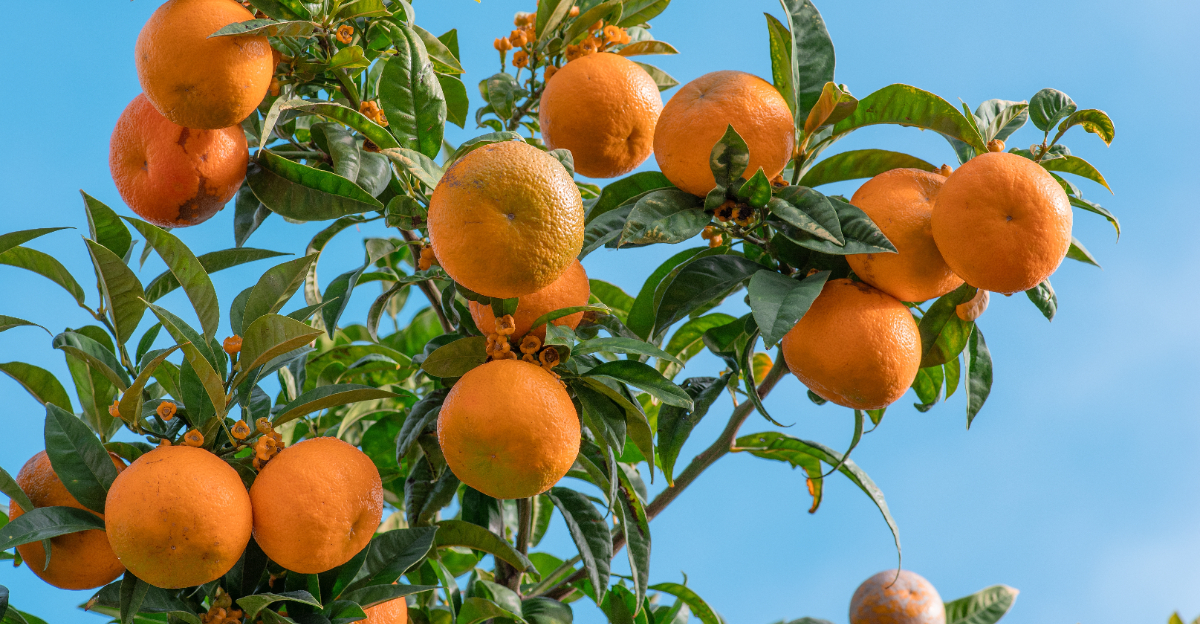
There is something satisfying about walking outside, seeing a citrus tree full of growing fruit, and thinking everything is on track for a great harvest.
Then summer settles in, temperatures climb, and suddenly the tree does not seem quite as vigorous as it did earlier in the season.
The leaves may look a little different, growth can slow down, and many homeowners start wondering if they are giving their tree what it needs.
In Arizona, summer is when citrus trees face some of their toughest growing conditions. Heat, intense sun, and dry air all place extra demands on the tree, which is why timing matters so much when it comes to fertilizing.
Too much at the wrong time can create problems, while waiting too long may leave the tree struggling during a critical part of the season.
Many gardeners focus heavily on watering but are less certain about when nutrients should be applied. A simple adjustment to your summer fertilizing routine can make a noticeable difference in how your citrus tree handles the months ahead.
Before reaching for fertilizer, it helps to know exactly what your tree needs and when it needs it most.
1. Feed Trees Early In The Summer Growing Season
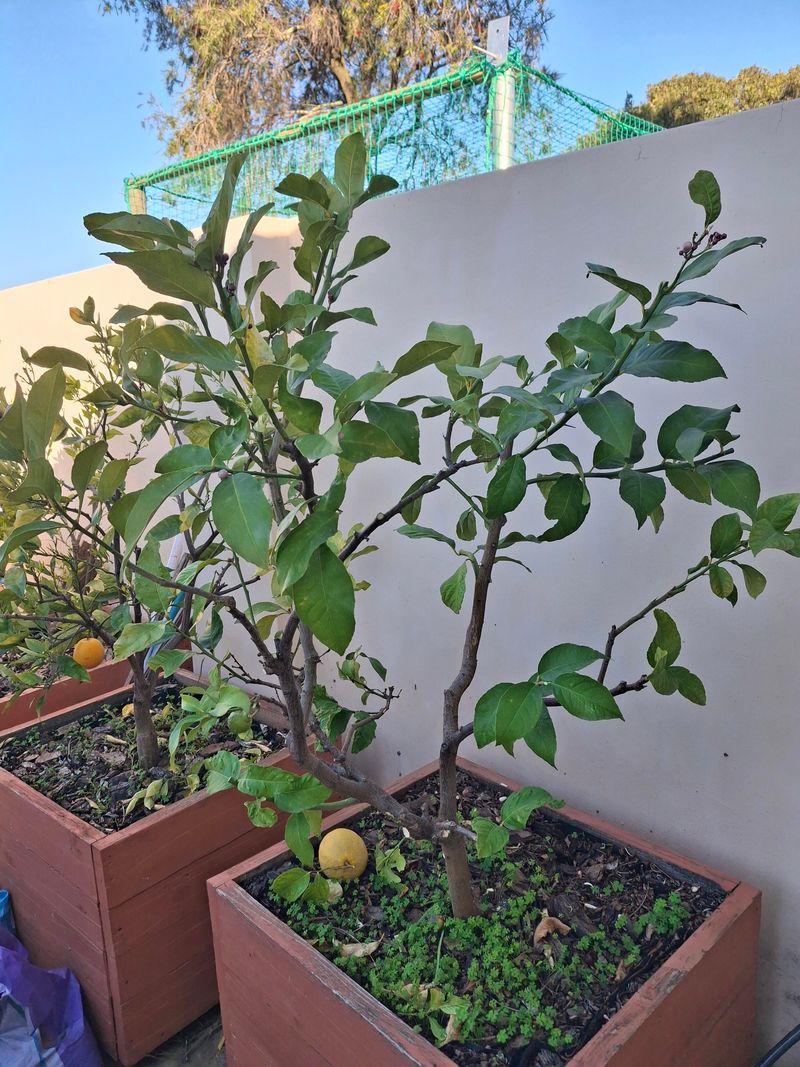
Early summer is your window. Citrus trees in the desert Southwest start pushing new growth as temperatures climb in May and June.
Catching that growth surge early gives your fertilizer a real chance to do something useful.
Apply your first summer feeding in early summer if it has not already been done. Roots are active, soil is warming up fast, and the tree is ready to pull in nutrients.
Waiting too long can mean missing an important growth period for the tree.
Morning applications work best in warm climates. Cooler soil temps in the early hours help nutrients move into the root zone without evaporating or breaking down too quickly in the heat.
Young trees especially benefit from an early start. Getting nutrients in before peak summer heat helps them build stronger branches and healthier leaf coverage.
That leaf coverage later shades the soil and helps hold moisture during the hottest months.
Established trees also respond well to early feeding. A well-timed application in early summer supports fruit sizing and overall canopy health.
Missing this window can sometimes show up later as pale leaves or slower fruit development. Start early, and your trees will reward you with steady, visible growth right through the season.
2. Choose A Citrus Formula With Balanced Nutrients
Not all fertilizers work the same way for citrus. Grabbing a generic all-purpose bag from the hardware store might seem fine, but citrus trees have specific needs that a balanced citrus formula handles much better.
Look for a fertilizer labeled specifically for citrus and fruit trees. These blends typically include nitrogen, phosphorus, and potassium in ratios suited to citrus growth cycles.
They also often include micronutrients like iron, zinc, and manganese, which desert soils frequently lack.
Nitrogen is the big one for summer. It drives leafy growth and helps the tree maintain green, productive foliage even under heat stress.
Your Arizona Garden Changes Every Week. Your Plan Should Too.
Gardening in Arizona changes quickly throughout the season. Every Friday you’ll receive a simple weekly plan showing exactly what to plant, prune, fertilize, harvest, and protect so you never miss the right timing.
Too little nitrogen shows up fast as yellowing leaves. Too much can push soft, weak growth that burns easily in high temperatures.
Slow-release formulas are worth considering for summer use. They feed the tree gradually over several weeks rather than delivering a big nutrient dump all at once.
That steady release matches how citrus roots actually absorb nutrients in hot conditions.
Liquid citrus fertilizers are another solid option. They absorb quickly and work well as a supplement between granular applications.
Just always check the label for citrus-specific directions before applying. Choosing the right product from the start saves time, money, and guesswork throughout the entire growing season.
3. Apply Nutrients During Active Growth Periods
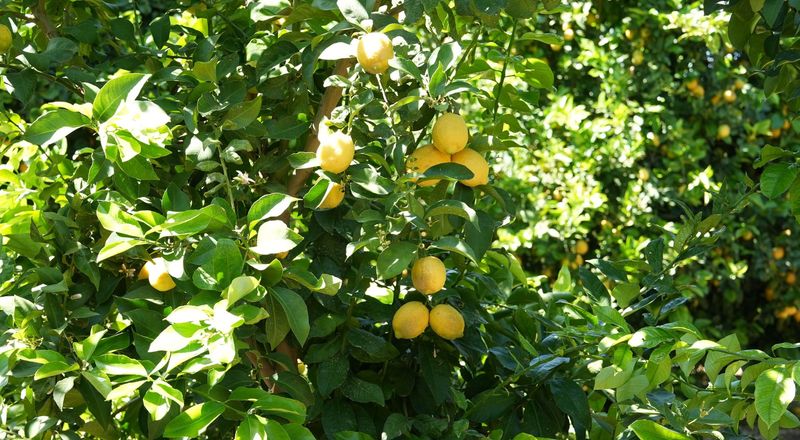
Timing matters more than most people realize. Applying fertilizer when your citrus tree is actively growing means the nutrients actually get used.
Apply at the wrong time and you are mostly wasting product.
Active growth in desert citrus typically happens in two main windows during summer. Late spring into early summer is the first push.
A second, smaller flush often follows in late summer as temperatures start to ease slightly in August and September.
Watch the tree for signs of new growth. Fresh, light-green leaf tips emerging from branch tips signal that the tree is in an active growth phase.
That is the ideal moment to get fertilizer down around the drip line.
Avoid applying during completely dormant stretches. When a tree is not actively growing, roots are less efficient at pulling in nutrients.
Fertilizer sitting in the soil without uptake can break down, leach away, or cause salt buildup in alkaline desert soils.
Splitting your summer applications to match these growth flushes gives you better results per application.
Rather than one large feeding, two smaller, well-timed feedings during active growth periods tend to produce healthier trees and more consistent fruit development.
Pay attention to what the tree is actually doing, and let that guide your schedule rather than following a rigid calendar alone.
4. Water Deeply Before Every Application
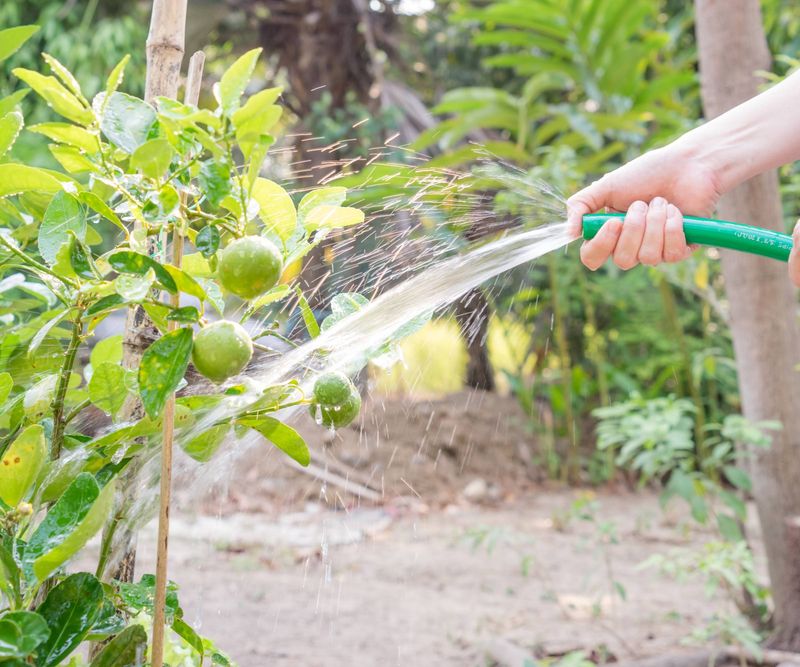
Dry soil and fertilizer are a bad combination. Applying any fertilizer to bone-dry desert soil can stress roots and reduce how well nutrients actually move into the root zone.
Always water first.
Deep watering before a fertilizer application softens the soil and helps nutrients travel downward where feeder roots can actually reach them. A light sprinkle on the surface is not enough.
You want the soil moist several inches down before you spread anything.
In Arizona summers, soil dries out fast. Even if you watered a day or two before, check the soil near the drip line before applying fertilizer.
Push a screwdriver or wooden dowel a few inches into the ground. If it goes in easily, moisture is adequate.
If it hits resistance right away, water again first.
Watering also reduces the risk of fertilizer burn. Concentrated nutrients sitting directly on dry roots can cause damage.
Moist soil dilutes and distributes the fertilizer more evenly, protecting roots and improving absorption.
After applying fertilizer, water again lightly to move it into the soil. This two-step process, deep water before and a light water after, is one of the simplest ways to improve your results without changing anything else about your fertilizing routine.
Skipping this step is one of the most common mistakes home growers make in hot, dry climates.
5. Follow The Recommended Rate On The Label
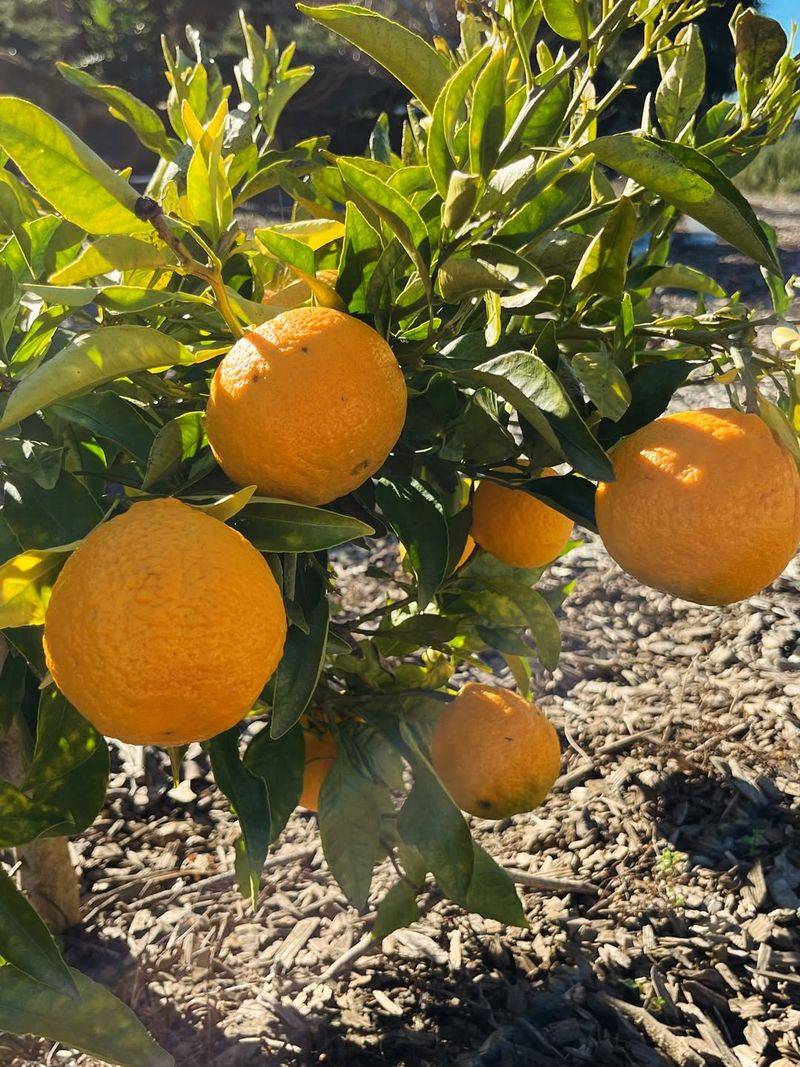
More fertilizer does not mean more fruit. Overfeeding citrus trees is a real problem, and it causes more harm than underfeeding in most cases.
Label rates exist for a reason, and following them protects your tree.
Manufacturers calculate application rates based on average tree size, soil conditions, and typical nutrient uptake. Going beyond those rates, especially in summer, can push excess salts into the soil.
Desert soils in hot climates already tend to be alkaline and salt-prone, making this risk even higher.
Read the label carefully before each application. Pay attention to whether the rate is based on tree age, canopy spread, or trunk diameter.
Different products use different measurement methods, so reading every time prevents mistakes.
Under-application is less harmful but still worth avoiding. Too little fertilizer across the whole season can result in slow growth, lighter fruit loads, and pale foliage.
Finding the right balance means sticking close to what the label recommends rather than guessing.
If your tree shows signs of nutrient issues despite following label rates, consider getting a soil test done. Desert soils often have pH levels that lock out certain nutrients regardless of how much fertilizer you apply.
A soil test gives you real data to work with. Adjusting based on actual soil conditions is more effective than simply adding more product and hoping for the best.
6. Skip Applications During Heat Stress
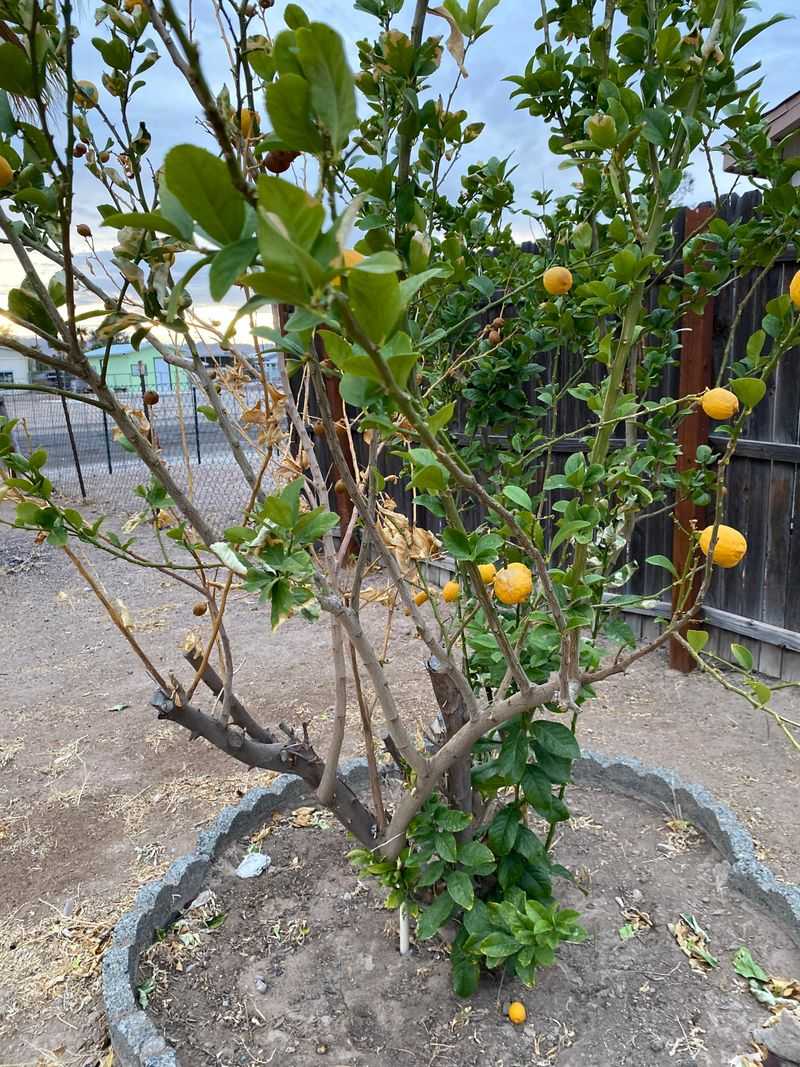
Peak summer heat in the desert Southwest is no time to push your citrus tree with extra fertilizer. When temperatures regularly hit 110 degrees or higher, trees shift into a kind of protective mode.
Growth slows, and roots become less efficient at nutrient uptake.
Applying fertilizer during extreme heat events can make things worse. Nutrients sitting in hot, dry soil can concentrate into salts that stress roots further.
Even a well-watered tree can struggle to process fertilizer when air temperatures are consistently extreme.
Watch the weather before every application. If a stretch of 108-plus degree days is forecast, hold off.
Wait for temperatures to drop back into the low hundreds or high 90s before resuming your feeding schedule. Even a short break in the heat makes a meaningful difference in how well your tree can respond.
Signs of heat stress include drooping leaves during the hottest part of the day, fruit drop, and bark cracking on sun-exposed branches. None of these conditions improve with fertilizer.
Shade cloth, deep watering, and patience are better tools during genuine heat events.
Skipping one application during a brutal heat wave will not set your tree back significantly. Forcing nutrients on a stressed tree, however, can extend recovery time well into late summer.
Read the conditions, trust what you see, and prioritize the tree’s immediate comfort over your feeding calendar.
7. Space Applications According To Tree Age
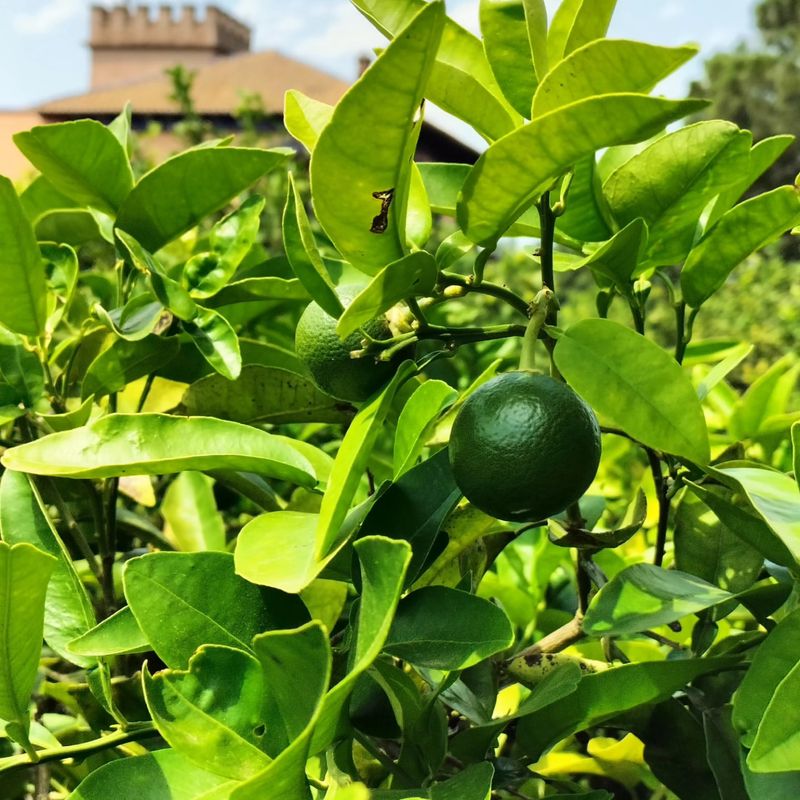
Young trees and mature trees have completely different nutritional needs. Treating them the same way leads to problems on both ends.
Age-based spacing is one of the most overlooked parts of a good citrus feeding schedule.
Newly planted citrus, typically trees in their first or second year, need lighter, more frequent applications. Their root systems are still establishing, and heavy doses of fertilizer can overwhelm fragile young roots.
Small amounts every six to eight weeks during the growing season work better for these trees.
Trees in their third through fifth year are building toward full production. Slightly larger applications spaced about eight weeks apart during summer align well with their increasing root capacity and growth demands.
Avoid jumping straight to mature-tree rates during this transitional stage.
Fully established trees, those producing a full fruit load, typically benefit from two to three summer applications spaced roughly six to eight weeks apart.
Exact timing depends on the product you use, so always cross-reference the label with your tree’s age and size.
Older trees that have been in the ground for many years sometimes need less nitrogen and more micronutrient support. Watch for changes in leaf color and fruit quality as trees age.
Adjusting your product choice and application spacing based on what you observe over multiple seasons gives you the best long-term results without overcomplicating the process.