Why Arizona Summers Bring Out Roof Rats And What Gardeners Need To Know
Summer has a way of making people pay more attention to their yards. You notice fruit starting to ripen, plants putting on new growth, and more activity around the garden than usual.
It is the time of year when many homeowners spend extra time outside, checking on everything they have worked hard to grow.
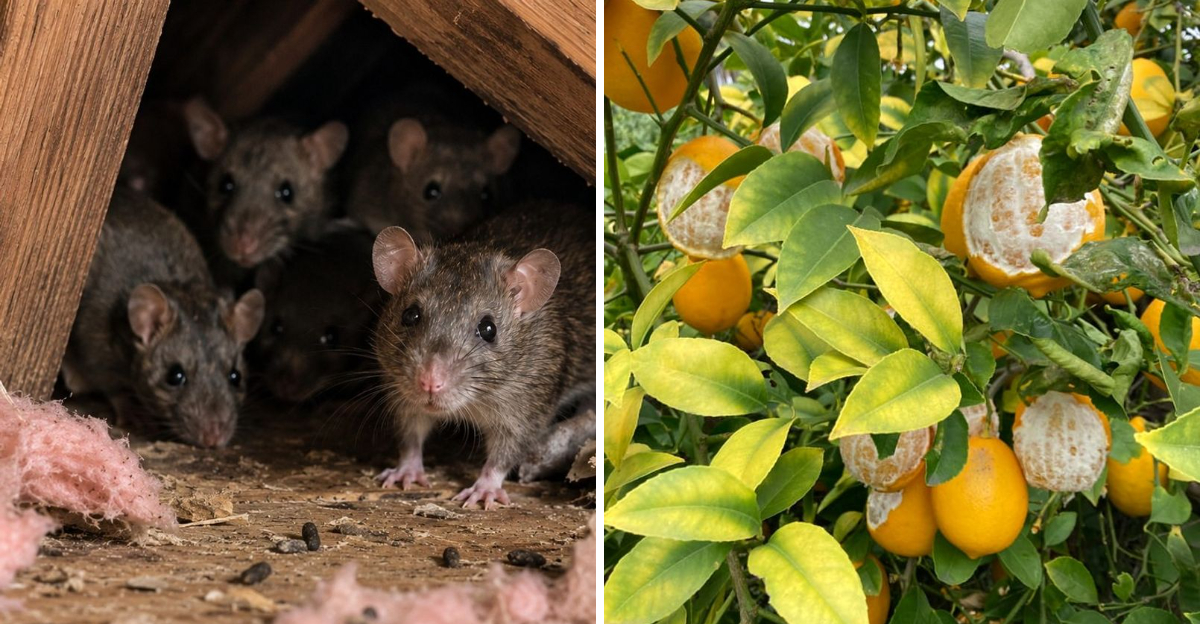
That is also when unexpected problems seem to appear. You might find fruit with bite marks, hear strange noises at night, or notice signs that something has been moving through the yard after dark.
At first, it is easy to brush it off as a one-time occurrence. Then it happens again.
In Arizona, the hottest months create conditions that can attract more than just people to a well-maintained yard. Food, water, and shelter become harder to ignore, especially for animals looking for an easy opportunity.
Understanding what draws them in can help explain why some gardens suddenly become a lot busier during summer.
1. Warm Summer Nights Keep Roof Rats Active Longer
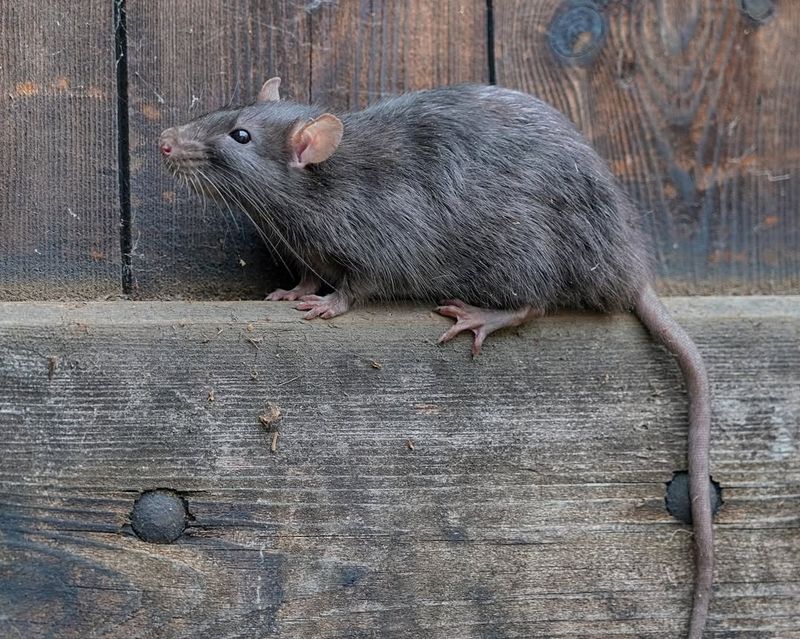
Hot nights don’t slow roof rats down. In fact, they thrive in warm conditions that would make most people head indoors.
Desert summers create the perfect environment for these rodents to stay active well past midnight.
Roof rats are nocturnal by nature. Cooler regions force them into shorter activity windows, but in the Sonoran Desert, mild nights stretch their foraging time significantly.
They can cover a lot of ground between dusk and dawn.
Gardeners who work early mornings sometimes spot signs without realizing what left them. Chewed stems, disturbed mulch, and scattered fruit pieces are common overnight calling cards.
Catching these signs early matters.
Trimming back plants before nightfall reduces cover near your home’s exterior. Motion-activated lights near garden beds can also interrupt rat movement patterns without much effort.
Small changes in your evening routine can shift the odds in your favor.
Roof rats don’t need much to feel comfortable. A warm fence line, a shaded corner, and nearby food are enough.
Removing even one of those elements makes your yard less appealing to nighttime visitors.
2. Dense Palm Trees Create Safe Nesting Areas

Palm trees look stunning in desert landscapes. But those thick clusters of dried fronds near the trunk?
Roof rats consider them prime real estate. It’s one of the most overlooked nesting spots in residential yards.
A single unmaintained palm can shelter an entire family of roof rats. The dense fronds trap heat, block wind, and provide cover from predators.
Rats nest there, raise young there, and use the trunk as a highway to rooftops.
Regular palm trimming is one of the most effective preventive steps a homeowner can take. Keeping fronds cut back reduces available nesting material and makes the tree far less attractive.
Aim to trim at least once or twice a year during active seasons.
Some pest control professionals in the Phoenix metro area specifically flag palms as high-priority inspection points. It’s not uncommon to find nesting evidence tucked deep inside frond clusters during routine checks.
Your Arizona Garden Changes Every Week. Your Plan Should Too.
Gardening in Arizona changes quickly throughout the season. Every Friday you’ll receive a simple weekly plan showing exactly what to plant, prune, fertilize, harvest, and protect so you never miss the right timing.
Addressing palms early prevents larger infestations.
Beyond trimming, wrapping the lower section of the trunk with a smooth metal band can prevent rats from climbing. It’s a simple barrier that works surprisingly well.
Pair it with regular maintenance and your palm becomes much less of a problem.
3. Overgrown Vines Give Rats Easy Access To Roofs
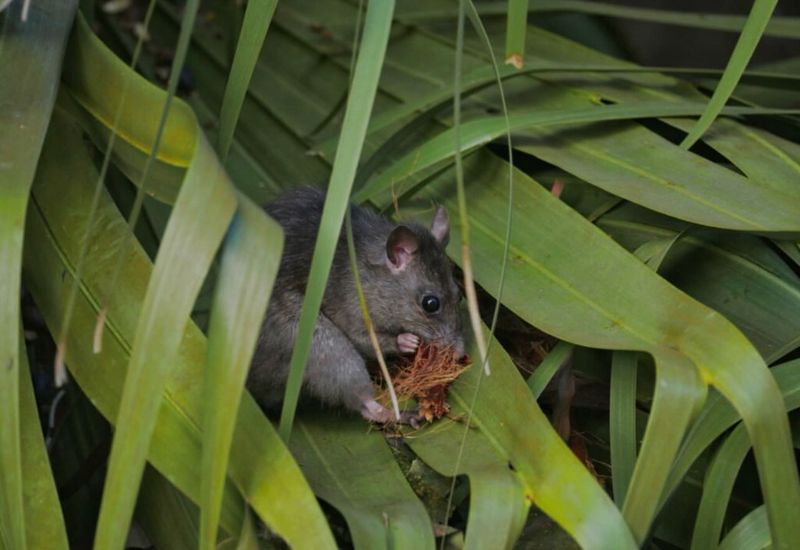
Vines growing up a wall look charming until you realize they’re basically a ladder for roof rats. Thick, established vines touching the roofline give rodents direct access to your attic with almost no effort.
Roof rats are agile climbers. They can scale rough stucco, wooden fences, and tangled vines without slowing down.
Any plant that bridges the ground to your roof creates a fast track straight into your home’s structure.
Bougainvillea and ivy are especially common culprits in desert gardens. Both grow quickly, cling to surfaces aggressively, and create dense coverage that hides rat movement.
Keeping them trimmed at least a foot below the roofline helps close that access point.
Check where vines meet your walls every few weeks during summer. Growth happens fast when temperatures are high and irrigation is running.
What looks manageable one week can become a full bridge to your roof the next.
Cutting vines back isn’t just about pest control. It also protects your roof surface and stucco from moisture damage caused by trapped organic material.
Maintenance here pulls double duty and keeps your home in better shape overall.
A pair of heavy-duty pruning shears and a consistent schedule make this task straightforward. No complicated tools needed, just regular attention during the growing season.
4. Irrigated Yards Provide Reliable Water Sources
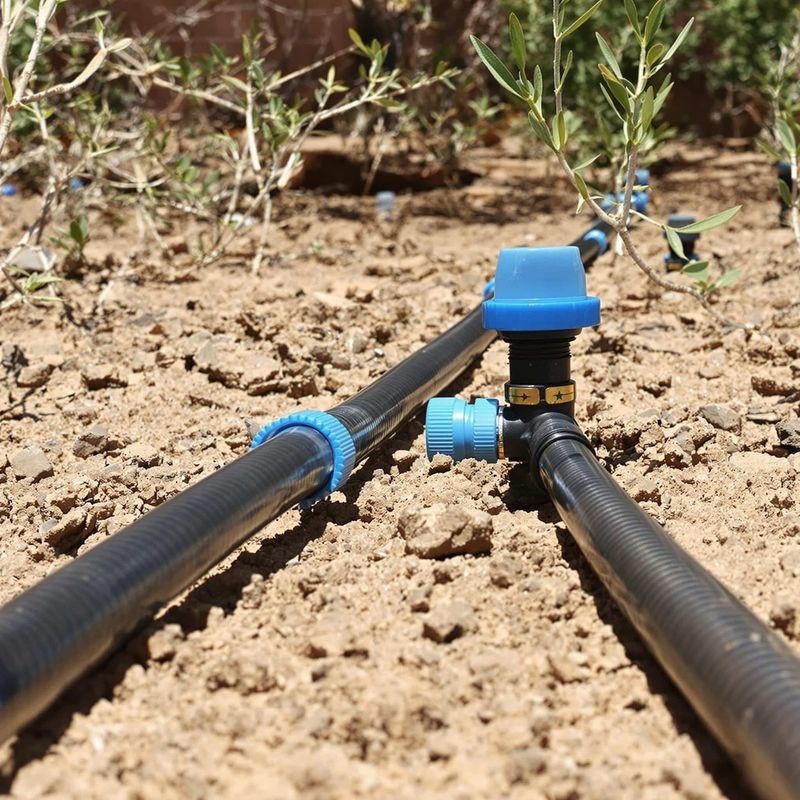
Water is survival in the desert. Roof rats know exactly where to find it, and irrigated yards are a consistent, reliable source during the driest months of summer.
Drip lines, sprinkler heads, and garden hose connections all create small pools or damp patches that rats visit regularly. Even a slow drip left overnight is enough to attract activity.
Rats don’t need much water to stay hydrated.
Checking your irrigation system for leaks is a smart habit regardless of pests. Fixing a dripping emitter saves water and removes a resource that makes your yard more attractive to rodents.
Two problems solved with one repair.
Pooled water near plant beds or low spots in the yard is another issue worth addressing. Grading your garden so water drains properly reduces both standing moisture and unwanted visitors.
Good drainage is good pest prevention.
Watering schedules matter too. Running irrigation early in the morning allows soil to absorb moisture before nightfall.
Wet ground at night creates more opportunity for rats to find water during their most active hours.
Outdoor pet water bowls are often overlooked. Leaving them full overnight is essentially setting out a water station for any rodent passing through.
Bringing them inside before dark is a simple habit that removes one more attractant from your yard.
5. Backyard Fruit Trees Offer Food And Shelter

Citrus trees are practically a backyard tradition in the desert Southwest. But ripe fruit hanging low or rotting on the ground is one of the top food sources drawing roof rats into residential gardens.
Roof rats are opportunistic eaters. Citrus, figs, pomegranates, and dates all rank high on their preferred menu.
A single tree with dropped fruit can support rat activity for weeks without anyone noticing the source.
Picking fruit promptly is one of the most practical things a gardener can do. Don’t let fallen fruit sit on the ground overnight.
Even partially eaten pieces left beneath a tree can signal to rats that the yard is a reliable food stop.
Tree canopies that touch fences, walls, or other trees create a connected travel route for rats. Keeping branches trimmed back from structures limits how easily they move between food sources and nesting spots.
Spacing matters more than most gardeners realize.
Netting individual fruit clusters is an option for smaller trees. It’s not always practical for large orchards, but for backyard trees it can protect the harvest while reducing rodent interest.
Hardware cloth around the base of the trunk also helps block ground-level access.
Fruit trees don’t have to be removed. With consistent maintenance and harvest habits, they remain a garden joy without becoming a pest problem.
6. Bird Feeders Can Attract More Rat Activity
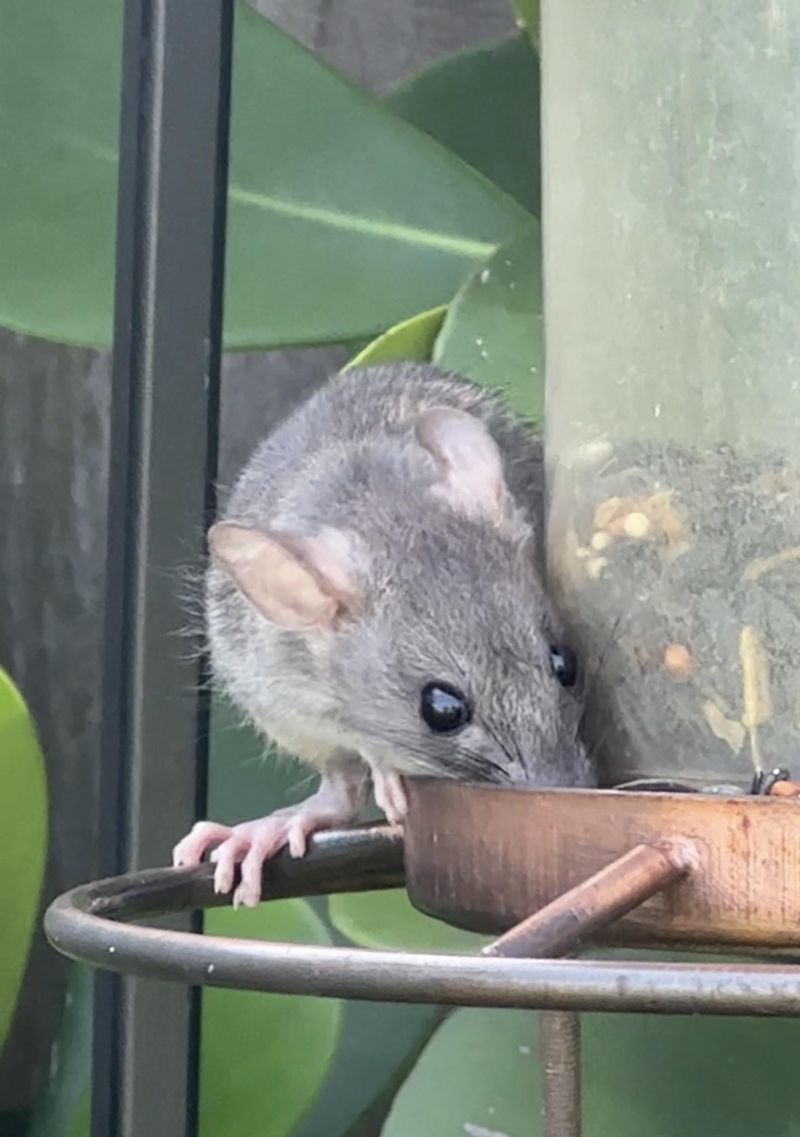
Bird feeders bring color and life to any garden. They also scatter seed on the ground, which roof rats find just as appealing as any songbird does.
It’s a trade-off many backyard birders don’t consider until a problem shows up.
Seed that falls beneath a feeder accumulates fast. Even a small amount left overnight gives rats a reliable and easy food source.
Ground-feeding birds make the situation worse by kicking seed off the tray and onto the soil below.
Switching to feeders with catch trays helps reduce spillage significantly. Cleaning up fallen seed each evening is even more effective.
Combining both habits makes a feeder far less attractive to nighttime foragers.
Feeder placement matters too. Mounting feeders away from fences, walls, and dense shrubs removes the cover rats prefer when approaching a food source.
Open space around a feeder gives predators a better line of sight and makes rats more cautious.
Some gardeners choose to take feeders in at dusk during peak summer months. Birds don’t feed at night, so nothing is lost for the birds.
Removing the feeder after sunset eliminates the overnight attraction entirely.
Suet cakes and high-fat seed blends are especially attractive to rats. Opting for nyjer seed or safflower attracts fewer rodents while still drawing a solid variety of birds.
Small swaps in feeder content can shift the dynamic noticeably.
7. Cluttered Storage Areas Create More Hiding Spots
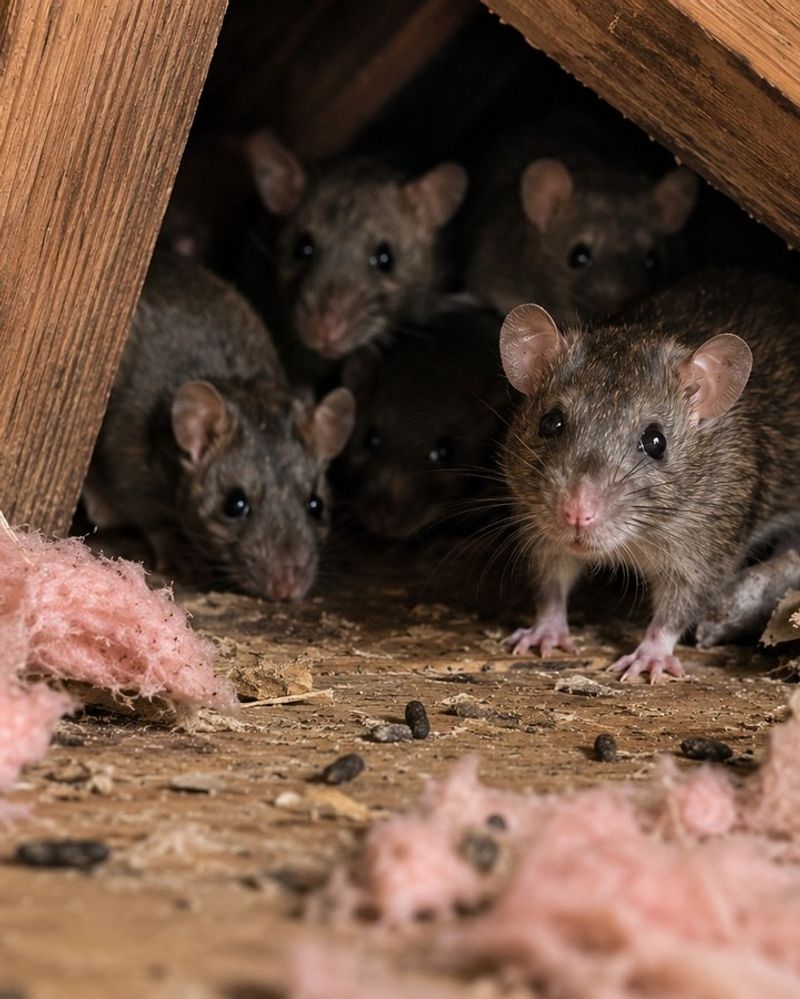
Piles of stuff feel harmless until you realize roof rats treat them like a furnished apartment. Stacked wood, old pots, cardboard boxes, and unused furniture create exactly the kind of sheltered, undisturbed space these rodents prefer for nesting.
Outdoor storage areas rarely get disturbed regularly. That predictability is what makes them attractive.
Rats want low-traffic zones where they can nest and move without interruption, and cluttered corners deliver exactly that.
Cardboard is especially problematic. It holds moisture, provides insulation, and shreds easily into nesting material.
Replacing cardboard storage with sealed plastic bins removes a major resource rats rely on to build comfortable nests.
Stacked firewood should sit at least 18 inches off the ground and away from exterior walls. Ground-level wood piles are classic rat shelters.
Elevating them on a metal rack reduces that risk without requiring much space or money.
Garden sheds deserve a periodic walk-through too. Check corners, behind shelving units, and along baseboards for droppings, gnaw marks, or shredded material.
Catching signs early makes addressing the issue far simpler than dealing with a full infestation later.
Keeping storage areas organized and minimal during summer is the simplest preventive step. Less clutter means fewer hiding spots.
Fewer hiding spots mean your yard is a less attractive option compared to properties that haven’t taken those steps.