Why Florida Plants That Looked Fine In June Collapse In August
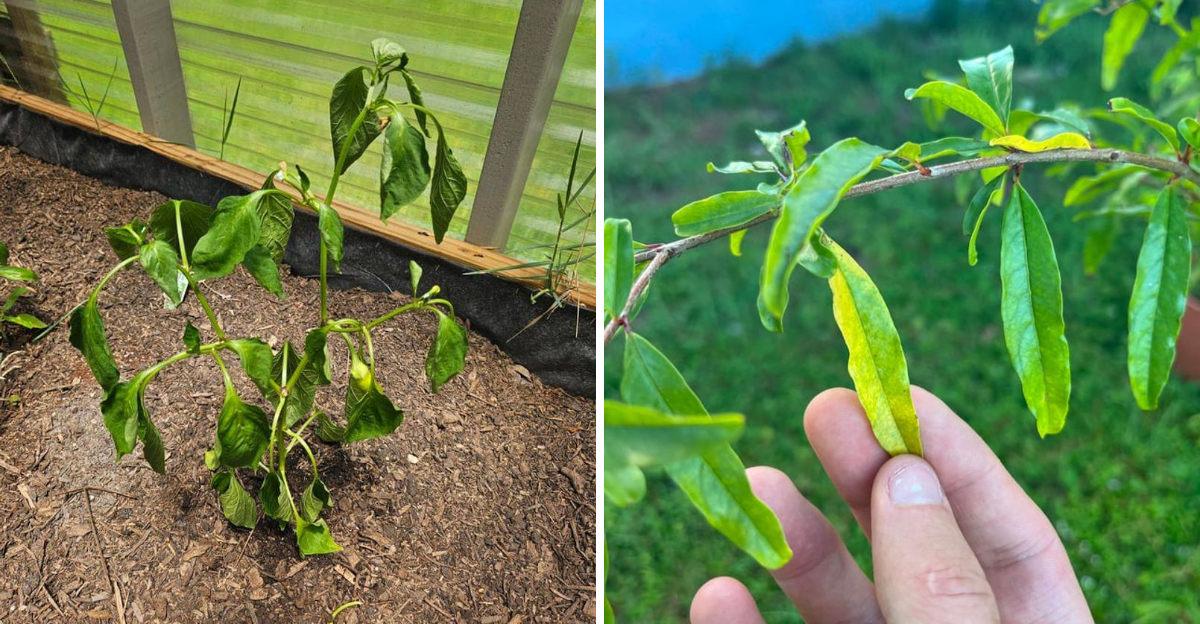
There is a very specific Florida gardening experience that happens every year without fail. June looks promising, the garden is full and colorful, and everything seems to be heading into summer on a strong note.
Then August arrives and the mood shifts completely. Plants that looked healthy and stable just weeks ago are suddenly drooping, dropping leaves, or showing signs of stress that feel like they came out of nowhere.
The truth is they did not come out of nowhere at all.
Florida summers spend months quietly building up the conditions that cause August plant decline, and heat, humidity, saturated soil, shallow roots, pests, disease, hot containers, and fertilizer stress rarely announce themselves one at a time.
They tend to overlap, and when they do, even the most resilient plants can start struggling faster than anyone expected.
1. Summer Heat Finally Catches Up
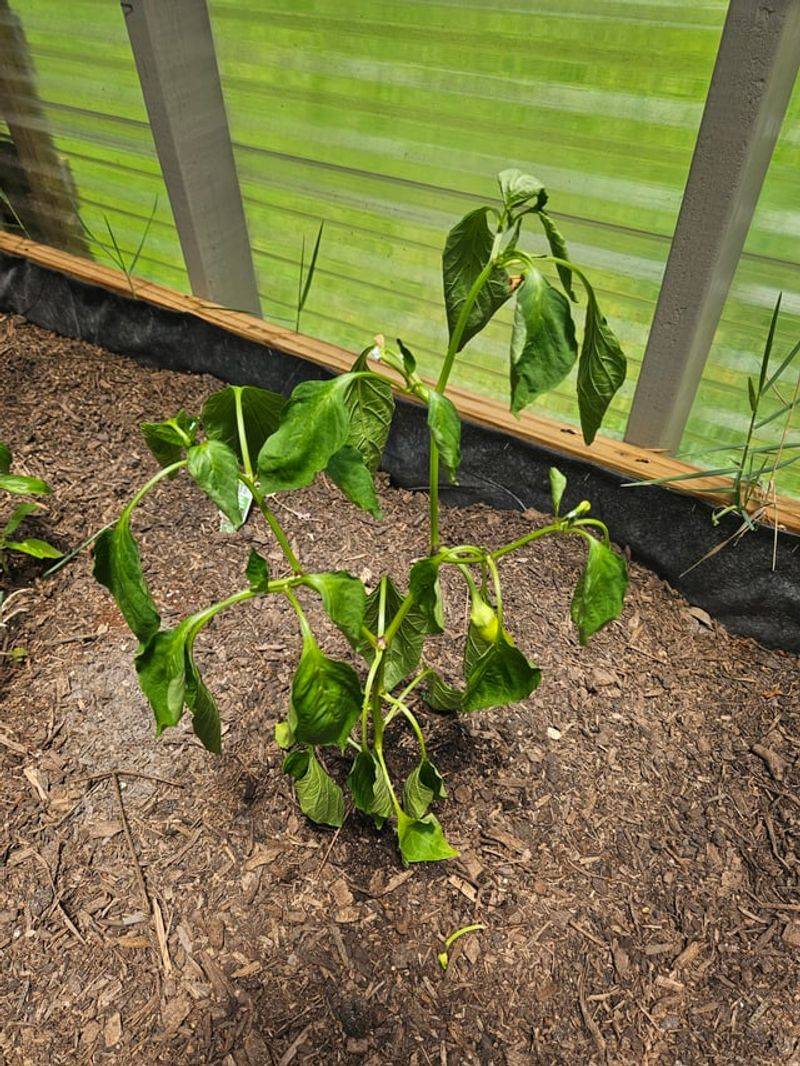
A plant that handled June just fine can start looking worn out by August, and the reason often comes down to how long the heat has been building. Early summer in Florida brings warm days, but the heat in August is different.
Temperatures stay high overnight, the sun angle stays intense, and there is rarely a cool stretch that gives plants a chance to recover between hot afternoons.
When temperatures stay consistently high for weeks, plants lose water through their leaves faster than roots can replace it. This is called transpiration stress, and it shows up as wilting, leaf curl, or foliage that looks dull even after watering.
A plant may have handled this fine in June when the heat was newer, but by August the stress has been compounding for months.
Shade cloth over sensitive vegetables or container plants can help reduce leaf temperature during the hottest part of the day.
Checking soil moisture in the morning rather than waiting until plants look droopy gives roots a better chance to stay ahead of demand.
Avoid pruning or repotting plants that are already showing heat stress, since removing foliage or disturbing roots adds pressure to a plant that is already working hard just to stay stable through a Florida August afternoon.
2. Roots Stay Too Wet After Rain
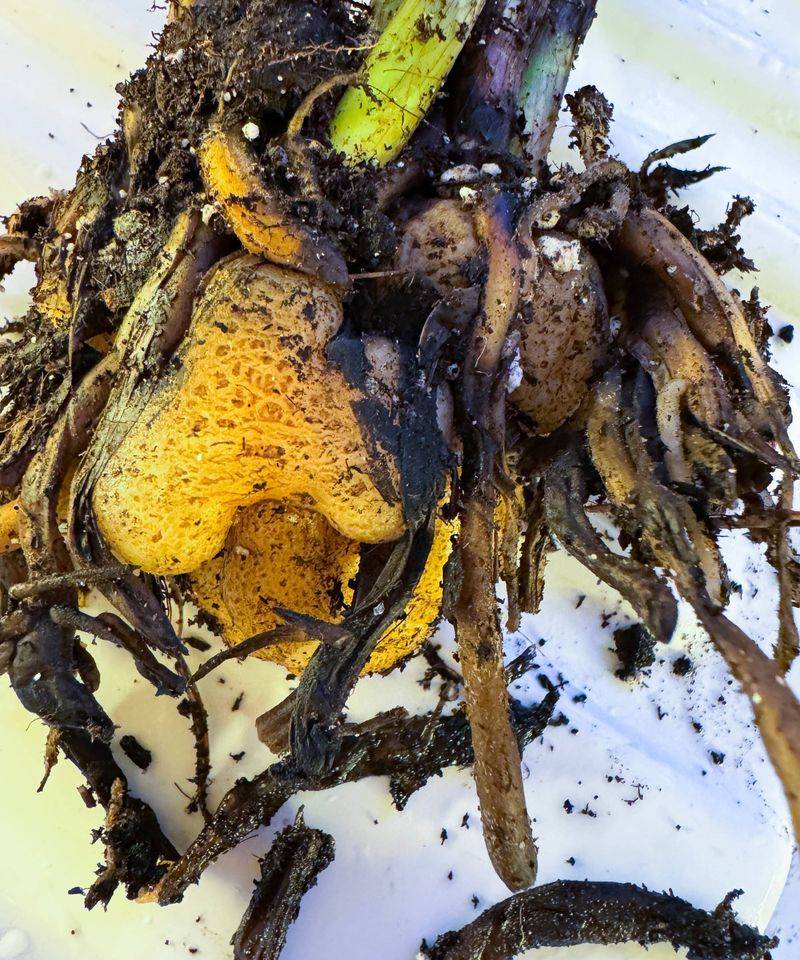
Soggy soil after a heavy Florida rainstorm might look harmless from the surface, but roots sitting in saturated ground can run into serious trouble fast. Roots need both moisture and oxygen to function.
When soil stays waterlogged for too long, the oxygen gets pushed out of the pore spaces, and roots begin to struggle even though there is plenty of water present.
In June, rain events may be shorter or spaced further apart, giving soil time to drain between storms. By August, the rainy season is in full swing, and Florida soils can stay wet for days at a time.
Plants that looked healthy earlier in the season may start showing yellowing lower leaves, soft stems near the base, or a general droopiness that does not improve after watering stops.
Before assuming a wilting plant needs more water, check the soil a few inches down. If it feels wet or muddy, the plant may actually be suffering from too much moisture rather than too little.
Your Florida Garden Changes Every Week. Your Plan Should Too.
Gardening in Florida changes quickly throughout the season. Every Friday you’ll receive a simple weekly plan showing exactly what to plant, prune, fertilize, harvest, and protect so you never miss the right timing.
Pulling back mulch around the base of struggling plants can help surface water evaporate more quickly.
Raised beds and containers with good drainage holes handle wet periods better than low landscape areas where water tends to collect after Florida summer storms roll through.
3. Poor Drainage Starts Showing Up
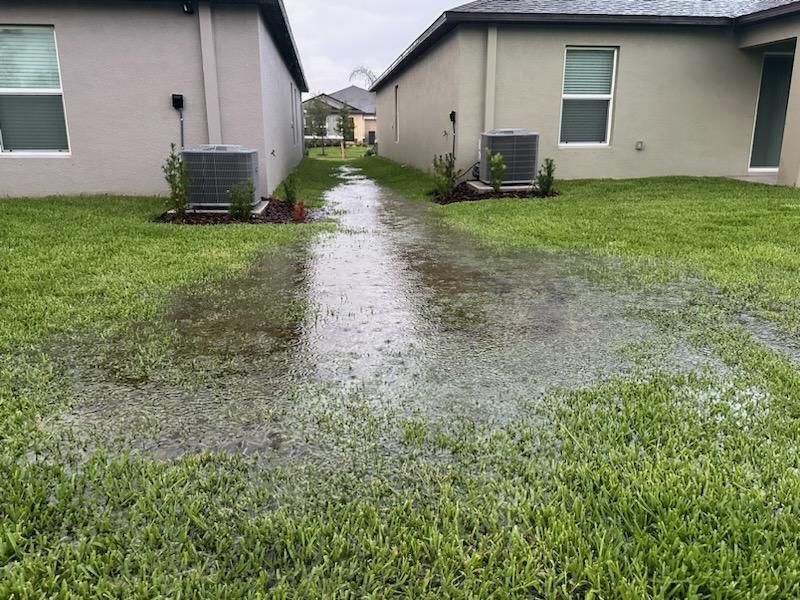
One rainstorm rarely reveals a drainage problem, but after several weeks of Florida summer storms, low spots and compacted areas in the yard start to become obvious.
Water pools in corners of raised beds, sits around the base of shrubs, or soaks into thick layers of mulch without ever fully drying out between rain events.
By August, what started as a minor drainage issue in spring can turn into a serious problem for plant roots.
Compacted soil is a common culprit in Florida landscapes, especially in yards with heavy foot traffic or clay-like fill soil beneath a thin layer of sandy topsoil.
Water moves slowly through compacted layers, leaving roots sitting in moisture much longer than they should.
Heavy mulch applied too thickly can also hold water close to the soil surface and keep stems and root crowns wet in ways that encourage rot.
Checking beds after a storm and noting where water sits longest is a useful first step. If the same spot stays wet for more than a day or two after rain stops, that area may need better drainage before planting again.
Pulling mulch back from plant stems, improving bed edges to allow runoff, and choosing raised planting areas for moisture-sensitive plants can all reduce the impact of poor drainage during Florida late-summer rainy season.
4. Shallow Roots Run Out Of Cushion
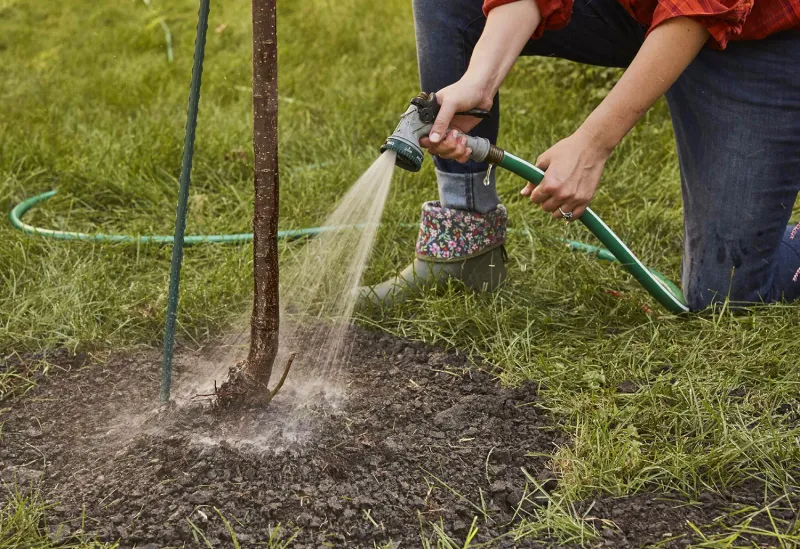
Light, frequent watering feels like a kind thing to do for plants during a hot Florida summer, but it can quietly encourage roots to stay close to the soil surface instead of growing deeper.
Surface roots have less cushion when the top layer of soil heats up fast or dries out quickly between watering sessions, and by August that lack of depth starts to show.
Florida sandy soils drain fast, which means the top few inches can go from wet to dry within hours on a hot afternoon.
A plant with roots concentrated near the surface is more exposed to that cycle of rapid drying and heating than a plant with roots that reach deeper into cooler, more stable soil.
Vegetables, annuals, and recently transplanted shrubs are especially likely to have shallow root systems if they were watered lightly and often during early summer.
Shifting toward deeper, less frequent watering sessions can encourage roots to follow moisture downward over time.
Watering slowly at the base of the plant and letting water soak in deeply gives roots a reason to grow down rather than spread sideways near the surface.
Mulching the soil surface helps slow evaporation and keeps the top layer from heating as dramatically, which gives shallow-rooted Florida plants a little more buffer during the most intense weeks of late summer.
5. Pests Build Up In Humid Weather
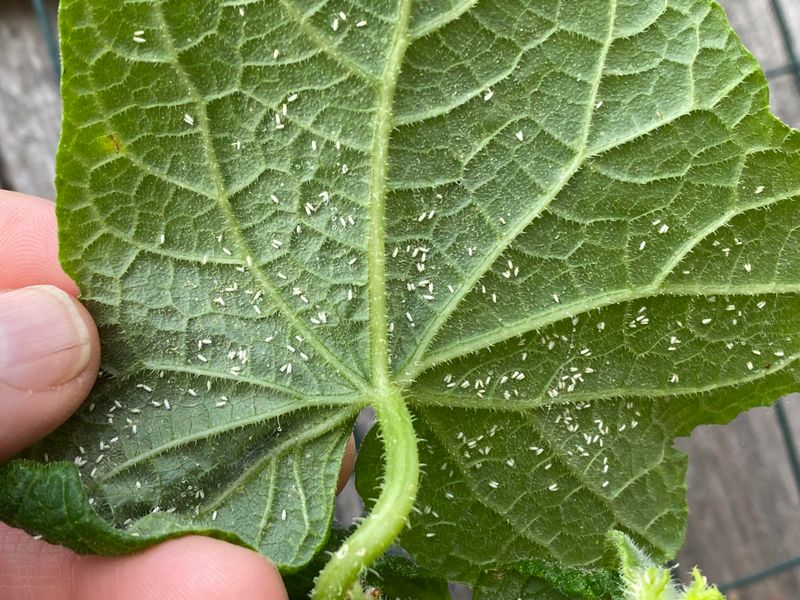
Warm, humid Florida summers create comfortable conditions for a wide range of garden pests, and populations that were small and manageable in June can grow significantly by August.
Whiteflies, spider mites, aphids, thrips, and caterpillars can all increase in numbers as summer humidity stays high and plants are already under stress from heat and water fluctuations.
Stressed plants are often more attractive to pests and less able to recover from feeding damage. A plant dealing with heat stress, wet roots, or poor drainage has fewer resources to push back against insect pressure.
This is why pest problems sometimes seem to appear suddenly in August even though the insects were likely present in smaller numbers weeks earlier.
Scouting regularly matters more in late summer than any other time of year. Checking the undersides of leaves, new growth, buds, stems, and the soil level around plant bases helps catch problems before they get out of hand.
Blasting leaves with water can reduce soft-bodied pest populations on ornamentals and vegetables.
Avoid reaching for broad treatments before identifying the specific pest, since treating for the wrong problem can stress the plant further and may eliminate beneficial insects that were helping keep pest numbers in check across the Florida garden.
6. Disease Pressure Rises In Late Summer
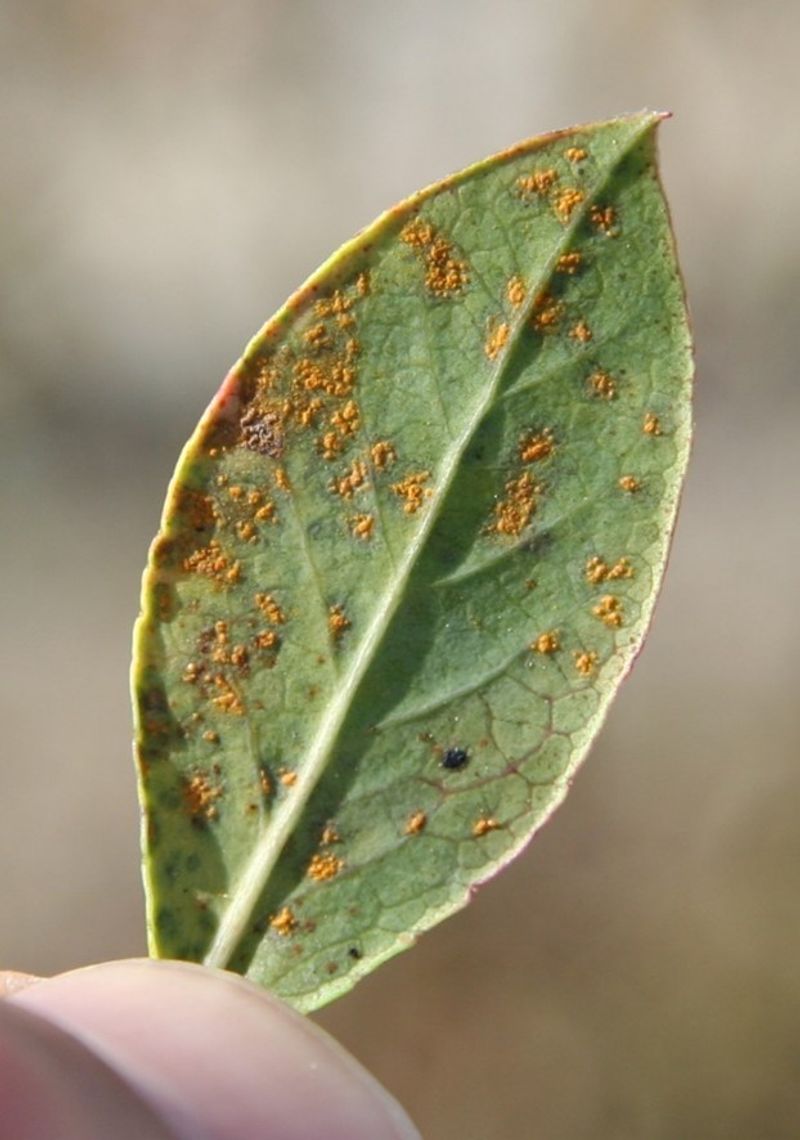
August in Florida brings a combination of warm nights, high humidity, and frequent rain that many fungal and bacterial plant diseases find ideal.
Leaf spot diseases, powdery mildew, root rots, and stem blights can all become more active during this stretch, and plants that showed no signs of disease in June may start displaying spots, yellowing, or wilting foliage by midsummer.
Wet foliage plays a big role in how disease spreads. Water sitting on leaves overnight creates the kind of surface environment where fungal spores can germinate and begin infecting plant tissue.
Overhead irrigation in the evening, poor airflow between plants, and crowded beds where foliage stays wet longer all increase the chance that disease pressure will become visible by late summer.
Spacing plants to allow airflow, watering at the base rather than overhead, and removing and disposing of infected leaves can all help slow the spread of common diseases.
Sanitation matters too, since fallen leaves and plant debris left on the soil surface can harbor disease spores that splash back onto foliage during rain.
Avoid working with wet plants, since handling foliage when leaves are damp can transfer pathogens from plant to plant.
Catching disease early and adjusting conditions around the plant gives Florida gardeners the best chance of stabilizing the situation before late summer stress compounds the problem further.
7. Containers Heat Up Faster Than Beds
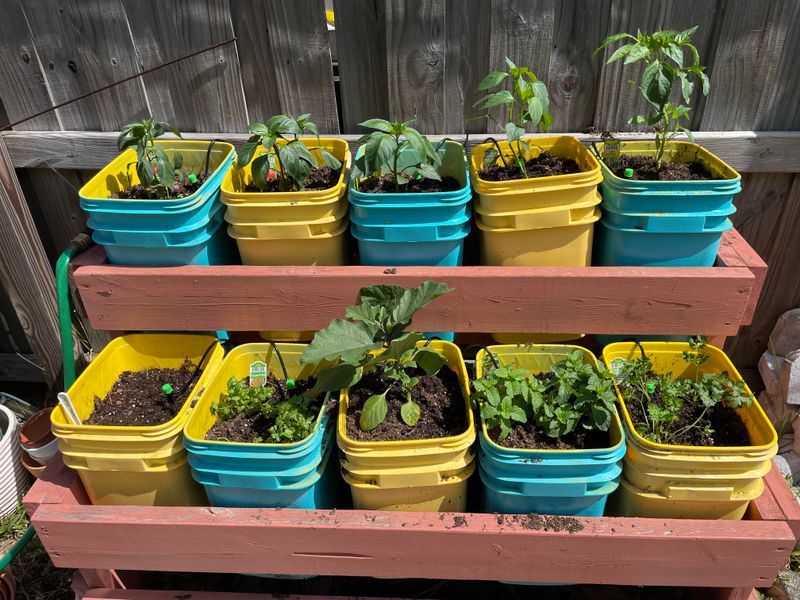
Patio planters and container gardens bring a lot of color to Florida outdoor spaces, but they also come with a challenge that in-ground beds do not face in the same way.
The walls of a pot absorb heat from the sun and from warm patio surfaces, and the soil inside can reach temperatures that are significantly higher than the air around it during a Florida August afternoon.
Small dark containers sitting on concrete or pavers are especially prone to overheating. Roots in an overheated pot can become damaged even when the plant above the soil line looks okay at first glance.
By August, repeated heat cycles can weaken the root system enough that the plant starts showing signs of stress, including wilting that does not fully recover after evening watering, yellowing leaves, or stunted new growth.
Grouping containers together can help insulate individual pots from direct heat. Light-colored or double-walled containers hold less heat than dark single-walled pots.
Moving containers to a spot with afternoon shade during the hottest weeks of summer can make a noticeable difference for heat-sensitive plants.
Checking soil moisture more frequently in containers than in beds is important since pots can dry out fast on hot days, but they can also stay too wet if drainage holes are blocked or if saucers collect standing water beneath them on a Florida patio.
8. Fertilizer Stress Makes Weak Plants Worse
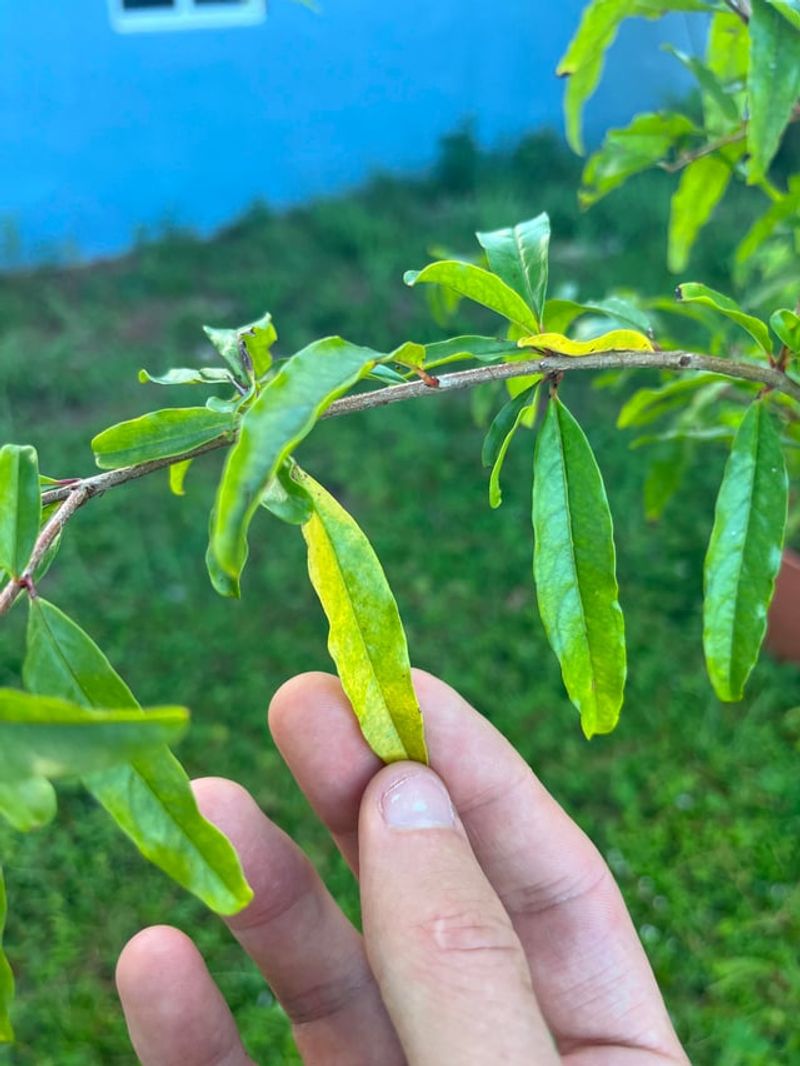
Reaching for fertilizer when a plant starts looking bad in August feels like a logical response, but feeding a stressed plant can sometimes add pressure rather than fix the problem.
Fertilizer pushes plants to produce new growth, and producing new growth requires energy, water, and healthy root function.
A plant that is already struggling with heat, wet roots, shallow roots, pests, or disease may not have the resources to handle the demand that fertilizer creates.
High nitrogen fertilizer applied to a plant with damaged or waterlogged roots can lead to fertilizer burn, since roots that are not functioning well cannot process nutrients the way they normally would.
Lush new growth pushed out by fertilizer can also attract soft-bodied pests and be more vulnerable to disease pressure, both of which are already elevated in a Florida late-summer garden.
Before adding any fertilizer to a struggling plant, check watering habits, soil drainage, pest activity, root condition, and sun exposure first. If roots look brown, mushy, or sparse when you gently check the root zone, fertilizer is not the right first step.
Correcting the underlying cause of stress and giving the plant time to stabilize tends to produce better results than feeding.
Once conditions improve and the plant shows signs of recovering, a light, balanced fertilizer application can be considered as part of an overall care adjustment.