8 Crops You Can Still Plant In Indiana This July Before First Frost
There is a specific kind of July afternoon in Indiana when the air goes thick and the garden looks exhausted.
Spent tomato vines, bolted lettuce, soil baked hard at the edges. It feels like the season is winding down.
It is not. First frost is still three, sometimes four months away, and the beds that look empty right now are the ones that will produce the best vegetables of your year, if you plant them this week.
Cool-season crops love the trajectory of an Indiana fall: warm soil at germination, cooler air at harvest, and the occasional early frost that makes carrots taste like they were grown somewhere far more dramatic.
The window is real and it is open. July planting is not a backup plan. For some crops, it is the whole strategy. Get back out there before the calendar makes that decision for you.
1. Bush Beans
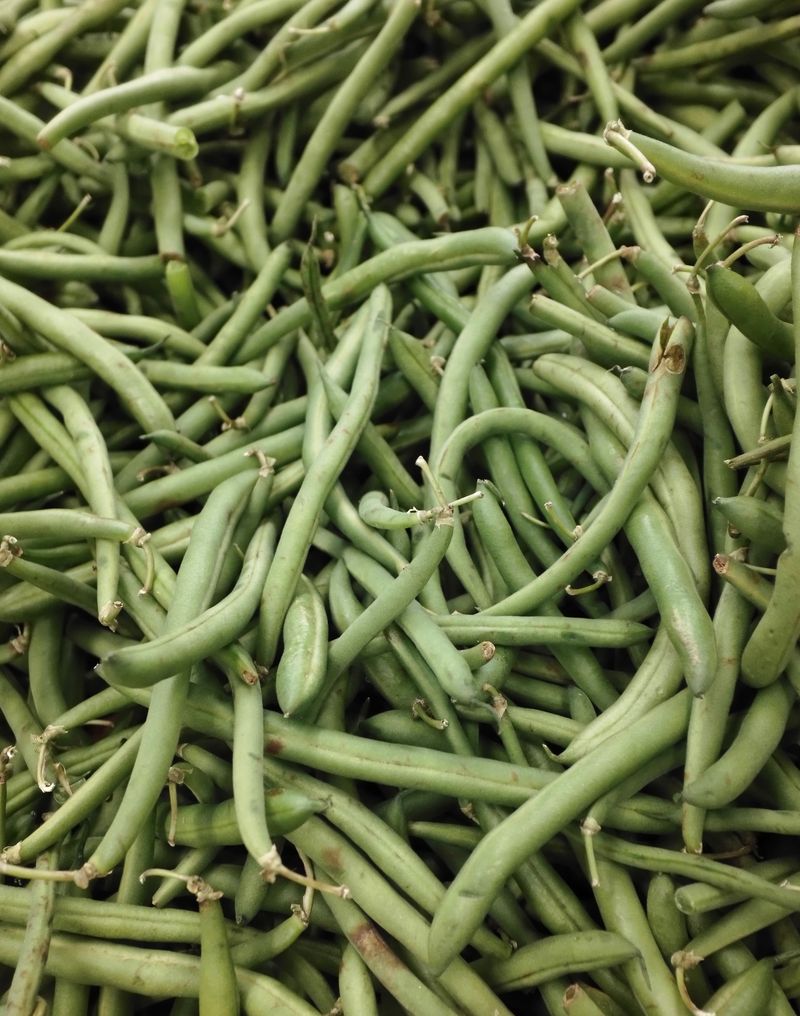
Bush beans are one of those crops that feel like a reward for showing up. Plant them now in July and you can expect a harvest in as little as 50 days, which puts you well ahead of Indiana’s first frost.
Unlike pole beans, bush varieties do not need trellises or support structures. They grow low and compact, making them perfect for smaller raised beds or garden rows that are just sitting empty right now.
Soil temperature is the key factor here. Bush beans germinate best when the ground is between 60 and 85 degrees, and July soil in Indiana creates ideal conditions for fast germination.
Plant seeds about one inch deep and two inches apart in rows. Water consistently but avoid soaking the roots, because soggy soil leads to rot before the plants even get started.
One thing many gardeners overlook is succession planting. Putting in two small rows a week apart gives you a steady supply of beans rather than one overwhelming harvest all at once.
Bush beans are also heavy feeders, so mixing compost into your bed before planting gives them a serious head start. A side dressing of balanced fertilizer halfway through the growing period keeps production strong.
Harvest pods when they snap cleanly and feel firm but not bulging. Leaving overgrown pods on the plant signals it to stop producing, so pick often and pick early.
Planting in July before first frost in Indiana makes bush beans a smart, satisfying choice for any level of gardener.
2. Radishes
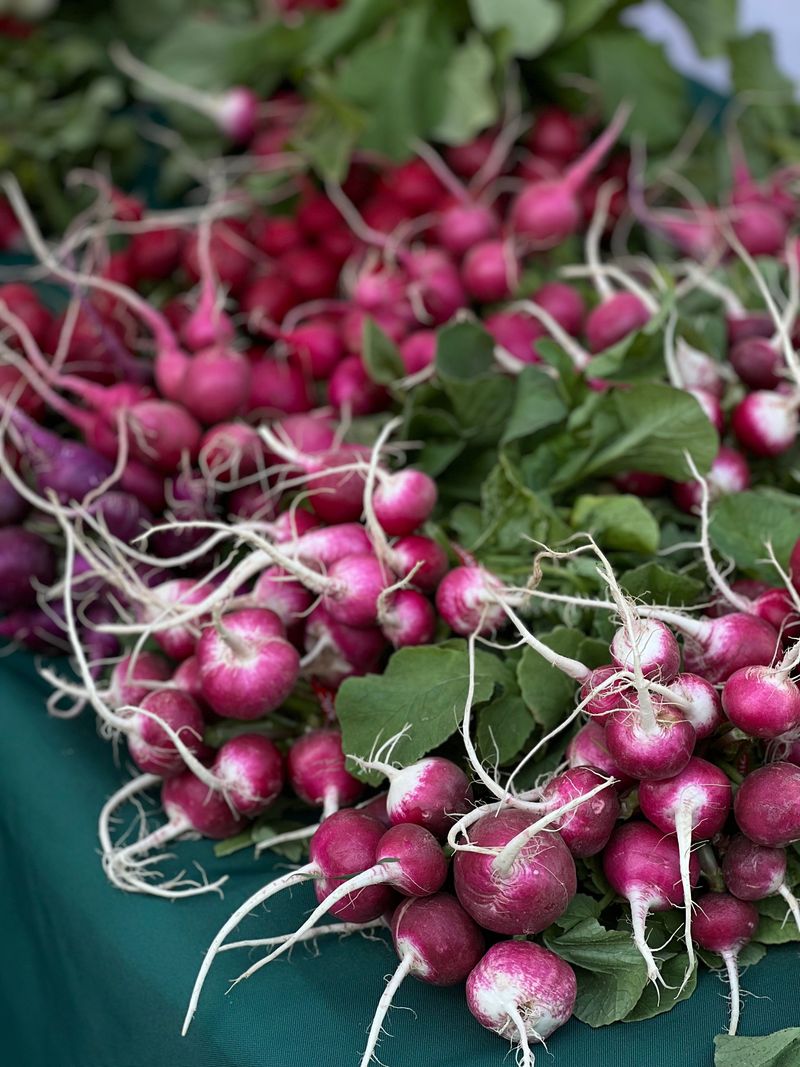
Radishes are the sprinters of the vegetable garden, and that speed is exactly why they belong in your July planting plan. Some varieties go from seed to harvest in just 22 days, which is almost unbelievably fast.
For Indiana gardeners racing the frost clock, that quick turnaround means you can plant multiple rounds before the season closes out. Each succession gives you a fresh batch of crisp, peppery roots ready to pull.
Choose varieties like Cherry Belle or French Breakfast for summer planting. These handle warm soil better than some others and tend to resist bolting, which is when plants shoot up to flower before the root develops properly.
Your Indiana Garden Changes Every Week. Your Plan Should Too.
Gardening in Indiana changes quickly throughout the season. Every Friday you’ll receive a simple weekly plan showing exactly what to plant, prune, fertilize, harvest, and protect so you never miss the right timing.
Sow seeds about half an inch deep and one inch apart directly into the bed. Thin seedlings to two inches once they sprout so each plant has room to develop a full, round root.
Consistent moisture is critical with radishes. Dry spells followed by heavy watering cause the roots to crack, which makes them less enjoyable to eat even if they look fine on the outside.
Radishes can act as a companion plant, drawing pests like flea beetles away from more valuable crops nearby when planted strategically.
Planting them near your other July starts gives your garden a natural layer of protection. Pull them promptly when they reach full size.
Leaving radishes in the ground too long makes them pithy and sharp-tasting, which is a disappointing end to such a quick and rewarding crop. Few vegetables offer this kind of immediate satisfaction for July planting in Indiana.
3. Kale
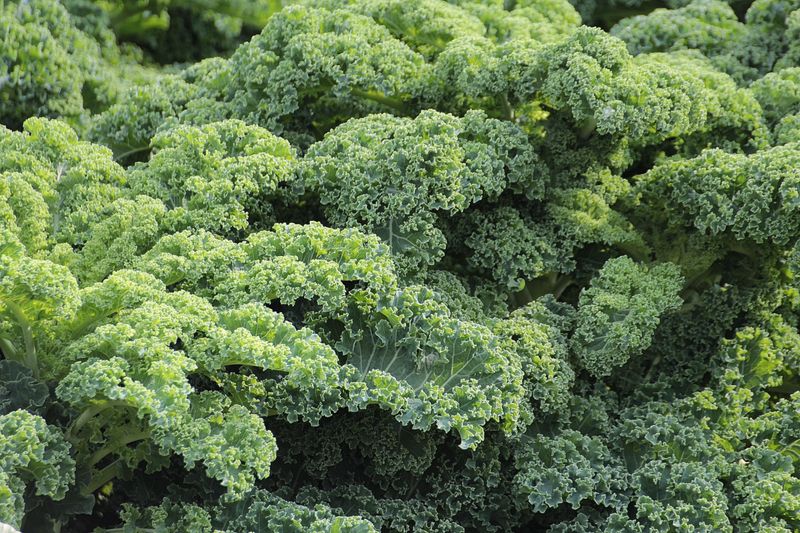
Kale has a secret that most gardeners do not know: frost actually makes it taste better. A light freeze converts some of the plant’s starches into sugars, giving the leaves a sweeter, milder flavor than summer-grown kale.
Planting now in July sets you up to harvest right around the time those first cool nights arrive in Indiana. That timing is not a coincidence, it is a strategy.
Start seeds directly in the garden or transplant seedlings if you want to save a couple of weeks. Kale germinates quickly in warm July soil, usually sprouting within five to eight days under the right conditions.
Space plants about 18 inches apart so they can spread out as they mature. Crowded kale struggles to develop the thick, hearty leaves that make it so useful in the kitchen.
Water deeply but not constantly, aiming for about one inch per week. Kale roots go fairly deep, so infrequent but thorough watering encourages stronger root development over time.
Watch for cabbage worms, which are small green caterpillars that blend into the leaves almost perfectly.
Checking the undersides of leaves every few days lets you catch them before they do serious damage to your crop. Harvest outer leaves first and leave the center of the plant intact.
This approach keeps the plant producing new growth well into fall and sometimes even into early winter in warmer parts of the state. Kale is one of the most reliable crops for planting in July before first frost in Indiana.
4. Spinach
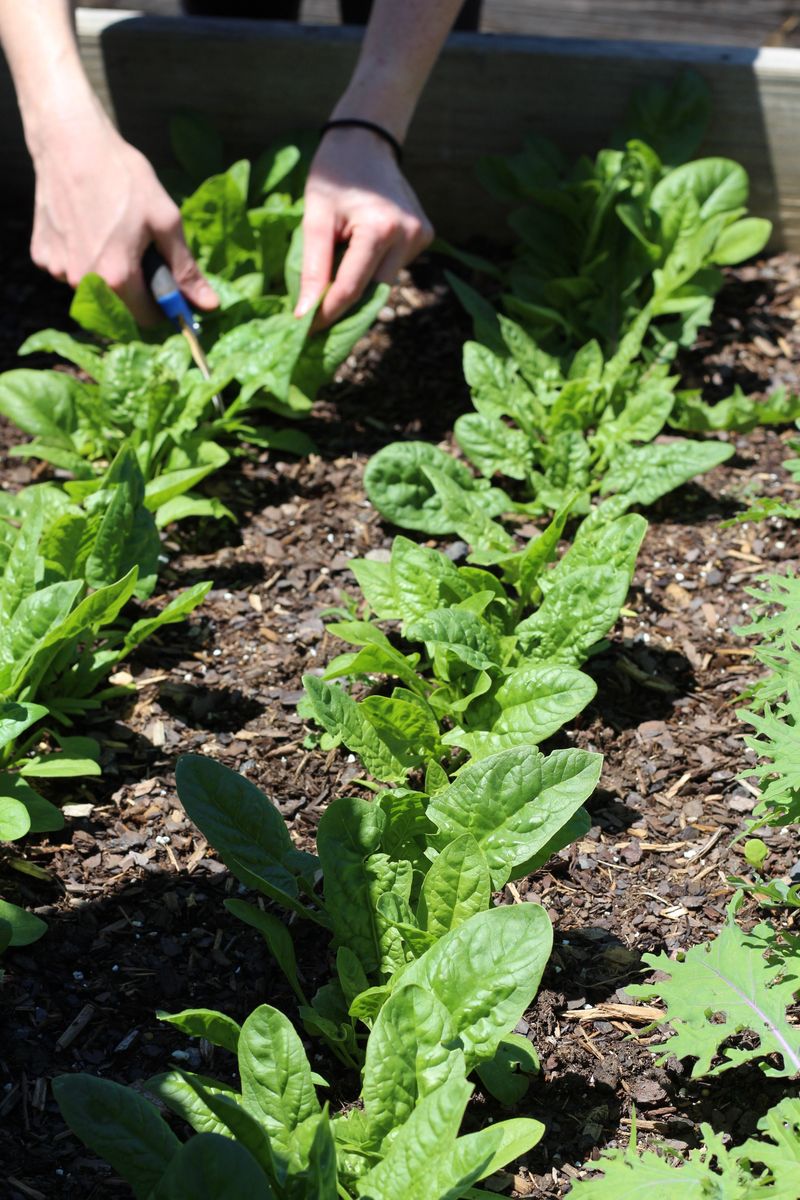
Spinach is a cool-season champion that actually struggles in the heat of early summer. But by late July, as temperatures begin their slow slide downward, spinach finds its sweet spot and takes off fast.
The trick is timing your planting so the seedlings are established before the hardest heat of August passes. Once nighttime temperatures drop into the 60s, spinach shifts into high gear.
Choose bolt-resistant varieties like Bloomsdale Long Standing or Tyee for late-season planting. These types hold up better under fluctuating temperatures, which July and August in Indiana tend to deliver unpredictably.
Sow seeds about half an inch deep and two inches apart in rows spaced about a foot apart. Thin plants to four inches once they are a few weeks old to allow proper leaf development.
Spinach benefits from a bit of shade during the hottest part of the day. Planting it near taller crops or using a light row cover can buffer afternoon heat and keep the soil from drying out too quickly.
Harvest outer leaves regularly once they reach three to four inches long. Consistent picking encourages the plant to keep pushing out new growth rather than putting energy into flowering.
Spinach is also impressively frost-tolerant once established. A mature plant can handle temperatures down to the mid-20s with minimal protection, which gives Indiana gardeners a generous harvest window into late fall.
Few leafy greens offer this combination of speed, hardiness, and flavor for July planting before first frost.
5. Turnips
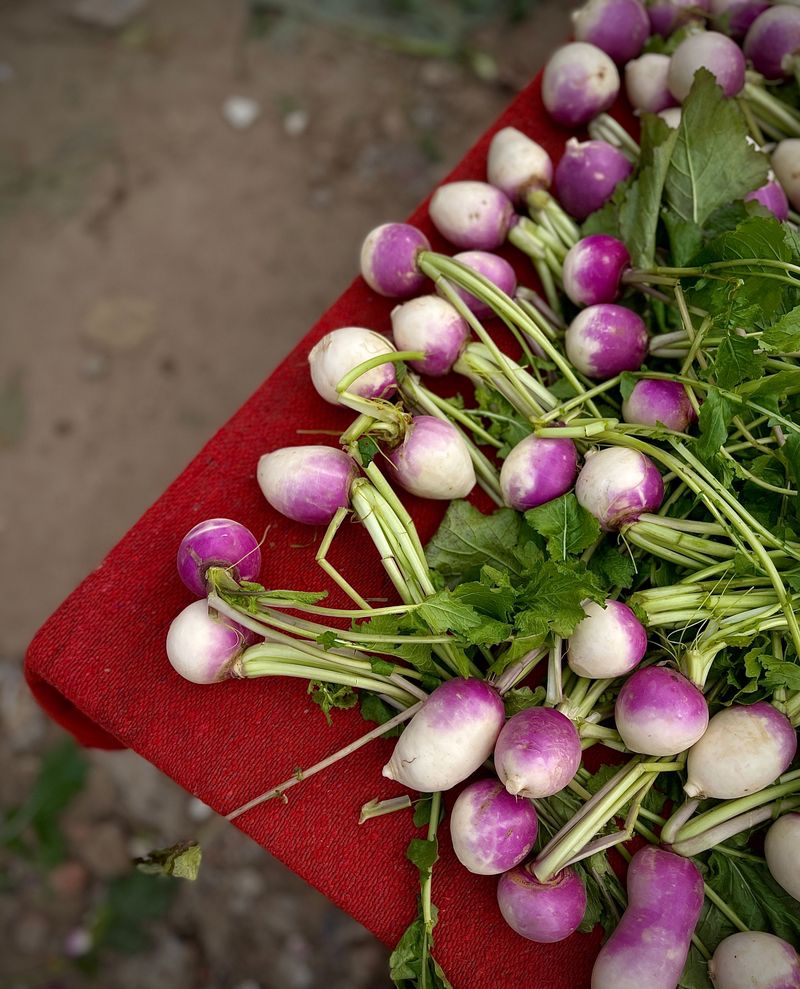
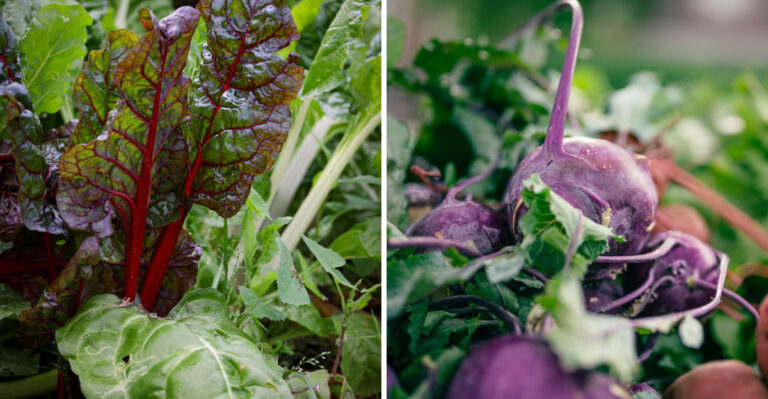
Turnips are one of the most underrated vegetables in the summer garden, and July is the perfect month to give them a shot. They grow fast, tolerate cool weather beautifully, and give you two edible crops in one plant.
Both the root and the greens are delicious, which means you get more value per square foot of garden space than almost any other vegetable you could plant right now.
Most turnip varieties mature in 35 to 60 days depending on the type. Purple Top White Globe is a classic choice that performs reliably in Indiana’s late-summer soil conditions.
Sow seeds directly into the bed about a quarter inch deep and one inch apart. Thin seedlings to four to six inches once they emerge so the roots have enough room to develop their characteristic round shape.
Turnips prefer slightly cooler soil, so if July has been particularly brutal, adding a thin layer of mulch around the seedlings helps regulate ground temperature. That small step makes a noticeable difference in early growth rate.
Keep soil evenly moist throughout the growing period. Inconsistent watering causes turnip roots to become tough and woody, which takes away most of the appeal of growing them in the first place.
Harvest roots when they reach two to three inches in diameter for the best flavor and texture. Leaving them in the ground too long causes them to become pithy and less pleasant to eat.
Turnip greens can be harvested even earlier, making this crop a smart double-play for any Indiana garden in July.
6. Broccoli
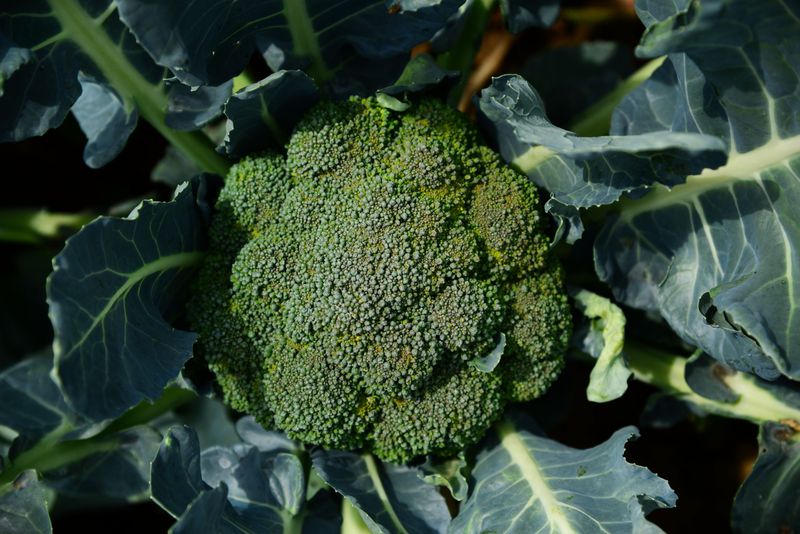
Broccoli planted in July is essentially a fall crop, and that is where it truly shines. Cool temperatures bring out the best in broccoli heads, giving them a tighter, sweeter, more satisfying flavor than anything grown in spring heat.
Indiana’s typical first frost window gives you just enough time to get a solid crop in if you start transplants or seeds in early to mid-July. Do not wait until August or you will be cutting it too close.
Transplants give you a two to three week head start over direct seeding. If you can find healthy starts at a local nursery or have been growing your own indoors, plug them in now without hesitation.
Space transplants 18 to 24 inches apart in full sun. Broccoli needs good air circulation to stay healthy and to prevent fungal issues that thrive in the humid late-summer air of the Midwest.
Feed your plants with a nitrogen-rich fertilizer every three to four weeks, adjusting based on your soil conditions and the fertilizer type you are using.
Broccoli is a hungry plant and it shows when nutrients run short. Side shoots are a bonus that many gardeners do not expect.
After cutting the main head, smaller florets develop along the stem and can be harvested for several more weeks if you keep up with watering and feeding.
Watch for imported cabbageworms and use row covers early if you have had pest problems in past seasons.
Prevention is far easier than dealing with a chewed-up crop. Broccoli is one of the most rewarding crops for planting in July before first frost in Indiana.
7. Cabbage
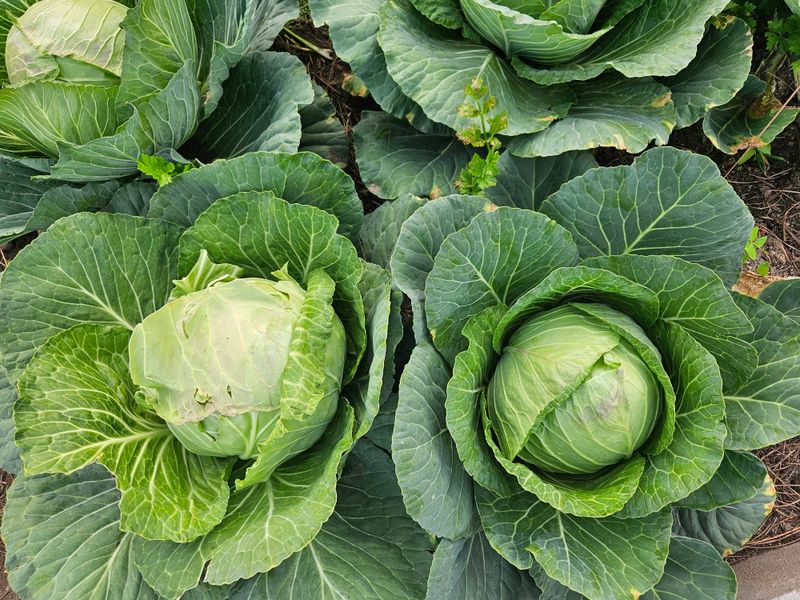
Cabbage is a powerhouse fall crop that deserves a spot in every Indiana garden started in July. Heads that develop during cool weather are denser, crisper, and far better tasting than those rushed through summer heat.
The key is getting transplants into the ground by mid-July at the latest. Cabbage needs 70 to 120 days depending on the variety, so timing your start date matters more than almost anything else.
Choose fast-maturing varieties like Stonehead or Early Jersey Wakefield for late-season planting. These types develop solid heads in around 60 days, which fits neatly into Indiana’s fall schedule.
Set transplants 12 to 18 inches apart in rows spaced about two feet wide. Crowded cabbage plants compete for nutrients and tend to produce smaller, looser heads that are less satisfying to harvest and store.
Consistent watering is non-negotiable with cabbage. Irregular moisture causes heads to split as they mature, which happens when a plant takes in too much water too quickly after a dry period.
Mulching around the base of each plant helps maintain even soil moisture and keeps weeds from competing for nutrients.
A two-inch layer of straw or shredded leaves works perfectly for this purpose. Cabbage is also surprisingly frost-tolerant once the heads begin to firm up.
Mature plants can handle temperatures down to about 20 degrees, which extends your harvest window well into November in many parts of the state. Few vegetables store as well or reward as generously as cabbage planted in July before first frost.
8. Carrots
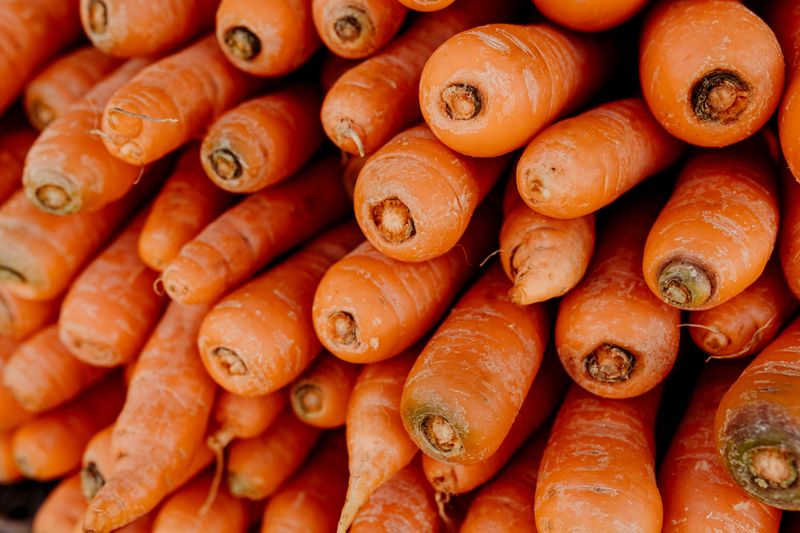
Carrots grown for fall harvest are sweeter than anything you can buy at a grocery store. Cold soil triggers a process where the roots convert starch to sugar, and that transformation is something you have to taste to believe.
Planting in July before first frost in Indiana gives your carrots exactly the cool finish they need to develop that rich, notably sweet flavor that makes fall gardening so worthwhile.
Choose shorter varieties like Chantenay or Danvers if your soil is heavy or clay-rich. These types handle dense ground better than long Nantes-style carrots, which tend to fork or stunt in compacted beds.
Sow seeds directly into the garden bed about a quarter inch deep. Carrot seeds are tiny and slow to germinate, so mixing them with sand before planting helps distribute them more evenly across the row.
Keep the soil surface consistently moist until germination, which can take 10 to 21 days. Letting the top inch of soil dry out during this period causes seeds to fail before they even get started.
Thin seedlings to two to three inches apart once they reach about two inches tall. Skipping this step leads to crowded roots that twist around each other and never develop properly.
Carrots left in the ground after light frosts actually improve in flavor with each cold night. Cover the bed with a thick layer of straw mulch and you can pull fresh carrots well into December in many parts of the state.
There is no better way to close out the garden season than pulling sweet, frost-kissed carrots from the ground.