The Connecticut Leaf Problem That Gardeners Keep Misdiagnosing All Summer
Something is wrong with your garden, and the usual suspects are not to blame. The damage keeps showing up no matter what you do, and every treatment you reach for turns out to be the wrong one.
Connecticut gardeners run into this every summer, and most of them spend weeks treating the wrong problem entirely. The real culprit does not arrive with a warning.
It builds quietly through July and August, hiding behind symptoms that look familiar enough to mislead even attentive gardeners. It mimics what you have seen before, borrows the look of problems you already know, and lets you waste time on the wrong fix.
Once you know what you are actually looking at, the misdiagnosis stops, and so does the damage.
Heat Scorch Is the Real Reason Your Connecticut Plants Look Sick
Your plant is not diseased. It is overheated, and there is a big difference between the two.
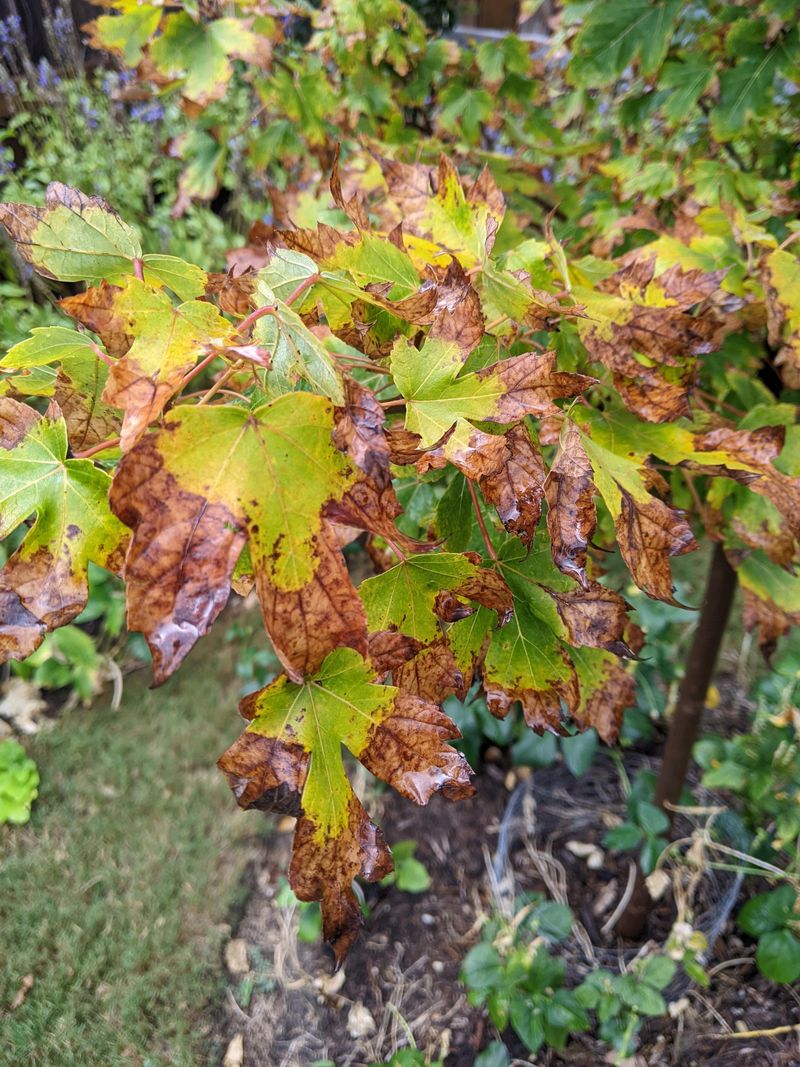
Heat scorch happens when a leaf loses moisture faster than roots can replace it. The leaf edges cook from the outside in, turning brown and brittle almost overnight.
Connecticut summers have grown hotter and more humid in recent years. That combination puts significant stress on garden plants.
Reflected heat from driveways, patios, and fences makes things worse. A plant sitting near a white vinyl fence or concrete wall can experience noticeably higher temperatures than one growing in open ground.
Gardeners often panic when they see browning leaves. They immediately assume a fungal problem or pest attack, which leads to treatments that do not help at all.
The Connecticut leaf problem that gardeners keep misdiagnosing all summer is almost always heat-related. Spraying fungicide on a scorched leaf does absolutely nothing to fix the root cause.
Soil moisture plays a huge role in plant survival during heat waves. When soil dries out, roots struggle to send water upward and leaves can begin to scorch quickly.
Sandy soils in eastern parts of the state dry out especially fast. Clay-heavy soils in the Connecticut River Valley hold moisture longer but can also crack and pull away from roots.
Recognizing heat scorch early gives you a real fighting chance. Catching it fast means you can act before permanent damage sets in and ruins the rest of your season.
Plants Most Likely To Show Visible Damage
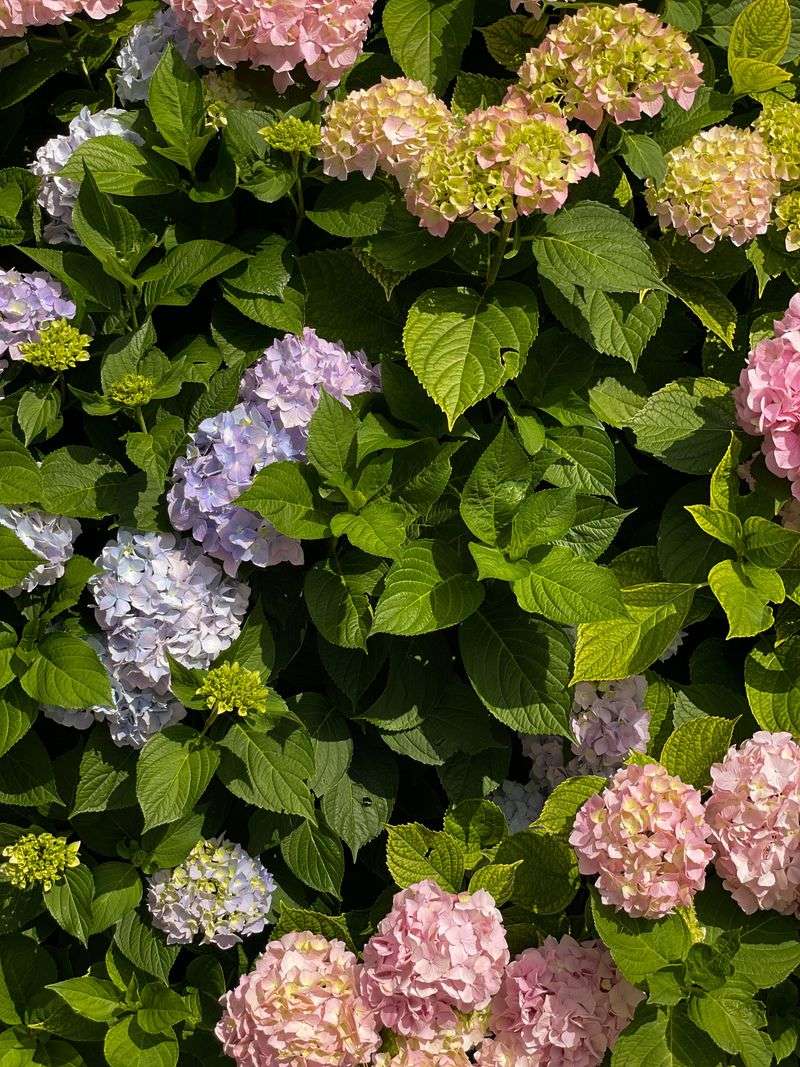
Not every plant suffers equally when temperatures spike. Some species are built tough, and others fall apart after just two hot days in a row.
Hydrangeas top the list of most vulnerable plants in Connecticut gardens. Their big, flat leaves lose moisture rapidly, and they wilt dramatically when heat builds up in the afternoon.
Japanese maples are another common casualty. Gardeners love them for their delicate foliage, but that same delicate quality makes them extremely sensitive to scorching sun and dry air.
Rhododendrons and azaleas can show visible distress during summer heat, including wilting and browning at the leaf margins. These symptoms are a stress response, not a sign of disease.
Your Connecticut Garden Changes Every Week. Your Plan Should Too.
Gardening in Connecticut changes quickly throughout the season. Every Friday you’ll receive a simple weekly plan showing exactly what to plant, prune, fertilize, harvest, and protect so you never miss the right timing.
Hostas look incredible in spring but suffer badly by mid-July. Shade-loving by nature, they burn quickly when summer sun shifts and exposes them to afternoon light.
Tomatoes and peppers in raised beds face extra risk. Raised beds warm up faster than ground-level soil, which means roots can overheat before the gardener even notices a problem.
Newly planted trees and shrubs are especially fragile during their first summer. Their root systems have not established deeply enough to pull water up efficiently during a heat event.
Blueberries, viburnums, and dogwoods also show scorch damage regularly across the state. Knowing which plants are most at risk lets you focus your attention where it matters most this season.
Heat Scorch Versus Fungal Disease
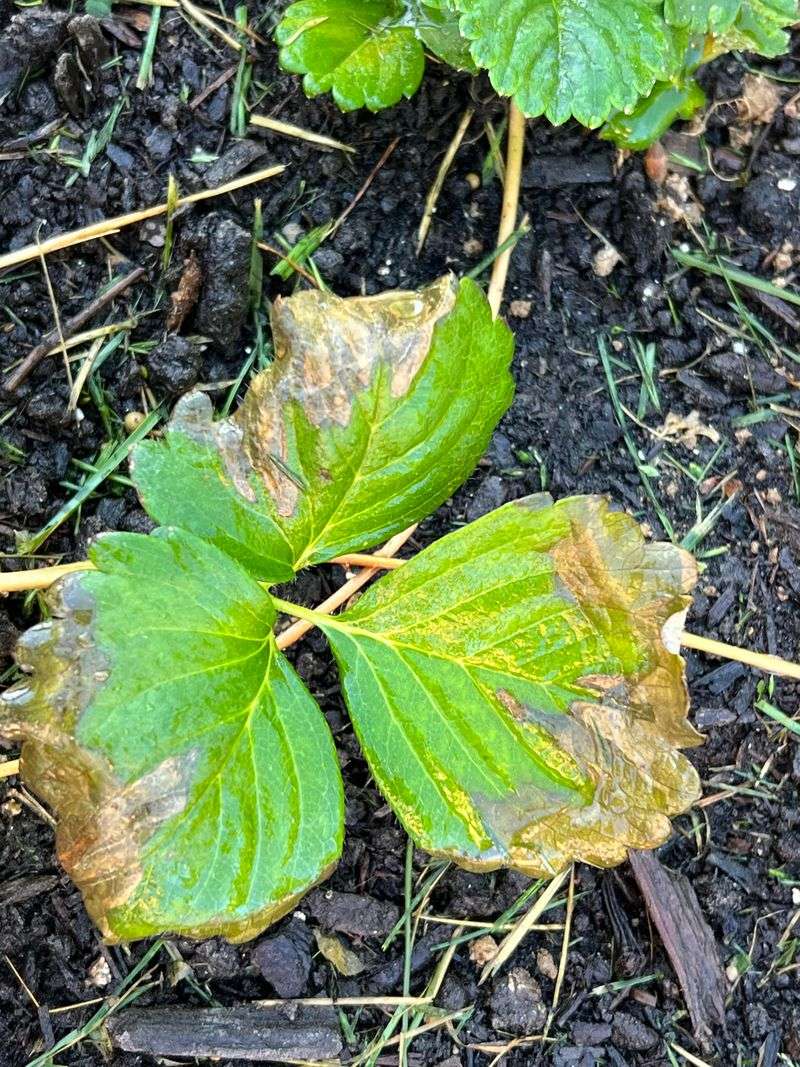
Brown leaves lie. They can mean a dozen different things, and guessing wrong costs you time and money.
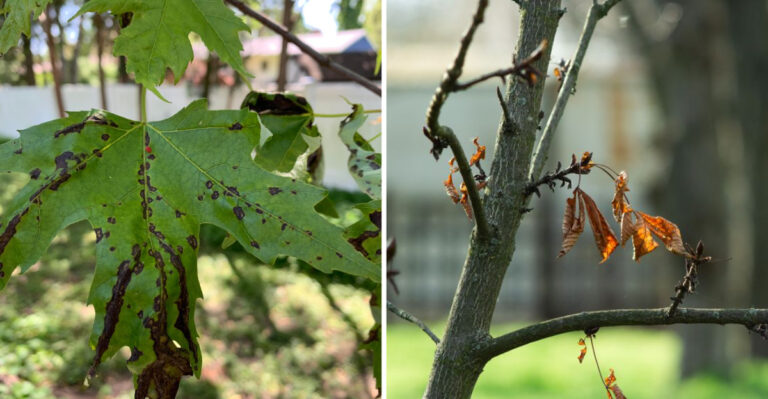
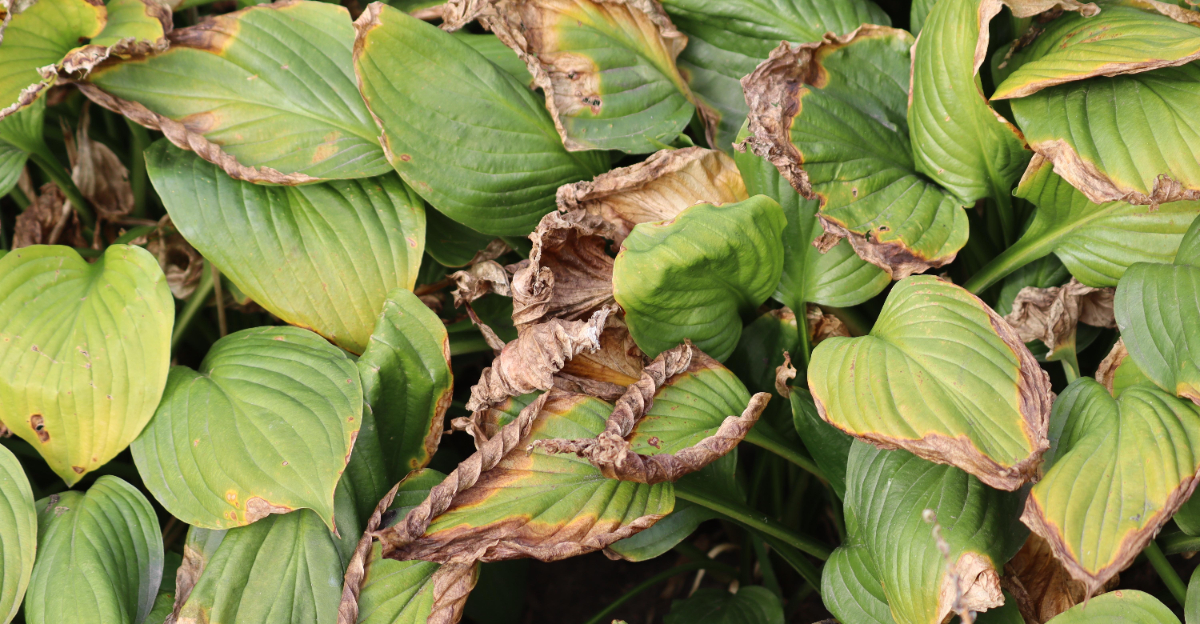
Heat scorch creates damage that starts at the leaf margins and moves inward uniformly. The browning is dry, crispy, and follows the edge of the leaf like a border.
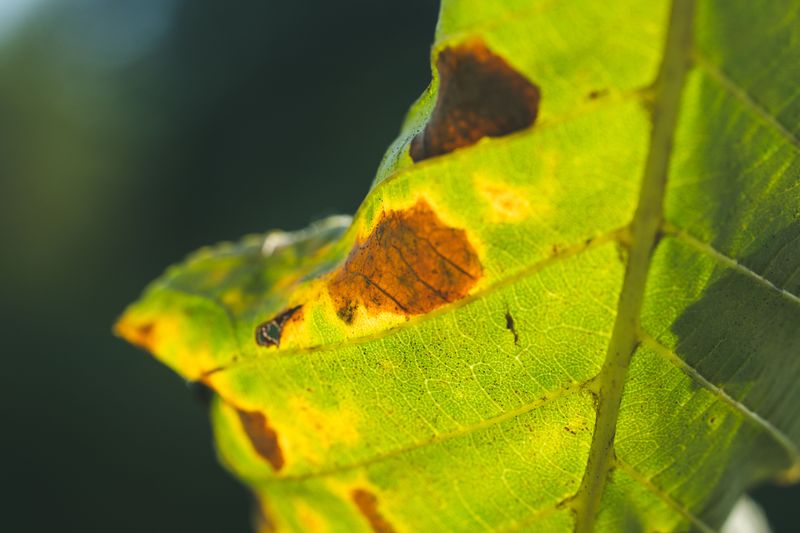
Fungal disease looks completely different up close. It tends to create spots, rings, or blotches scattered across the leaf surface, often with yellow halos around dark centers.
Powdery mildew coats leaves in a white, dusty film. That is a textbook fungal signature, and it looks nothing like the clean, toasted edges of a heat-scorched leaf.
Another key difference is timing. Fungal problems spread from plant to plant, so you will often notice similar spotting appearing across multiple plants over time.
Heat scorch tends to hit individual plants or specific sides of a plant exposed to direct afternoon sun. One side of a shrub may look perfect while the other side looks destroyed.
Checking the pattern of damage saves you from wasting money on fungicide sprays. If the browning is uniform along leaf edges and the rest of the leaf looks green, scorch is almost always the answer.
Pull a damaged leaf off and look at the underside. Fungal infections often show spores, fuzz, or discoloration underneath, while scorched leaves look clean and dry on both sides.
Getting this diagnosis right is the single most powerful thing you can do for your garden this summer.
Reading The Signs Your Leaves Are Sending
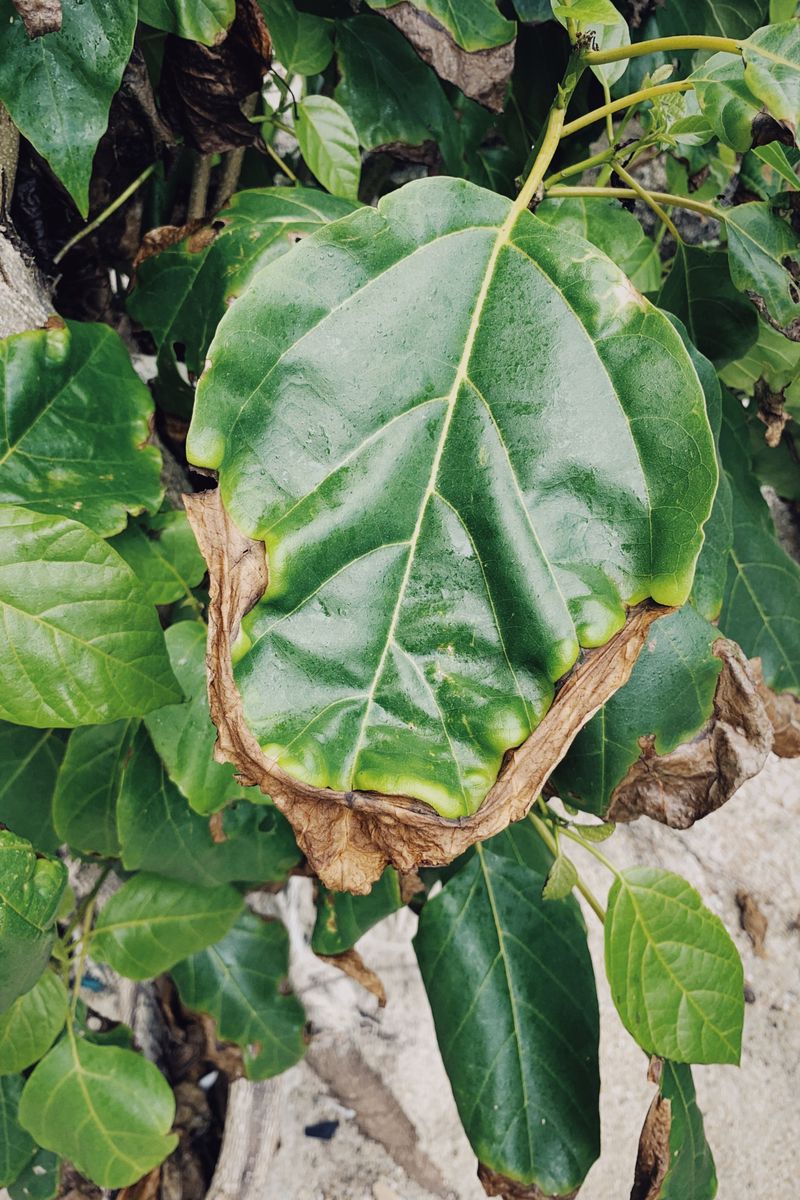
Leaves are the best communication tool your garden has. Learning to read them changes everything about how you respond to problems.
Crispy brown edges on an otherwise green leaf are the clearest sign of heat scorch. The damage appears suddenly, often after a stretch of hot days above 85 to 90 degrees.
Wilting in the morning is different from wilting in the afternoon. Afternoon wilt is normal heat stress behavior, but morning wilt signals that roots cannot recover overnight and water supply is critically low.
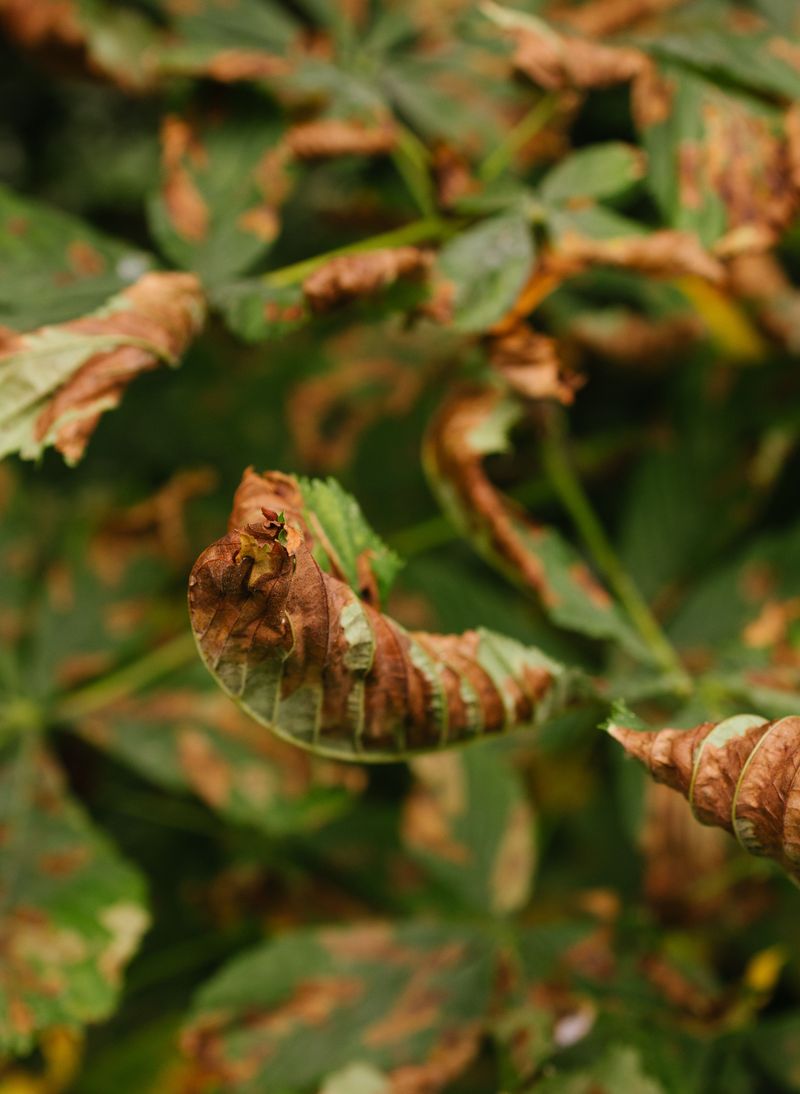
Leaf curl is another message worth paying attention to. When leaves roll lengthwise into a tube shape, the plant is actively trying to conserve what little moisture it has left.
Pale or bleached patches in the center of a leaf suggest intense sun exposure, not disease. This often happens when a nearby tree is removed and a previously shaded plant suddenly gets full sun.
Premature leaf drop is a dramatic signal that the plant is in serious survival mode. Dropping leaves reduces the surface area losing moisture, which is the plant making a calculated sacrifice.
Check the soil six inches down before assuming the worst. Soil can look moist on top while being completely dry at root level, which is exactly where it matters most.
Look at multiple plants in different spots across your yard. Patterns in where damage appears will tell you whether you are dealing with a localized heat trap or a widespread soil moisture problem.
The pattern of damage across your plants will point you toward the right answer every time.
Steps To Take When You Spot The Damage
Seeing scorch damage does not mean the season is over. Fast action can turn things around before the plant gives up entirely.
Start with deep watering at the base of the plant. A slow, deep soak gets moisture down to the root zone far better than a quick spray ever will.
Add a fresh layer of mulch around the base of affected plants. Two to three inches of wood chip mulch holds soil moisture dramatically longer during heat waves and keeps roots cooler.
Avoid watering during the hottest part of the day. Water applied at noon evaporates before it reaches roots, so early morning or evening watering is always more effective.
Do not fertilize a stressed plant. Adding fertilizer to a heat-scorched plant forces new growth that the weakened root system cannot support, which makes the situation significantly worse.
Prune away the most severely damaged leaves only if they are completely brown and bare. Removing them reduces the visual stress on you and allows the plant to redirect energy more efficiently.
Set up temporary shade cloth over the most vulnerable plants during peak afternoon hours. Even a few hours of filtered light can reduce leaf temperature by several degrees.
Check your irrigation system for clogged heads or dry zones. Many gardeners discover their system has not been watering certain areas properly once they actually walk the yard and test each zone.
Small, consistent steps taken quickly are what separate a garden that recovers from one that does not.
Protecting Your Plants Through The Rest Of Summer
Getting through one heat wave does not mean the season is safe. August in Connecticut can be just as brutal as July, and prepared gardens survive while unprepared ones suffer.
Mulching every bed now is the single highest-impact move you can make. Bare soil heats up fast and dries out even faster, creating a hostile environment right at root level.
Group container plants together during heat waves. Clustered pots create a microclimate that retains slightly more humidity than isolated containers sitting alone on a sunny deck.
Water deeply twice a week rather than lightly every day. Frequent shallow watering trains roots to stay near the surface, making plants more vulnerable when the top inch of soil dries out.
Relocate potted plants that are struggling to a shadier spot for the remainder of the season. A few feet of distance from a south-facing wall can make a significant difference in leaf health.
Consider adding a soaker hose system to your most valuable garden beds. Soaker hoses deliver water slowly and directly to the root zone, which is far more efficient than overhead sprinklers.
Keep an eye on weather forecasts and act proactively before the next heat event arrives. Watering deeply the evening before a predicted heat wave gives plants a full reservoir to pull from.
The Connecticut leaf problem that gardeners keep misdiagnosing all summer is beatable with the right knowledge. Understanding heat scorch means your garden finishes summer stronger than it started.