Why Tennessee Gardeners Are Filling Empty Beds With Cover Crops This Season
Every fall, something shifts in Tennessee gardens. The harvest winds down, the tomato cages come out, and most gardeners simply walk away from their beds until spring.
But a growing number of Tennessee gardeners are doing something different, tucking in cover crops before the first frost hits, and the results are showing up come planting season.
These plants work quietly through the colder months, feeding soil microbes, locking in nutrients, and building the kind of loose, rich earth that makes spring planting feel almost effortless.
It is a low-effort move with a surprisingly high payoff, and once gardeners try it, bare winter beds start looking like missed opportunities.
Bare Soil Is Quietly Losing Ground Through Fall And Winter
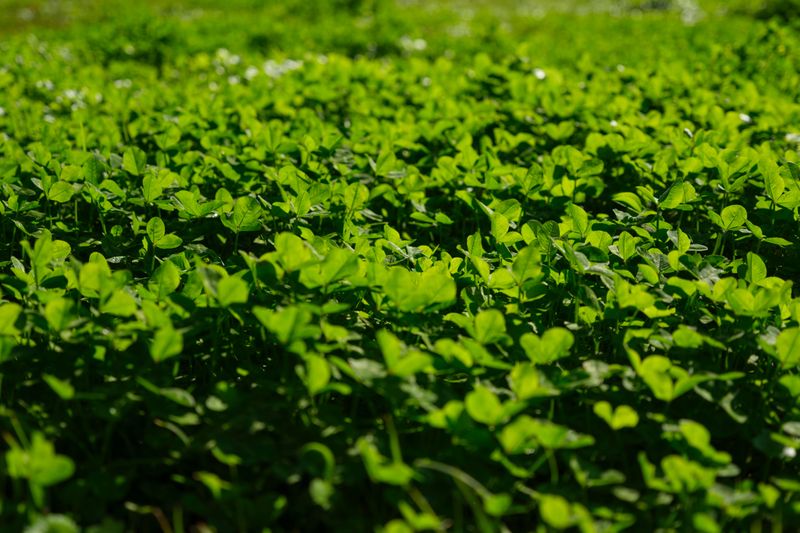
Bare soil looks harmless, but it is working against you every single day. Without plant cover, rain pounds the surface and washes away precious topsoil fast.
Tennessee winters bring heavy rains and freeze-thaw cycles that wreck unprotected garden beds. Each raindrop strikes bare soil with enough force to break up surface structure and dislodge particles.
Nutrients can leach well below the root zone, putting them out of reach for most garden vegetables. Nitrogen, the fuel of plant growth, escapes into the air through a process called volatilization.
Weed seeds thrive in bare soil, and an empty bed rarely stays clean for long. An empty bed is basically a welcome mat for every opportunistic weed in your neighborhood.
Soil microbes, the invisible workforce of your garden, need organic matter and root activity to survive. Without plants growing, microbial populations crash and soil biology suffers quietly underground.
Compaction is another silent threat that builds up over a bare winter. Rain and foot traffic press soil particles together, making spring planting much harder than it needs to be.
Cover crops interrupt all of these problems at once, acting like a shield over your investment. Protecting your beds now means spending far less time fixing damage come March.
Tennessee gardeners who have tried leaving beds bare for even one season often describe the spring results as discouraging. Healthy soil is built slowly, but it can be lost surprisingly fast.
What Cover Crops Actually Do For Garden Beds
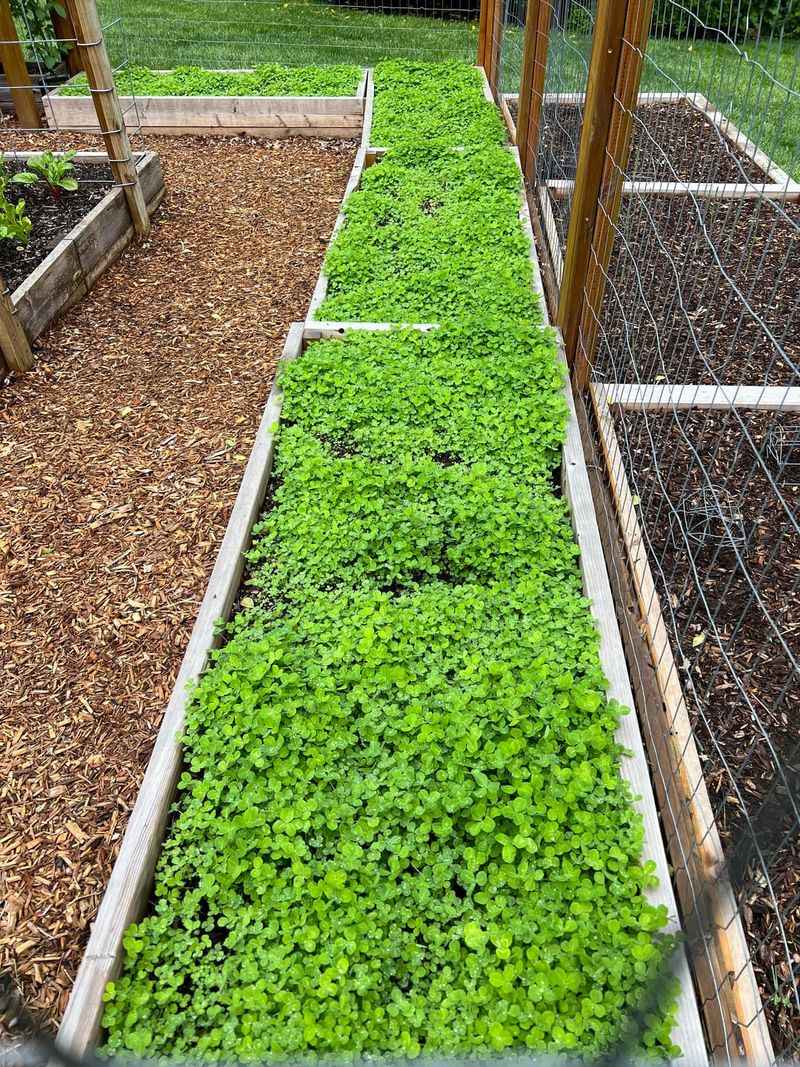
Cover crops are not just filler plants you toss in to look busy. They are active workers transforming your soil while nothing else is growing.
Legume cover crops like crimson clover pull nitrogen straight from the air and store it in root nodules. When you turn them under in spring, that stored nitrogen feeds your vegetables for free.
Grasses like winter rye grow deep, fibrous roots that break up compacted soil layers. Those roots create channels that improve drainage and give future vegetable roots a path to follow.
Organic matter is the foundation of healthy garden soil, and cover crops build it efficiently. As roots and stems decompose, they feed the microbial communities that make nutrients available to plants.
Erosion control is one of the most underappreciated benefits Tennessee gardeners gain from cover crops. A thick stand of plants absorbs rainfall impact and holds soil in place through even heavy winter storms.
Your Tennessee Garden Changes Every Week. Your Plan Should Too.
Gardening in Tennessee changes quickly throughout the season. Every Friday you’ll receive a simple weekly plan showing exactly what to plant, prune, fertilize, harvest, and protect so you never miss the right timing.
Weed suppression is another major payoff that saves serious time in spring. A dense cover crop canopy shades the soil surface and starves weed seeds of the light they need to sprout.
Water retention improves dramatically when organic matter levels rise in the soil. Better water-holding capacity means less irrigation stress during dry summer stretches ahead.
Cover crops in Tennessee garden beds essentially act as a full-service soil renovation crew. The best part is that they do all this work completely on their own.
Best Cover Crops For Tennessee’s Climate And Soil
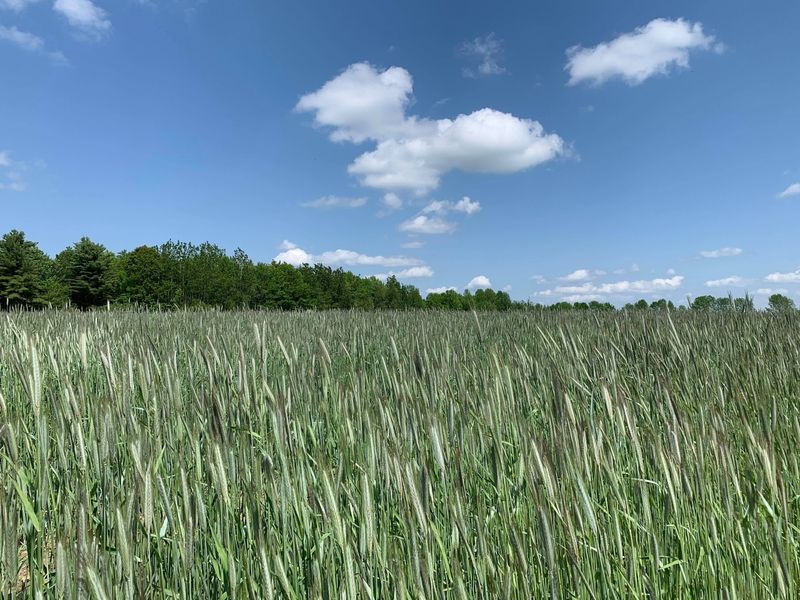
Choosing the right cover crop for Tennessee means matching the plant to the season and your soil goals. Not every cover crop performs well in the mid-South climate.
Winter rye is the most forgiving choice for beginners because it germinates in cold soil easily. It grows fast, suppresses weeds aggressively, and handles freezing temperatures without complaint.
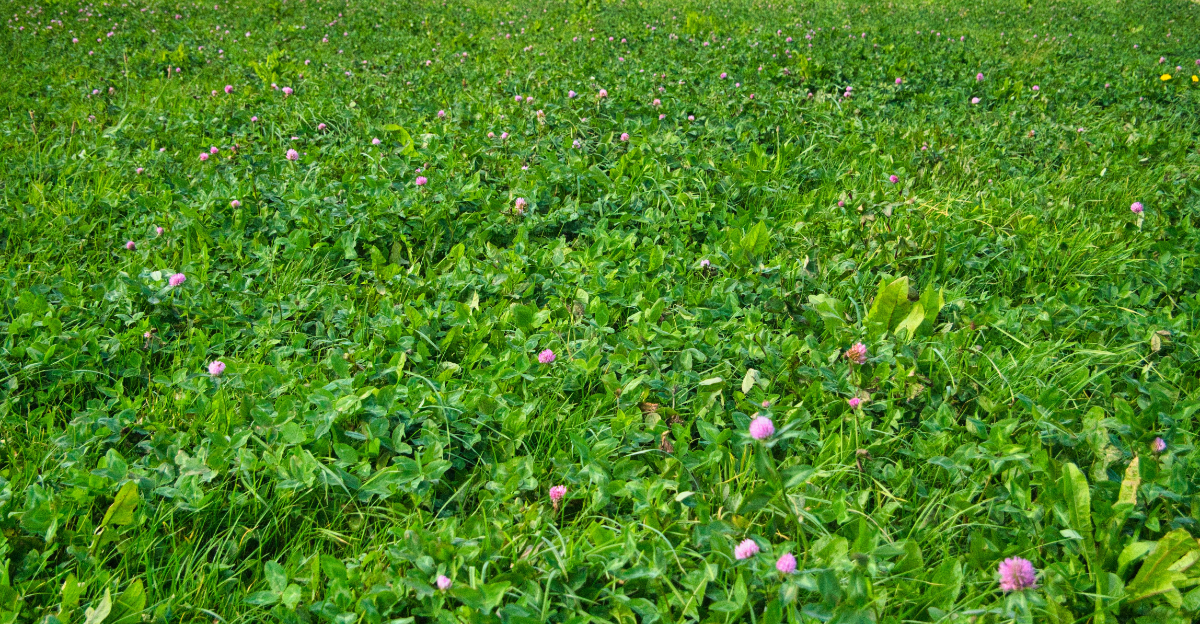
Crimson clover is a Tennessee favorite for a good reason: it fixes nitrogen and produces stunning red blooms that attract pollinators in early spring. Gardeners get soil improvement and beauty in one planting.
Hairy vetch is another reliable nitrogen fixer that holds up well through cold Tennessee winters. It pairs beautifully with winter rye because the rye provides support for the vetch to climb.
Daikon radish, sometimes called a tillage radish, drills deep taproots into compacted subsoil. When it breaks down over winter and decomposes, it leaves behind large channels that dramatically improve drainage.
Austrian winter peas work well in Tennessee’s mild winters and add nitrogen while producing edible shoots as a bonus. They are a practical and productive choice for gardeners who want multiple benefits.
Buckwheat is a warm-season option perfect for filling empty summer beds between spring and fall plantings. It grows so fast and thick that weeds rarely get a foothold beneath it.
Matching the right cover crop to your Tennessee garden goals makes all the difference in spring results. A little planning now leads to noticeably richer soil by planting season.
When And How To Plant Cover Crops In Empty Beds
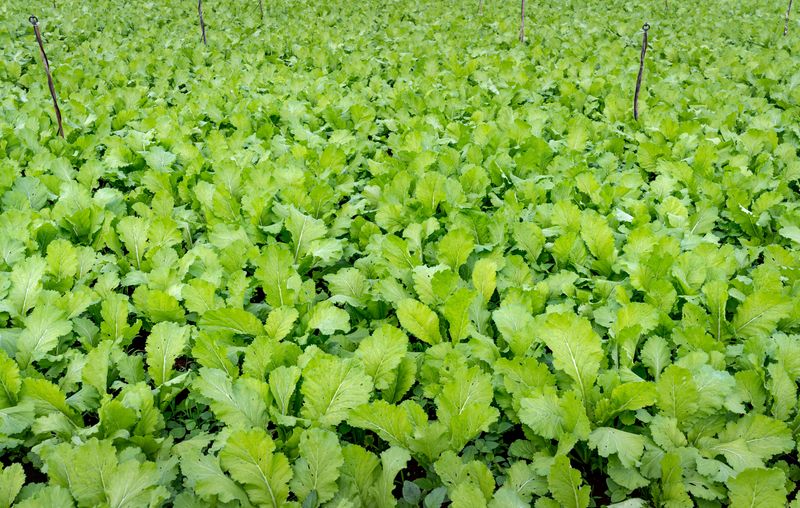
Timing your cover crop planting correctly is just as important as choosing the right seed. Plant too late and the crop will not establish before hard frost shuts things down.
In Tennessee, fall cover crop planting generally works best from mid-September through late October, with earlier planting giving roots more time to establish.
Soil preparation does not need to be complicated or time-consuming. Rake the bed lightly, remove large debris, and loosen the top two inches of soil before broadcasting seed.
Broadcasting seed by hand is the easiest method for small garden beds and works surprisingly well. Scatter seed evenly across the surface, then rake lightly to press seeds into contact with the soil.
Seeding rates matter more than most gardeners realize at first. Follow the package recommendation closely because overcrowding leads to disease problems while sparse seeding allows weeds to sneak in.
Watering after seeding is critical for germination success, especially in dry Tennessee autumns. Keep the soil surface consistently moist for the first ten days until seedlings are visibly established.
Mixing two or three cover crop species together is a popular strategy called a cover crop blend. Blends provide diverse benefits and create a more resilient stand than single-species plantings.
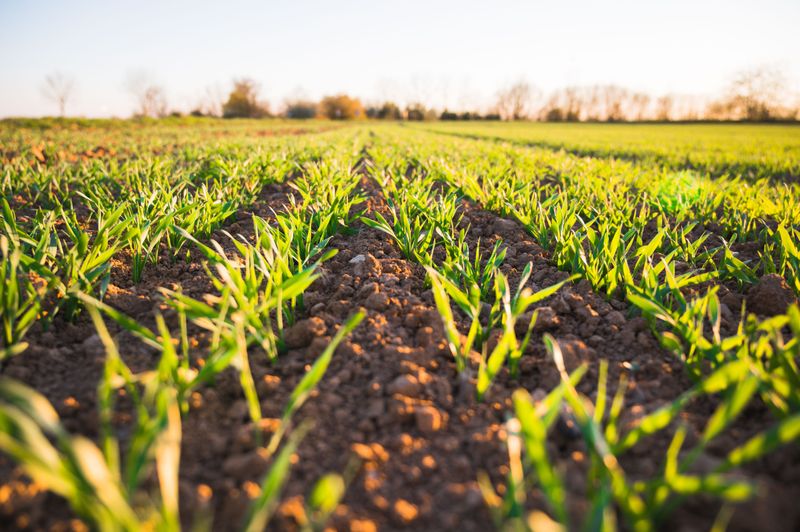
Once your cover crop is up and growing, it essentially manages itself through winter. Watching a bare bed transform into a lush green carpet feels genuinely satisfying every single time.
How To Transition Cover Crops Back Into the Garden In Spring
Spring transition is the moment all that fall planting effort pays off in a big way. Timing this step correctly makes the difference between a nutrient boost and a planting headache.
Terminate your cover crop two to three weeks before you plan to transplant vegetables into the bed. This waiting period allows decomposition to begin and prevents fresh plant material from competing with seedlings.
Mowing or cutting the cover crop down to the soil surface is the first step in the process. A sharp hoe, garden shears, or even a string trimmer handles this job quickly.
After cutting, you have two main options for dealing with the plant material. You can turn it into the soil or leave it on the surface as a mulch layer.
Turning cover crops under feeds soil microbes directly and speeds up nutrient release for your vegetables. A garden fork or broadfork works perfectly for small beds without disturbing deep soil structure.
Surface mulching with cut cover crop material conserves moisture and continues feeding soil biology from the top down. This approach works especially well for no-till gardeners who prefer minimal soil disturbance.
Legume cover crops like clover and vetch release nitrogen quickly after termination because their tissue breaks down fast. Grass cover crops like rye break down more slowly and improve long-term organic matter levels.
Watching your spring vegetables thrive in cover-crop-amended soil confirms that this seasonal effort is completely worth it. Your Tennessee garden beds will never look back.
Common Mistakes Tennessee Gardeners Make With Cover Crops
Even experienced gardeners trip over a few predictable cover crop mistakes each season. Knowing what to watch for saves a lot of frustration come spring planting time.
Planting too late is the most common error Tennessee gardeners make with fall cover crops. Seeds planted after early November may struggle to establish enough before cold weather slows or stops growth for the season.
Letting winter rye go to seed in spring creates a serious problem that haunts gardens for years. Mature rye seed drops everywhere and sprouts aggressively throughout the growing season like a stubborn weed.
Skipping the termination waiting period is another mistake that causes real damage to spring transplants. Fresh green plant material releases compounds that can actually suppress vegetable seedling growth temporarily.
Using only one cover crop species every year misses the opportunity for diverse soil benefits. Rotating between different species keeps soil biology balanced and prevents disease buildup in the bed.
Overseeding too thickly creates dense mats that trap moisture and invite fungal problems during wet Tennessee winters. Following recommended seeding rates prevents this problem without sacrificing stand density.
Forgetting to water after seeding is a surprisingly common oversight that dooms many fall plantings. Seeds need consistent surface moisture to germinate, especially during dry autumn stretches.
Treating cover crops as an afterthought rather than a planned part of the garden calendar limits their full potential. Building cover crops into your annual Tennessee garden schedule from the start changes everything.