More Great Horned Owls Near Your Texas Property Means Fewer Rats And Mice (How To Attract Them)
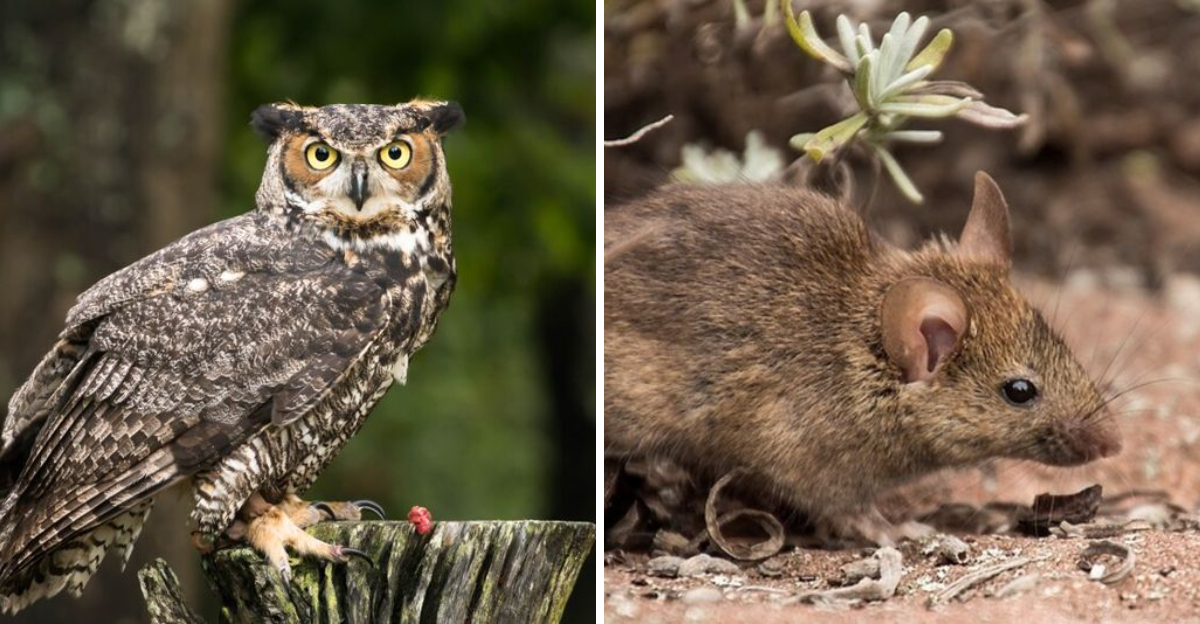
If you’ve been dealing with rats and mice around your Texas property, you already know how frustrating it can be. Traps, bait stations, calls to pest control.
It adds up fast, and the problem has a way of coming right back no matter what you do. But what if the most effective solution to your rodent problem was already flying around somewhere nearby, just waiting for the right invitation?
Great horned owls are nature’s most efficient rat and mouse hunters. A single great horned owl can take down hundreds of rodents every single year.
They hunt silently, they work at night when rodents are most active, and they never clock out. No chemicals, no traps, no monthly fees.
Just a remarkably skilled predator doing what it was born to do. The even better news is that attracting great horned owls to your Texas property is more achievable than most people think.
It comes down to a few simple things that make your land look like the perfect hunting ground. Here’s exactly how to roll out the welcome mat for one of nature’s greatest pest controllers.
1. Provide Tall Trees Or Perches
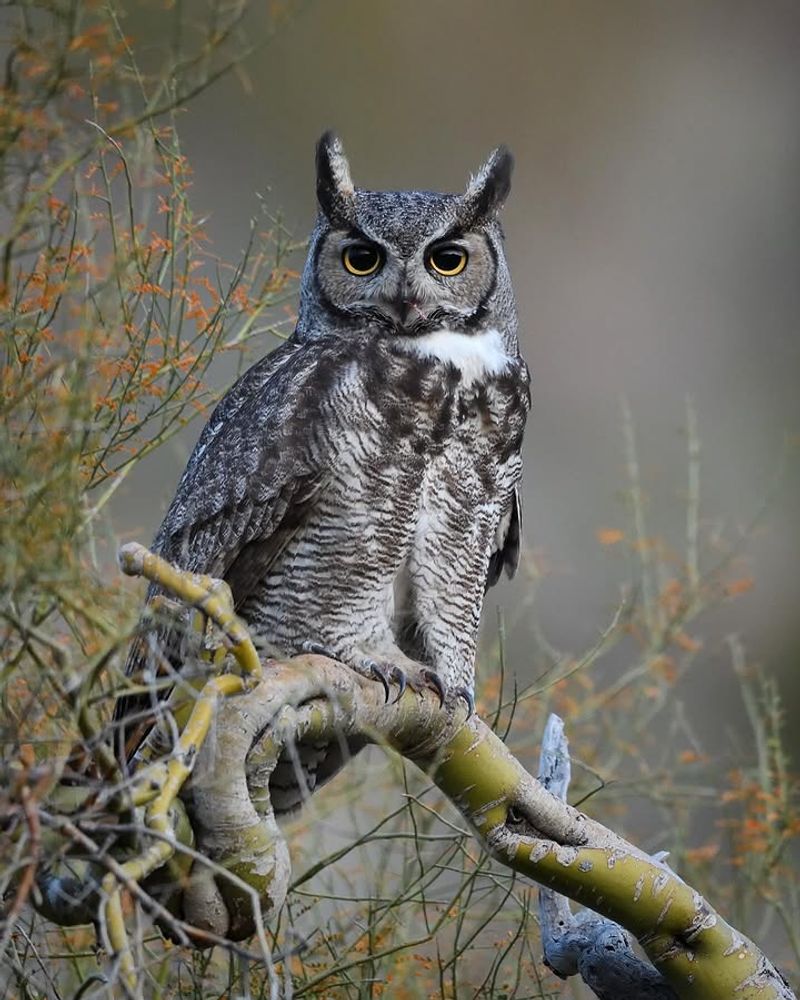
Picture a Great Horned Owl sitting perfectly still at the top of a tall oak tree, its sharp yellow eyes locked on the field below. That image is not just beautiful.
It is exactly what you want happening on your Texas property every single night. Great Horned Owls are ambush hunters. They rely on height to spot prey from far away.
Without tall trees or elevated perches, they simply cannot do their job well. If your yard lacks mature trees, owls will likely pass right over it and move on to better hunting ground.
Planting native Texas trees like live oaks, pecans, or cedar elms is a great long-term investment. These trees grow tall and strong, giving owls the vantage points they need.
If you already have mature trees on your land, do your best to protect and maintain them. You can also install tall wooden posts or dry snag poles around your property. These work as artificial perches and are especially useful in open areas where trees are sparse.
Place them near fields, fence lines, or garden edges where rodent activity is highest. Owls also use perches for resting and watching their territory. The more high spots you offer, the more time an owl will spend on your land.
Over time, a reliable perch becomes a regular stop on an owl’s nightly hunting route. Making your property perch-friendly is one of the simplest and most effective steps you can take. Start with what you already have, and build from there.
2. Keep Some Natural Brush
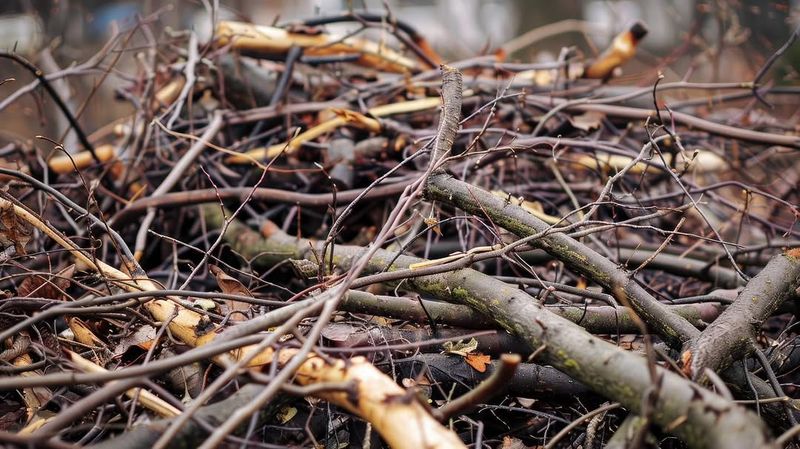
Not every part of your yard needs to be perfectly manicured. In fact, leaving some areas wild and brushy could be one of the smartest things you do for owl activity on your property.
Natural brush piles, overgrown hedgerows, and woodland edges create ideal habitat for small mammals like mice, voles, and rats. These animals love to nest and move through dense cover. And where prey gathers, owls follow. It is that simple.
Your Texas Garden Changes Every Week. Your Plan Should Too.
Gardening in Texas changes quickly throughout the season. Every Friday you’ll receive a simple weekly plan showing exactly what to plant, prune, fertilize, harvest, and protect so you never miss the right timing.
Brush also gives owls a natural flight corridor. When hunting at night, Great Horned Owls often follow tree lines and shrubby edges to sneak up on prey without being spotted.
A clear, open lawn with no cover offers them very little to work with. You do not need to let your whole yard go wild. Just designate a corner or border strip where brush, tall grasses, and native shrubs can grow freely.
Along fence lines or property edges works great. Even a small brushy strip can make a big difference in attracting rodents and, in turn, drawing in owls.
Native plants are the best choice here. Plants like Texas lantana, wild plum, and yaupon holly grow naturally in the region and support local wildlife without needing much care.
They also look attractive while doing real ecological work. Think of your brushy areas as a hunting pantry for owls. The more natural habitat you preserve, the more food sources you maintain.
More food means more owls returning night after night to patrol your land and keep rodent numbers low.
3. Install Nesting Boxes
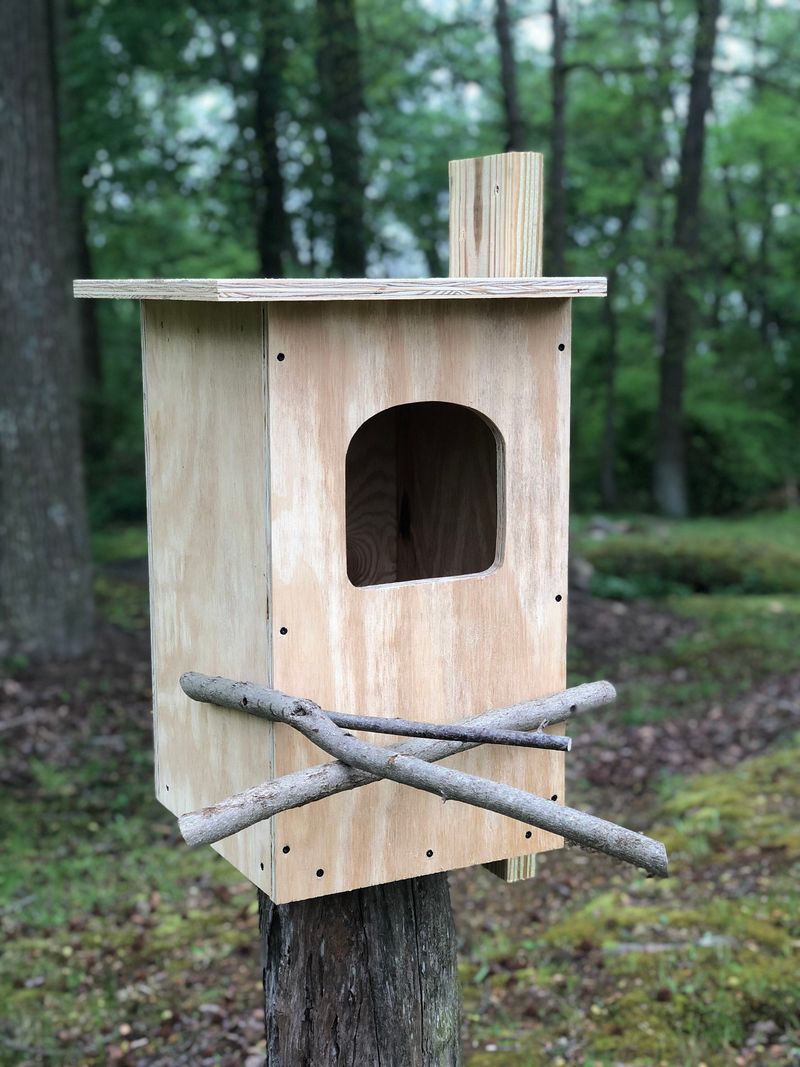
Great Horned Owls do not build their own nests from scratch. Instead, they take over old hawk nests, tree cavities, or large hollow spaces.
When those natural spots are hard to find, a well-placed nesting box can be a game changer.
Installing an owl box on your Texas property gives breeding pairs a safe, stable place to raise their young. When owls nest on your land, they are not just passing through.
They are committing to the area for months, which means consistent, nightly rodent hunting right where you need it most.
Owl boxes for Great Horned Owls need to be big. A solid wooden box at least 24 inches deep and 12 to 14 inches wide works well.
Use untreated wood and add a few drainage holes at the bottom. The entrance hole should be about 8 inches wide to let adults in comfortably.
Placement matters a lot. Mount the box at least 15 to 20 feet off the ground on a sturdy pole or tree.
Face the opening away from strong prevailing winds, and choose a quiet spot away from busy areas of your yard. Owls are cautious nesters and will avoid boxes in noisy, high-traffic locations.
Add a few wood shavings or dry leaves inside to give the box a natural feel. Check it once a year in late summer after the nesting season ends, and clean out any debris.
A well-placed owl box can attract a nesting pair within one or two seasons. Patience pays off big here.
4. Minimize Human Disturbance
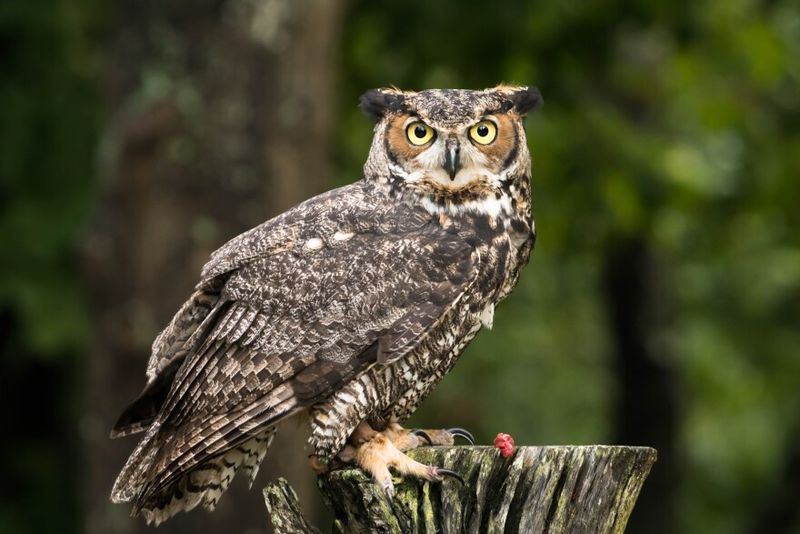
Great Horned Owls are not skittish in the way smaller birds are, but they still prefer peace and quiet. If your property is constantly lit up, noisy, or full of activity after dark, owls will choose somewhere calmer to hunt and roost.
Bright outdoor lights are one of the biggest problems. Floodlights and motion-sensor lights flood the yard with harsh light that disrupts an owl’s ability to hunt effectively.
Owls rely on darkness and their incredible hearing to locate prey. Constant artificial light throws off their natural rhythm.
Try switching to warm, low-output lights near your home and turning off unnecessary outdoor lighting at night. Motion-activated lights that only turn on briefly are better than lights that stay on for hours.
Keeping lighting focused near doors and walkways rather than flooding the whole yard makes a real difference.
Noise is another factor. Loud music, frequent foot traffic, barking dogs, and outdoor gatherings near owl perch areas can discourage owls from settling in.
Try to keep the areas around your owl boxes and perch posts as calm and undisturbed as possible, especially during nesting season from late winter through spring.
Letting your dog or cat roam freely at night can also scare off owls. Pets that run through the yard disrupt hunting patterns and may even threaten young owls on the ground.
Creating quiet zones on your property does not require major changes. Simply being mindful of where you place lights and how much activity happens in owl-friendly areas can make your land far more welcoming to these incredible hunters.
5. Support Prey Populations
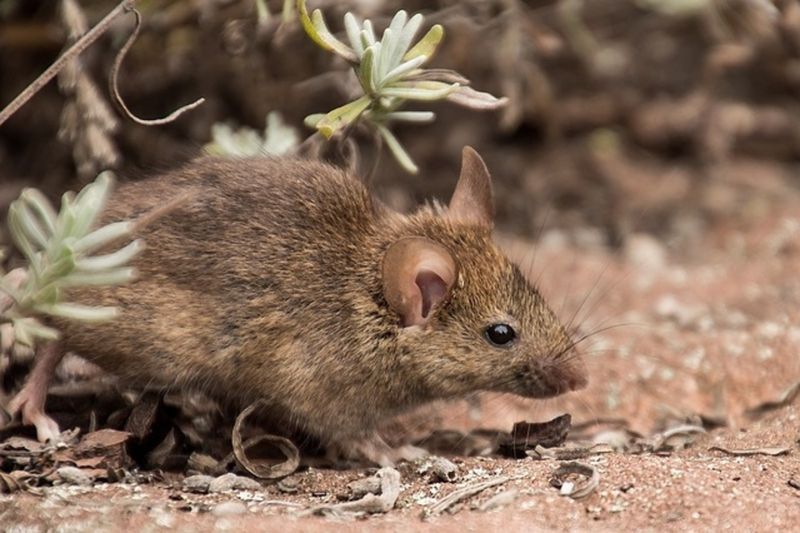
Here is something that might surprise you. To attract owls that eat rats and mice, you actually need to make sure there are enough rats and mice around for them to hunt. Owls go where the food is. No prey, no owls.
That does not mean letting rodents run wild through your home or barn. It means preserving natural habitat areas where small mammals can live and move freely on the edges of your property.
Grassy field margins, weedy fence lines, and brushy corners are perfect for this. Meadow voles, harvest mice, and even young rats naturally live in these fringe areas.
They rarely cause problems in those zones, but they provide a reliable food source that keeps owls returning to your land again and again. Over time, the owls actually help regulate those populations naturally.
Planting native grasses along field edges is a great way to support prey habitat without inviting rodents into your living space. Buffalo grass, little bluestem, and Indiangrass are all excellent Texas natives that create dense ground cover where small mammals thrive.
Think of it as creating a buffer zone. Rodents stay in the wild margins, owls patrol those margins nightly, and your garden, home, and barn stay protected.
It is a balanced system that works with nature rather than against it. Maintaining a healthy prey base also means avoiding actions that wipe out rodent populations too quickly.
A sudden drop in prey can cause owls to move to a different area. Steady, natural predation is far more effective and sustainable than any quick fix.
6. Preserve Dry Trees And Snags

Most people see a dry tree and think it needs to come down right away. But if that tree is standing safely away from your home or structures, it could be one of the most valuable things on your entire property for attracting Great Horned Owls.
Standing dry trees, often called snags, are packed with natural features that owls love. Hollow cavities in snags make perfect roosting and nesting spots.
The bare, open branches give owls unobstructed views of the ground below, making them ideal hunting perches. Snags also attract insects and woodpeckers, which create even more cavities over time.
Great Horned Owls often take over old woodpecker holes or natural hollows in snags for nesting. These spots are naturally insulated, hidden from predators, and elevated off the ground. They closely match the conditions owls seek in the wild.
If you have a dry tree on your land that poses no safety risk, consider leaving it standing. You can even trim dangerous branches while keeping the main trunk intact. A partial snag still offers enormous value as a perch and nesting site.
In areas where no natural snags exist, you can create an artificial one. Drill large cavities into a thick wooden post and mount it in an open area.
This mimics the look and function of a real snag and can attract owls looking for a reliable resting spot.
Snags cost nothing to maintain and require zero effort once they are in place. They are one of the most overlooked and underrated tools for building owl-friendly habitat on Texas land.
7. Avoid Pesticides And Rodenticides
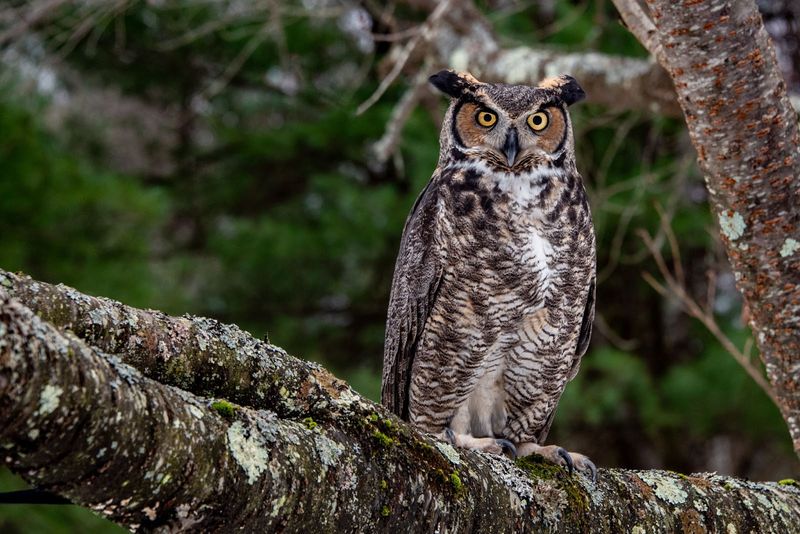
Reaching for a box of rat poison feels like the fastest solution when rodents show up. But that choice could actually make your rodent problem worse in the long run by removing the very predators that would handle it for free.
When rats or mice eat rodenticide bait, the chemical stays in their bodies. If an owl catches and eats one of those poisoned rodents, the toxins transfer directly into the owl.
This is called secondary poisoning, and it is a serious threat to Great Horned Owls and other birds of prey across Texas.
Even small doses of rodenticide can weaken an owl’s immune system, slow its reflexes, or cause internal bleeding. Owls that are affected may stop hunting effectively or abandon your property entirely.
Losing an owl to secondary poisoning means losing your best natural rodent control tool. Pesticides used in gardens and lawns also cause problems. Many insecticides reduce the number of beetles, voles, and other small prey that support a healthy food chain.
Fewer prey animals means less reason for owls to visit. The good news is that skipping rodenticides does not mean giving up on rodent control. Owls, along with hawks and snakes, can manage rodent populations very effectively when given the chance.
Your job is simply to create the right environment and stay out of the way. Switching to snap traps inside buildings and sealing entry points is a safe alternative that does not affect wildlife.
Going chemical-free is the single most important step you can take to protect owls and let natural predation work on your Texas property.