This Is How To Revive Heat-Damaged Gardenia Plants In Florida
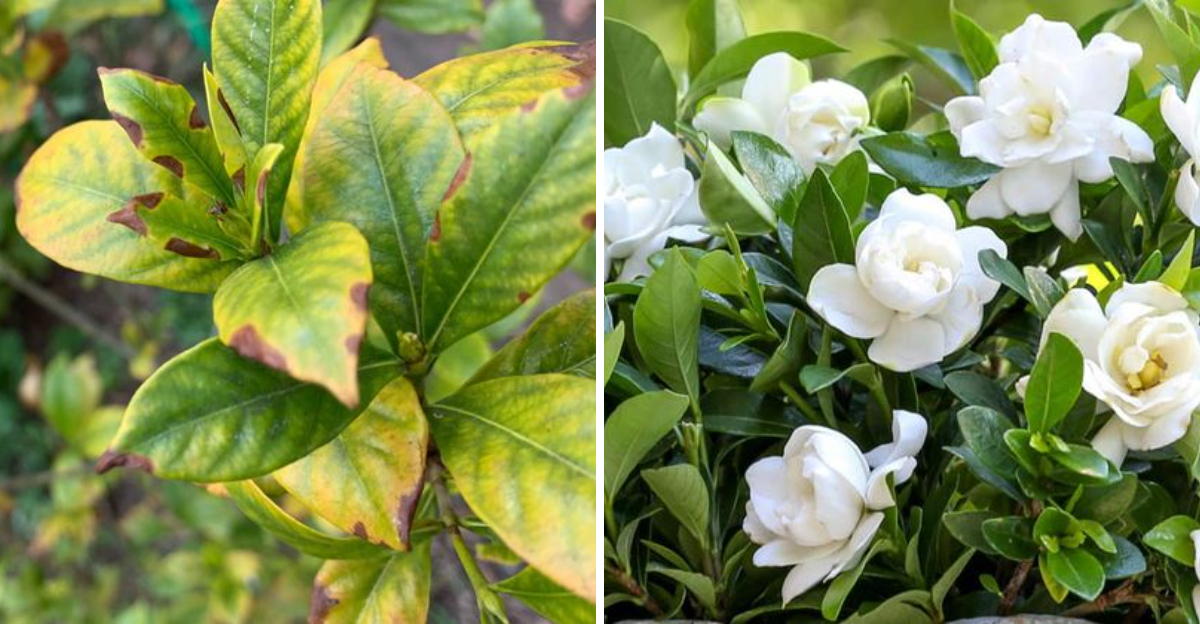
Gardenias are not forgiving plants on a good day. They have strong opinions about soil, water, and light.
Florida summers test every one of those preferences at once. A heat stretch that pushes past what a gardenia can handle shows up fast.
Yellow leaves, brown blooms, a plant that was fragrant and full two weeks ago now looking like it has given up. The instinct is to water heavily and hope.
That approach works occasionally and backfires often. Heat-damaged gardenias have specific needs that blanket watering does not address and sometimes makes worse.
Recovery is possible. Gardenias are tougher than they appear in a moment of heat stress.
The right response at the right time makes a real difference in how quickly a struggling plant comes back. What that response actually looks like depends on reading the plant correctly first.
Check Whether The Stems Still Have Green Life
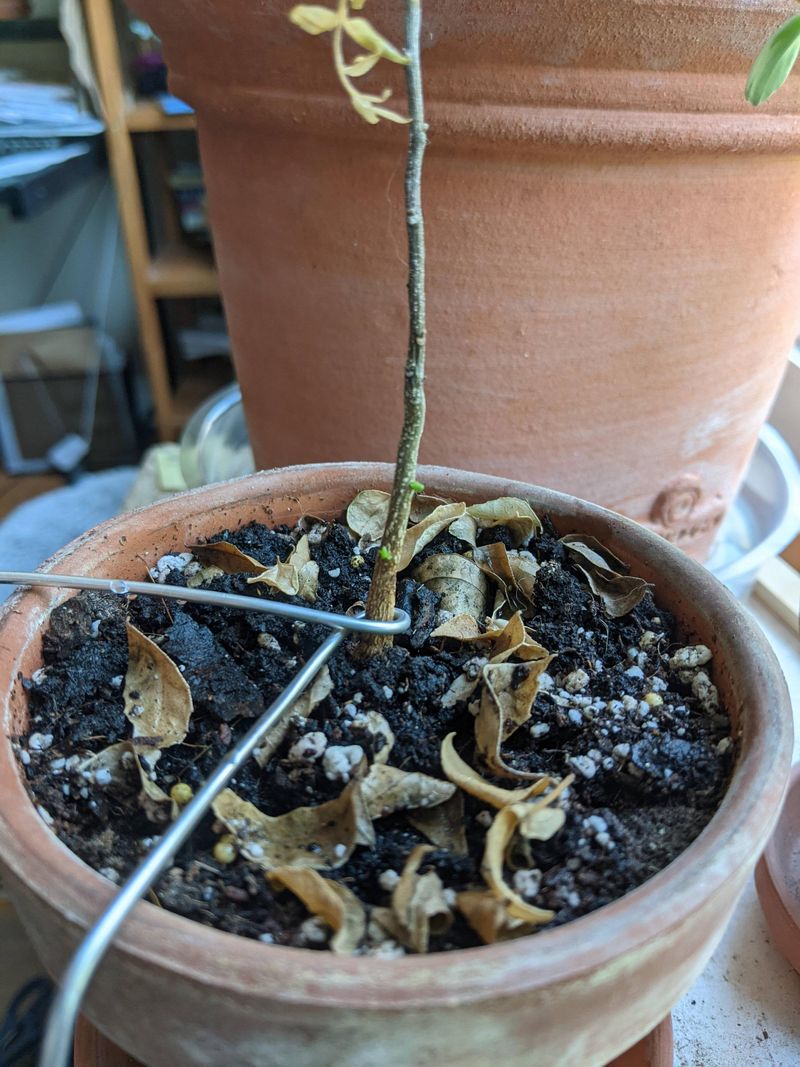
A wilted gardenia after a brutal hot week can look alarming, but crispy leaves alone do not tell the whole story. Before doing anything else, take a moment to check whether the plant still has living tissue in its stems.
Use your fingernail or a small knife to gently scratch a tiny section of bark on a stem that looks questionable. If you see green or white tissue underneath, that stem still has life in it.
Flexible stems that bend without snapping are another good sign. Brittle, fully brown stems that feel dry all the way through are less promising, but even then, check stems closer to the base of the plant before giving up.
Roots can sometimes survive even when upper stems look rough.
Avoid cutting the whole plant back before you know which wood is still alive. Removing live stems during peak heat adds stress and removes the foliage the plant needs to support recovery.
Mark any stems that seem questionable, then wait a week or two before making any cuts. New buds pushing from a stem you thought was gone are one of the clearest signs that your gardenia is working its way back.
Patience here pays off.
Move Potted Gardenias Out Of Afternoon Heat
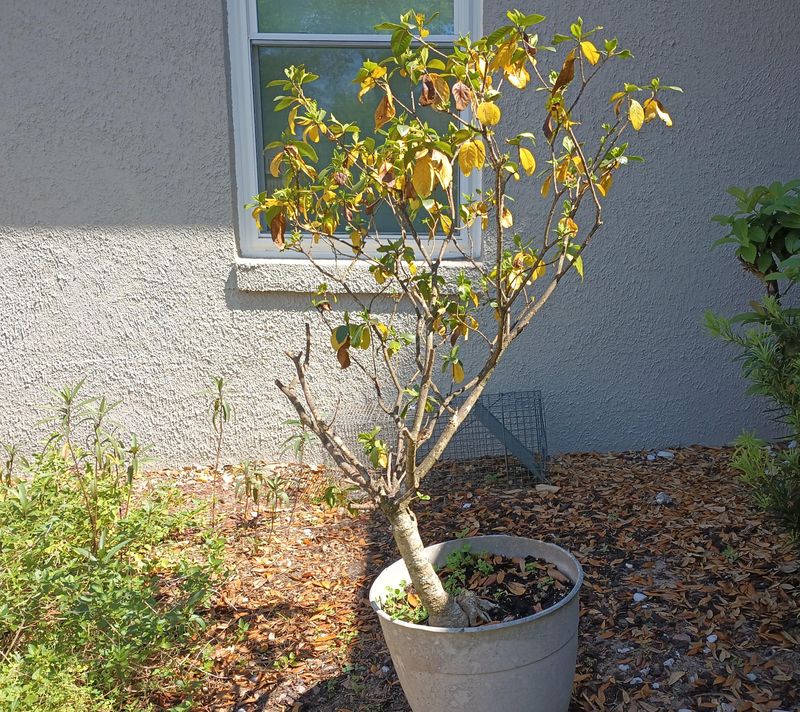
A potted shrub baking on a Florida west-facing patio or near a sun-warmed wall is dealing with more than just air temperature. Container walls absorb heat quickly, and root zones in small or dark-colored pots can reach temperatures that actively stress or damage roots.
Driveways, balconies, and concrete surfaces near the home make this worse by radiating extra heat upward and outward throughout the afternoon.
Moving a potted gardenia to bright shade, morning sun only, or a spot with filtered light can reduce that stress significantly during recovery. A location that gets gentle morning sun and shade from noon onward is a solid choice in this state’s summer.
The plant still needs light, but harsh afternoon exposure keeps the stress cycle going and slows any chance of recovery.
For gardenias planted in the ground, digging them up during peak heat is not recommended. Only consider it if there is a serious drainage or site problem and proper aftercare is planned.
Your Florida Garden Changes Every Week. Your Plan Should Too.
Gardening in Florida changes quickly throughout the season. Every Friday you’ll receive a simple weekly plan showing exactly what to plant, prune, fertilize, harvest, and protect so you never miss the right timing.
Instead, consider setting up a temporary shade cloth on the south or west side of the plant to reduce direct afternoon sun. Even a few hours of reduced exposure each day can help the root zone stay cooler and give the plant a better chance to stabilize and recover steadily.
Water Deeply Without Leaving Roots Soggy
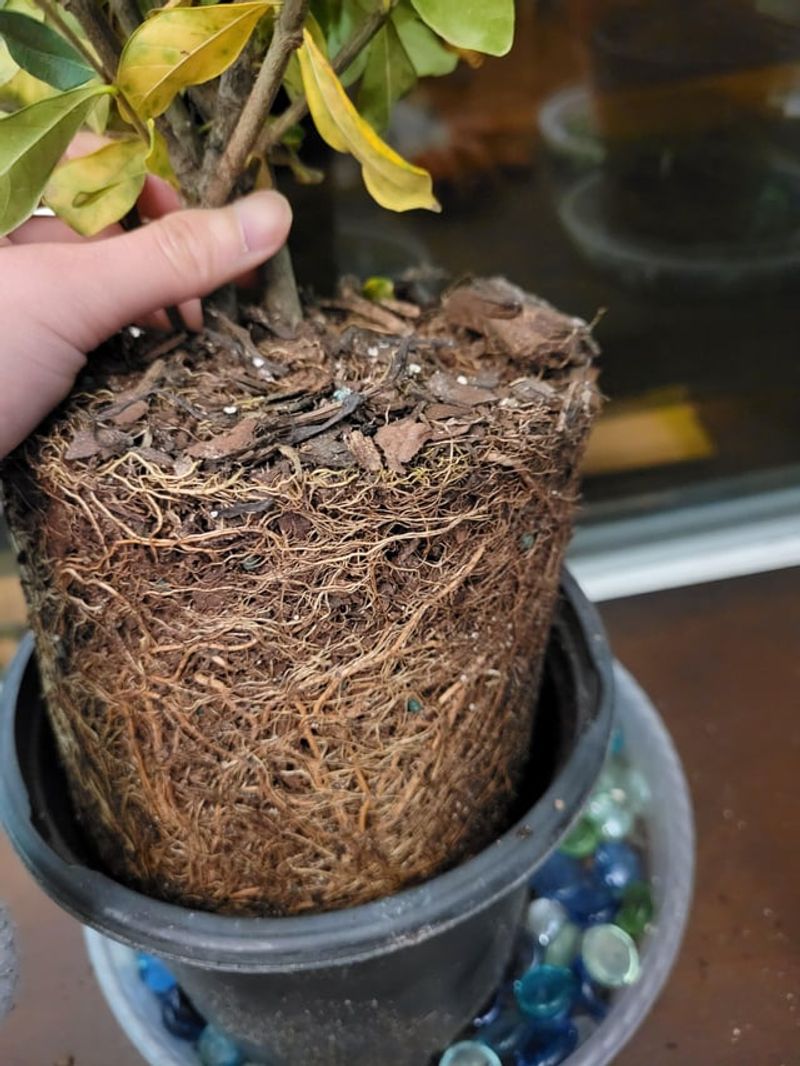
Yellow leaves and wilting after heavy summer rain can be confusing. It seems like the plant should have enough water.
However, gardenias in poorly draining beds or clogged containers can sit in soggy soil that suffocates roots as effectively as drought. Both dry roots and waterlogged roots cause similar symptoms, so guessing without checking can make the problem worse.
Push a finger two to three inches into the soil near the base of the plant. If it feels dry at that depth, the plant needs water.
If it feels wet or muddy, hold off and check drainage before watering again. Sandy soil in many parts of this state drains quickly and may need more frequent watering than gardeners expect.
Heavier or amended soils can stay wet for days after rain.
Water deeply when the soil is ready, allowing moisture to reach the root zone rather than just wetting the surface. Make sure containers have clear drainage holes and that saucers are not holding standing water under the pot.
During the rainy season, natural rainfall may be enough, but it is worth checking rather than assuming. Steady, even moisture without sogginess is what a stressed gardenia root system needs most to begin stabilizing.
Refresh Mulch Before The Root Zone Overheats
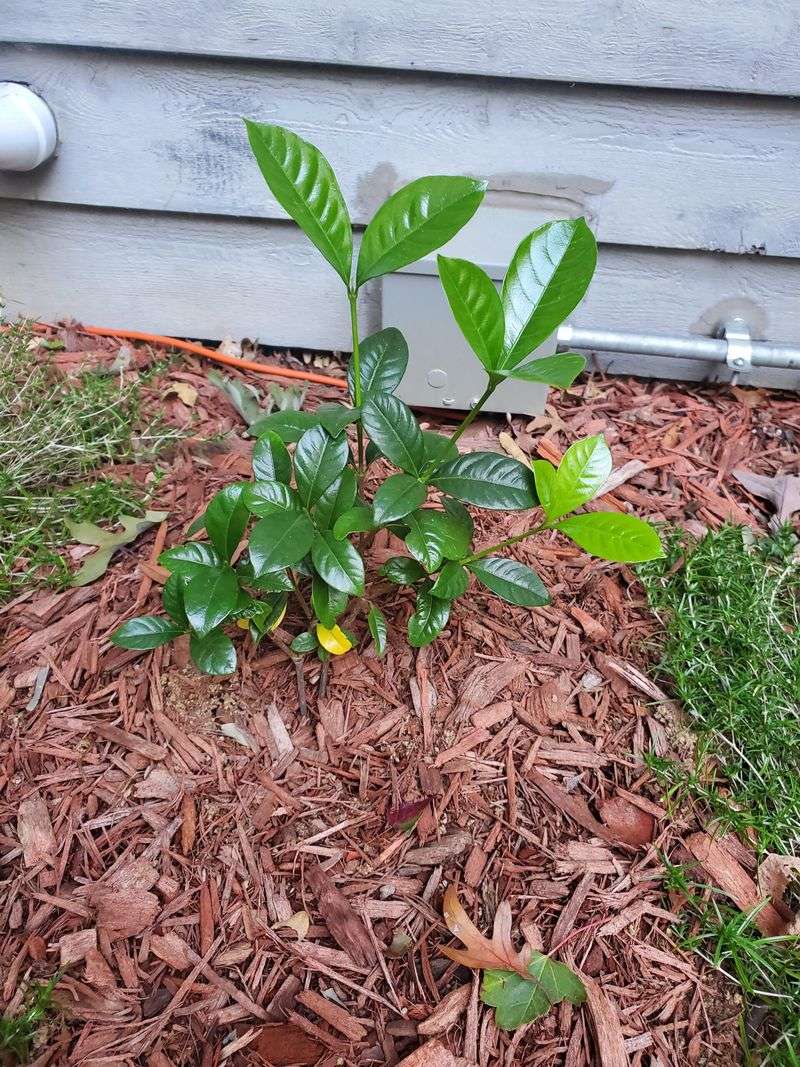
Crispy tips near a driveway or foundation bed are sometimes a sign that the root zone has been baking without protection. Mulch does a quiet but important job in hot-weather gardens.
A moderate layer of organic mulch helps moderate soil temperature and reduces moisture evaporation between waterings. It also protects the shallow feeder roots that gardenias rely on.
When mulch breaks down or gets thin, that protection disappears fast during summer heat.
Refresh the mulch ring around your gardenia with a two to three inch layer of organic material. Pine bark, pine needles, or similar options work well for acid-loving plants.
Pine-based mulches are a natural fit because they support the slightly acidic soil conditions gardenias prefer. Keep the mulch pulled back from the stem and crown of the plant to allow air circulation and prevent rot or fungal issues at the base.
Avoid piling mulch into a thick mound against the trunk, sometimes called a mulch volcano. Wet, packed mulch against the stem holds moisture in the wrong place and can cause bark damage over time.
A flat, even ring that extends out to the drip line of the plant is more effective. Steadier soil temperature and moisture support steadier root recovery, and that is exactly what a heat-stressed gardenia needs right now.
Remove Crispy Leaves Without Hard Pruning
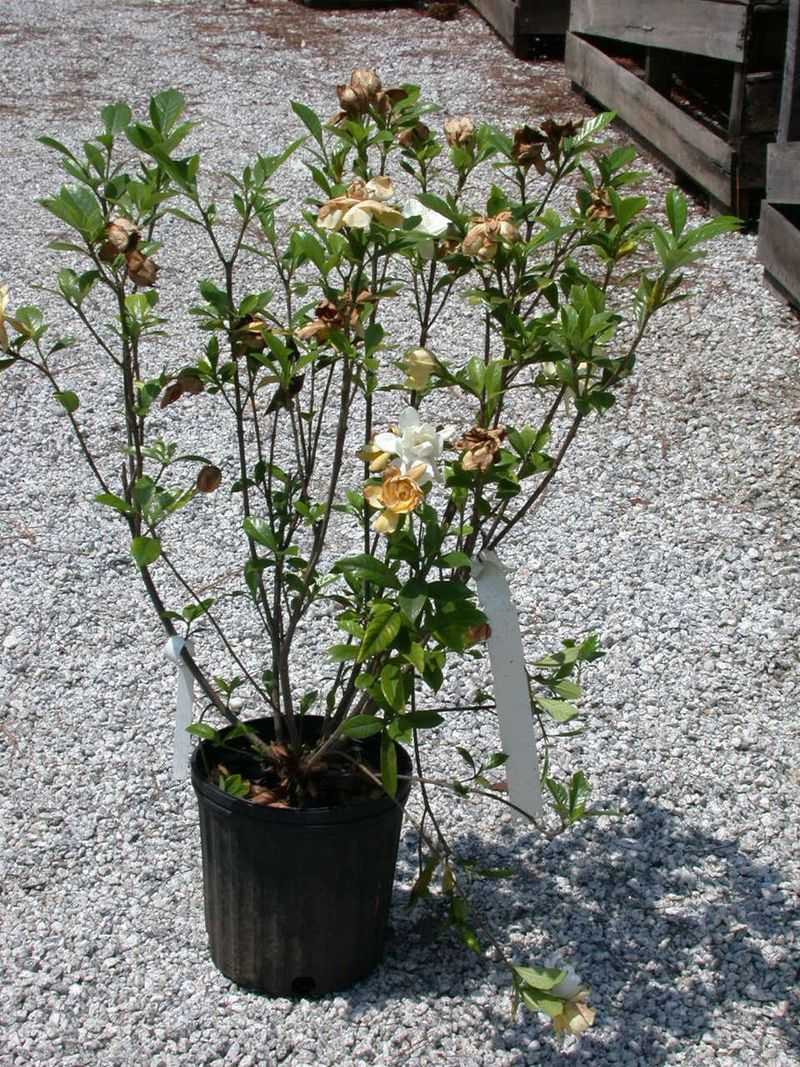
Fully brown, crispy leaves that have clearly given up can be removed by hand or with clean pruners, and doing so can make the plant look a little less discouraging. However, stripping the plant bare or cutting back large sections of stems during peak summer heat is a different matter entirely.
Hard pruning while a plant is already stressed adds another layer of demand that a struggling root system may not be ready to handle.
Some damaged leaves, even ones that look rough, may still be shading stems or nearby foliage from direct sun. Removing too much at once can expose previously shaded stems to harsh light and heat, which creates a new problem while you are trying to solve the first one.
A light cleanup is reasonable. A dramatic cutback is not, at least not yet.
Gardenias bloom on new growth that developed the previous season, so poorly timed pruning can affect flowering even after the plant recovers. Wait until you see steady new growth returning before doing any real shaping.
At that point, light trimming to remove clearly spent wood or to tidy the form is fine. Watch for new buds and fresh leaves as the signal that the plant is ready to support that kind of attention again.
Pause Fertilizer Until New Growth Looks Steady
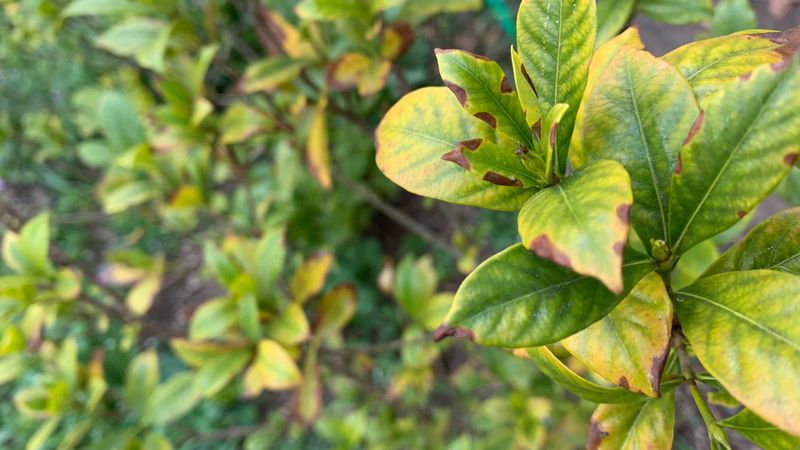
A gardener reaching for fertilizer because a plant looks bad is a natural instinct, but it is one worth pausing on when heat stress is involved. Fertilizer applied to a gardenia with damaged roots, dry soil, or soggy soil can make root stress worse rather than better.
Roots that are already struggling have a harder time taking up nutrients safely, and salts in fertilizer can add to that burden at exactly the wrong time.
Hold off on any fertilizer application until you see clear signs of steady new growth returning. Fresh leaves pushing out, flexible new stems, and buds forming are the signals that roots are functioning well enough to support feeding.
Once that growth appears, an acid-forming fertilizer appropriate for gardenias can be considered. Check local fertilizer ordinances first, especially in Florida counties with seasonal restrictions tied to water quality rules.
Yellowing leaves on a gardenia can come from many sources, including low soil pH, iron or magnesium deficiency, root damage, overwatering, or pest pressure. Fertilizer is not a fix for all of those causes.
If nutrient deficiency is suspected, a soil test through your local UF/IFAS Extension office can help. It gives you a clearer picture of what is actually missing before you add anything to the soil.
Watch For Pests On Heat-Stressed Gardenias
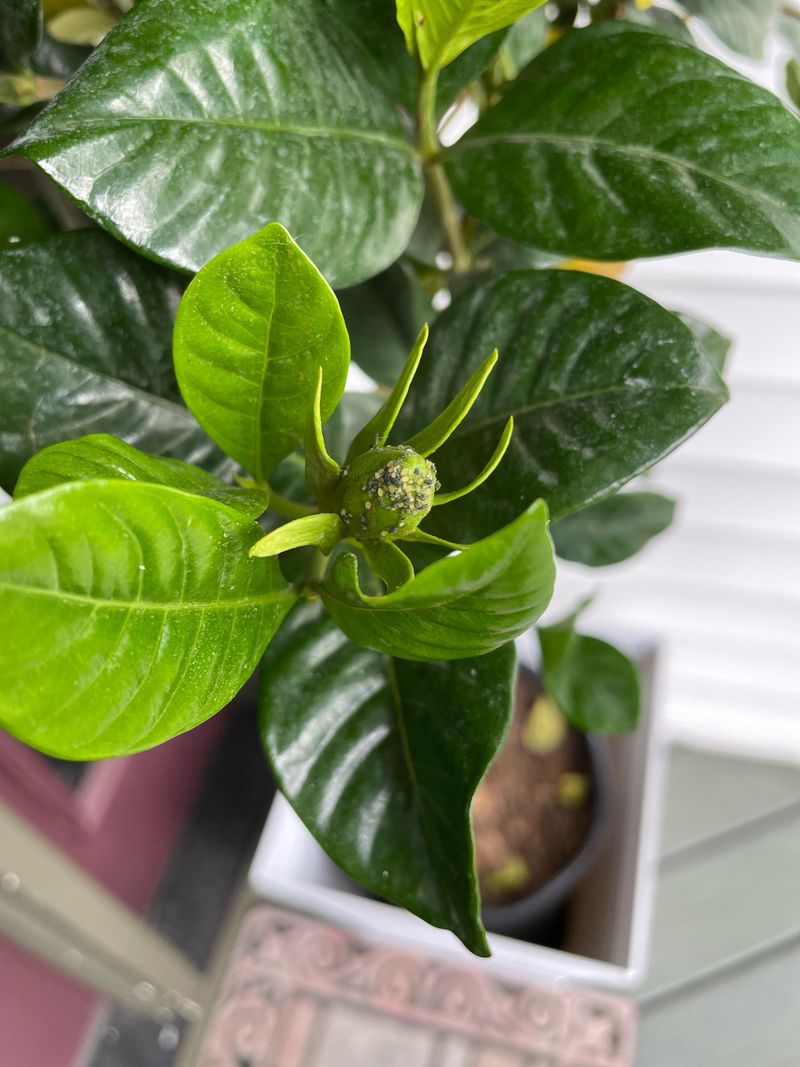
Sticky leaves and a dusting of black sooty mold on a gardenia are not just cosmetic problems. They are signs that something is feeding on the plant, and a gardenia already dealing with heat stress is more vulnerable to pest pressure than a healthy one.
Whiteflies, aphids, soft scale, mealybugs, and spider mites are among the pests that can target gardenias in warm, humid conditions common to this state’s summer months.
Check the undersides of leaves, along stems, and on tender new growth where pests tend to cluster. Sooty mold grows on the sticky honeydew that sucking insects leave behind, so its presence is a clue to look more carefully even if you do not see insects immediately.
Distorted new leaves can indicate aphid or mite activity. Waxy bumps along stems may point to scale.
Identify the pest before reaching for a treatment. Broad pesticide applications as a first response can cause unintended problems, including harm to beneficial insects.
Horticultural oils and insecticidal soaps can be effective options for some pests, but both require caution during heat and bright sun because leaf burn risk increases. Always read and follow label directions completely.
Your local UF/IFAS Extension office can help with pest identification if you are unsure what you are dealing with.
Give Buds And Leaves Time To Recover Slowly
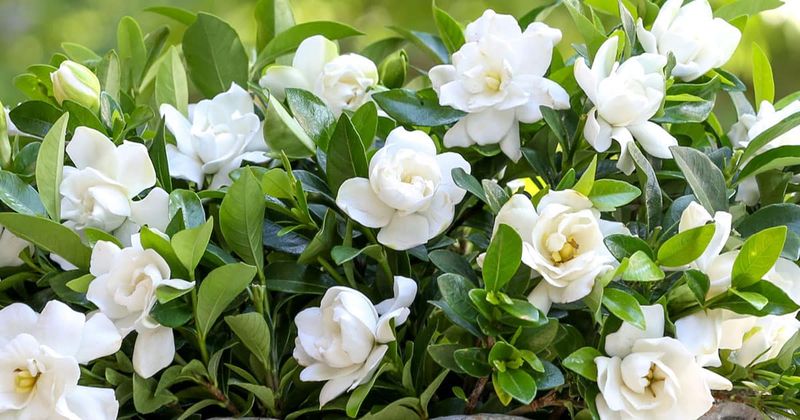
Buds may keep dropping, yellow leaves may hang on, and growth may still seem stalled for a week or two. That can happen even after you improve shade, watering, and mulch.
That lag is normal. Roots recovering from heat stress do not immediately flip a switch and resume full function.
The plant is working quietly underground before anything visible changes above it.
Watch for small signs rather than waiting for a dramatic transformation. New buds at stem tips, fresh green leaves, and flexible stems are quiet signs of improvement.
More consistent soil moisture is another signal that conditions are getting better. These signs matter more than whether the plant looks perfect right now.
Recovery timelines vary depending on root health, how long the stress lasted, the age of the plant, container size, soil conditions, and drainage. A younger plant in a small container may respond faster than an older established shrub that endured weeks of reflected heat and dry roots.
Be realistic about what recovery looks like. Consistent, calm care over several weeks is what actually brings a heat-stressed gardenia back.
Rushing it with extra water, extra fertilizer, or hard pruning will not speed things up. Steady attention will.