What This Florida Heat Wave Is Actually Doing To Your Plants And How To Help Them Recover
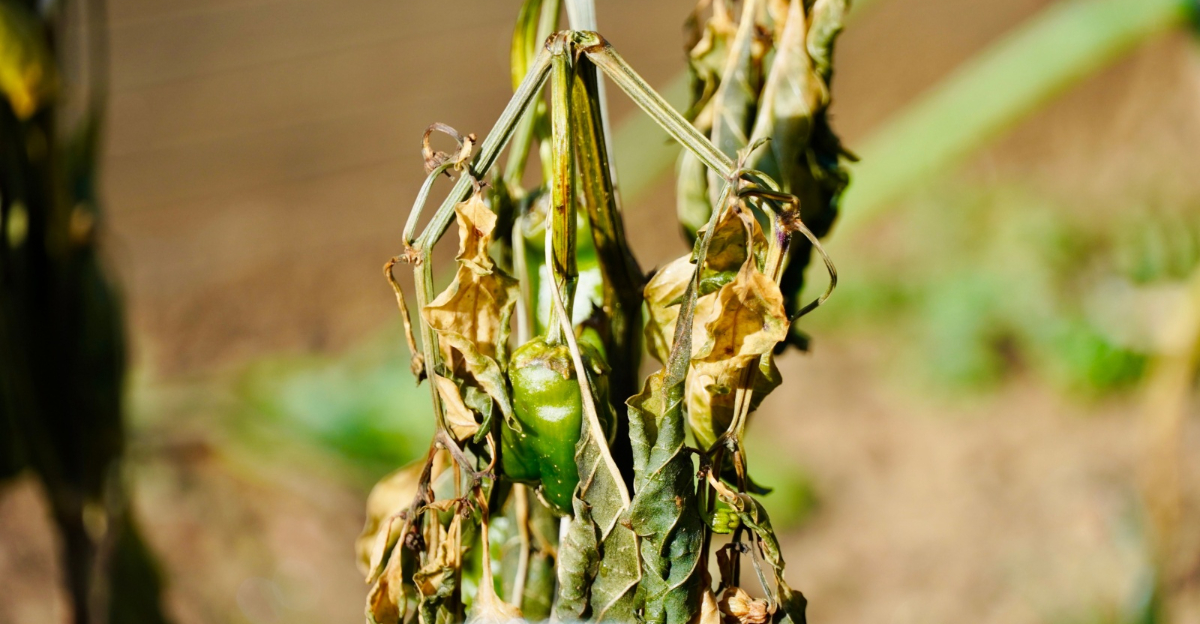
A Florida heat wave does not care how diligently you have been watering.
Intense afternoon sun, sandy soil that loses moisture fast, and temperatures that stay uncomfortably high well into the evening can push garden plants past their limits even when they were doing fine just weeks earlier.
Wilting leaves, soil pulling away from container edges, and fruit dropping before it has a chance to develop are all signs that the heat is winning. The response that actually helps is not panic watering.
It is checking soil moisture carefully, protecting roots with mulch, using shade cloth to reduce sun intensity, and avoiding anything that adds extra stress to plants that are already working hard just to keep up.
A measured approach in a Florida heat wave makes a much bigger difference than a frantic one.
1. Leaves Are Losing Water Faster Than Roots Can Replace It
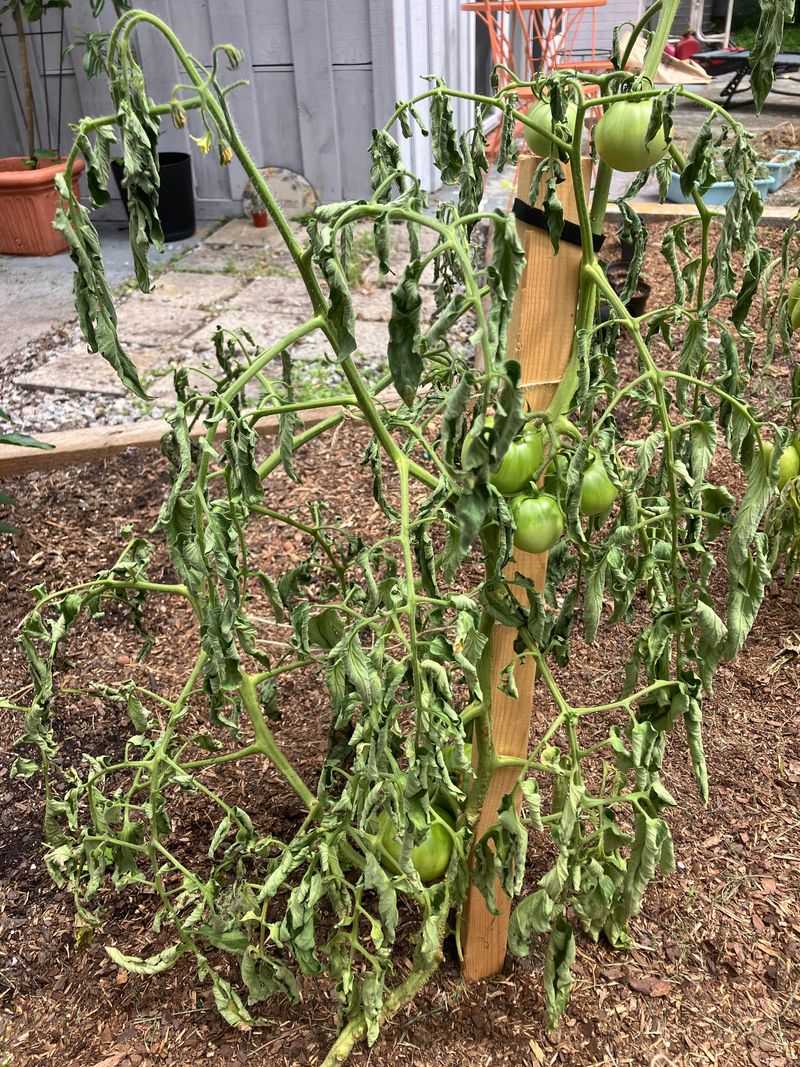
Walking out to your Florida garden on a sweltering afternoon and finding leaves that look wilted, curled, or just plain tired is one of the most common heat wave experiences home gardeners deal with.
What you are seeing is often a sign that the plant is losing water through its leaves faster than the roots can pull moisture up from the soil.
This process, called transpiration, speeds up dramatically when temperatures climb and direct sunlight beats down for hours without a break.
When the air is hot and dry, leaves release moisture at a faster rate than usual.
The plant responds by closing tiny pores on the leaf surface, which can slow things down a little, but during a serious Florida heat wave, that natural defense is not always enough to keep foliage looking fresh and upright.
Curling leaves, a dull or grayish color, and a generally droopy appearance during the hottest part of the day are all signals worth paying attention to. These symptoms do not automatically mean the plant is in serious trouble.
Many Florida plants recover on their own once afternoon temperatures drop and evening moisture returns to the air.
Check the soil before adding more water. If the root zone still feels moist a few inches down, the plant may just need shade and time rather than another round of irrigation.
Avoid misting foliage during peak sun hours, as wet leaves in direct Florida sun can cause additional stress to already struggling plants.
2. Plants May Wilt Even When Soil Still Has Moisture
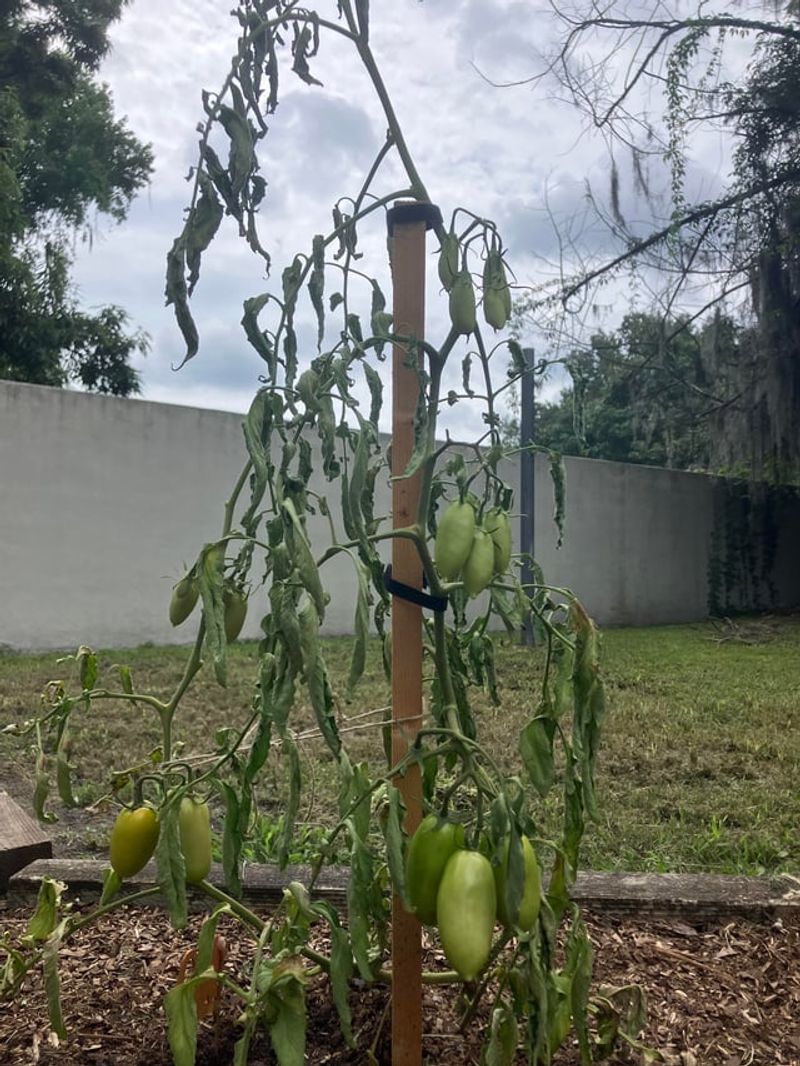
Seeing a plant wilt in the middle of a Florida afternoon can make any gardener want to grab the hose immediately. Before you water, push your finger or a small stick about two to three inches into the soil near the root zone.
If the soil still feels cool and damp, the plant may be wilting from heat alone rather than from a lack of water.
Plants can experience what is sometimes called heat or midday wilt, where the rate of water loss through leaves simply outpaces what the roots can deliver, even when the soil has plenty of moisture available.
Your Florida Garden Changes Every Week. Your Plan Should Too.
Gardening in Florida changes quickly throughout the season. Every Friday you’ll receive a simple weekly plan showing exactly what to plant, prune, fertilize, harvest, and protect so you never miss the right timing.
This is especially common in Florida during July and August when afternoon temperatures regularly reach into the upper nineties and humidity stays high.
Adding water to soil that is already wet can create a different kind of problem. Roots sitting in waterlogged soil, especially in Florida’s sandy or clay-heavy growing areas, can become stressed and lose their ability to absorb nutrients and oxygen efficiently.
This can make a struggling plant look even worse over time rather than better.
If the soil is moist and the plant wilts in the afternoon but perks back up by evening or early morning, that is a strong sign that heat rather than drought is the main issue.
Focus on providing some afternoon shade, checking that containers have proper drainage, and waiting until the soil dries slightly before watering again.
3. Flowers And Fruit Can Drop Under Heat And Water Stress
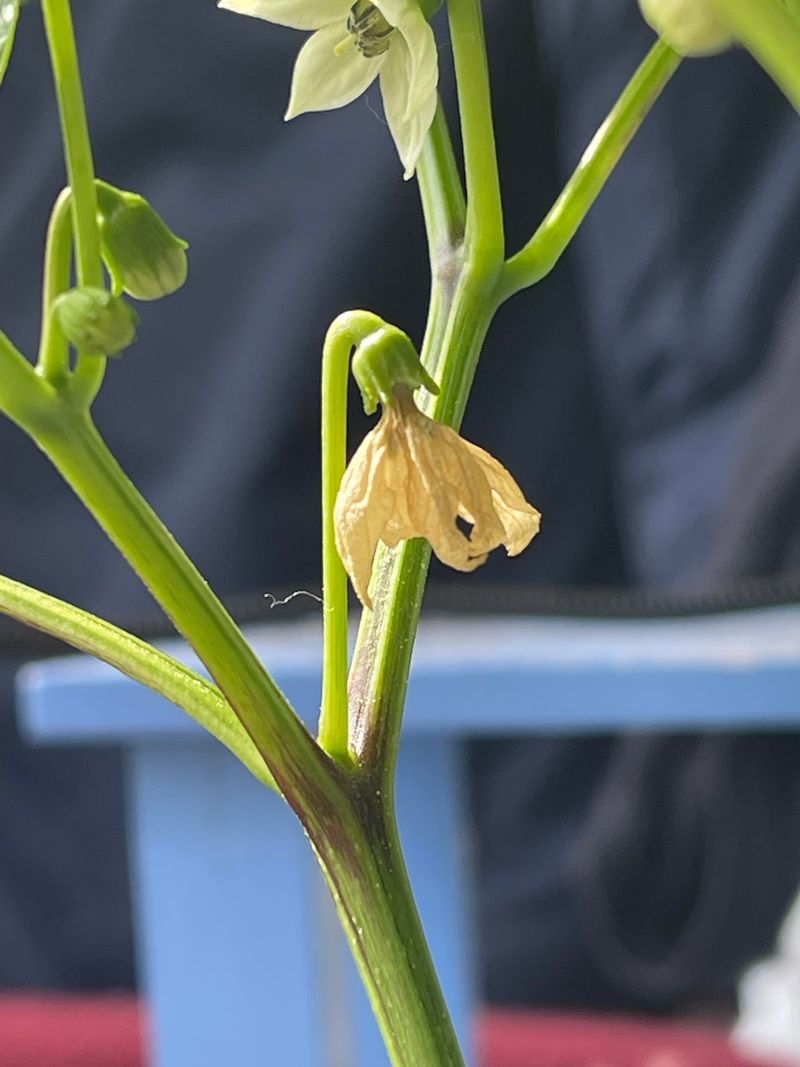
Tomato growers across Florida know the frustration of watching flowers fall off the vine before they ever get a chance to set fruit.
During a heat wave, this kind of flower and fruit drop can happen quickly and feel discouraging, especially when the plant otherwise looks healthy.
High temperatures combined with uneven soil moisture put real pressure on the plant’s ability to complete its reproductive cycle.
Most vegetable crops and many fruiting ornamentals have a temperature range where pollination and fruit set work well.
When daytime highs push past that comfortable range, which in Florida can happen for weeks at a time during summer, plants often shed flowers and small developing fruit as a way of reducing their overall workload.
The plant is essentially protecting itself by dropping what it cannot support under current conditions.
Peppers, tomatoes, beans, and squash are among the vegetables most likely to show flower or fruit drop during a Florida heat wave.
Some ornamentals and tropical plants may also shed blooms unexpectedly when temperatures stay elevated for several days in a row.
Keeping soil moisture as consistent as possible can help reduce stress during this period. Extreme wet-dry swings in the root zone tend to make flower and fruit drop worse.
Mulching around the base of plants, watering deeply and less frequently, and providing some afternoon shade for heat-sensitive crops can all support the plant while it waits for temperatures to ease up a little.
4. Containers Are Heating Up Around The Roots
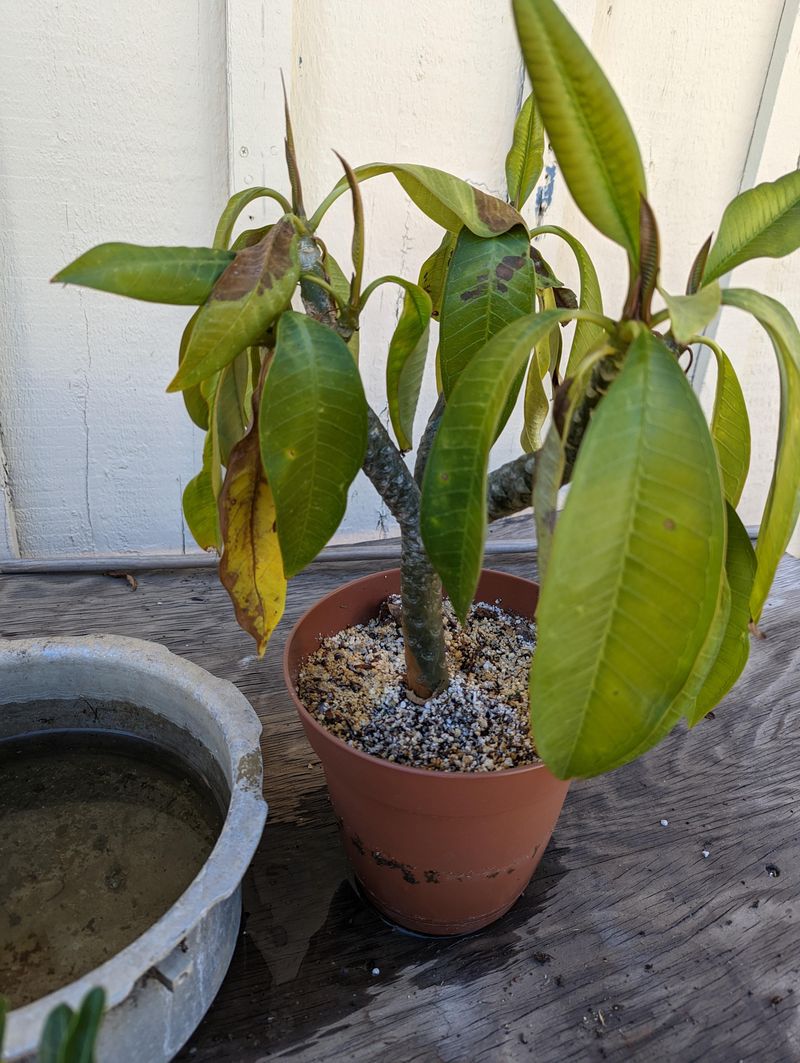
Patio pots sitting on a concrete driveway or a sun-baked Florida deck can become surprisingly hot during a heat wave.
Air temperature in a Florida summer might read somewhere in the mid-nineties, but the actual temperature inside a dark-colored plastic or metal container sitting in direct sun can climb significantly higher.
Those elevated container temperatures create conditions that stress roots even when the plant appears to have enough water.
Container plants have a much smaller volume of soil compared to in-ground beds, which means the entire root zone heats up and dries out faster. Small pots are especially vulnerable because there is less soil to buffer temperature swings throughout the day.
Roots pushed against the hot walls of a container can become damaged, reducing the plant’s ability to take up water and nutrients efficiently.
Moving containers to a shadier spot during the hottest weeks of a Florida summer is one of the most practical steps you can take.
Even shifting a pot to a location that gets morning sun but afternoon shade can make a real difference in how quickly the soil heats up and dries out.
Grouping containers together can also help, since pots shade each other slightly and the collective moisture from multiple plants moderates the immediate environment.
Light-colored containers or wrapping dark pots in a breathable material can reflect some heat away from the root zone.
Watering containers in the early morning rather than midday helps the soil stay cooler for longer into the afternoon before the hottest hours arrive.
5. Dry Soil Needs Deep Watering, Not Quick Sprinkles
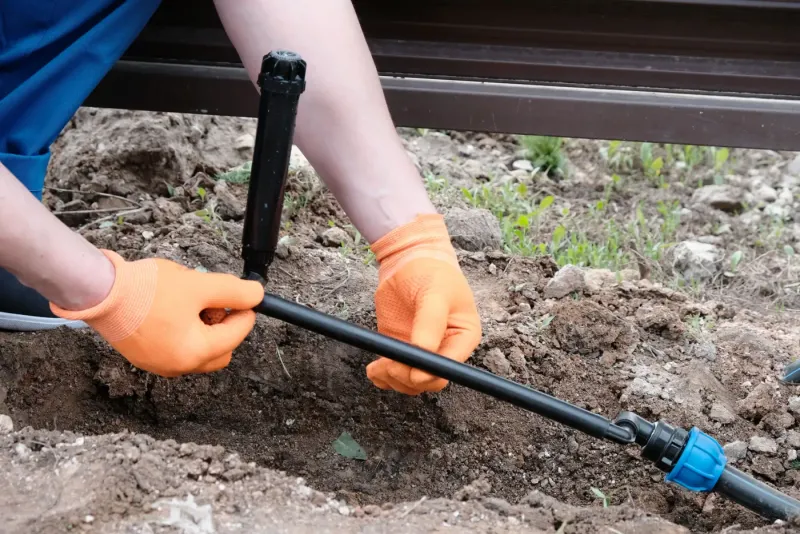
Sprinkling the surface of dry garden soil for a few minutes might look like watering, but in Florida’s sandy conditions, that moisture often evaporates or stays in the top inch without ever reaching the root zone where it is actually needed.
During a heat wave, shallow watering can give gardeners a false sense of security while the roots beneath the surface stay dry and stressed.
Deep watering means applying water slowly enough that it soaks several inches into the soil rather than running off or sitting near the surface.
A slow trickle from a hose at the base of a plant, left in place for several minutes, does far more for root health than a quick pass with a sprinkler on a hot afternoon.
Sandy Florida soil drains quickly, so even deep watering may need to happen more frequently than it would in denser soil types.
Raised beds can also dry out faster than in-ground gardens because they are elevated and exposed to heat on multiple sides.
Checking moisture levels in raised beds daily during a Florida heat wave is worth the extra minute it takes, since conditions can change faster than in a standard landscape bed.
Watering in the early morning gives moisture time to soak in before the heat of the day speeds up evaporation.
Avoid watering during the hottest afternoon hours when much of the water can be lost before it reaches the roots, and avoid frequent light sprinkles that train roots to stay shallow rather than growing deeper.
6. Shade Cloth Can Help Tender Vegetables And Young Plants
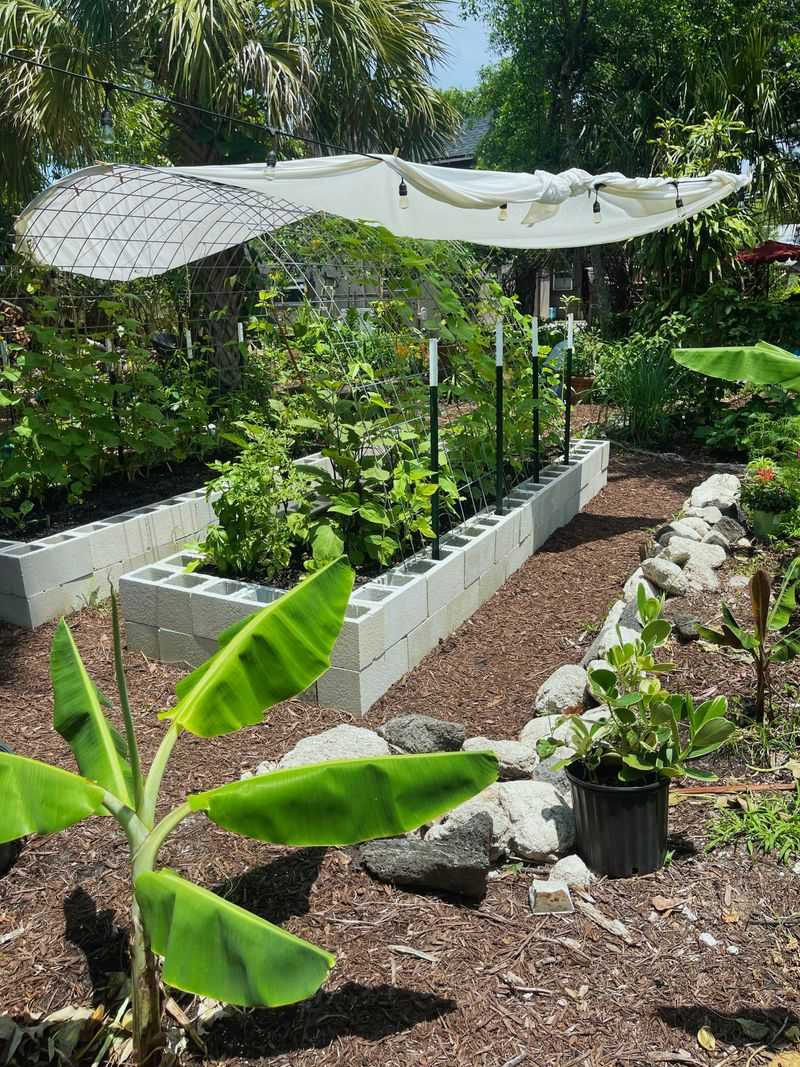
Stretching a piece of shade cloth over a raised bed or a row of struggling vegetables might feel like a temporary fix, but during a serious Florida heat wave, it can be one of the most helpful things you do for tender crops.
Shade cloth reduces the intensity of direct sunlight reaching the plant’s leaves, which slows down water loss and lowers the leaf surface temperature during the hottest hours of the day.
Young transplants, leafy greens, peppers, and tomatoes are among the plants that respond well to temporary shade during extreme heat. Shade cloth comes in different densities, with thirty to fifty percent shade being a common range for vegetable gardens.
Heavier shade ratings block more light, which can be helpful during peak summer heat but may reduce productivity if left in place too long on sun-loving crops.
Setting up a simple shade structure does not have to be complicated. Hoops made from PVC pipe or flexible conduit can support cloth over a raised bed, and stakes with clips work well for smaller areas.
The goal is to reduce direct midday and afternoon sun without putting plants in deep shade for extended periods.
Once temperatures ease up and nighttime lows drop back into a more reasonable range, removing or loosening the shade cloth allows plants to return to their normal light exposure.
Keeping it up longer than necessary on fruiting crops can slow ripening and reduce overall yields, so check conditions regularly and adjust as Florida’s summer weather shifts.
7. Mulch Helps Cool Soil And Hold Moisture
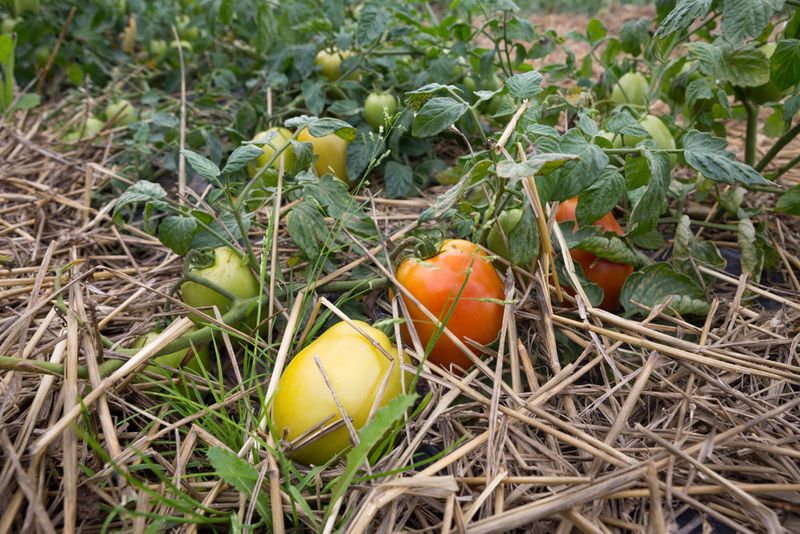
Bare soil in a Florida garden during a heat wave bakes quickly, and once the top layer dries out, moisture deeper in the soil evaporates faster too.
Covering the soil surface with a few inches of organic mulch creates a buffer that slows down both heat absorption and moisture loss, giving roots a more stable environment to work in even on the hottest days.
Wood chips, shredded bark, pine straw, and similar organic materials are commonly used mulches in Florida landscapes. A layer roughly two to three inches deep is enough to make a meaningful difference in soil temperature and moisture retention.
Thicker layers can sometimes prevent rainfall and irrigation from reaching the soil efficiently, so more is not always better when it comes to mulch depth.
One detail that matters a lot is keeping mulch pulled slightly away from the base of plant stems, trunks, and crowns.
Mulch piled directly against a stem can trap moisture and heat against tender plant tissue, which can lead to rot or other problems over time.
Leaving a small gap of a few inches around each plant base lets air circulate while still giving the surrounding soil the cooling and moisture-holding benefits of the mulch layer.
Refreshing mulch before the hottest stretch of a Florida summer, rather than waiting until the soil is already baked and dry, gives it the best chance to do its job.
Existing mulch that has broken down or thinned out over the season may need a fresh top layer to stay effective through the remaining heat.
8. Fertilizer Can Make Heat-Stressed Plants Work Harder
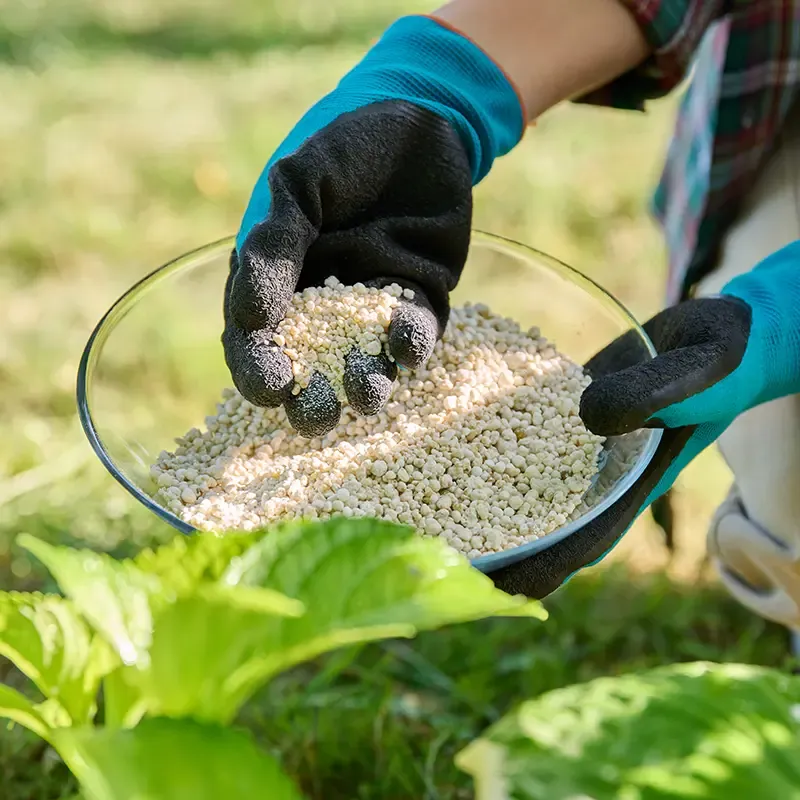
Reaching for a bag of fertilizer when plants look bad during a Florida heat wave is a natural impulse, but it can backfire in ways that make recovery harder. Fertilizer, especially fast-release nitrogen formulas, encourages plants to push out new growth.
During a heat wave, that new growth arrives soft and tender at exactly the moment when the plant is least equipped to support it, which can add stress rather than relieve it.
Roots under heat stress are already working hard just to maintain basic water and nutrient uptake.
Introducing fertilizer into a root zone that is dry, overheated, or uneven in moisture can also increase salt concentration in the soil, which draws moisture away from roots rather than toward them.
This is sometimes called fertilizer burn, and it shows up as brown leaf tips or edges that look scorched even without direct sun damage.
Before thinking about feeding, focus on getting the basics right. Check that soil moisture is consistent, that mulch is in place, that containers are not sitting in full afternoon sun, and that any obvious drainage issues are addressed.
A plant that has stable water and root conditions will be in a much better position to benefit from fertilizer once temperatures moderate.
If you have been following a regular fertilizer schedule through the season, skipping one application during the worst weeks of a Florida heat wave is unlikely to cause long-term harm.
Plants generally pause growth during extreme heat anyway, so holding off on feeding until conditions improve is a sensible approach for most home gardens.