Why Maryland Gardeners Divide Bearded Iris This Time Of Year, And What Happens If The Timing Is Off
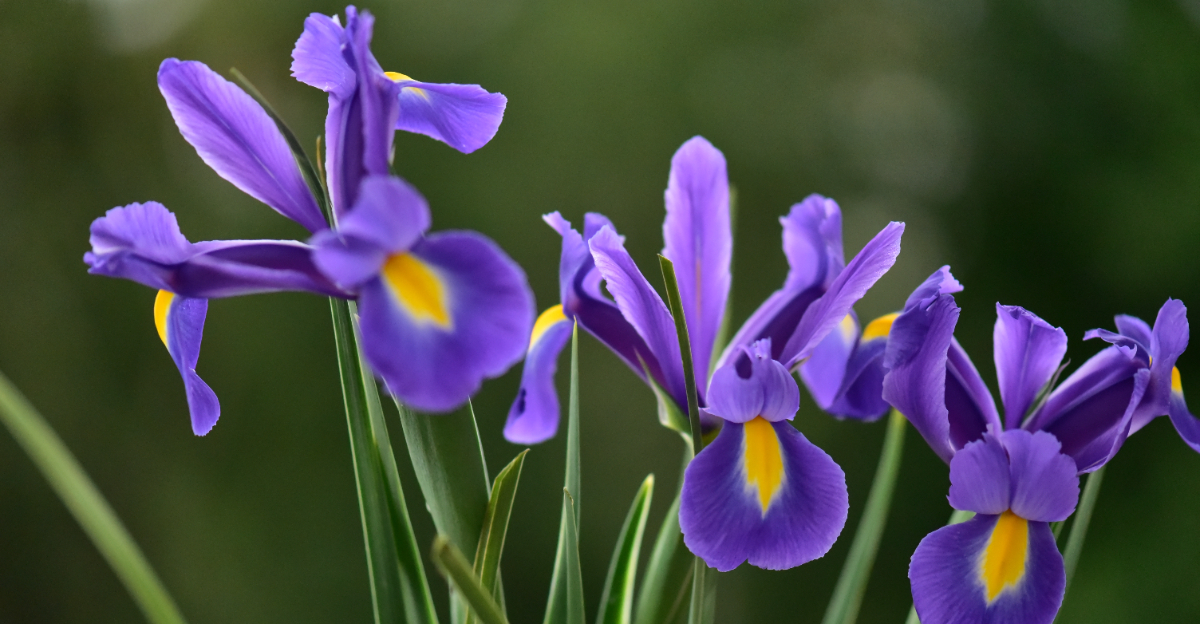
Every late summer, Maryland gardeners who grow bearded iris reach a fork in the road. Divide the rhizomes now, or push it off until later. It sounds like a small decision, but bearded iris have a long memory for bad timing.
A clump that gets divided too late does not just sulk for a few weeks. It carries that stress straight into dormancy and comes out the other side weaker, with fewer blooms and less vigor than it had before.
Maryland’s summers are humid and unforgiving, and bearded iris follow a rhythm that does not bend easily. There is a specific stretch of weeks when conditions align just right, and that window does not stay open long.
That window exists whether gardeners pay attention to it or not. The ones who do tend to have iris beds that stop people on the sidewalk.
Late Summer Is The Sweet Spot For This Common Garden Task
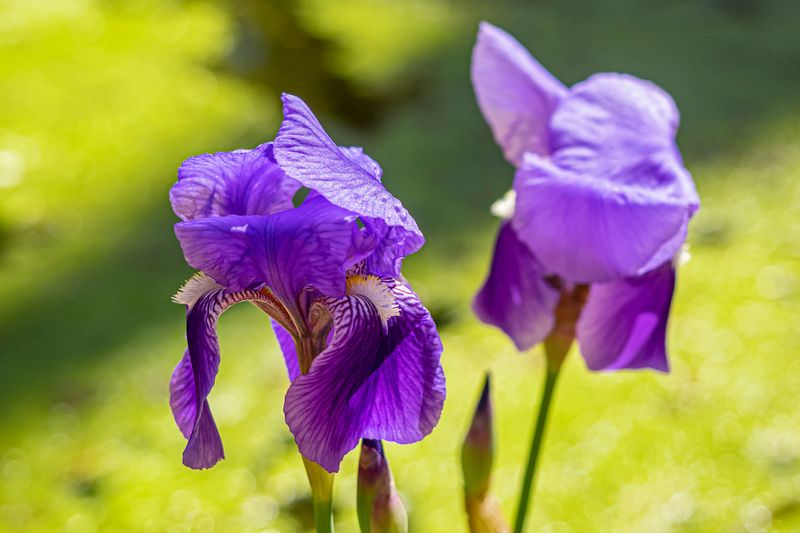
August heat is brutal, but your iris plants are quietly ready for a change. Late summer is the ideal window for dividing bearded iris, and Maryland gardeners have learned this lesson the hard way.
The soil is warm, the plants have finished blooming, and root growth is about to kick back into gear. That combination creates the perfect setup for successful replanting.
When you divide iris between late July and early September, the roots have enough time to establish before the ground freezes.
Maryland sits in USDA hardiness zones 5b through 8a, which gives gardeners a fairly forgiving but specific timeline. The mid-Atlantic climate means hot summers and cold winters, so that late-summer sweet spot really does matter here.
Think of it like baking bread. The timing of when you let it rise changes everything about the final result. Dividing bearded iris at the right moment sets the entire next season in motion.
Experienced gardeners in the Chesapeake Bay region often mark their calendars for this task every three to five years. Letting iris go too long without division leads to overcrowded clumps that stop blooming altogether.
The good news is that this task does not require fancy tools or expert skills. A sharp spade, some afternoon energy, and the right timing are really all you need to get started.
How Bearded Iris Signal They Are Ready To Be Divided
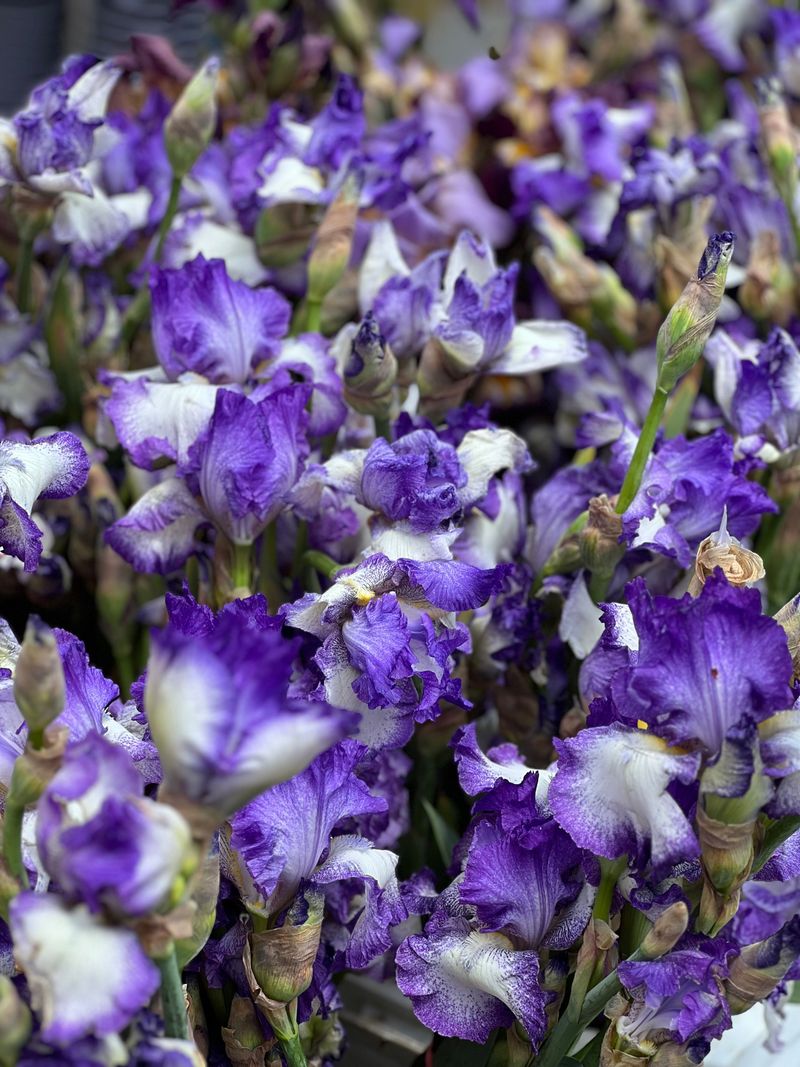
Your iris plants will tell you when they need help, if you know what to look for. Fewer blooms than usual is the clearest sign something is off.
When a clump stops producing flowers, it is usually because the rhizomes are fighting each other for space. Crowded roots cannot access enough nutrients to push out a strong bloom.
Another signal is a hollow, spent center where growth has stopped altogether. Healthy iris growth moves outward, leaving the original center rhizome spent and lifeless over time.
You might also notice the foliage looking thin, yellowed, or floppy even when the plant gets enough sun. That kind of stress usually points to root competition underground.
Your Maryland Garden Changes Every Week. Your Plan Should Too.
Gardening in Maryland changes quickly throughout the season. Every Friday you’ll receive a simple weekly plan showing exactly what to plant, prune, fertilize, harvest, and protect so you never miss the right timing.
Some gardeners overlook these signs because the plants still look green and alive above ground. But green leaves do not always mean a happy, productive plant.
Pest and disease pressure also increases when rhizomes are packed too tightly together. Poor air circulation in a dense clump makes soft rot and iris borers much easier to take hold.
A clump that has not been divided in four or more years may already be overdue. Even if it bloomed last spring, the decline is already starting beneath the surface.
Learning to read these signals takes one or two seasons of close observation. Once you spot the pattern, you will never miss the signs again, and your blooms will thank you for paying attention.
What The Division Process Actually Looks Like
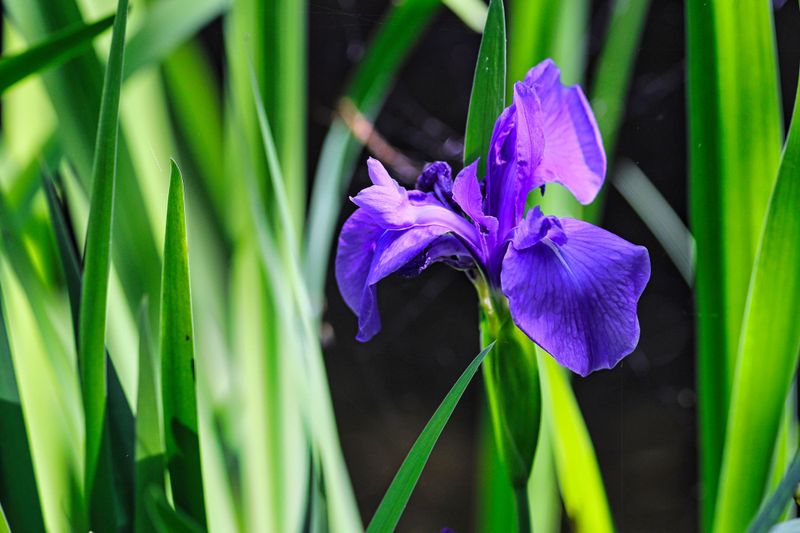
Grab a garden fork and start loosening the soil about a foot away from the clump’s edge. You want to lift the whole mass out without slicing through too many roots.
Once the clump is out of the ground, shake off the excess soil so you can see what you are working with. You will likely find a tangled web of rhizomes that looks more like a knot than a plant.
Use your hands or a clean knife to separate the younger, outer rhizomes from the old spent ones in the center. Each division should have at least one healthy fan of leaves and a firm, plump rhizome.
Trim the foliage down to about four to six inches using clean scissors or pruning shears. This fan shape reduces water loss while the plant focuses energy on growing new roots.
Inspect each rhizome carefully before replanting. Any section that feels mushy, smells bad, or shows obvious rot should be set aside and not put back in the ground.
Healthy rhizomes are firm, pale tan or white inside, and free from soft spots. A quick sniff test is surprisingly useful here since rotting tissue has a distinctive unpleasant odor.
Some gardeners let the cut rhizomes sit in the sun for a few hours before replanting. This brief drying time helps seal the cut surfaces and reduces the chance of rot setting in.
The whole process moves faster than most beginners expect, and the results the following spring make every minute worthwhile.
How To Prepare The Soil Before Replanting
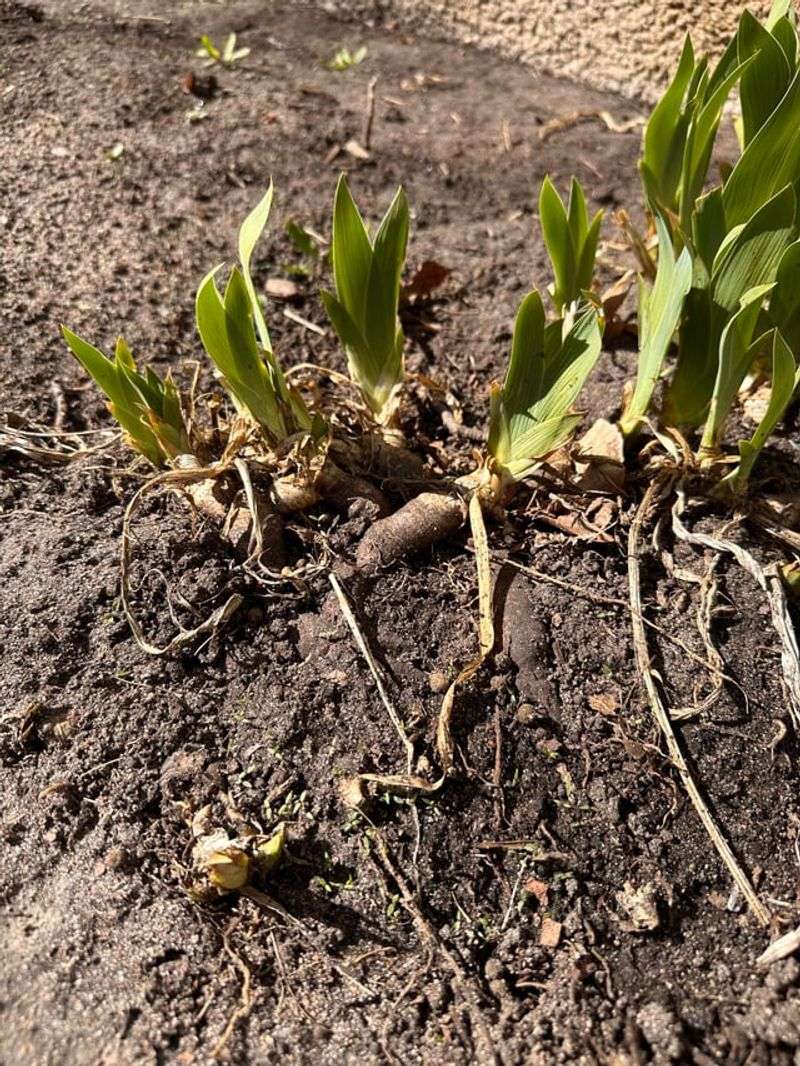
Good soil prep is the foundation of a successful replant, and it is worth taking an extra twenty minutes to do it right. Bearded iris are surprisingly picky about drainage.
These plants absolutely cannot tolerate sitting in wet soil for extended periods. Poor drainage is one of the top reasons newly divided iris fail to establish properly.
Start by loosening the planting area to a depth of about twelve inches with a garden fork or tiller. Breaking up compacted soil gives new roots room to spread out quickly.
Work in a couple inches of compost to improve both drainage and nutrient availability. Avoid heavy clay amendments or anything that retains too much moisture near the rhizome.
Maryland soils tend to vary quite a bit depending on whether you are in a piedmont, coastal plain, or mountain region. A simple soil test from the University of Maryland Extension can tell you exactly what your bed needs.
Bearded iris prefer a slightly acidic to neutral pH, generally somewhere between 6.0 and 7.0, with 6.8 considered ideal. If your soil tests too acidic, a light application of garden lime can bring it into the right range.
Avoid fertilizers that are high in nitrogen right before replanting. Too much nitrogen pushes leafy growth at the expense of root development and can increase soft rot risk.
A balanced slow-release fertilizer worked lightly into the soil at planting time gives the rhizomes a steady, gentle nutrient source. Set the stage right, and your iris will reward you generously come spring.
How To Care For Newly Divided Rhizomes In The First Few Weeks
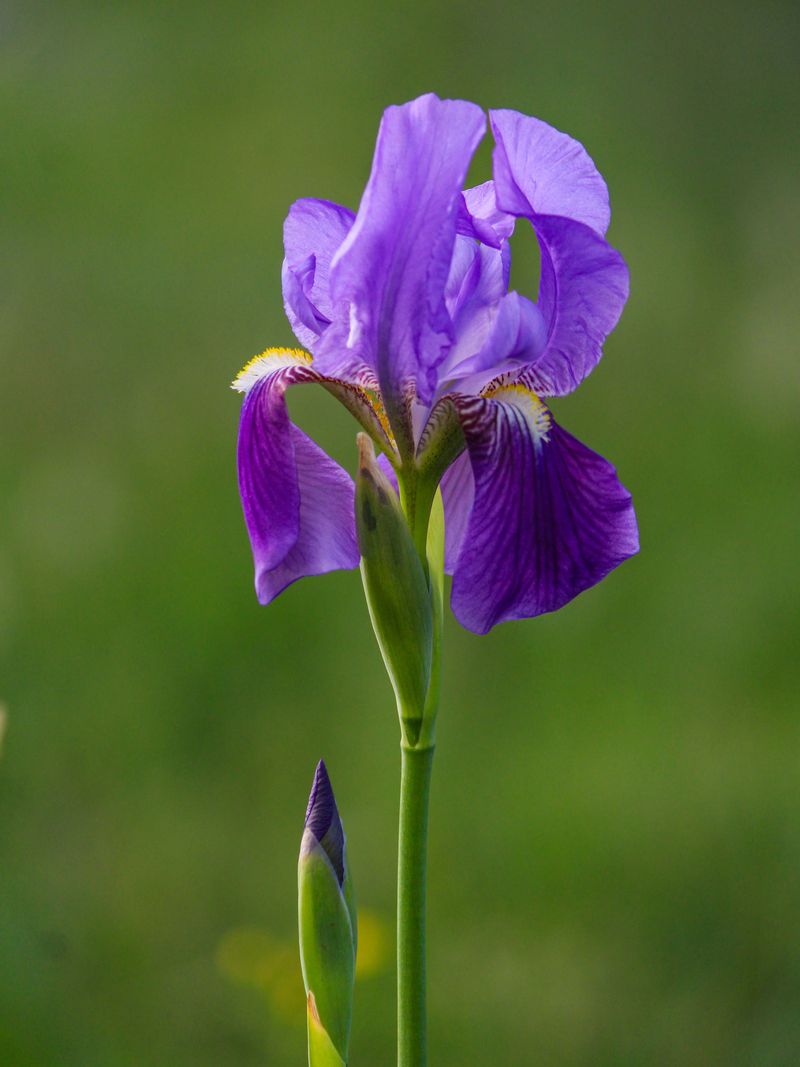
Planting depth is one of the most common mistakes people make when replanting divided iris. The rhizome should sit at or just barely below the soil surface, not buried deep.
Burying the rhizome too deep is one of the fastest ways to prevent blooming and invite rot. In warm climates like Maryland summers, the rhizome actually needs sun exposure to stay healthy.
After planting, water the new divisions thoroughly to help settle the soil around the roots. Then hold back and water only when the top inch of soil feels dry to the touch.
Overwatering newly divided iris is a surprisingly common error, especially for gardeners used to babying transplants. These plants want moisture to establish, but they cannot tolerate being waterlogged.
Mulching around the plants can help regulate soil temperature and retain some moisture. Keep the mulch pulled back from the rhizome itself so it gets the airflow and light it needs.
Watch for signs of settling or heaving in the first couple of weeks. Frost heave in early fall can push shallow-planted rhizomes right out of the ground if they have not anchored yet.
If you see a rhizome pushed up, gently firm the soil back around it rather than pushing it deeper. Patience and light touch are your best tools during this early establishment phase.
Once the plants show new leaf growth, you can exhale a little. New foliage is a reliable sign that roots are taking hold and the division was a success.
Skipping This Step Has Consequences That Show Up The Following Spring
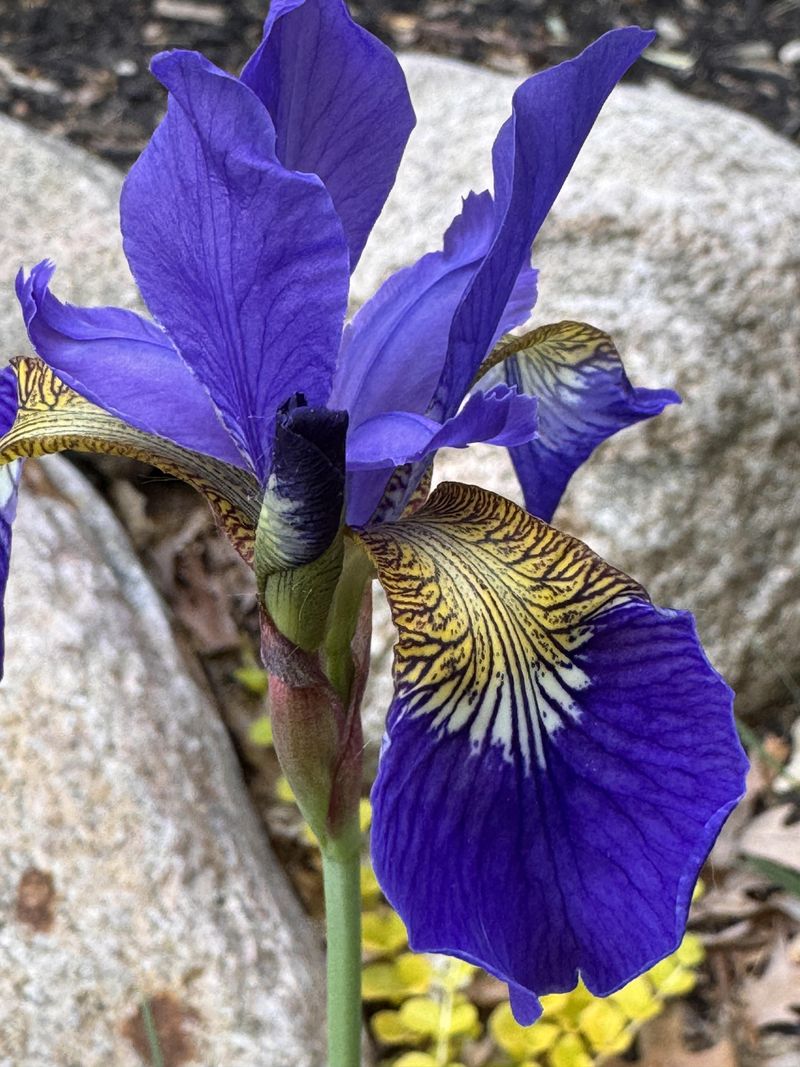
Spring arrives, and you walk out expecting a riot of purple and gold blooms. Instead, you find a dense mat of leaves and not a single flower stalk in sight.
That disappointing scene is exactly what happens when bearded iris go too long without being divided. Overcrowded rhizomes simply stop putting energy into flowering.
The plants are not broken, and they are not diseased. They are just too cramped to perform the way they were designed to.
Beyond the lack of blooms, overcrowded clumps become easier targets for iris borers. These destructive pests lay eggs on old iris leaves and nearby debris, and the larvae tunnel into rhizomes the following spring.
Soft rot often follows borer damage, and it can spread quickly through a tightly packed clump. By the time you notice the smell and the mush, the damage is already extensive.
Skipping division also means your plants miss out on refreshed soil and improved drainage. Old rhizomes deplete the nutrients around them over time, leaving the whole clump running on empty.
The visual impact of a neglected iris bed is hard to ignore once you know what to look for. Thin, floppy foliage and bare soil patches in the center of the clump are telltale signs.
Gardeners who divide their iris on schedule consistently report fuller, more vibrant spring displays. Keeping up with this task every three to five years is genuinely one of the highest-return jobs in the perennial garden.